Food Biotechnology Series - Böcker
Visar alla böcker i serien Food Biotechnology Series. Handla med fri frakt och snabb leverans.
5 produkter
5 produkter
931 kr
Skickas inom 10-15 vardagar
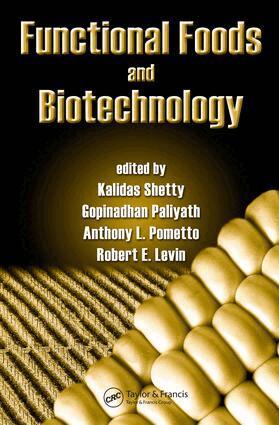
World-wide there are more overweight and obese people (1 billion) than there are malnourished (0.8 billion). Today the challenge lies not just in meeting basic nutritional needs, but providing additional protective ingredients to help prevent the major chronic diseases associated with obesity. Biotechnology has become an important tool in recent years and scientists are now investigating advanced and novel strategies for the improvement of the functional aspects of food and food ingredients in an effort to manage the current and emerging health care challenges.Functional Foods and Biotechnology focuses the information from the recently published Food Biotechnology to illuminate the role of biochemical processing in the improvement of functional foods with targeted health benefits and increased nutrient value. Applying molecular, biochemical, cellular, and bioprocessing concepts, the text explores the design of functional food ingredients; the bio-mobilization of major nutrients such as starch, lipids, vitamins, and minerals; and the use of specific phenolic metabolites from common botanical species that have been found effective in disease prevention. Many chapters are concerned with the role of ingredients in oxidation-linked disease, which is the core basis for the major chronic diseases. Specialty topics include non-nutritive sweeteners, immune factors from eggs, phytochemicals as antimicrobials, and passive immune improvement with pro- and pre-biotics. The text provides conceptual insights to key emerging techniques for improving food production and processing, enhancing food safety and quality, and increasing nutritional values and functional aspects of food for better human health.Introducing key concepts in biotechnology and the improvement of functional foods and nutrient sources, Functional Foods and Biotechnology addresses specific strategies and potential solutions to poor nutrition, be it caloric excess or deficiency, and the related health challenges facing the world today.
Functional Foods and Biotechnology
Biotransformation and Analysis of Functional Foods and Ingredients
Inbunden, Engelska, 2020
2 588 kr
Skickas inom 10-15 vardagar
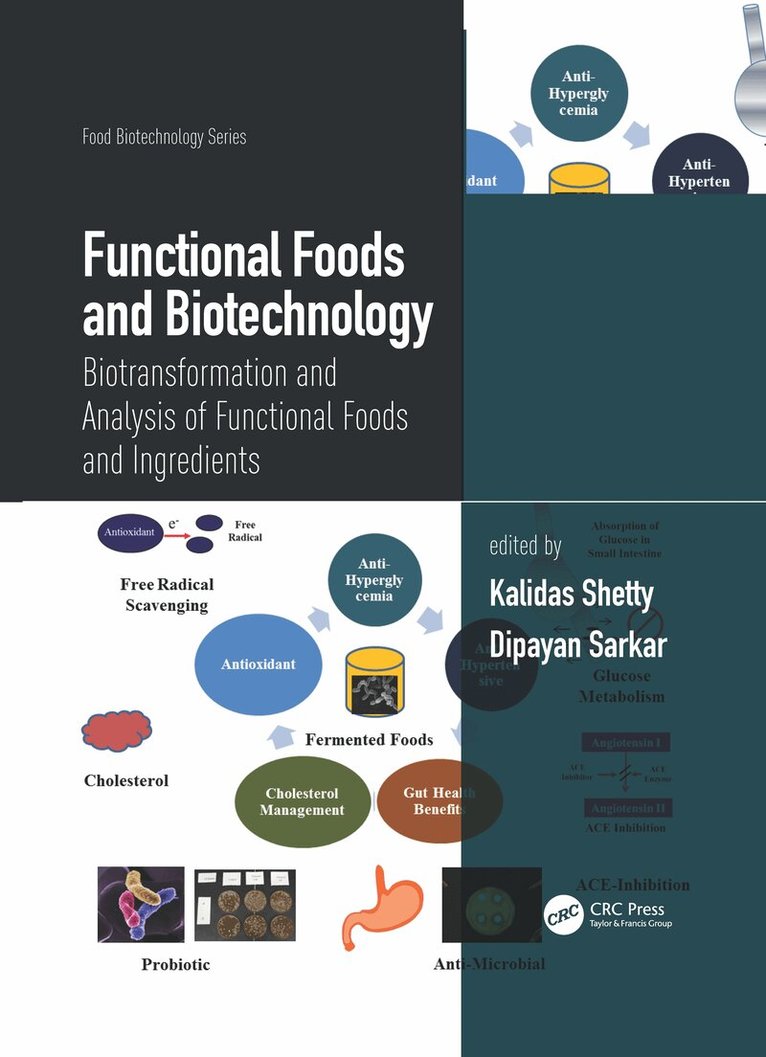
The second book of the Food Biotechnology series, Functional Foods and Biotechnology: Biotransformation and Analysis of Functional Foods and Ingredients highlights two important and interrelated themes: biotransformation innovations and novel bio-based analytical tools for understanding and advancing functional foods and food ingredients for health-focused food and nutritional security solutions. The first section of this book provides novel examples of innovative biotransformation strategies based on ecological, biochemical, and metabolic rationale to target the improvement of human health relevant benefits of functional foods and food ingredients. The second section of the book focuses on novel host response based analytical tools and screening strategies to investigate and validate the human health and food safety relevant benefits of functional foods and food ingredients. Food biotechnology experts from around the world have contributed to this book to advance knowledge on bio-based innovations to improve wider health-focused applications of functional food and food ingredients, especially targeting non-communicable chronic disease (NCD) and food safety relevant solution strategies. Key Features: Provides system science-based food biotechnology innovations to design and advance functional foods and food ingredients for solutions to emerging global food and nutritional insecurity coupled public health challenges. Discusses biotransformation innovations to improve human health relevant nutritional qualities of functional foods and food ingredients. Includes novel host response-based food analytical models to optimize and improve wider health-focused application of functional foods and food ingredients.The overarching theme of this second book is to advance the knowledge on metabolically-driven food system innovations that can be targeted to enhance human health and food safety relevant nutritional qualities and antimicrobial properties of functional food and food ingredients. The examples of biotransformation innovations and food analytical models provide critical insights on current advances in food biotechnology to target, design and improve functional food and food ingredients with specific human health benefits. Such improved understanding will help to design more ecologically and metabolically relevant functional food and food ingredients across diverse global communities. The thematic structure of this second book is built from the related initial book, which is also available in the Food Biotechnology SeriesFunctional Foods and Biotechnology: Sources of Functional Food and Ingredients, edited by Kalidas Shetty and Dipayan Sarkar (ISBN: 9780367435226)For a complete list of books in this series, please visit our website at:https://www.crcpress.com/Food-Biotechnology-Series/book-series/CRCFOOBIOTECH
Functional Foods and Biotechnology
Sources of Functional Foods and Ingredients
Inbunden, Engelska, 2019
2 588 kr
Skickas inom 10-15 vardagar
The first of two related books that kick off the Food Biotechnology series, Functional Foods and Biotechnology: Sources of Functional Foods and Ingredients, focuses on the recent advances in the understanding of the role of cellular, metabolic, and biochemical concepts and processing that are important and relevant to improve functional foods and food ingredients targeting human health benefits. This volume explores sources of ecologically-based diversity of functional foods and food ingredients that are available to enhance diverse nutritional values and functional benefits of foods for better human health outcomes, especially focusing on emerging diet and lifestyle-linked non-communicable chronic disease (NCDs) challenges. The contributors with expertise in the field of Food Biotechnology and Functional Food Ingredients have integrated the recent advances in some common as well as novel sources of functional foods and ingredients from diverse ecological and cultural origins. Further, these chapters also highlight human health relevant bioactive profiles and associated functionalities of these health-promoting compounds, including preventative functional roles for common NCD-linked health benefits. FEATURES: Provides ecological and metabolic rational to integrate novel functional food and functional ingredient sources in wider health-focused food system innovations. Examines the value-added role of select functional foods and food ingredients to improve NCD-linked health benefits such as type-2 diabetes, cardiovascular disease, and human gut improvement Includes insights on system-based solutions to advance climate resilient and health focused food diversity based on diverse biotechnological approaches to design and integrate functional food and food ingredient sourcesOverall, the rationale of this book series is focused on Metabolic-Driven Rationale to Advance Biotechnological Approaches for Functional Foods, the synopsis of which is presented as the Introduction chapter, which is followed by a chapter on current understanding about regulatory guidelines for health claims of functional foods and food ingredients. Special topics on nonnutritive sweeteners, caroteneprotein from seafood waste, and Xylooligosaccharides as functional food ingredients for health-focused dietary applications are integrated in this book. Additionally, ecologically and metabolically-driven functional roles of common food sources such as corn, and barley and some novel food sources, such as ancient emmer wheat, black soybean, fava bean, herbs from Lamiaceae and functional protein ingredients and minerals from Lemnaceae are also highlighted in this volume. The overall goal is to provide insights on role of these functional food and ingredient sources for their integration in wider health-focused food systems, which will help food scientists, food industry personnel, nutritionists, crop science researchers, public health professionals, and policy makers to make appropriate decisions and to formulate strategies for improving health and well-being. A related book focuses on biological and metabolically driven mobilization of functional bioactives and ingredients and their analysis that is relevant in health and wellness.
3 200 kr
Skickas inom 10-15 vardagar
World-wide there are more overweight and obese people (1 billion) than there are malnourished (0.8 billion). Today the challenge lies not just in meeting basic nutritional needs, but providing additional protective ingredients to help prevent the major chronic diseases associated with obesity. Biotechnology has become an important tool in recent years and scientists are now investigating advanced and novel strategies for the improvement of the functional aspects of food and food ingredients in an effort to manage the current and emerging health care challenges.Functional Foods and Biotechnology focuses the information from the recently published Food Biotechnology to illuminate the role of biochemical processing in the improvement of functional foods with targeted health benefits and increased nutrient value. Applying molecular, biochemical, cellular, and bioprocessing concepts, the text explores the design of functional food ingredients; the bio-mobilization of major nutrients such as starch, lipids, vitamins, and minerals; and the use of specific phenolic metabolites from common botanical species that have been found effective in disease prevention. Many chapters are concerned with the role of ingredients in oxidation-linked disease, which is the core basis for the major chronic diseases. Specialty topics include non-nutritive sweeteners, immune factors from eggs, phytochemicals as antimicrobials, and passive immune improvement with pro- and pre-biotics. The text provides conceptual insights to key emerging techniques for improving food production and processing, enhancing food safety and quality, and increasing nutritional values and functional aspects of food for better human health.Introducing key concepts in biotechnology and the improvement of functional foods and nutrient sources, Functional Foods and Biotechnology addresses specific strategies and potential solutions to poor nutrition, be it caloric excess or deficiency, and the related health challenges facing the world today.
2 876 kr
Skickas inom 10-15 vardagar
Fermentation-based processing advanced with global food systems as humanity started to organize the domestication of agriculture from plant and animal sources. These advances emerged across regions of the world from river valley civilizations in Asia (Mesopotamia, India and China) and Africa (Egypt) to Meso-American civilizations. As food crops and animal foods emerged from domestication to advancements in post-harvest processing stages, growth of invisible microbial systems led to modified foods that aligned with local palates of the communities. This in several cases became part of food systems, as it added a mode of preservation and improved the food quality that was preferred by each community. This is how the early genesis of fermented foods from grains, fruits and vegetables to animal meats and milk products became an integral part of early civilizations over 4000 years ago and has now carried over and further developed across many countries in every region of the world. The foundations of these food fermentations are now an integral part of modern food advances as preferred food substrates and the microbial interactions that drive the metabolic processes in defined food matrixes are being scientifically advanced.This book focuses on bringing together diverse emergences and advancements of fermented foods across different regions of the world and how the metabolic processes associated with fermentation in several cases add health-relevant functional qualities across different food matrixes. This book contains 26 chapters from the Americas, Africa, Europe and Asia, bringing together the fermentation processes of diverse food substrates and their microbial processing and in several cases providing health-targeted functional benefits.Key Features:Discusses the rationale and basis of fermented food systems from across 26 diverse regions of the world with examples from the Americas, Asia, Europe and AfricaPresents historical plant and animal food substrates and the metabolic processes of their fermentation across traditions of a range of countriesCovers traditional food fermentations across diverse food substrates that have potentially health-relevant functional benefitsReflects and presents the role of historical, cultural and traditional food concepts of a diverse range of countries with many novel examples and how they have influenced health-relevant functional benefitsDiscusses the relevance of metabolic concepts of fermented and functional foods in advancing healthy food conceptsThis book is important for food scientists, nutritionists and the health care sector, but beyond this, it is also relevant for a wider global audience interested in a holistic health approach from food systems where examples of fermentation experience can inform new natural processing strategies to improve food quality and health.