Foundations of Contemporary Interpretation - Böcker
Visar alla böcker i serien Foundations of Contemporary Interpretation. Handla med fri frakt och snabb leverans.
2 produkter
2 produkter
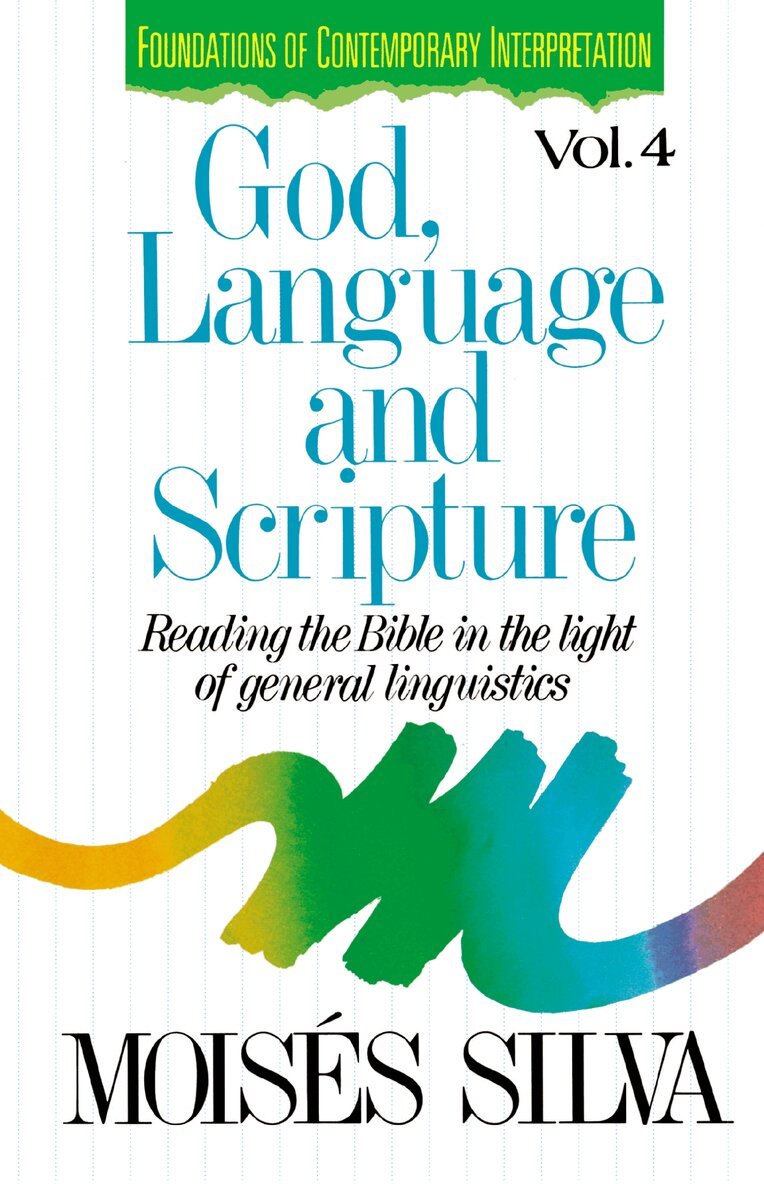
God, Language and Scripture
Reading the Bible in the Light of General Linguistics
Häftad, Engelska, 1991
218 kr
Skickas inom 5-8 vardagar
The primary aim of God, Language and Scripture is to provide guidance in the use of biblical languages. Secondarily this volume initiates the reader to the wonders and workings of language and points out how language is often misused, especially in regard to the Bible. This volume, however, in no way anticipates all the ways of mishandling language. Silva's emphasis is on "global" rather than detailed concerns (though selected specific examples are used) of how language is misused. The book includes an account of the birth and growth of modern linguistics, an appreciation of its interdisciplinary character, particularly its ties with literary criticism, sociology, anthropology, psychology, and science. It surveys all levels of language description, but emphasizes the semantic and stylistic aspects of grammar and syntax, vocabulary, and discourse. In addition, it considers the transmission of the Bible (textual criticism and translation) as a mode of linguistic communication and interpretive process.
218 kr
Skickas inom 5-8 vardagar
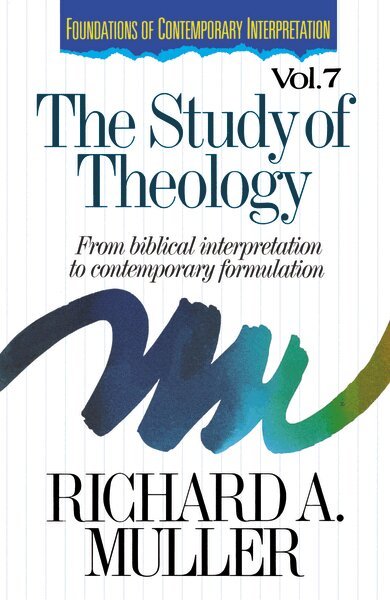
The Study of Theology address two major concerns -- the place of biblical hermeneutics and practical theology. The author discusses the hermeneutical implications of biblical, historical, systematic, and practical theology and presents a case for the relationship between exegesis and the other theological disciplines. However, the relationship between hermeneutics and practical theology is also essential. According to the author, "the traditional forms of theology and preaching frequently fail the tests of exegesis and contemporary theologizing while, at the same time, most contemporary theology and exegesis fails to address directly the needs of the church." Muller presents a case for the structure of hermeneutics and argues that it is essential to the church because "theological training as a whole . . . ought to reflect the life of the church and be of value to the life of the church."