Francis Bacon Studies - Böcker
Visar alla böcker i serien Francis Bacon Studies. Handla med fri frakt och snabb leverans.
2 produkter
2 produkter
269 kr
Skickas inom 7-10 vardagar
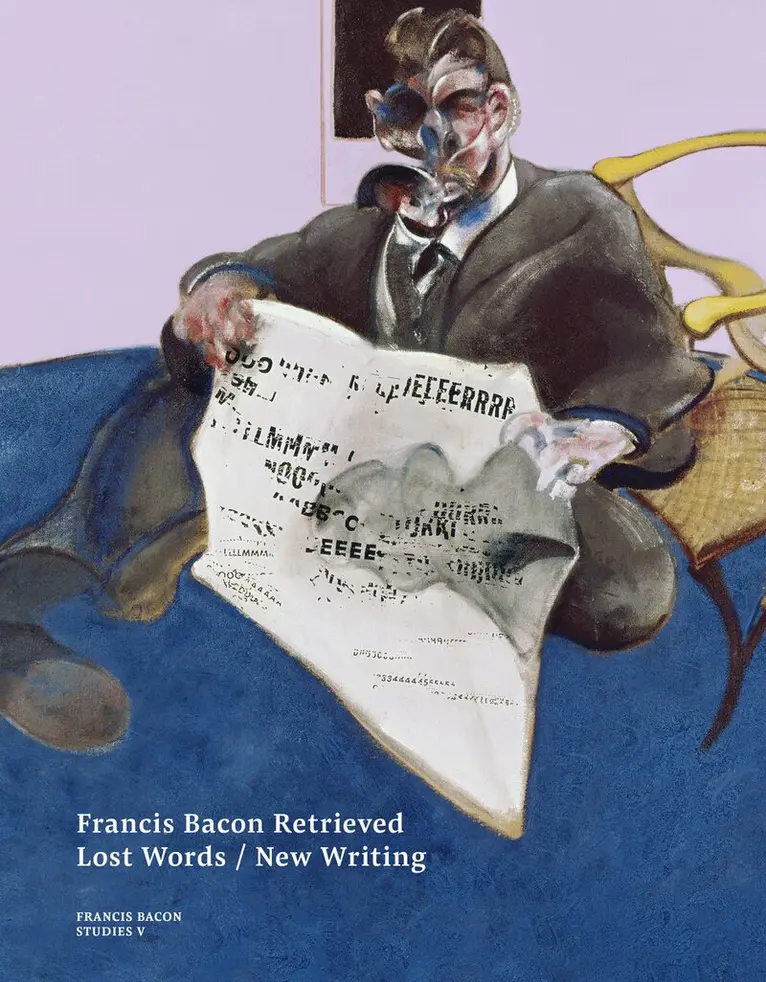
The fifth volume in the acclaimed Francis Bacon Studies series, published under the aegis of The Estate of Francis Bacon David Sylvester's Interviews with Francis Bacon remain the most consulted writing on Bacon. In this book, the fifth volume in the acclaimed Francis Bacon Studies series, Bacon's words appear in their unredacted form for the very first time. Other essays throw light on form and accident in Bacon's work, chimera and liminal entities, the psychology of the imposter and destroyed paintings. Half of this volume, an unprecedented proportion in the ‘Studies’ series, is devoted to one topic: key parts of Bacon’s responses in Interviews with Francis Bacon that were removed, either to maintain continuity or at Bacon's own insistence. This unpublished material will add immensely to this most frequently consulted resource and will require a reassessment of many of Bacon's statements and ideas. Maria Balaska considers the question: Where does a painting come from? She investigates forms and accidents in Bacon's work. Amanda J. Harrison studies chimera and liminal entities in Bacon’s work, while Darian Leader turns our attention to the psychology of the imposter. Martin Harrison examines photographs of four paintings that Bacon later destroyed, and are reproduced here for the first time.
269 kr
Skickas inom 7-10 vardagar
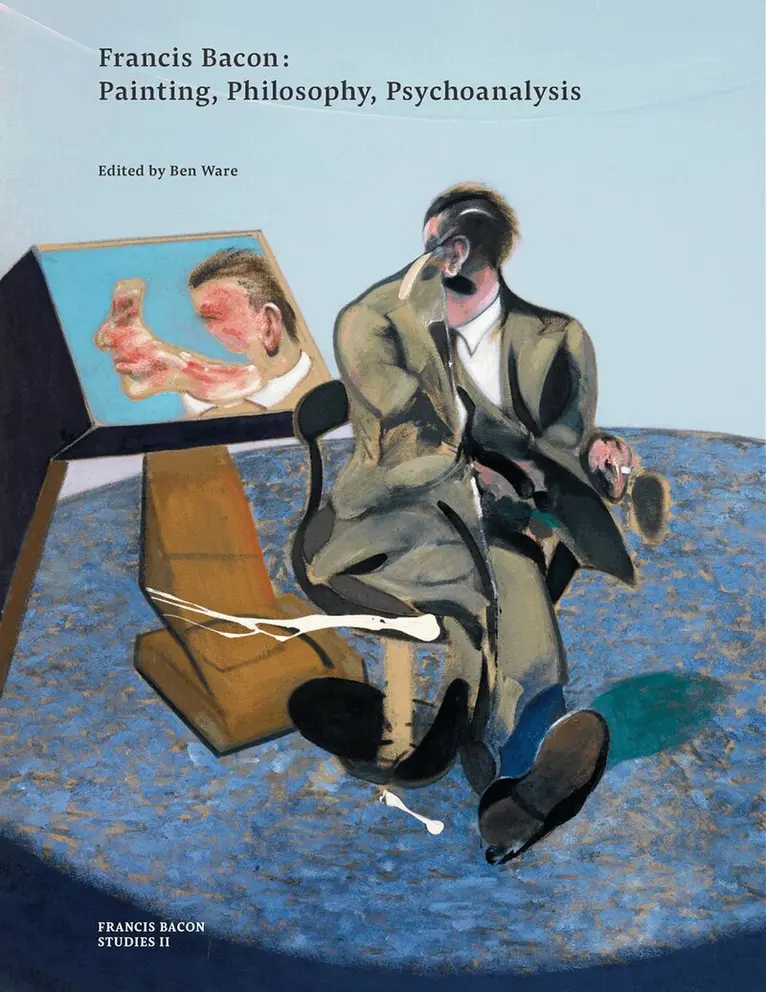
The second in a series of books that seeks to illuminate Francis Bacon’s art and motivations, and to open up fresh and stimulating ways of understanding his paintings.Francis Bacon is one of the most important artists of the 20th century. His works continue to puzzle and unnerve viewers, raising complex questions about their meaning. Over recent decades, two theoretical approaches to Bacon’s work have come to hold sway: firstly, that Bacon is an existentialist painter, depicting an absurd and godless world; and secondly, that he is an anti-representational painter, whose primary aim is to bring his work directly onto the spectator’s ‘nervous system’. Francis Bacon: Painting, Philosophy, Psychoanalysis brings together some of today’s leading philosophers and psychoanalytic critics to go beyond established readings of Bacon and to open up radically new ways of thinking about his art. The essays bring Bacon into dialogue with figures such as Aristotle, Hegel, Freud, Lacan, Adorno and Heidegger, as well as situating his work in the broader contexts of modernism and modernity. The result is a timely and thought-provoking collection that will be essential reading for anyone interested in Bacon, modern art and contemporary aesthetics.