Frontiers of the Roman Empire – serie
Visar alla böcker i serien Frontiers of the Roman Empire. Handla med fri frakt och snabb leverans.
13 produkter
Frontiers of the Roman Empire: The Roman Frontiers in Wales
Ffiniau’r Ymerodraeth Rufeinig: Ffiniau Rhufeinig Cymru
Av Peter Guest, David J. Breeze
Häftad, 2022
243 kr
Lägg i varukorg
The frontiers of the Roman Empire together form the largest monument of one of the world’s greatest ancient states. They stretch for some 7,500 km through 20 countries which encircle the Mediterranean Sea. The remains of these frontiers have been studied by visitors and later by archaeologists for …
Frontiers of the Roman Empire: The Roman Frontier in Egypt
Frontières de l’empire romain : la frontière romaine en Égypte
Av Michel Reddé, David J. Breeze
Häftad, 2021
238 kr
Lägg i varukorg
The frontiers of the Roman empire together form the largest monument of one of the world’s greatest states. They stretch for some 7,500km through 20 countries which encircle the Mediterranean Sea. The remains of these frontiers have been studied by visitors and later by archaeologists for several …
Frontiers of the Roman Empire: The Antonine Wall – A World Heritage Site
Grenzen des Römischen Reiches: Der Antoninus Wall
Häftad, 2022
243 kr
Lägg i varukorg
The Antonine Wall lay at the very extremity of the Roman world. For a generation, in the middle of the second century AD, it was the north-west frontier of the Roman empire. Furthermore, it was one of only three “artificial” frontiers along the European boundaries of the empire: the other two are …
Frontiers of the Roman Empire: Slovakia
Grenzen des Römischen Reiches: Slowakei / Hranice Rímskej ríše: Slovensko
Av Margaréta Musilová, Branislav Resutík m. fl.
Häftad, 2022
315 kr
Lägg i varukorg
The frontiers of the Roman empire together form the largest monument of one of the world’s greatest states. They stretch for some 7,500km through 20 countries which encircle the Mediterranean Sea. The remains of these frontiers have been studied by visitors and later by archaeologists for several …
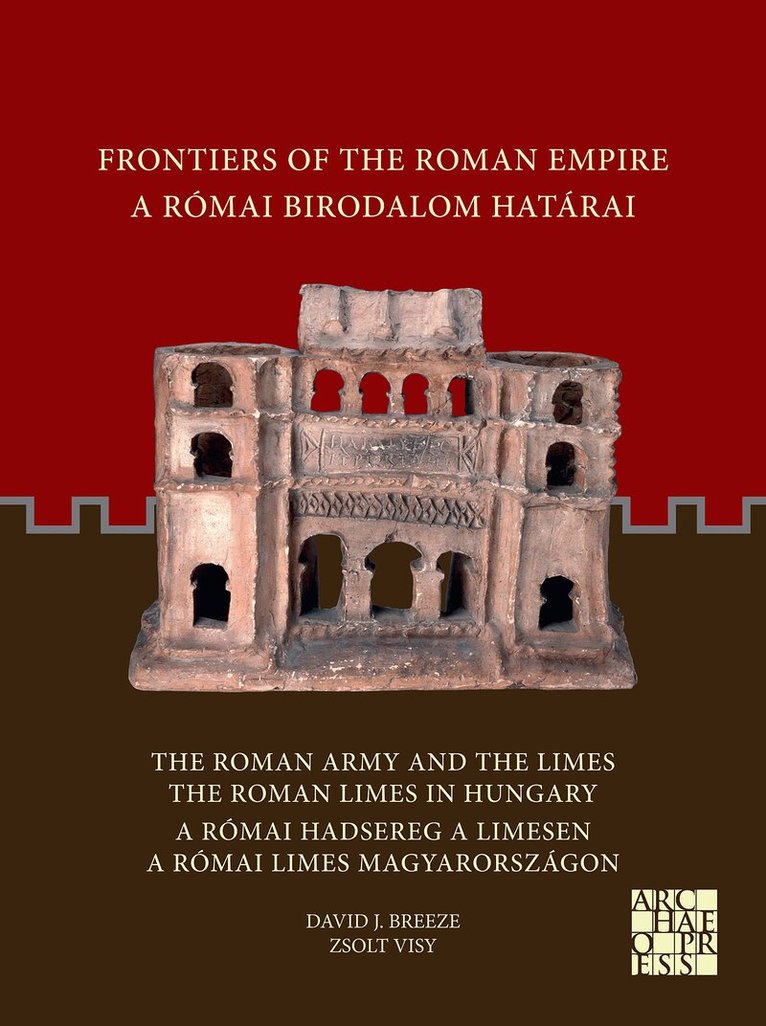
Frontiers of the Roman Empire: The Roman Army and the Limes / The Roman Limes in Hungary
A Római Birodalom Határai: A Római Hadsereg a Limesen / A Római Limes Magyarországon
Av Zsolt Visy, David J. Breeze
Häftad, 2022
322 kr
Lägg i varukorg
The frontiers of the Roman empire together form the largest surviving monument of one of the world’s greatest states. They stretch for some 7,500 km through 20 countries which encircle the Mediterranean Sea. The remains of these frontiers have been studied by visitors and later by archaeologists …
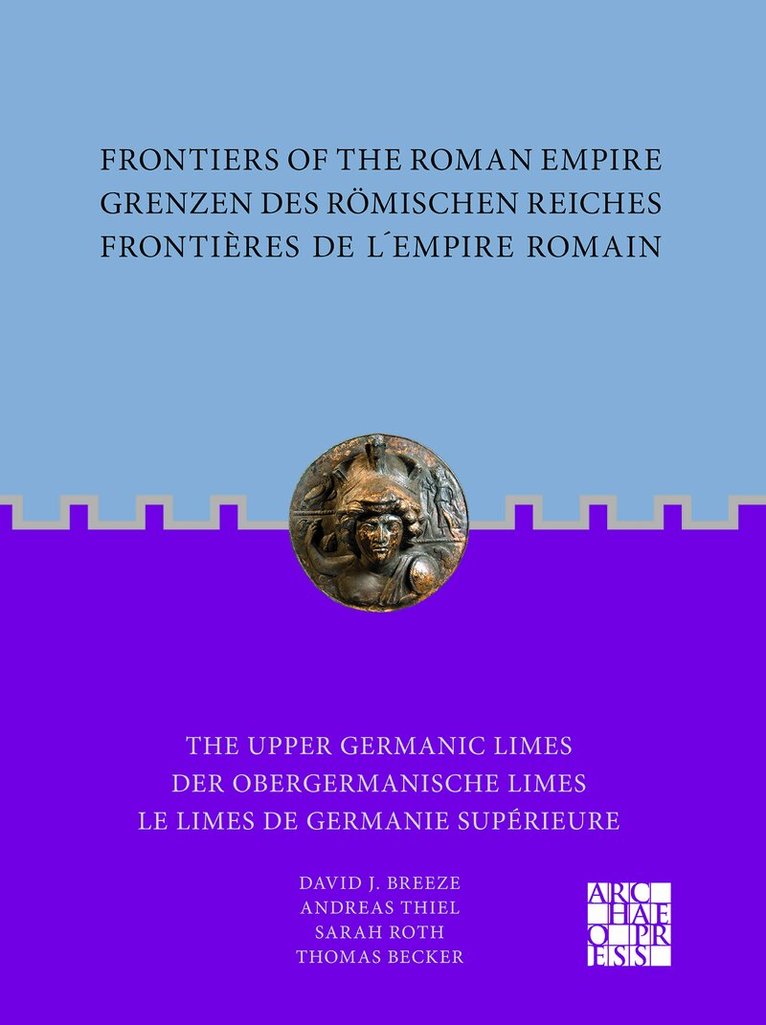
Frontiers of the Roman Empire: The Upper Germanic Limes
Grenzen des Römischen Reiches: Der Obergermanische Limes / Frontières de l´Empire Romain: Le limes de Germanie supérieure
Av Andreas Thiel, Sarah Roth m. fl.
Häftad, 2022
243 kr
Lägg i varukorg
Towards the end of Caesar’s Gallic War, Rome had reached the Rhine. Since the campaigns under Emperor Augustus (15 B.C.), larger troop contingents were stationed along the river, with focal points around Mogontiacum/Mainz and in northern Switzerland. After the Battle of the Teutoburg Forest (9 AD), …
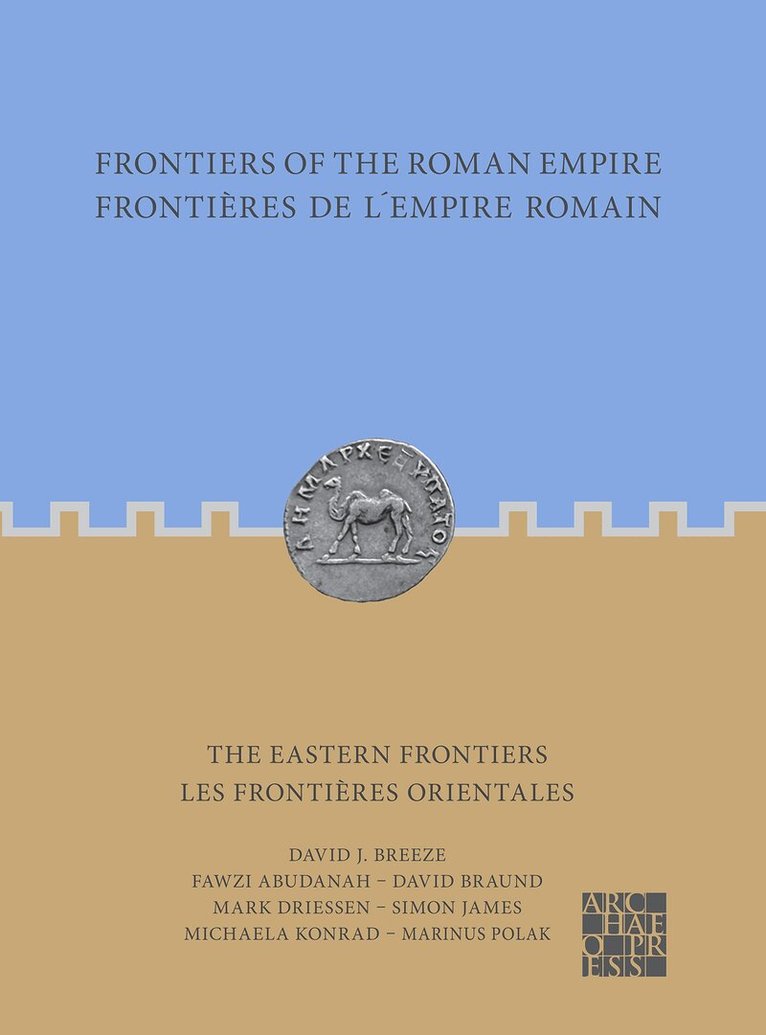
Frontiers of the Roman Empire: The Eastern Frontiers
Frontières de l’Empire Romain : Les frontières orientales
Av Fawzi Abudanah, David Braund m. fl.
Häftad, 2022
243 kr
Lägg i varukorg
The Roman eastern frontier stretched from the north-east shore of the Black Sea to the Red Sea. It faced Rome’s formidable foe, the kingdom of Parthia, and its successor, Sasanian Persia. Rome’s bulwark in antiquity was the area known as Syria or the Levant, roughly modern Syria, Lebanon, Jordan, …
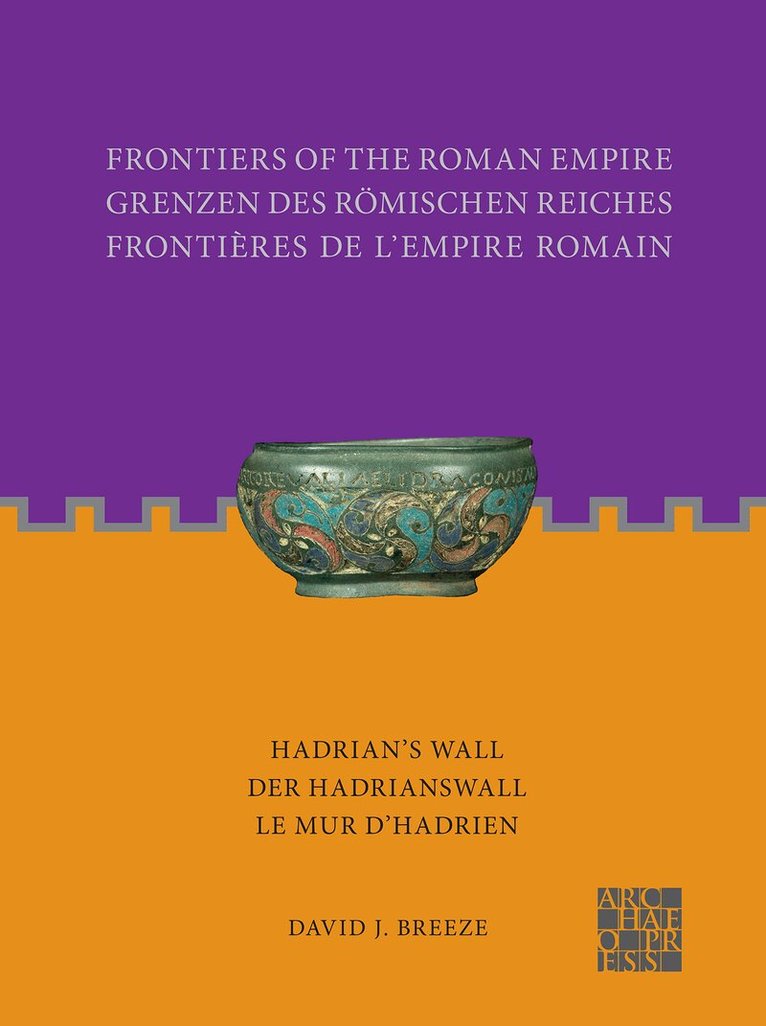
Frontiers of the Roman Empire: Hadrian's Wall
Der Hadrianswall / Le Mur d’Hadrien
Häftad, 2023
322 kr
Lägg i varukorg
The frontiers of the Roman Empire together form the largest monument of one of the world’s greatest ancient states. They stretch for some 7,500 km through 20 countries which encircle the Mediterranean Sea. The remains of these frontiers have been studied by visitors and later by archaeologists for …
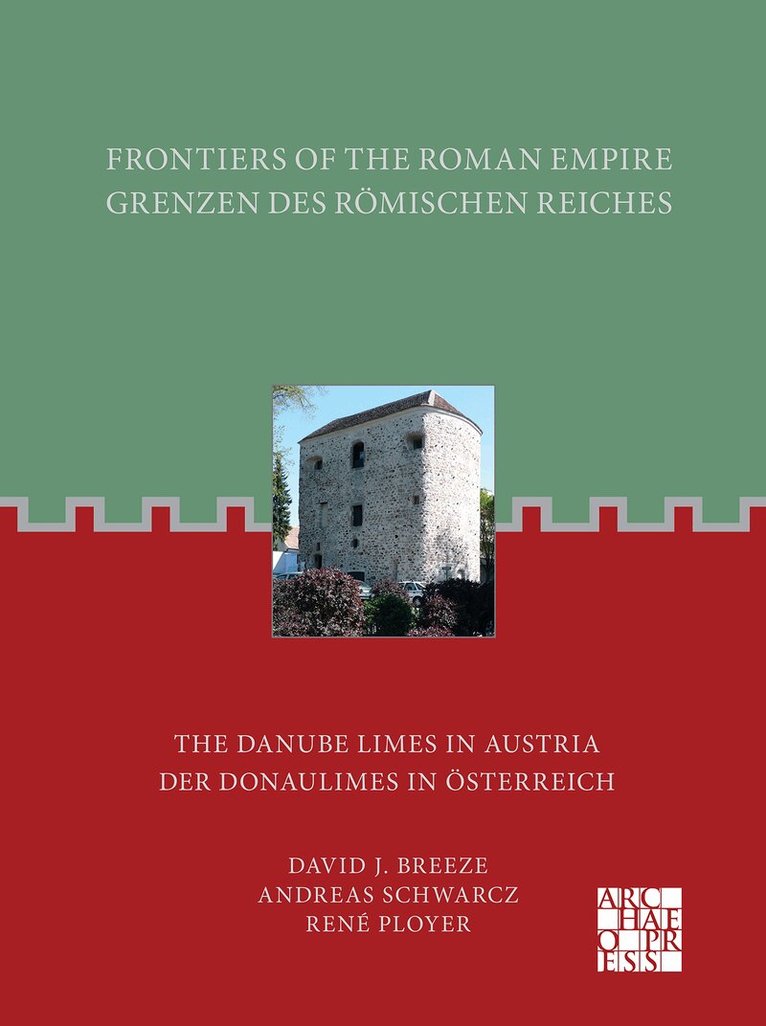
Frontiers of the Roman Empire: The Danube Limes in Austria
Grenzen Des Römischen Reiches: Der Donaulimes in Österreich
Av Andreas Schwarcz, René Ployer m. fl.
Häftad, 2023
322 kr
Lägg i varukorg
The frontiers of the Roman empire together form the largest surviving monument of one of the world´s greatest states. They stretch for some 7,500 km through 20 countries which encircle the Mediterranean Sea. The remains of these frontiers have been studied by visitors and later archaeologists for …
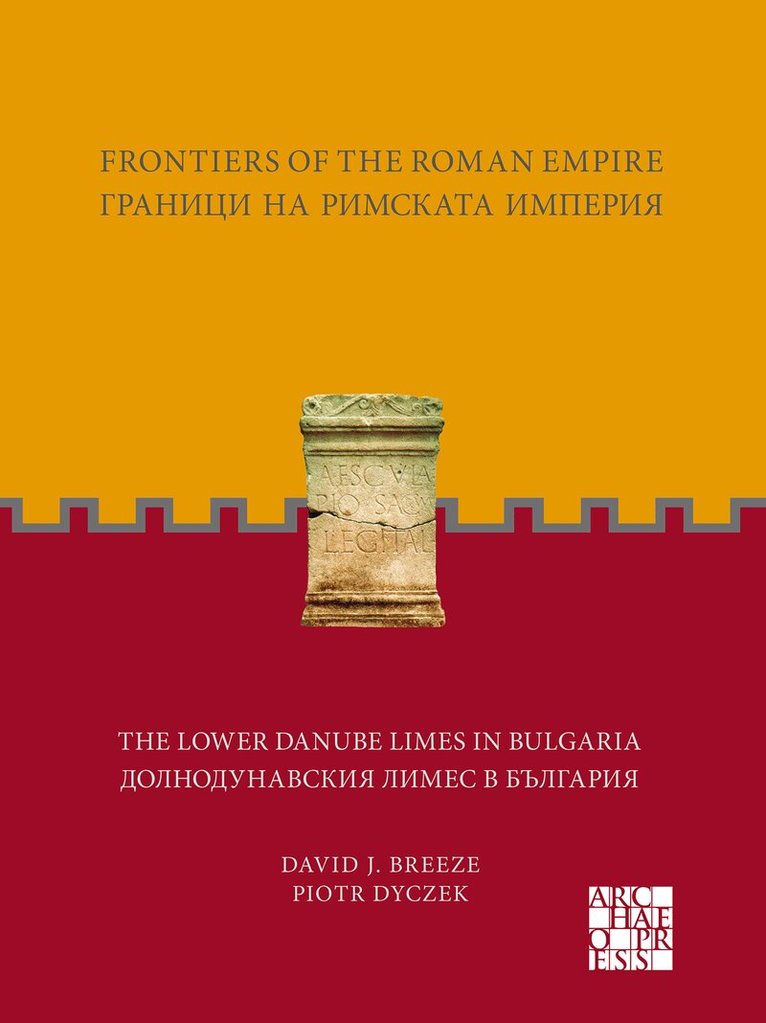
Frontiers of the Roman Empire: The Lower Danube Limes in Bulgaria
Граници на Римската империя Долнодунавск
Av Piotr Dyczek, David J. Breeze
Häftad, 2024
322 kr
Lägg i varukorg
The inextricability of the connection between the Roman limes and the lands it ran through is easily observed and there is even a regularity to be noted: some modern borders actually follow the line of the ancient defenses. At the same time there are significant differences between particular …
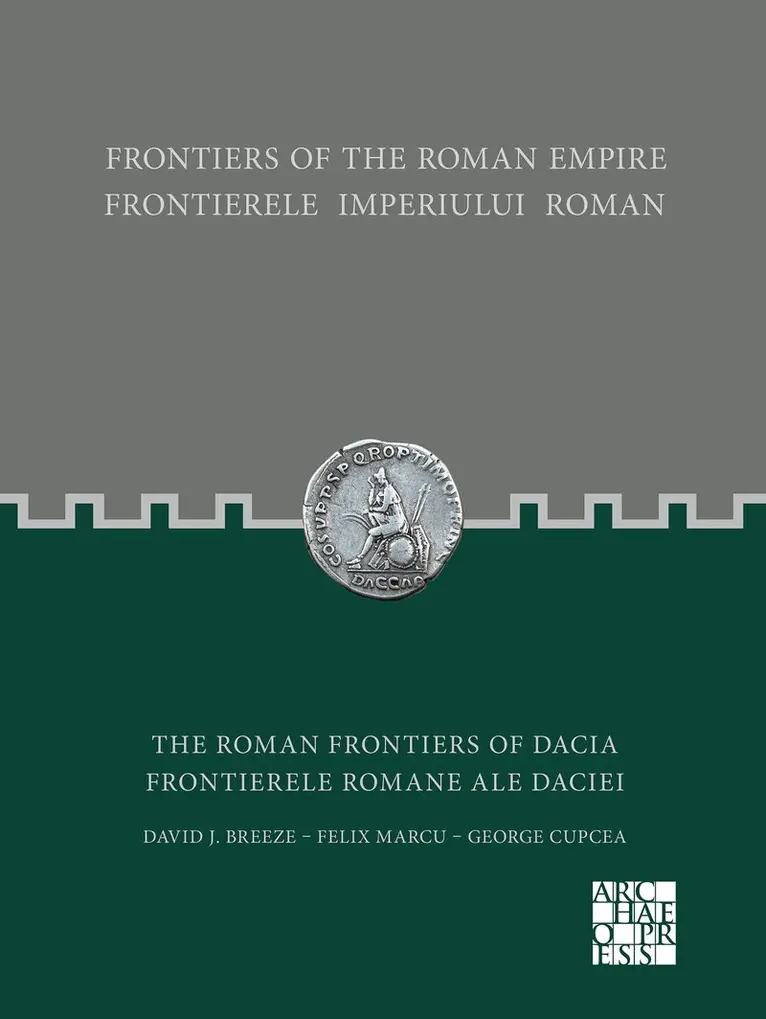
Frontiers of the Roman Empire: The Roman Frontiers of Dacia
Frontierele Imperiului Roman: Frontierele romane ale Daciei
Av Felix Marcu, George Cupcea m. fl.
Häftad, 2022
322 kr
Tillfälligt slut
The frontiers of the Roman empire together form the largest monument of one of the world’s greatest states. They stretch for some 7,500km through 20 countries which encircle the Mediterranean Sea. The remains of these frontiers have been studied by visitors and later by archaeologists for several …
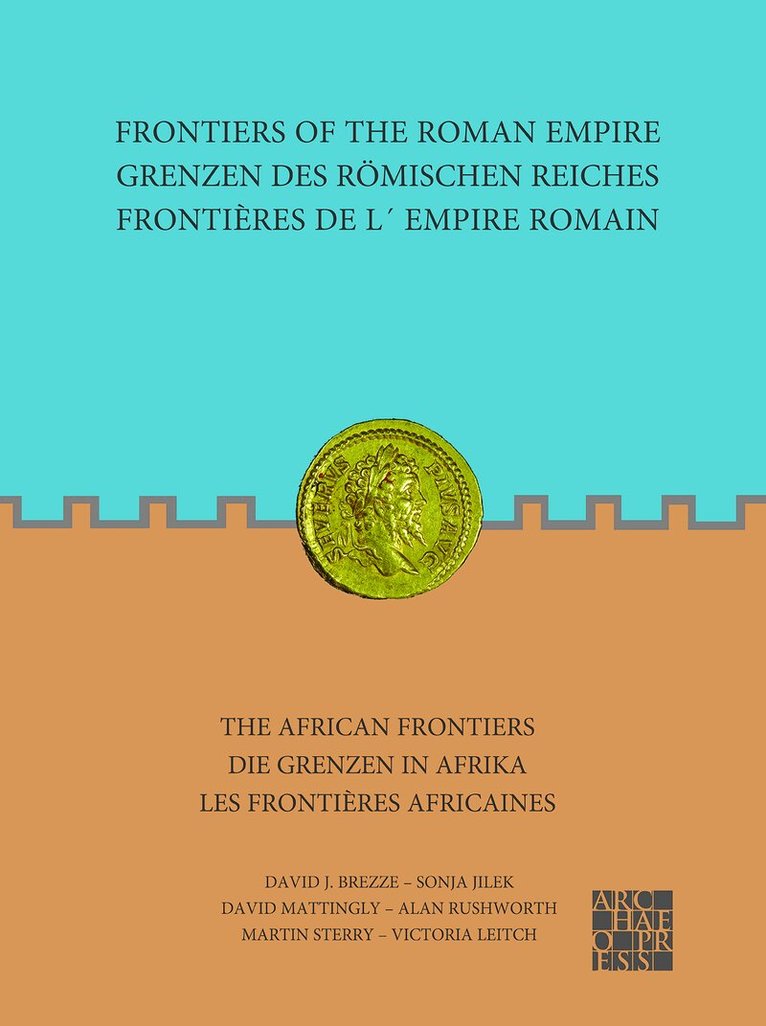
Frontiers of the Roman Empire: The African Frontiers
Grenzen des Römischen Reiches: Die Grenzen in Afrika / Frontières de l´Empire Romain: Les frontières africaines
Av David Mattingly, Alan Rushworth m. fl.
Häftad, 2013
315 kr
Tillfälligt slut
The frontiers of the Roman empire together form the largest monument of one of the world’s greatest states. They stretch for some 7,500km through 20 countries which encircle the Mediterranean Sea. The remains of these frontiers have been studied by visitors and later by archaeologists for several …
Frontiers of the Roman Empire: The Danube Limes
Grenzen des Römischen Reiches: Ein Römische Flussgrenze
Av David J. Breeze, Sonja Jilek
Häftad, 2009
525 kr
Tillfälligt slut