David J Breeze – författare
Visar alla böcker från författaren David J Breeze. Handla med fri frakt och snabb leverans.
25 produkter
25 produkter
Häftad, Engelska, 2000
162 kr
Skickas
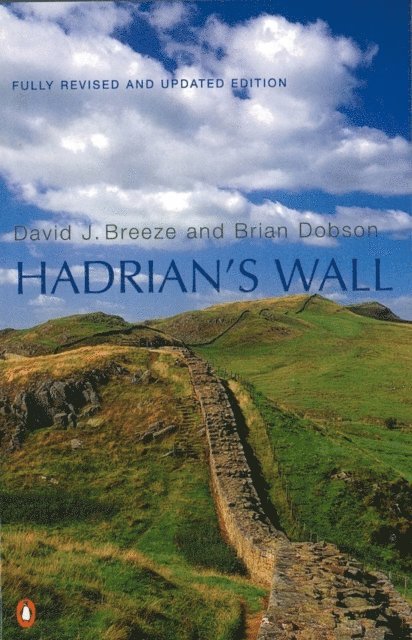
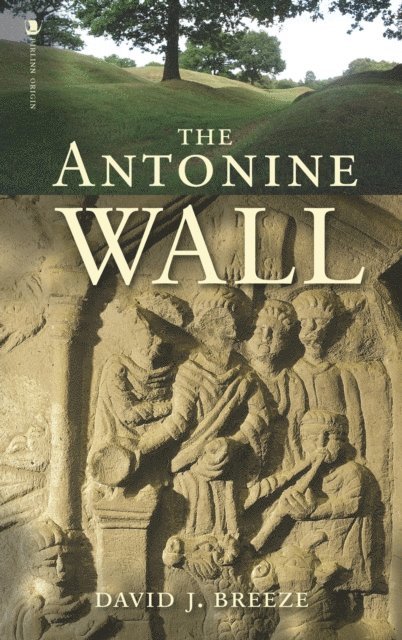
A penetrating and lucid history of the best-known and most spectacular monument to the Roman Empire in Britain. Taking into account new research findings about the building of the Wall, Breeze and Dobson include fascinating details about the Roman army, its religion and daily bureaucratic life. A selection of photos, maps and diagrams help make this a book for both the expert and the layman, being simultaneously erudite and unusually accessible.
Häftad, Engelska, 2002
109 kr
Skickas inom 10-15 vardagar
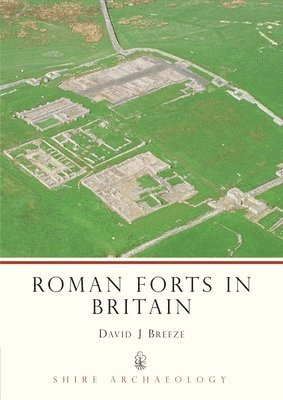
A concise examination of Roman forts in Britain from the first to the fourth century.Expert professor David J Breeze describes the layout of a fort and how forts developed from the marching camps thrown up each night by the army on campaign to the strongholds of the Saxon Shore. Forts, fortresses, watch-towers and signal stations are in turn examined, and the defences of the fort and its annex analysed. Other chapters deal with how the Roman soldiers built the fort and the life of the men stationed there.A gazetteer of forts worth visiting is included and there is also a select bibliography.
Häftad, Engelska, 2016
342 kr
Skickas inom 10-15 vardagar
This authoritative short volume introduces readers to the Roman army, its structure, tactics, duties and development. One of the most successful fighting forces that the world has seen, the Roman army was inherited by the emperor Augustus who re-organized it and established its legions in military bases, many of which survived to the end of the empire. He and subsequent emperors used it as a formidable tool for expansion. Soon, however, the army became fossilized on its frontiers and changed from a mobile fighting force to a primarily defensive body. Written by a leading authority on the Roman army and the frontiers it defended and expanded, this is an invaluable book for students at school and university level, as well as a handy guide for general readers with an interest in military history, the rise and development and fall of the Roman legions, and the ancient world.
Häftad, Engelska, 2019
172 kr
Skickas
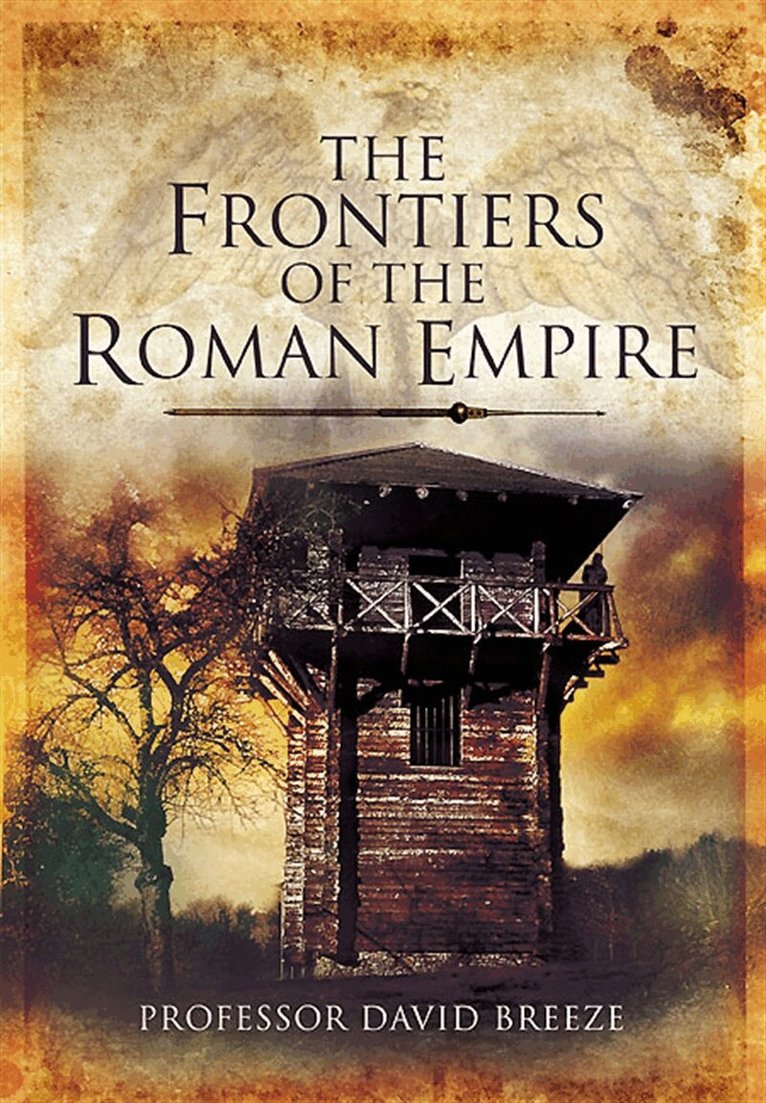
At its height, the Roman Empire was the greatest empire yet seen with borders stretching from the rain-swept highlands of Scotland in the north to the sun-scorched Nubian desert in the south. But how were the vast and varied stretches of frontier defined and defended?Many of Rome's frontier defences have been the subject of detailed and ongoing study and scholarship. Three frontier zones are now UNESCO World Heritage sites (the Antonine Wall having recently been granted this status - the author led the bid), and there is growing interest in their study. This wide-ranging survey will describe the varying frontier systems, describing the extant remains, methods and materials of construction and highlighting the differences between various frontiers. Professor Breeze considers how the frontiers worked, discussing this in relation to the organisation and structure of the Roman army, and also their impact on civilian life along the empire's borders. He then reconsiders the question of whether the frontiers were the product of an overarching Empire-wide grand strategy, questioning Luttwak's seminal hypothesis.This is a detailed and wide-ranging study of the frontier systems of the Roman Empire by a leading expert. Intended for the general reader, it is sure also to be of great value for academics and students in this field. The appendixes will include a brief guide to visiting the sites today.
Häftad, Engelska, 2016
302 kr
Skickas
The Roman fort at Bearsden and its annexe, together with areas beyond its defences, were extensively excavated from 1973 to 1982. The report on these excavations was published in 2016. This ‘popular’ account of the discoveries looks at the material recovered from the site in a different way, examining the process of archaeological excavation, the life of the soldiers at the fort based on the results of the excavation as well as material from elsewhere in the Roman Empire, the presentation and interpretation of the bath-house and latrine, and a discussion of possible future work arising out of the excavation. The excavation report was well illustrated with reconstruction drawings and the process of creating these is also discussed.
Häftad, Engelska, 2021
228 kr
Skickas
The Roman military remains of Egypt are remarkable in their variety and state of preservation: forts, quarries whose materials were used in the monumental buildings of Rome, roads which brought the Mediterranean into contact with the Indian Ocean; each reader of this book will enjoy learning more about the remarkable Roman inheritance of Egypt.
Häftad, Engelska, 2022
228 kr
Skickas
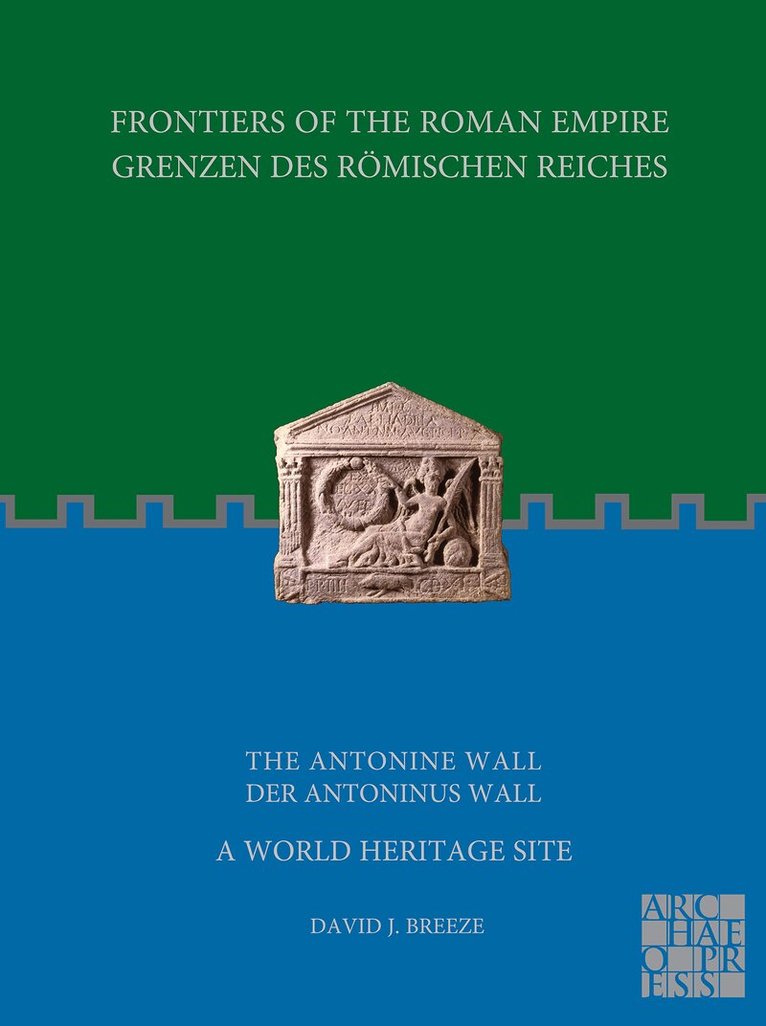
The Antonine Wall lay at the very extremity of the Roman world. For a generation, in the middle of the second century AD, it was the north-west frontier of the Roman empire. Furthermore, it was one of only three “artificial” frontiers along the European boundaries of the empire: the other two are Hadrian’s Wall and the German Limes.Although the Antonine Wall fits into the general pattern of Roman frontiers, in many ways it was the most developed frontier in Europe, with certain distinct characteristics. Perhaps of greatest significance is the survival of the collection of Roman military sculpture, the Distance Slabs. These record the lengths constructed by each legion and their relationship to the labour camps allow further conclusions to be made about the work of constructing the Antonine Wall.
Häftad, Nederländska, 2022
302 kr
Skickas
The Roman frontier in Lower Germany was one of the earliest to be created; surviving into the early 5th century, it illustrates the whole range of Roman military installations. The Rhine delta boasts incredible organic remains including ships while upstream are great military bases supported by forts and fortlets.
Häftad, Engelska, 2022
302 kr
Skickas
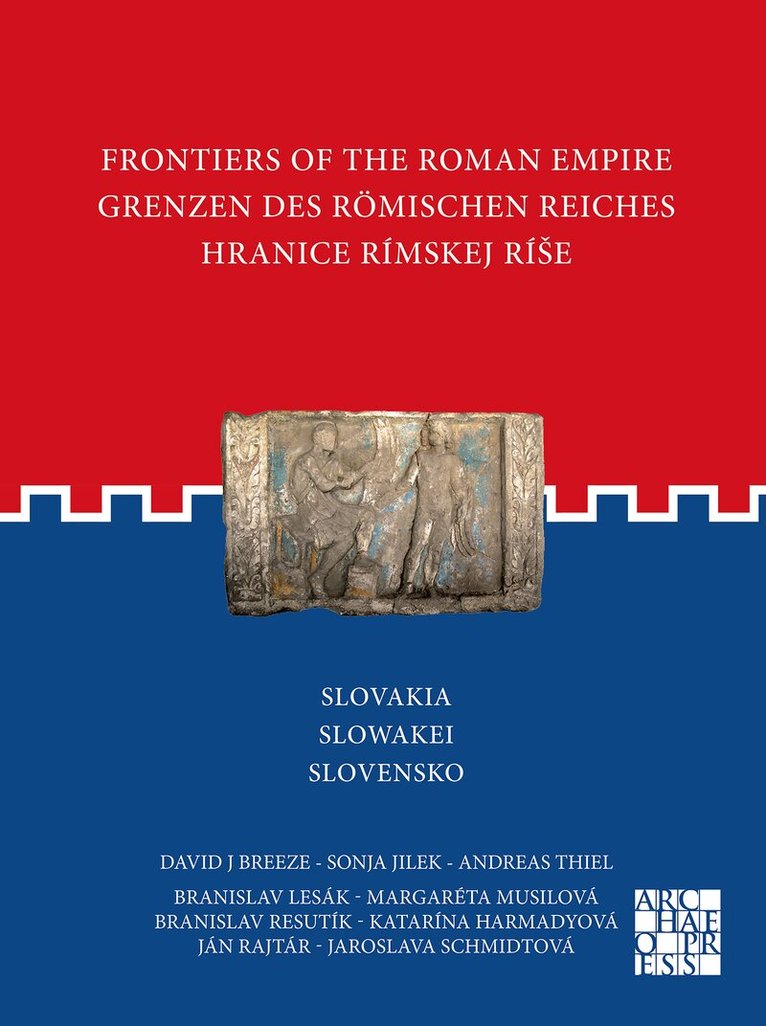
The frontiers of the Roman empire together form the largest monument of one of the world’s greatest states. They stretch for some 7,500km through 20 countries which encircle the Mediterranean Sea. The remains of these frontiers have been studied by visitors and later by archaeologists for several centuries. Many of the inscriptions and sculpture, weapons, pottery and artefacts created and used by the soldiers and civilians who lived on the frontier can be seen in museums. Equally evocative of the lost might of Rome are the physical remains of the frontiers themselves. The aim of this series of books is not only to inform the interested visitor about the history of the frontiers but to act as a guidebook as well.Slovakia was situated at the edge of the classical world but still was a close neighbour of the Roman Empire. The Roman influence left distinct traces not only at the territories along the frontier but also in its broader fore field.
Häftad, Engelska, 2022
305 kr
Skickas
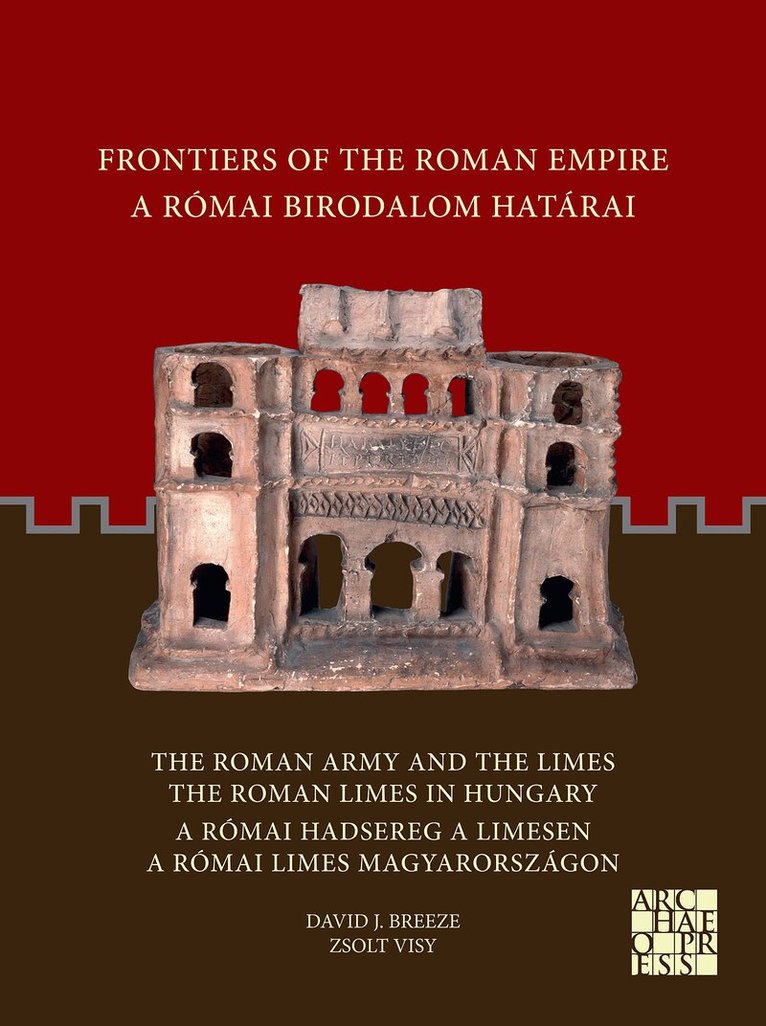
The frontiers of the Roman empire together form the largest surviving monument of one of the world’s greatest states. They stretch for some 7,500 km through 20 countries which encircle the Mediterranean Sea. The remains of these frontiers have been studied by visitors and later by archaeologists for several centuries. Many of the inscriptions and sculpture, weapons, pottery and artefacts created and used by the soldiers and civilians who lived on the frontier can be seen in museums. Equally evocative of the lost might of Rome are the physical remains of the frontiers themselves. The aim of this series of booklets is not only to inform the interested visitor about the history of the frontiers but to act as a guidebook as well.The Roman Empire reached its near full extent during the reign of Emperor Augustus. At that time Europe, Africa, the Middle East and the entire Mediterranean were part of it. The Hungarian part of the Empire had a river frontier that was more precisely called ripa. Pannonia province existed from the occupation during the reign of Emperor Augustus to the 20s and 30s of the 5th century A.D. Its border stretched alongside the Danube and was always one of the most important European frontiers in Roman times, as it is justified by keeping a very strong defence force there, consisting of 4 legions and an average of 30 auxiliary units. Some 420 km long section of the entire Pannonian limes from Klosterneuburg (Austria) to Belgrade (Serbia) belongs to the territory of present-day Hungary.
Häftad, Engelska, 2022
228 kr
Skickas
The Roman eastern frontier stretched from the north-east shore of the Black Sea to the Red Sea. It faced Rome’s formidable foe, the kingdom of Parthia, and its successor, Sasanian Persia. Rome’s bulwark in antiquity was the area known as Syria or the Levant, roughly modern Syria, Lebanon, Jordan, Israel and Palestine. To the south lay the Nabataean kingdom, annexed by Rome in 106 and formed into the province of Arabia. To the north, the Cappadocian frontier was laid out in one of the most inaccessible and remote parts of Eurasia facing extremes of climate and topography, amid a patchwork of client kingdoms. This hidden and fascinating frontier in Turkey, whose bases mostly lie under reservoirs, is the major omission from this volume and it is hoped that a more in-depth account might appear in due course. The Caucasian forts along the edge of the Black Sea are, however, part of this volume; this is perhaps Rome’s least known frontier archaeologically but the subject of a unique account by Arrian when governor of Cappadocia.
Häftad, Engelska, 2023
302 kr
Skickas
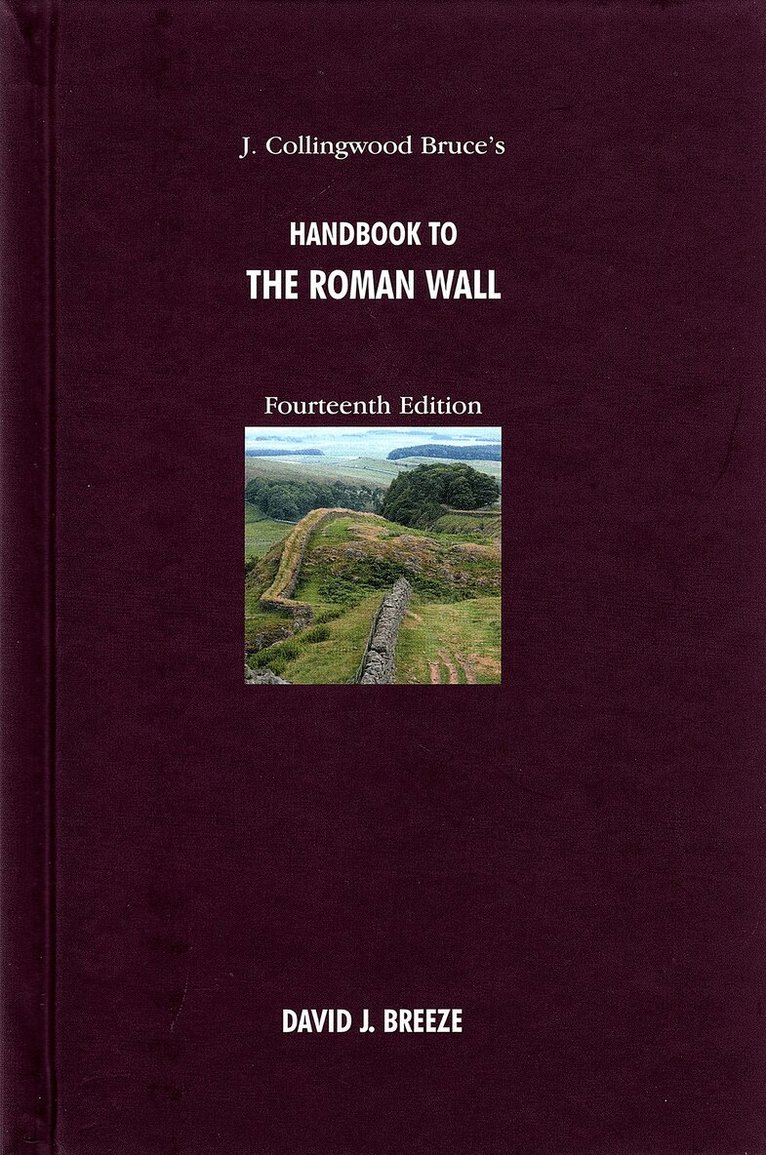
The frontiers of the Roman Empire together form the largest monument of one of the world’s greatest ancient states. They stretch for some 7,500 km through 20 countries which encircle the Mediterranean Sea. The remains of these frontiers have been studied by visitors and later by archaeologists for several centuries. Many of the inscriptions and sculptures, weapons, pottery and artefacts created and used by the soldiers and civilians who lived on the frontier can be seen in museums. Equally evocative of the lost might of Rome are the physical remains of the frontiers themselves. The aim of this series of books is not only to inform the interested visitor about the history of the frontiers but to act as a guidebook as well. Emperor Hadrian ordered the construction of the great Wall which still bears his name ‘to separate the barbarians from the Romans’ (Historia Augusta, Life of Hadrian, 11). The complex of military installations, 117 km long, but with an extension without the linear barrier for about 40 km down the west coast, contained 74 km of stone wall, 43 km of turf rampart, 200 towers, 100 fortlets, 20 forts, took years to construct and was probably still being modified when Hadrian died in July 138. This highly illustrated book offers an accessible summary of Hadrian’s Wall, and an overview of the wider context of the Roman frontiers.
Häftad, Engelska, 2023
302 kr
Skickas
The frontiers of the Roman Empire together form the largest monument of one of the world’s greatest ancient states. They stretch for some 7,500 km through 20 countries which encircle the Mediterranean Sea. The remains of these frontiers have been studied by visitors and later by archaeologists for several centuries. Many of the inscriptions and sculptures, weapons, pottery and artefacts created and used by the soldiers and civilians who lived on the frontier can be seen in museums. Equally evocative of the lost might of Rome are the physical remains of the frontiers themselves. The aim of this series of books is not only to inform the interested visitor about the history of the frontiers but to act as a guidebook as well. In this important and beautifully illustrated book, David Breeze elucidates the context of the most famous frontier, Hadrian’s Wall. The zone to north and south of the Wall was a heavily militarised landscape of roads, bridges, forts, fortlets and towers, but also the towns, settlements and supply infrastructure on which the army depended. As the invaluable gazetteer shows, the area is now rich in superb sites and museums, allowing modern people countless rich insights into the world of the soldiers and civilians of the period.
Häftad, Engelska, 2024
376 kr
Skickas
The cutting down of the tree in Sycamore Gap on Hadrian’s Wall in September 2023 caused widespread shock in Britain and beyond, and for many was felt as a personal loss. Since its appearance in the film Robin Hood: Prince of Thieves in 1991, the tree has become the iconic view of Hadrian’s Wall. In a positive response to this sad event, David Breeze, author of several books on Hadrian’s Wall, invited 80 friends and colleagues to nominate their favourite view of the Wall. The views are presented in a visual celebration with photographs and specially commissioned line drawings, each accompanied by personal reflections. The wide-ranging contributions are testimony to the affection many hold for this evocative Roman frontier.
Häftad, Engelska, 2024
305 kr
Skickas
From the times of Pompeius Magnus to the period of the Persian Wars of Justinian I the Great, Roman military expeditions passed through Colchis and Iberia many times. However, the Roman Empire never permanently conquered the territory of Georgia. For this reason, diplomatic relations were also maintained with the local rulers, especially the kings of Iberia. The first centuries AD were a time of intense cultural exchange (through diplomacy and trade) between the southern Caucasus and the eastern provinces of the Roman Empire. Traces of these relations include valuable artefacts, found in elite burials and deposits, which we can see today in the Batumi Archaeological Museum, among others. This is no coincidence, as local communities living on the Black Sea coast from Trebizond to the Caucasus had particularly close relations with the Romans. These areas were also home to garrisons subordinate to the governor of the Roman province of Cappadocia.
Häftad, Bulgariska, 2024
305 kr
Skickas
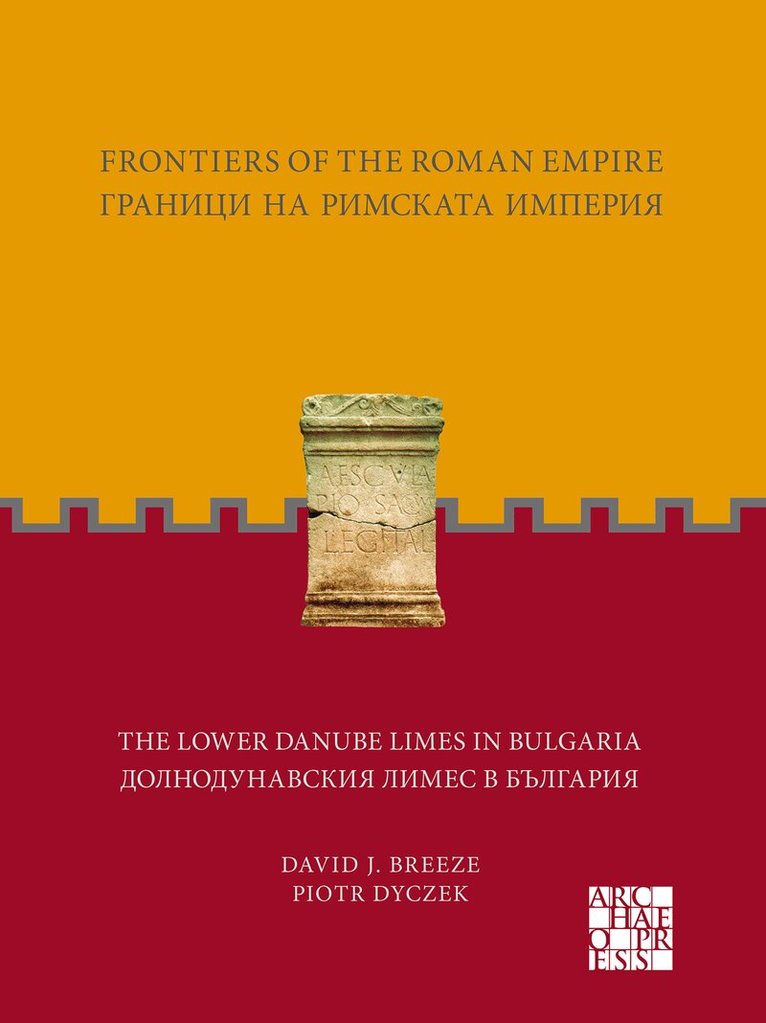
The inextricability of the connection between the Roman limes and the lands it ran through is easily observed and there is even a regularity to be noted: some modern borders actually follow the line of the ancient defenses. At the same time there are significant differences between particular sections of the limes, resulting primarily from the topography, climate and changing strategic importance. The Bulgarian section of the limes is a perfect illustration. For a considerable distance it follows the Danube, which is at the same time the border between Bulgaria and Romania. The landform the location of major settlements at convenient river crossings, natural barriers separating the region from tribal territories and the relatively hospitable region of the Balkans all contributed to making the region north of the Haemus mons suitable for Roman urban and rural settlement, agriculture and overland commerce. The Danube was always of foremost importance. A major natural obstacle and at the same time a convenient communication route, it was easily defendable and facilitated control of trade routes, permitted quick and easy transport of goods, including army supplies, not to mention the movements of the army itself. The region was also relatively quickly Romanized, the process clearly stimulated by the presence of Roman troops transferred to the provinces mainly for the Dacian wars. Other factors of influence included civilians engaged in trade and agriculture, a rapid pacification of the local tribes and the productive coexistence of different ethnic groups, with a significant cultural input of the Greek colonies and poleis in the Black Sea littoral, which gave in effect a synthesis of different traditions, languages and cultures. Not the least in this process of cementing unity in the region was a common enemy – the Goths, Ostrogoths, Huns, Karpai and Avars to mention just a few.
Häftad, Engelska, 2024
567 kr
Skickas
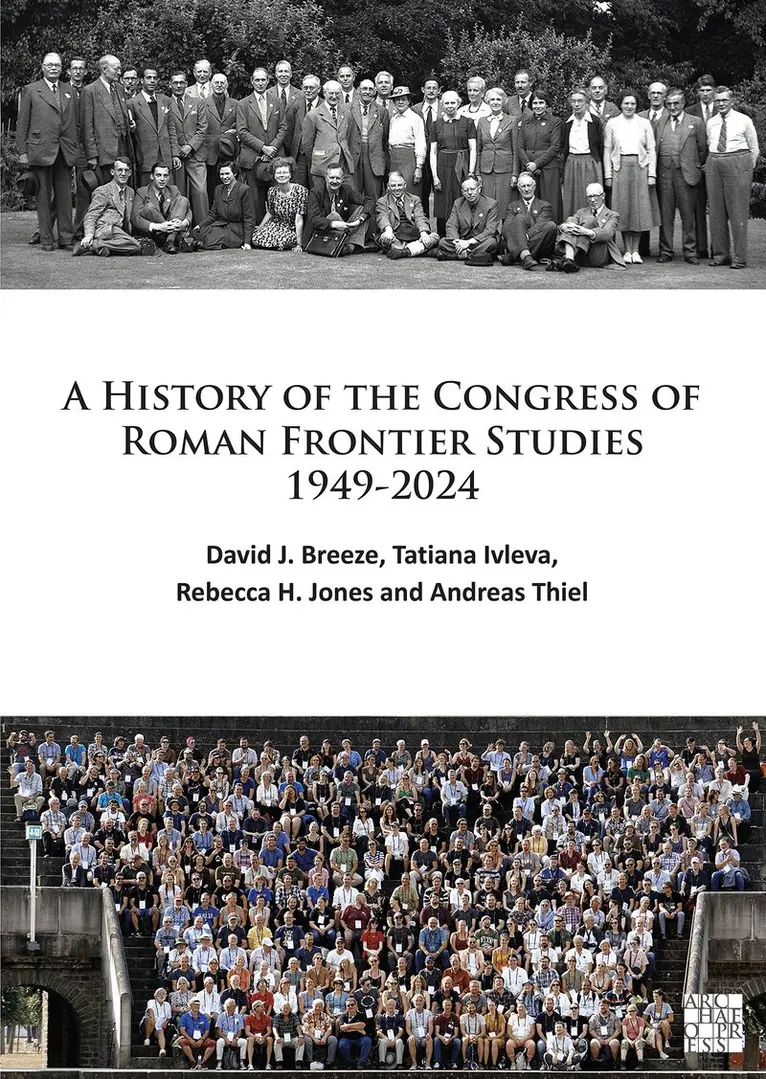
In 1949, in the aftermath of a devastating war, Eric Birley organised the First Congress of Roman Frontier Studies. His aim was not only to pursue the study of Roman frontiers but also to take a step towards restoring harmony in international relations within this field of research. The pattern was set early on: the exchange of information, networking and friendship. These three elements remain at the core of the approach of those organising and attending the Congress. They are reinforced by the pattern of the meetings, usually held every three years. The programme includes not only lectures but also visits to the local Roman military sites led by appropriate specialists. Over the 75 years since the First Congress, membership has grown enormously with more lecture theatres and more coaches being required every meeting. This publication marks the twenty-sixth Congress at Batumi in Georgia. It aims to help newer members understand the body they have joined; for those who have been attending for longer, it will be a reminder of friendships made and strengthened; for all, the book hopes to be a spur to continuing investigations and research into Rome’s greatest monument, its frontiers; for the moment of publication, it will be a celebration of the twenty-sixth Congress of Roman Frontier Studies.
Häftad, Engelska, 2025
449 kr
Skickas
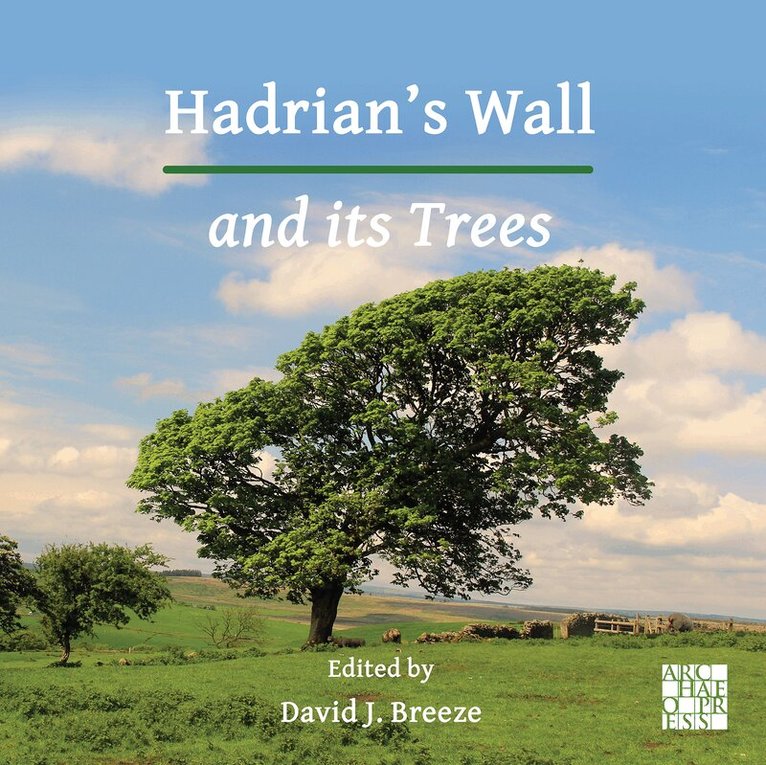
The felling of the Sycamore Gap tree in 2023 struck a deep chord across the world, reminding many of how trees define our landscapes and memories. Hadrian’s Wall and its Trees responds to that moment by celebrating the living and ancient trees that line the course of Rome’s northern frontier — and the enduring role of wood in its history.Edited by David J. Breeze, with evocative line drawings by Mark B. Richards, this richly illustrated volume explores how trees have shaped the story of Hadrian’s Wall: from their presence in Roman construction and everyday life to their appearance in art, myth, and conservation today. Essays range from studies of ancient woodlands and Roman carpentry to reflections on individual trees that have become landmarks in their own right.With contributions from archaeologists, artists, and heritage specialists, the book weaves together science, history, and emotion — demonstrating how trees, both ancient and modern, continue to give meaning to this extraordinary landscape. A testament to renewal and continuity, it invites readers to look anew at Hadrian’s Wall and the natural world that frames it.
Häftad, Engelska, 2023
202 kr
Skickas
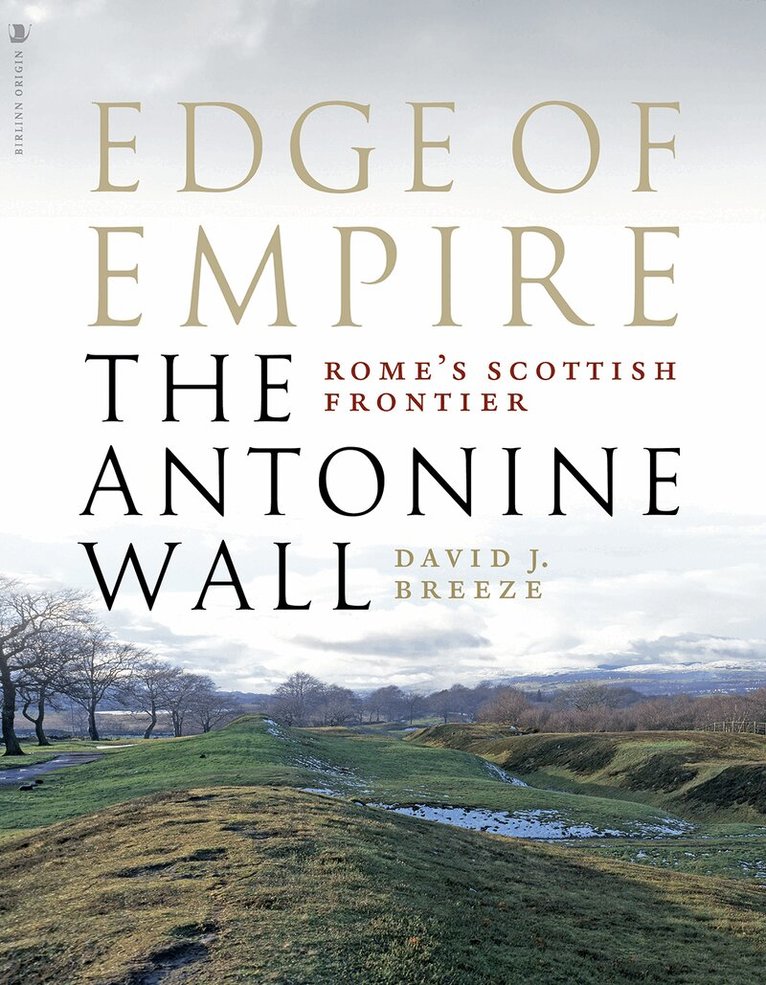
Two thousand years ago, southern Scotland was part of a great empire, the Roman Empire. About AD 140, a Roman army marched north from what is now Northumbria and, 20 years after and over 100 miles further north than Hadrian’s Wall, built a new frontier across the Forth-Clyde isthmus.With reference to contemporary coins and literary sources together with the archaeological remains, inscriptions and sculpture from the Antonine Wall itself, David Breeze explains the historical context for, and the creation of, the fortifications.Stunning photography by David Henrie of Historic Scotland illustrates all aspects of this most northerly Roman frontier. These photographs help us to appreciate the Antonine Wall in its landscape and allow us a visual explanation for its construction almost 2000 years ago.
Häftad, Engelska, 2007
300 kr
Skickas inom 10-15 vardagar
Designed for students and teachers of Ancient History or Classical Civilisation at school and in early university years, this series provides a valuable collection of guides to the history, art, literature, values and social institutions of the ancient world."Hadrian's Wall and the Antonine Wall" defined the edge of the Roman Empire in Britain. Today, the spectacular remains of these great frontier works stand as mute testimony to one of the greatest empires the world has ever seen. This new accessible account, illustrated with numerous photographs, maps and plans, places the frontiers into their context both in Britain and Europe, examining the development of frontier installations over four centuries.
Häftad, Engelska, 2023
201 kr
Skickas
As the most advanced frontier construction of its time, and as definitive evidence of the Romans' time in Scotland, the Antonine Wall is an invaluable and fascinating part of this country's varied and violent history. For a generation, from about AD 140 to 160, the Antonine Wall was the north-west frontier of the Roman Empire. Constructed by the Roman army, it ran from modern Bo'ness on the Forth to Old Kilpatrick on the Clyde and consisted of a turf rampart fronted by a wide and deep ditch.At regular intervals were forts connected by a road, while outside the fort gates clustered civil settlements. Antoninus Pius, whom the wall was named after, reigned longer than any other emperor with the exception of its founder Augustus. Yet relatively little is known about him.In this meticulously researched book, David Breeze examines this enigmatic life and the reasons for the construction and abandonment of his Wall.
Häftad, Engelska, 2019
595 kr
Tillfälligt slut
The lectures on which this publication is based were delivered as the Rhind Lectures to the Society of Antiquaries of Scotland in May 2019. The annual Rhind Lectures commemorate Alexander Henry Rhind (1833-1863), a Fellow of the Society renowned for his excavations (finds from which are now in the National Museum of Scotland) and publications. The 2019 lectures were generously sponsored by AOC Archaeology Group.The first two lectures – chapters in this book – provide the historiographical background to our present understanding of Hadrian’s Wall. They start with John Collingwood Bruce, the leading authority on the Wall, from 1848 until his death in 1892, who gave the Rhind lectures in 1883 and whose influence continues to this day. Research on the Wall in the field and in the study from 1892 to the present day are covered in the second lecture. The third and fourth lectures consider the purpose(s) and operation of Hadrian’s Wall from the first plan drawn up soon after Hadrian became emperor in 117 through to the final days of its existence as a frontier shortly after 400. Five distinct ‘plans’ for the Wall are promulgated. The fifth lecture examines the impact of the frontier on the people living in its shadow and beyond. The last lecture reviews the processes which have brought us to an understanding of Hadrian’s Wall and considers the value of research strategies, with some suggestions for the way forward. The chapters in this book reflect closely the lectures themselves with the main change being the addition of references.
Del 64 - Archaeopress Roman Archaeology
Antonine Wall: Papers in Honour of Professor Lawrence Keppie
Häftad, Engelska, 2020
450 kr
Tillfälligt slut
The Antonine Wall, the Roman frontier in Scotland, was the most northerly frontier of the Roman Empire for a generation from AD 142. It is a World Heritage Site and Scotland’s largest ancient monument. Today, it cuts across the densely populated central belt between Forth and Clyde. In this volume, nearly 40 archaeologists, historians and heritage managers present their researches on the Antonine Wall in recognition of the work of Lawrence Keppie, formerly Professor of Roman History and Archaeology at the Hunterian Museum, Glasgow University, who spent much of his academic career recording and studying the Wall. The 32 papers cover a wide variety of aspects, embracing the environmental and prehistoric background to the Wall, its structure, planning and construction, military deployment on its line, associated artefacts and inscriptions, the logistics of its supply, as well as new insights into the study of its history. Due attention is paid to the people of the Wall, not just the officers and soldiers, but their womenfolk and children.Important aspects of the book are new developments in the recording, interpretation and presentation of the Antonine Wall to today's visitors. Considerable use is also made of modern scientific techniques, from pollen, soil and spectrographic analysis to geophysical survey and airborne laser scanning. In short, the papers embody present-day cutting edge research on, and summarise the most up-to-date understanding of, Rome's shortest-lived frontier.The editors, Professors Bill Hanson and David Breeze, who themselves contribute several papers to the volume, have both excavated sites on, and written books about, the Antonine Wall.
Häftad, Engelska, 2013
302 kr
Tillfälligt slut
The Roman military remains in North Africa are remarkable in their variety and preservation. They include towers and forts, stretches of defensive lines of stone and earth with ditches broken by gates, and roads, sitting amidst amazing scenery. Readers of this book will enjoy learning more about North Africa’s remarkable Roman inheritance.
Häftad, Engelska, 2023
302 kr
Tillfälligt slut
Austria is particularly fortunate in the survival along the Danube of the remains of many Roman military installations. These include forts and towers, some parts surviving up to two stories high. They are a most remarkable survival and deserve to be better known and more visited.