Tatiana Ivleva - Böcker
Visar alla böcker från författaren Tatiana Ivleva. Handla med fri frakt och snabb leverans.
8 produkter
8 produkter
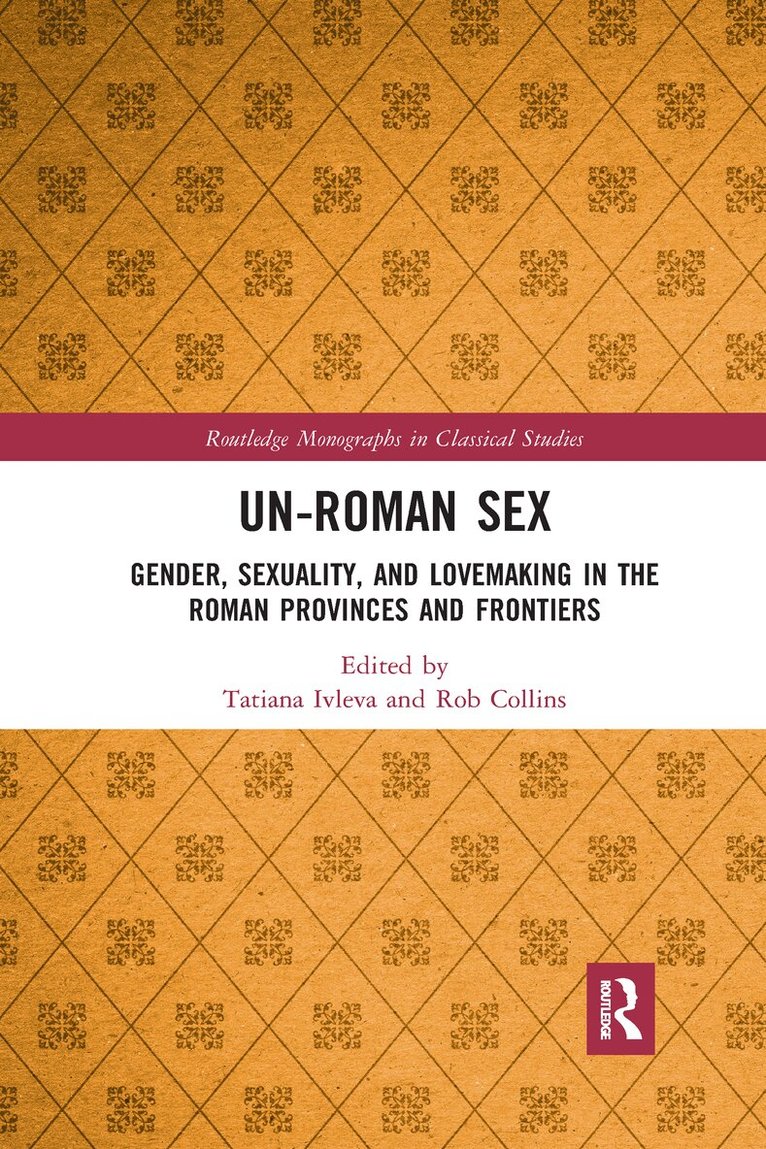
Un-Roman Sex
Gender, Sexuality, and Lovemaking in the Roman Provinces and Frontiers
Häftad, Engelska, 2022
630 kr
Skickas inom 10-15 vardagar
Un-Roman Sex explores how gender and sex were perceived and represented outside the Mediterranean core of the Roman Empire. The volume critically explores the gender constructs and sexual behaviours in the provinces and frontiers in light of recent studies of Roman erotic experience and flux gender identities. At its core, it challenges the unproblematised extension of the traditional Romano-Hellenistic model to the provinces and frontiers. Did sexual relations and gender identities undergo processes of "provincialisation" or "barbarisation" similar to other well-known aspects of cultural negotiation and syncretism in provincial and border regions, for example in art and religion? The 11 chapters that make up the volume explore these issues from a variety of angles, providing a balanced and rounded view through use of literary, epigraphic, and archaeological evidence. Accordingly, the contributions represent new and emerging ideas on the subject of sex, gender, and sexuality in the Roman provinces.As such, Un-Roman Sex will be of interest to higher-level undergraduates and graduates/academics studying the Roman empire, gender, and sexuality in the ancient world and at the Roman frontiers.
Un-Roman Sex
Gender, Sexuality, and Lovemaking in the Roman Provinces and Frontiers
Inbunden, Engelska, 2020
1 943 kr
Skickas inom 10-15 vardagar
Un-Roman Sex explores how gender and sex were perceived and represented outside the Mediterranean core of the Roman Empire. The volume critically explores the gender constructs and sexual behaviours in the provinces and frontiers in light of recent studies of Roman erotic experience and flux gender identities. At its core, it challenges the unproblematised extension of the traditional Romano-Hellenistic model to the provinces and frontiers. Did sexual relations and gender identities undergo processes of "provincialisation" or "barbarisation" similar to other well-known aspects of cultural negotiation and syncretism in provincial and border regions, for example in art and religion? The 11 chapters that make up the volume explore these issues from a variety of angles, providing a balanced and rounded view through use of literary, epigraphic, and archaeological evidence. Accordingly, the contributions represent new and emerging ideas on the subject of sex, gender, and sexuality in the Roman provinces.As such, Un-Roman Sex will be of interest to higher-level undergraduates and graduates/academics studying the Roman empire, gender, and sexuality in the ancient world and at the Roman frontiers.
1 751 kr
Skickas inom 7-10 vardagar
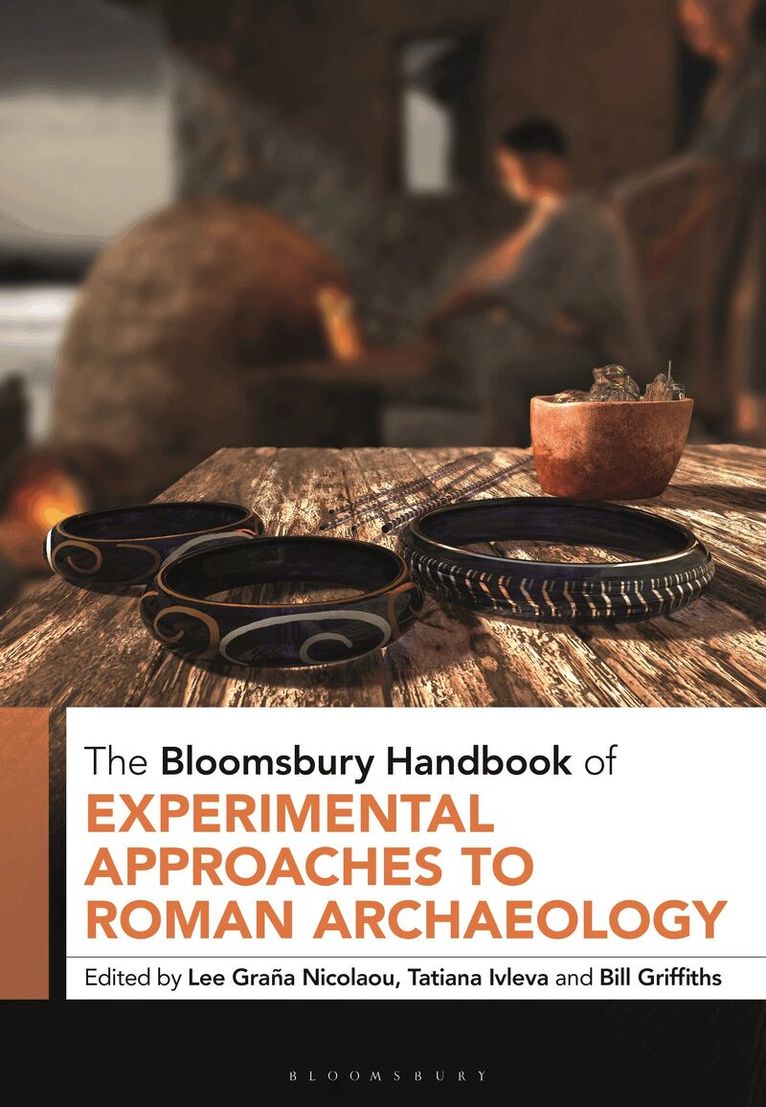
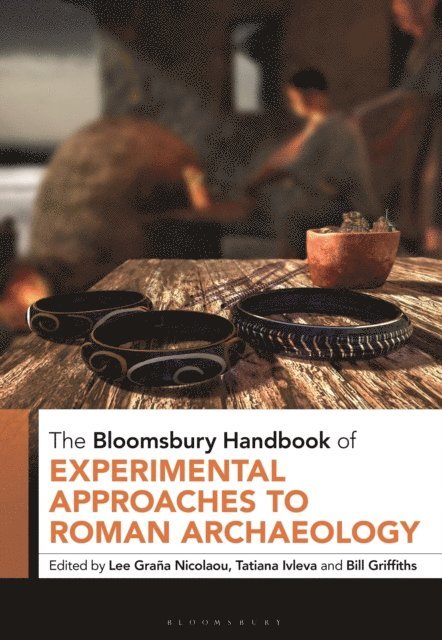
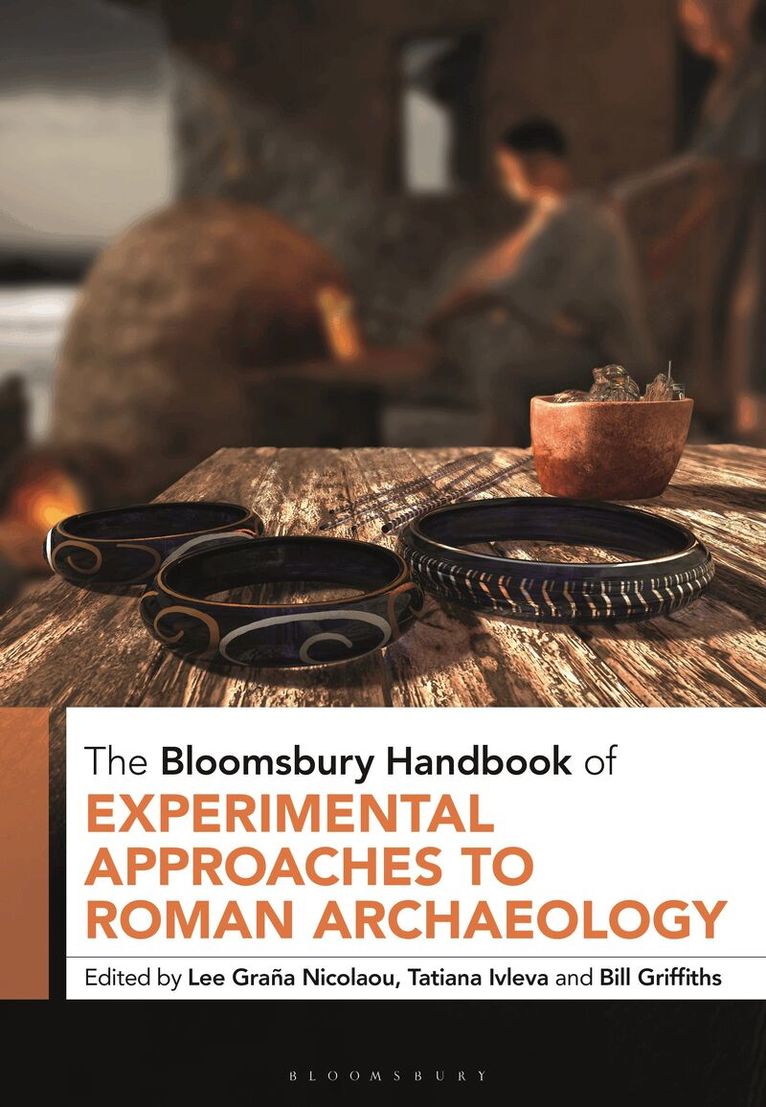
This volume is the first comprehensive overview of Roman experimental archaeology, exploring its key themes, methodologies and applications through a diverse array of international case studies. Experiments, simulations and reconstructions are important methods for understanding the past, from uncovering how ancient objects and structures were made, used, destroyed, deposited and affected underground, to illuminating the experiences of tasting ancient foods, fighting alongside comrades or living in replicated structures. Although the incorporation of experimentation has had great success in prehistoric studies, greater reliance on the wealth of literary and material sources remaining from the classical period has meant that its potential for Roman studies has yet to be fully realised. The 26 chapters in this book are divided into 5 thematic parts, each of which opens with a contextualizing introduction that frames the detailed case studies found in individual chapters and showcases the actual and potential diversity of experimentation as applied to the Roman past by scholars, re-enactors, and practitioners in the heritage sector. In laying out a detailed guide to Roman experimental archaeology, the volume as a whole maps its past, present and future, and provides a firm foundation for further practical research and collaboration. In doing so, it reasserts that experiments and reconstructions are a significant resource for testing or developing theories, rather than merely artistic replicas, and that the vast amount of quantifiable data they yield can be invaluable in support of interpretations of relevant archaeological or historical evidence, regardless of the period in question and beyond the confines of academia.
685 kr
Kommande
This volume is the first comprehensive overview of Roman experimental archaeology, exploring its key themes, methodologies and applications through a diverse array of international case studies. Experiments, simulations and reconstructions are important methods for understanding the past, from uncovering how ancient objects and structures were made, used, destroyed, deposited and affected underground, to illuminating the experiences of tasting ancient foods, fighting alongside comrades or living in replicated structures. Although the incorporation of experimentation has had great success in prehistoric studies, greater reliance on the wealth of literary and material sources remaining from the classical period has meant that its potential for Roman studies has yet to be fully realised. The 26 chapters in this book are divided into 5 thematic parts, each of which opens with a contextualizing introduction that frames the detailed case studies found in individual chapters and showcases the actual and potential diversity of experimentation as applied to the Roman past by scholars, re-enactors, and practitioners in the heritage sector. In laying out a detailed guide to Roman experimental archaeology, the volume as a whole maps its past, present and future, and provides a firm foundation for further practical research and collaboration. In doing so, it reasserts that experiments and reconstructions are a significant resource for testing or developing theories, rather than merely artistic replicas, and that the vast amount of quantifiable data they yield can be invaluable in support of interpretations of relevant archaeological or historical evidence, regardless of the period in question and beyond the confines of academia.
576 kr
Skickas
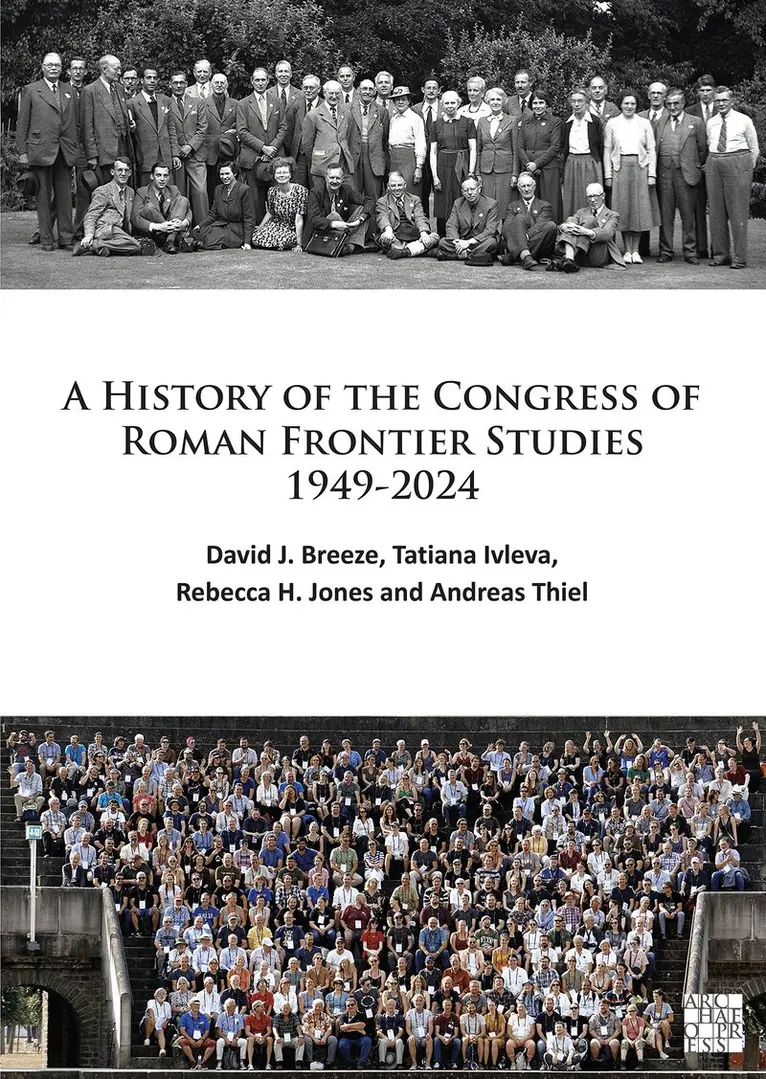
In 1949, in the aftermath of a devastating war, Eric Birley organised the First Congress of Roman Frontier Studies. His aim was not only to pursue the study of Roman frontiers but also to take a step towards restoring harmony in international relations within this field of research. The pattern was set early on: the exchange of information, networking and friendship. These three elements remain at the core of the approach of those organising and attending the Congress. They are reinforced by the pattern of the meetings, usually held every three years. The programme includes not only lectures but also visits to the local Roman military sites led by appropriate specialists. Over the 75 years since the First Congress, membership has grown enormously with more lecture theatres and more coaches being required every meeting. This publication marks the twenty-sixth Congress at Batumi in Georgia. It aims to help newer members understand the body they have joined; for those who have been attending for longer, it will be a reminder of friendships made and strengthened; for all, the book hopes to be a spur to continuing investigations and research into Rome’s greatest monument, its frontiers; for the moment of publication, it will be a celebration of the twenty-sixth Congress of Roman Frontier Studies.
Current Approaches to Roman Frontiers
Proceedings of the 25th International Congress of Roman Frontier Studies 1
Häftad, Engelska, 2024
1 363 kr
Tillfälligt slut
This publication – Current Approaches to Roman Frontiers – is the first volume of the LIMES XXV’s congress proceedings arranged around the original sessions, in order to form coherent thematical collections that make the vast output more accessible to generalists and specialists alike. This volume starts with a recap of the congress. Regarding the themes it deals with a contemporary feminist approach; new digital methodologies and computational modelling; three themes on archaeological heritage management dealing inter alia with preservation, protection, citizen science and World Heritage aspects, and a comparison between the Roman Limes and the Great Wall of China. It ends with an overview of the sessions and lectures of the congress in Nijmegen.Frontiers are zones, or lines, of contact and coercion, of exchange and exclusion. As such they often express some of the most typical elements of the socio-political spaces that are defined by them. Spanning some 6,000 km along rivers, mountain ranges, artificial barriers and fringes of semi-desert, the frontiers of the Roman empire offer a wide variety of avenues and topics for a very diverse community of scholars. They are the central subject of the International Congress of Roman Frontier Studies (or just Limes Congress after the Latin word for ‘border’), organised every three years since 1949\. This four-volume publication contains most of the papers presented at the 25th edition which was hosted by the municipality of Nijmegen in August 2022.
Current Approaches to Roman Frontiers
Proceedings of the 25th International Congress of Roman Frontier Studies 1
Inbunden, Engelska, 2024
1 642 kr
Skickas inom 3-6 vardagar
This publication – Current Approaches to Roman Frontiers – is the first volume of the LIMES XXV’s congress proceedings arranged around the original sessions, in order to form coherent thematical collections that make the vast output more accessible to generalists and specialists alike. This volume starts with a recap of the congress. Regarding the themes it deals with a contemporary feminist approach; new digital methodologies and computational modelling; three themes on archaeological heritage management dealing inter alia with preservation, protection, citizen science and World Heritage aspects, and a comparison between the Roman Limes and the Great Wall of China. It ends with an overview of the sessions and lectures of the congress in Nijmegen.Frontiers are zones, or lines, of contact and coercion, of exchange and exclusion. As such they often express some of the most typical elements of the socio-political spaces that are defined by them. Spanning some 6,000 km along rivers, mountain ranges, artificial barriers and fringes of semi-desert, the frontiers of the Roman empire offer a wide variety of avenues and topics for a very diverse community of scholars. They are the central subject of the International Congress of Roman Frontier Studies (or just Limes Congress after the Latin word for ‘border’), organised every three years since 1949\. This four-volume publication contains most of the papers presented at the 25th edition which was hosted by the municipality of Nijmegen in August 2022.
Strategy and Structures along the Roman Frontier
Proceedings of the 25th International Congress of Roman Frontier Studies 2
Häftad, Engelska, 2024
1 363 kr
Tillfälligt slut
This publication – Strategy and Structures along the Roman Frontiers – is the second volume of the LIMES XXV’s congress proceedings and deals with the following themes: Roman military activities during the Republic; the early frontier formation processes and tribal reshuffling; new insights in the installations of the Roman armies; an odyssey along different Limes regions; the collapse of Roman frontiers; the afterlife of frontier fortifications. The proceedings are all arranged around the original sessions, creating coherent thematical collections that make the vast output more accessible to generalists and specialists alike.Frontiers are zones, or lines, of contact and coercion, of exchange and exclusion. As such they often express some of the most typical elements of the socio-political spaces that are defined by them. Spanning some 6,000 km along rivers, mountain ranges, artificial barriers and fringes of semi-desert, the frontiers of the Roman empire offer a wide variety of avenues and topics for a very diverse community of scholars. They are the central subject of the International Congress of Roman Frontier Studies (or just Limes Congress after the Latin word for ‘border’), organised every three years since 1949\. This four-volume publication contains most of the papers presented at the 25th edition which was hosted by the municipality of Nijmegen in August 2022.