Gambling Studies Series - Böcker
Visar alla böcker i serien Gambling Studies Series. Handla med fri frakt och snabb leverans.
9 produkter
9 produkter
427 kr
Skickas inom 3-6 vardagar
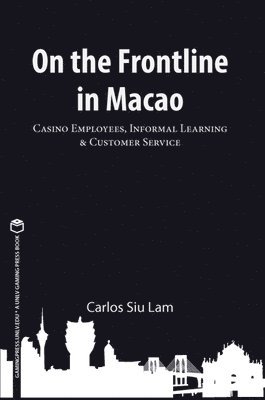
On the Frontline in Macao
Casino Employees, Informal Learning, & Customer Service
Häftad, Engelska, 2015
365 kr
Skickas inom 3-6 vardagar
353 kr
Skickas inom 3-6 vardagar
548 kr
Skickas inom 3-6 vardagar
343 kr
Skickas inom 3-6 vardagar
447 kr
Skickas inom 3-6 vardagar
263 kr
Skickas inom 7-10 vardagar
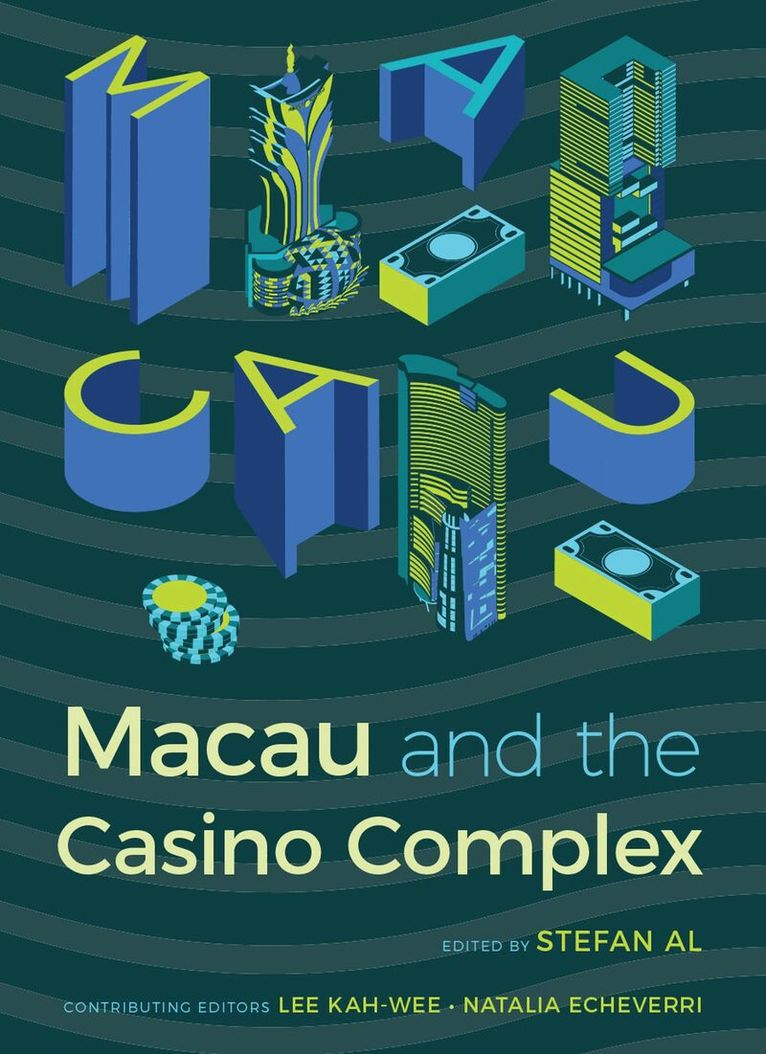
In only a decade, Macau has exploded from a sleepy backwater to the world’s casino capital. It was bound to happen. Macau, a former Portuguese colony that became a special administrative region within the People’s Republic of China in 1999, was the only place in China where gambling was legal. With a consumer base of 1.3 billion mainland Chinese deprived of casino gambling, and the world’s largest growing consumer class, international corporations rushed in to enter the games. As a result, the casino influx has permanently transformed the Macau peninsula: its ocean reclaimed, hillside excavated, roads congested, air polluted, and glimmering hotel towers tossed into the skyline, dwarfing the 19th century church towers. Essays by a number of experts give a deeper insight on topics ranging from the myth of the Chinese gambler, the role of feng shui in casino design, the city’s struggle with heritage conservation, the politics of land reclamation, and the effect of the casino industry on the public realm. Drawings and photographs in vivid color visualize Macau’s patchwork of distinct urban enclaves: from downtown casinos, their neon-blasting storefronts eclipsing adjacent homes and schools, to the palatial complexes along a new highway, a Las Vegas-style strip. They also reveal how developers go to great lengths to impress the gambler with gimmicks such as fluorescent lighting, botanic gardens, feng shui dragon statues, cast members’ costumes, Chinese art imitations, and crystal chandelier-decked elevators. It is a book that helps readers grasp the complex process of the development of the casino industry and its overall impact on the social and architectural fabric of the first and last colonial enclave in China.
371 kr
Skickas inom 7-10 vardagar
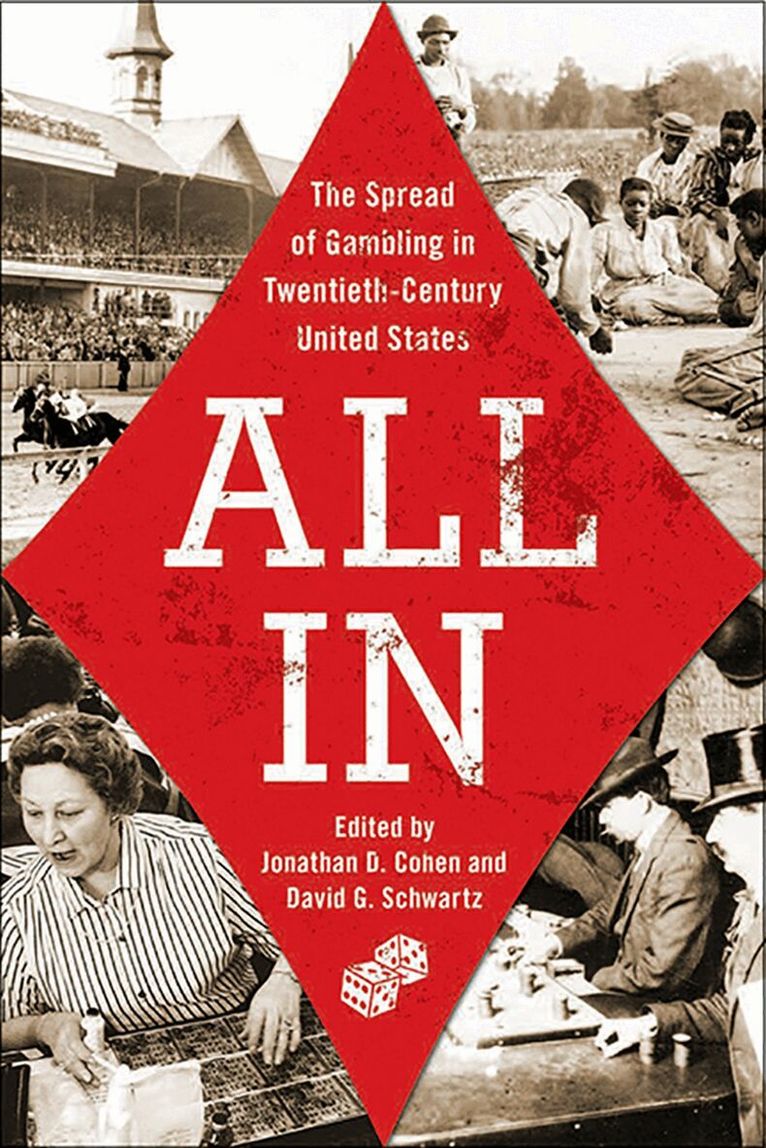
Gambling, the risky enterprise of chance, is one of America’s favorite pastimes. Office March Madness brackets, a day at the race track, a friendly wager, the random ridiculous Super Bowl prop bet, bingo night, or the latest media frenzy over the Powerball jackpot—all emphasize the ubiquity of this major economic force and cultural phenomenon. Approximately 70 percent of Americans regularly engage in some form of betting, amounting to over $140 billion in combined casino and lottery revenue every year. A hundred years ago, however, legal gambling was a rarity in the United States. A fresh take on the history of modern American gambling, All In provides a closer look at the shifting economic, cultural, religious, and political conditions that facilitated gambling’s expansion and prominence in American consumerism and popular culture. In its pages a diverse range of essays covering commercial and Native American casinos, sports betting, lotteries, bingo, and more piece together a picture of how gambling became so widespread over the course of the twentieth century.Drawing from a range of academic disciplines, this collection explores five aspects of American gambling history: crime, advertising, politics, religion, and identity.In doing so, All In illuminates the on-the-ground debates over gambling’s expansion, the failed attempts to thwart legalized betting, and the consequences of its present ubiquity in the United States.
344 kr
Skickas inom 7-10 vardagar
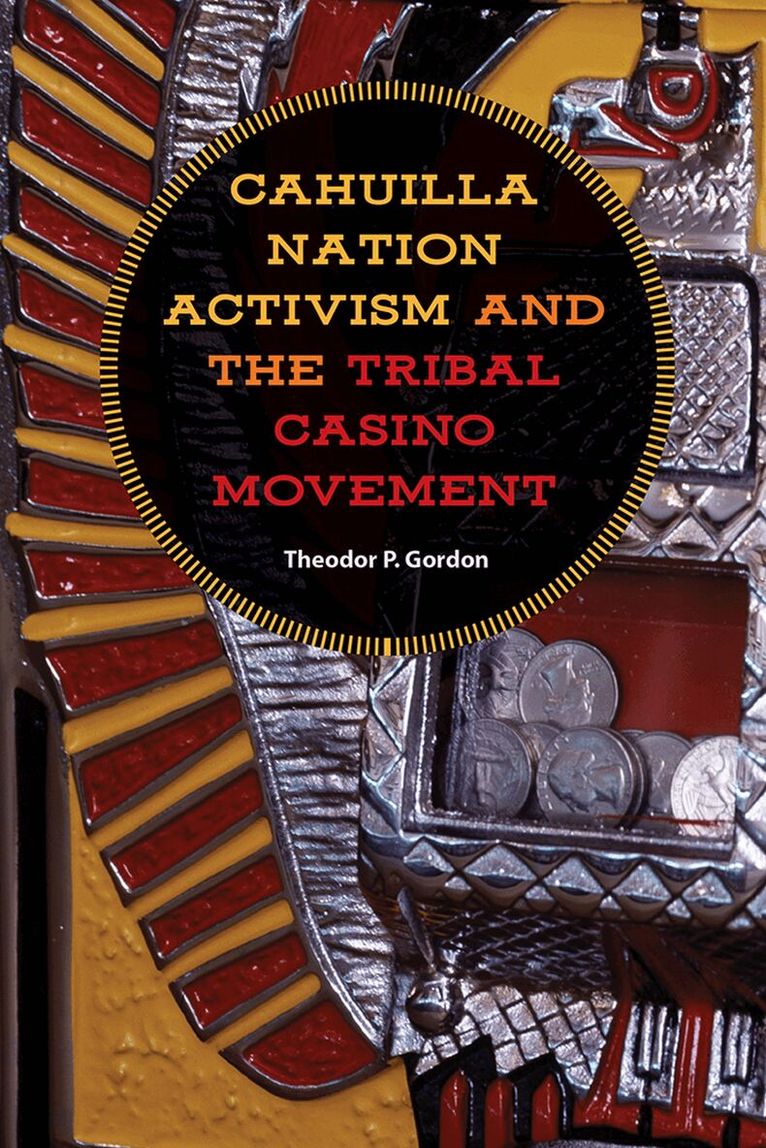
In 1980, when the Cabazon Band first opened a small poker club on their Indian reservation in the isolated desert of California, they knew local authorities would challenge them. The Cabazon persisted and ultimately won, defeating the State of California in a landmark case before the Supreme Court. By fighting for their right to operate a poker club, the Cabazon secured the possibility for native nations across the United States to open casinos on their own reservations, spurring the growth of what is now a $30 billion industry.Cahuilla Nation Activism and the Tribal Casino Movement tells the bigger story of how the Cahuilla nations—including the Cabazon—have used self-reliance and determination to maintain their culture and independence against threats past and present. From California’s first governor’s “war of extermination” against native peoples through today’s legal and political challenges, Gordon shows that successful responses have depended on the Cahuilla’s ability to challenge non-natives’ assumptions and misconceptions.