Genre: A 33 1/3 Series - Böcker
Visar alla böcker i serien Genre: A 33 1/3 Series. Handla med fri frakt och snabb leverans.
22 produkter
22 produkter
202 kr
Skickas
What the hell is shoegaze? A scene? A movement? A sound? Back in the Nineties, many would have said the so-called genre was entirely fabricated. The term itself, an offensive piss-take given by the notoriously catty and scene-obsessed British music press, was plainly rejected by the absurdly small collection of bands to which it supposedly applied.Today shoegaze is undeniable. As a descriptor and as a source of influence, it is used in more ways and by more bands than anyone could have dreamed of 30 years ago. Between those periods of invention and ubiquity, the term, along with the bands it first described, all but disappeared off the face of the earth.In this ambitious oral history of a genre that has eluded definition for three decades, Ryan Pinkard unearths the first wave of shoegaze, following the core bands, their sounds, their influence, and their journeys in and out of obscurity. His analysis is woven through dozens of original interviews with artists, label heads, and critics. What he discovers is the unlikely odyssey of this esoteric, experimental music form, which nearly became a mainstream entity, only to be viciously killed off, forgotten, and rediscovered by a new generation that regards it as one of the most influential alternative music events since the Velvet Underground.
202 kr
Skickas
Krautrock is not a music genre. Krautrock is a way of life. Its sonic diversity and global reach belie the common culture from where it emerged. This is a band-by-band history.In May 1945, the Allies defeated Nazi Germany, putting an end to the European front of World War II and the Third Reich. In the immediate aftermath, German youth were tasked to create their own culture. Krautrock is this unlikely success story, as hundreds of bands—including Kraftwerk and Can—seemed to sprout overnight in the early 1970s, forging a unique and experimental sound that was different than American or British rock. The major innovation of krautrock is not only its motorik beat, the steady click-click of Can’s Jaki Liebezeit or monolithic stomp-stomp of Neu!’s Klaus Dinger, but also how the musicians relate to each other. In krautrock, no musician is given more focus than any other, and listening to these bands is to witness interplay common in jazz music. Thus, krautrock represents German politics reflected in music: a dictatorship replaced by democracy.Krautrock explores the history and methodology of the genre, charting its influences and innovations, its more mainstream acts (like Faust, Kraftwerk, and Can) as well as the less universally known (including Harmonia, Popol Vuh, Embryo, and Ash Ra Tempel), and how the genre developed in post-war Germany and what it means to today's listeners.
202 kr
Skickas
Through text and comics, 20th Century Ambient searches through ambient music’s recent history to unearth how the genre has evolved and the role it plays in our daily lives.Ambient music is a part of our daily lives, whether we all realize it or not. It’s the undercurrent in some of our favorite songs. It’s the mood-setting background music in our favorite movies and video games. We hear it in the placid music pumped through the speakers in department stores, on critically acclaimed albums from generational talents, and in synthesizer drones from the depths of Soundcloud. It’s present in the peaceful sounds of spa music, new-age chants, and wellness resources like the Calm app that purport ambient’s healing properties. You can find it on those strange, anonymous instrumental nature albums you can buy at Bed Bath & Beyond. It shows up in genres ranging from electronic and rock music to jazz and lo-fi beats. Ambient is everywhere.20th Century Ambient details a crucial period in which ambient music became a fully realized idea and is secretly one of the most popular genres in the world. Ambient has existed debatably as long as music itself. It wasn’t until the 20th century that it became a defined genre. This book walks through ambient’s ambiguous timeline to uncover not just the genre’s evolution but to understand why it resonates so deeply with the human spirit. From Erik Satie’s classical compositions, hidden histories in blues and dub music, innovations by Brian Eno and Alice Coltrane, all the way through modern artists spearheading ambient in the still early 21st century.
217 kr
Kommande
Vaporwave is music as Internet meme, an ironic and difficult to classify microgenre born online at the turn of the 2010s in an explosion of millennial ambivalence. Vaporwave blends an unlikely spectrum of musical elements — from Muzak and the incidental sounds of music on hold, to manipulated samples of smooth jazz, to looped fragments of the easy listening hits of decades past — and ask questions about authenticity, originality, and sincerity in a culture of falsity. Defined by a deadpan nostalgia for the optimism of late twentieth century consumer culture, vaporwave quickly evolved from a generation’s inside joke into a digital subculture with its own aesthetic worldview.This is a definitive study of a still evolving phenomenon. Profiling its key artists and producers while exploring the blurred feedback loop between music and the Internet, it makes a convincing argument for the music’s importance and relevance to the culture at large, both as an art form in its own right and as the ethos of some of Generation Z’s most successful pop stars.
202 kr
Skickas
Trip-hop described some of the 1990s’ best music, and it was one of the decade’s most revealing bad ideas. This book chronicles the music and its leading artists, packed with recommended listening, essential tracks, great remixes, and under-recognized albums.“Your playlists will soon be overflowing.” - Spectrum CultureThe music itself was an intoxication of beats, bass, and voice. It emerged amid the social tensions of the late 1980s, and as part of hip-hop’s rise to global dominance. It carried the innovations of Jamaican soundsystem culture, the sweet refuge of Lovers Rock, the bliss of club jazz dancefloors and post-rave chill-out rooms. It went mainstream with Massive Attack, Portishead, Tricky, DJ Shadow, Kruder & Dorfmeister, and Björk; and with record labels like Ninja Tune and Mo’ Wax. To the artists’ despair, the music was tagged with a silly label and packaged as music for the boutique and the lounge; made respectable with awards and acclaim.But the music at its best still sounds experimental and dramatic; and its influence lingers through artists like FKA twigs, Sevdaliza, James Blake, Billie Eilish, and Lana Del Rey. This short book is a guide to ’trip-hop’ in its context of the weird 1990s: nostalgia and consumerism; pre-millenium angst and lo-fi technology; casual exoticism amid accelerating globalization and gentrification.
202 kr
Skickas
Featuring exclusive interviews with key figures, from Napalm Death vocalist Barney Greenway to guitarist Bill Steer of Gentlemans Pistols, Carcass, and Napalm Death, this is your guide through the history of death metal.Guitars playing abrasive, discordant riffs, the thunderous double-kick of the drums acting like an accelerated heartbeat, and porcine, guttural vocals pummeling twisted lyrics. Courting controversy from inception to its modern day iteration, death metal presents a number of contradictions: Driven and adventurous musicians compete to make uncomfortable noises; it is crude and far beyond parody and yet consistently popular; and the music is pig-headedly uncommercial despite making a few labels, albeit briefly, wealthy. This book explores the history and methodology of the genre, charting its aims and intentions, its crossovers to the mainstream, successes and failures, and tracks how it developed from the bedrooms of Birmingham and Florida to the near-mainstream, to the murky cult status it enjoys today.
213 kr
Skickas inom 10-15 vardagar
Beginning in the late 1970s as an offshoot of disco and punk, dance-punk is difficult to define. Also sometimes referred to as disco-punk and funk-punk, it skirts, overlaps, and blurs into other genres including post-punk, post-disco, new wave, mutant disco, and synthpop. This book explores the historical and cultural conditions of the genre as it appeared in the late 1970s and early 1980s and then again in the early 2000s, and illuminates what is at stake in delineating dance-punk as a genre. Looking at bands such as Gang of Four, ESG, Public Image Ltd., LCD Soundsystem, The Rapture, and Le Tigre, this book examines the tensions between and blurring of the rhetoric and emotion in dance music and the cynical and ironic intellectualizing associated with post-punk.
202 kr
Skickas
From the storied ache of mbube harmonies of the ‘40s to the electronic boom of kwaito and the amapiano and house explosion of the ‘00s, this book explores vignettes taken from across South Africa’s popular music history. There are moments in time where music can be a mighty weapon in the fight for freedom. Disguised in a danceable hook or shouted for the world to hear, artists have used songs to deliver important truths and bring listeners together in the face of a segregated reality. In the grip of the brutal apartheid era, South Africa crafted its own idiosyncratic popular musical vernacular that operated both as sociopolitical tool and realm of escape. In a country with 11 official languages, music had the power to unite South Africans in protest. Artists bloomed a new idyll from the branches of countless storied musical traditions, and in turn found themselves banned or exiled—the profound epiphany that music can exist both within the pleasure of itself and for serving a far greater purpose.
213 kr
Skickas inom 10-15 vardagar
Teen pop is a sub-genre of popular music marketed to tweens and teens. Its melodic yearning and veneer of sincerity appeal to an emerging romantic eroticism and autonomy. But tweens and teens buy music that isn’t primarily marketed to them, too. Teen pop encompasses several kinds of musical styles, not limiting itself to just one—teen pop wants to play.During the 1970s, teen pop sometimes worked subversively, challenging the status quo it seemed to represent. Male pop stars such as David Cassidy were shown suggestively in popular magazines and female pop stars such as Cher had their own TV shows. Teen magazines, pin-ups, comics, films, and TV programs provided luscious visual stereo, promoting fashion styles, lingo, and dance moves, signaling individual identity but also community. The music provided a way for young people to believe they had something all their own, an authenticity experimenting with sexuality and social conduct, all dressed up in glitter and satin, blue jeans and boom boxes, torn fishnets and safety pins and, magically, their dreams. Cartoon pop and made-for-TV bands! Bubblegum pop! Glam! Hip hop! Hard rock and pop rock and stadium rock! Punk! Disco! Teen pop reinforced aspects of the counterculture it absorbed as the music kept playing—and playing back.Although it’s very difficult to attain and maintain social progress and play it forward—there are so many tragedies—'70s Teen Pop examines how liberation and a true counterculture can be possible through music.
202 kr
Skickas
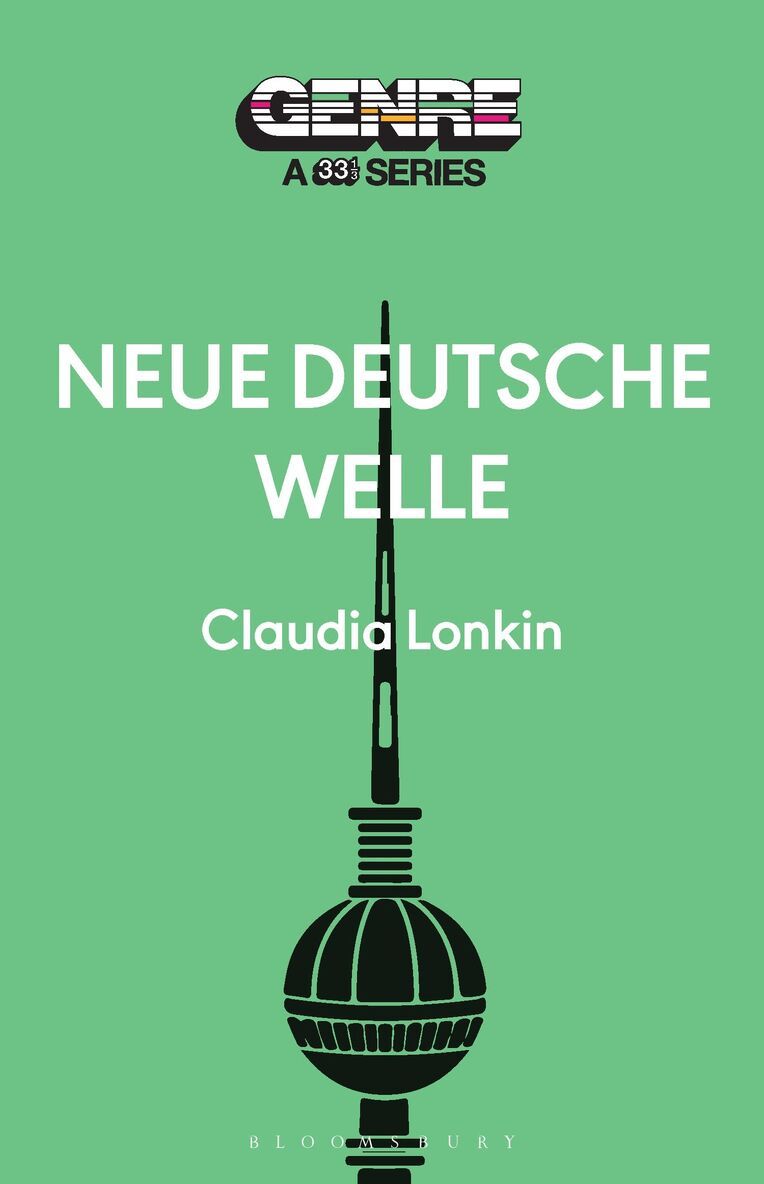
Neue Deutsche Welle (NDW), or “German New Wave,” was made extraordinarily popular in the 1970s and 1980s by the likes of Nena's "99 Luftballons" and Trio's "Da Da Da"—and then left as quickly as it came. Conventional wisdom among artists dictates that it’s better to burn out than fade away, but this doesn’t tell the full story of NDW—the reason for its rapid rise and fall, the historical context that necessitated the genre, and where the energy of the NDW movement went after its end.The genre has international influences but still demonstrates a uniquely German desire to build a new, sanitized identity in the aftermath of World War II. Originally quite subversive and underground, NDW became exponentially more mainstream until it could no longer sustain itself creatively. And rather than disappearing, it helped give rise to the post-Cold War rave craze and is still an important touchstone in music history.
202 kr
Skickas
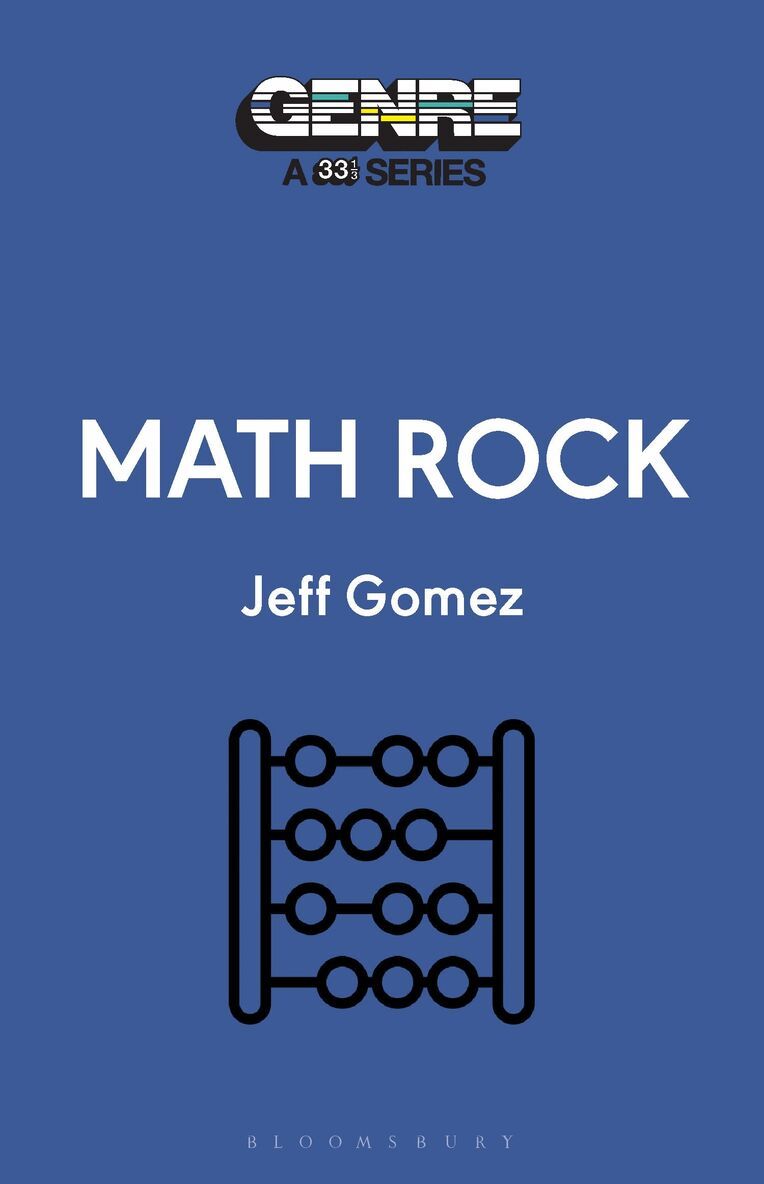
Math rock sounds like blueprints look: exact, precise, architectural. This trance-like progressive metal music with indie rock and jazz influences has been captivating and challenging listeners for decades. Bands associated with the genre include King Crimson, Black Flag, Don Caballero, Slint, American Football, Toe, Elephant Gym, Covet, and thousands more. In an online age of bedroom producers and sampled beats and loops, math rock is music that is absolutely and resolutely played: men and woman in rooms with instruments creating chaos, beauty, and beautiful chaos.This is the first book-length look at the global phenomenon. Containing interviews with prominent musicians, producers, and critics spanning the globe, Math Rock will delight longtime fans while also serving as a primer for those who want to delve deeper. It shows why and how an intellectually complex, largely faceless, and almost entirely instrumental form of music has been capturing the attention of listeners for 50 years—and counting.
202 kr
Skickas
Folk music of the 1960s and 1970s was a genre that was always shifting and expanding, yet somehow never found room for so many. In the sounds of soul-folk, Black artists like Terry Callier and Linda Lewis began to reclaim their space in the genre, and use it to bring their own traditions to light— the jazz, the blues, the field hollers, the spirituals— and creating something wholly new, wholly theirs, wholly ours. This book traces the growing imprints of soul-folk and how it made its way from folk tradition to subgenre. Along the way, it explores the musicians, albums, and histories that made the genre what it is.
202 kr
Skickas
This comprehensive portrait of Tropicália, exploring everything from influences and results to context and main players, demonstrates how the genre helped reinvent Brazil's cultural identity in a post-colonial world.While bossa nova nurtured a snobbish audience rooted in jazz and Música popular brasileira (MPB) spoke to a multicultural yet oppressed nation, Tropicália invested in a crossover instigated by the progressive youth who refused to glorify a past it didn’t identify with and whose outdated codes it didn’t intend to perpetuate. This portrait of Tropicália, exploring everything from influences and results to context and main players, shows how the genre helped reinvent Brazil’s cultural identity in a postcolonial world.The genre’s core comes from a unique mix of native and foreign influences: Tropicália doesn’t reject the international pop panorama but is an undeniable product of it. The book sets the strangling military dictatorship and its resulting censorship serving as the sociopolitical backdrop of the genre. Tropicália propelled culture (and counterculture) forward, moving away from senseless niche intellectualisms in favour of a broader reach of Brazilian music.
248 kr
Kommande
Indian cinema: Songs! Dances! More songs and dances! Strip away the visuals, however, and you are left with the curious feeling that the music is both a complete stranger and a long-lost friend.Songs from Hindi-language film – “Bollywood” – are omnipresent in India. Whatever genre you can think of, one of those songs has tipped its hat to it (or picked its pockets). Indians are not fazed by unfamiliar music: they probably heard it in the film they watched last night, if only for a few seconds as part of a multi-genre cocktail.Using excerpts from interviews with film personnel, listeners, and lawyers, this book tells the tale of Bollywood’s music through all the genres it has incorporated over the decades, from Hindustani to hip-hop. It also looks at what such musical cross-pollination means in a world of increasing debates on intellectual property rights – and has links to extensive YouTube playlists to let you, the listener, decide for yourself.
253 kr
Kommande
An exploration of the musical sub-genre that reshaped contemporary R&B and soul music, this book offers an in-depth look at the roots, evolution, and cultural impact of Neo-Soul—a genre that emerged in the mid-1990s and continues to influence artists and listeners alike.Coined by record executive Kedar Massenberg, Neo-soul, characterized by its fusion of classic soul, jazz, hip-hop, and funk elements, is a genre that defies easy categorization. This book traces the genre's origins from the likes of D'Angelo, Erykah Badu, and Lauryn Hill to its continued relevance in the music landscape of today, heard in artists like Robert Glasper, Terrace Martin, Victoria Monet, and others. It provides readers with a deep dive into the lives and creative processes of Neo-Soul's pioneers and contemporary torchbearers. Through interviews, behind-the-scenes anecdotes, and critical analysis, we gain a profound understanding of the genre's unique sonic qualities, its celebration of authenticity, and its role as a cultural force for change.
202 kr
Skickas
Featuring interviews with John Oswald, Negativland, and others and drawing on a wealth of research on copyright and intellectual property, Plunderphonics explores the impact of a genre that made illegality a point of pride.In Plunderphonics, Matthew Blackwell tells the story of a group of musicians who advocated for changes to the copyright system by deploying unlicensed samples in their recordings. The composer John Oswald, who coined the genre term “plunderphonics,” was threatened with legal action by the Canadian Recording Industry Association on behalf of Michael Jackson. The Bay Area group Negativland was sued by Island Records on behalf of U2 for their parody of the band. These artists attracted media attention to their cause in a bid to expand fair use protections. Later, the Australian band the Avalanches encountered the limitations of the music licensing system during the release of their debut album, having to drop several samples that could not be successfully cleared. Finally, American DJ and producer Girl Talk released a series of albums featuring hundreds of uncleared samples and successfully avoided lawsuits by publicly arguing a fair use defense. This book narrates the conflicts between these artists and the recording industry. Blackwell places plunderphonics in the cultural contexts of postmodernism, Situationism, and culture jamming and analyzes responses to the genre from the media and the legal system. Along with histories of each artist, changes to American copyright law are tracked through important cases like Grand Upright v. Warner Bros. and Bridgeport v. Dimension Films. Though the legal terrain did not shift in the favor of plunderphonic musicians, they changed public perception of fair use and enabled more widespread sampling in underground music.
195 kr
Skickas
The once derided musical hybrid that is 1970s Jazz Fusion has since become one of the most influential genres of music in jazz, rock, soul, and hip-hop.The once derided musical hybrid that is 1970s Jazz Fusion has since become one of the most influential genres of music in jazz, rock, soul, and hip-hop. This book is a celebration of one of the most adventurous but unappreciated eras in popular music, wherein the traditional sounds of jazz were melded and mashed up with funk, soul, hard rock, and electronics. Even as they were accused of selling out and contaminating traditional jazz, artists like Miles Davis, Weather Report, Herbie Hancock, Chick Corea, and the Mahavishnu Orchestra made some of the most creative and invigorating music of the era.Full of the musicians’ personal stories and anecdotes, this book provides a discussion of their albums and the cultural context for their music. That context also includes how these albums have been passed down through generations and have reverberated through the music of today, inspiring both hip-hop and electronic artists through sampling and contemporary jazz and soul artists who are less constrained by traditional genres. Though recorded decades ago, jazz fusion remains culturally vital and sonically thrilling to this very day.
257 kr
Kommande
When musique concrète first hit the airwaves, listeners reached for their earplugs. This strange genre didn’t sound like music at all! It ignored melody and meter. It didn’t even use instruments. Instead, musique concrète took recorded sound as its raw material. That could be anything from trundling trains to clattering saucepans. Using audio tape and phonograph records, composers manipulated these sounds, reassembling them into abstract works that felt like they came from an alien world.While this weird genre was never a popular hit, it opened up a whole new vocabulary of studio techniques, influencing everyone from Frank Zappa to The Who. Its impact even spread as far as The Beatles, inspiring their eight-and-a-half-minute musique concrète extravaganza ‘Revolution 9’.In this book, author Christian Kriticos traces the beguiling history of musique concrète, from the 1940s into the 21st century, focusing on the eccentric characters who spearheaded the genre. He shows how these maverick composers anticipated techniques used in hip-hop, mashups, plunderphonics and ambient music. In this way, he argues that the influence of musique concrète can still be heard everywhere, even if you’ve never stopped to listen for it…
202 kr
Kommande
The scene that bulldozed the path from prog and glam to punk and new wave, pub rock was a short-lived phenomenon in the U.K., emerging amidst the bloated landscape of prog rock and an increasingly oppressive economic outlook.In the U.K. in the early ‘70s, in response to the glitz of glam and the excess of prog there emerged a DIY, back to basics scene known as pub rock: No-fuss, grass roots rock’n’roll bands playing in tight, sweaty rooms to packed throngs in the Victorian pubs of north London. Pub rock was a relative flash in the pan, lasting only a handful of years, but it produced a seismic shift, bridging the gap between rock’s Baroque period and the ensuing punk and new wave scene, and crucially, restoring the visceral connection between artist and audience. Pub rock set the standard and, through artists like Brinsley Schwarz, Ducks Deluxe and Dr. Feelgood, paved the way for countless acts including The Clash, the Sex Pistols and The Pretenders. Pub Rock explores the history of the genre’s evolution, and examines its significant and enduring legacy.
202 kr
Skickas
Minimalist Music looks critically into the music’s past, shows how the genre thrives across styles, and points the way toward minimalism’s ongoing future.Minimalism as a genre is best defined not by any style or flavor but by its means. Certain rhythms and chords in other music may identify things like jazz or bossa nova or reggae; take those same elements and put them through the processes of minimalism and you have minimalism with the hues of other musics.A still young genre with ancient roots, minimalism is much less any kind of style than a practice, a manner of making music. Reviving those means and applying them to contemporary sounds and experiences, the pioneers of minimalism created a new and avant-garde music that immediately communicated its power to listeners of all kinds. The global appeal of minimalism and the way the methods adapt to myriad styles open up a view into how music actually works as an art and an experience, how through time it connects in a fundamental way to how we as humans listen.Minimalist Music is also available in audiobook format from audiobook retailers.
248 kr
Kommande
Latin American alternative rock found its identity in the combination of popular music genres like cumbia and son, traditional folk, ska, hip hop, and punk. The artists leading those fusions formed the Alterlatino movement, a coalition involving musicians from across the continent who had decided to do something revolutionary: start a genuinely Latin American avant-garde.This book chronicles the movement's origins with the advent of punk in the 1980s, its commercial and creative pinnacle in the 1990s, and the transformations it faced due to the music industry crisis in the 2000s. It connects Alterlatino with the pioneering mixture of rock and traditional music in the 1970s and projects its influence into the indie scene that emerged in the 2010s, opening a door to the last great Latin American revolt.Café Tacvba, Manu Chao, La Maldita Vecindad, Aterciopelados, and Los Fabulosos Cadillacs are the head figures of the movement, embodying a blend of popular sounds and a shared countercultural discourse that remained strong despite their enormous mainstream success. Alterlatino crystalized the worldview of the Latin American youth that came of age after democracy had returned to their countries and who aspired to transform the world.
202 kr
Kommande
Transatlantic knowledge of the queer underground punk scene that ultimately became queercore developed through the spirit of DIY resistance that guided earlier feminist artists as queer musicians pushed back against the homophobia and sexism that remained pervasive in hardcore punk. Queercore officially got its name in the mid-1980s when G.B. Jones and Bruce LaBruce named it in their revolutionary zine J.D.s, but the movement began years earlier with bands like Wayne County and the Electric Chairs, Nervous Gender, and Fifth Column. The scene exploded into the next decade with the popularity of bands that often crossed over into the riot grrrl scene, including Tribe 8, Team Dresch, Sister George, and Huggy Bear. Their revolution took the form of zine and cassette creation, which they distributed far and wide. Those documents became like guidebooks for queer punks in small towns throughout North America, Europe, Australia, and Japan. This book explores queercore as a genre that was never intended to be a genre, but instead an underground resistance movement centered around punk. It identifies the key players in the queercore lexicon, from musicians and filmmakers to record labels and zine-makers, and it documents their histories through original interviews and archival research. Ultimately, the book guides readers through the beginnings of queercore into the present, where the legacy of this unlikely genre looms loudly for LGBTQIA+ artists and all those marginalized by the mainstream.