Gingko-St Andrews Series - Böcker
Visar alla böcker i serien Gingko-St Andrews Series. Handla med fri frakt och snabb leverans.
6 produkter
6 produkter
379 kr
Tillfälligt slut
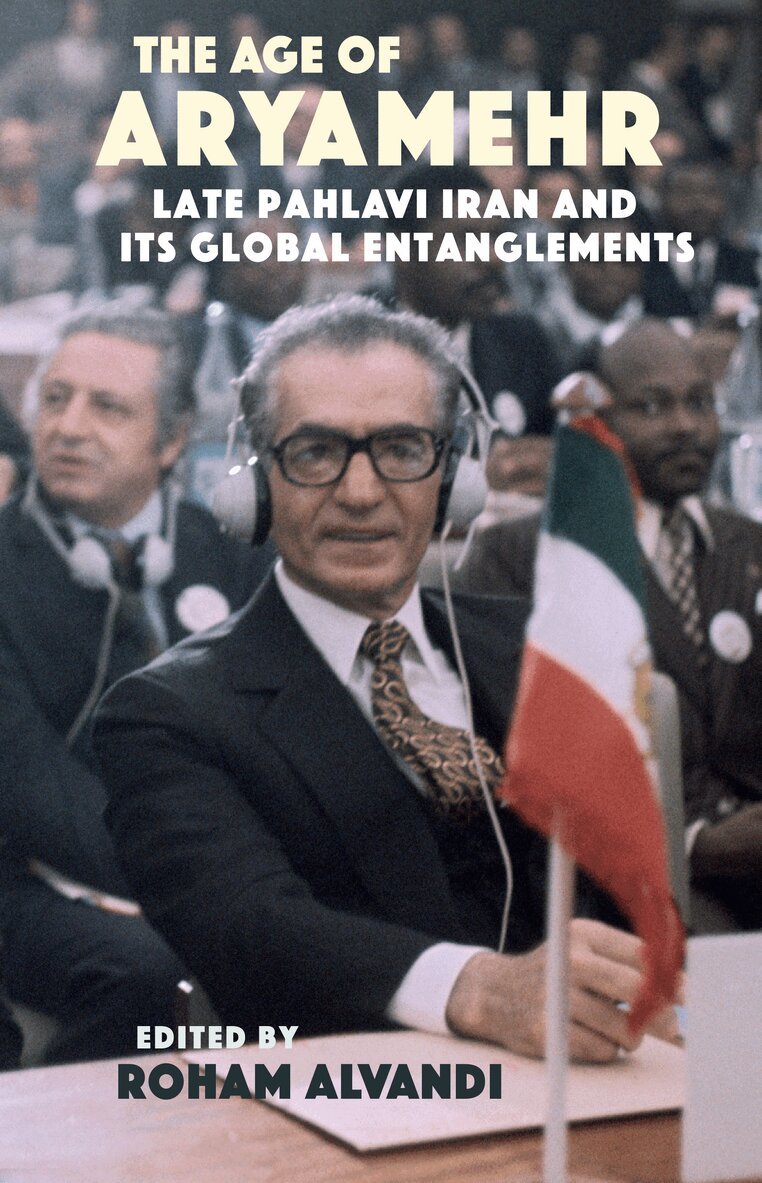
The reign of the last Shah of Iran, Mohammad Reza Pahlavi (1941-1979), marked the high-point of Iran's global interconnectedness. Never before, nor ever since, have Iranians felt the impact of global political, social, economic, and cultural forces so intimately in their national and daily lives, nor have Iranian actors played such an important global role, on battlefields, barricades, and in board rooms far beyond Iran's borders. Modern Iran is in many ways the product of the global interconnectedness that dramatically accelerated in the 1960s and 1970s. From the launch of the Shah's White Revolution in 1963 to his overthrow in the popular Revolution of 1978-79, Iran experienced the longest period of sustained economic growththat the country had ever experienced. The shift in power from oil consumer to oil producers fuelled the modernisation aspirations of a generation of Iranians, in the context of competing capitalist and Marxist models of development. The history of Pahlavi Iran has traditionally been written as prologue to the 1979 Iranian Revolution. These histories largely locate thepolitical, social and cultural origins of the revolution firmly within a national context, into which global actors intruded and Iranian actors retreated. While engaging with this national narrative, this volume is concerned with Iran's place in the global history of the 1960s and 1970s. It examines and highlights the transnational threads that connected Pahlavi Iranto the world, from global traffic in modern art and narcotics, to the embrace of American social science by Iranian technocrats and the encounter of European intellectuals with the Iranian Revolution. In doing so, this volume seeks to write Pahlavi Iran into the global history of the 1960s and 1970s, when Iran mattered far beyond its borders.
549 kr
Skickas inom 7-10 vardagar
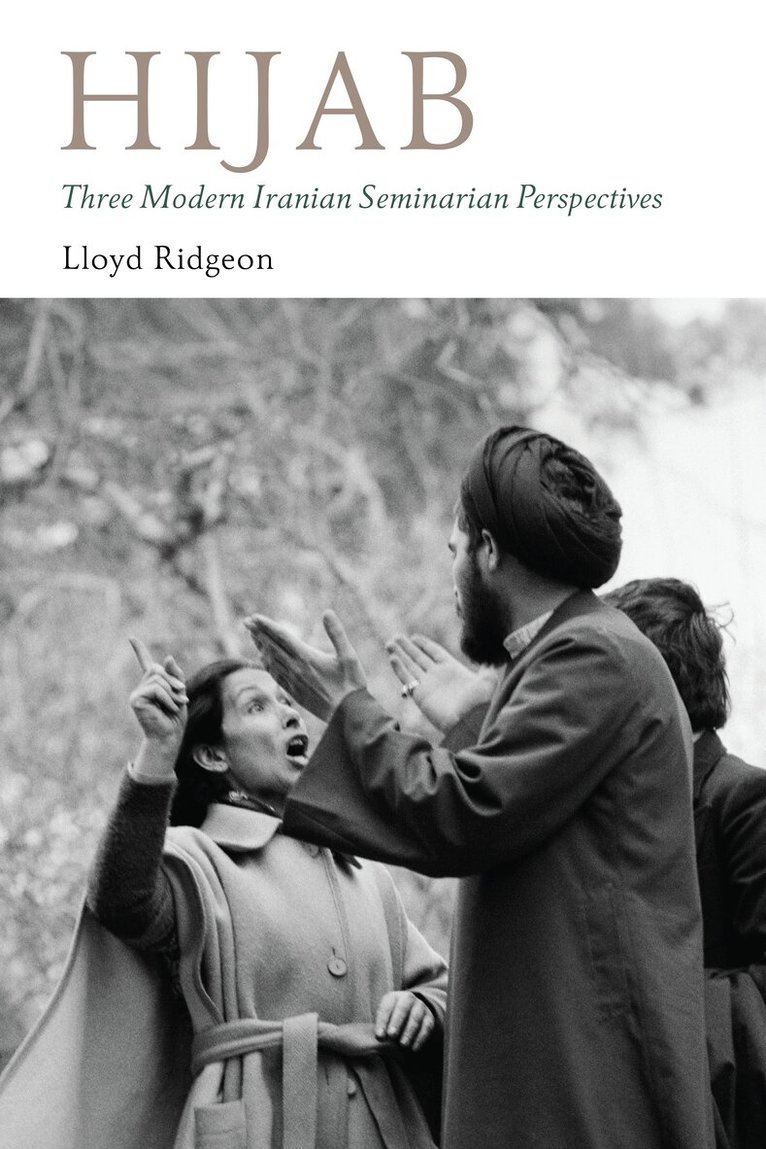
This book provides an overview of the range of seminarian thinking in Iran on the controversial topic of the hijab. During the modern period, Iran has suffered a great deal of conflict and confusion caused by the impact of Western views on the hijab in the 19th century, Riza Shah Pahlavi's 1936 decree banning Islamic head coverings, and the imposition of the veil in the wake of the Islamic Revolution in 1979. Hijab addresses the differences of opinion among seminarians on the hijab in the Islamic Republic of Iran, focusing on three representative thinkers: Murtaza Mutahhari who held veiling to be compulsory, Ahmad Qabil who argued for the desirability of the hijab, and Muhsin Kadivar who considers it neither necessary nor desirable. In the first chapter, the views of these three scholars are contextualized within the framework known as 'new religious thinking' among the seminarians. Comprehending the hermeneutics of this new religious thinking is key to appreciating how and why the younger generation of scholars have offered divergent judgements about the hijab. Following the first chapter, the book is divided into three parallel sections, each devoted to one of the three seminarians. These present a chronological approach, and each scholar's position on the hijab is assessed with reference to historical specificity and their own general jurisprudential perspective. Extensive examples of the writings of the three scholars on the hijab are also provided.
705 kr
Skickas inom 7-10 vardagar
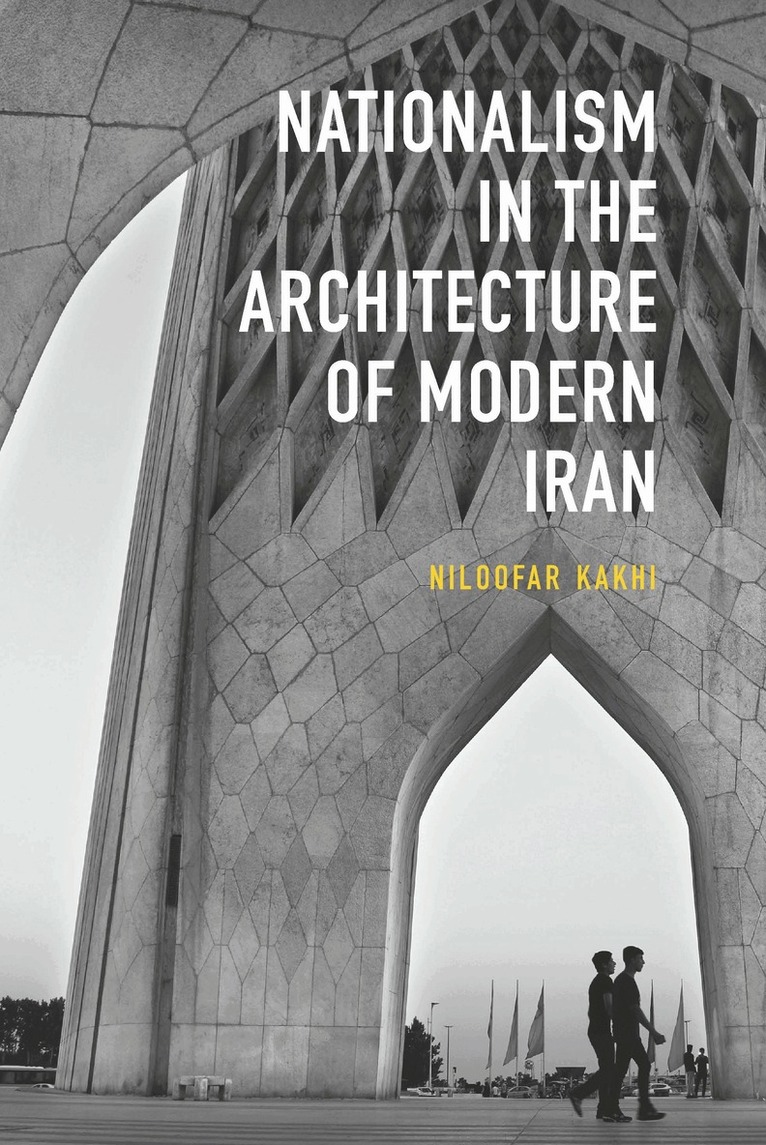
Niloofar Kakhi's Nationalism in the Architecture of Modern Iran charts the fascinating and contested history of the development of a national architectural identity in Iran across the 20th century and on into the creative turbulence of international architecture today. Beginning with a discussion of Iranian architecture in the late Kajar period, up to 1925, and its successor, the Pahlavi dynasty (1925-79), Kakhi describes the establishment of the Iranian Society of National Heritage, and the first steps toward the foundation of an academic discipline in the western Beaux Arts tradition, under such international figures as Andre Godard, Ernst Herzfeld, and Arthur Pope. The narrative goes on to consider the importance of archaeological discoveries, particularly of the Archaemenid (c.705 - 329BCE) and Sassanian (224-651CE) periods, on Iranian architecture, and the tension this set up between concepts of national identity and the influence of international modernism. These are explored through detailed discussion of such significant sites as Tehran's National Garden, the Parade Ground and the Ferdowsi Monument, of such authorities as Mohsen Foroughi and Houshang Seyhoun; and of the paralells between architecture in Iran and in the broader Middle East. The re-invention and importance of such architectural features as the iwan and the chahar-taq are explained for the reader, as is the role played by specific core texts, Sufi mysticism, and the first international congresses, constructing a conceptual platform for critically assessing representations of national identity in contemporary Iranian architecture, and enabling the development a comprehensive understanding of the modern history of architecture in Iran.
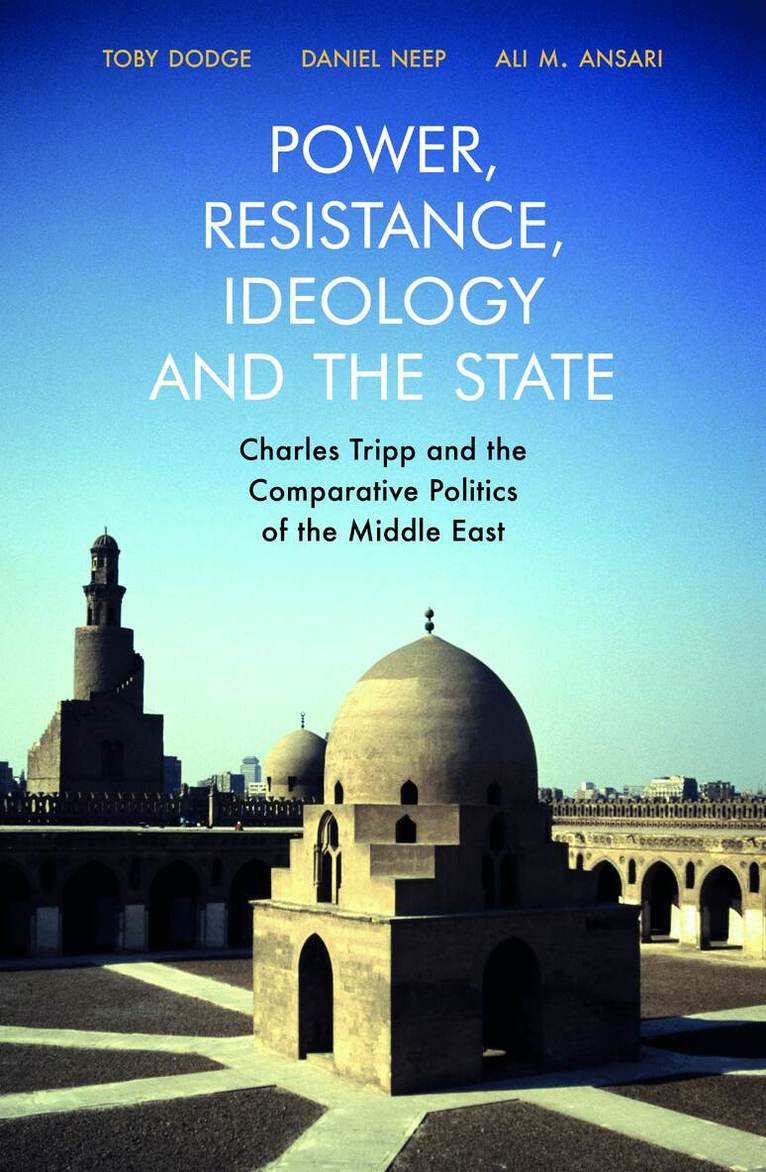
Power, Resistance, Ideology and the State
Charles Tripp and the Comparative Politics of the Middle East
Inbunden, Engelska, 2025
705 kr
Skickas inom 7-10 vardagar
The work of Charles Tripp – professor at the School of Oriental and African Studies (SOAS) for over three decades – has shaped a distinct approach to the study of Middle East politics: an analytical sensibility that is empirically rich, theoretically insightful, and historically sensitive.Power, Resistance, Ideology and the State brings together contributions from ten political scientists and historians from across Europe, the United States, and the Middle East, each of which takes Tripp’s work as an intellectual point of departure for studying politics in the region. The contributions focus on four central themes – power, resistance, ideology and the state – that are central in the field of Middle East politics as a means of examining political trends in cases ranging from Iran and Iraq to Jordan, Lebanon and Syria. Each chapter combines extensive field research and a knowledge of regional politics with methodological and philosophical reflexivity to produce a collection of papers at the cutting edge of contemporary Middle East Studies.This volume seeks to present a new understanding of a region of unprecedented volatility, where post-colonial projects of state-driven development have now expired, old ruling elites have been delegitimised, and political Islam discredited. Against this background, the contributors explore the contemporary developments that have emerged to fill the intellectual and material shortcomings created by the systemic failures of economics and politics in the region. Examining topics such as the rise of elite-promoted sectarianism in Iraq, thwarted attempts to manage neoliberalism in Lebanon, and new grassroots social movements in Syria, Power, Resistance, Ideology and the State offers an essential addition to the exploration of the politics of today’s Middle East.
278 kr
Skickas inom 7-10 vardagar
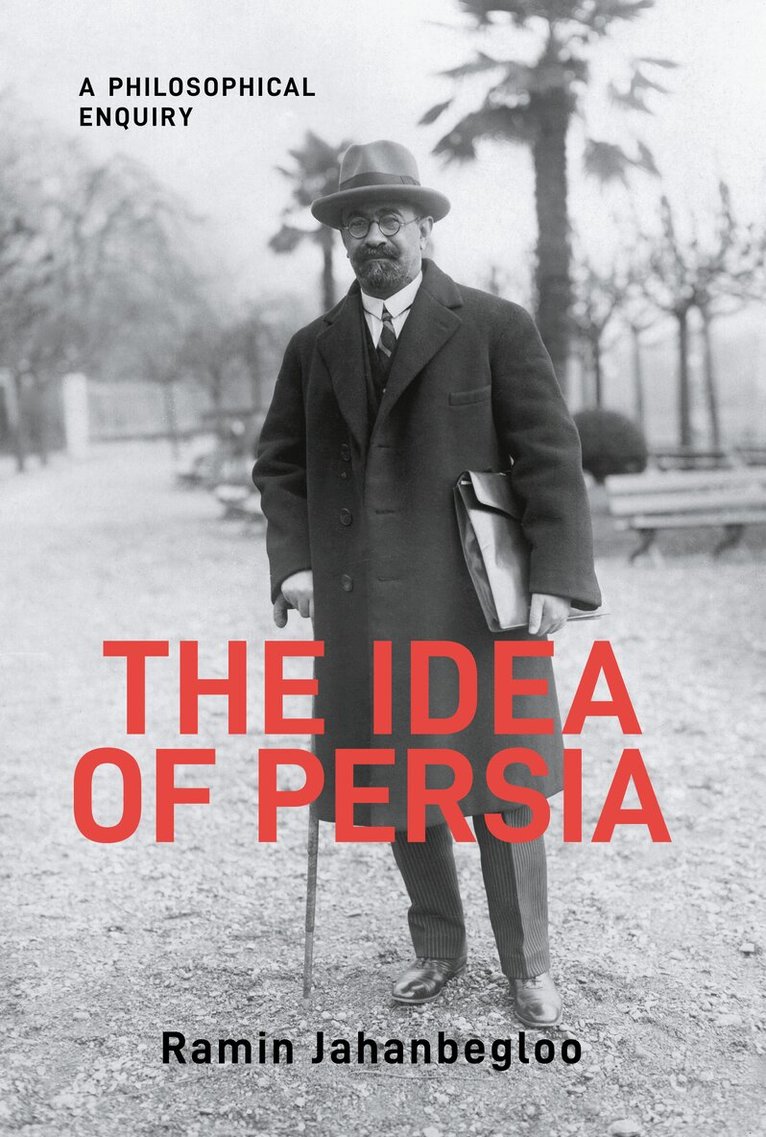
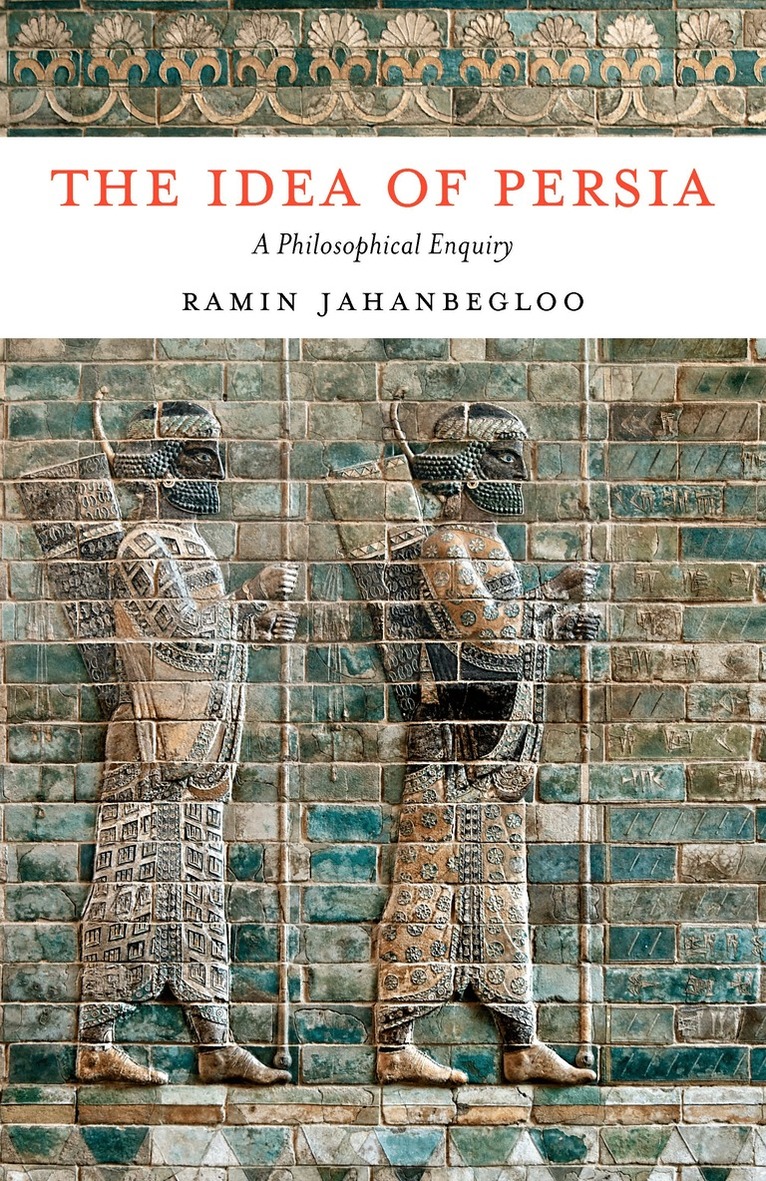
In 1721, in his famous Lettres persane (The Persian Letters), the French philosopher Montesquieu posed the question ‘Comment peut-on être persan?’ The answer to that question is perhaps an even more wide-ranging, challenging and fascinating conundrum today. In his exploration of where such an answer might be found, the renowned contemporary philosopher Ramin Jahanbegloo turns to the writings of the politician and diplomat Muhammad Ali Foroughi (1877-1942), and his vision of what ‘being’ a Persian might embrace. After centuries of invasion, murder, destruction and authoritarian rule, this philosophical investigation examines Montesquieu’s original question against a backdrop in which a common, plural subjectivity of Persian-ness has been frustrated for centuries, and at a time when the country is wrestling with the possibility of an extended period of political, social and cultural decline. Even so, the battle for social and political freedoms is still underway in Iran; and in The Idea of Persia, the concept of nationhood is presented as the means by which Iranians may liberate themselves from the heroes and saints of old, and remake their political mentality in a manner that stays true to an age-old idea of Persian-ness, and to the author’s own belief in freedom as a virtue that has to be taught.
826 kr
Kommande
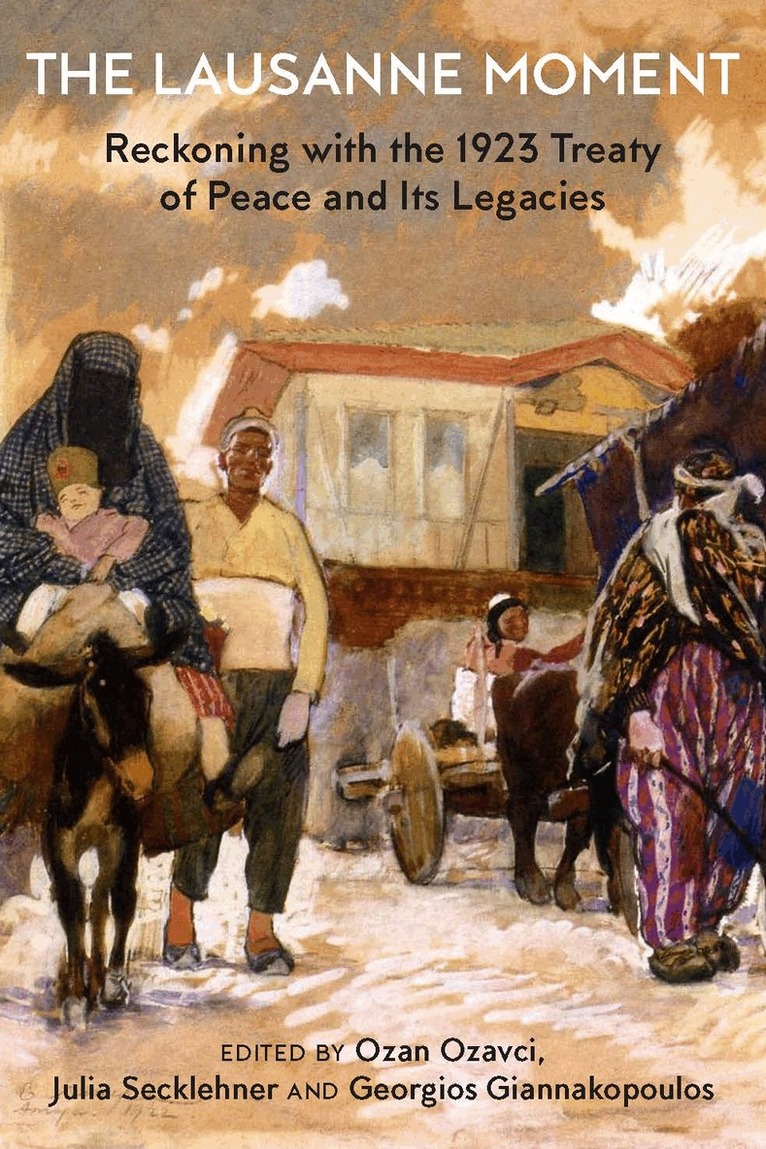
The Treaty of Lausanne (1923) remains one of the few interwar peace settlements that has endured into the twenty-first century. Yet, the memory of Lausanne has proved deeply contested. Celebrated by some as a triumph of state sovereignty and peace-making, it has also come to symbolise forced displacement, the erasure of minority rights, and the codification of population transfers as instruments of international order. Reckoning with Loss addresses the shifting interpretations of the treaty across national contexts, tracing how its provisions have been legally, socially, and politically reimagined—whether in debates over the application of Sharia in Greece’s Western Thrace, or diplomatic flare-ups over its possible revision.One hundred years after the signing of the Treaty of Lausanne, Reckoning with Loss revisits what is often termed the “Lausanne moment”—a diplomatic, legal, economic and financial juncture that helped reshape the world and defined new norms of sovereignty, displacement, and identity. Building on a growing body of interdisciplinary scholarship and serving as a sequel to They All Made Peace – What is Peace? (Gingko, 2023), the edited volume foregrounds the lived realities and long-term legacies of the treaty, critically re-examining the political, cultural, and social consequences of its provisions and aftershocks.Rather than focusing solely on high diplomacy or legal text, Reckoning with Loss brings into view the human dimension of the Lausanne moment. Through case studies ranging from the refugee experience in Nikaia and Asia Minor orphans in Greece, to the enduring memory of loss in Pontic singing, the symbolic ethnicity of Cretan descendants and the Kurdish experience in Turkey, the book documents the deeply personal and community-level consequences of forced migration and political rupture. These experiences are not confined to the immediate postwar period; they linger across time, informing the present-day politics of memory, migration, and identity.The volume also interrogates the geopolitics of Lausanne through new thematic lenses. Essays explore how the treaty facilitated the continuation of imperial practices under new nationalist forms, shaped debates over public debt and cultural heritage, and affected actors and regions often overlooked in Lausanne historiography—such as Albania, Cyprus, and the Kurdish nationalist movements. Lausanne’s cultural afterlives, from its role in shaping archaeology, music, and education policy, to the short-lived invention and later erasure of “Lausanne Day” from Turkey’s official commemorative calendar are also covered in the book.Reckoning with Loss situates the 1923 treaty within broader histories of state-led population engineering, colonial eugenic practices, and the moral politics of international humanitarianism. The “peace” of Lausanne, the volume suggests, was neither absolute nor apolitical—it was crafted, contested, and constantly renegotiated. The book’s contributors collectively ask not only what peace meant in 1923, but also what it means today for those still living with its consequences.Through its interdisciplinary and transregional approach, Reckoning with Loss breaks new ground in Lausanne studies. It brings together historians, anthropologists, archaeologists, political scientists, and cultural theorists, and introduces voices and perspectives—Kurdish, Cypriot, Pontic, Albanian, and Cretan—that have been marginal to mainstream narratives. By weaving together policy analysis, oral history, cultural production, and historical research, the volume offers an expansive and textured account of one of the twentieth century’s most consequential, yet paradoxical, peace settlements.