Global Change / Global Health – serie
Visar alla böcker i serien Global Change / Global Health. Handla med fri frakt och snabb leverans.
8 produkter
8 produkter
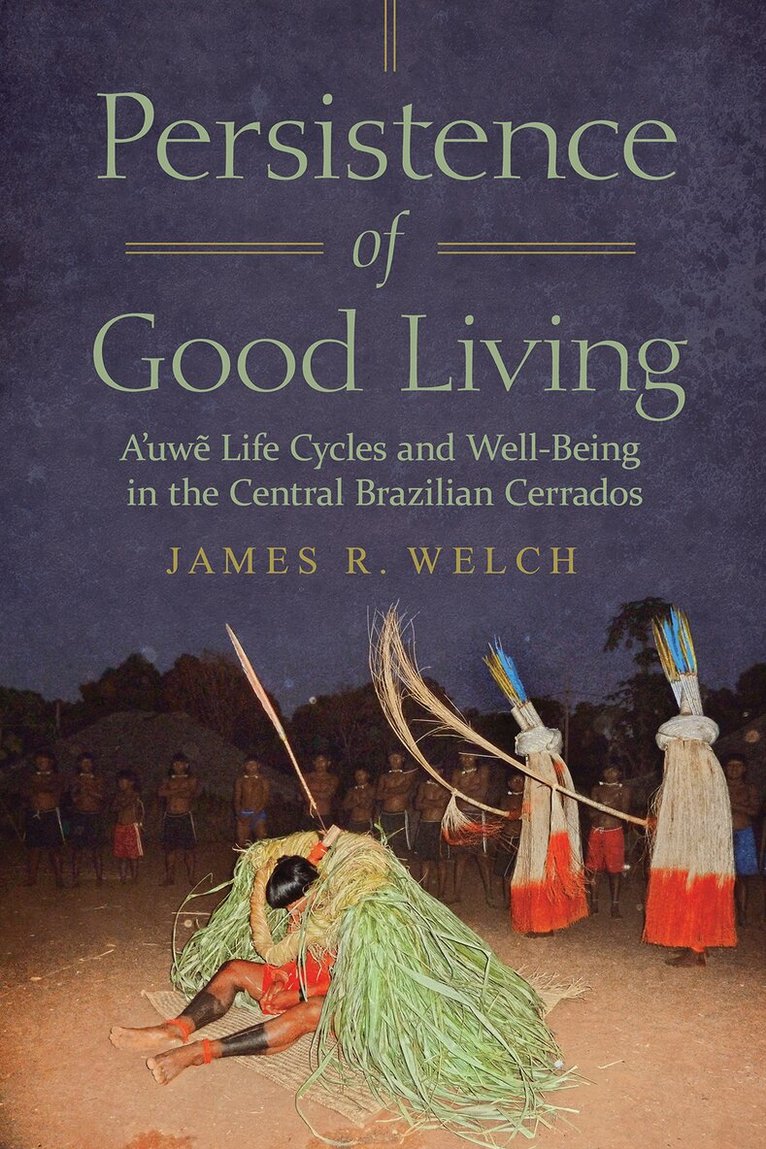
Persistence of Good Living
A'uwe Life Cycles and Well-Being in the Central Brazilian Cerrados
Inbunden, Engelska, 2023
692 kr
Skickas inom 7-10 vardagar
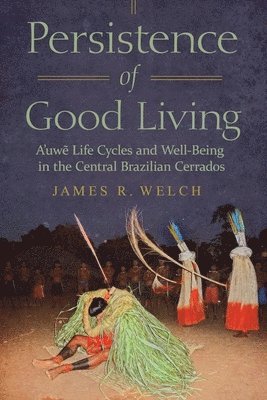
Cultural understandings of well-being often differ from scientific measures such as health, happiness, and affluence. For the Indigenous A’uwẽ (Xavante) people in the tropical savannas of Brazil, special forms of intimate and antagonistic social relations, camaraderie, suffering, and engagement with the environment are fundamental aspects of community wellness.Anthropologist James R. Welch transparently presents ethnographic insights from his long-term fieldwork in two A’uwẽ communities. He addresses how distinctive constructions of age organization contribute to social well-being in an era of major ecological, economic, and sociocultural change. Welch shows how A’uwẽ perspectives on the human life cycle help define ethnic identity, promote cultural resilience, and encourage the betterment of youth. They provide frameworks that people may creatively mobilize to responsibly and respectfully engage with others at different stages of life. They also motivate people to access and manage landscape resources essential to the social construction of good living. Through careful analysis, Welch shows how contemporary traditional peoples can foster enthusiasm for service to family and community amid dominant cultures that prioritize individual well-being.This book is an essential resource for students and scholars interested in sociocultural anthropology, Indigenous cultures, health and culture, and human ecology.
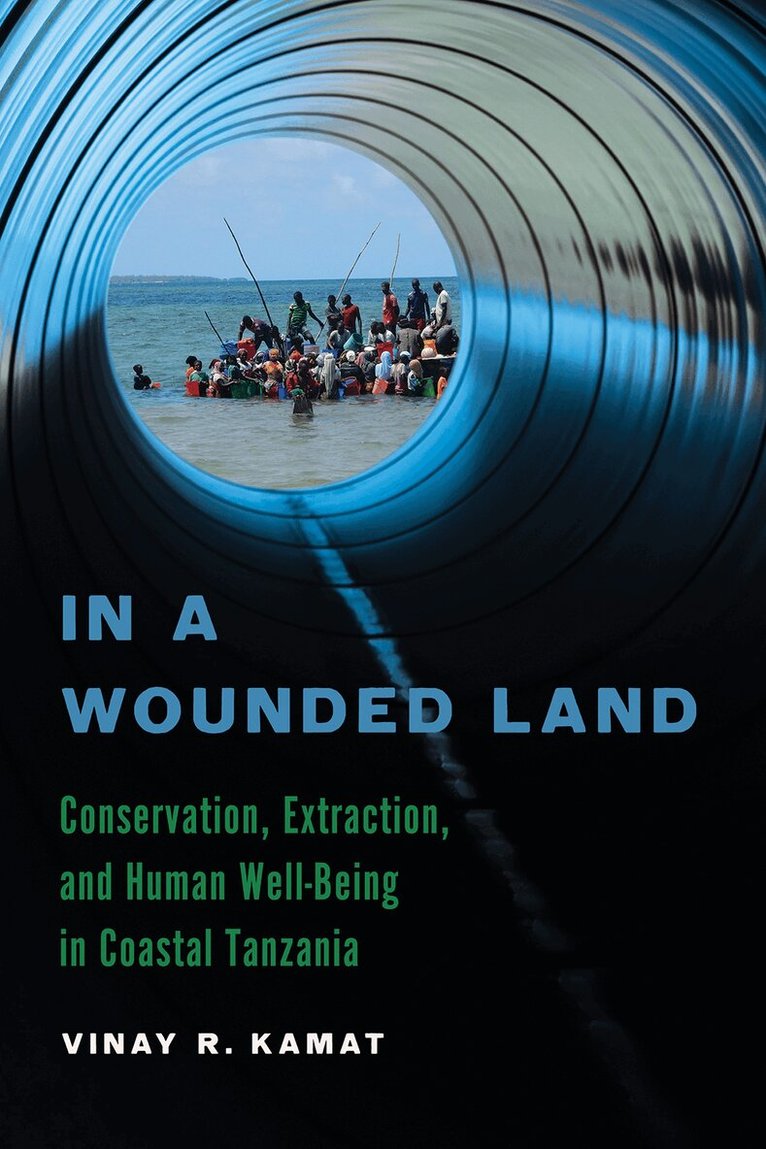
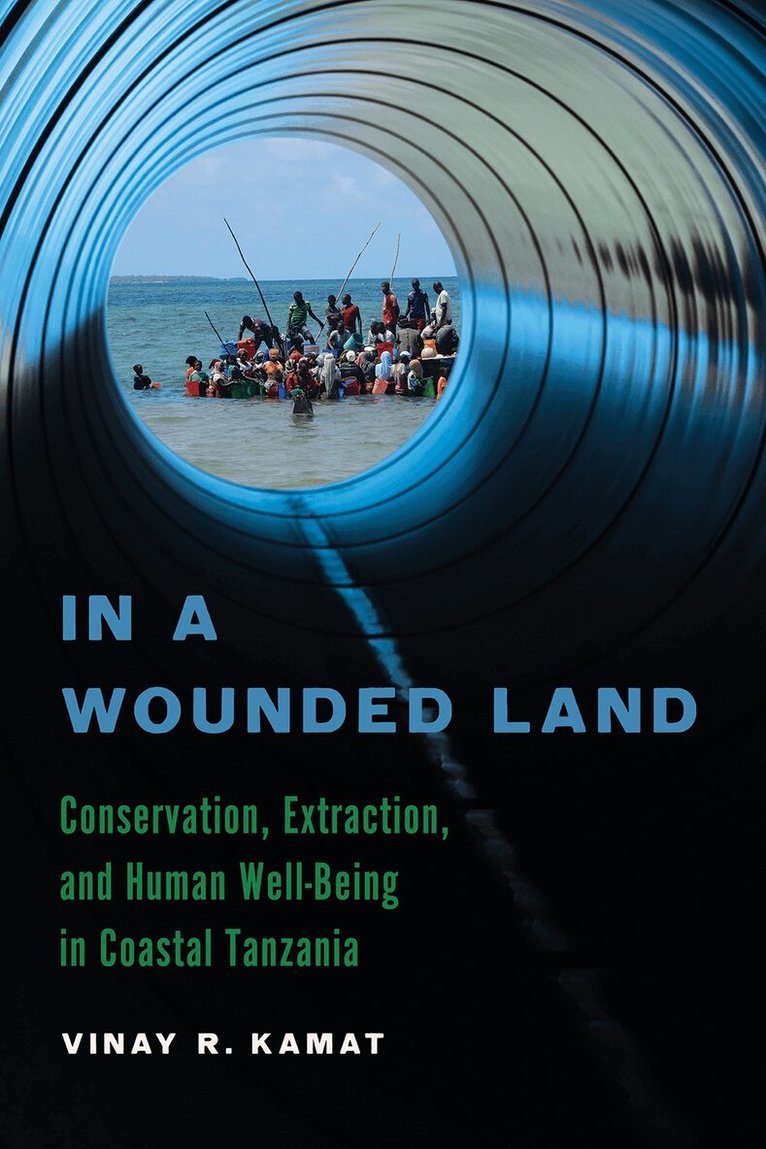
In a Wounded Land
Conservation, Extraction, and Human Well-Being in Coastal Tanzania
Inbunden, Engelska, 2024
692 kr
Skickas inom 7-10 vardagar
Global efforts to conserve nature and prevent biodiversity loss have intensified in response to planetary-scale challenges—nowhere more so than in coastal regions. Accordingly, international conservation organizations have increased their efforts to promote marine protected areas as one of the interventions to prevent biodiversity loss in global hotspots.Focusing on the human element of marine conservation and the extractive industry in Tanzania, this volume illuminates what happens when impoverished people living in underdeveloped regions of Africa are suddenly subjected to state-directed conservation and natural resource extraction projects, implemented in their landscapes of subsistence. In a Wounded Land draws on ethnographically rich case studies and vignettes collected over a ten-year period in several coastal villages on Tanzania’s southeastern border with Mozambique. In seven chapters, the book demonstrates how state power, processes of displacement and dispossession, forms of local resistance and acquiescence, environmental and social justice, and human well-being become interconnected.Written in lucid, accessible language, this is the first book that reveals the social implications of the co-presence of a marine park and a gas project at a time when internationally funded conservation initiatives and extraction projects among rural African populations are engendering rapid social transformation.
305 kr
Skickas inom 11-20 vardagar
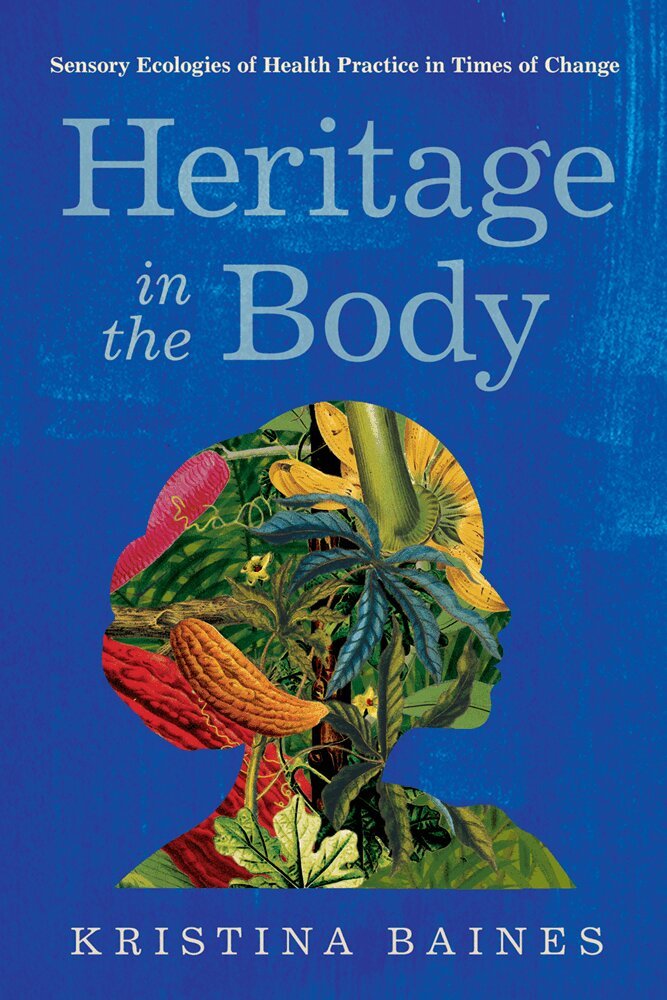
Through storytelling, ethnography, and interviews, Heritage in the Body examines the links between health and heritage in times of change. Using a series of case studies, anthropologist Kristina Baines tells the intimate stories of how Indigenous Maya and Garifuna Belizeans—both in Belize and in the United States—navigate macro-level processes such as economic development, climate change, political shifts, and global health crises in the context of changes in their own lives.Employing an embodied ecological heritage (EEH) framework, Baines explores the links between health and heritage as a fluid series of ecological practices. Health and wellness are holistically defined and approached from a phenomenological perspective. Baines focuses on how sensory experiences change the body through practice and provides insights into community-driven alternatives as a means to maintain and support happy, healthy lives.
1 093 kr
Skickas inom 7-10 vardagar
Through storytelling, ethnography, and interviews, Heritage in the Body examines the links between health and heritage in times of change. Using a series of case studies, anthropologist Kristina Baines tells the intimate stories of how Indigenous Maya and Garifuna Belizeans—both in Belize and in the United States—navigate macro-level processes such as economic development, climate change, political shifts, and global health crises in the context of changes in their own lives.Employing an embodied ecological heritage (EEH) framework, Baines explores the links between health and heritage as a fluid series of ecological practices. Health and wellness are holistically defined and approached from a phenomenological perspective. Baines focuses on how sensory experiences change the body through practice and provides insights into community-driven alternatives as a means to maintain and support happy, healthy lives.
319 kr
Skickas inom 7-10 vardagar
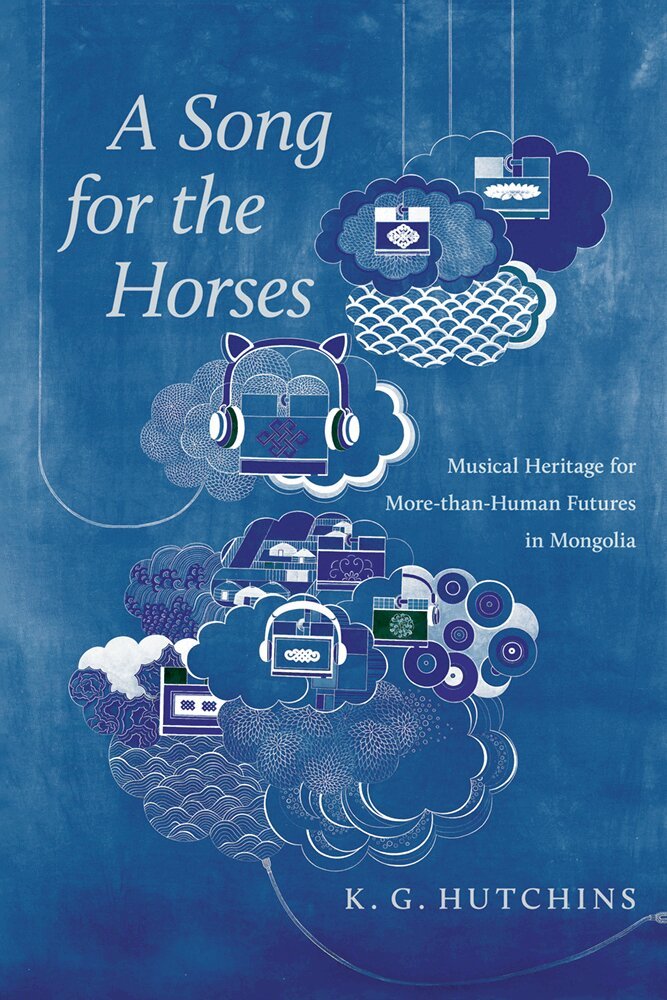
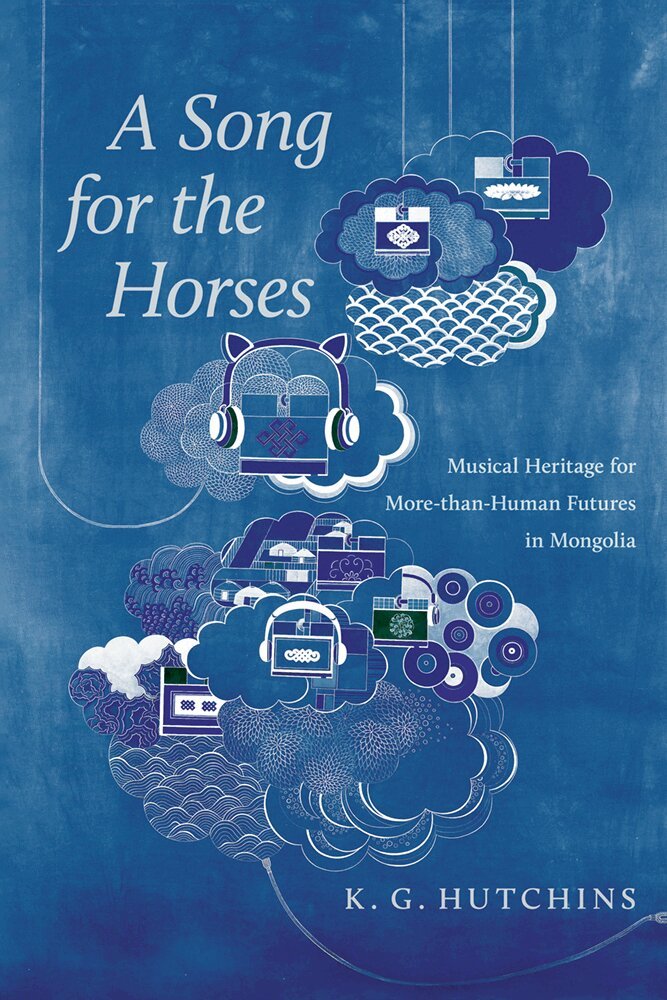
As permafrost in Siberia continues to melt and the steppe in the Gobi turns to desert, people in Mongolia are faced with overlapping climate crises. Some nomadic herders describe climate change as the end of a world. They are quick to add that the world has ended before for Indigenous people in North Asia, as waves of colonialism have left the steppe with a complicated web of apocalypses. A Song for the Horses by K. G. Hutchins examines cases in which people respond to the pressures of climate change by drawing on cultural heritage to foster social resiliency. Hutchins’s ethnographic research, spanning more than a decade, provides a vivid and intimate portrayal of Mongolian life. Musicians use the morin khuur, or ‘horse fiddle,’ to engage with the subjectivities and agencies of nonhuman animals and other beings. This work is a significant contribution to the posthuman turn in social sciences, engaging with theories from prominent scholars such as Donna Haraway and Anna Tsing . As climate change continues to impact communities worldwide, this book offers a unique perspective on how cultural heritage can be mobilized to address environmental challenges, providing valuable lessons for global efforts to build sustainable and resilient futures. At the intersection of music, environment, and posthumanism, A Song for the Horses shows how Mongolian musicians use cultural traditions to imagine and build toward alternative futures beyond climate change and neoliberalism.
1 093 kr
Skickas inom 7-10 vardagar
As permafrost in Siberia continues to melt and the steppe in the Gobi turns to desert, people in Mongolia are faced with overlapping climate crises. Some nomadic herders describe climate change as the end of a world. They are quick to add that the world has ended before for Indigenous people in North Asia, as waves of colonialism have left the steppe with a complicated web of apocalypses. A Song for the Horses by K. G. Hutchins examines cases in which people respond to the pressures of climate change by drawing on cultural heritage to foster social resiliency. Hutchins’s ethnographic research, spanning more than a decade, provides a vivid and intimate portrayal of Mongolian life. Musicians use the morin khuur, or ‘horse fiddle,’ to engage with the subjectivities and agencies of nonhuman animals and other beings. This work is a significant contribution to the posthuman turn in social sciences, engaging with theories from prominent scholars such as Donna Haraway and Anna Tsing. As climate change continues to impact communities worldwide, this book offers a unique perspective on how cultural heritage can be mobilized to address environmental challenges, providing valuable lessons for global efforts to build sustainable and resilient futures. At the intersection of music, environment, and posthumanism, A Song for the Horses shows how Mongolian musicians use cultural traditions to imagine and build toward alternative futures beyond climate change and neoliberalism.
Persistence of Good Living
A'uwe Life Cycles and Well-Being in the Central Brazilian Cerrados
Häftad, Engelska, 2025
416 kr
Skickas inom 7-10 vardagar
Cultural understandings of well-being often differ from scientific measures such as health, happiness, and affluence. For the Indigenous A’uwẽ (Xavante) people in the tropical savannas of Brazil, special forms of intimate and antagonistic social relations, camaraderie, suffering, and engagement with the environment are fundamental aspects of community wellness. Anthropologist James R. Welch transparently presents ethnographic insights from his long-term fieldwork in two A’uwẽ communities. He addresses how distinctive constructions of age organization contribute to social well-being in an era of major ecological, economic, and sociocultural change. Welch shows how A’uwẽ perspectives on the human life cycle help define ethnic identity, promote cultural resilience, and encourage the betterment of youth. They provide frameworks that people may creatively mobilize to responsibly and respectfully engage with others at different stages of life. They also motivate people to access and manage landscape resources essential to the social construction of good living. Through careful analysis, Welch shows how contemporary traditional peoples can foster enthusiasm for service to family and community amid dominant cultures that prioritize individual well-being. This book is an essential resource for students and scholars interested in sociocultural anthropology, Indigenous cultures, health and culture, and human ecology.
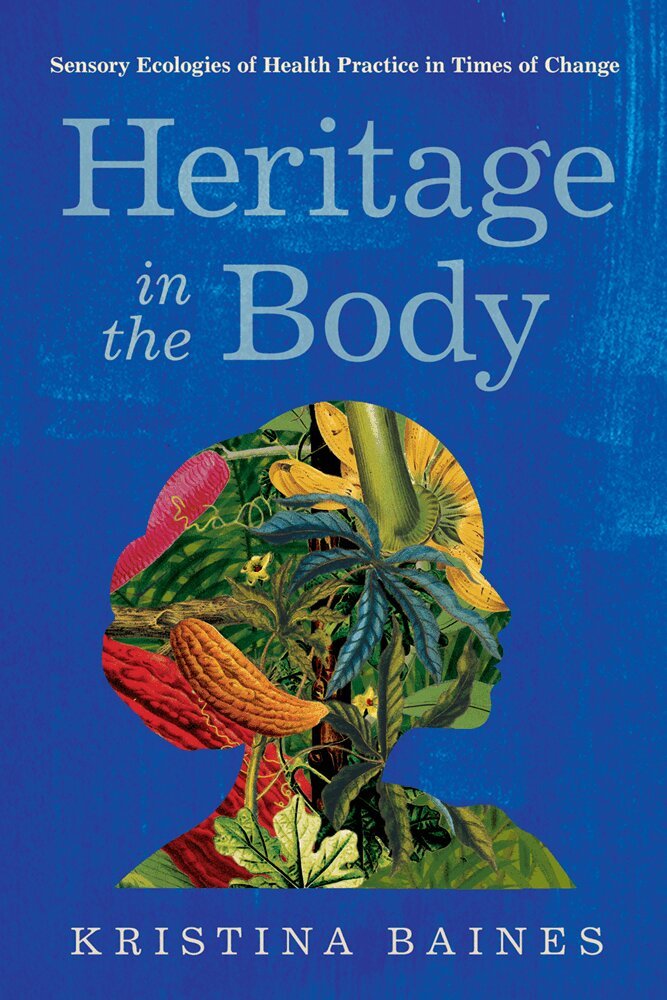
In a Wounded Land
Conservation, Extraction, and Human Well-Being in Coastal Tanzania
Häftad, Engelska, 2025
389 kr
Skickas inom 7-10 vardagar
Global efforts to conserve nature and prevent biodiversity loss have intensified in response to planetary-scale challenges—nowhere more so than in coastal regions. Accordingly, international conservation organizations have increased their efforts to promote marine protected areas as one of the interventions to prevent biodiversity loss in global hotspots. Focusing on the human element of marine conservation and the extractive industry in Tanzania, this volume illuminates what happens when impoverished people living in underdeveloped regions of Africa are suddenly subjected to state-directed conservation and natural resource extraction projects, implemented in their landscapes of subsistence. In a Wounded Land draws on ethnographically rich case studies and vignettes collected over a ten-year period in several coastal villages on Tanzania’s southeastern border with Mozambique. In seven chapters, the book demonstrates how state power, processes of displacement and dispossession, forms of local resistance and acquiescence, environmental and social justice, and human well-being become interconnected. Written in lucid, accessible language, this is the first book that reveals the social implications of the co-presence of a marine park and a gas project at a time when internationally funded conservation initiatives and extraction projects among rural African populations are engendering rapid social transformation.