Global Reordering – serie
Visar alla böcker i serien Global Reordering. Handla med fri frakt och snabb leverans.
6 produkter
European Union in a Multipolar World
World Trade, Global Governance and the Case of the WTO
Av M. Dee
Inbunden, 2015
552 kr
Lägg i varukorg
Presenting a critical overview of what 'emerging multipolarity' means for the world's foremost global trading bloc and economic power, the European Union, this book offers new insights into how the rise of the emerging economies has impacted the EU and its role within the World Trade Organization.
Year the European Crisis Ended
Inbunden, 2014
552 kr
Lägg i varukorg
The author narrates the end of the European crisis from the June 2012 European Council summit through the bailout of Cyprus. Paying particular attention to political developments in Italy, the book shows the fragility of market confidence and the waving attitudes of political elites.
Rising Powers and Economic Crisis in the Euro Area
Av Ferdi De Ville, Mattias Vermeiren
Inbunden, 2016
552 kr
Lägg i varukorg
In this book, Ferdi De Ville and Mattias Vermeiren examine the linkages between the economic crisis in the euro area and the rise of Brazil, India and China (BICs) in the global monetary and trading system. Drawing on the insights of the comparative capitalism literature, the authors show that the …
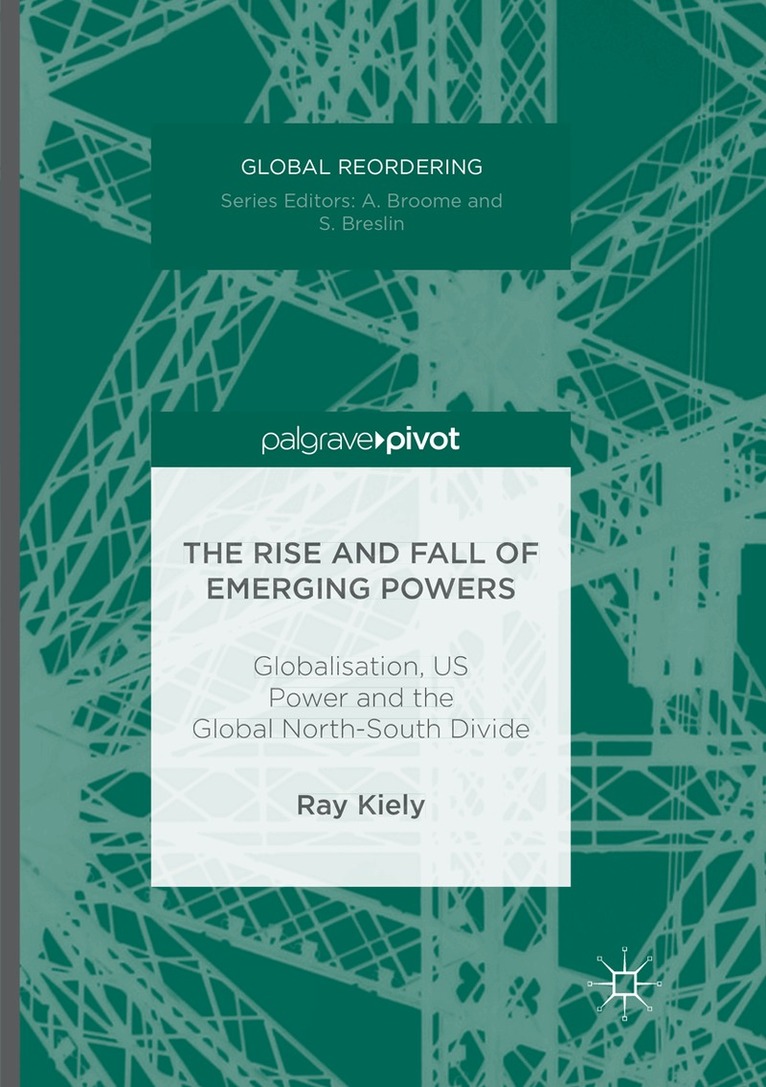
Rise and Fall of Emerging Powers
Globalisation, US Power and the Global North-South Divide
Av Ray Kiely
Inbunden, 2016
552 kr
Lägg i varukorg
This book critically examines the argument that the Global South has risen in recent years, that its rise has intensified since the 2008 financial crisis, and that this in turn has hastened the decline of the West and the US in particular. Drawing on critical theories of international relations and …
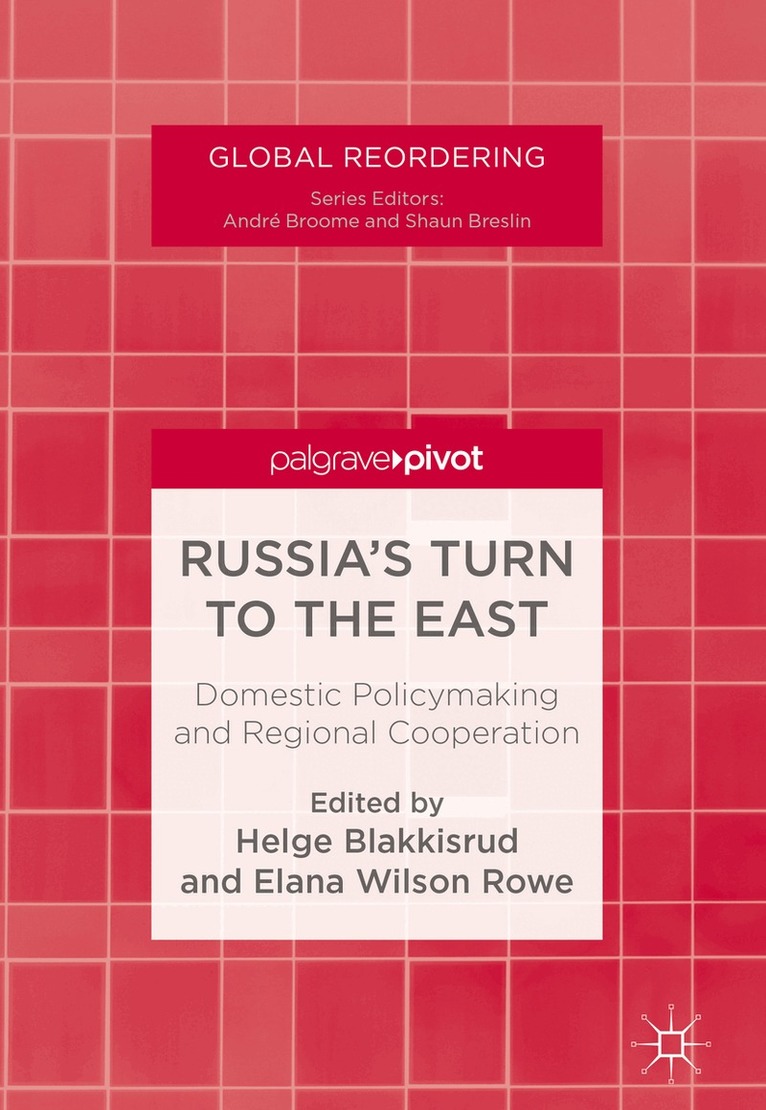
Russia's Turn to the East
Domestic Policymaking and Regional Cooperation
Av Helge Blakkisrud, Elana Wilson Rowe
Inbunden, 2018
312 kr
Lägg i varukorg
This book is open access under a CC BY license.This book explores if and how Russian policies towards the Far East region of the country – and East Asia more broadly – have changed since the onset of the Ukraine crisis and Russia’s annexation of Crimea. Following the 2014 annexation and the …
Rise and Fall of Emerging Powers
Globalisation, US Power and the Global North-South Divide
Av Ray Kiely
Häftad, 2018
552 kr
Lägg i varukorg
This book critically examines the argument that the Global South has risen in recent years, that its rise has intensified since the 2008 financial crisis, and that this in turn has hastened the decline of the West and the US in particular. Drawing on critical theories of international relations and …