Global Sport Cultures - Böcker
Visar alla böcker i serien Global Sport Cultures. Handla med fri frakt och snabb leverans.
6 produkter
6 produkter
1 703 kr
Skickas inom 10-15 vardagar
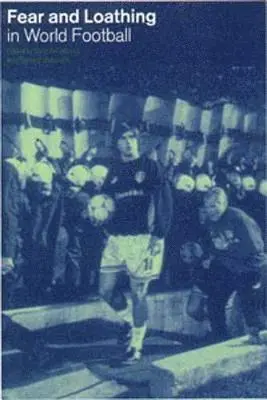
The quickest entry-point into most local cultures anywhere on earth is to be found in talking football. Historically, football is one of the great cultural institutions, and, like education and the mass media, has played a key role in shaping and cementing senses of national identity throughout the world. However, the nature of intra-nation hostility, which may be based in football or which may use the game as an arena for antagonisms, has yet to be analyzed. Football today is more global than ever before. Teams, clubs and regions increasingly establish cultural identities through rivalries and opposition. Such rivalries invariably have deep historical antecedents enforced by prejudice, myth or religious conflicts, economic inequalities, or, perhaps most profound, class and ethnic divisions. Issues of disorder and violence are routine by-products of the game the world over, and aggression, or the threat of it, characterizes many matches both minor and major. In short, football at all levels can become a site for symbolizing and expressing a variety of tensions.This timely volume fills a gap in the current literature on sport as the most extensive and incisive collection yet published on issues relating to football around the world. It uncovers and investigates the conflicts apparent in football rivalry by gathering together a series of in-depth case studies that span the football world.
474 kr
Skickas inom 10-15 vardagar
The quickest entry-point into most local cultures anywhere on earth is to be found in talking football. Historically, football is one of the great cultural institutions, and, like education and the mass media, has played a key role in shaping and cementing senses of national identity throughout the world. However, the nature of intra-nation hostility, which may be based in football or which may use the game as an arena for antagonisms, has yet to be analyzed. Football today is more global than ever before. Teams, clubs and regions increasingly establish cultural identities through rivalries and opposition. Such rivalries invariably have deep historical antecedents enforced by prejudice, myth or religious conflicts, economic inequalities, or, perhaps most profound, class and ethnic divisions. Issues of disorder and violence are routine by-products of the game the world over, and aggression, or the threat of it, characterizes many matches both minor and major. In short, football at all levels can become a site for symbolizing and expressing a variety of tensions.This timely volume fills a gap in the current literature on sport as the most extensive and incisive collection yet published on issues relating to football around the world. It uncovers and investigates the conflicts apparent in football rivalry by gathering together a series of in-depth case studies that span the football world.
1 703 kr
Skickas inom 10-15 vardagar
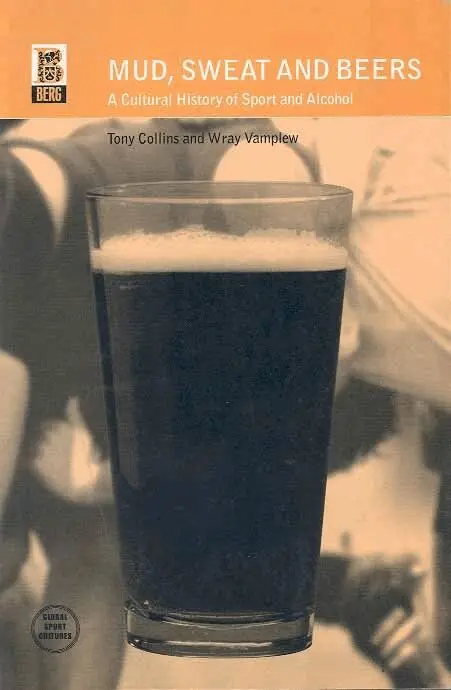
Short-listed for the North American Society for Sport History Book Award 2003. Alcohol is never far from sporting events. Although popular thinking on the effects of drinking has changed considerably over time, throughout history sport and alcohol have been intimately linked. The Victorians, for example, believed that beer helped to build stamina, whereas today any serious athlete must abstain from the demon drink. Yet despite current prohibitions and the widespread acceptance of alcohols deleterious effects, the uneasy alliance of sport with alcohol remains culturally entrenched. It is common for sporting celebrities to struggle with alcoholism, and teams are often encouraged to bond by drinking together. Indeed, many of todays major sporting sponsors are breweries and manufacturers of alcoholic drinks. From hooliganism to commerce, from advertising and sponsorship to health and fitness, if there is one thing that brings athletes, fans and financial backers together it must be beer. This cultural history of drinking and sport examines the roles masculinity, class and regional identity play in alcohol consumption at a broad range of matches, races, courses and competitions.Offering a fresh perspective on the culture and commerce of sporting events, this book will be essential reading for cultural historians, anthropologists and sociologists, and anyone interested in sport.
474 kr
Skickas inom 10-15 vardagar
Short-listed for the North American Society for Sport History Book Award 2003 Alcohol is never far from sporting events. Although popular thinking on the effects of drinking has changed considerably over time, throughout history sport and alcohol have been intimately linked. The Victorians, for example, believed that beer helped to build stamina, whereas today any serious athlete must abstain from the demon drink. Yet despite current prohibitions and the widespread acceptance of alcohols deleterious effects, the uneasy alliance of sport with alcohol remains culturally entrenched. It is common for sporting celebrities to struggle with alcoholism, and teams are often encouraged to bond by drinking together. Indeed, many of today's major sporting sponsors are breweries and manufacturers of alcoholic drinks. From hooliganism to commerce, from advertising and sponsorship to health and fitness, if there is one thing that brings athletes, fans and financial backers together it must be beer. This cultural history of drinking and sport examines the roles masculinity, class and regional identity play in alcohol consumption at a broad range of matches, races, courses and competitions.Offering a fresh perspective on the culture and commerce of sporting events, this book will be essential reading for cultural historians, anthropologists and sociologists, and anyone interested in sport.
1 703 kr
Skickas inom 10-15 vardagar
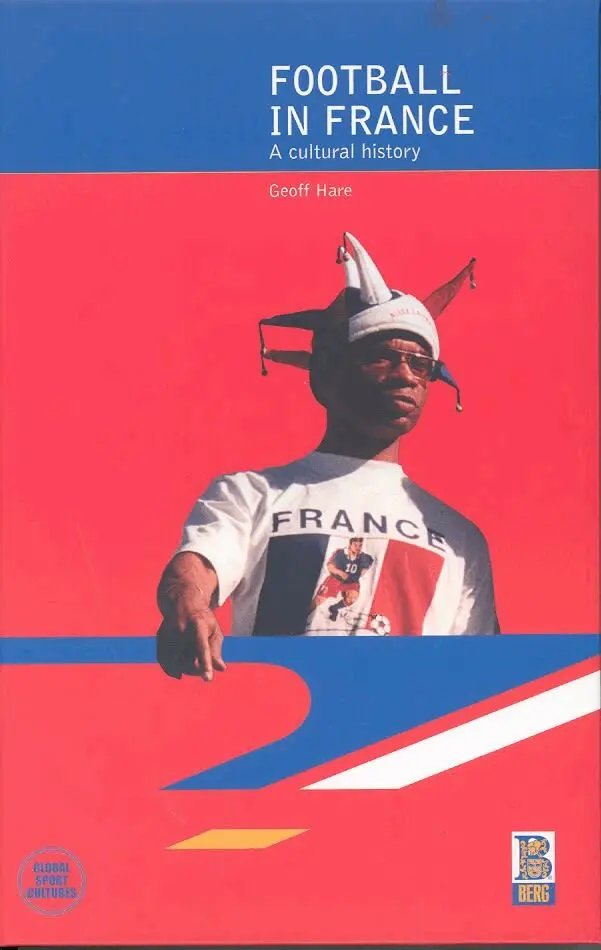
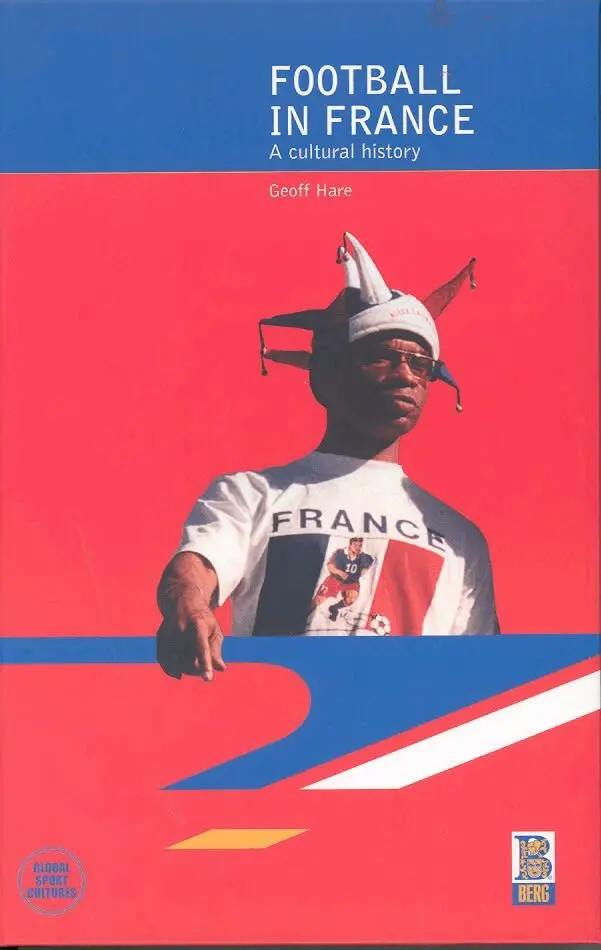
France's performance in the 2002 World Cup brought back painful memories of a time when France was a weak contender in world and European football - a time when national or club teams rarely won, and the French were renowned for having little interest in the game. Today, football plays a unique role in French society. French players and coaches are highly sought after abroad and the national team has chalked up significant recent victories, including a World Cup and European Championship. This book is the first in English to examine the extraordinary cultural, economic, and political history behind French football's development throughout the twentieth century and up to the present day. It focuses on the past twenty years and concludes with a discussion of the fallout from the World Cup 2002. Imported from Britain by the middle classes in the late nineteenth century, football entered French national consciousness between the wars. As with everywhere else in Europe, the game helped to unite communities and forge new social identities.Although the State has generously supported youth coaching, the evolution of the professional sport has been slow due to tight community control, high taxes and lack of income from paying spectators. In a bid to compete successfully in Europe, the owners of France's big city clubs are seeking to commercialize the game, despite the resistance of central and local authorities. Hare traces the gradual evolution of traditional French football values and explores the impact of new and controversial business practices. Have French football's influential club chairmen sold out to business values and television? Why has the national team been so successful when club teams have not? How are top clubs being re-branded to catch a national and international audience of consumers? What role does the modern supporter play, and what are the links between businessmen, politics and the commercialization of the sport? What is peculiarly French about Fr
474 kr
Skickas inom 10-15 vardagar
France's performance in the 2002 World Cup brought back painful memories of a time when France was a weak contender in world and European football - a time when national or club teams rarely won, and the French were renowned for having little interest in the game. Today, football plays a unique role in French society. French players and coaches are highly sought after abroad and the national team has chalked up significant recent victories, including a World Cup and European Championship. This book is the first in English to examine the extraordinary cultural, economic, and political history behind French football's development throughout the twentieth century and up to the present day. It focuses on the past twenty years and concludes with a discussion of the fallout from the World Cup 2002. Imported from Britain by the middle classes in the late nineteenth century, football entered French national consciousness between the wars. As with everywhere else in Europe, the game helped to unite communities and forge new social identities.Although the State has generously supported youth coaching, the evolution of the professional sport has been slow due to tight community control, high taxes and lack of income from paying spectators. In a bid to compete successfully in Europe, the owners of France's big city clubs are seeking to commercialize the game, despite the resistance of central and local authorities. Hare traces the gradual evolution of traditional French football values and explores the impact of new and controversial business practices. Have French football's influential club chairmen sold out to business values and television? Why has the national team been so successful when club teams have not? How are top clubs being re-branded to catch a national and international audience of consumers? What role does the modern supporter play, and what are the links between businessmen, politics and the commercialization of the sport? What is peculiarly French about Fr