Glucksman Irish Diaspora Series - Böcker
Visar alla böcker i serien Glucksman Irish Diaspora Series. Handla med fri frakt och snabb leverans.
15 produkter
15 produkter
405 kr
Skickas inom 10-15 vardagar
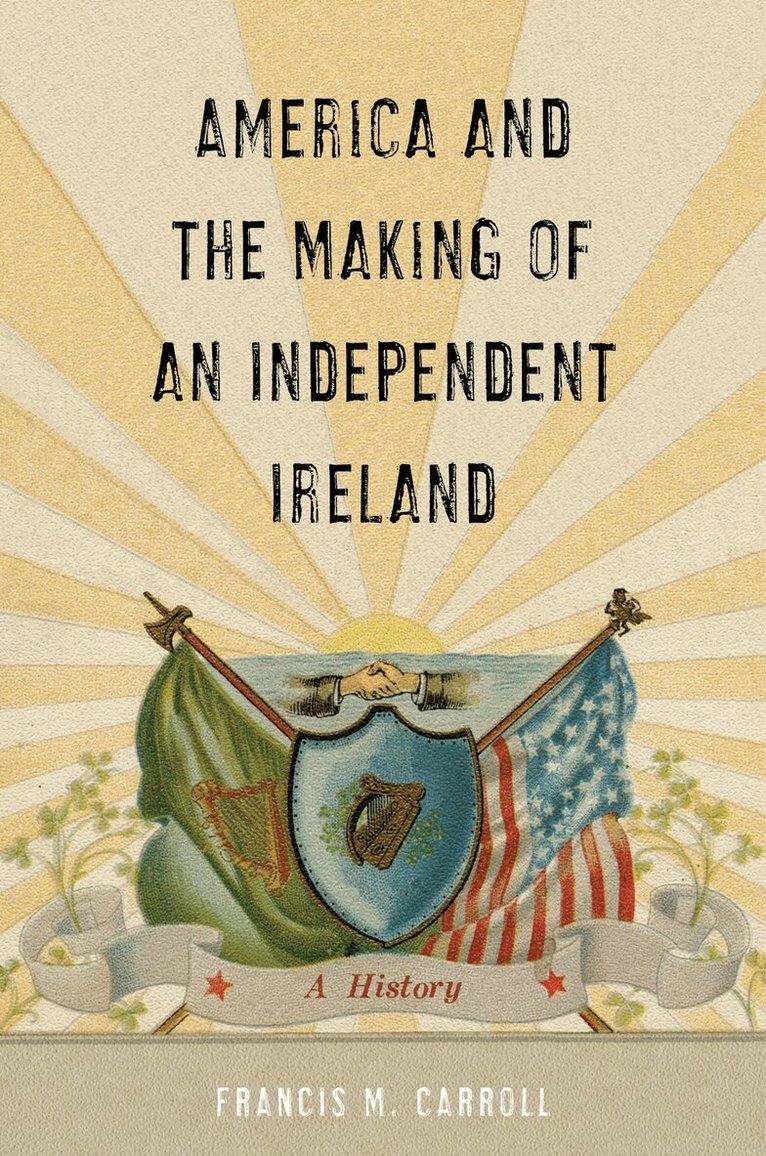
Examines how the Irish American community, the American public, and the American government played a crucial role in the making of a sovereign independent IrelandOn Easter Day 1916, more than a thousand Irishmen stormed Dublin city center, seizing the General Post Office building and reading the Proclamation for an independent Irish Republic. The British declared martial law shortly afterward, and the rebellion was violently quashed by the military. In a ten-day period after the event, fourteen leaders of the uprising were executed by firing squad.In New York, news of the uprising spread quickly among the substantial Irish American population. Initially the media blamed German interference, but eventually news of British-propagated atrocities came to light, and Irish Americans were quick to respond.America and the Making of an Independent Ireland centres on the diplomatic relationship between Ireland and the United States at the time of Irish Independence and World War I. Beginning with the Rising of 1916, Francis M. Carroll chronicles how Irish Americans responded to the movement for Irish independence and pressuring the US government to intervene on the side of Ireland. Carroll's in-depth analysis demonstrates that Irish Americans after World War I raised funds for the Dáil Éireann government and for war relief, while shaping public opinion in favor of an independent nation. The book illustrates how the US government was the first power to extend diplomatic recognition to Ireland and welcome it into the international community.Overall, Carroll argues that the existence of the state of Ireland is owed to considerable effort and intervention by Irish Americans and the American public at large.
391 kr
Skickas inom 10-15 vardagar
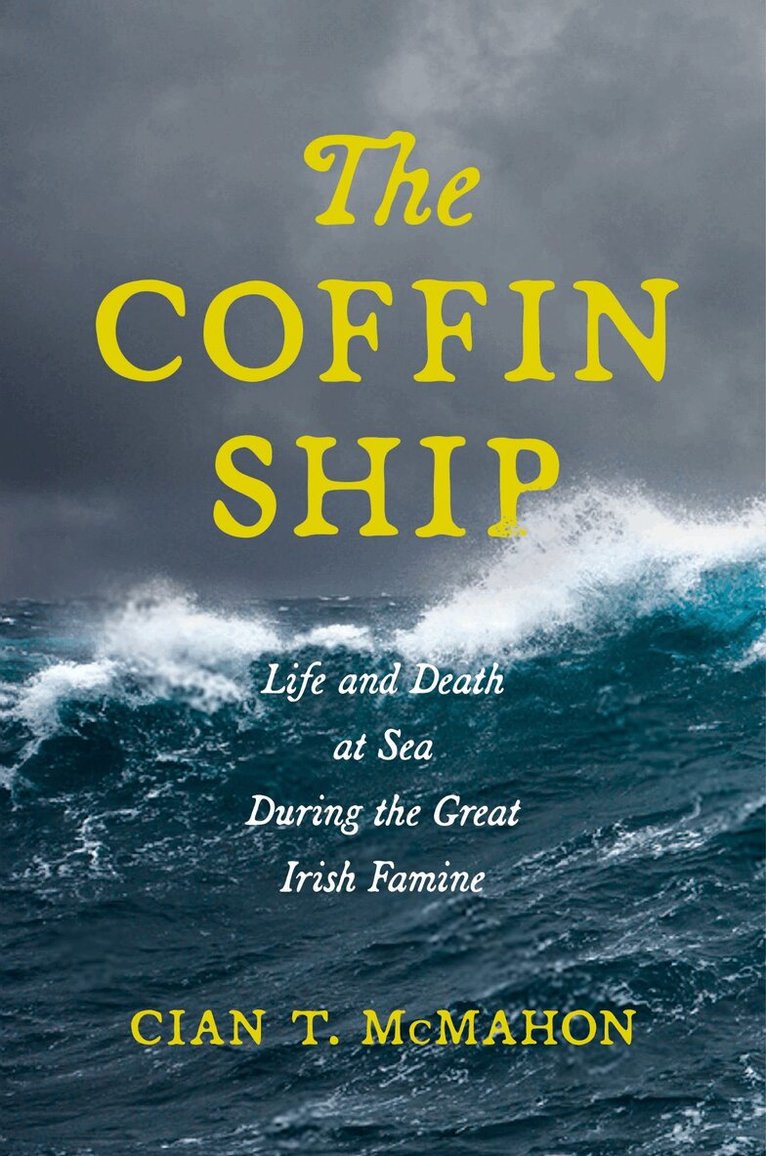
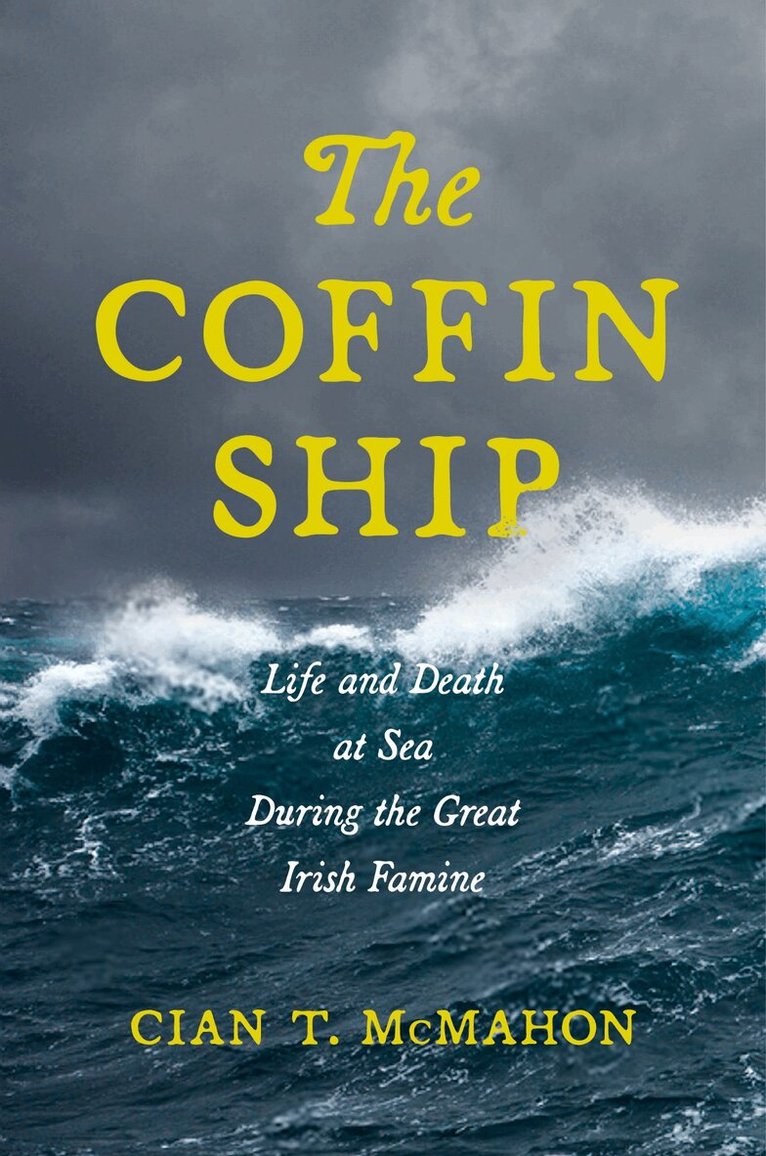
Choice Outstanding Academic Title 2022Honorable Mention, Theodore Saloutos Book Award, given by the Immigration and Ethnic History SocietyA vivid, new portrait of Irish migration through the letters and diaries of those who fled their homeland during the Great FamineThe standard story of the exodus during Ireland's Great Famine is one of tired clichés, half-truths, and dry statistics. In The Coffin Ship, a groundbreaking work of transnational history, Cian T. McMahon offers a vibrant, fresh perspective on an oft-ignored but vital component of the migration experience: the journey itself.Between 1845 and 1855, over two million people fled Ireland to escape the Great Famine and begin new lives abroad. The so-called "coffin ships" they embarked on have since become infamous icons of nineteenth-century migration. The crews were brutal, the captains were heartless, and the weather was ferocious. Yet the personal experiences of the emigrants aboard these vessels offer us a much more complex understanding of this pivotal moment in modern history. Based on archival research on three continents and written in clear, crisp prose, The Coffin Ship analyzes the emigrants' own letters and diaries to unpack the dynamic social networks that the Irish built while voyaging overseas. At every stage of the journey—including the treacherous weeks at sea—these migrants created new threads in the worldwide web of the Irish diaspora.Colored by the long-lost voices of the emigrants themselves, this is an original portrait of a process that left a lasting mark on Irish life at home and abroad. An indispensable read, The Coffin Ship makes an ambitious argument for placing the sailing ship alongside the tenement and the factory floor as a central, dynamic element of migration history.
405 kr
Skickas inom 10-15 vardagar
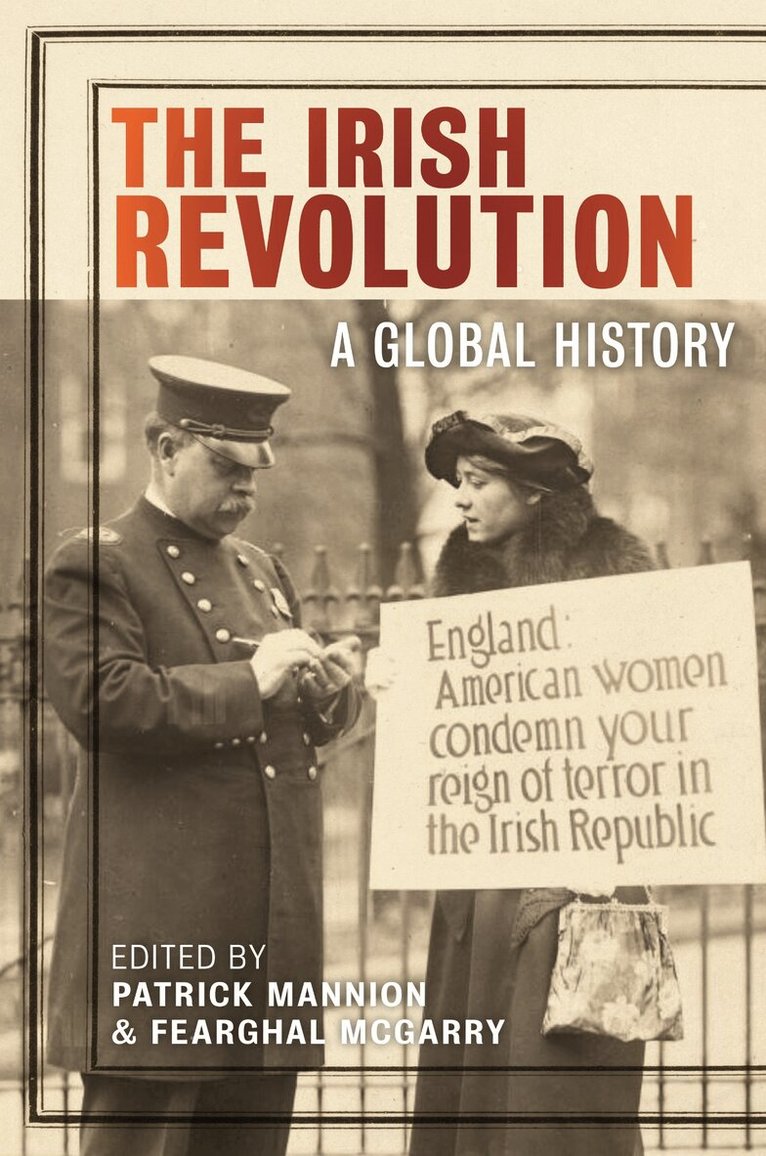
How the Irish Revolution was shaped by international actors and events The Irish War of Independence is often understood as the culmination of centuries of political unrest between Ireland and the English. However, the conflict also has a vitally important yet vastly understudied international dimension. The Irish Revolution: A Global History reassesses the conflict as an inherently transnational event, examining how circumstances and individuals abroad shaped the course Ireland's struggle for independence.Bringing together leading international scholars of modern Ireland, its diaspora, and the British Empire, this volume discusses the Irish revolution in a truly global sense. The text situates the conflict in the wider context of the international flourishing of anti-colonial movements following World War I. Despite the differences between these movements, their proponents communicated extensively with each other, learning from and engaging with other revolutionaries in anti-imperial metropoles such as Paris, London, and New York. The contributors to this volume argue that Irish nationalists at home and abroad were intimately involved in this exchange, from mobilizing Ireland's vast diaspora in support of Irish independence to engaging directly with radical causes elsewhere. The Irish Revolution is a vital work for all those interested in Irish history, providing a new understanding of Ireland's place in the evolving postwar world.
340 kr
Skickas inom 10-15 vardagar
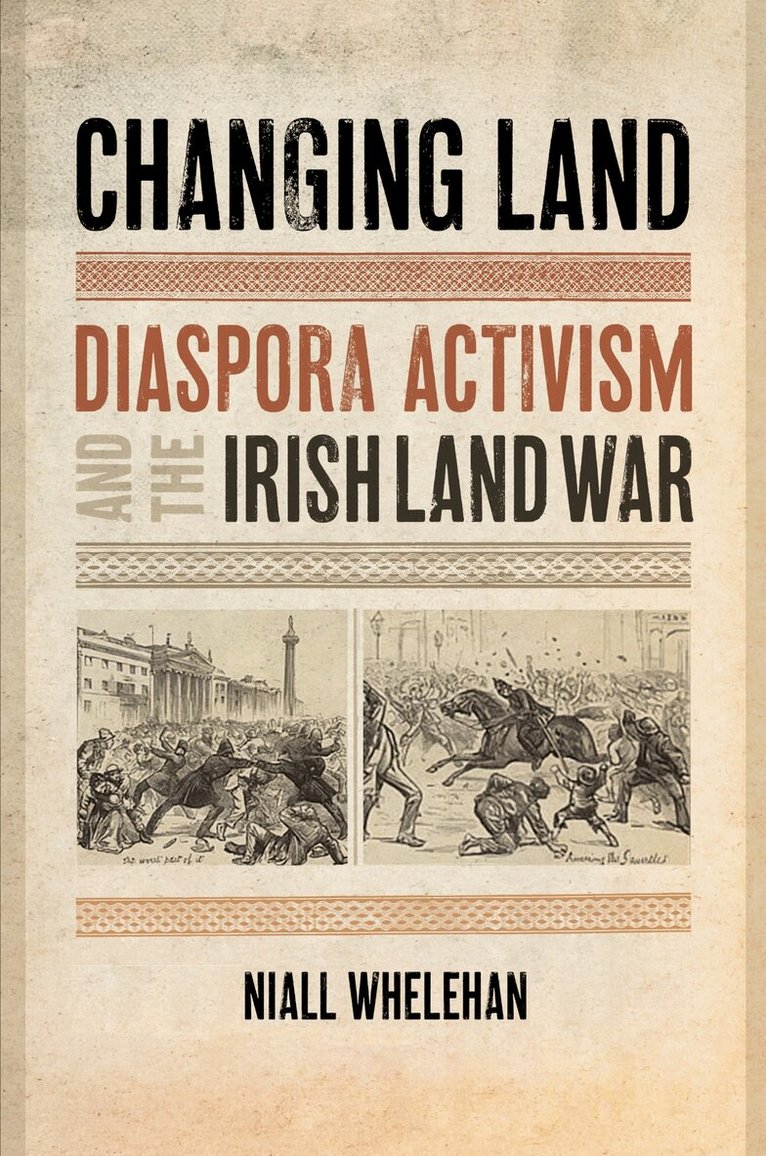
How diaspora activism in the Irish land movement intersected with wider radical and reform causes The Irish Land War represented a turning point in modern Irish history, a social revolution that was part of a broader ideological moment when established ideas of property and land ownership were fundamentally challenged. The Land War was striking in its internationalism, and was spurred by links between different emigrant locations and an awareness of how the Land League's demands to lower rents, end evictions, and abolish "landlordism" in Ireland connected with wider radical and reform causes. Changing Land offers a new and original study of Irish emigrants' activism in the United States, Argentina, Scotland, and England and their multifaceted relationships with Ireland. Niall Whelehan brings unfamiliar figures to the surface and recovers the voices of women and men who have been on the margins of, or entirely missing from, existing accounts. Retracing their transnational lives reveals new layers of radical circuitry between Ireland and disparate international locations, and demonstrates how the land movement overlapped with different types of oppositional politics from moderate reform to feminism to revolutionary anarchism. By including Argentina, which was home to the largest Irish community outside the English-speaking world, this book addresses the neglect of developments in non-Anglophone places in studies of the "Irish world." Changing Land presents a powerful addition to our understanding of the history of modern Ireland and the Irish diaspora, migration, and the history of transnational radicalism.
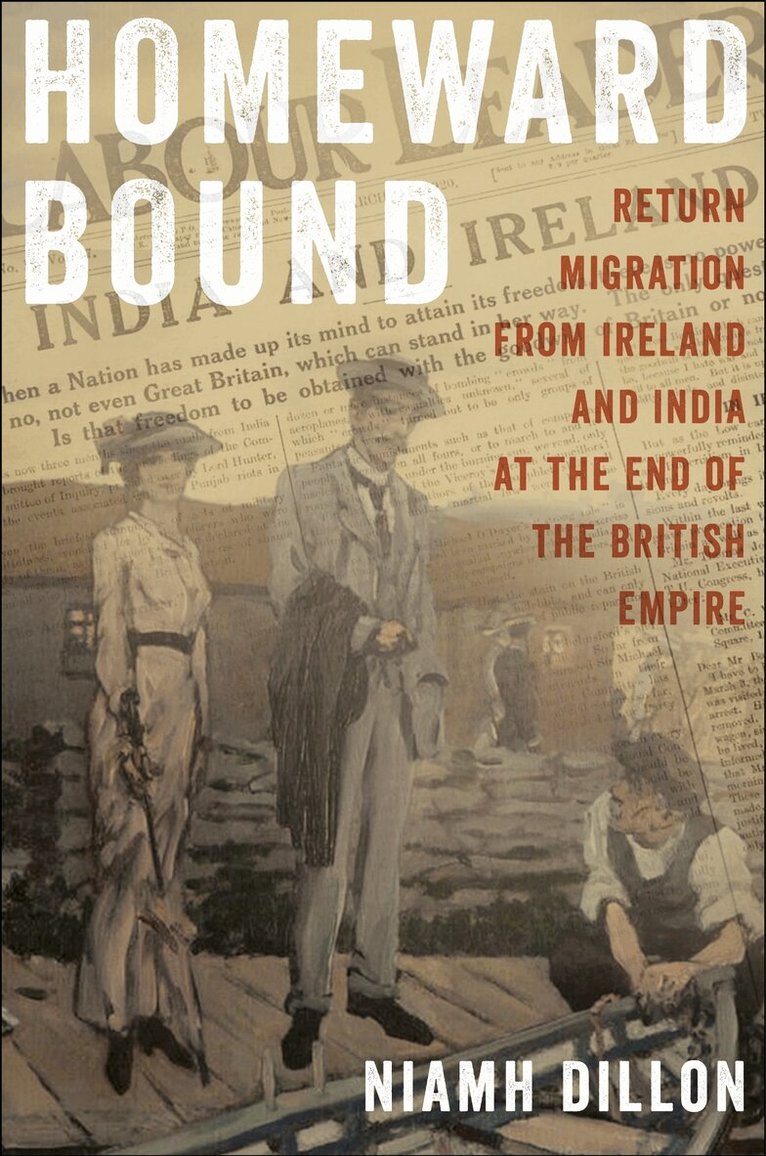
Homeward Bound
Return Migration from Ireland and India at the End of the British Empire
Inbunden, Engelska, 2022
350 kr
Skickas inom 10-15 vardagar
Firsthand accounts of migrants who settled in Britain offer new insights into empire, belonging, migration, and diasporaHomeward Bound shines a light on a neglected aspect of twentieth-century migration history. It compares two groups of migrants—Southern Irish Protestants and the British in India—who "returned" to Britain from Ireland and India after independence in 1922 and 1947. By looking across national boundaries, Niamh Dillon explores both individual and collective narratives of imperial identity in the late British Empire and the prompts for return. For both groups, the success of national independence movements in the first half of the twentieth century was cataclysmic and prompted a large-scale migration to Britain. Between 1911 and 1926, the number of Protestants in the Irish Free State dropped from approximately 313,000 to 208,000, and much of the British population left India. Although these numbers are significant, these two groups have largely been ignored by historians and have not been compared before. Though instability in the new political order and lack of livelihood were determining factors in the decision to migrate, Dillon argues that Southern Irish Protestants and the British community in India "returned" to Britain after independence principally because these former elites no longer had a clearly defined role in the new post-colonial era. Return migrants chose Britain because of continuing connections with it as "home," but often found their colonial experience was not valued in a country re-orienting itself to the post-war order. Through interviews with those who experienced these events first-hand and the recently opened files of the Irish Grants Committee at the National Archives in Britain, this book offers new insights into the history of migration and the affinity these migrants felt with Britain and with the empire.
391 kr
Skickas inom 10-15 vardagar
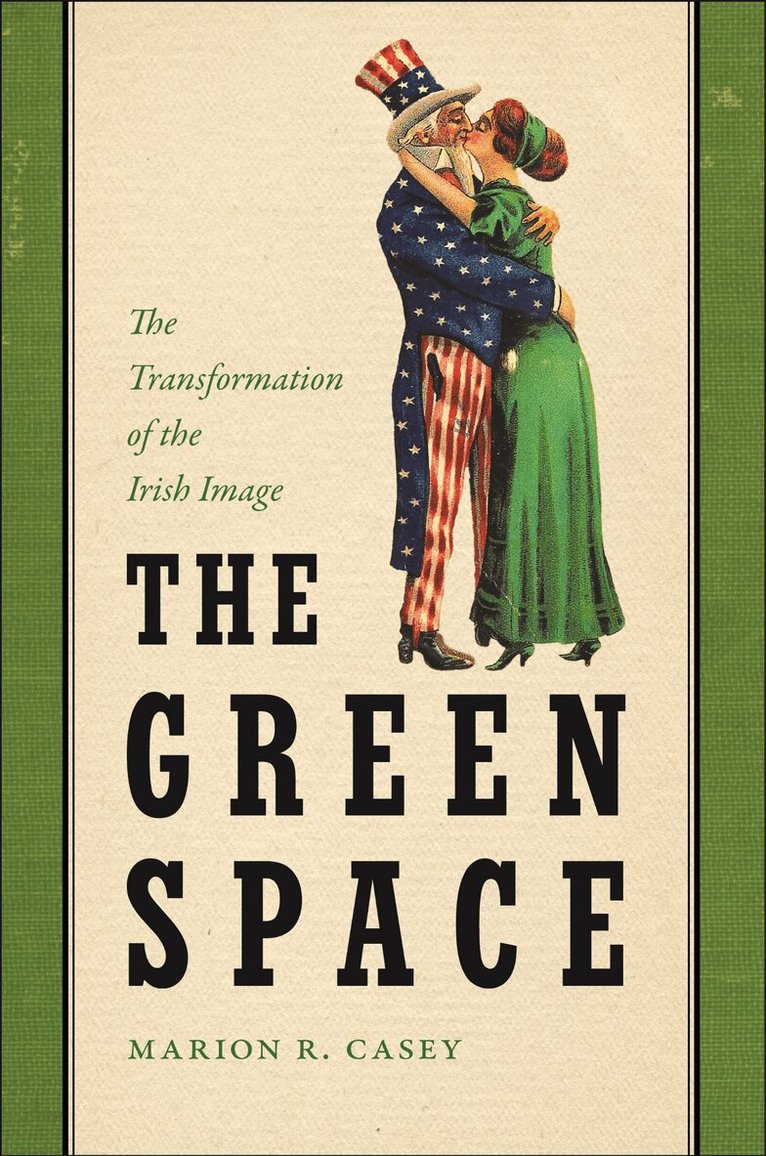
Honorable Mention, 2025 ACIS Lawrence J. McCaffrey Prize for Books on Irish AmericaA historical exploration of the Irish image in popular cultureIt only took a century or so to segue from phrases like "No Irish Need Apply" to "Kiss Me, I'm Irish" in American popular culture. Indeed, the transformation of the Irish image is a fascinating blend of political, cultural, racial, commercial, and social influences.The Green Space examines the variety of factors that contributed to remaking the Irish image from downtrodden and despised to universally acclaimed. To understand the forces that molded how people understand "Irish" is to see the matrix—the green space—that facilitated their interaction between the 1890s and 1960s. Marion R. Casey argues that, as "Irish" evolved between the mid-nineteenth and mid-twentieth centuries, a visual and rhetorical expanse for representing ethnicity was opened up in the process. The evolution was also transnational; both Ireland and the United States were inextricably linked to how various iterations of "Irish" were deployed over time—whether as a straightforward noun about a specific people with a national identity or a loose, endlessly malleable adjective only tangentially connected to actual ethnic identity.Featuring a rich assortment of sources and images, The Green Space takes the history of the Irish image in America as a prime example of the ways in which culture and identity can be manufactured, repackaged, and ultimately revolutionized. Understanding the multifaceted influences that shaped perceptions of "Irishness" holds profound relevance for examining similar dynamics within studies of various immigrant and ethnic communities in the US.
276 kr
Skickas inom 10-15 vardagar
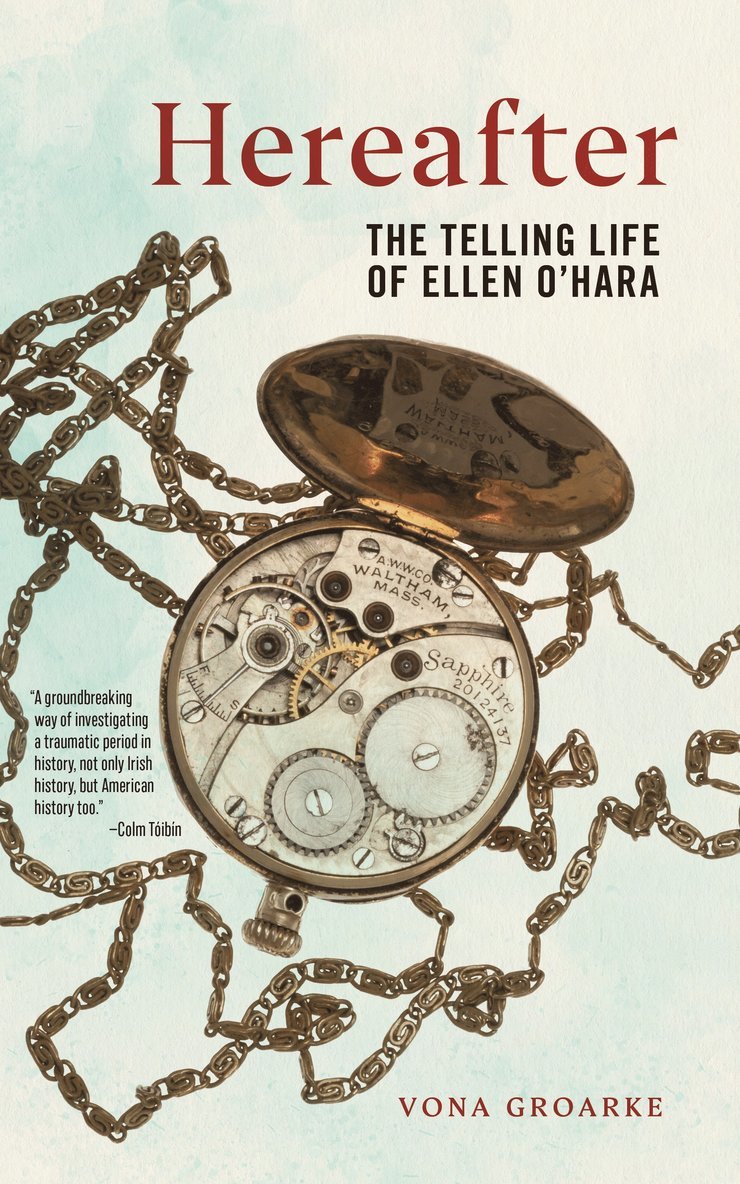
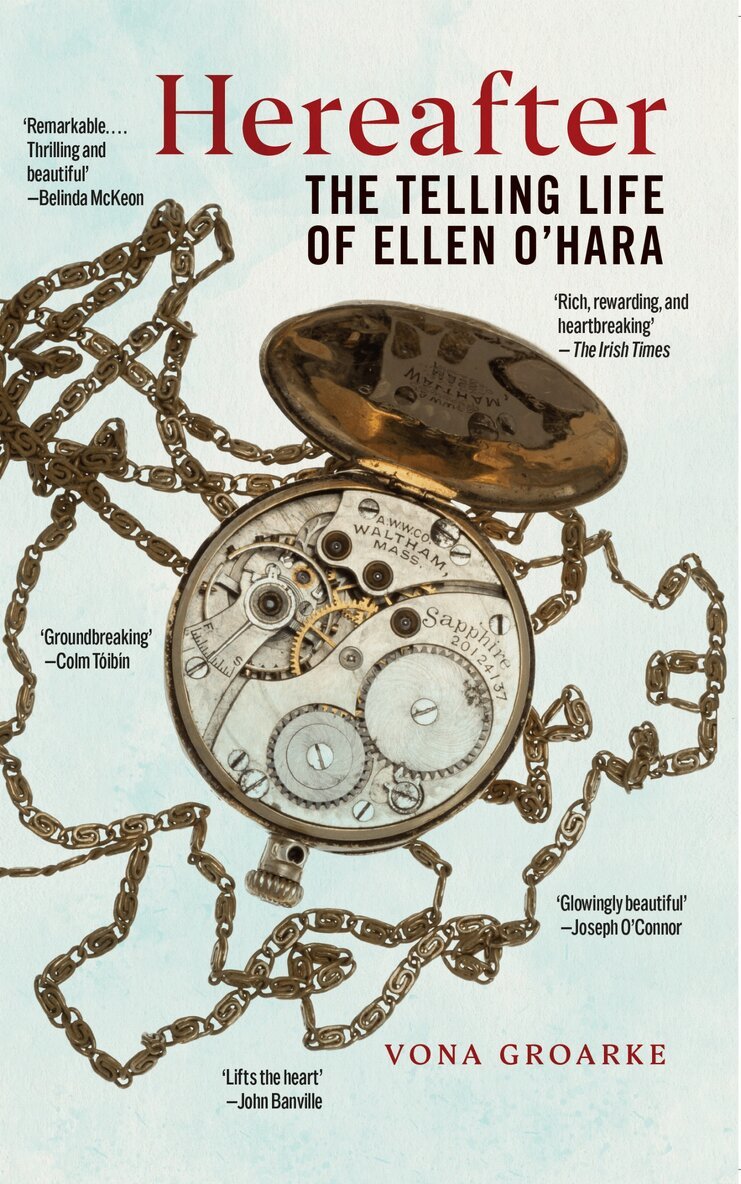
Winner of the 2024 Michel Déon Prize for Non-FictionA lyrical portrait of a young Irish woman reinventing herself at the turn of the twentieth century in AmericaEllen O'Hara was a young immigrant from Ireland at the end of the nineteenth century who, with courage and resilience, made a life for herself in New York while financially supporting those at home. Hereafter is her story, told by Vona Groarke, her descendant, in a beautiful blend of poetry, prose, and history. In July 1882, Ellen O'Hara stepped off a ship from the West of Ireland to begin a new life in New York. What she encountered was a world of casual racial prejudice that characterized her as ignorant, dirty, and feckless, the butt of many jokes. From the slim range of jobs available to her she, like, many of her kind, found a position as a domestic servant, working long hours and living in to save on rent and keep. After an unfortunate marriage, Ellen determined to win financial security on her own, and eventually opened a boarding house where her two children were able to rejoin her. Vona Groarke builds this story from historical fact, drawing from various archives for evidence of Ellen. However, she also considers why lives such as Ellen's seem to leave such a light trace in such records and fills in the gaps with memory and empathetic projection. Ellen—scrappy, skeptical, and straight-talking—is the heroine of Hereafter, whose resilience animates the story and whose voice shines through with vivid clarity. Hereafter is both a compelling account of an incredible figure and a reflection on how one woman's story can speak for more than one life.
279 kr
Skickas
Choice Outstanding Academic Title 2022Honorable Mention, Theodore Saloutos Book Award, given by the Immigration and Ethnic History SocietyA vivid, new portrait of Irish migration through the letters and diaries of those who fled their homeland during the Great FamineThe standard story of the exodus during Ireland's Great Famine is one of tired clichés, half-truths, and dry statistics. In The Coffin Ship, a groundbreaking work of transnational history, Cian T. McMahon offers a vibrant, fresh perspective on an oft-ignored but vital component of the migration experience: the journey itself.Between 1845 and 1855, over two million people fled Ireland to escape the Great Famine and begin new lives abroad. The so-called "coffin ships" they embarked on have since become infamous icons of nineteenth-century migration. The crews were brutal, the captains were heartless, and the weather was ferocious. Yet the personal experiences of the emigrants aboard these vessels offer us a much more complex understanding of this pivotal moment in modern history. Based on archival research on three continents and written in clear, crisp prose, The Coffin Ship analyzes the emigrants' own letters and diaries to unpack the dynamic social networks that the Irish built while voyaging overseas. At every stage of the journey—including the treacherous weeks at sea—these migrants created new threads in the worldwide web of the Irish diaspora.Colored by the long-lost voices of the emigrants themselves, this is an original portrait of a process that left a lasting mark on Irish life at home and abroad. An indispensable read, The Coffin Ship makes an ambitious argument for placing the sailing ship alongside the tenement and the factory floor as a central, dynamic element of migration history.
405 kr
Skickas inom 10-15 vardagar
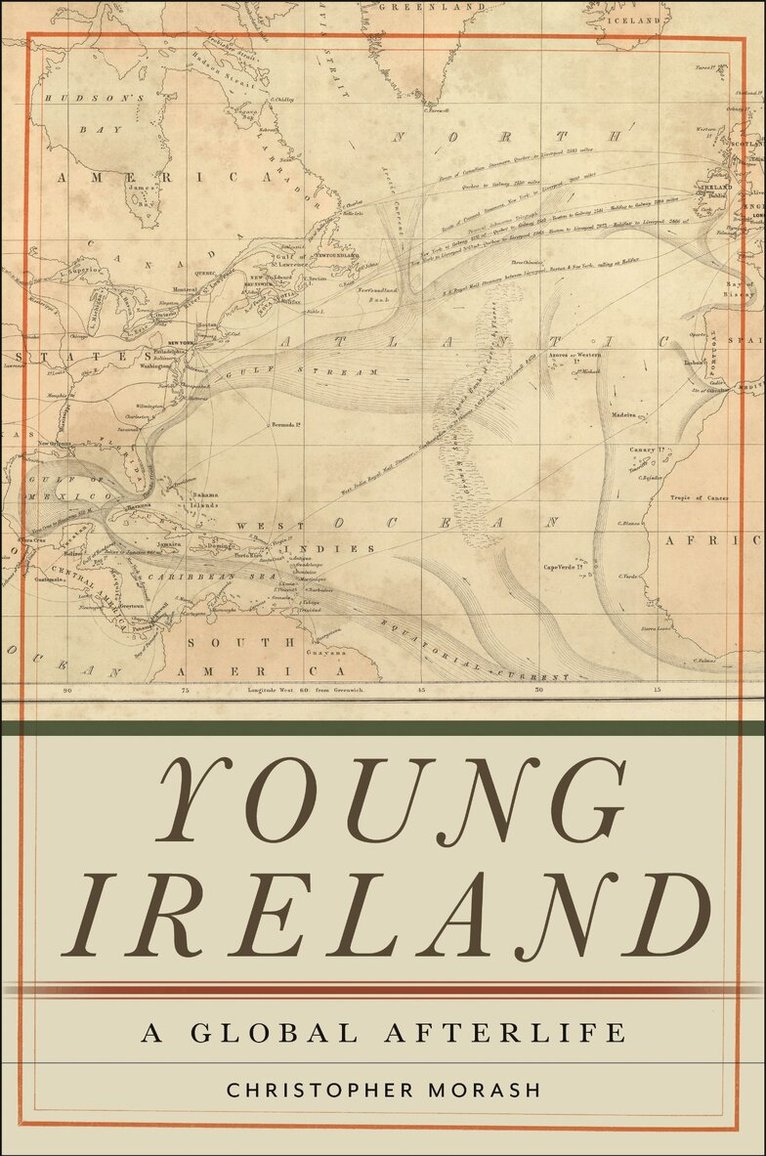
WINNER, Lawrence J. McCaffrey Prize for Books on Irish-America, given by The American Conference for Irish StudiesFollows a group of people exiled from Ireland after a failed rebellion and the role they had in the building of new nations and statesThis book is about the Young Irelanders, a group of Irish nationalists in the mid-nineteenth century, who were responsible for a failed rebellion in Ireland during the Great Famine, who once exiled from Ireland, came to play formative roles in the fledgling democracies of Australia, Canada, and the United States. Christopher Morash illustrates how the Young Ireland generation developed particular philosophies of nationalism, democracy, citizenship, and minority rights in Ireland, which became an integral part of how they engaged with their adopted nations, where they came to occupy significant political and cultural roles.Christopher Morash explores the stories and political trajectories of an acting-Governor of the Territory of Montana and Union Army General, a Confederate newspaper owner, a Premier of Victoria, and many other important figures. Despite their divergent trajectories, these individuals applied many of the same ideas that they had developed during their original Irish political project to their respective nations and movements. Young Ireland is a vital new perspective in the field of Irish diaspora studies, highlighting the impact the Young Ireland generation had on emerging democracies and international debates, both in spite of and because of their defeat and dispersion.
391 kr
Skickas inom 10-15 vardagar
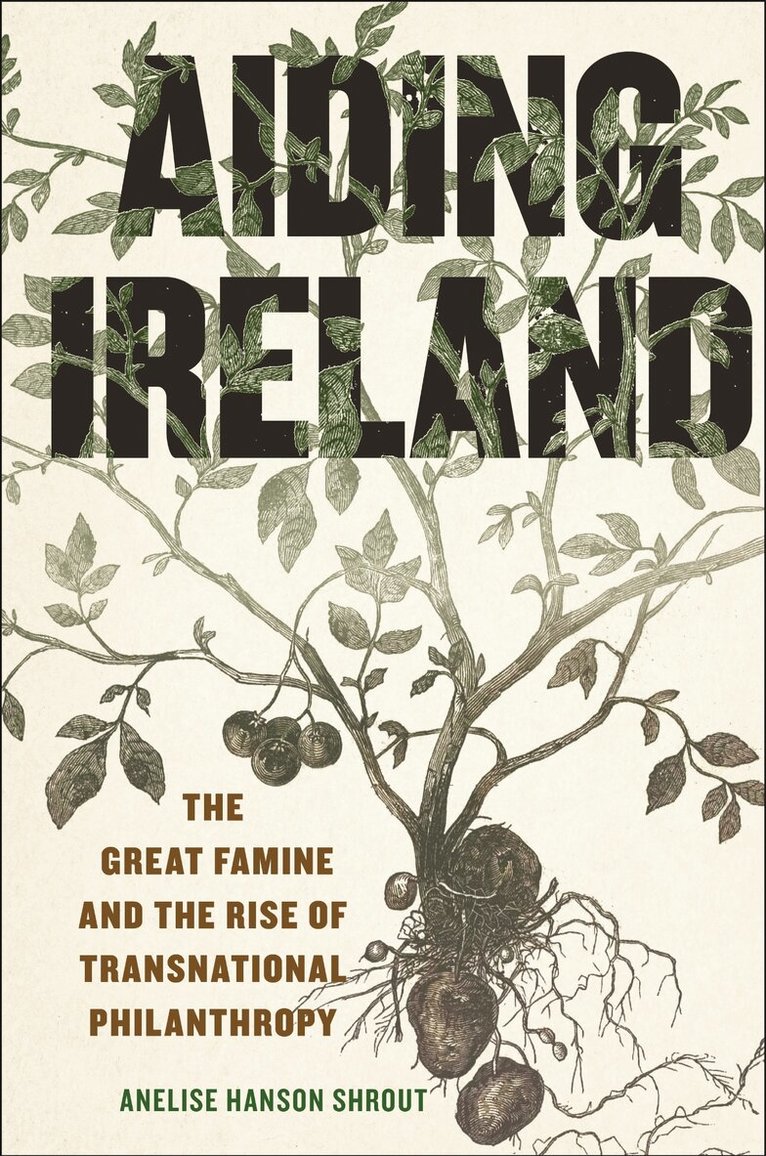
Honorable Mention, 2025 ACIS James S. Donnelly, Sr. Prize for Books on History and Social SciencesLooks at the ways that disparate groups used Irish famine relief in the 1840s to advance their own political agendasFamine brought ruin to the Irish countryside in the nineteenth century. In response, people around the world and from myriad social, ethnic, and religious backgrounds became involved in Irish famine relief. They included enslaved Black people in Virginia, poor tenant farmers in rural New York, and members of the Cherokee and Choctaw nations, as well as plantation owners in the US south, abolitionists in Pennsylvania, and, politicians in England and Ireland. Most of these people had no personal connection to Ireland. For many, the famine was their first time participating in distant philanthropy.Aiding Ireland investigates the Irish famine as a foundational moment for normalizing international giving. Anelise Hanson Shrout argues that these diverse men and women found famine relief to be politically useful. Shrout takes readers from Ireland to Britain, across the Atlantic to the United States, and across the Mississippi to Indian Territory, uncovering what was to be gained for each group by participating in global famine relief. Aiding Ireland demonstrates that international philanthropy and aid are never simple, and are always intertwined with politics both at home and abroad.
350 kr
Skickas inom 10-15 vardagar
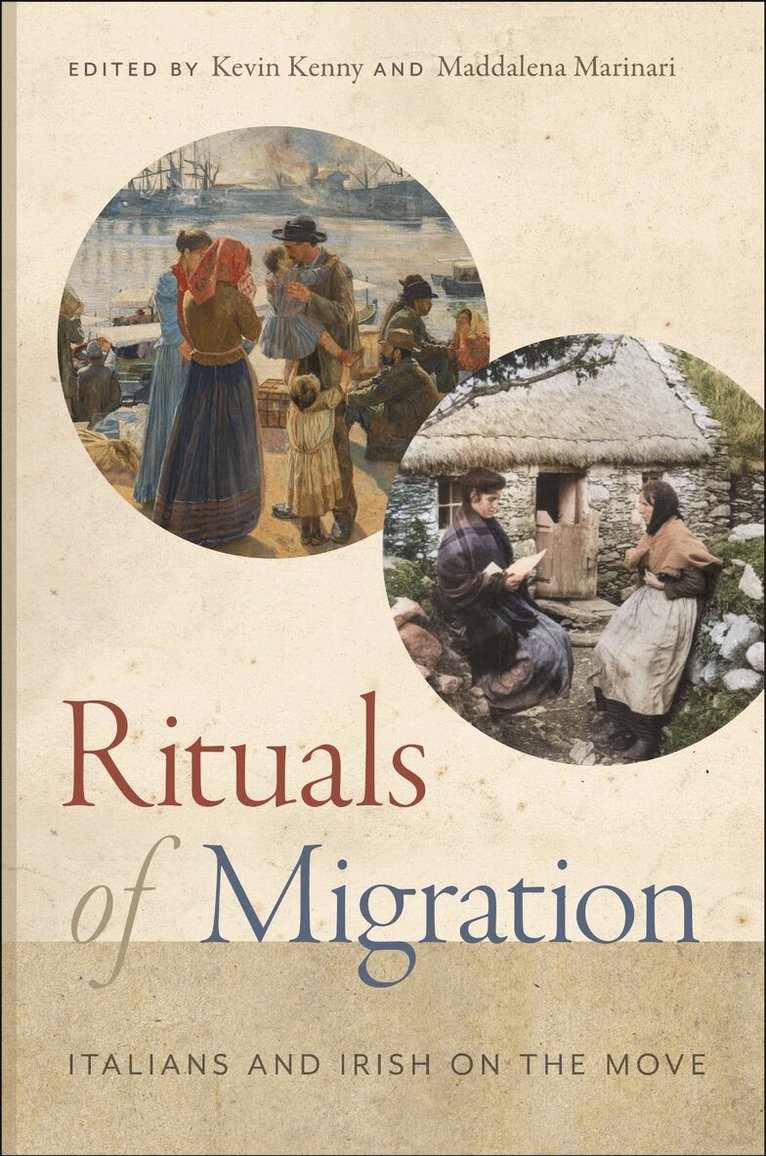
Italian and Irish immigrant experiencesWhen people migrate, they often perform social and cultural rituals along the way. The idea of rites of passage—with its elements of preparation, departure, transit, admission, exclusion, expulsion, and return—helps us understand these moments in the process of migration in new and meaningful ways.Rituals of Migration offers snapshots of Italian and Irish migrants on the move from the mid-nineteenth to mid-twentieth centuries. The essays in this volume examine the particular moments, actions, sentiments, and material objects in the process of migration—at the point of departure, in transit, and in the process of return. Because rites and rituals feature both nonverbal and verbal expression, migration history can be understood by studying physical objects as well as written sources. The authors focus on rituals created by migrants and their descendants, but they also consider the actions of officials who regulated migrants' departure, travel, admission, exclusion, and removal. By examining what people did, thought, felt, and packed on the eve of their departures, during their journeys, and when returning to their homelands, Rituals of Migration reveals how everyone involved in the immigration process, including the migrants themselves, the families they left behind, and those in charge of regulating their mobility, have tried to make sense of a process filled with peril, uncertainty, excitement, and opportunity.
398 kr
Kommande
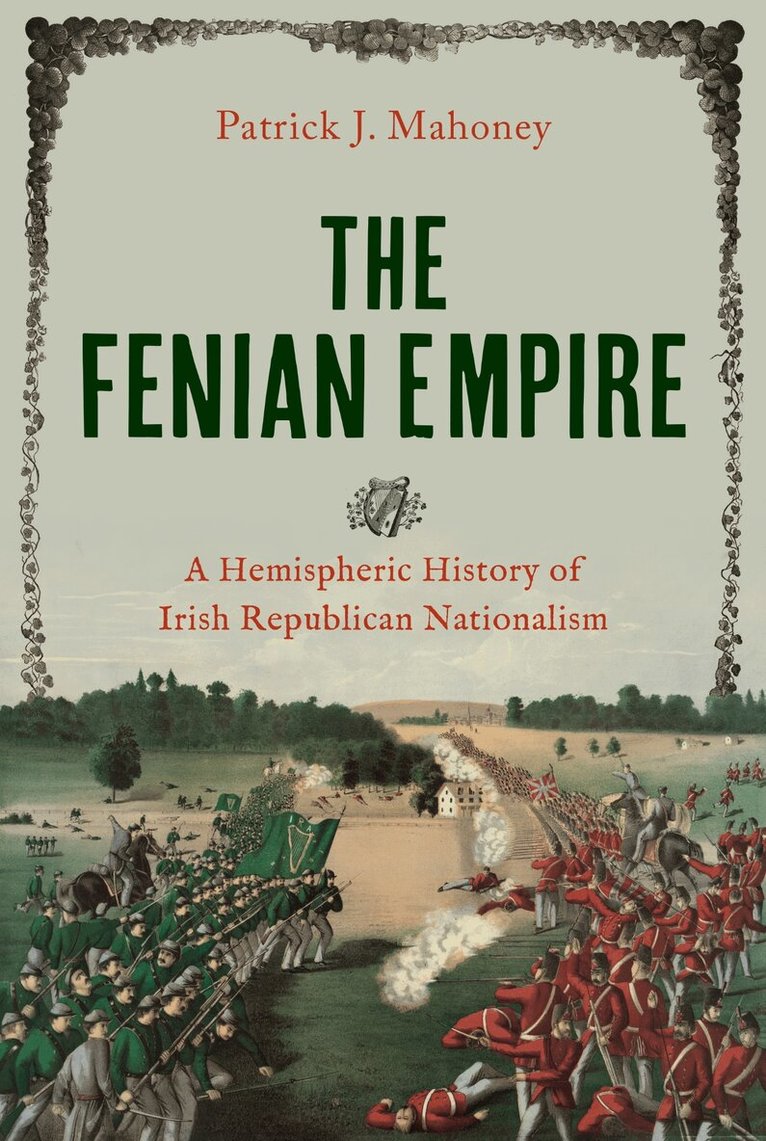
A bold new exploration of Fenian revolutionary activity across the AmericasIn the aftermath of the American Civil War, the Fenian movement stood at a crossroads. Thousands of demobilized Irish soldiers held the power to reshape history. Inspired by a popular desire to expel monarchical and aristocratic influence from the New World, many American Fenians began to align their efforts to establish an independent Irish Republic with the wider aims of American republican expansion. In doing so, the Fenians' fight for Irish liberation became more than a single cause. It was a web of alliances, contradictions, and ambitions, carried out under a common banner of republicanism. In The Fenian Empire, Patrick J. Mahoney uncovers the untold story of how Fenianism intersected with race, colonialism, and internationalist solidarity across North America and the Caribbean at a time of intense political turmoil. Fueled by the cause of republican expansion, the period saw the unlikely emergence of Black Fenian volunteers, attempts to land Fenian troops into Mexico and Cuba, and the participation of many Fenians in the subjugation of Native peoples along the western plains of North America. While their views and strategies varied, their aim remained clear: Irish freedom.Drawing on an expansive range of archives and sources across multiple languages, Mahoney delivers a fresh take on the Fenian story, guiding readers through a world of clandestine meetings, personal networks, propaganda, and long-forgotten military operations. What results is a groundbreaking look at how one struggle echoed across the revolutionary landscape of the Civil War era.
264 kr
Skickas inom 7-10 vardagar
How the Irish Revolution was shaped by international actors and events The Irish War of Independence is often understood as the culmination of centuries of political unrest between Ireland and the English. However, the conflict also has a vitally important yet vastly understudied international dimension. The Irish Revolution: A Global History reassesses the conflict as an inherently transnational event, examining how circumstances and individuals abroad shaped the course Ireland's struggle for independence.Bringing together leading international scholars of modern Ireland, its diaspora, and the British Empire, this volume discusses the Irish revolution in a truly global sense. The text situates the conflict in the wider context of the international flourishing of anti-colonial movements following World War I. Despite the differences between these movements, their proponents communicated extensively with each other, learning from and engaging with other revolutionaries in anti-imperial metropoles such as Paris, London, and New York. The contributors to this volume argue that Irish nationalists at home and abroad were intimately involved in this exchange, from mobilizing Ireland's vast diaspora in support of Irish independence to engaging directly with radical causes elsewhere. The Irish Revolution is a vital work for all those interested in Irish history, providing a new understanding of Ireland's place in the evolving postwar world.
391 kr
Skickas inom 10-15 vardagar
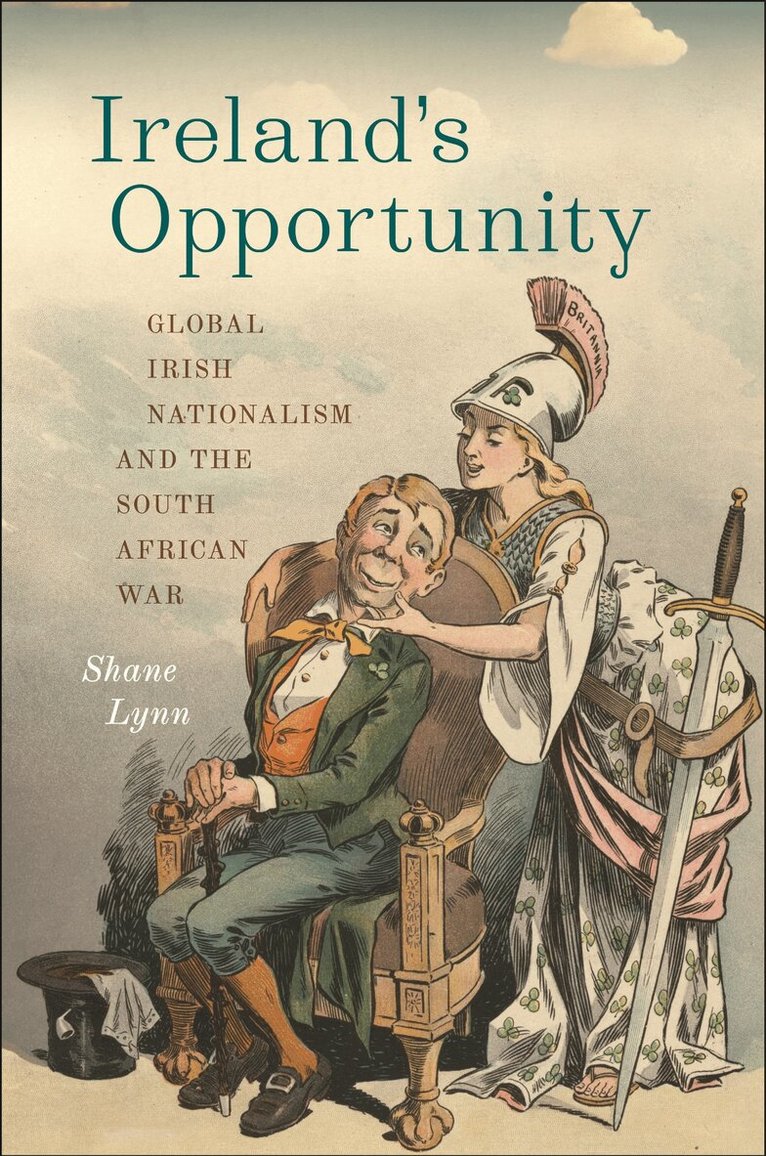
How the South African War transformed nationalist politics across Ireland's global diasporaIn 1899, the British Empire embarked on a deeply controversial war against two small Boer Republics in South Africa. To many Irish nationalists, the Boers were fellow victims of British mistreatment. Defeat for the Boers, they worried, would mean defeat for the principle that small, white nations like Ireland were entitled to govern themselves. Widespread outrage sparked a dramatic resurgence in Irish nationalism after a decade of disunity and decline.The shape and strength of this revival varied throughout Ireland's vast global diaspora. Ireland's Opportunity traces the impact of "Boer fever" across Ireland and the diaspora networks that connected Irish communities in the United States, Canada, Australia, and New Zealand.Home Rulers reunited to oppose the war, even as those in Britain's colonies asserted their loyalty to the empire and its racist underpinnings. Fenian revolutionaries, meanwhile, saw "England's difficulty" in South Africa as "Ireland's opportunity" to strike for independence. Explosive conspiracies hatched in Ireland and the United States failed to kindle the desired revolution. But the lessons and legacies of the South African War years would shape their fateful response when "England's difficulty" returned after 1914.Blending global perspectives with intimate portraits of individuals whose lives were forever changed by the war, Shane Lynn reveals how Irish nationalism was a global phenomenon with a tangled and paradoxical relationship to empire.
181 kr
Skickas
Winner of the 2024 Michel Déon Prize for Non-FictionA lyrical portrait of a young Irish woman reinventing herself at the turn of the twentieth century in AmericaEllen O'Hara was a young immigrant from Ireland at the end of the nineteenth century who, with courage and resilience, made a life for herself in New York while financially supporting those at home. Hereafter is her story, told by Vona Groarke, her descendant, in a beautiful blend of poetry, prose, and history. In July 1882, Ellen O'Hara stepped off a ship from the West of Ireland to begin a new life in New York. What she encountered was a world of casual racial prejudice that characterized her as ignorant, dirty, and feckless, the butt of many jokes. From the slim range of jobs available to her she, like, many of her kind, found a position as a domestic servant, working long hours and living in to save on rent and keep. After an unfortunate marriage, Ellen determined to win financial security on her own, and eventually opened a boarding house where her two children were able to rejoin her. Vona Groarke builds this story from historical fact, drawing from various archives for evidence of Ellen. However, she also considers why lives such as Ellen's seem to leave such a light trace in such records and fills in the gaps with memory and empathetic projection. Ellen—scrappy, skeptical, and straight-talking—is the heroine of Hereafter, whose resilience animates the story and whose voice shines through with vivid clarity. Hereafter is both a compelling account of an incredible figure and a reflection on how one woman's story can speak for more than one life.