Great Campaigns of the Civil War – serie
Visar alla böcker i serien Great Campaigns of the Civil War. Handla med fri frakt och snabb leverans.
10 produkter
10 produkter
269 kr
Skickas inom 10-15 vardagar
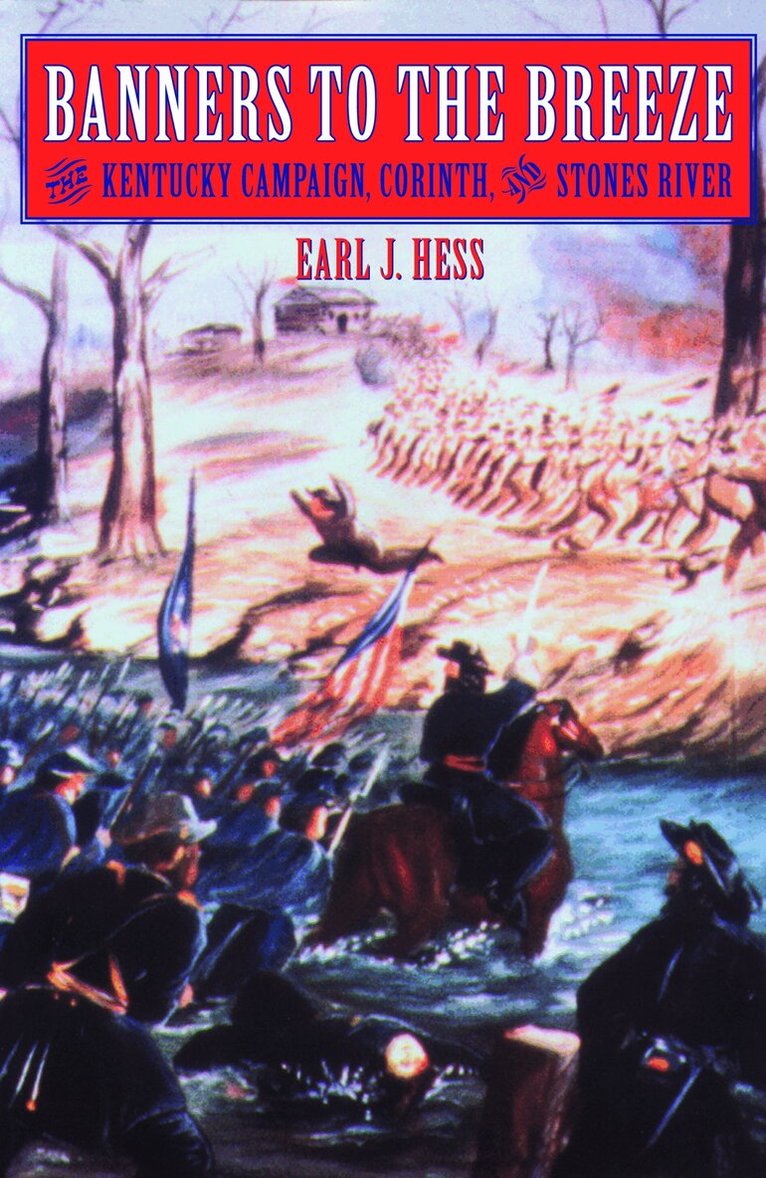
Banners to the Breeze analyzes three major Civil War campaigns that were conducted following a series of devastating Confederate defeats at the hands of Ulysses S. Grant in the spring of 1862. After the recapture of Tennessee, Confederate armies under Braxton Bragg and Edmund Kirby Smith conducted a brilliant advance into the deeply divided state of Kentucky. Meanwhile, other Confederate forces under Sterling Price and Earl Van Dorn attempted to recapture the town of Corinth, Mississippi. As the year drew to a close, Bragg's army was involved in a tactical draw at the battle of Stones River. Earl J. Hess mixes dramatic narrative and new analysis as he brings these campaigns together in a coherent whole. Previously unpublished historic photographs of the battlefields are included.
388 kr
Skickas inom 3-6 vardagar
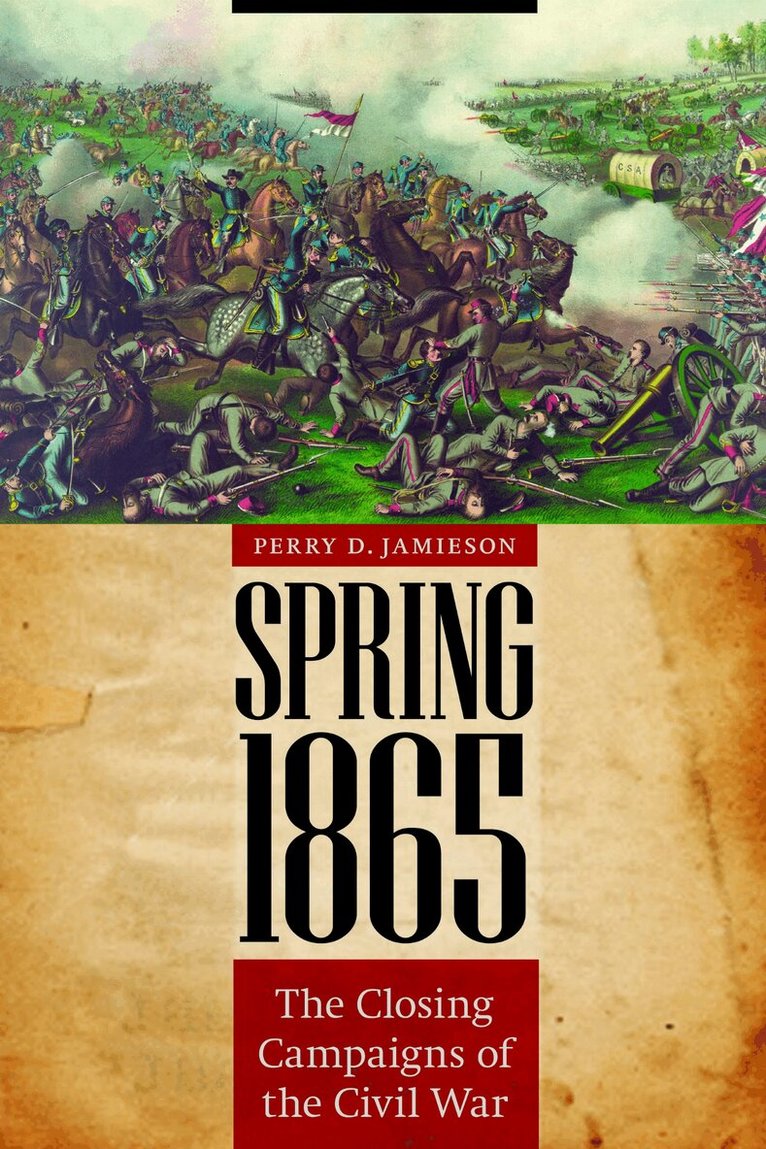
When Gen. Robert E. Lee fled from Petersburg and Richmond, Virginia, in April 1865, many observers did not realize that the Civil War had reached its nadir. A large number of Confederates, from Jefferson Davis down to the rank-and-file, were determined to continue fighting. Though Union successes had nearly extinguished the Confederacy’s hope for an outright victory, the South still believed it could force the Union to grant a negotiated peace that would salvage some of its war aims. As evidence of the Confederacy’s determination, two major Union campaigns, along with a number of smaller engagements, were required to quell the continued organized Confederate military resistance. In Spring 1865 Perry D. Jamieson juxtaposes for the first time the major campaign against Lee that ended at Appomattox and Gen. William T. Sherman’s march north through the Carolinas, which culminated in Gen. Joseph E. Johnston’s surrender at Bennett Place. Jamieson also addresses the efforts required to put down armed resistance in the Deep South and the Trans-Mississippi. As both sides fought for political goals following Lee’s surrender, these campaigns had significant consequences for the political-military context that shaped the end of the war as well as Reconstruction.
269 kr
Skickas inom 10-15 vardagar
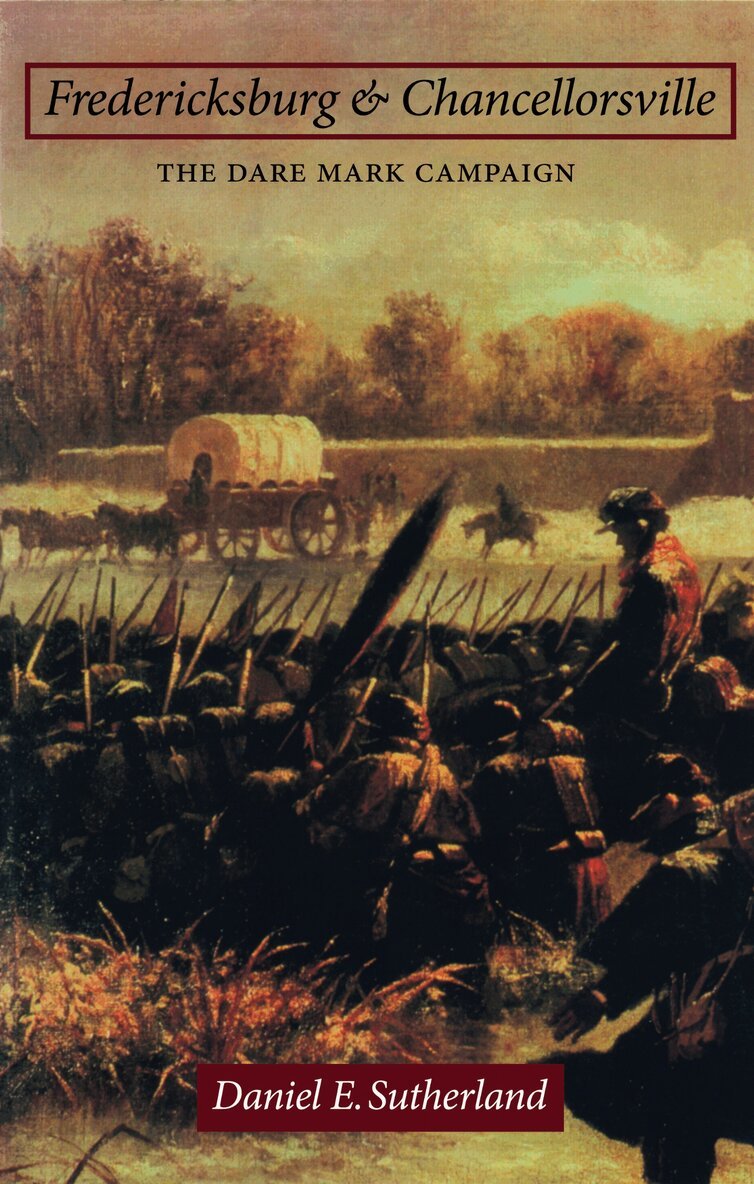
All too often, histories of Civil War battles concentrate on the events of the battle, ignoring the larger campaign and undervaluing the battle's impact on subsequent events. This work reveals and explains the vital connection between two epic battles: Fredericksburg and Chancellorsville. The staggering Confederate victories at Fredericksburg and Chancellorsville are seldom treated as part of a coherent strategy, and they have never been presented as a single campaign. Yet, analyzed as a whole, the two battles go far to explain Lee's military success. At the same time, the failures and bungling that characterized Federal efforts are more intelligible when seen in the light of the political and military circumstances that thrust unprepared and inadequate Union commanders into predicaments they little understood. The eastern theater in the winter of 1862 and spring of 1863 witnessed sudden shifts in northern command and strategy and increasing political intervention. Lincoln despaired of McClellan and sought a general more willing to fight; whatever the ultimate result of this search, it provided opportunities the canny Lee was willing and able to exploit.
475 kr
Skickas inom 3-6 vardagar
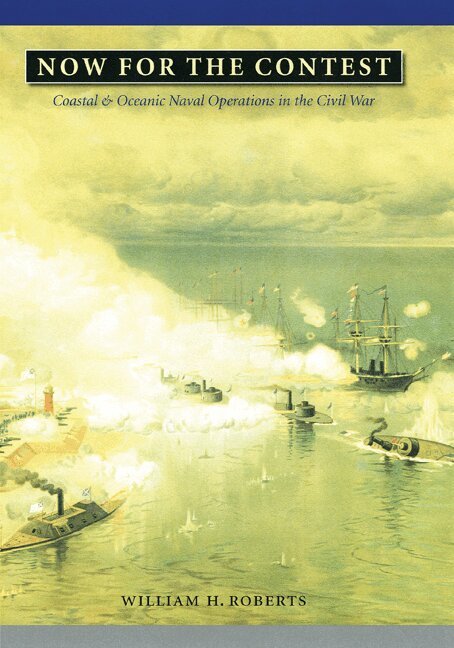
Now for the Contest tells the story of the Civil War at sea in the context of three campaigns: the blockade of the southern coast, the raiding of Union commerce, and the projection of power ashore. The Civil War at sea was profoundly influenced by innovation and asymmetry—both sides embraced innovation, but differences in their resources and their strategic objectives pushed them down different paths. At its peak the Union navy boasted over fifty thousand men and nearly seven hundred ships. The Confederate navy was far smaller, never exceeding some five thousand men, and it numbered its ships in the tens rather than the hundreds. The Confederacy's "technology strategy" and its overseas programs formed the main counterweight to the Union's numerical force. Now for the Contest also examines how both sides mobilized and employed their resources for a war that proved to be of unprecedented intensity and duration. For both antagonists the conduct of the naval war was complicated by rapid technological change, as steam power, metal armor, and more powerful ordnance sparked experiment and innovation both in naval construction and in tactics. The war years brought tremendous change to a service that did not always welcome it. Innovative technologies flourished in this hothouse atmosphere, however, and a rising generation of naval leaders would carry the knowledge of combat into the long peace that followed.
200 kr
Skickas inom 10-15 vardagar
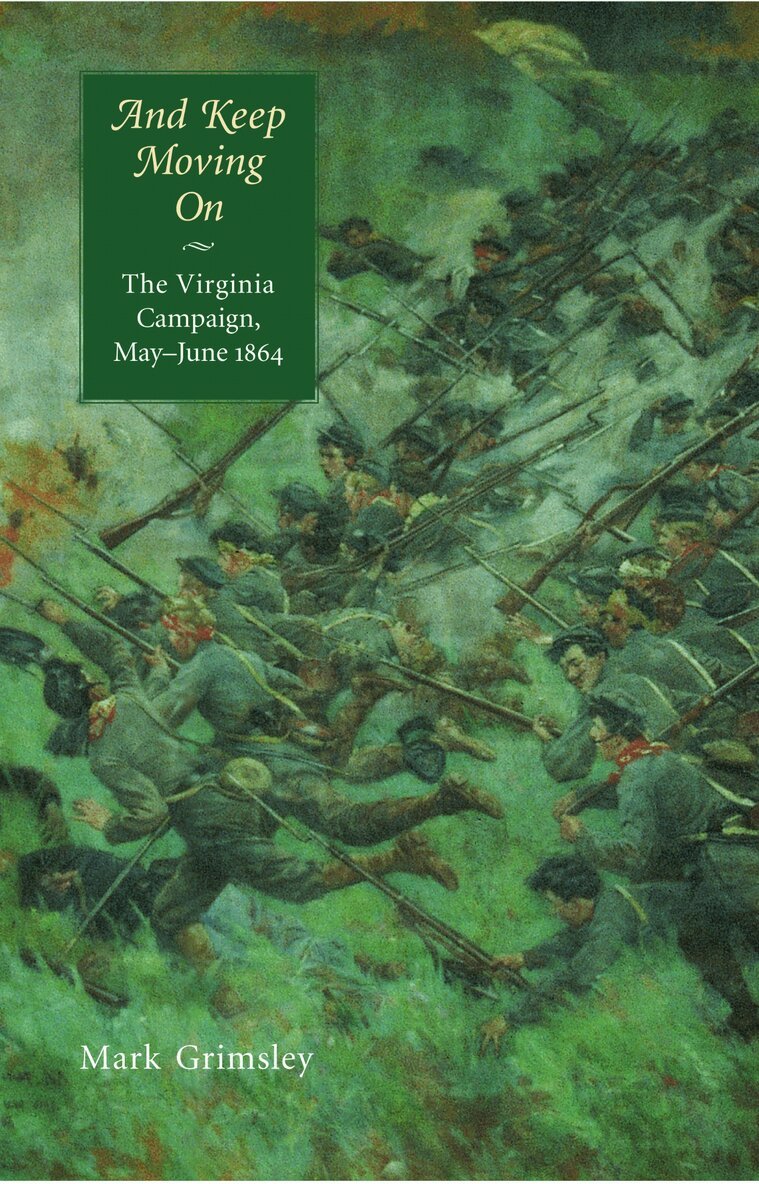
And Keep Moving On is the first book to see the Virginia campaign of spring 1864 as Ulysses S. Grant and Robert E. Lee saw it: a single, massive operation stretching hundreds of miles. The story of the campaign is also the story of the demise of two great armies. The scale of casualties and human suffering that the campaign inflicted makes it unique in U.S. history. Mark Grimsley's study, however, is not just another battle book. Grimsley places the campaign in the political context of the 1864 presidential election; appraises the motivation of soldiers; appreciates the impact of the North’s sea power advantage; questions conventional interpretations; and examines the interconnections among the major battles, subsidiary offensives, and raids.
324 kr
Skickas inom 10-15 vardagar
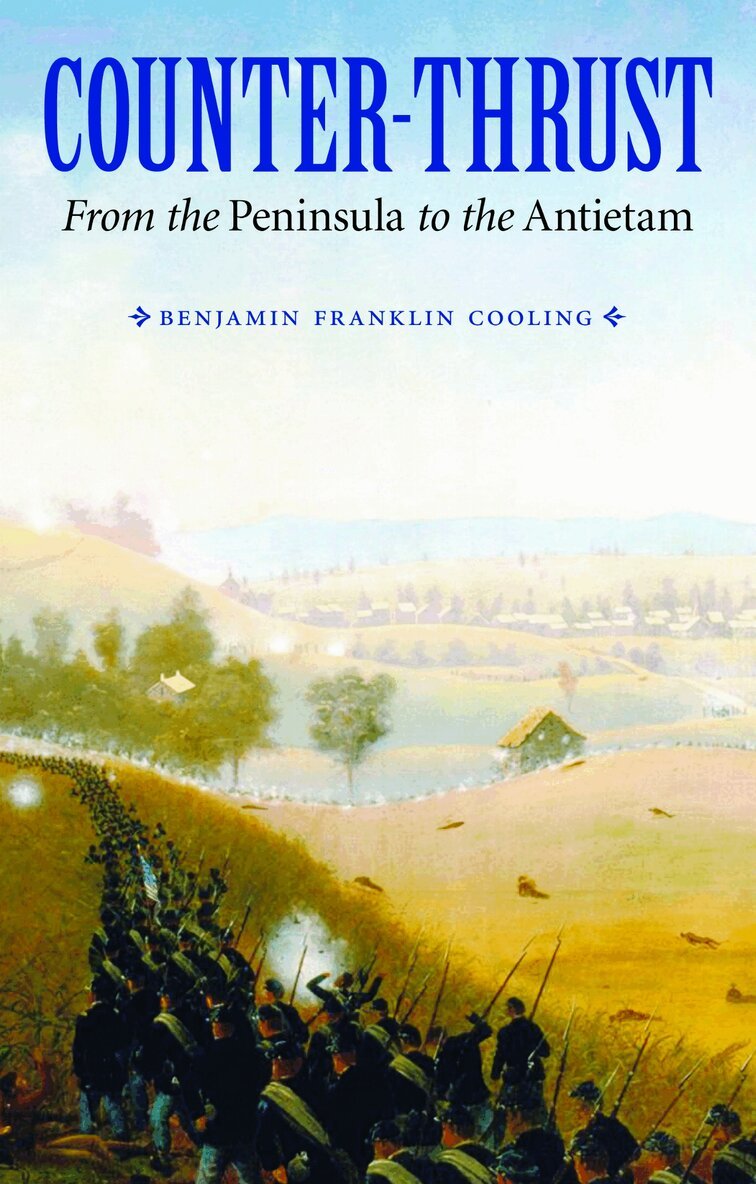
During the summer of 1862, a Confederate resurgence threatened to turn the tide of the Civil War. When the Union's earlier multitheater thrust into the South proved to be a strategic overreach, the Confederacy saw its chance to reverse the loss of the Upper South through counteroffensives from the Chesapeake to the Mississippi. Benjamin Franklin Cooling tells this story in Counter-Thrust, recounting in harrowing detail Robert E. Lee's flouting of his antagonist George B. McClellan's drive to capture the Confederate capital at Richmond and describing the Confederate hero's long-dreamt-of offensive to reclaim central and northern Virginia before crossing the Potomac. Counter-Thrust also provides a window into the Union's internal conflict at building a successful military leadership team during this defining period. Cooling shows us Lincoln's administration in disarray, with relations between the president and field commander McClellan strained to the breaking point. He also shows how the fortunes of war shifted abruptly in the Union's favor, climaxing at Antietam with the bloodiest single day in American history—and in Lincoln's decision to announce a preliminary Emancipation Proclamation. Here in all its gritty detail and considerable depth is a critical moment in the unfolding of the Civil War and of American history.
200 kr
Skickas inom 10-15 vardagar
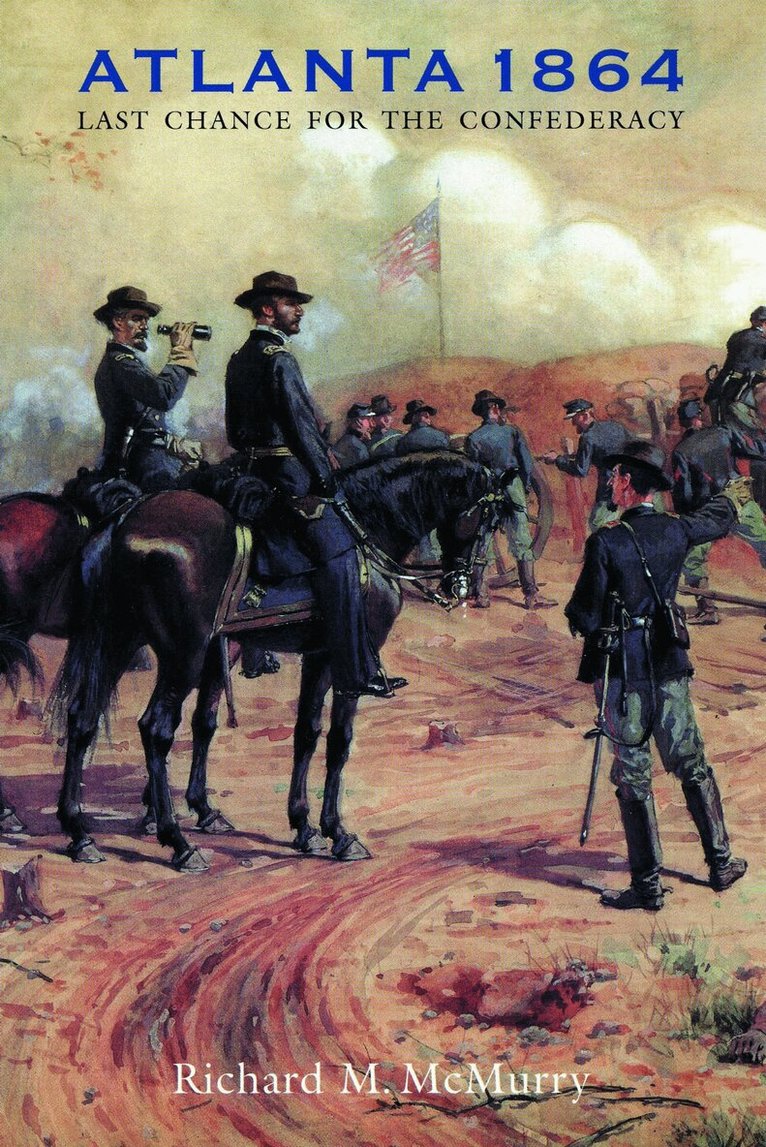
"The fall of Atlanta in September 1864 was an important strategic and psychological victory for the war-weary North, virtually assuring that the Union would win the Civil War while assisting Lincoln in his reelection efforts. This concise volume by McMurry . . . closely examines this significant military campaign, places the struggle in its social and political contexts, and includes useful topical appendices and a bibliographical essay. Given its brevity, focus, and the author's unique insights, this readable and well-documented volume will be welcomed by Civil War enthusiasts and scholars alike."-Library Journal
241 kr
Skickas inom 10-15 vardagar
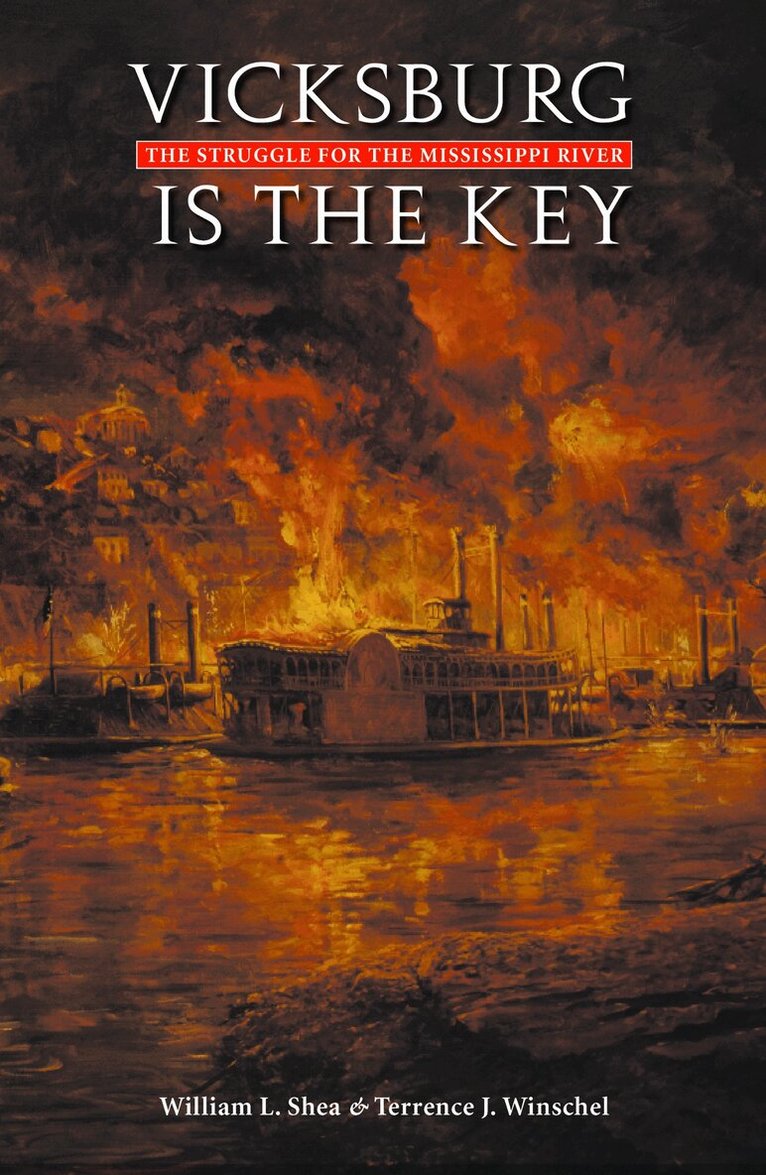
The struggle for control of the Mississippi River was the longest and most complex campaign of the Civil War. It was marked by an extraordinary diversity of military and naval operations, including fleet engagements, cavalry raids, amphibious landings, pitched battles, and the two longest sieges in American history. Every existing type of naval vessel, from sailing ship to armored ram, played a role, and military engineers practiced their art on a scale never before witnessed in modern warfare. Union commanders such as Grant, Sherman, Farragut, and Porter demonstrated the skills that would take them to the highest levels of command. When the immense contest finally reached its climax at Vicksburg and Port Hudson in the summer of 1863, the Confederacy suffered a blow from which it never recovered. Here was the true turning point of the Civil War. This fast-paced, gripping narrative of the Civil War struggle for the Mississippi River is the first comprehensive single-volume account to appear in over a century. Vicksburg Is the Key: The Struggle for the Mississippi River tells the story of the series of campaigns the Union conducted on land and water to conquer Vicksburg and of the many efforts by the Confederates to break the siege of the fortress. William L. Shea and Terrence J. Winschel present the unfolding drama of the campaign in a clear and readable style, correct historic myths along the way, and examine the profound strategic effects of the eventual Union victory.
241 kr
Skickas inom 10-15 vardagar
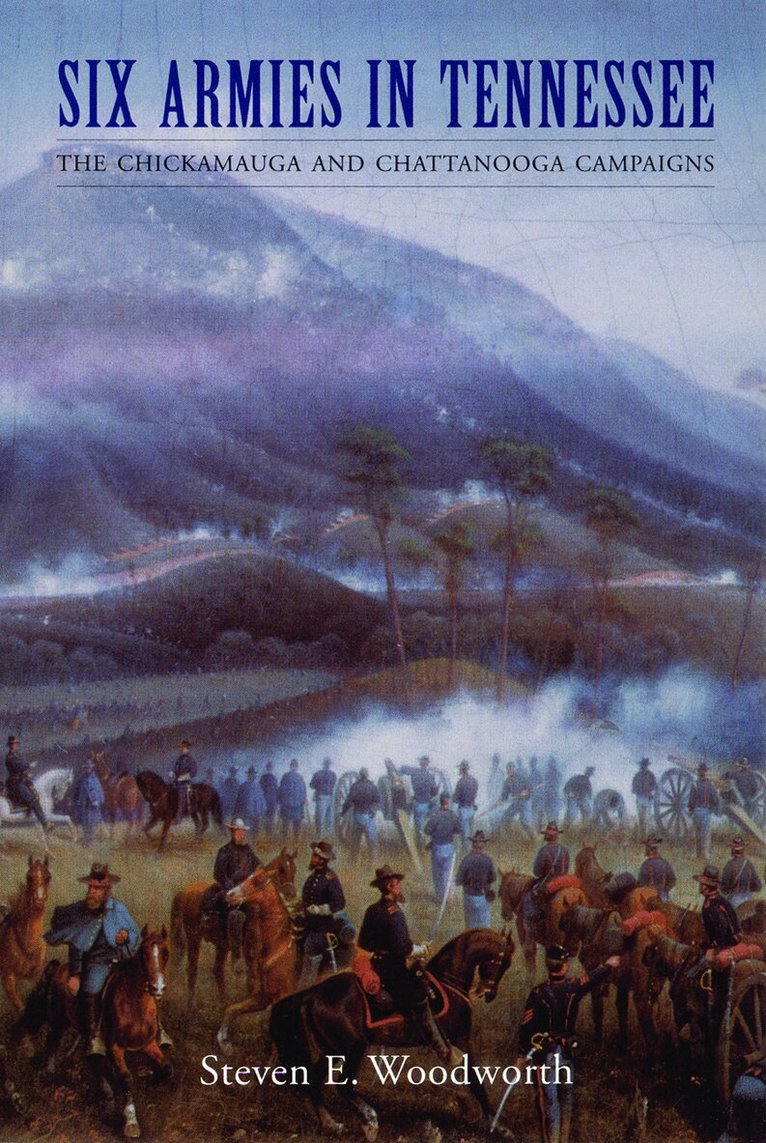
When Vicksburg fell to Union forces under General Grant in July 1863, the balance turned against the Confederacy in the trans-Appalachian theater. The Federal success along the river opened the way for advances into central and eastern Tennessee, which culminated in the bloody battle of Chickamauga and then a struggle for Chattanooga. Chickamauga is usually counted as a Confederate victory, albeit a costly one. That battle-indeed the entire campaign-is marked by muddle and blunders occasionally relieved by strokes of brilliant generalship and high courage. The campaign ended significant Confederate presence in Tennessee and left the Union poised to advance upon Atlanta and the Confederacy on the brink of defeat in the western theater.
432 kr
Kommande
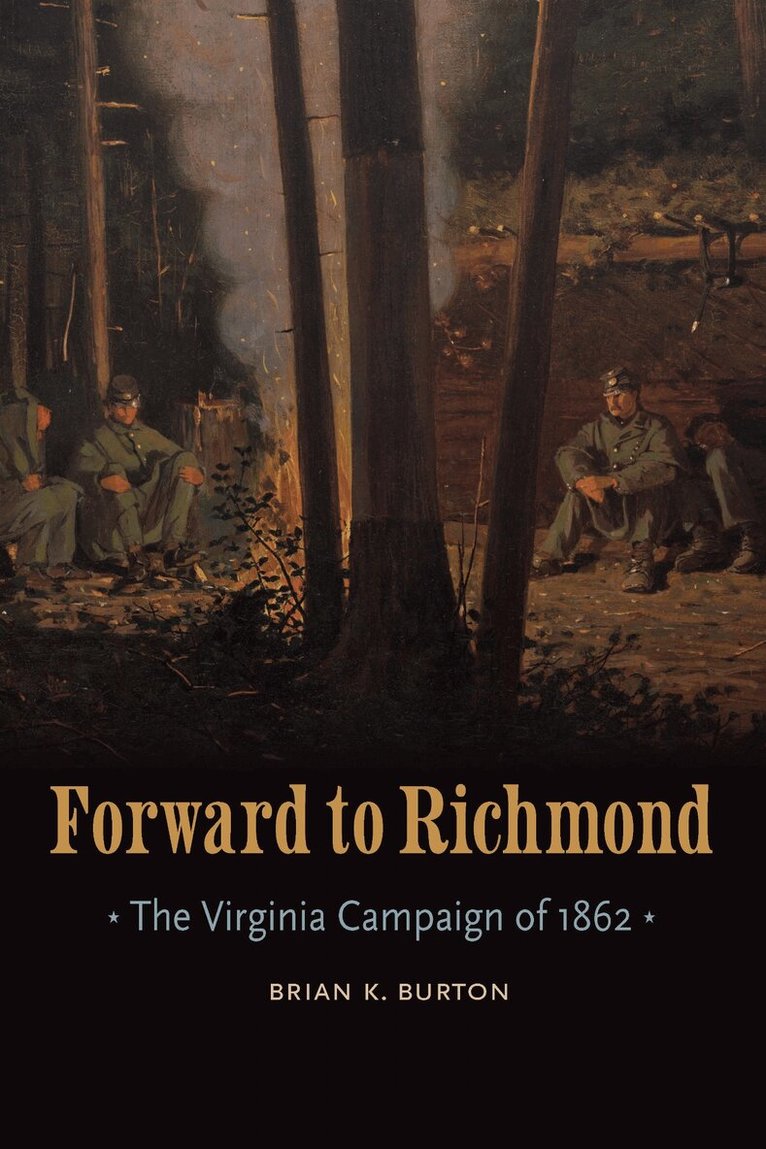
In the early eastern theater of the American Civil War, the Northern and Southern armies saw little of combat and little of each other, with most of their military intelligence more akin to propaganda than objective fact. However, by 1862 both sides knew through bloody experience how the other could fight, though gaps in knowledge of the other's tactics and political strategies remained. Perhaps most important, Northern soldiers had by then spent significant time in the South, and as they witnessed firsthand the effects of slavery, their attitudes hardened toward the South.Covering all aspects of the war in Virginia in the first six months of 1862, Forward to Richmond treats the military actions in the Shenandoah Valley, the Piedmont, and the Peninsula as part of a theatre-wide campaign. Brian K. Burton goes beyond military events to also examine the political, social, and diplomatic interactions with military events, including the meetings of Union soldiers with Southern civilians and African Americans, ultimately leading to a turn away from conciliation and a beginning of a move toward support of emancipation.