Greenwood Press Daily Life Through History Series: American Soldiers' Lives – serie
Visar alla böcker i serien Greenwood Press Daily Life Through History Series: American Soldiers' Lives. Handla med fri frakt och snabb leverans.
9 produkter
9 produkter
833 kr
Skickas inom 10-15 vardagar
What was it like to be a heavily burdened U.S. soldier on the march in the first half of the 19th century? How did soldiers survive in leaky, flea-ridden huts in Kansas? How many men were convinced to enlist based on the promise of easy, pleasing work? From the early Indian wars in the Ohio Territory in the 1790s, to the Mexican wars in Texas in the 1850s, American Soldiers' Lives: The Army in Transformation, 1790-1860 by James M. McCaffrey describes the soldiers lives, often by letting them speak for themselves through their letters, diaries, and journals. This book describes recruitment, training, the day-to-day routine and living conditions; and some of the most significant battles and campaigns of the period. It also includes a timeline and an extensive, topically arranged bibliography of more than 500 sources.James M. McCaffrey provides a social history of soldiers that goes beyond the publications on warfare that deal with strategy and tactics and the big picture. Understanding what motivated soldiers to do the things they did-whether it was enlisting in the first place, or getting drunk, or deserting from the army, or any number of other activities-helps to complete the study of how the army was able to succeed as it did and, perhaps, why it failed to accomplish even more. High school and college students, researchers, and those interested in military history will find these features and information included: -A timeline of military-related events from 1790 to 1861. -The early 19th conflicts facing the young United States' security, such as Indian wars and forced resettlements, the War of 1812, the wars against Mexico in Texas, and the Mormon battalions that fought both for and ran afoul against the U.S. government. -Recruitment and training. -The day-to-day routine of most soldiers, in and out of combat. -The experience of being in battle. -Food and clothing. -Medical care. -Military justice, including court martial offenses and executions -An extensive bibliography with more than 500 sources, ranging from historical surveys and illustrated histories to articles, diaries, and primary documents from the U.S. government. -A comprehensive index.
901 kr
Skickas inom 10-15 vardagar
Read the experiences of the men and women who served in a horrific war, across the sea-the Great War. Relying extensively on letters, diaries, and reminiscences of those Americans who fought or served in World War I, Jennifer Keene reports on training and camp requirements for enlistees and recruits; the details of the transport across the ocean of sailors, soldiers, and others being carried Over There; and the experiences of African Americans, women, Native Americans and immigrants in The White Man's Army. She also describes in vivid detail, The Sailor's War, and for those on the ground in France and Belgium, the events of static trench warfare, and movement combat. Chapters describe coping with and treating disease and wounds; the devastating amount of death; and for those who came home, the veterans' difficult entrances back into civilian life. A timeline, extensive bibliography or recommended sources, and illustrations add to the usefulness of the volume
833 kr
Skickas inom 10-15 vardagar
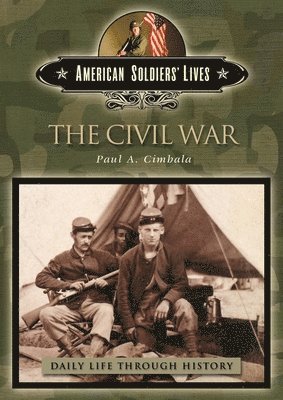
From the initial enlistment and recruitment of men for the opposing armies, through their demobilization during the spring, summer, and fall of 1865, Paul A. Cimbala always places the solider at the center of the story. This book shows how the men who signed up with the Union and the Confederacy fought their way through the bloody U.S. fields, how they adjusted to peace (often badly wounded and scarred), and how they remembered their experiences. How did they cope with wounds and disease in the 1860s? What was the role of black soldiers on both the Union and Confederate sides? In wartime politics, why and how did soldiers continue to participate in the electoral process and what did they think about their politicians?Relying on his primary research on such topics as invalid soldiers and postwar experiences, Cimbala presents a vivid picture of the Civil War soldier's life. Highlights include: Motivations for men to enlist, and why blacks and other ethnic groups joined up; the mental and physical consequences to soldier survivors; drug and alcohol addiction in the Civil War; women's contributions on both sides of the war; daily life in the camp, letter writing crazes to newspapers, camp followers and sex; prisoners' and guards' lives; the Freedmen's Bureau; veterans, including black veterans; and organizations, including the Ku Klux Klan.The book also includes a timeline to put dates and events in better perspective; a comprehensive, topically arranged bibliography of primary and secondary sources; and a comprehensive index.
833 kr
Skickas inom 10-15 vardagar
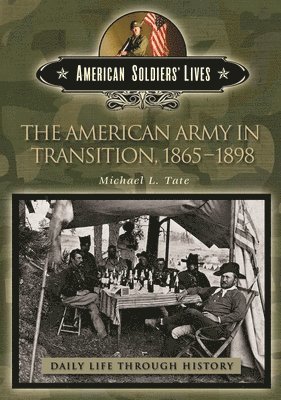
The last thirty-five years of the nineteenth century were a time of dramatic change for the U.S. military, including the Reconstruction of the South after the Civil War; fighting the Indian Wars of 1865 through 1890; and shifting military personnel concerns and increased responsibilities, including law enforcement, protection of the National Parks, and border patrols. As the century's end neared, the army faced increasing retrenchment and increased advocacy for veteran's causes when the Civil War veteran population aged. This book illustrates the lives of the average soldier and his family, his involvement with the community, and his contributions and needs as a veteran.The late nineteenth century in American military history is not as well known as others. Relying on documents, diaries, newspaper accounts, and family histories, Tate also includes a timeline, a topically arranged bibliography, and a comprehensive index.
833 kr
Skickas inom 10-15 vardagar
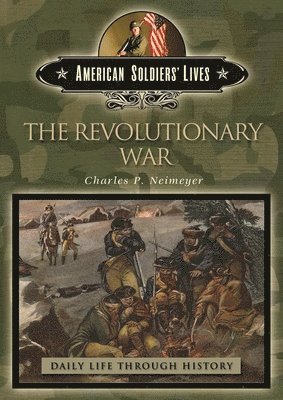
Nearly everyone in the U.S. has studied the Revolutionary War. Too often, however, historians of the Revolution focus on the activity of the army without noticing what was taking place inside the army. Making liberal use of diaries and correspondence by the soldiers and their families, Charles P. Neimeyer tells the stories of the men and women who fought for the young country's independence. Sometimes starting off as rag-tag groups of men shooting off their muskets at geese just for the thrill of the sound, the soldiers became more disciplined and focused. The army recruited a significant number of African American soldiers, who fought side by side with whites. Women also fought and served in the army, either masquerading as male soldiers or providing support for army operations in camp and on the march. Suffering through times of numbing cold and starvation where men boiled their shoes for food, the sheer perseverance of the soldiers in the ranks ultimately won the war for independence.Presenting stories from letters and diaries of the men and women of the time, this volume reveals the stories of fear, exhaustion, hard work, grief, and exhilaration of the people in the camps and on the march. Highlights include: ; Recruitment, which included just about any healthy man willing to serve, including immigrants and enemy POWs; General Washington's attempts to create a model, respectable army; Attempts at medical treatment, and the ravages of smallpox, which left men dying at makeshift hospitals; African American soldiers in the War; Women's contributions to war efforts, whether in disguise as soldiers, or in filling in for husbands killed in battle ; Daily life in the camp: the monotony, the lack of food and supplies, drinking, sleeping in huts and out in the open, games, letter writing and religious observations; The failure to fairly pay the soldiers as they mustered out of serviceThe book also includes a timeline that puts dates and events in better perspective; a comprehensive, topically arranged bibliography; and a thorough index.
901 kr
Skickas inom 10-15 vardagar
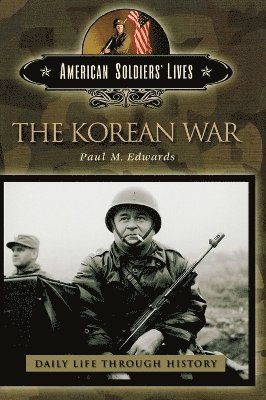
Despite the American tendency to bypass it, the Korean War from 1950 to 1953 was a watershed in American history. It was in Korea, for the first time, that the United States committed its armed forces to limiting an expansion, by Communist forces, which many believed was designed to take over the world; it was also the first war that a world organization, the United Nations, played a military role. The conflict in Korea was a war that was fought in hardship and danger by the grunt, the man and woman in the field, bringing an end to the myth that possession of an atomic bomb made conventional warfare unnecessary. Training, usually with World II weapons, life on the front, care of the wounded and the dead, and coming home, are just some of the topics covered in The Korean War. In addition, a timeline of events, a helpful topically arranged bibliography of recommended sources, and illustrations, including many photos taken by the soldiers themselves, bring this period into full focus.
858 kr
Skickas inom 10-15 vardagar
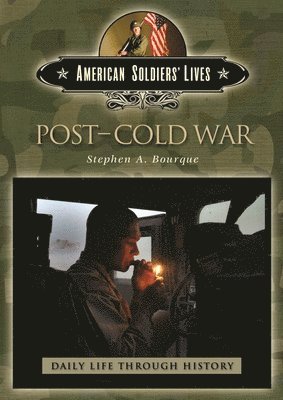
From the fall of the Berlin Wall in 1989 through the years immediately after the collapse of the World Trade Center and Pentagon in 2001, and within the administrations of George H. W. Bush, William J. Clinton, and George W. Bush, soldiers' lives underwent enormous changes. Without the benefit of national conscription, these professionals, nurtured on stories of World War II, Korea, and Vietnam, experienced repetitive tours of duty in one combat zone after another to an extent the warriors of earlier eras could never have imagined. They fought every kind of war during this period; high-intensity mechanized war, air and heliborne raids, peace-keeping activities, urban combat, counter-insurgency operations, refugee support, and counter-narcotics operations.What makes the story of this era's soldiers all the more compelling is that these activities took place as the American military actually decreased its military strength during the period, leading to more and longer tours of duty. The book also includes a timeline to put dates and events in better perspective, a comprehensive, topically arranged bibliography, and a thorough index.
833 kr
Skickas inom 10-15 vardagar
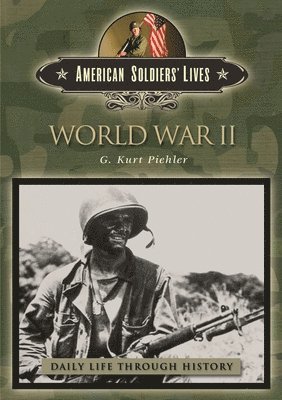
There are countless books detailing the history of World War II, but none has examined the differences among soldiers's experiences based on their service branch's culture. Based on extensive oral history interviews with the men and women who served during this war, G. Kurt Piehler has discovered that the U.S. Navy tended to be hierarchical, especially on large ships; and in contrast, the Army Air Force remained a relatively loose organization, with more frequent fraternization among officers and enlisted personnel. Although racial tensions were not absent from the Marines, the elite ethos of this branch mitigated the harsh racism of many white Marines toward their African American comrades. In the Army, there was no one representative soldier's experience in the war, given the sheer size and diversity of the Army's missions in this conflict, including sharp differences between the Asian and European war experiences.Piehler draws heavily on the oral histories he conducted for the Rutgers Oral History Archives of World War II and the Center for the Study of War and Society to provide a rich and varied look at the experiences of the men and women of World War II, in their own words.The book also includes a timeline to put dates and events in better perspective; a comprehensive, topically arranged bibliography; and a thorough index.
833 kr
Skickas inom 10-15 vardagar
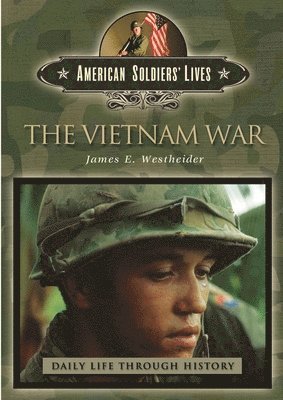
The Vietnam War was different from most previous U.S. wars of the twentieth century. It was an undeclared and limited war. The draft to supply the soldiers and serious problems in the Selective Service system meant that the burden of the war was carried disproportionately by minorities and working class whites, many of whom did not want to serve. While many Americans saw service in Vietnam as their patriotic duty, others opposed the war. This is the story of the men and women who served in that war, whether overseas in active combat or in support roles in Viet Nam and stateside.Working from newspaper and other primary accounts, including soldiers' letters to and from home, government documents, interviews with Vietnam Era veterans, and other resources, James E. Westheider covers these issues of the war: The draft and problems in the Selective Service System. Draft resistance and the antiwar movement Can you be Black and Navy Too? African Americans and the Armed Forces The effects of climate and terrrain on fighting Life in camp, the food, and types of R & R Morale Getting along with the South Vietnamese Casualties and medical treatment Reception back in the United States Problems of transition: jobs, employment, posttraumatic stress syndromeThe book includes a timeline to put dates and events in better perspective; a comprehensive, topically arranged bibliography; and a thorough index.