Greenwood Press Daily Life Through History Series: Daily Life in the United States – serie
Visar alla böcker i serien Greenwood Press Daily Life Through History Series: Daily Life in the United States. Handla med fri frakt och snabb leverans.
5 produkter
5 produkter
833 kr
Skickas inom 10-15 vardagar
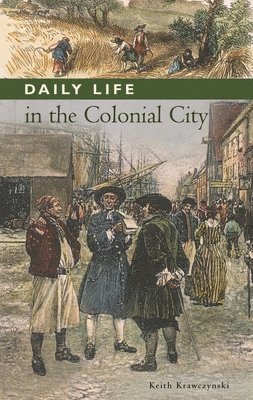
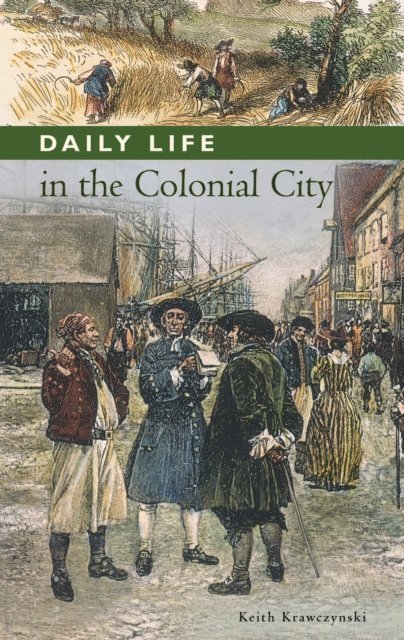
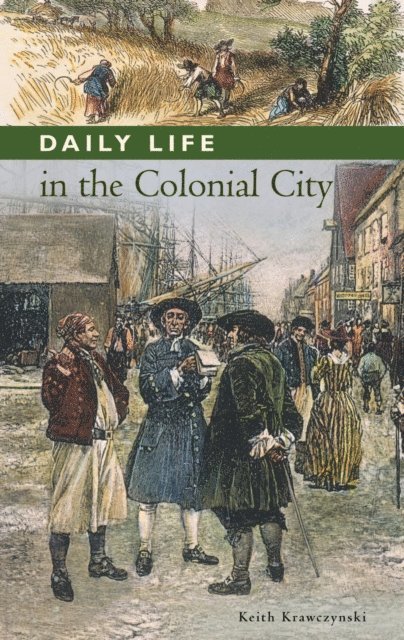
An exploration of day-to-day urban life in colonial America.The American city was an integral part of the colonial experience. Although the five largest cities in colonial America--Philadelphia, New York, Boston, Charles Town, and Newport--held less than ten percent of the American popularion on the eve of the American Revolution, they were particularly significant for a people who resided mostly in rural areas, and wilderness. These cities and other urban hubs contained and preserved the European traditions, habits, customs, and institutions from which their residents had emerged. They were also centers of commerce, transportation, and communication; held seats of colonial government; and were conduits for the transfer of Old World cultures. With a focus on the five largest cities but also including life in smaller urban centers, Krawczynski's nuanced treatment will fill a significant gap on the reference shelves and serve as an essential source for students of American history, sociology, and culture.In-depth, thematic chapters explore many aspects of urban life in colonial America, including working conditions for men, women, children, free blacks, and slaves as well as strikes and labor issues; the class hierarchy and its purpose in urban society; childbirth, courtship, family, and death; housing styles and urban diet; and the threat of disease and the growth of poverty.

809 kr
Skickas inom 10-15 vardagar
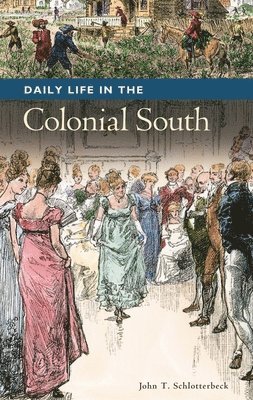
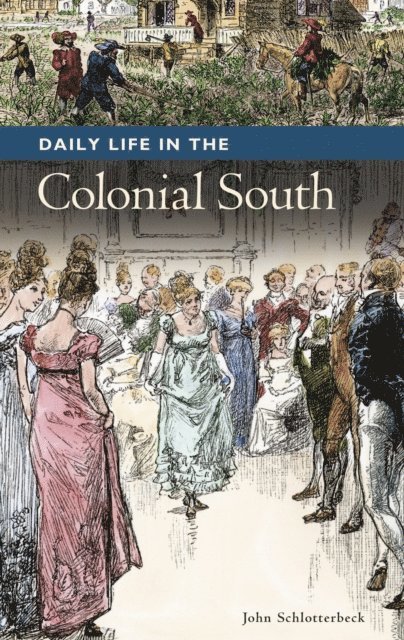
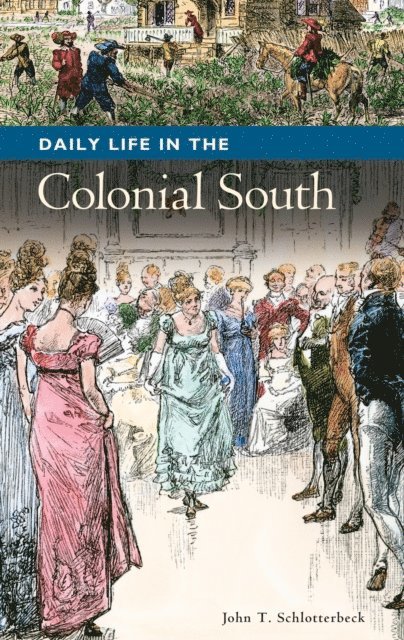
This work examines patterns of everyday life in the colonial South from European contact to 1770, documenting how they evolved over time and differences across lines of geography, nationality, ethnicity, religion, race, gender, and class.This work provides the first synthesis of daily life in the colonial South from the time of European arrival to 1770—a period that is often overlooked or treated briefly in most surveys on the history of the South. Daily Life in the Colonial South describes how a diverse mix of people created new patterns of living, behaving, and believing across diverse and changing physical, demographic, economic, and social environments by adapting inherited cultures in new settings. The book emphasizes the everyday experiences of ordinary people from the Chesapeake Bay to the Lower Mississippi River, examining aspects of daily life such as work, families, possessions, food, leisure, bodies, and beliefs. It presents balanced coverage of English, French, Spanish, and Native American settlements, describing the lives of both men and women, and making use of quotes from historical documents. An introductory chapter profiles the colonial South at six periods set 50 years apart between 1500 and 1750, while the conclusion discusses colonial southern identities on the eve of the American Revolution.
742 kr
Skickas inom 10-15 vardagar
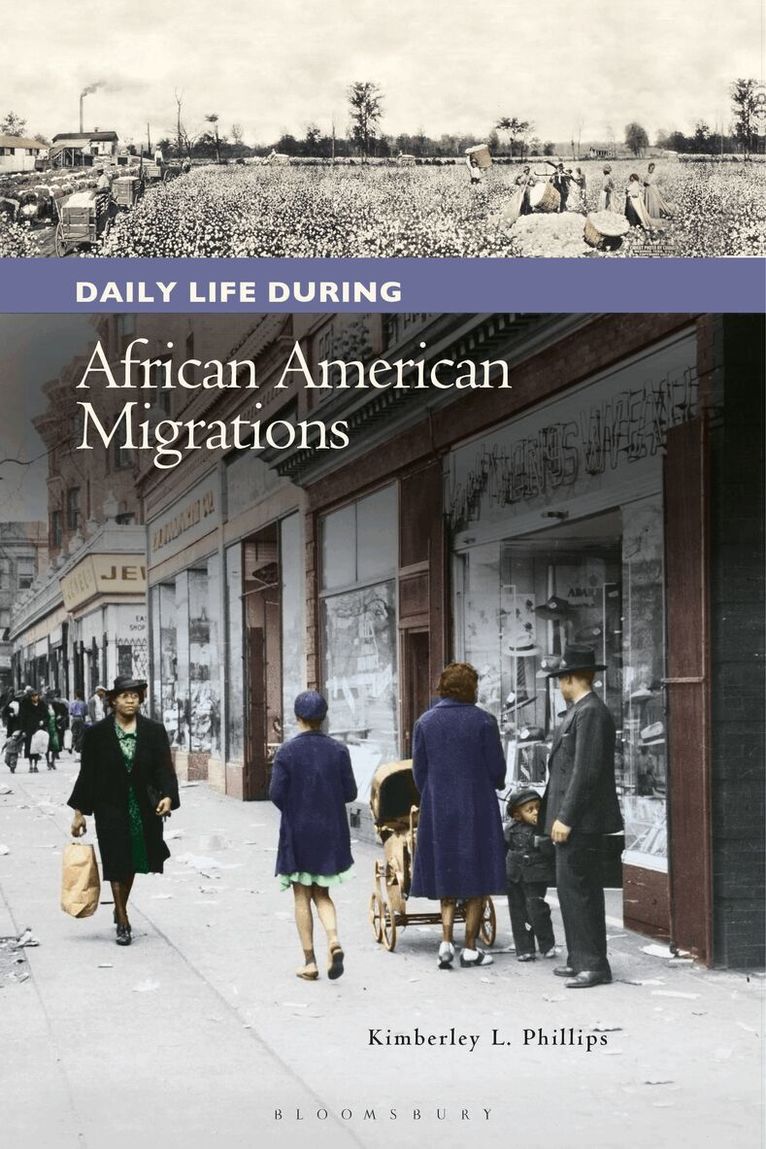
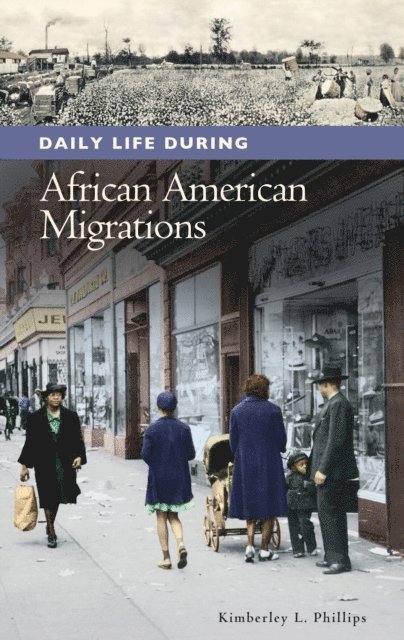
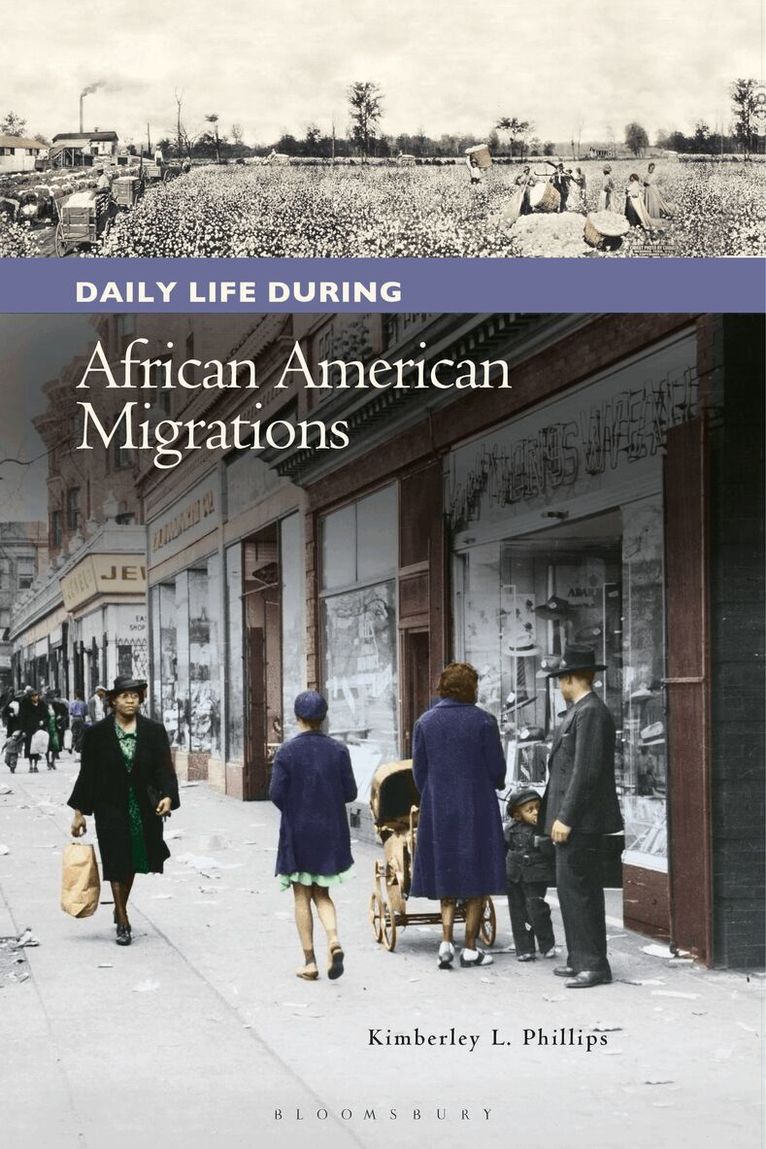
This book examines the century-long migration of African Americans who moved within the South after the Civil War and then left to settle permanently in other regions, irrevocably altering the political, social, and cultural history of the United States; and considers these movements within the broader historical, political, and cultural context of the African Diaspora.Daily Life during African American Migrations focuses attention to the everyday social, cultural, and political lives of migrants in the United States as they established communities far away from their former homes. This book examines blacks' labor and urban experiences, social and political activism, and cultural and communal identities, while also considering the specificity of African Americans' migration as part of their long struggle for freedom and equality.The author merges information from black migration studies, which focus on the internal movement of African American people in the United States, with African Diaspora studies, which consider peoples of African descent who have settled far from their native homes—either voluntarily or through duress—to document how these immigrants and their children create new communities while maintaining cultural connections with Africa. The stories of the nine million African Americans who collectively left the South between 1865 and 1965—and the millions more who left the Caribbean and Africa—not only document this long history of migration, but also present compelling human drama.
324 kr
Skickas inom 10-15 vardagar
This book examines the century-long migration of African Americans who moved within the South after the Civil War and then left to settle permanently in other regions, irrevocably altering the political, social, and cultural history of the United States; and considers these movements within the broader historical, political, and cultural context of the African Diaspora.Daily Life during African American Migrations focuses attention to the everyday social, cultural, and political lives of migrants in the United States as they established communities far away from their former homes. This book examines blacks' labor and urban experiences, social and political activism, and cultural and communal identities, while also considering the specificity of African Americans' migration as part of their long struggle for freedom and equality.The author merges information from black migration studies, which focus on the internal movement of African American people in the United States, with African Diaspora studies, which consider peoples of African descent who have settled far from their native homes—either voluntarily or through duress—to document how these immigrants and their children create new communities while maintaining cultural connections with Africa. The stories of the nine million African Americans who collectively left the South between 1865 and 1965—and the millions more who left the Caribbean and Africa—not only document this long history of migration, but also present compelling human drama.
324 kr
Skickas inom 10-15 vardagar
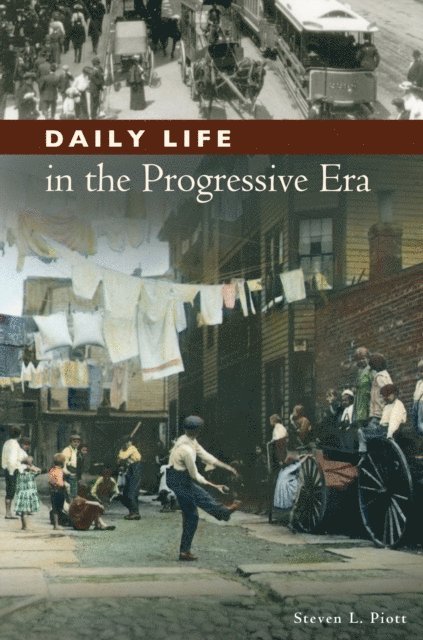
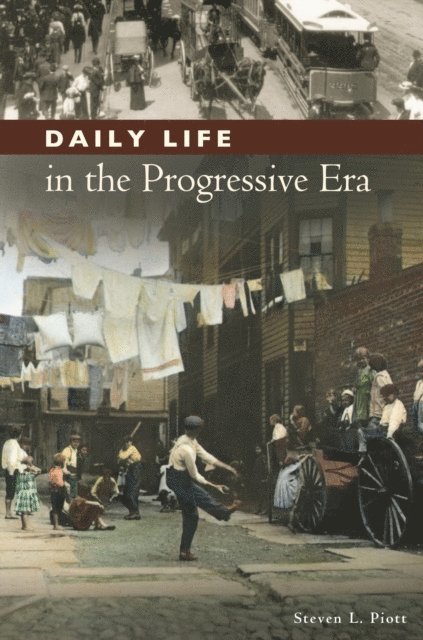
This book provides a historical examination of everyday life to reveal how and why Americans during the Progressive Era structured their world and made their lives meaningful.The Progressive Era represented a tumultuous time for Americans as they attempted to come to terms with a rapidly emerging modern, urban, and industrial society, and ultimately the dislocations caused by World War I. Steven L. Piott's Daily Life in the Progressive Era tells the story of how all Americans—black and white, women and men, rural inhabitants and urban residents, workers and employers, consumers and producers—contended with new cultural attitudes, persistent racial and class tensions, and the power struggles of evolving classes.This book provides a broad examination of American society between 1900 and 1920. Organized thematically, it covers rural and urban America, the changing nature of work, race relations, popular culture, citizen activism, and society during wartime. Appropriate for general readers as well as students of history, Daily Life in the Progressive Era provides an informed and compelling narrative history and analysis of daily life within the context of broad historical patterns.