

Inbunden, Engelska, 1985
607 kr
Skickas inom 10-15 vardagar
607 kr
Skickas inom 10-15 vardagar
793 kr
Skickas inom 10-15 vardagar
361 kr
Läs direkt efter köp

1 436 kr
Skickas inom 10-15 vardagar
1 579 kr
Skickas inom 10-15 vardagar
607 kr
Skickas inom 10-15 vardagar

795 kr
Skickas inom 10-15 vardagar

864 kr
Läs direkt efter köp
491 kr
Skickas inom 5-8 vardagar
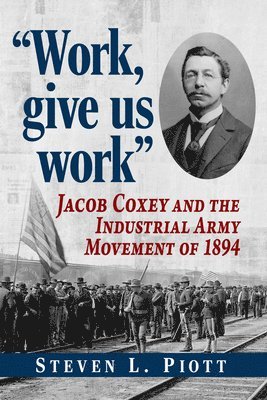
The Depression of the 1890s caused widespread economic suffering throughout the country and triggered a march of unemployed men from Massillon, Ohio, to Washington, D.C. Known in the press as "Coxey's Army"--led, ironically, by successful businessman, Jacob Coxey--the marchers demanded that the federal government create jobs for idled workers. But Coxey's march overshadowed a much larger story.
In late March 1894, other "armies" of the unemployed mobilized in major cities along the Pacific Coast and in mining towns and cities in the Intermountain West to begin their own pilgrimages to the nation's capital. Confronted with distances farther than those covered by European crusaders to the Holy Land, western marchers had to improvise. When railroads refused them or demanded full fare that they didn't have, they commandeered trains. Sometimes they built boats to continue their journeys on one of the major rivers. In the fashion of Mark Twain's Huckleberry Finn, they were real-life adventurers. Alarmed by the possibility of 100,000 unemployed workers converging on the nation's capital, railroad and government officials did everything they could to stop them. This exhaustively researched history tells the story of these dogged marchers who only wanted to work.
267 kr
Skickas inom 5-8 vardagar
288 kr
Läs direkt efter köp
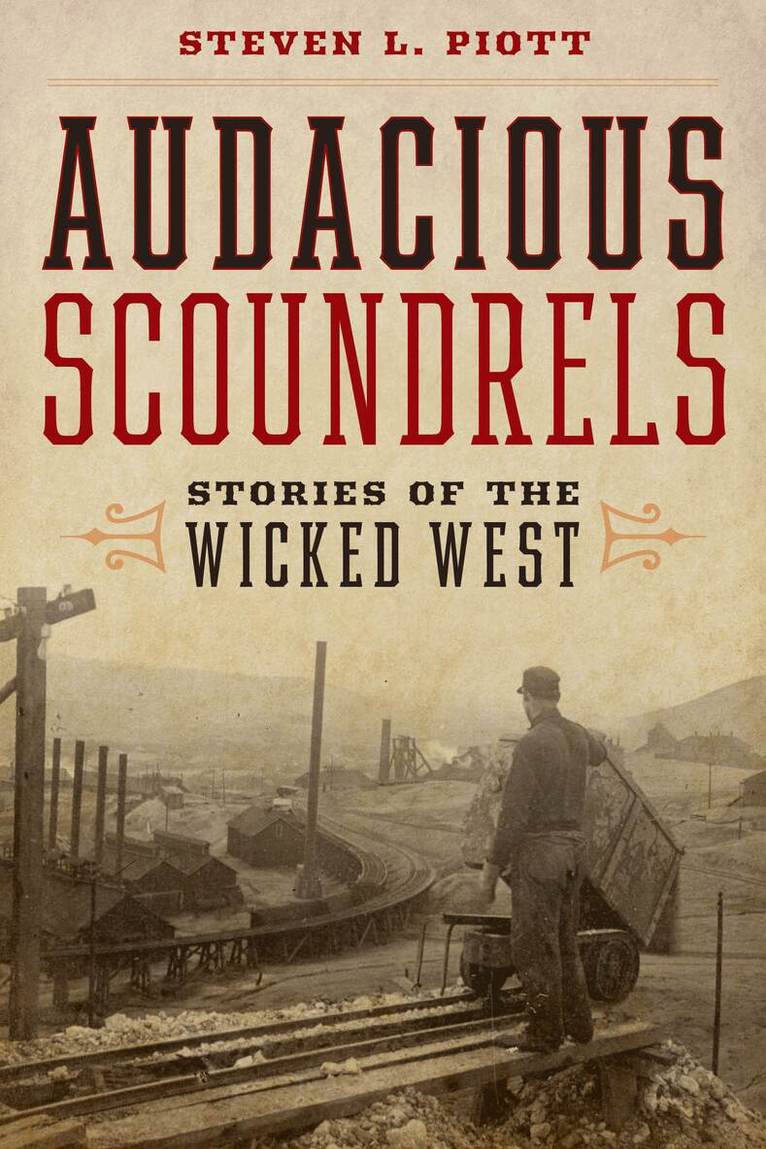
During the late-nineteenth and early-twentieth century a growing number of ordinary citizens had the feeling that all was not as it should be. Men who were making money made prodigious amounts, but this new wealth somehow passed over the heads of the common people. As this new breed of journalists began to examine their subjects with scrutiny, they soon discovered that those individuals were essentially “simple men of extraordinary boldness.” And it was easy to understand how they were able to accomplish their sinister purposes: “at first abruptly and bluntly, by asking and giving no quarter, and later with the same old determination and ruthlessness but with educated satellites who were glad to explain and idealize their behavior.”[i] “Nothing is lost save honor,” said one infamous buccaneer, and that was an attitude that governed the amoral principles and extralegal actions of many audacious scoundrels.
Relying on secondary sources, magazine and newspaper articles, and personal accounts from those involved, this volume captures some of the sensational true stories that took place in the western United States during the late-nineteenth and early-twentieth century. The theme that runs through each of the stories is the general contempt for the law that seemed to pervade the culture at the time and the consuming desire to acquire wealth at any cost—what Geoffrey C. Ward has called “the disposition to be rich.”
End Notes
Introduction
[i]Louis Filler, Crusaders for American Liberalism (Yellow Springs, OH: Antioch Press, 1964), 14.

721 kr
Skickas inom 10-15 vardagar

864 kr
Läs direkt efter köp
361 kr
Läs direkt efter köp
337 kr
Skickas inom 10-15 vardagar
607 kr
Skickas inom 10-15 vardagar
793 kr
Skickas inom 10-15 vardagar
361 kr
Läs direkt efter köp
1 436 kr
Skickas inom 10-15 vardagar
1 579 kr
Skickas inom 10-15 vardagar
607 kr
Skickas inom 10-15 vardagar
795 kr
Skickas inom 10-15 vardagar
864 kr
Läs direkt efter köp
491 kr
Skickas inom 5-8 vardagar
The Depression of the 1890s caused widespread economic suffering throughout the country and triggered a march of unemployed men from Massillon, Ohio, to Washington, D.C. Known in the press as "Coxey's Army"--led, ironically, by successful businessman, Jacob Coxey--the marchers demanded that the federal government create jobs for idled workers. But Coxey's march overshadowed a much larger story.
In late March 1894, other "armies" of the unemployed mobilized in major cities along the Pacific Coast and in mining towns and cities in the Intermountain West to begin their own pilgrimages to the nation's capital. Confronted with distances farther than those covered by European crusaders to the Holy Land, western marchers had to improvise. When railroads refused them or demanded full fare that they didn't have, they commandeered trains. Sometimes they built boats to continue their journeys on one of the major rivers. In the fashion of Mark Twain's Huckleberry Finn, they were real-life adventurers. Alarmed by the possibility of 100,000 unemployed workers converging on the nation's capital, railroad and government officials did everything they could to stop them. This exhaustively researched history tells the story of these dogged marchers who only wanted to work.
267 kr
Skickas inom 5-8 vardagar
288 kr
Läs direkt efter köp
During the late-nineteenth and early-twentieth century a growing number of ordinary citizens had the feeling that all was not as it should be. Men who were making money made prodigious amounts, but this new wealth somehow passed over the heads of the common people. As this new breed of journalists began to examine their subjects with scrutiny, they soon discovered that those individuals were essentially “simple men of extraordinary boldness.” And it was easy to understand how they were able to accomplish their sinister purposes: “at first abruptly and bluntly, by asking and giving no quarter, and later with the same old determination and ruthlessness but with educated satellites who were glad to explain and idealize their behavior.”[i] “Nothing is lost save honor,” said one infamous buccaneer, and that was an attitude that governed the amoral principles and extralegal actions of many audacious scoundrels.
Relying on secondary sources, magazine and newspaper articles, and personal accounts from those involved, this volume captures some of the sensational true stories that took place in the western United States during the late-nineteenth and early-twentieth century. The theme that runs through each of the stories is the general contempt for the law that seemed to pervade the culture at the time and the consuming desire to acquire wealth at any cost—what Geoffrey C. Ward has called “the disposition to be rich.”
End Notes
Introduction
[i]Louis Filler, Crusaders for American Liberalism (Yellow Springs, OH: Antioch Press, 1964), 14.
721 kr
Skickas inom 10-15 vardagar
864 kr
Läs direkt efter köp
361 kr
Läs direkt efter köp
337 kr
Skickas inom 10-15 vardagar