Heritage Resource Management Series - Böcker
Visar alla böcker i serien Heritage Resource Management Series. Handla med fri frakt och snabb leverans.
13 produkter
13 produkter
1 476 kr
Skickas inom 10-15 vardagar
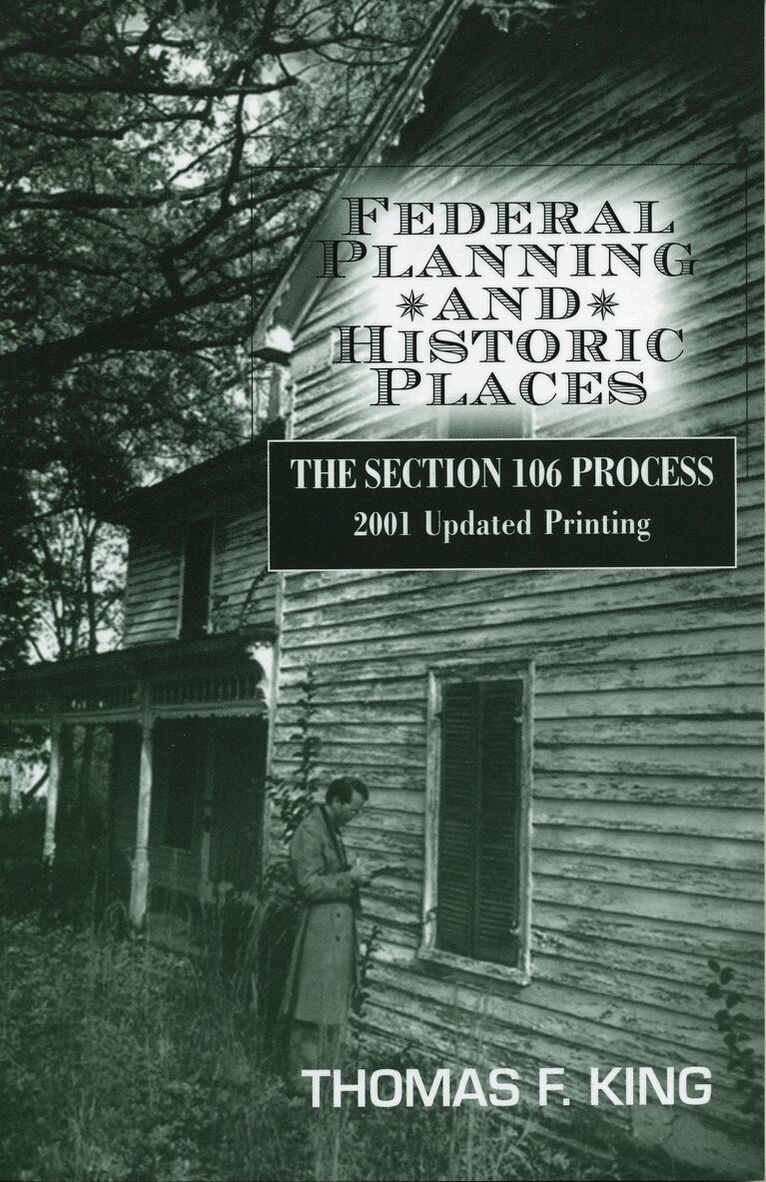
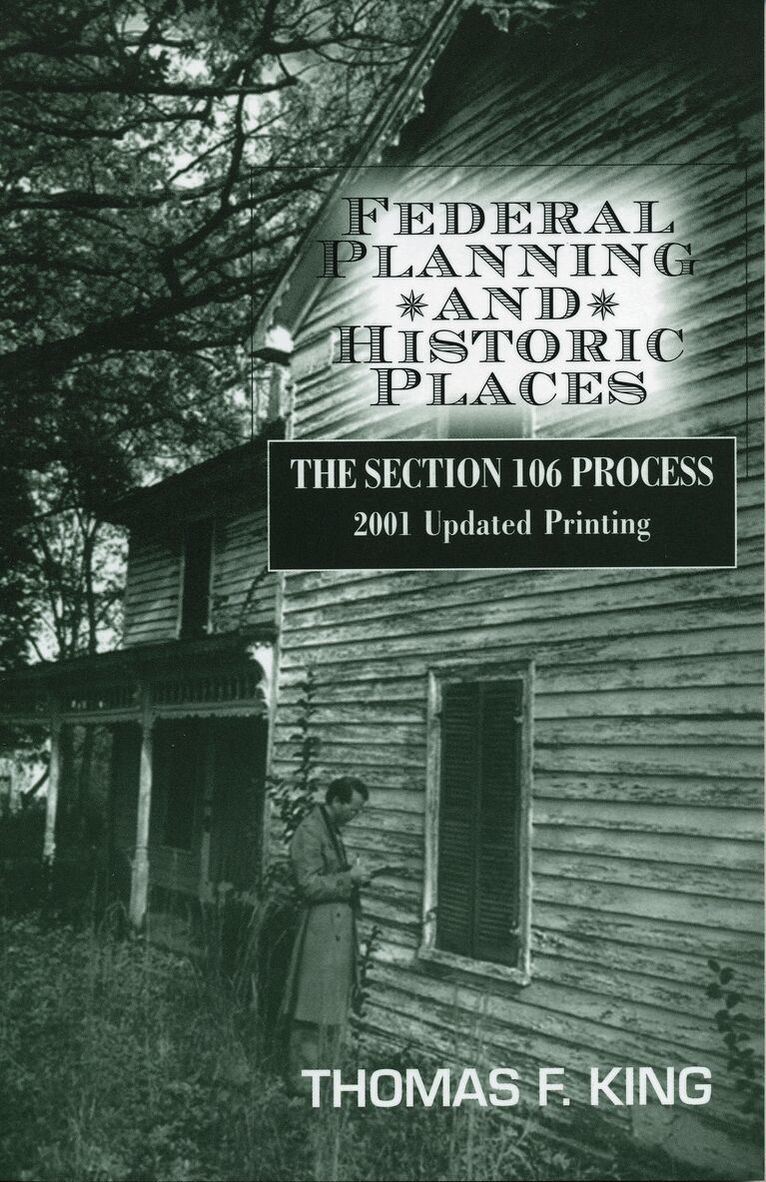
Section 106. A critical section of an obscure law, the National Preservation Act. It has saved thousands of historic sites, archeological sites, buildings, and neighborhoods across the country from destruction by Federal projects. And it has let even more be destroyed, or damaged, or somehow changed. It is the major legal basis for a multi-million dollar "cultural resource management" industry that provides employment to thousands of archeologists, historians, and architectural historians. It is interpreted in a wide variety of ways by judges, lawyers, Federal agency officials, State and Tribal Historic Preservation Officers, contractors, and academics. But what does it say, and how does the regulatory process it created actually work? In this book, Tom King de-mythologizes Section 106, explaining its origins, its rationale, and the procedures that must be followed in carrying out its terms. Available just months after the latest revision of section 106, this book builds on King's best-selling work, Cultural Resource Laws and Practice: an Introductory Guide (AltaMira Press 1998). It is indispensable for federal, state, tribal, legal, academic, and citizen practitioners in the United States. King's engaging and witty prose turns a tangle of complicated regulation into a readable and engaging guide. ** CLICK 'Sample Readings' below to view the most current addendum to this book.Sponsored by the Heritage Resources Management Program, University of Nevada, Reno
568 kr
Skickas inom 10-15 vardagar
Section 106. A critical section of an obscure law, the National Preservation Act. It has saved thousands of historic sites, archeological sites, buildings, and neighborhoods across the country from destruction by Federal projects. And it has let even more be destroyed, or damaged, or somehow changed. It is the major legal basis for a multi-million dollar "cultural resource management" industry that provides employment to thousands of archeologists, historians, and architectural historians. It is interpreted in a wide variety of ways by judges, lawyers, Federal agency officials, State and Tribal Historic Preservation Officers, contractors, and academics. But what does it say, and how does the regulatory process it created actually work? In this book, Tom King de-mythologizes Section 106, explaining its origins, its rationale, and the procedures that must be followed in carrying out its terms. Available just months after the latest revision of section 106, this book builds on King's best-selling work, Cultural Resource Laws and Practice: an Introductory Guide (AltaMira Press 1998). It is indispensable for federal, state, tribal, legal, academic, and citizen practitioners in the United States. King's engaging and witty prose turns a tangle of complicated regulation into a readable and engaging guide. ** CLICK 'Sample Readings' below to view the most current addendum to this book.Sponsored by the Heritage Resources Management Program, University of Nevada, Reno
Places That Count
Traditional Cultural Properties in Cultural Resource Management
Inbunden, Engelska, 2003
1 520 kr
Skickas inom 10-15 vardagar
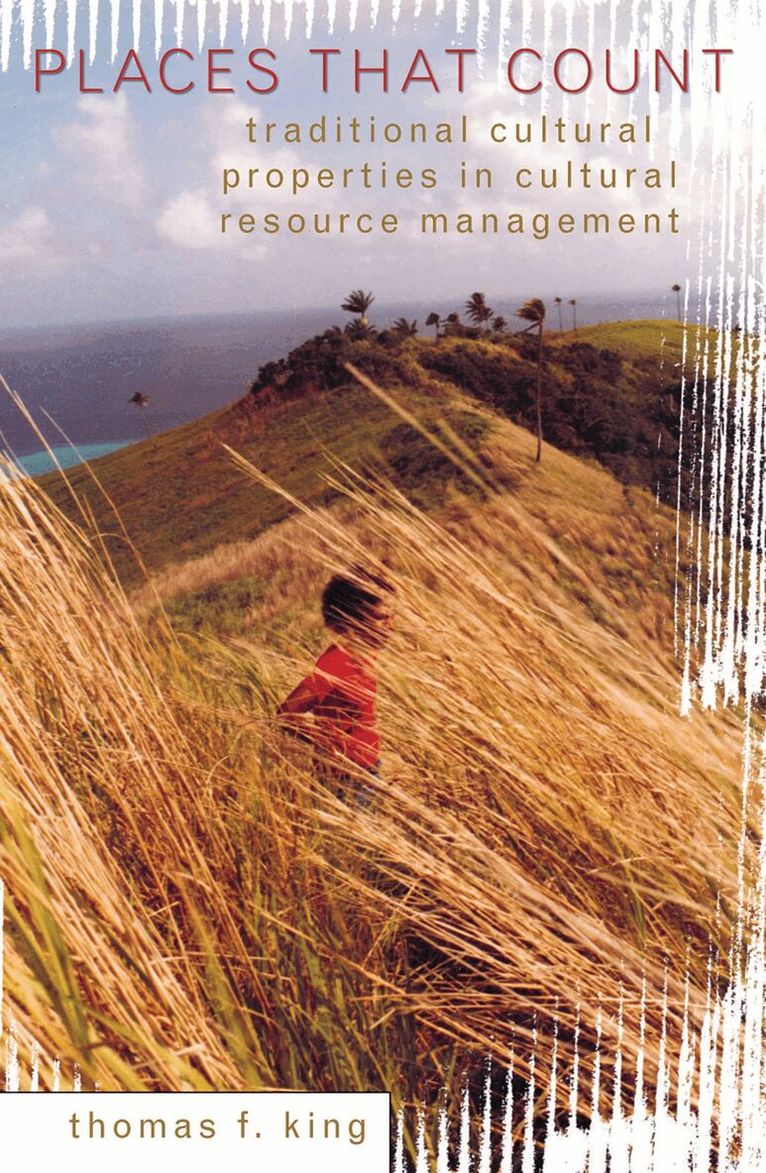
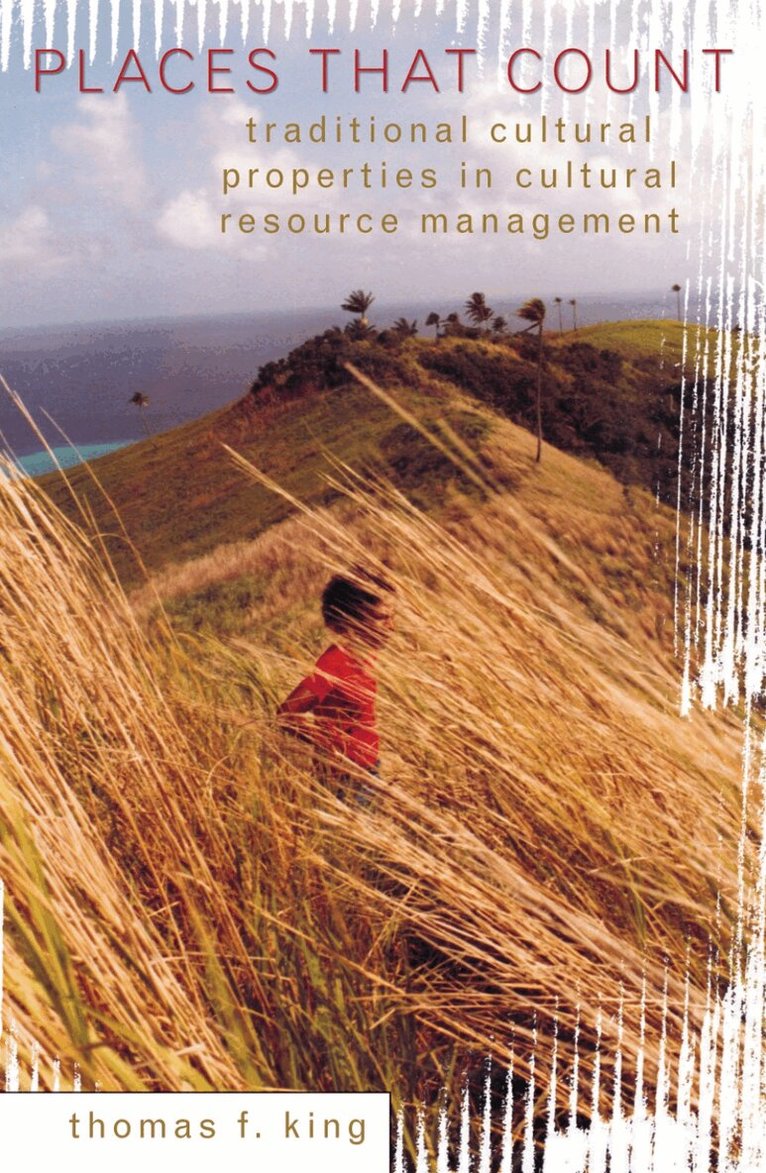
Places That Count offers professionals within the field of cultural resource management (CRM) valuable practical advice on dealing with traditional cultural properties (TCPs). Responsible for coining the term to describe places of community-based cultural importance, Thomas King now revisits this subject to instruct readers in TCP site identification, documentation, and management. With more than 30 years of experience at working with communities on such sites, he identifies common issues of contention and methods of resolving them through consultation and other means. Through the extensive use of examples, from urban ghettos to Polynesian ponds to Mount Shasta, TCPs are shown not to be limited simply to American Indian burial and religious sites, but include a wide array of valued locations and landscapes—the United States and worldwide. This is a must-read for anyone involved in historical preservation, cultural resource management, or community development.
Places That Count
Traditional Cultural Properties in Cultural Resource Management
Häftad, Engelska, 2003
599 kr
Skickas inom 10-15 vardagar
Places That Count offers professionals within the field of cultural resource management (CRM) valuable practical advice on dealing with traditional cultural properties (TCPs). Responsible for coining the term to describe places of community-based cultural importance, Thomas King now revisits this subject to instruct readers in TCP site identification, documentation, and management. With more than 30 years of experience at working with communities on such sites, he identifies common issues of contention and methods of resolving them through consultation and other means. Through the extensive use of examples, from urban ghettos to Polynesian ponds to Mount Shasta, TCPs are shown not to be limited simply to American Indian burial and religious sites, but include a wide array of valued locations and landscapes—the United States and worldwide. This is a must-read for anyone involved in historical preservation, cultural resource management, or community development.
585 kr
Skickas inom 10-15 vardagar
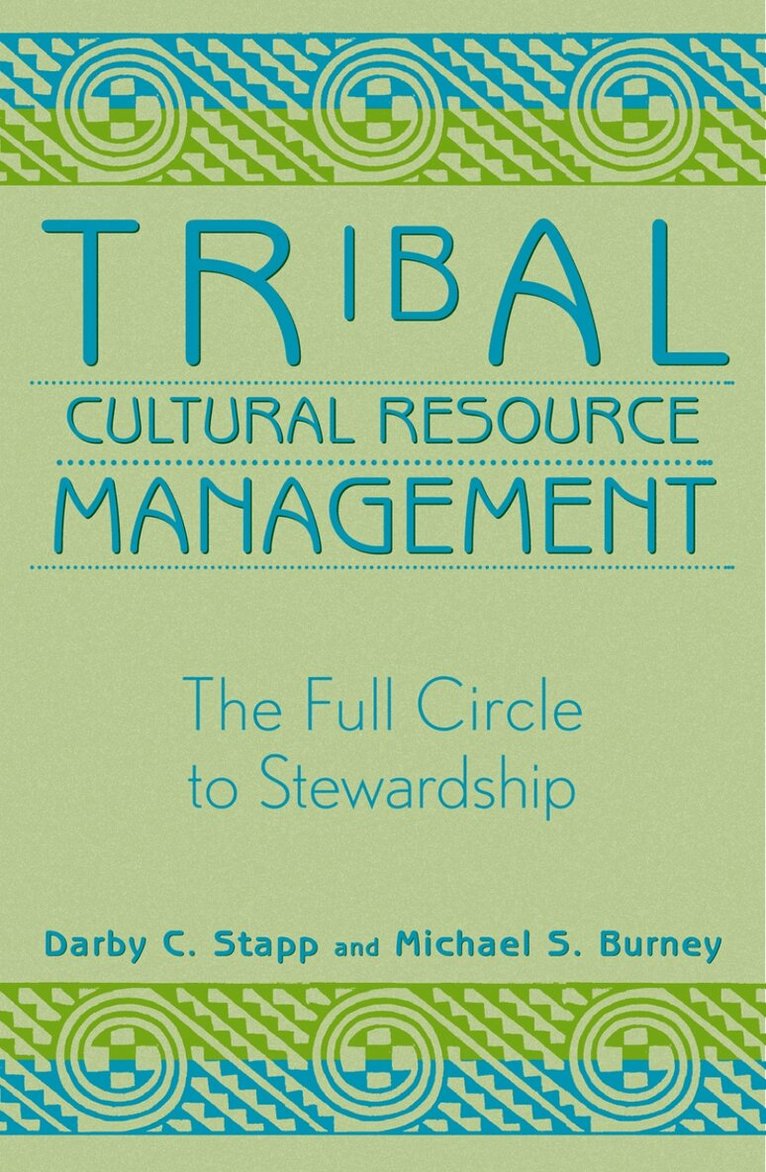
The entrance of Native Americans into the world of cultural resource management is forcing a change in the traditional paradigms that have guided archaeologists, anthropologists, and other CRM professionals. This book examines these developments from tribal perspectives, and articulates native views on the identification of cultural resources, how they should be handled and by whom, and what their meaning is in contemporary life. Sponsored by the Heritage Resources Management Program, University of Nevada, Reno
1 476 kr
Skickas inom 10-15 vardagar
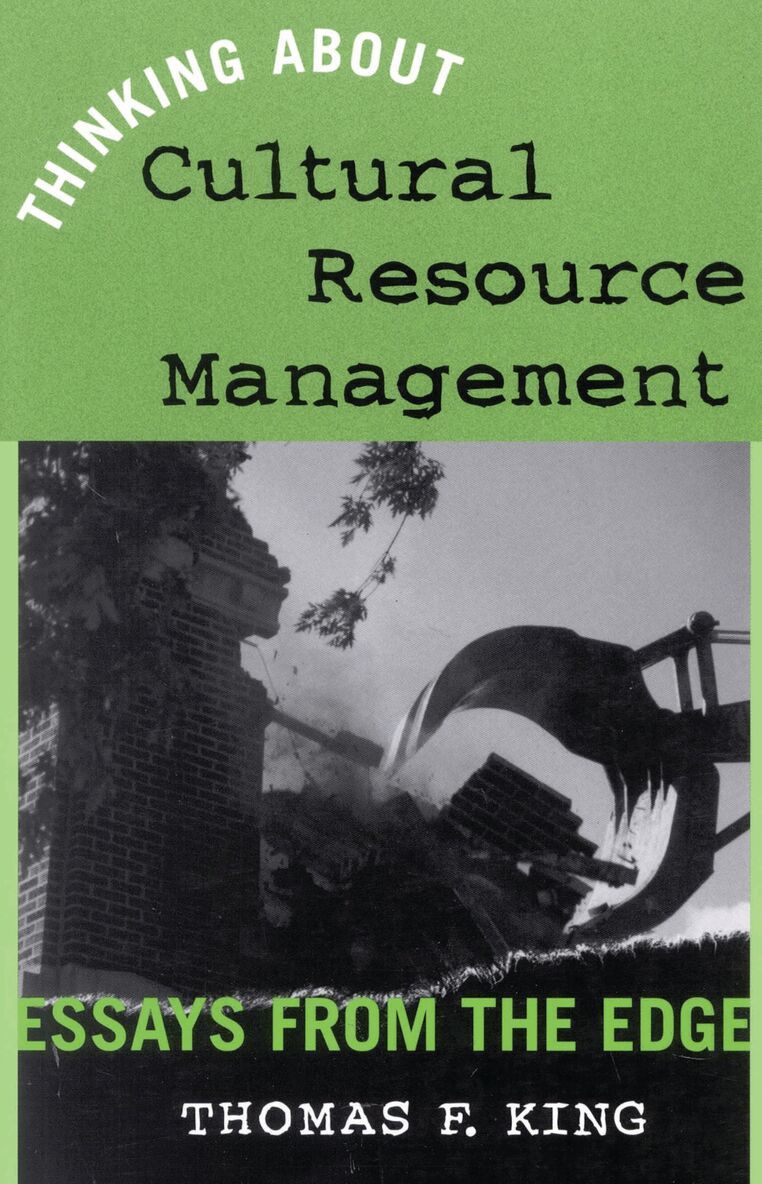
Tom King knows cultural resource management. As one of its long-standing practitioners, a key person in developing the regulations, and a consultant, trainer, and author of several important books on the topic, King's ideas on CRM have had a large impact on contemporary practice. In this witty, sardonic book, he outlines ways of improving how cultural resources are treated in America. King tackles everything from disciplinary blinders, NAGPRA, and the National Register to flaws in the Section 106 process, avaricious consultants, and the importance of meaningful consultation with native peoples. This brief work is an important source of new ideas for anyone working in this field and a good starting point for discussion in courses and training programs.
528 kr
Skickas inom 10-15 vardagar
Tom King knows cultural resource management. As one of its long-standing practitioners, a key person in developing the regulations, and a consultant, trainer, and author of several important books on the topic, King's ideas on CRM have had a large impact on contemporary practice. In this witty, sardonic book, he outlines ways of improving how cultural resources are treated in America. King tackles everything from disciplinary blinders, NAGPRA, and the National Register to flaws in the Section 106 process, avaricious consultants, and the importance of meaningful consultation with native peoples. This brief work is an important source of new ideas for anyone working in this field and a good starting point for discussion in courses and training programs.
1 355 kr
Tillfälligt slut
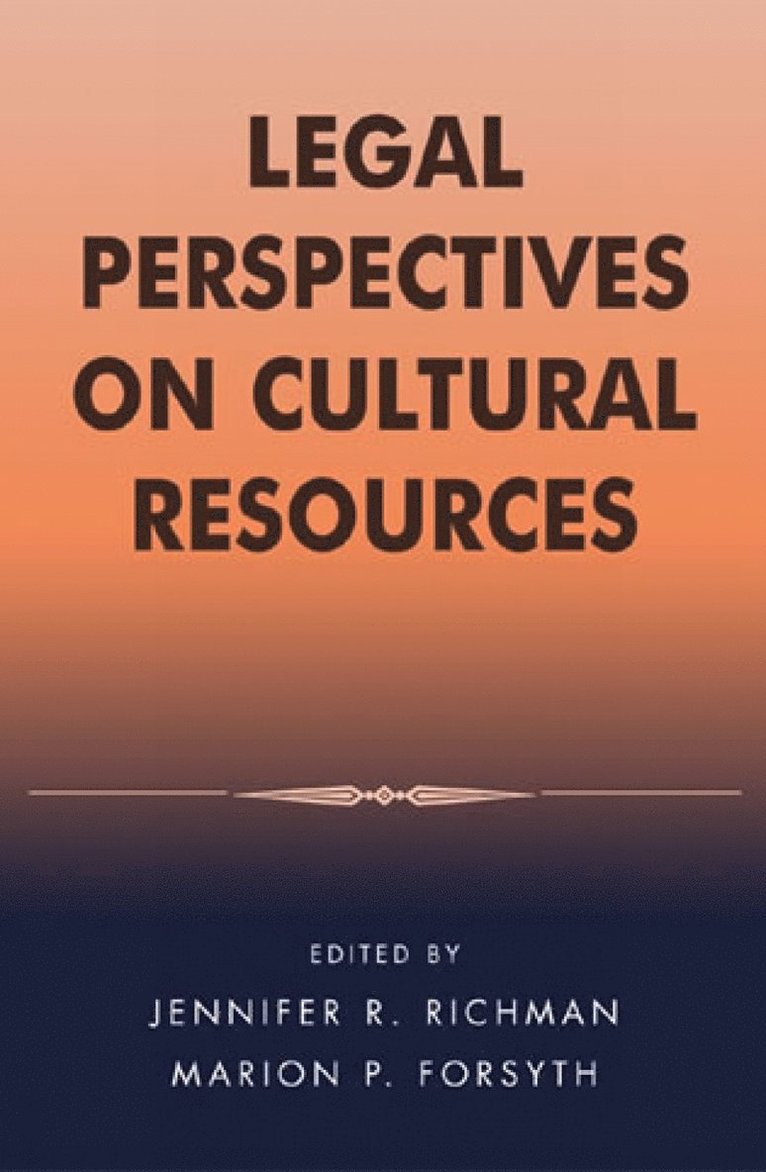
Today's archaeologists and law practitioners must have an increased awareness of legal issues pertaining to historic preservation and cultural resource management (CRM). Archaeological sites and finds are non-renewable resources inciting numerous legal debates based upon claims of legitimacy and ownership. In this edited volume of original articles, law professionals and legal scholars offer their perspectives on current debates for the heritage community, giving multiple viewpoints and injecting historical depth to contemporary legal controversies. The contributions focus on three key issues: Enforcement and Preservation; International Issues; and Repatriation—in which insights are given on topics such as underwater cultural heritage, global trade and export, illegal trafficking of antiquities, domestic law enforcement, and indigenous people's legal rights. Famous cases such as the Elgin Marbles and the Kennewick Man, as well as laws such as NAGPRA and McClain doctrine are discussed at length. This book will be an indispensable resource to CRM practitioners, cultural property attorneys, archaeologists, community heritage groups, tribes, museums and galleries, or anyone interested in the preservation of American and global cultural heritage.
599 kr
Skickas inom 10-15 vardagar
Today's archaeologists and law practitioners must have an increased awareness of legal issues pertaining to historic preservation and cultural resource management (CRM). Archaeological sites and finds are non-renewable resources inciting numerous legal debates based upon claims of legitimacy and ownership. In this edited volume of original articles, law professionals and legal scholars offer their perspectives on current debates for the heritage community, giving multiple viewpoints and injecting historical depth to contemporary legal controversies. The contributions focus on three key issues: Enforcement and Preservation; International Issues; and Repatriation—in which insights are given on topics such as underwater cultural heritage, global trade and export, illegal trafficking of antiquities, domestic law enforcement, and indigenous people's legal rights. Famous cases such as the Elgin Marbles and the Kennewick Man, as well as laws such as NAGPRA and McClain doctrine are discussed at length. This book will be an indispensable resource to CRM practitioners, cultural property attorneys, archaeologists, community heritage groups, tribes, museums and galleries, or anyone interested in the preservation of American and global cultural heritage.
1 520 kr
Skickas inom 10-15 vardagar
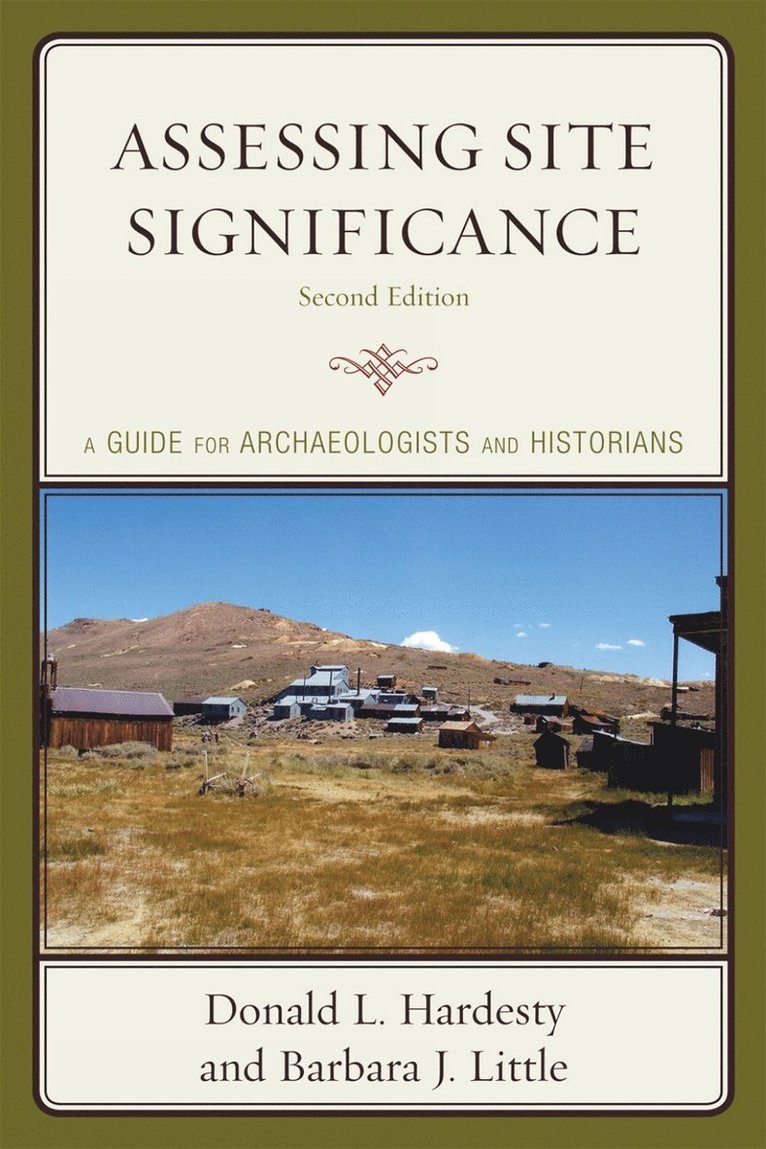
Assessing Site Significance is an invaluable resource for archaeologists and others who need guidance in determining whether sites are eligible for listing in the National Register of Historic Places (NRHP). Because the register's eligibility criteria were largely developed for standing sites, it is difficult to know in any particular case whether a site known primarily through archaeological work has sufficient 'historical significance' to be listed. Hardesty and Little address these challenges, describing how to file for NRHP eligibility and how to determine the historical significance of archaeological properties. This second edition brings everything up to date, and includes new material on 17th- and 18th-century sites, traditional cultural properties, shipwrecks, Japanese internment camps, and military properties.
612 kr
Skickas inom 10-15 vardagar
Assessing Site Significance is an invaluable resource for archaeologists and others who need guidance in determining whether sites are eligible for listing in the National Register of Historic Places (NRHP). Because the register's eligibility criteria were largely developed for standing sites, it is difficult to know in any particular case whether a site known primarily through archaeological work has sufficient 'historical significance' to be listed. Hardesty and Little address these challenges, describing how to file for NRHP eligibility and how to determine the historical significance of archaeological properties. This second edition brings everything up to date, and includes new material on 17th- and 18th-century sites, traditional cultural properties, shipwrecks, Japanese internment camps, and military properties.
1 619 kr
Skickas inom 10-15 vardagar
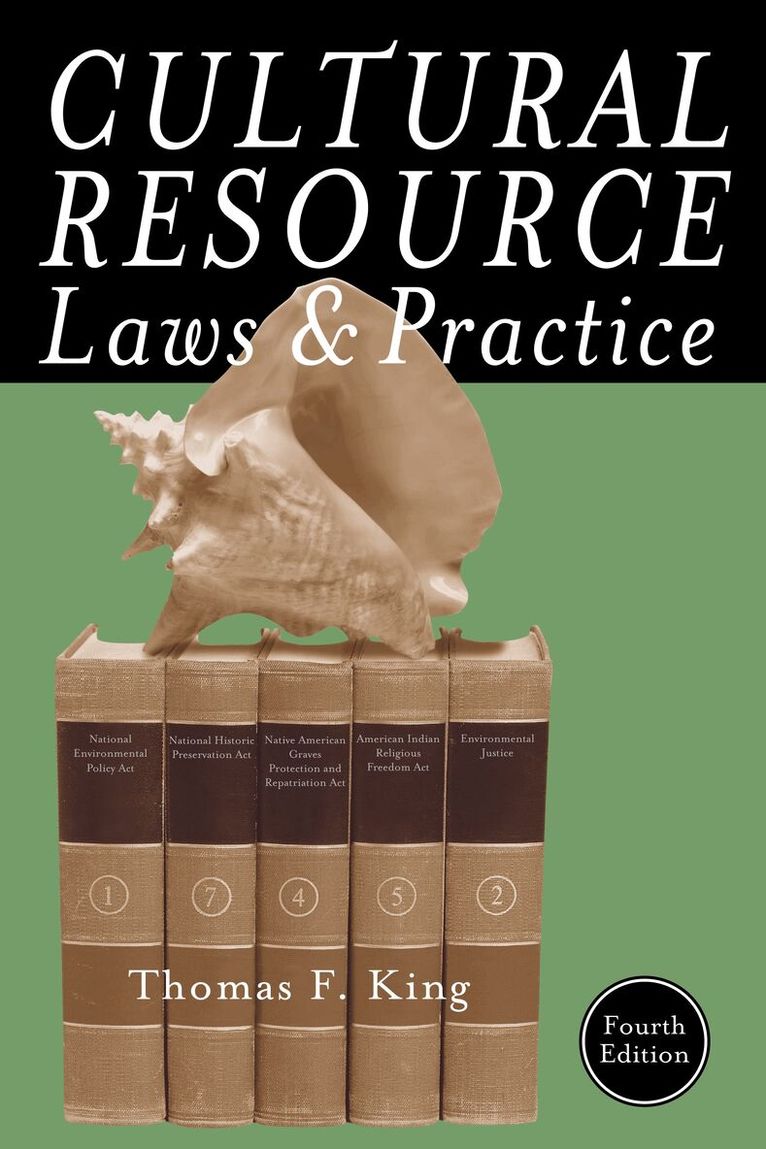
In this fourth edition of the CRM classic, Thomas F. King shares his expertise in dealing with laws regulating the use of cultural resources. With wry insight, he explains the various federal, state, and local laws governing the protection of resources, how they have been interpreted, how they operate in practice, and even how they are sometimes in contradiction with each other. He provides helpful advice on how to ensure regulatory compliance in dealing with archaeological sites, historic buildings, urban districts, sacred sites and objects, shipwrecks, and archives. King also offers careful guidance through the confusing array of federal, state, and tribal offices concerned with CRM. Featuring updated analysis and treatments of key topics, this new edition is a must-have for archaeologists and students, historic preservationists, tribal governments, and others working with cultural resources.
764 kr
Skickas inom 10-15 vardagar
In this fourth edition of the CRM classic, Thomas F. King shares his expertise in dealing with laws regulating the use of cultural resources. With wry insight, he explains the various federal, state, and local laws governing the protection of resources, how they have been interpreted, how they operate in practice, and even how they are sometimes in contradiction with each other. He provides helpful advice on how to ensure regulatory compliance in dealing with archaeological sites, historic buildings, urban districts, sacred sites and objects, shipwrecks, and archives. King also offers careful guidance through the confusing array of federal, state, and tribal offices concerned with CRM. Featuring updated analysis and treatments of key topics, this new edition is a must-have for archaeologists and students, historic preservationists, tribal governments, and others working with cultural resources.