Historical Sourcebooks in Classical Indian Thought - Böcker
Visar alla böcker i serien Historical Sourcebooks in Classical Indian Thought. Handla med fri frakt och snabb leverans.
8 produkter
8 produkter
1 264 kr
Skickas inom 7-10 vardagar
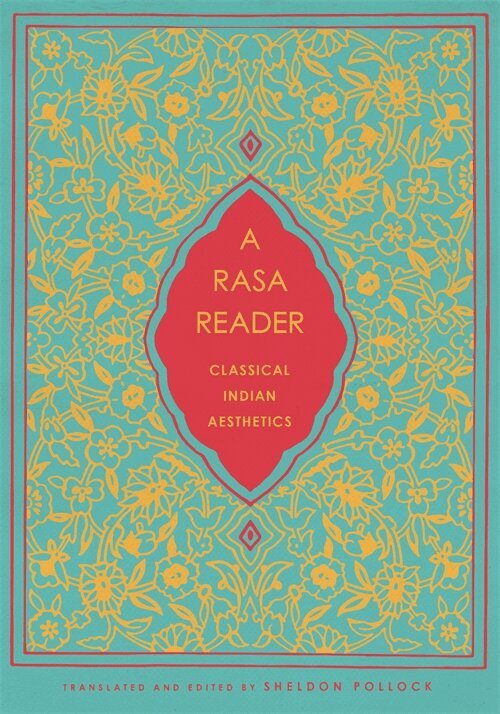
From the early years of the Common Era to 1700, Indian intellectuals explored with unparalleled subtlety the place of emotion in art. Their investigations led to the deconstruction of art's formal structures and broader inquiries into the pleasure of tragic tales. Rasa, or taste, was the word they chose to describe art's aesthetics, and their passionate effort to pin down these phenomena became its own remarkable act of creation. This book is the first in any language to follow the evolution of rasa from its origins in dramaturgical thought-a concept for the stage-to its flourishing in literary thought-a concept for the page. A Rasa Reader incorporates primary texts by every significant thinker on classical Indian aesthetics, many never translated before. The arrangement of the selections captures the intellectual dynamism that has powered this debate for centuries. Headnotes explain the meaning and significance of each text, a comprehensive introduction summarizes major threads in intellectual-historical terms, and critical endnotes and an extensive bibliography add further depth to the selections.The Sanskrit theory of emotion in art is one of the most sophisticated in the ancient world, a precursor of the work being done today by critics and philosophers of aesthetics. A Rasa Reader's conceptual detail, historical precision, and clarity will appeal to any scholar interested in a full portrait of global intellectual development. A Rasa Reader is the inaugural book in the Historical Sourcebooks in Classical Indian Thought series, edited by Sheldon Pollock. These text-based books guide readers through the most important forms of classical Indian thought, from epistemology, rhetoric, and hermeneutics to astral science, yoga, and medicine. Each volume provides fresh translations of key works, headnotes to contextualize selections, a comprehensive analysis of major lines of development within the discipline, and exegetical and text-critical endnotes, as well as a bibliography. Designed for comparativists and interested general readers, Historical Sourcebooks is also a great resource for advanced scholars seeking authoritative commentary on challenging works.
321 kr
Skickas inom 7-10 vardagar
From the early years of the Common Era to 1700, Indian intellectuals explored with unparalleled subtlety the place of emotion in art. Their investigations led to the deconstruction of art's formal structures and broader inquiries into the pleasure of tragic tales. Rasa, or taste, was the word they chose to describe art's aesthetics, and their passionate effort to pin down these phenomena became its own remarkable act of creation. This book is the first in any language to follow the evolution of rasa from its origins in dramaturgical thought-a concept for the stage-to its flourishing in literary thought-a concept for the page. A Rasa Reader incorporates primary texts by every significant thinker on classical Indian aesthetics, many never translated before. The arrangement of the selections captures the intellectual dynamism that has powered this debate for centuries. Headnotes explain the meaning and significance of each text, a comprehensive introduction summarizes major threads in intellectual-historical terms, and critical endnotes and an extensive bibliography add further depth to the selections.The Sanskrit theory of emotion in art is one of the most sophisticated in the ancient world, a precursor of the work being done today by critics and philosophers of aesthetics. A Rasa Reader's conceptual detail, historical precision, and clarity will appeal to any scholar interested in a full portrait of global intellectual development. A Rasa Reader is the inaugural book in the Historical Sourcebooks in Classical Indian Thought series, edited by Sheldon Pollock. These text-based books guide readers through the most important forms of classical Indian thought, from epistemology, rhetoric, and hermeneutics to astral science, yoga, and medicine. Each volume provides fresh translations of key works, headnotes to contextualize selections, a comprehensive analysis of major lines of development within the discipline, and exegetical and text-critical endnotes, as well as a bibliography. Designed for comparativists and interested general readers, Historical Sourcebooks is also a great resource for advanced scholars seeking authoritative commentary on challenging works.
753 kr
Skickas inom 7-10 vardagar
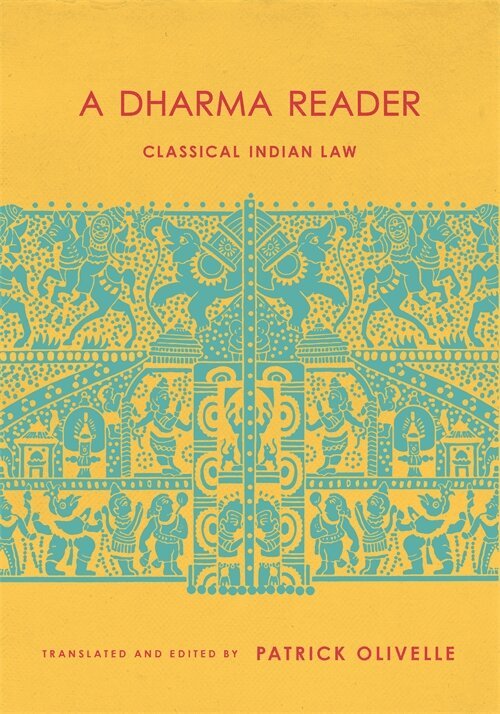
Whether defined by family, lineage, caste, professional or religious association, village, or region, India's diverse groups did settle on a concept of law in classical times. How did they reach this consensus? Was it based on religious grounds or a transcendent source of knowledge? Did it depend on time and place? And what apparatus did communities develop to ensure justice was done, verdicts were fair, and the guilty were punished? Addressing these questions and more, A Dharma Reader traces the definition, epistemology, procedure, and process of Indian law from the third century B.C.E. to the middle ages. Its breadth captures the centuries-long struggle by Indian thinkers to theorize law in a multiethnic and pluralist society. The volume includes new and accessible translations of key texts, notes that explain the significance and chronology of selections, and a comprehensive introduction that summarizes the development of various disciplines in intellectual-historical terms. It reconstructs the principal disputes of a given discipline, which not only clarifies the arguments but also relays the dynamism of the fight.For those seeking a richer understanding of the political and intellectual origins of a major twenty-first-century power, along with unique insight into the legal interactions among its many groups, this book offers exceptional detail, historical precision, and expository illumination.
753 kr
Tillfälligt slut
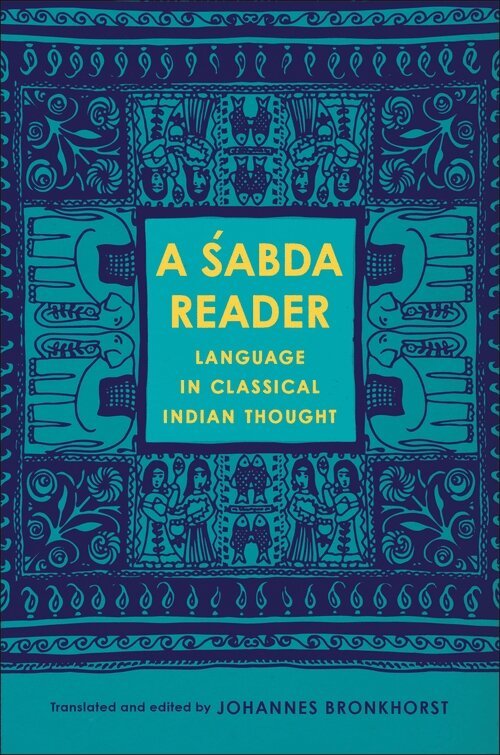
Language (śabda) occupied a central yet often unacknowledged place in classical Indian philosophical thought. Foundational thinkers considered topics such as the nature of language, its relationship to reality, the nature and existence of linguistic units and their capacity to convey meaning, and the role of language in the interpretation of sacred writings. The first reader on language in—and the language of—classical Indian philosophy, A Śabda Reader offers a comprehensive and pedagogically valuable treatment of this topic and its importance to Indian philosophical thought.A Śabda Reader brings together newly translated passages by authors from a variety of traditions—Brahmin, Buddhist, Jaina—representing a number of schools of thought. It illuminates issues such as how Brahmanical thinkers understood the Veda and conceived of Sanskrit; how Buddhist thinkers came to assign importance to language’s link to phenomenal reality; how Jains saw language as strictly material; the possibility of self-contradictory sentences; and how words affect thought. Throughout, the volume shows that linguistic presuppositions and implicit notions about language often play as significant a role as explicit ideas and formal theories. Including an introduction that places the texts and ideas in their historical and cultural context, A Śabda Reader sheds light on a crucial aspect of classical Indian thought and in so doing deepens our understanding of the philosophy of language.
1 888 kr
Kommande
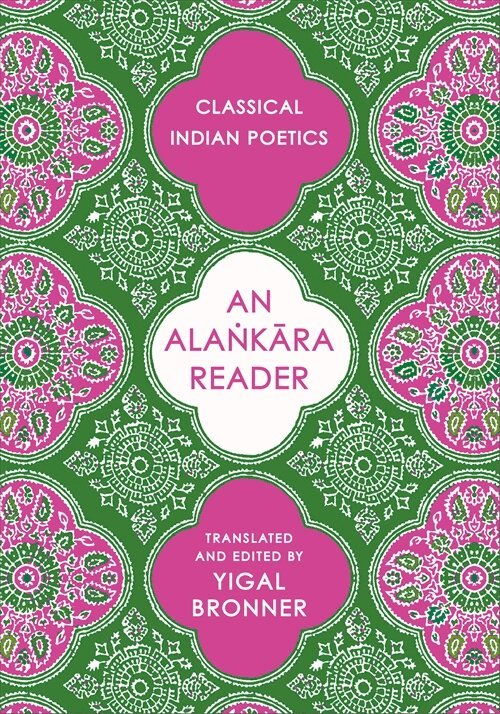
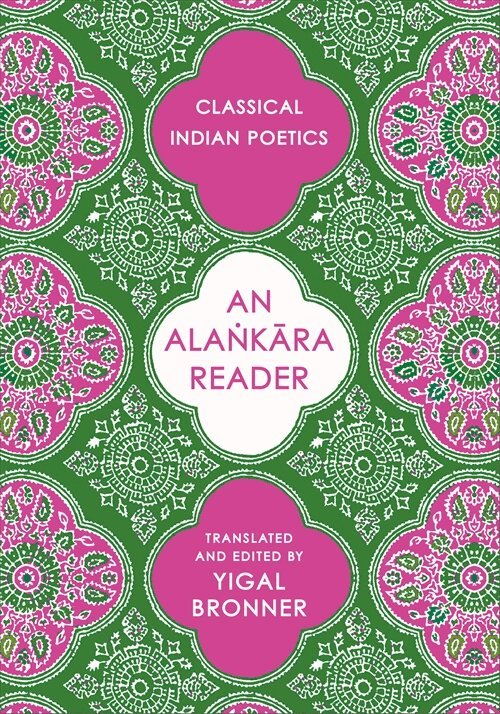
Classical Indian poetics prized the skillful use of alaṅkāras, or “ornaments”—literary figures of speech. Across more than a millennium, Sanskrit writers developed and elaborated an account of literary embellishment that is perhaps the world’s most complex and long-standing theory of figuration. Yet it remains the least studied of India’s major classical systems of thought.An Alaṅkāra Reader is a groundbreaking panoramic overview of this tradition, presenting extensive and accessible translations of key works that span its history, from the sixth century CE to the eighteenth. These texts vividly show how Indian theorists analyzed simile, metaphor, allegory, and dozens of other figures that are distinctive to their world. Yigal Bronner’s commentary makes Sanskrit concepts of ornamentation approachable while placing them in historical context. He provides a new account of the history of Sanskrit poetics, showing how it underwent successive waves of theoretical revolutions and emerged as a prestigious field that attracted a variety of scholars in the early modern era.Featuring many previously untranslated texts, An Alaṅkāra Reader is an essential resource for the study of classical Indian thought, the intellectual history of South Asia, and comparative literature. It reveals the depth and nuance of Sanskrit’s “science of ornaments” for anyone interested in poetic theory, figuration, and aesthetics across world traditions.
1 837 kr
Kommande
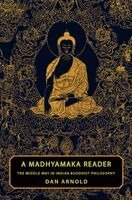
Stemming from the works of Nāgārjuna (ca. 150 CE), one of the most influential thinkers in the history of Buddhist philosophy, the Madhyamaka (“Middle Way”) tradition flourished for over a thousand years in India as one of two main streams of thought in Mahāyāna Buddhism. To this day, most Tibetan Buddhists consider Madhyamaka to represent the pinnacle of Buddhist thought.An anthology of original translations of Sanskrit philosophical works, A Madhyamaka Reader traces the arc of the Middle Way school over the course of its history. Presenting lengthy selections—including several complete texts—from the tradition’s main contributors, this book represents all the main currents over nearly a millennium of Madhyamaka philosophy’s development in India. The selections are prefaced by interpretive introductions that provide the background and context needed to grasp the distinctive contributions made by each text, and Dan Arnold’s clear and accessible translations enable readers to follow for themselves the arguments of some of the Buddhist world’s greatest philosophers. Suitable for a range of courses in Buddhist and comparative philosophy, A Madhyamaka Reader offers a comprehensive overview of one of the Buddhist world’s most significant traditions of thought.
471 kr
Kommande
Stemming from the works of Nāgārjuna (ca. 150 CE), one of the most influential thinkers in the history of Buddhist philosophy, the Madhyamaka (“Middle Way”) tradition flourished for over a thousand years in India as one of two main streams of thought in Mahāyāna Buddhism. To this day, most Tibetan Buddhists consider Madhyamaka to represent the pinnacle of Buddhist thought.An anthology of original translations of Sanskrit philosophical works, A Madhyamaka Reader traces the arc of the Middle Way school over the course of its history. Presenting lengthy selections—including several complete texts—from the tradition’s main contributors, this book represents all the main currents over nearly a millennium of Madhyamaka philosophy’s development in India. The selections are prefaced by interpretive introductions that provide the background and context needed to grasp the distinctive contributions made by each text, and Dan Arnold’s clear and accessible translations enable readers to follow for themselves the arguments of some of the Buddhist world’s greatest philosophers. Suitable for a range of courses in Buddhist and comparative philosophy, A Madhyamaka Reader offers a comprehensive overview of one of the Buddhist world’s most significant traditions of thought.
499 kr
Kommande
Classical Indian poetics prized the skillful use of alaṅkāras, or “ornaments”—literary figures of speech. Across more than a millennium, Sanskrit writers developed and elaborated an account of literary embellishment that is perhaps the world’s most complex and long-standing theory of figuration. Yet it remains the least studied of India’s major classical systems of thought.An Alaṅkāra Reader is a groundbreaking panoramic overview of this tradition, presenting extensive and accessible translations of key works that span its history, from the sixth century CE to the eighteenth. These texts vividly show how Indian theorists analyzed simile, metaphor, allegory, and dozens of other figures that are distinctive to their world. Yigal Bronner’s commentary makes Sanskrit concepts of ornamentation approachable while placing them in historical context. He provides a new account of the history of Sanskrit poetics, showing how it underwent successive waves of theoretical revolutions and emerged as a prestigious field that attracted a variety of scholars in the early modern era.Featuring many previously untranslated texts, An Alaṅkāra Reader is an essential resource for the study of classical Indian thought, the intellectual history of South Asia, and comparative literature. It reveals the depth and nuance of Sanskrit’s “science of ornaments” for anyone interested in poetic theory, figuration, and aesthetics across world traditions.