History of Military Occupation – serie
Visar alla böcker i serien History of Military Occupation. Handla med fri frakt och snabb leverans.
5 produkter
5 produkter
442 kr
Skickas inom 7-10 vardagar
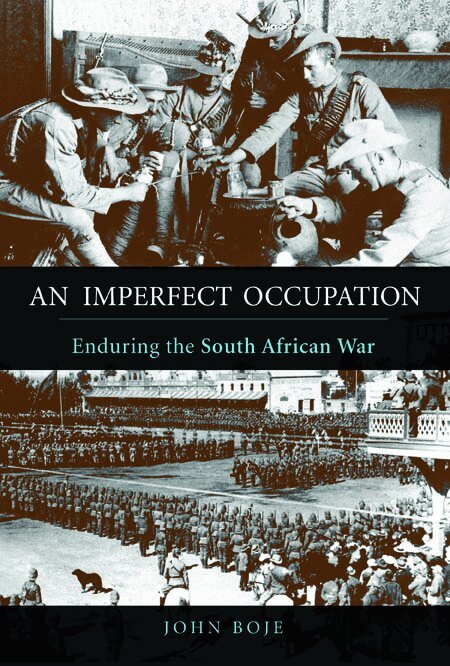
The South African War (1899–1902), also called the Boer War and Anglo-Boer War, began as a conventional conflict. It escalated into a savage irregular war fought between the two Boer republics and a British imperial force that adopted a scorched-earth policy and used concentration camps to break the will of Afrikaner patriots and Boer guerrillas. In An Imperfect Occupation , John Boje delves into the agonizing choices faced by Winburg district residents during the British occupation. Afrikaner men fought or evaded combat or collaborated; Afrikaner women fled over the veld or submitted to life in the camps; and black Africans weighed the life or death consequences of taking sides. Boje's sensitive analysis showcases the motives, actions, and reactions of Boers and Africans alike as initial British accommodation gave way to ruthlessness. Challenging notions of Boer unity and homogeneity, Boje illustrates the precarious tightrope of resistance, neutrality, and collaboration walked by people on all sides. He also reveals how the repercussions of the war's transformative effect on Afrikaner identity plays out in today's South Africa. Readable and compassionate, An Imperfect Occupation provides a dramatic account of the often overlooked aspects of one of the first "modern" wars.
442 kr
Skickas inom 7-10 vardagar
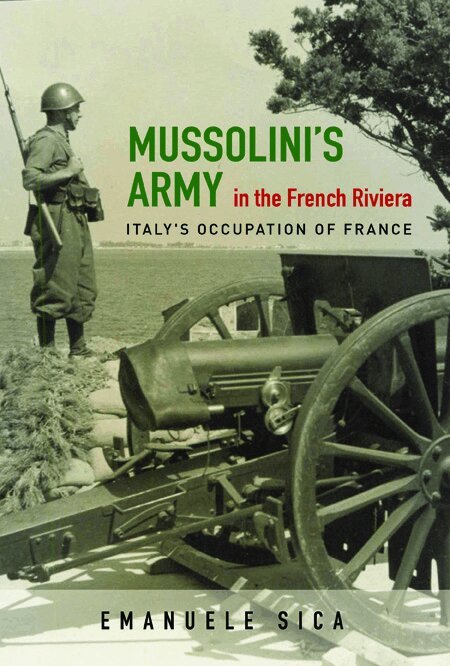
In contrast to its brutal seizure of the Balkans, the Italian Army's 1940-1943 relatively mild occupation of the French Riviera and nearby alpine regions bred the myth of the Italian brava gente, or good fellow, an agreeable occupier who abstained from the savage wartime behaviors so common across Europe. Employing a multi-tiered approach, Emanuele Sica examines the simultaneously conflicting and symbiotic relationship between the French population and Italian soldiers. At the grassroots level, Sica asserts that the cultural proximity between the soldiers and the local population, one-quarter of which was Italian, smoothed the sharp angles of miscommunication and cultural faux-pas at a time of great uncertainty. At the same time, it encouraged a laxness in discipline that manifested as fraternization and black marketeering. Sica's examination of political tensions highlights how French prefects and mayors fought to keep the tatters of sovereignty in the face of military occupation. In addition, he reveals the tense relationship between Fascist civilian authorities eager to fulfil imperial dreams of annexation and army leaders desperate to prevent any action that might provoke French insurrection. Finally, he completes the tableau with detailed accounts of how food shortages and French Resistance attacks brought sterner Italian methods, why the Fascists' attempted "Italianization" of the French border city of Menton failed, and the ways the occupation zone became an unlikely haven for Jews.
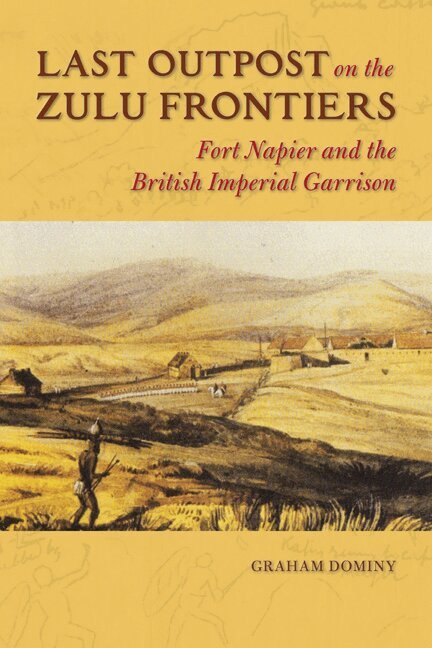
Last Outpost on the Zulu Frontiers
Fort Napier and the British Imperial Garrison
Inbunden, Engelska, 2016
366 kr
Skickas
Small and isolated in the Colony of Natal, Fort Napier was long treated like a temporary outpost of the expanding British Empire. Yet British troops manned this South African garrison for over seventy years. Tasked with protecting colonists, the fort became even more significant as an influence on, and reference point for, settler society. Graham Dominy's Last Outpost on the Zulu Frontier reveals the unexamined but pivotal role of Fort Napier in the peacetime public dramas of the colony. Its triumphalist colonial-themed pageantry belied colonists's worries about their own vulnerability. As Dominy shows, the cultural, political, and economic methods used by the garrison compensated for this perceived weakness. Settler elites married their daughters to soldiers to create and preserve an English-speaking oligarchy. At the same time, garrison troops formed the backbone of a consumer market that allowed colonists to form banking and property interests that consolidated their control.
454 kr
Skickas inom 11-20 vardagar
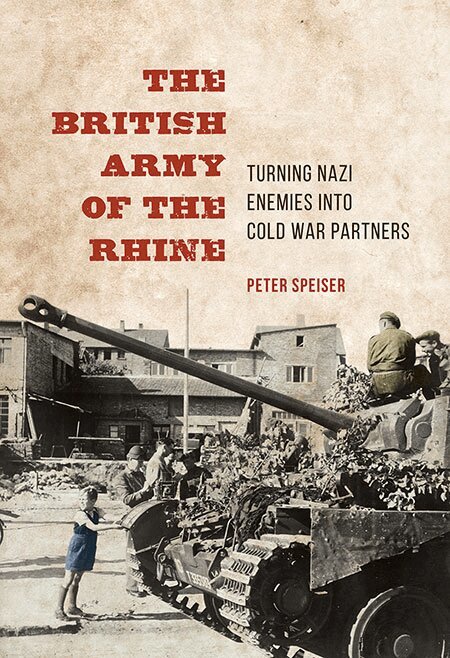
Between 1945 and 1957, West Germany made a dizzying pivot from Nazi bastion to Britain's Cold War ally against the Soviet Union. Successive London governments, though often faced with bitter public and military opposition, tasked the British Army of the Rhine (BAOR) to serve as a protecting force while strengthening West German integration into the Western defense structure. Peter Speiser charts the BAOR's fraught transformation from occupier to ally by looking at the charged nexus where British troops and their families interacted with Germany's civilian population. Examining the relationship on many levels, Speiser ranges from how British mass media representations of Germany influenced BAOR troops to initiatives taken by the Army to improve relations. He also weighs German perceptions, surveying clashes between soldiers and civilians and comparing the popularity of the British services with that of the other occupying powers. As Speiser shows, the BAOR's presence did not improve the relationship between British servicemen and the German populace, but it did prevent further deterioration during a crucial and dangerous period of the early Cold War.An incisive look at an under-researched episode, The British Army of the Rhine sheds new light on Anglo-German diplomatic, political, and social relations after 1945, and evaluates their impact on the wider context of European integration in the postwar era.
454 kr
Skickas inom 11-20 vardagar
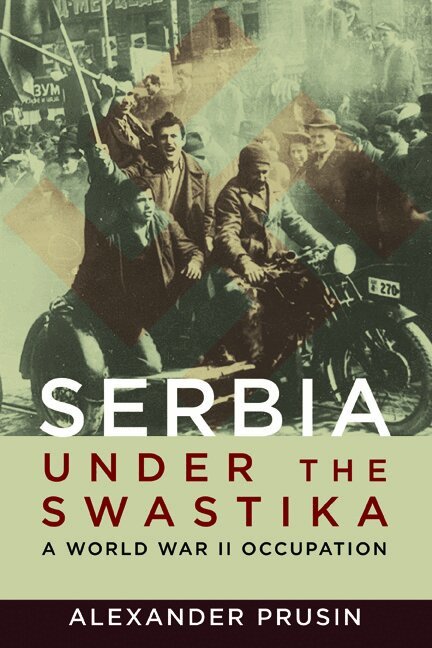
The 1941 Axis invasion of Yugoslavia initially left the German occupiers with a pacified Serbian heartland willing to cooperate in return for relatively mild treatment. Soon, however, the outbreak of resistance shattered Serbia's seeming tranquility, turning the country into a battlefield and an area of bitter civil war. Deftly merging political and social history, Serbia under the Swastika looks at the interactions between Germany’s occupation policies, the various forces of resistance and collaboration, and the civilian population. Alexander Prusin reveals a German occupying force at war with itself. Pragmatists intent on maintaining a sedate Serbia increasingly gave way to Nazified agencies obsessed with implementing the expansionist racial vision of the Third Reich. As Prusin shows, the increasing reliance on terror catalyzed conflict between the nationalist Chetniks, communist Partisans, and the collaborationist government. Prusin unwraps the winding system of expediency that at times led the factions to support one-another against the Germans--even as they fought a ferocious internecine civil war to determine the future of Yugoslavia.Comprehensive and judicious, Serbia under the Swastika is a rare English-language foray into the still-fraught history of Serbia in World War II.