Alexander Prusin – författare
Visar alla böcker från författaren Alexander Prusin. Handla med fri frakt och snabb leverans.
5 produkter
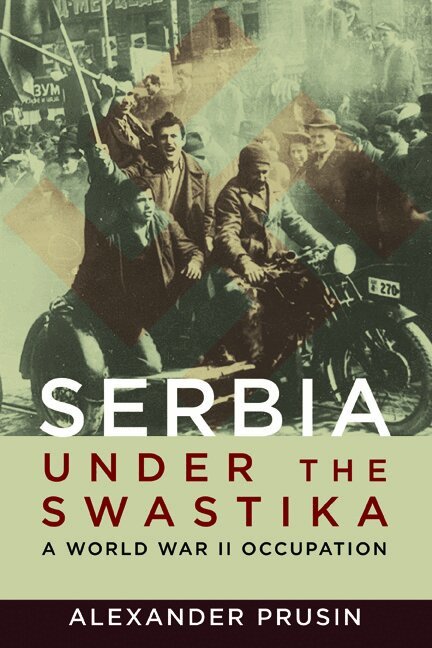
Serbia Under the Swastika
A World War II Occupation
Inbunden, 2017
524 kr
Lägg i varukorg
The 1941 Axis invasion of Yugoslavia initially left the German occupiers with a pacified Serbian heartland willing to cooperate in return for relatively mild treatment. Soon, however, the outbreak of resistance shattered Serbia's seeming tranquility, turning the country into a battlefield and an …
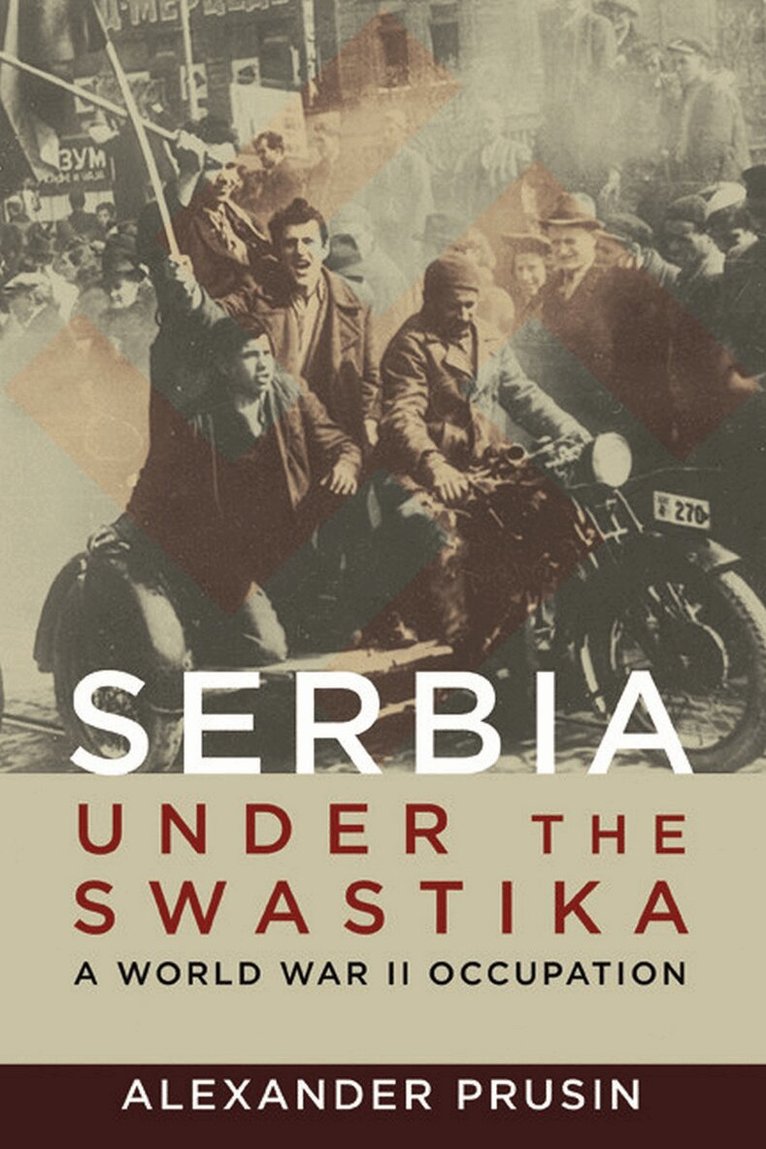
Serbia Under the Swastika
A World War II Occupation
E-bok, 2017
585 kr
Lägg i varukorg
The 1941 Axis invasion of Yugoslavia initially left the German occupiers with a pacified Serbian heartland willing to cooperate in return for relatively mild treatment. Soon, however, the outbreak of resistance shattered Serbia''s seeming tranquility, turning the country into a battlefield and an …
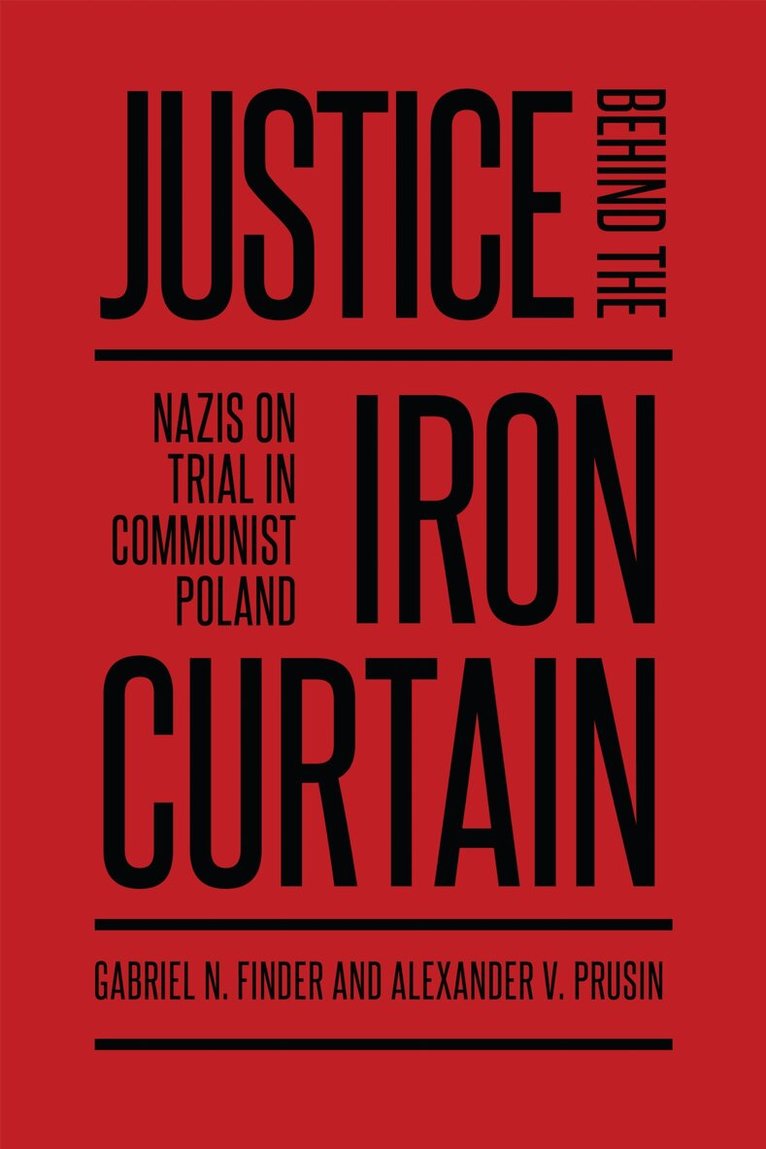
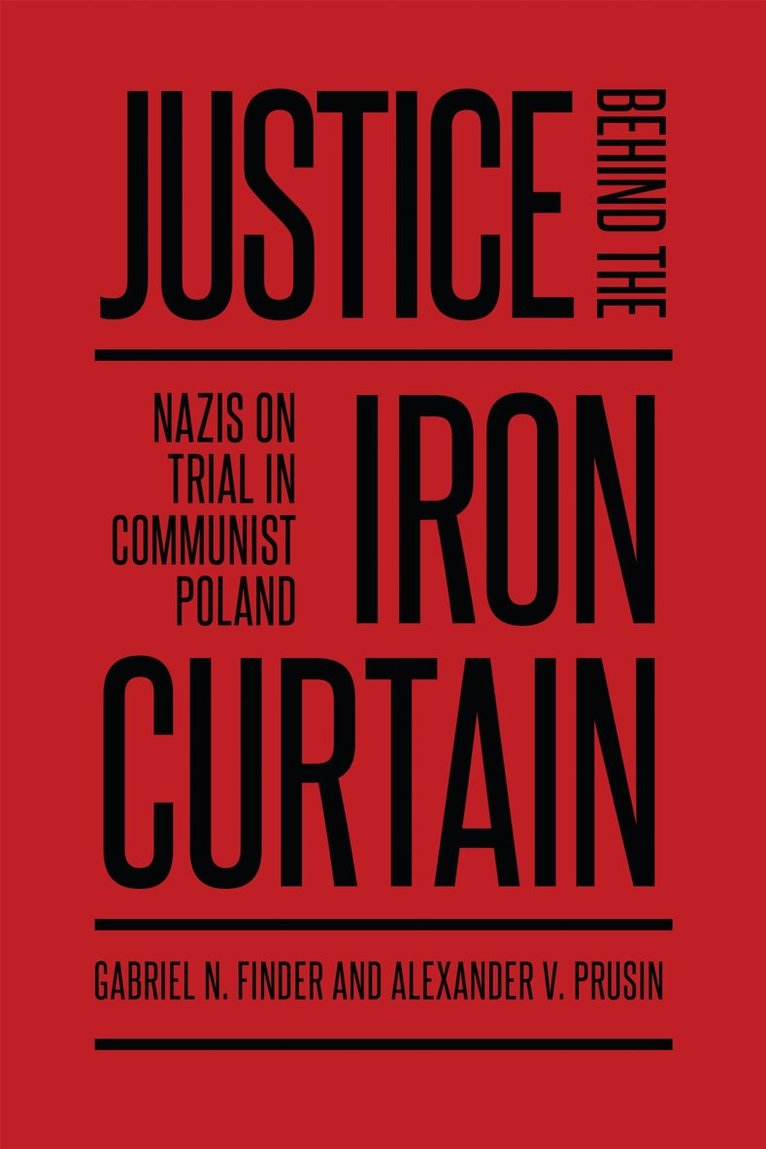
Justice Behind the Iron Curtain
Nazis on Trial in Communist Poland
Av Gabriel Finder, Alexander Prusin
E-bok, 2018
521 kr
Lägg i varukorg
In Justice behind the Iron Curtain, Gabriel N. Finder and Alexander V. Prusin examine Poland’s role in prosecuting Nazi German criminals during the first decade and a half of the postwar era. Finder and Prusin contend that the Polish trials of Nazi war criminals were a pragmatic political response …
Justice Behind the Iron Curtain
Nazis on Trial in Communist Poland
Av Gabriel Finder, Alexander Prusin
E-bok, 2018
521 kr
Lägg i varukorg
In Justice behind the Iron Curtain, Gabriel N. Finder and Alexander V. Prusin examine Poland’s role in prosecuting Nazi German criminals during the first decade and a half of the postwar era. Finder and Prusin contend that the Polish trials of Nazi war criminals were a pragmatic political response …
Justice Behind the Iron Curtain
Nazis on Trial in Communist Poland
Av Gabriel Finder, Alexander Prusin
Häftad, 2018
409 kr
Lägg i varukorg
In Justice behind the Iron Curtain, Gabriel N. Finder and Alexander V. Prusin examine Poland’s role in prosecuting Nazi German criminals during the first decade and a half of the postwar era. Finder and Prusin contend that the Polish trials of Nazi war criminals were a pragmatic political response …