Imperial Russia - Böcker
Visar alla böcker i serien Imperial Russia. Handla med fri frakt och snabb leverans.
3 produkter
3 produkter
1 413 kr
Skickas inom 5-8 vardagar
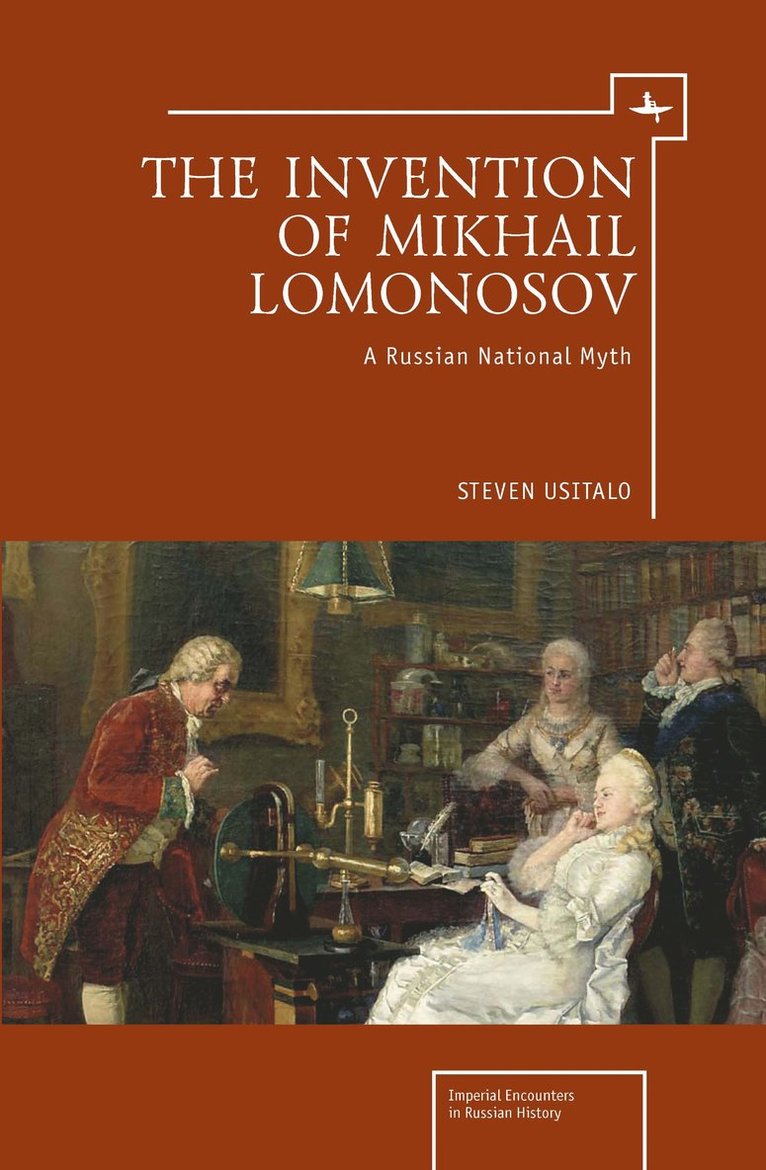
This study explores the evolution of Lomonosov’s imposing stature in Russian thought from the middle of the eighteenth century to the closing years of the Soviet period. It reveals much about the intersection in Russian culture of attitudes towards the meaning and significance of science, as well as about the rise of a Russian national identity, of which Lomonosov became an outstanding symbol. Idealised depictions of Lomonosov were employed by Russian scientists, historians, and poets, among others, in efforts to affirm to their countrymen and to the state the pragmatic advantages of science to a modernising nation. In setting forth this assumption, Usitalo notes that no sharply drawn division can be upheld between the utilisation of the myth of Lomonosov during the Soviet period of Russian history and that which characterised earlier views. The main elements that formed the mythology were laid down in the eighteenth and nineteenth centuries; Soviet scholars simply added more exaggerated layers to existing representations.
1 483 kr
Skickas inom 5-8 vardagar
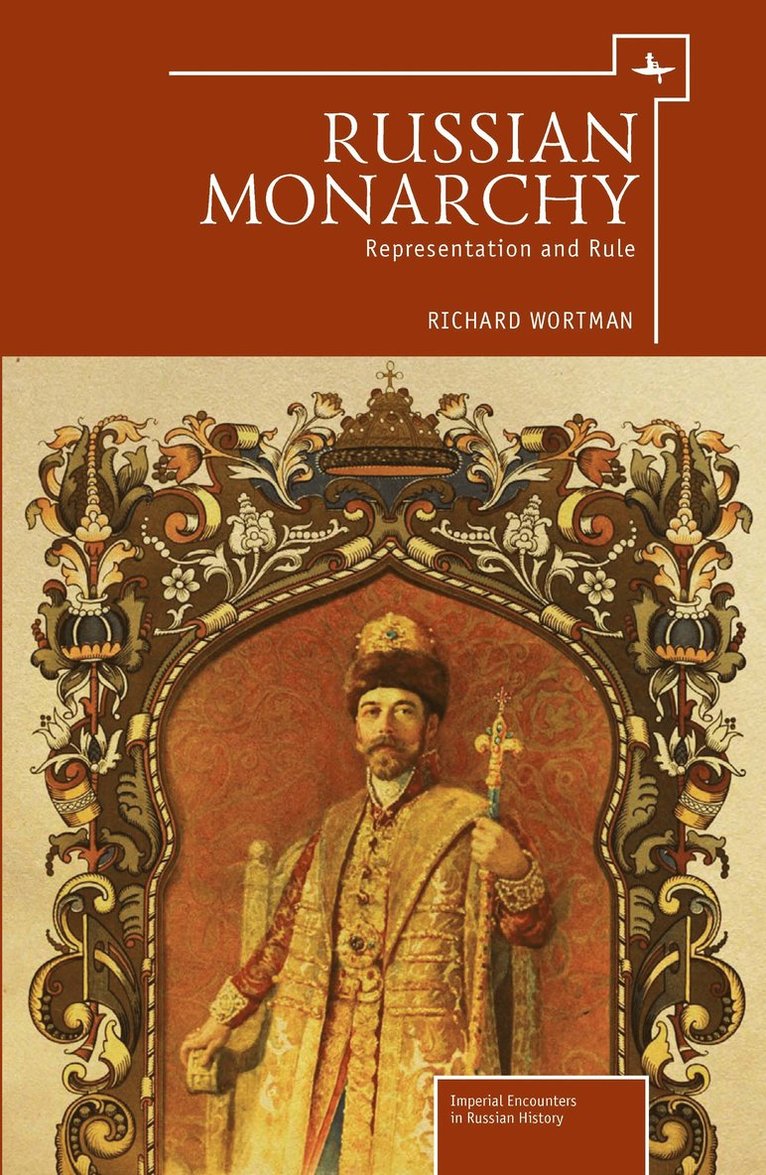
Russian Monarchy: Representation and Rule is devoted to studies of the political culture of the Russian monarchy as it influenced aspects of historical development such as law, representations of family, and concepts of nation and empire. The articles show how the narratives described in the author’s two-volume study, Scenarios of Power, guided monarchical rule, shaped the thought patterns not only of the tsar and the imperial family but also of the political and social elite, and set the parameters of compromise that so constrained the policies of imperial Russia.
427 kr
Skickas inom 5-8 vardagar
This study explores the evolution of Lomonosov’s imposing stature in Russian thought from the middle of the eighteenth century to the closing years of the Soviet period. It reveals much about the intersection in Russian culture of attitudes towards the meaning and significance of science, as well as about the rise of a Russian national identity, of which Lomonosov became an outstanding symbol. Idealized depictions of Lomonosov were employed by Russian scientists, historians, and poets, among others, in efforts to affirm to their countrymen and to the state the pragmatic advantages of science to a modernizing nation. In setting forth this assumption, Usitalo notes that no sharply drawn division can be upheld between the utilization of the myth of Lomonosov during the Soviet period of Russian history and that which characterized earlier views. The main elements that formed the mythology were laid down in the eighteenth and nineteenth centuries; Soviet scholars simply added more exaggerated layers to existing representations.