Indigenous Films - Böcker
Visar alla böcker i serien Indigenous Films. Handla med fri frakt och snabb leverans.
5 produkter
5 produkter
312 kr
Skickas inom 10-15 vardagar
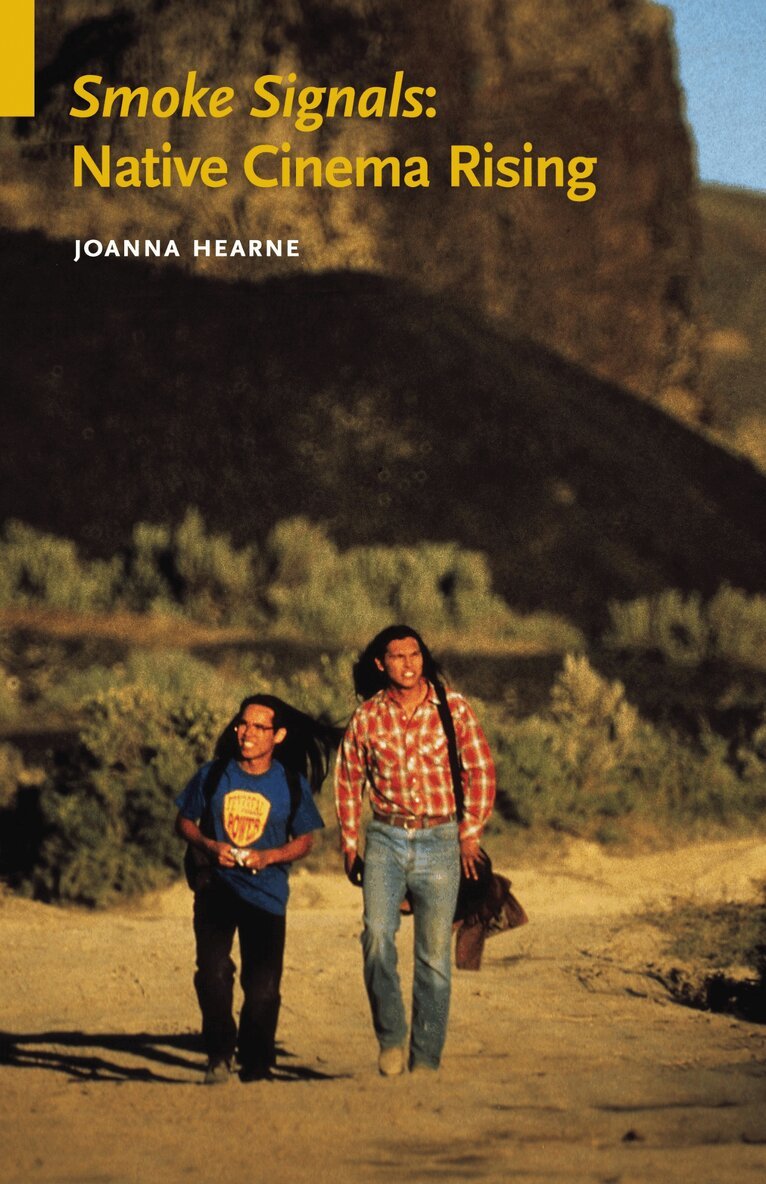
Smoke Signals is a historical milestone in Native American filmmaking. Released in 1998 and based on a short-story collection by Sherman Alexie, it was the first wide-release feature film written, directed, coproduced, and acted by Native Americans. The most popular Native American film of all time, Smoke Signals is also an innovative work of cinematic storytelling that demands sustained critical attention in its own right. Embedded in Smoke Signals's universal story of familial loss and renewal are uniquely Indigenous perspectives about political sovereignty, Hollywood's long history of misrepresentation, and the rise of Indigenous cinema across the twentieth and twenty-first centuries. Joanna Hearne's work foregrounds the voices of the filmmakers and performers—in interviews with Alexie and director Chris Eyre, among others—to explore the film's audiovisual and narrative strategies for speaking to multiple audiences. In particular, Hearne examines the filmmakers' appropriation of mainstream American popular culture forms to tell a Native story. Focusing in turn on the production and reception of the film and issues of performance, authenticity, social justice, and environmental history within the film's text and context, this in-depth introduction and analysis expands our understanding and deepens our enjoyment of a Native cinema landmark.
220 kr
Skickas inom 10-15 vardagar
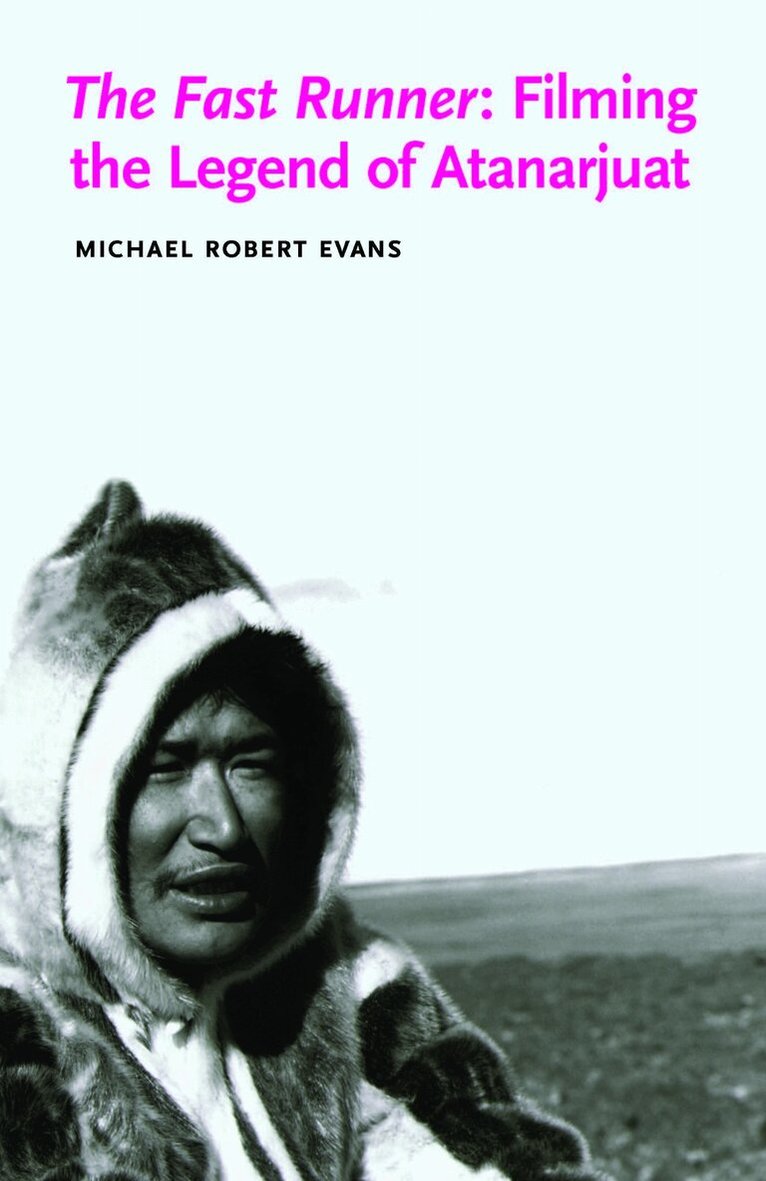
One of the most important Native films of all time, Atanarjuat, the Fast Runner tells a powerful and moving story about honor, betrayal, vengeance, and redemption. Set in the vast, visually stunning Arctic landscape, it was the first feature film written, directed, and acted entirely in Inuktitut, the language of Canada's Inuit people. Canada's top-grossing release of 2002, the film became an international phenomenon, receiving the prestigious Camera d'Or Award at the Cannes Film Festival and earning rave reviews from every quarter, including Margaret Atwood ("like Homer with a video camera"), Claude Lévi-Strauss, Jacques Chirac, and Roger Ebert. "The Fast Runner": Filming the Legend of Atanarjuat takes readers behind the cameras, introducing them to the culture, history, traditions, and people that made this movie extraordinary. Michael Robert Evans explores how the epic film, perhaps the most significant text ever produced by indigenous filmmakers, artfully married the latest in video technology with the traditional storytelling of the Inuit. Tracing Atanarjuat from inception through production to reception, Evans shows how the filmmakers managed this complex intercultural "marriage"; how Igloolik Isuma Productions, the world's premier indigenous film company, works; and how Inuit history and culture affected the film's production, release, and worldwide response. His book is a unique, enlightening introduction and analysis of a film that serves as a model of autonomous media production for the more than 350 million indigenous people around the world.
312 kr
Skickas inom 10-15 vardagar
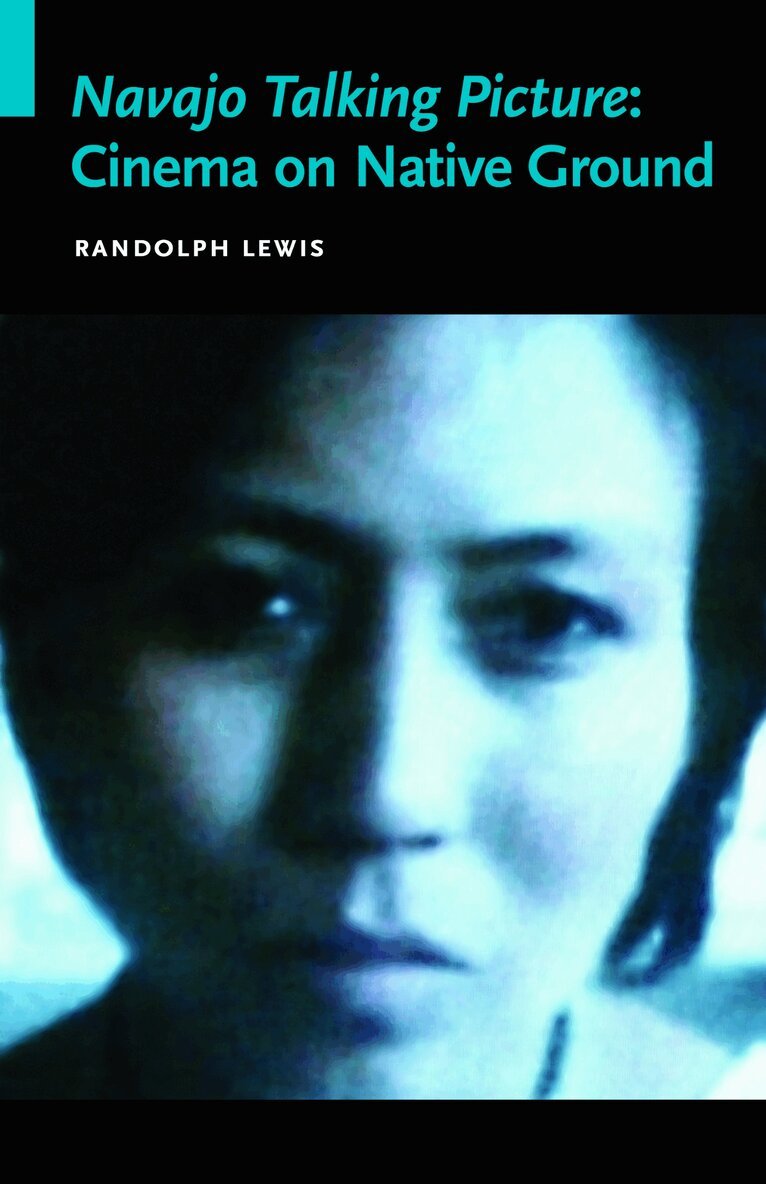
Navajo Talking Picture, released in 1985, is one of the earliest and most controversial works of Native cinema. It is a documentary by Los Angeles filmmaker Arlene Bowman, who travels to the Navajo reservation to record the traditional ways of her grandmother in order to understand her own cultural heritage. For reasons that have often confused viewers, the filmmaker persists despite her traditional grandmother's forceful objections to the apparent invasion of her privacy. What emerges is a strange and thought-provoking work that abruptly calls into question the issue of insider versus outsider and other assumptions that have obscured the complexities of Native art.Randolph Lewis offers an insightful introduction and analysis of Navajo Talking Picture, in which he shows that it is not simply the first Navajo-produced film but also a path-breaking work in the history of indigenous media in the United States. Placing the film in a number of revealing contexts, including the long history of Navajo people working in Hollywood, the ethics of documentary filmmaking, and the often problematic reception of Native art, Lewis explores the tensions and mysteries hidden in this unsettling but fascinating film.
378 kr
Skickas inom 10-15 vardagar
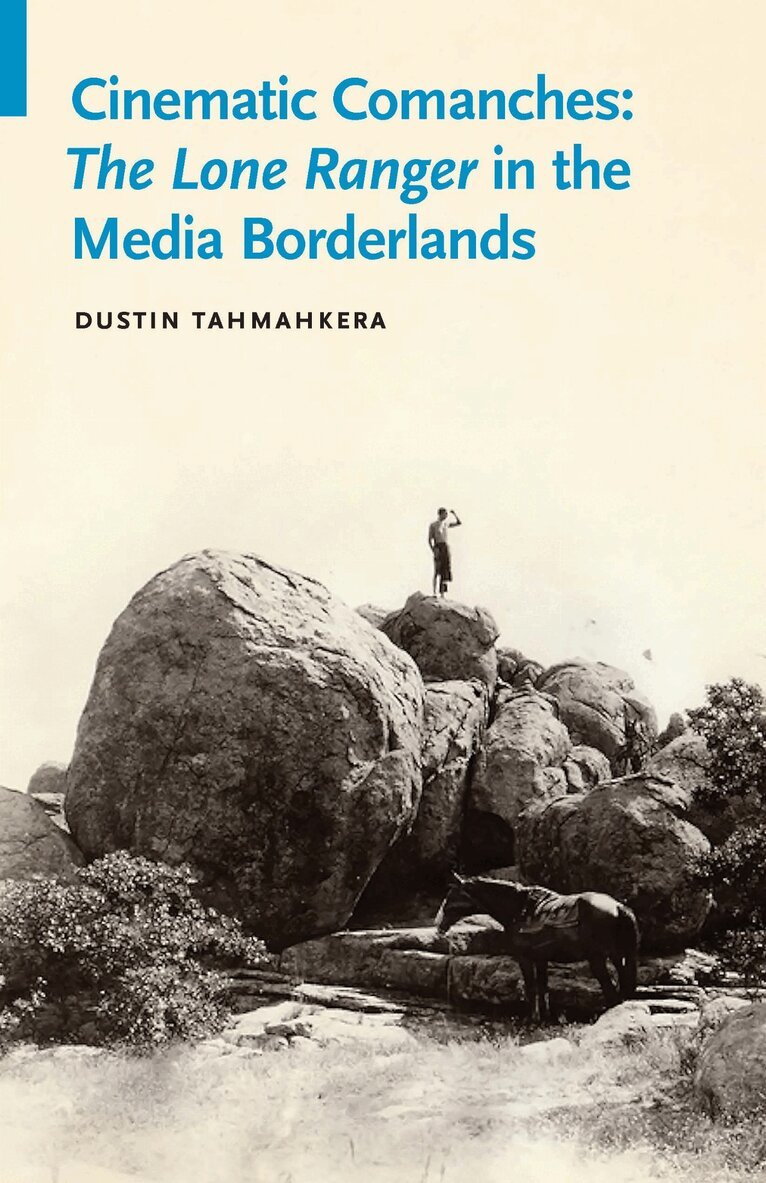
For centuries Comanches have captivated imaginations. Yet their story in popular accounts abruptly stops with the so-called fall of the Comanche empire in 1875, when Quanah Parker led Comanches onto the reservation in southwestern Oklahoma. In Cinematic Comanches, the first tribal-specific history of Comanches in film and media, Parker descendant Dustin Tahmahkera examines how Comanches represent themselves and are represented by others in recent media. Telling a story of Comanche family and extended kin and their relations to film, Tahmahkera reframes a distorted and defeated history of Comanches into a vibrant story of cinematic traditions, agency, and cultural continuity.Co-starring a long list of Comanche actors, filmmakers, consultants, critics, and subjects, Cinematic Comanches moves through the politics of tribal representation and history to highlight the production of ComancherÍa cinema. From early silent films and 1950s Westerns to Disney’s The Lone Ranger and the story of how Comanches captured its controversial Comanche lead Johnny Depp, Tahmahkera argues that Comanche nationhood can be strengthened through cinema. Tahmahkera’s extensive research includes interviews with elder LaDonna Harris, who adopted Depp during filming in one of the most contested films in recent Indigenous cinematic history. In the fragmented popular narrative of the rise and fall of Comanches, Cinematic Comanches calls for considering mediated contributions to the cultural resurgence of Comanches today.
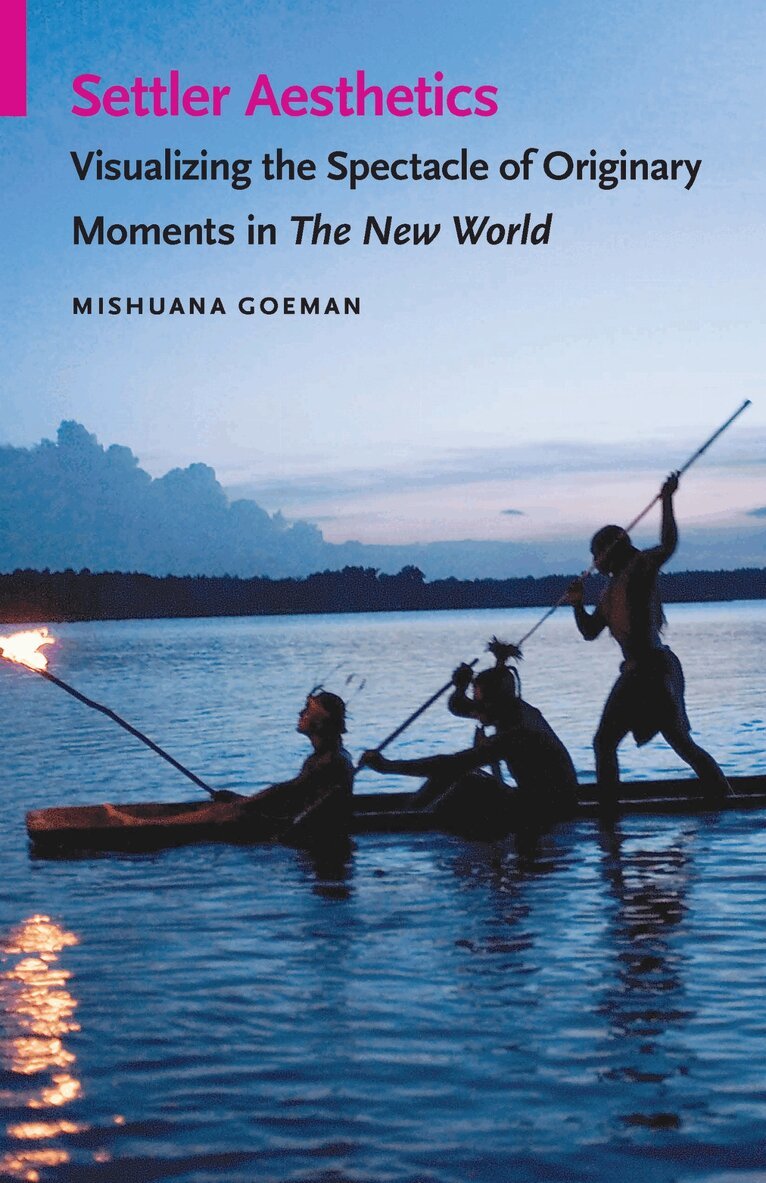
Settler Aesthetics
Visualizing the Spectacle of Originary Moments in the New World
Häftad, Engelska, 2023
323 kr
Skickas inom 10-15 vardagar
In Settler Aesthetics, an analysis of renowned director Terrence Malick’s 2005 film, The New World, Mishuana Goeman examines the continuity of imperialist exceptionalism and settler-colonial aesthetics. The story of Pocahontas has thrived for centuries as a cover for settler-colonial erasure, destruction, and violence against Native peoples, and Native women in particular. Since the romanticized story of the encounter and relationship between Pocahontas and Captain John Smith was first published, it has imprinted a whitewashed historical memory into the minds of Americans.As one of the most enduring tropes of imperialist nostalgia in world history, Renaissance European invasions of Indigenous lands by settlers trades in a falsified “civilizational discourse” that has been a focus in literature for centuries and in films since their inception. Ironically, Malick himself was a symbol of the New Hollywood in his early career, but with The New World he created a film that serves as a buttress for racial capitalism in the Americas. Focusing on settler structures, the setup of regimes of power, sexual violence and the gendering of colonialism, and the sustainability of colonialism and empires, Goeman masterfully peels away the visual layers of settler logics in The New World, creating a language in Native American and Indigenous studies for interpreting visual media.