International Handbooks of Linguistics – serie
Visar alla böcker i serien International Handbooks of Linguistics. Handla med fri frakt och snabb leverans.
4 produkter
4 produkter
3 266 kr
Skickas inom 10-15 vardagar
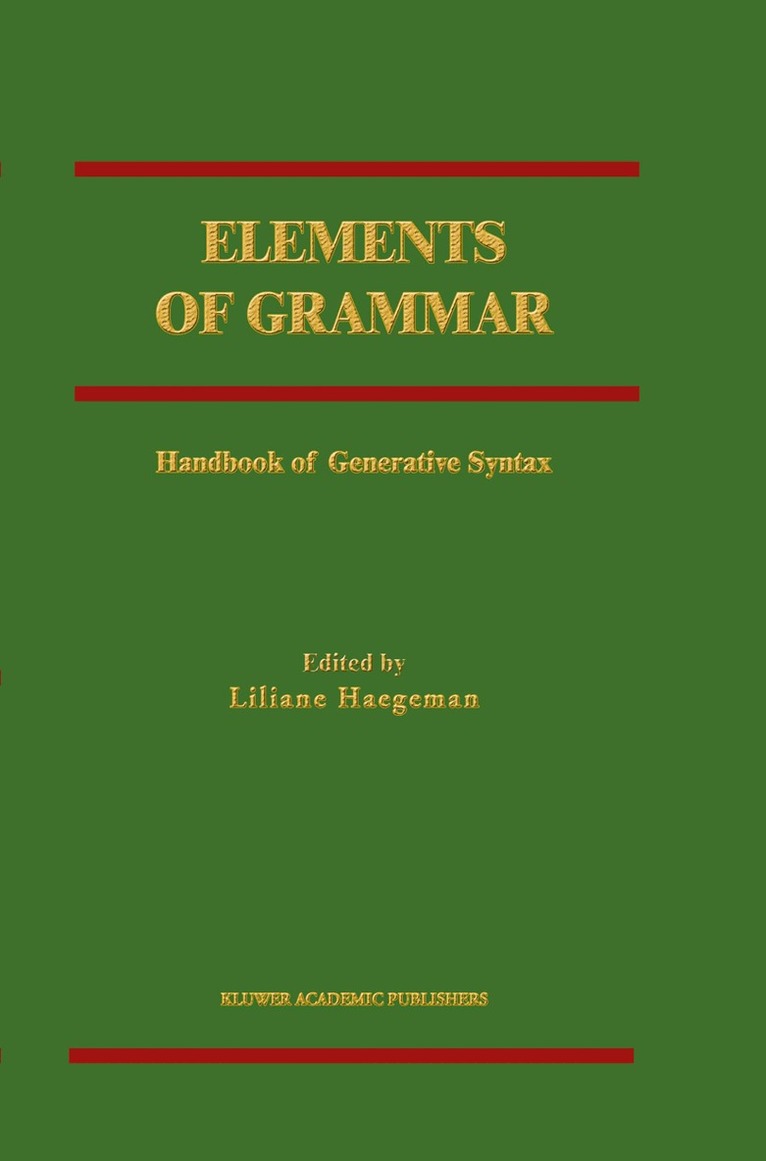
The aim of this Handbook is to provide a forum in which some of the generative syntacticians whose work has had an impact on theoretical syntax over the past 20 years are invited to present their views on one or more aspects of current syntactic theory. The following authors have contributed to the volume: Mark Baker, Michael Brody, Jane Grimshaw, James McCloskey, Jean-Yves Pollock, and Luigi Rizzi. Each contribution focuses on one specific aspect of the grammar. As a general theme, the papers are concerned with the question of the composition of the clause, i.e. what kind of components the clause is made up of, and how these components are put together in the clause. The introduction to the volume provides the backdrop for the papers and highlights some of the developments that have occurred in theoretical syntax in the last ten years. Elements of Grammar is destined for an audience of linguists working in the generative framework.
3 592 kr
Skickas inom 10-15 vardagar
The aim of this Handbook is to provide a forum in which some of the generative syntacticians whose work has had an impact on theoretical syntax over the past 20 years are invited to present their views on one or more aspects of current syntactic theory. The following authors have contributed to the volume: Mark Baker, Michael Brody, Jane Grimshaw, James McCloskey, Jean-Yves Pollock, and Luigi Rizzi. Each contribution focuses on one specific aspect of the grammar. As a general theme, the papers are concerned with the question of the composition of the clause, i.e. what kind of components the clause is made up of, and how these components are put together in the clause. The introduction to the volume provides the backdrop for the papers and highlights some of the developments that have occurred in theoretical syntax in the last ten years. Elements of Grammar is destined for an audience of linguists working in the generative framework.
1 637 kr
Skickas inom 10-15 vardagar
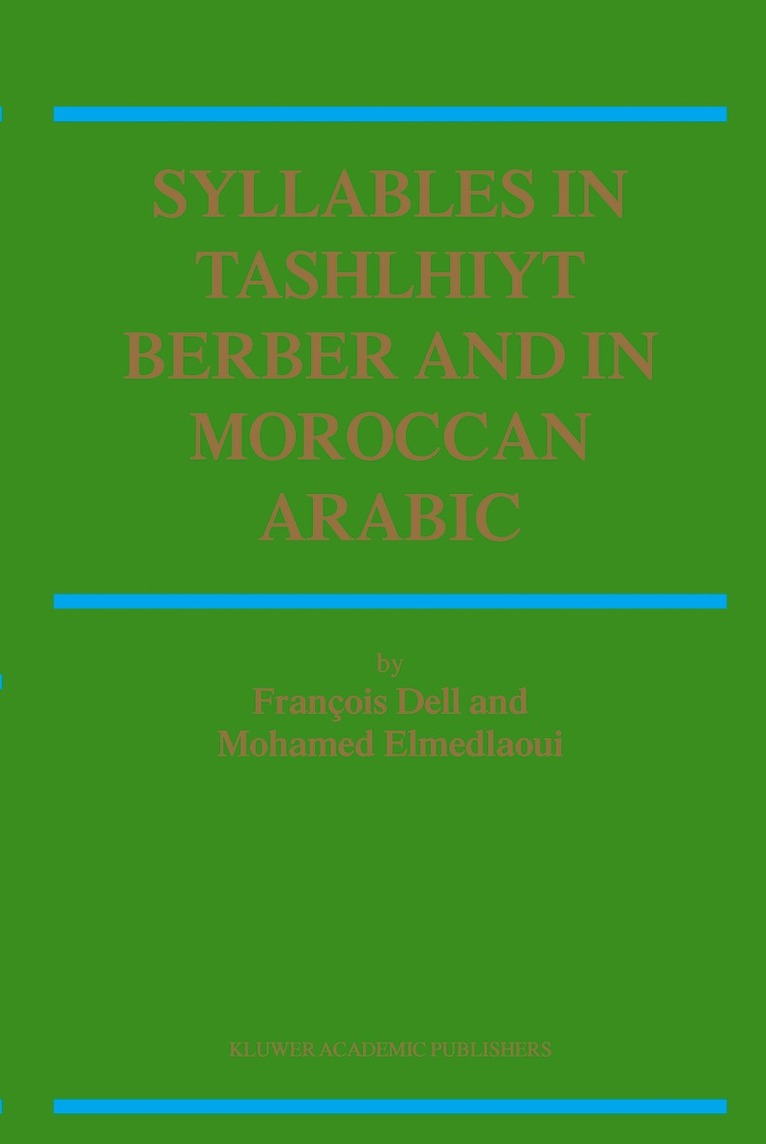
This work deals with syllable structure in the two main languages spoken in Morocco. Its theoretical outlook is that of generative phonology. The first language to be dealt with is Tashlhiyt Berber. This language has a syllable structure with properties which are highly unusual. On the one hand, complex consonant sequences are a common occurrence in the surface representations. On the other hand, syllable structure is very simple. The way these two conflicting demands are reconciled is by allowing vowelless syllables. Any consonant may act as a syllable nucleus. Nuclear status is preferentially assigned to segments which are more sonorous than their neighbours. In the last two chapters the text argues that its conclusions about Tashlhiyt Berber carry over to a certain extent to Moroccan Arabic. The inventories of syllable types of the two languages are very similar. Unlike Tashlhiyt, Moroccan Arabic has an epenthetic vowel, but it also allows vowelless syllables.
1 637 kr
Skickas inom 10-15 vardagar
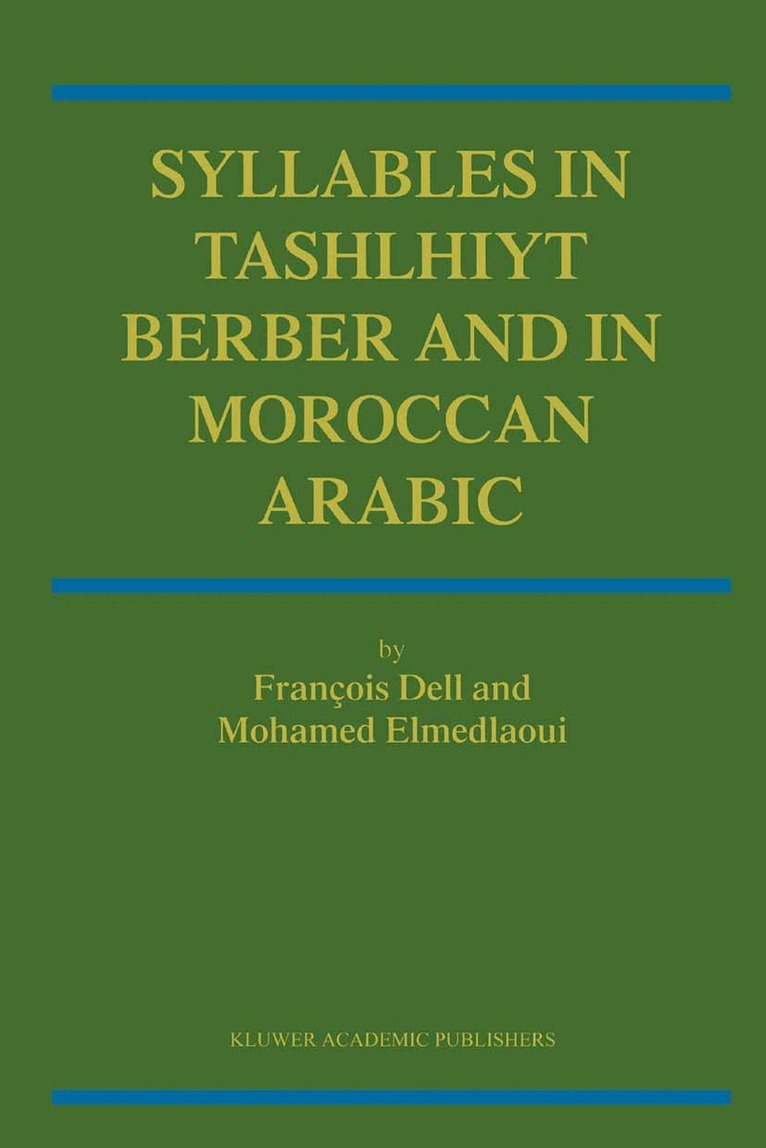
Dealing with syllable structure in the two main languages spoken in Morocco, Berber and Arabic, this books theoretical outlook is that of generative phonology. It deals first with Tashlhiyt Berber. This language has a syllable structure with properties which are highly unusual. On the one hand, complex consonant sequences are a common occurrence in the surface representations. On the other hand, syllable structure is very simple. The way these two conflicting demands are reconciled is by allowing vowelless syllables. Any consonant may act as a syllable nucleus. Nuclear status is preferentially assigned to segments which are more sonorous than their neighbours. In the last two chapters it argues that the conclusions about Tashlhiyt Berber carry over to a certain extent to Moroccan Arabic. The inventories of syllable types of the two languages are very similar. Unlike Tashlhiyt, Moroccan Arabic has an epenthetic vowel, but it also allows vowelless syllables.