International History – serie
Visar alla böcker i serien International History. Handla med fri frakt och snabb leverans.
8 produkter
Recovery and Restoration
U.S. Foreign Policy and the Politics of Reconstruction of West Germany's Shipbuilding Industry, 1945-1955
Inbunden, 2001
1098 kr
Lägg i varukorg
Because of Germany's strong reputation in naval construction, the Allies slated the shipbuilding industry for dismantling after 1945; however, by 1955, West German shipbuilders had regained their place among the world leaders in this industry. This study traces the reconstruction through the …
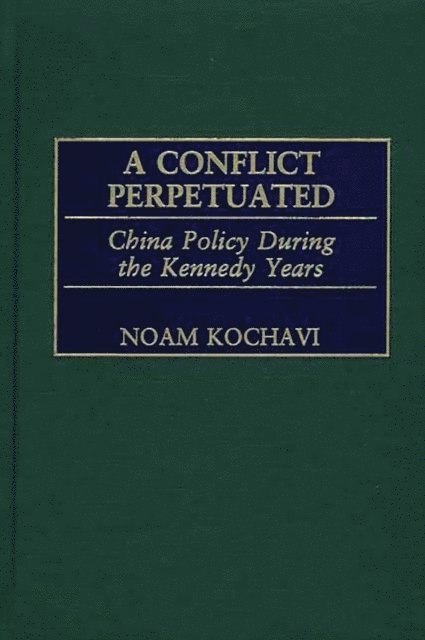
Conflict Perpetuated
China Policy During the Kennedy Years
Av Noam Kochavi
Inbunden, 2002
1098 kr
Lägg i varukorg
The first comprehensive account of China policy during the Kennedy years, this study profiles John F. Kennedy as a man whose inner struggles and disparate characteristics made for an unpredictable foreign policy. While he was often a hostage to the Cold War, to constrictive perceptions of the …
Britain, America, and the Vietnam War
Av Sylvia Ellis
Inbunden, 2004
1244 kr
Lägg i varukorg
Isolated by much of the world for its conduct of the war in Vietnam, the United States saw British support as a key component of its efforts to sway public opinion. This is the first serious examination of the impact of the Vietnam War on the Anglo-American special relationship during the years of …
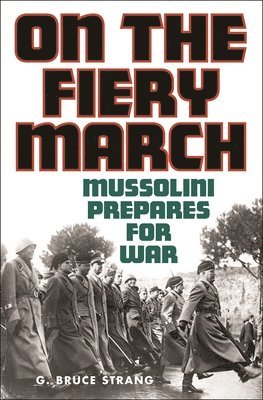
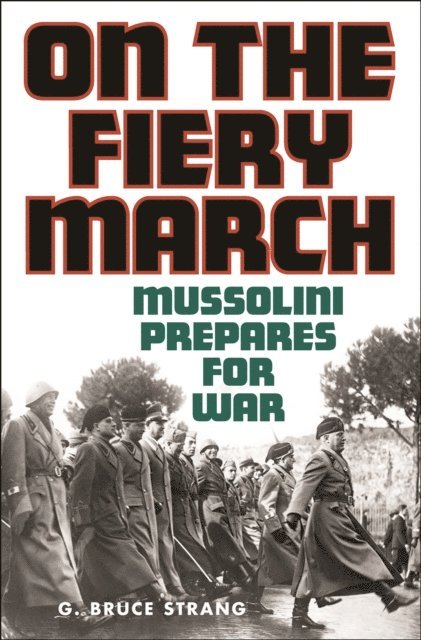
On the Fiery March
Mussolini Prepares for War
Inbunden, 2003
880 kr
Lägg i varukorg
By the 1930s fascist dictator Benito Mussolini reached the conclusion that Italy faced a clear choice: expand its power at the expense of the British and French Empires or face stagnation and decline. He believed that the regimes in the democratic West would not be able to contain their inherent …
Turbulence in the Pacific
Japanese-U.S. Relations During World War I
E-bok, 2000
1727 kr
Lägg i varukorg
Although events in East Asia were a sideshow in the great drama of World War I, what happened there shattered the accord between Japan and the United States. This book pursues the two-fold question of how and why U.S.-Japanese tensions developed into antagonism during the war by inquiring into the …
Conflict Perpetuated
China Policy During the Kennedy Years
Av Noam Kochavi
E-bok, 2002
1169 kr
Lägg i varukorg
The first comprehensive account of China policy during the Kennedy years, this study profiles John F. Kennedy as a man whose inner struggles and disparate characteristics made for an unpredictable foreign policy. While he was often a hostage to the Cold War, to constrictive perceptions of the …
Bitter Rehearsal
British and American Planning for a Post-War West Indies
E-bok, 2002
1178 kr
Lägg i varukorg
Promoted as a means for rectifying the problems of a region in extreme need, the Anglo-American Caribbean Commission (AACC) only exposed and exacerbated the underlying antagonisms between Britain and the United States over the economic and political structure of the post-war world. This study …
On the Fiery March
Mussolini Prepares for War
E-bok, 2003
963 kr
Lägg i varukorg
By the 1930s fascist dictator Benito Mussolini reached the conclusion that Italy faced a clear choice: expand its power at the expense of the British and French Empires or face stagnation and decline. He believed that the regimes in the democratic West would not be able to contain their inherent …