International Perspectives on Educational Reform - Böcker
Visar alla böcker i serien International Perspectives on Educational Reform. Handla med fri frakt och snabb leverans.
5 produkter
5 produkter
455 kr
Skickas inom 7-10 vardagar
Education privatization is a global phenomenon that crystallizes in countries with very different cultural, political, and economic backgrounds. In this book, the authors examine how privatization policies are being adopted and why so many countries are engaging in this type of education reform. The authors explore the contexts, key personnel, and policy initiatives that explain the worldwide advance of the private sector in education, and identify six different paths toward education privatization— as a drastic state sector reform (e.g., Chile, the U.K.), as an incremental reform (e.g., the U.S.A.), in social-democratic welfare states, historical public-private partnerships (e.g., Netherlands, Spain), de facto privatization in low-income countries, and privatization via disaster. Book Features: The first comprehensive, in-depth investigation of the political economy of education privatization at a global scale. An analysis of the different strategies, discourses, and agents that have contributed to advancing (and resisting) education privatization trends. An examination of the role of private corporations, policy entrepreneurs, philanthropic organizations, think-tanks, and teacher unions.
404 kr
Skickas inom 7-10 vardagar
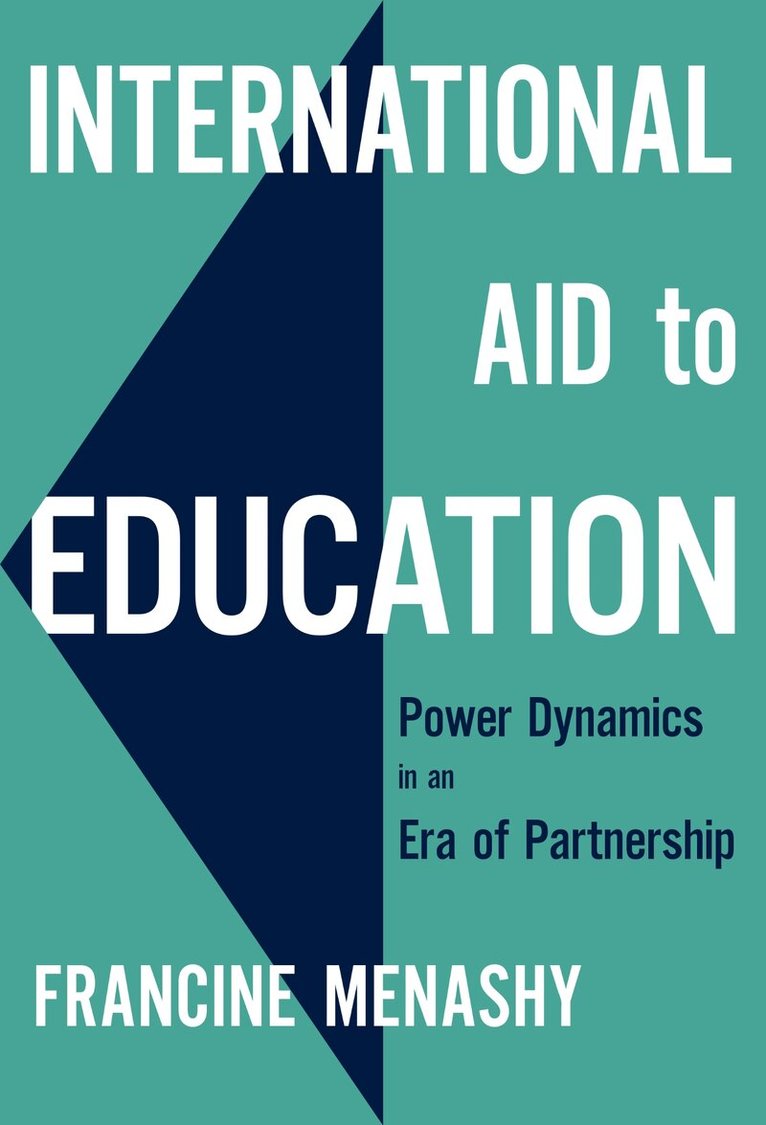
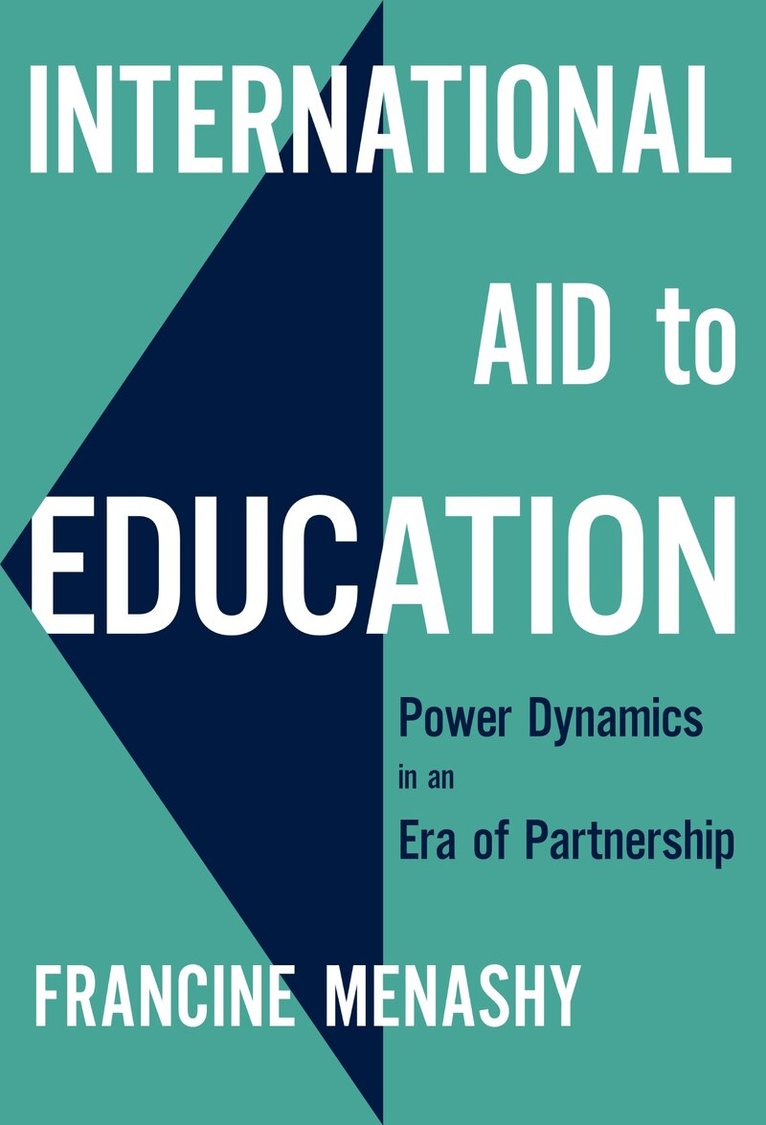
Partnerships are now pervasive in global education and development. Through case studies of prominent multi-stakeholder partnerships—including the Education Cannot Wait Fund and Global Partnership for Education—as well as a comprehensive analysis of the global education network, this book exposes clear power imbalances that persist in the international aid environment.
1 247 kr
Skickas inom 11-20 vardagar
Partnerships are now pervasive in global education and development. Through case studies of prominent multi-stakeholder partnerships—including the Education Cannot Wait Fund and Global Partnership for Education—as well as a comprehensive analysis of the global education network, this book exposes clear power imbalances that persist in the international aid environment.
519 kr
Skickas inom 7-10 vardagar
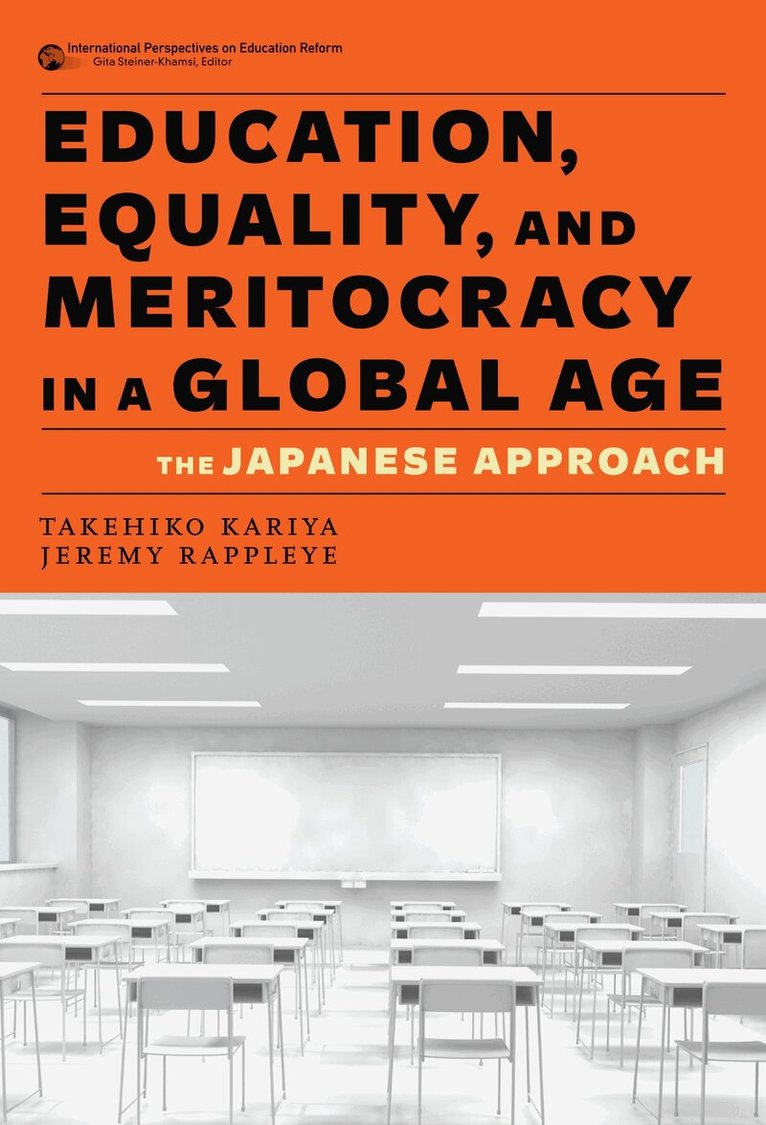
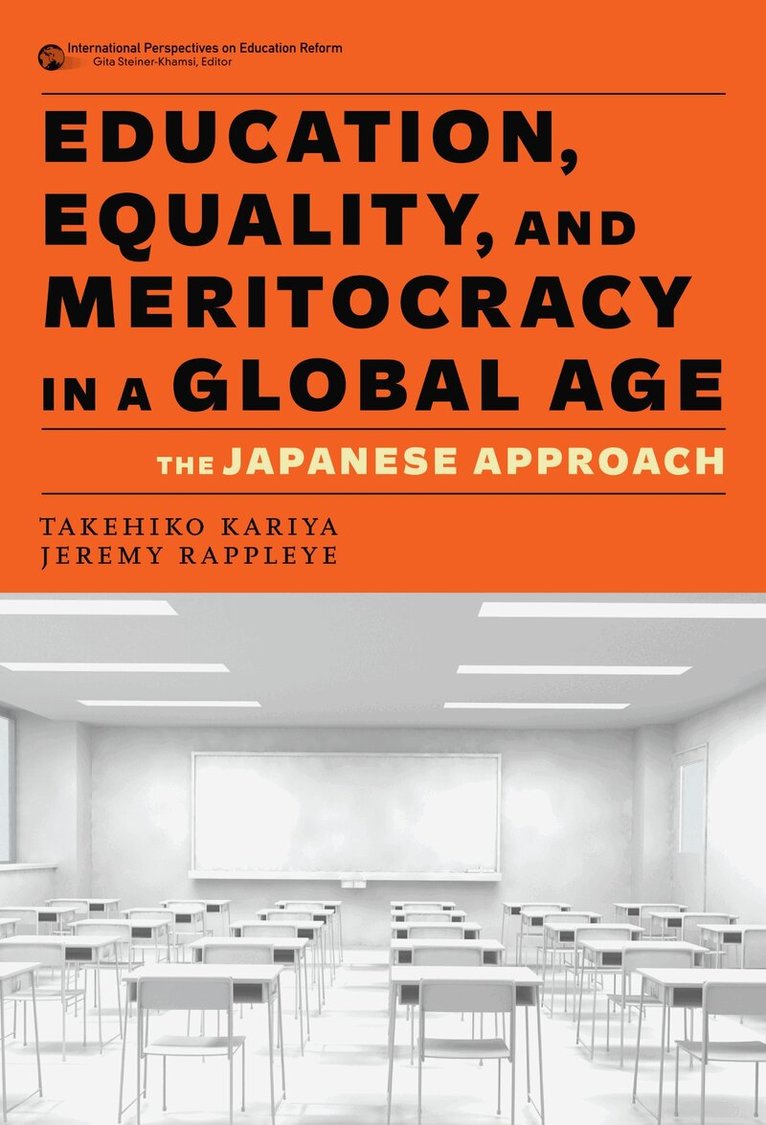
How has schooling functioned in the construction of meritocratic national systems historically? To what extent will these historical patterns and normative commitments continue in the new era of a global meritocracy? And ultimately, how can educators effectively balance the inherent tension between individual merit and standardized quality? Kariya and Rappleye explore the answers to these questions and more by focusing on the Japanese model, long recognized globally for being one of the most equitable and meritocratic systems in the world. Looking at the country’s educational history and policy shifts, the authors point to the important comparative lessons for sociology and education research. They show how the Japanese experience can inform global approaches to educational reform and policymaking—and how this kind of exploration can reinvigorate a more rigorous discussion of meritocracy, equality, and education.Book Features:Rethink the complex relationships among meritocracy, education, and equality from a global perspective.See how nations beyond North America and Western Europe have developed different, more equitable approaches to improve outcomes for all learners.Explore the root causes of current problems in meritocracy through a look at the historical background of Japan’s postwar experience.Transcend prevailing stereotypes of Japanese education and society, and reconceptualize these differences as alternative approaches.Understand how pedagogical approaches and funding mechanisms are fundamentally entangled through the authors’ rich empirical detail.
1 544 kr
Skickas inom 7-10 vardagar
How has schooling functioned in the construction of meritocratic national systems historically? To what extent will these historical patterns and normative commitments continue in the new era of a global meritocracy? And ultimately, how can educators effectively balance the inherent tension between individual merit and standardized quality? Kariya and Rappleye explore the answers to these questions and more by focusing on the Japanese model, long recognized globally for being one of the most equitable and meritocratic systems in the world. Looking at the country’s educational history and policy shifts, the authors point to the important comparative lessons for sociology and education research. They show how the Japanese experience can inform global approaches to educational reform and policymaking—and how this kind of exploration can reinvigorate a more rigorous discussion of meritocracy, equality, and education.Book Features:Rethink the complex relationships among meritocracy, education, and equality from a global perspective.See how nations beyond North America and Western Europe have developed different, more equitable approaches to improve outcomes for all learners.Explore the root causes of current problems in meritocracy through a look at the historical background of Japan’s postwar experience.Transcend prevailing stereotypes of Japanese education and society, and reconceptualize these differences as alternative approaches.Understand how pedagogical approaches and funding mechanisms are fundamentally entangled through the authors’ rich empirical detail.