International Relations in Southeast Asia - Böcker
Visar alla böcker i serien International Relations in Southeast Asia. Handla med fri frakt och snabb leverans.
10 produkter
10 produkter
2 113 kr
Skickas inom 10-15 vardagar
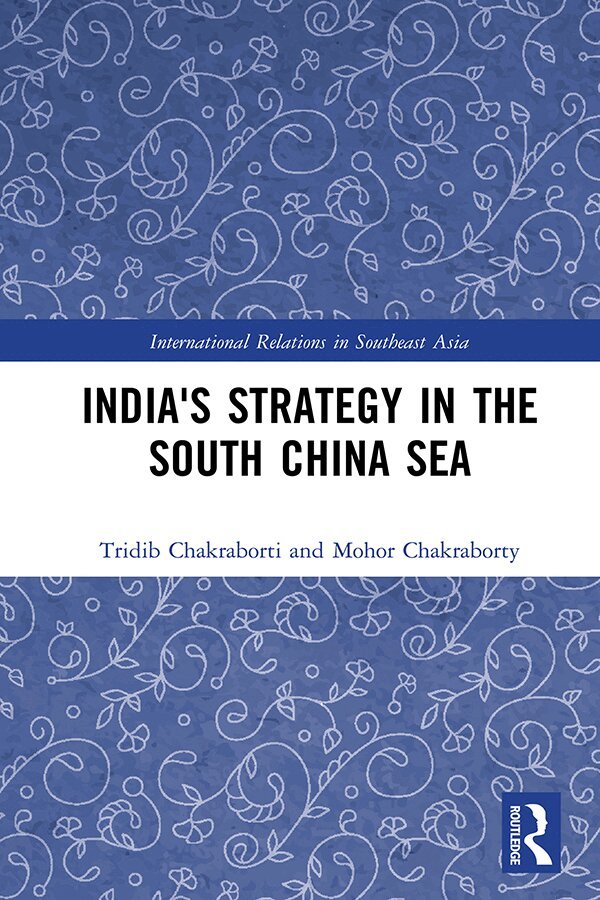
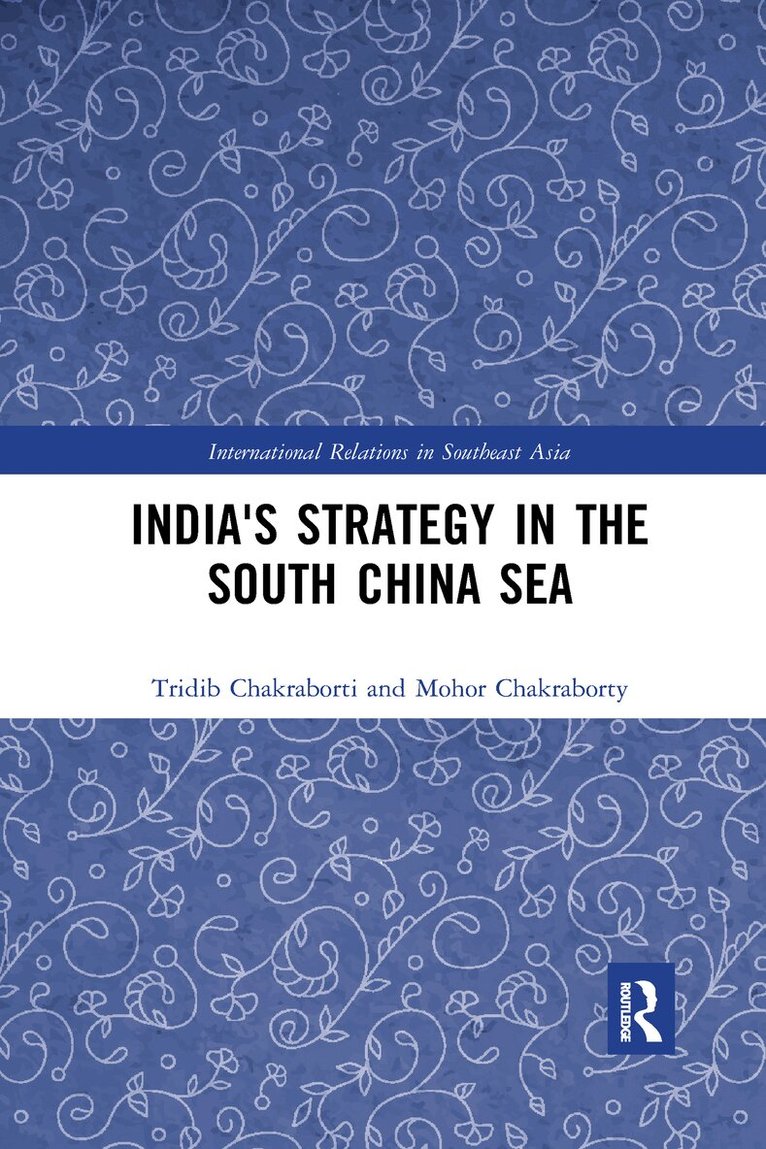
The tensions in the South China Sea pose considerable challenges to the rules-based liberal international maritime order. The situation demonstrates the interplay between maritime nationalism and geostrategic rivalry; fuelling militarisation and endangering freedom of navigation, over-flight and exploitation of natural resources. China’s dedicated "terraclaims", land reclamation and island-building spree – enhanced with military surveillance, communications and logistics infrastructure-building in the form of port facilities, military installations and airstrips – have escalated these tensions. China declares that these territories are an integral part of its "core interests", taking an uncompromising stance on the question of sovereignty and its determination to protect the domain militarily. India, although not a South China Sea littoral state, sees both the general principle of the rules-based order and the specific issue of navigation between the Indian and Pacific Oceans as core to its own national interest.Chakraborti and Chakraborty assess the rationale and implications of India’s strategies and responses vis-à-vis the South China Sea dispute, and their impact on its overall "Act East" initiative in Southeast Asia policy. They also analyse the implications of India’s stance on the Association of Southeast Asian Nations (ASEAN), five member-states of which (Brunei, Indonesia, Malaysia, the Philippines and Vietnam) are involved in territorial disputes with China in the South China Sea. The analysis focuses on the administrative tenures of both the United Progressive Alliance from 2004 until 2014 and the National Democratic Alliance from 2014 onwards.
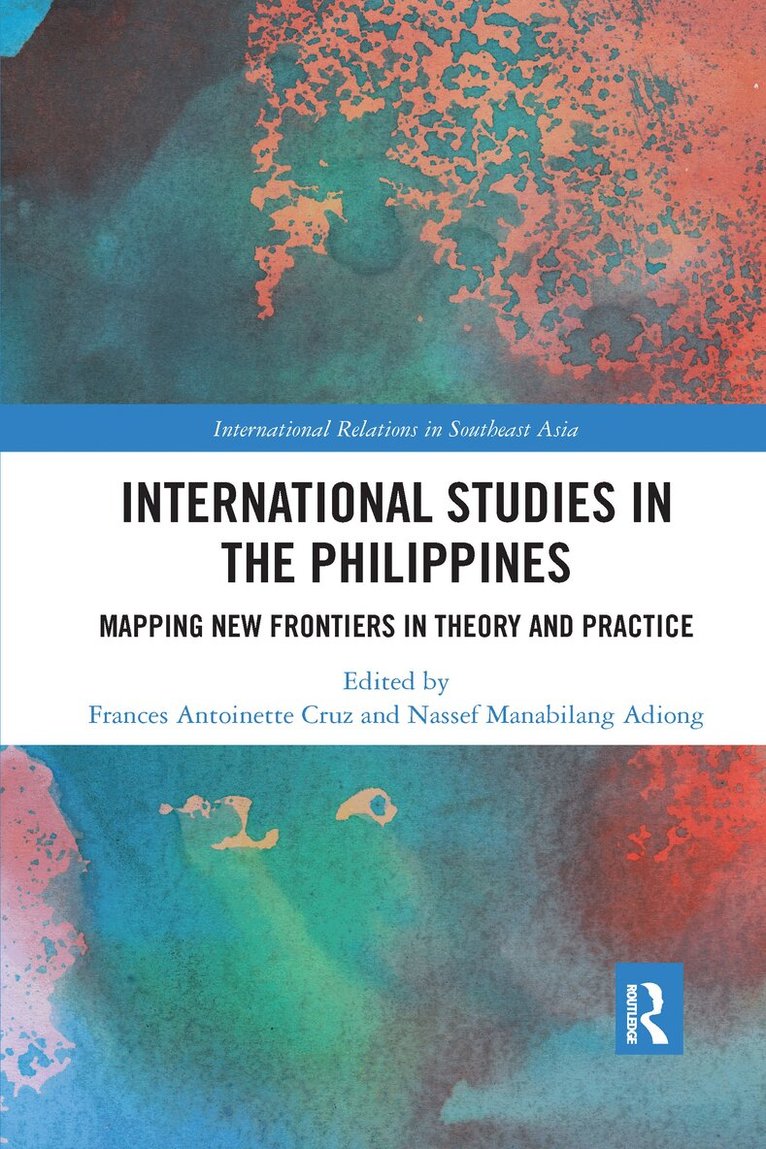
International Studies in the Philippines
Mapping New Frontiers in Theory and Practice
Inbunden, Engelska, 2020
2 113 kr
Skickas inom 10-15 vardagar
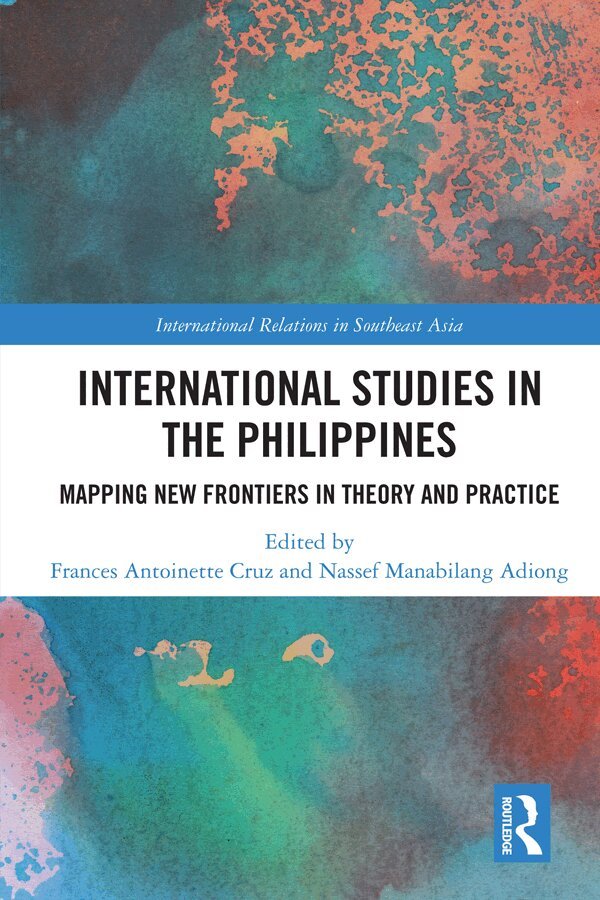
How can local experiences and the social transformation generated by modernity help to enrich our understanding of the international? What might a version of the much-discussed "non-Western International Relations (IR)" look like? What continuities and discontinuities from the Philippine experience in particular can be useful for understanding other post-colonial polities? The Philippines makes a fascinating case study of a medium-sized, developing, post-colonial, multi-ethnic and multi-cultural state in Southeast Asia. Cruz, Adiong and their contributors map horizons of non-Western approaches in Philippine experiences of IR, rooted in the Global South, and in local customs and practice. Examining both theory and praxis, they explore issues as diverse as pre-colonial history, diplomacy, religion, agrarian reform and the Philippines’ relationship with key regions in the Global South.The book will appeal to researchers interested in Southeast Asian Studies and alternative perspectives on IR.
2 113 kr
Skickas inom 10-15 vardagar
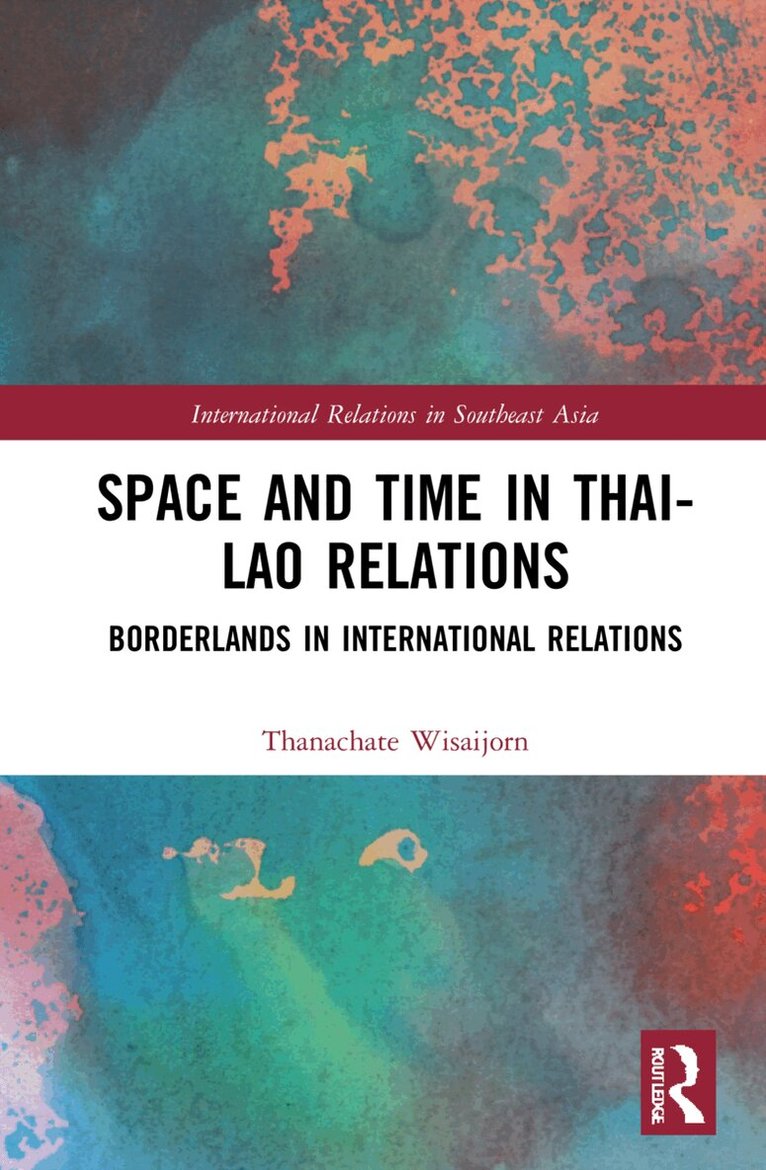
Wisaijorn explores how the concepts of space and temporality in traditional geopolitics have influenced the understanding of the Thai-Lao border since Laos became independent in 1954.Arguing that a state-centric conceptualisation of the Thailand-Laos border falls into both a territorial and temporal trap, Wisaijorn contests that privileging a theoretical border silences the voices of people on the ground. In doing so, he expands the concept of a temporal trap with the addition of a temporal dimension – analysing how the state claims a monopoly not only on a geography, but also a history. Rooted in orientalism, colonialism and the expediencies of the Cold War, the border operates in the interest of elites and ignores the lived reality of peoples on the ground. By bringing these voices back into the discussion, Wisaijorn presents a more complex framework, which reveals a human dimension missing not only from this particular case, but more broadly from the conceptions of borders within International Relations theory.A fascinating case study for scholars with an interest in mainland Southeast Asia, which also makes a valuable theoretical contribution to International relations discourse.
618 kr
Skickas inom 10-15 vardagar
Wisaijorn explores how the concepts of space and temporality in traditional geopolitics have influenced the understanding of the Thai-Lao border since Laos became independent in 1954.Arguing that a state-centric conceptualisation of the Thailand-Laos border falls into both a territorial and temporal trap, Wisaijorn contests that privileging a theoretical border silences the voices of people on the ground. In doing so, he expands the concept of a temporal trap with the addition of a temporal dimension – analysing how the state claims a monopoly not only on a geography, but also a history. Rooted in orientalism, colonialism and the expediencies of the Cold War, the border operates in the interest of elites and ignores the lived reality of peoples on the ground. By bringing these voices back into the discussion, Wisaijorn presents a more complex framework, which reveals a human dimension missing not only from this particular case, but more broadly from the conceptions of borders within International Relations theory.A fascinating case study for scholars with an interest in mainland Southeast Asia, which also makes a valuable theoretical contribution to International relations discourse.
International Studies in the Philippines
Mapping New Frontiers in Theory and Practice
Häftad, Engelska, 2022
618 kr
Skickas inom 10-15 vardagar
How can local experiences and the social transformation generated by modernity help to enrich our understanding of the international? What might a version of the much-discussed "non-Western International Relations (IR)" look like? What continuities and discontinuities from the Philippine experience in particular can be useful for understanding other post-colonial polities? The Philippines makes a fascinating case study of a medium-sized, developing, post-colonial, multi-ethnic and multi-cultural state in Southeast Asia. Cruz, Adiong and their contributors map horizons of non-Western approaches in Philippine experiences of IR, rooted in the Global South, and in local customs and practice. Examining both theory and praxis, they explore issues as diverse as pre-colonial history, diplomacy, religion, agrarian reform and the Philippines’ relationship with key regions in the Global South.The book will appeal to researchers interested in Southeast Asian Studies and alternative perspectives on IR.
569 kr
Skickas inom 10-15 vardagar
The tensions in the South China Sea pose considerable challenges to the rules-based liberal international maritime order. The situation demonstrates the interplay between maritime nationalism and geostrategic rivalry; fuelling militarisation and endangering freedom of navigation, over-flight and exploitation of natural resources. China’s dedicated "terraclaims", land reclamation and island-building spree – enhanced with military surveillance, communications and logistics infrastructure-building in the form of port facilities, military installations and airstrips – have escalated these tensions. China declares that these territories are an integral part of its "core interests", taking an uncompromising stance on the question of sovereignty and its determination to protect the domain militarily. India, although not a South China Sea littoral state, sees both the general principle of the rules-based order and the specific issue of navigation between the Indian and Pacific Oceans as core to its own national interest.Chakraborti and Chakraborty assess the rationale and implications of India’s strategies and responses vis-à-vis the South China Sea dispute, and their impact on its overall "Act East" initiative in Southeast Asia policy. They also analyse the implications of India’s stance on the Association of Southeast Asian Nations (ASEAN), five member-states of which (Brunei, Indonesia, Malaysia, the Philippines and Vietnam) are involved in territorial disputes with China in the South China Sea. The analysis focuses on the administrative tenures of both the United Progressive Alliance from 2004 until 2014 and the National Democratic Alliance from 2014 onwards.
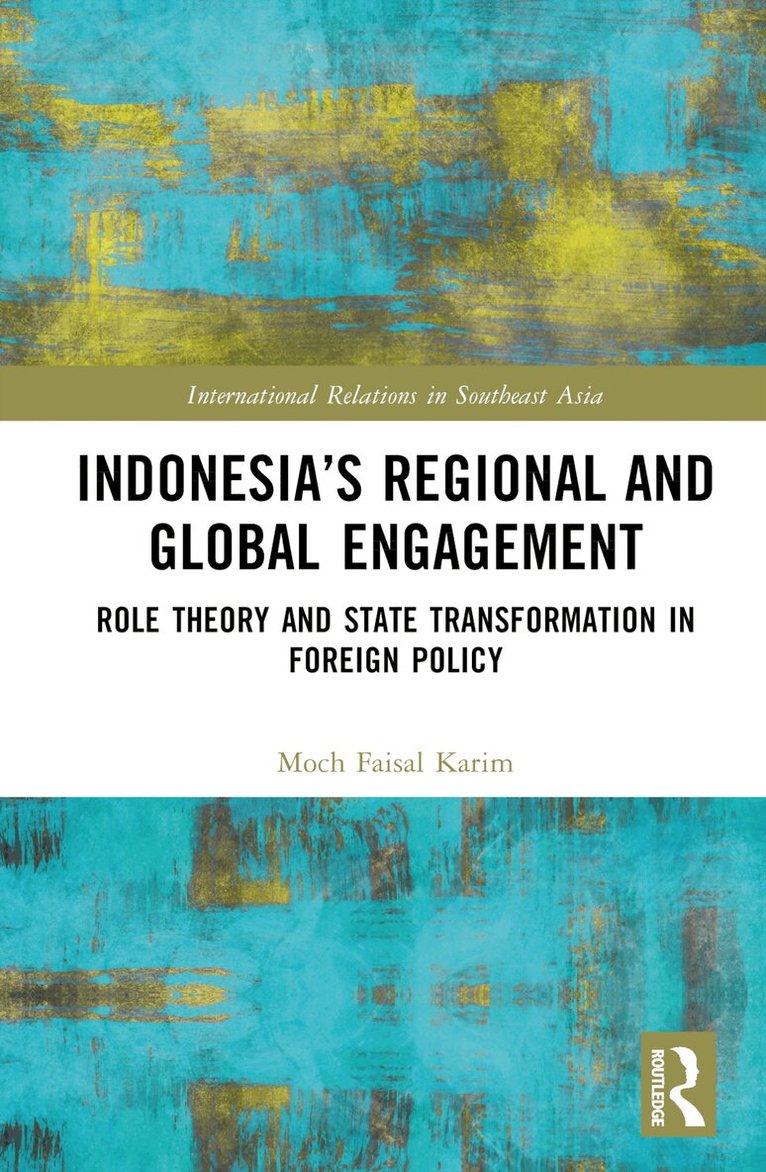
Indonesia’s Regional and Global Engagement
Role Theory and State Transformation in Foreign Policy
Inbunden, Engelska, 2023
2 113 kr
Skickas inom 10-15 vardagar
Karim examines the changes and continuity of Indonesia’s foreign policy in the post-authoritarian era, under presidents Susilo Bambang Yudhoyono and Joko Widodo. Indonesia conceptualised and aimed to adopt four principle roles after 2004 – being a voice for developing countries; being a regional leader; being an advocate for democratic and human rights; and being a bridge-builder. These roles, however, were by no means stable and were constantly being negotiated and contested. Karim analyses the contested nature of Indonesian foreign policy and the limits this places on consistency in enacting these roles. He highlights two drivers for such limitations – conflicting role conceptions and state fragmentation. He develops this argument based on four case studies of Indonesia’s engagement in human rights governance and trade governance at both regional and global levels. Essential reading for students and scholars of Indonesia’s foreign policy, that will also be of substantial value to those studying policy in Southeast Asia more broadly.
Indonesia’s Regional and Global Engagement
Role Theory and State Transformation in Foreign Policy
Häftad, Engelska, 2024
578 kr
Skickas inom 10-15 vardagar
Karim examines the changes and continuity of Indonesia’s foreign policy in the post-authoritarian era, under presidents Susilo Bambang Yudhoyono and Joko Widodo. Indonesia conceptualised and aimed to adopt four principle roles after 2004 – being a voice for developing countries; being a regional leader; being an advocate for democratic and human rights; and being a bridge-builder. These roles, however, were by no means stable and were constantly being negotiated and contested. Karim analyses the contested nature of Indonesian foreign policy and the limits this places on consistency in enacting these roles. He highlights two drivers for such limitations – conflicting role conceptions and state fragmentation. He develops this argument based on four case studies of Indonesia’s engagement in human rights governance and trade governance at both regional and global levels. Essential reading for students and scholars of Indonesia’s foreign policy, that will also be of substantial value to those studying policy in Southeast Asia more broadly.
2 113 kr
Skickas inom 10-15 vardagar
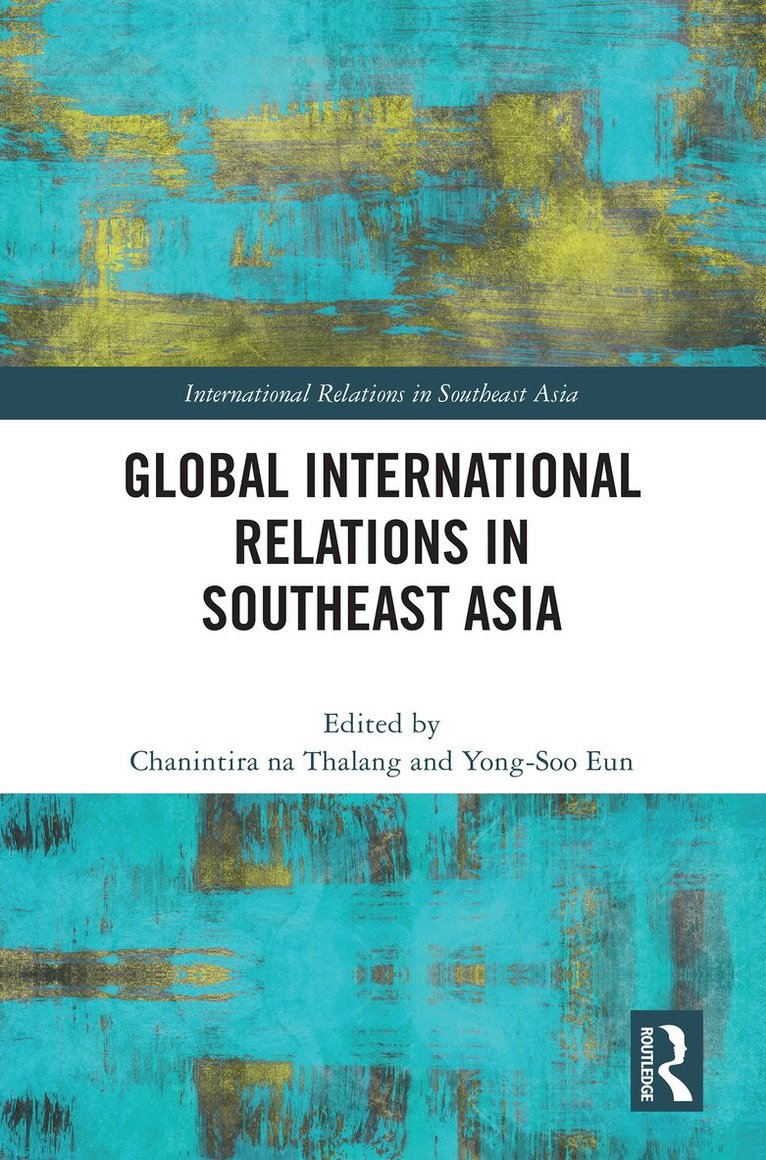
This edited volume explores the contours of Global International Relations (IR) in terms of teaching and research in Southeast Asia and China with the purpose of revealing existing and “hidden” pre- theories, conceptual frameworks, and theoretical contributions to Global IR rooted in local histories, contemporary experiences, and indigenous thought.The exploration is conducted within a context where scholars across regions are progressively taking strides to reshape IR, which has long gravitated towards Western experiences, thought, and knowledge, into a more inclusive discipline. Otherwise known as the Global IR project, these efforts aim not only to amplify marginalized voices and experiences but also introduce new conceptual and theoretical tools derived from a diverse range of experiences. While some of these insights provide new understandings, others offer useful implications that transcend national and regional boundaries, fostering crossregional discussions about the diverse realities within our world.An essential read for scholars and students of IR with an interest in Global IR, IR theory in general, and the development of IR in parts of Southeast Asia.
632 kr
Skickas inom 10-15 vardagar
This edited volume explores the contours of Global International Relations (IR) in terms of teaching and research in Southeast Asia and China with the purpose of revealing existing and “hidden” pre- theories, conceptual frameworks, and theoretical contributions to Global IR rooted in local histories, contemporary experiences, and indigenous thought.The exploration is conducted within a context where scholars across regions are progressively taking strides to reshape IR, which has long gravitated towards Western experiences, thought, and knowledge, into a more inclusive discipline. Otherwise known as the Global IR project, these efforts aim not only to amplify marginalized voices and experiences but also introduce new conceptual and theoretical tools derived from a diverse range of experiences. While some of these insights provide new understandings, others offer useful implications that transcend national and regional boundaries, fostering crossregional discussions about the diverse realities within our world.An essential read for scholars and students of IR with an interest in Global IR, IR theory in general, and the development of IR in parts of Southeast Asia.