
Intersections: Histories of Environment – serie
Visar alla böcker i serien Intersections: Histories of Environment. Handla med fri frakt och snabb leverans.
2 produkter
2 produkter
Inbunden, Engelska, 2020
745 kr
Skickas inom 5-8 vardagar
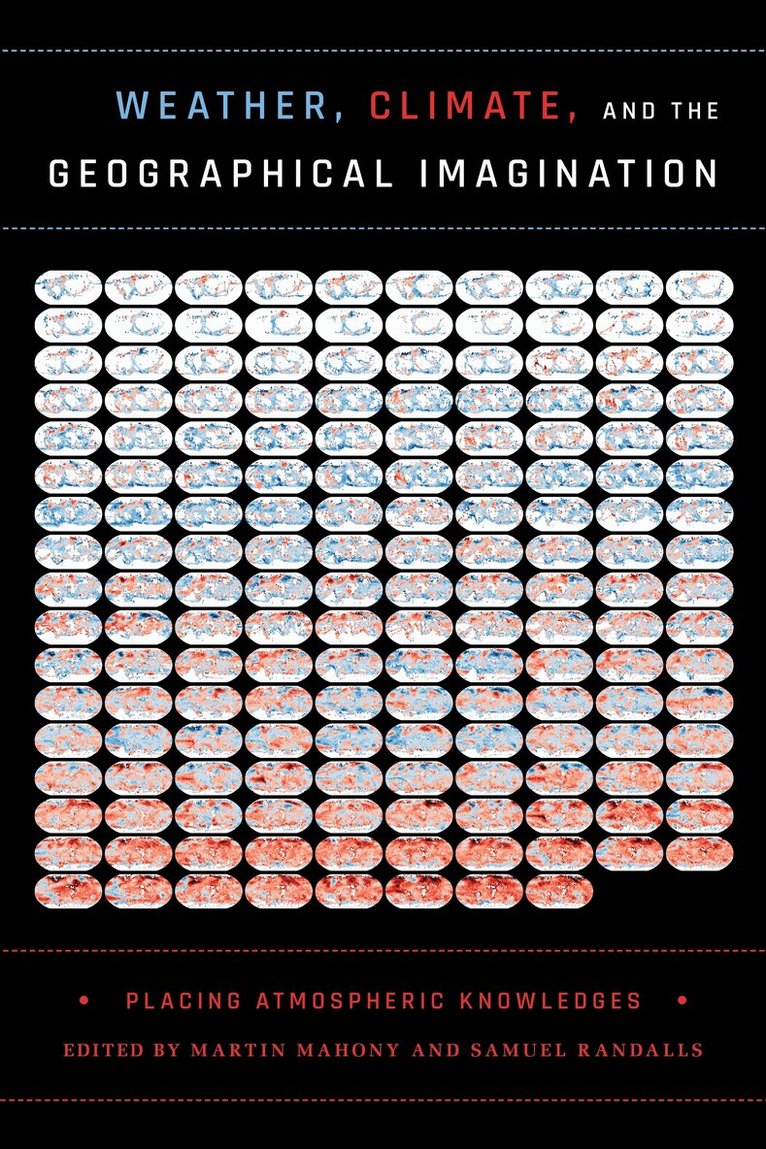
As global temperatures rise under the forcing hand of humanity’s greenhouse gas emissions, new questions are being asked of how societies make sense of their weather, of the cultural values, which are afforded to climate, and of how environmental futures are imagined, feared, predicted, and remade. Weather, Climate, and Geographical Imagination contributes to this conversation by bringing together a range of voices from history of science, historical geography, and environmental history, each speaking to a set of questions about the role of space and place in the production, circulation, reception, and application of knowledges about weather and climate. The volume develops the concept of “geographical imagination” to address the intersecting forces of scientific knowledge, cultural politics, bodily experience, and spatial imaginaries, which shape the history of knowledges about climate.
Inbunden, Engelska, 2022
810 kr
Skickas inom 5-8 vardagar
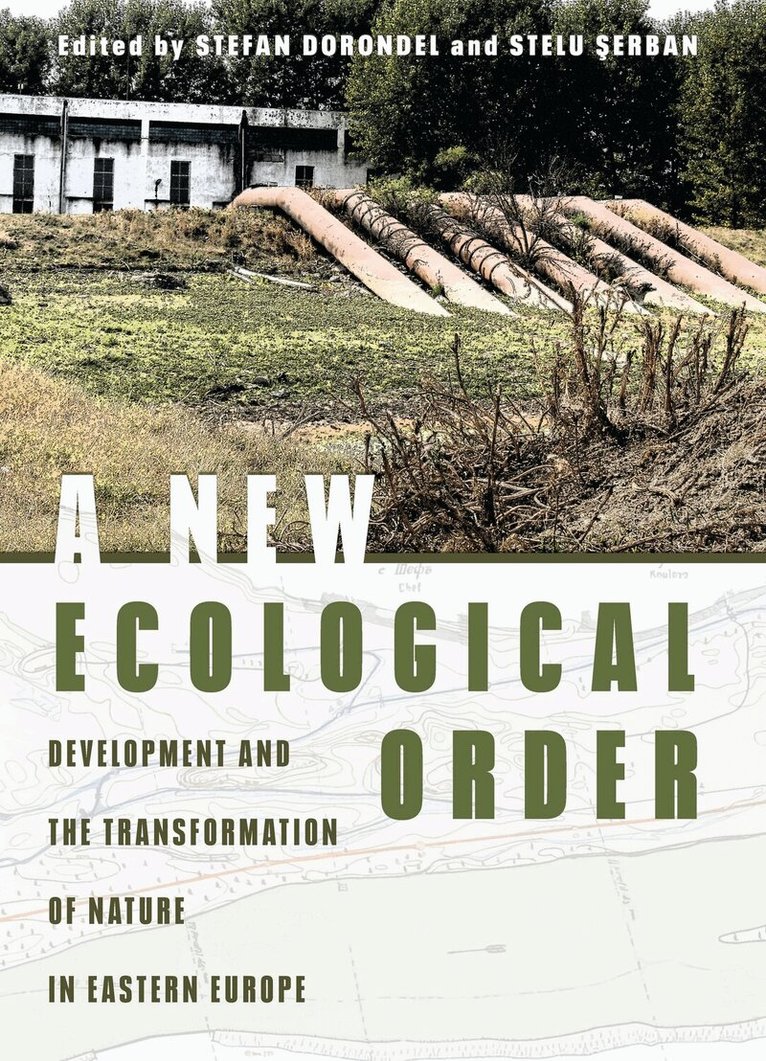
The rise of industrial capitalism in the 19th century forged a new ecological order in North American and Western European states, radically transforming the environment through science and technology in the name of human progress. Far less known are the dramatic environmental changes experienced by Eastern Europe, in many ways a terra incognita for environmental historians and anthropologists.A New Ecological Order explores, from a historical and ethnographic perspective, the role of state planners, bureaucrats, and experts face=Calibri>– engineers, agricultural engineers, geographers, biologists, foresters, and architects face=Calibri>– as agents of change in the natural world of Eastern Europe from 1870 to the early 21st century. Contributors consider territories engulfed by empires, from the Habsburg to the Ottoman to tsarist Russia; territories belonging to disintegrating empires; and countries in the Balkan Peninsula, Central and Eastern Europe, and Eurasia. Together, they follow a rhetoric of 'correcting nature', a desire to exploit the natural environment and put its resources to work for the sake of developing the economies and infrastructures of modern states. They reveal an eagerness among newly established nation-states, after centuries of imperial economic and political impositions, to import scientific knowledge and new technologies from Western Europe that would aid in their economic development, and how those imports and ideas about nature ultimately shaped local projects and policies.