Islam & Science – serie
Visar alla böcker i serien Islam & Science. Handla med fri frakt och snabb leverans.
3 produkter
3 produkter
Inbunden, Engelska, 2025
1 416 kr
Skickas inom 10-15 vardagar
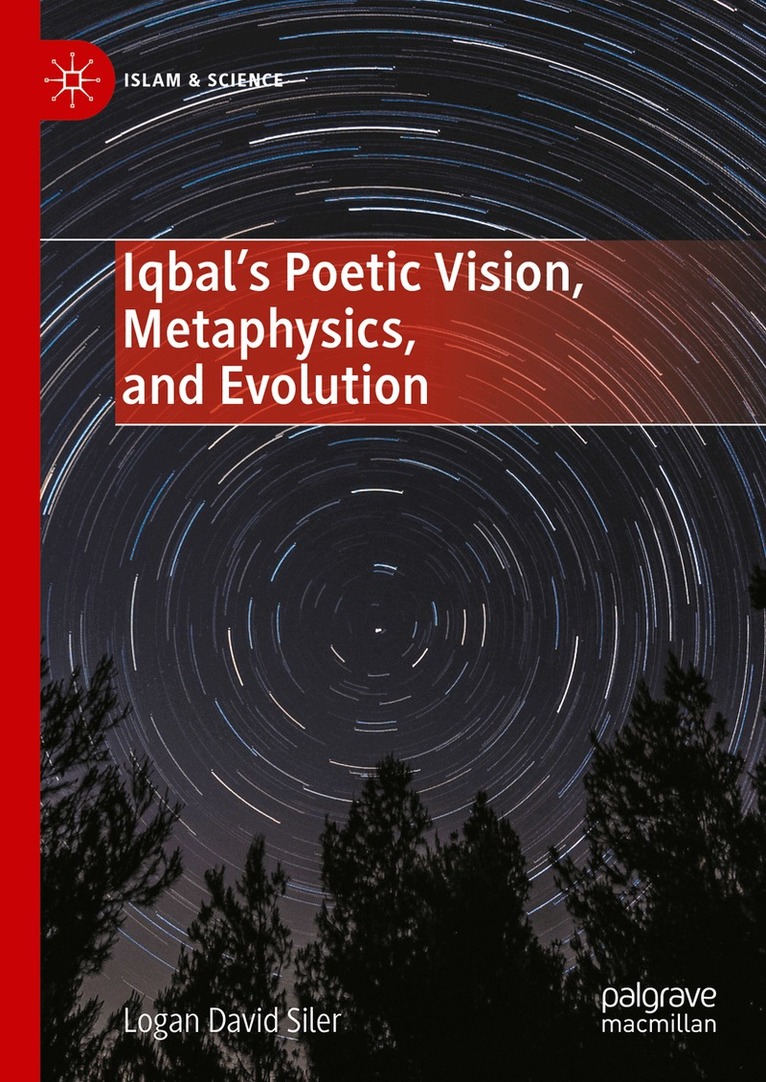
This book explores Muhammad Iqbal’s poetic vision of a universe in a state of becoming, and, by putting this vision in conversation with contemporary metaphysical models, articulates the contribution Iqbal’s vision makes to discussions about Islamic theology, philosophy, and science. To do so, the book articulates Iqbal’s critique of the Islamic tradition and distinguishes his system from classical Islamic thought while also highlighting his positive influences in this regard (Al-Biruni, Suhrawardi, etc). It explores features of Iqbal’s vision in light of contemporary metaphysical models by emphasizing three key elements of his thought—metaphysics of becoming, panentheism and panpsychism. While locating Iqbal within the spectrum of these particular schools of thought, Logan David Siler discusses the strengths of his position, and reveals the relevance of his thought to the religion and science conversation—particularly in the realm of evolutionary biology. It is these realms of thought that articulate the most formidable challenges to the theistic view. Yet, Iqbal offers a vision which provides a means to challenge the more metaphysical claims of scientism. Additionally, Siler critiques the shortcomings of Iqbal's vision and offers suggestions for how to improve it.

Inbunden, Engelska, 2026
1 199 kr
Skickas inom 10-15 vardagar
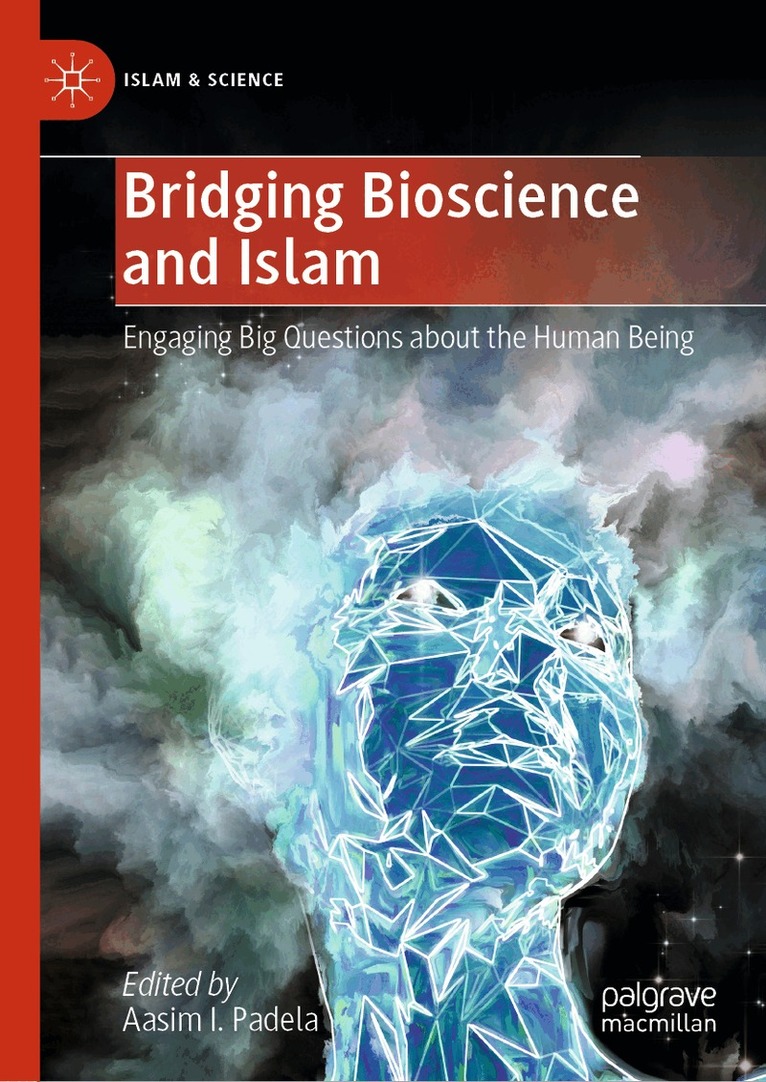
This book advances scholarly discourse at the interface of Islam, biomedicine, and the human being. Most commonly, discourses between science and religion center on conflict and commensurability. As the truth claims of one domain of knowledge are measured against the claims from the other, scholars, students, and members of the interested public seek to identify areas of contention, zones of overlap, and spaces for alignment. Recent advancements in neuroscience, genetics, and exobiology have yielded new data about the human being, thus providing avenues for renewed dialogue between science and religion. This volume seizes this opportunity to address fundamental questions about the human being by bridging bioscientific and Islamic understandings. Specifically, the volume brings together scientists, theologians, and educators to tackle questions of human origin, nature/essence, capacities, fatedness, future, and uniqueness, and to reflect upon teaching at the Islam and science interface. In doing so, it offers fresh multidisciplinary discussions on epistemology, theological anthropology, moral theology, ontology, and bioethics while centering discussions on the human being.
Inbunden, Engelska, 2026
1 487 kr
Kommande
This book presents the first English translation of Ali Sedad Bey’s pioneering 1883 treatise on thermodynamics, atomism and the emerging scientific worldview of the late Ottoman Empire. It represents a cornerstone in the intersection of 19th-century scientific advancements and Islamic philosophical thought. Originally written in Ottoman Turkish, it provides an unparalleled glimpse into the early introduction of thermodynamics, atomism, and Darwin's theory of natural selection to the Ottoman intellectual sphere. By exploring the scientific principles that dominated European thought and comparing them with Ashʿarite' metaphysics, Ali Sedad offers a detailed presentation and critical evaluation of these theories, underlining the compatibility between modern science and Islamic teachings. This book is not only a historical document but also a profound philosophical discourse on the nature of scientific inquiry and its metaphysical underpinnings.This edition includes a substantial introductory essay situating Ali Sedad within nineteenth‑century intellectual networks and scientific debates, and a comprehensive glossary of technical, theological, and philosophical terminology. Reclaiming a foundational but long‑overlooked text, this volume offers scholars of Islamic intellectual history, history of science, and science‑religion studies a rare window into how global scientific ideas were interpreted, contested, and transformed in a non‑Western context.