Kelsey Museum Studies – serie
Visar alla böcker i serien Kelsey Museum Studies. Handla med fri frakt och snabb leverans.
4 produkter
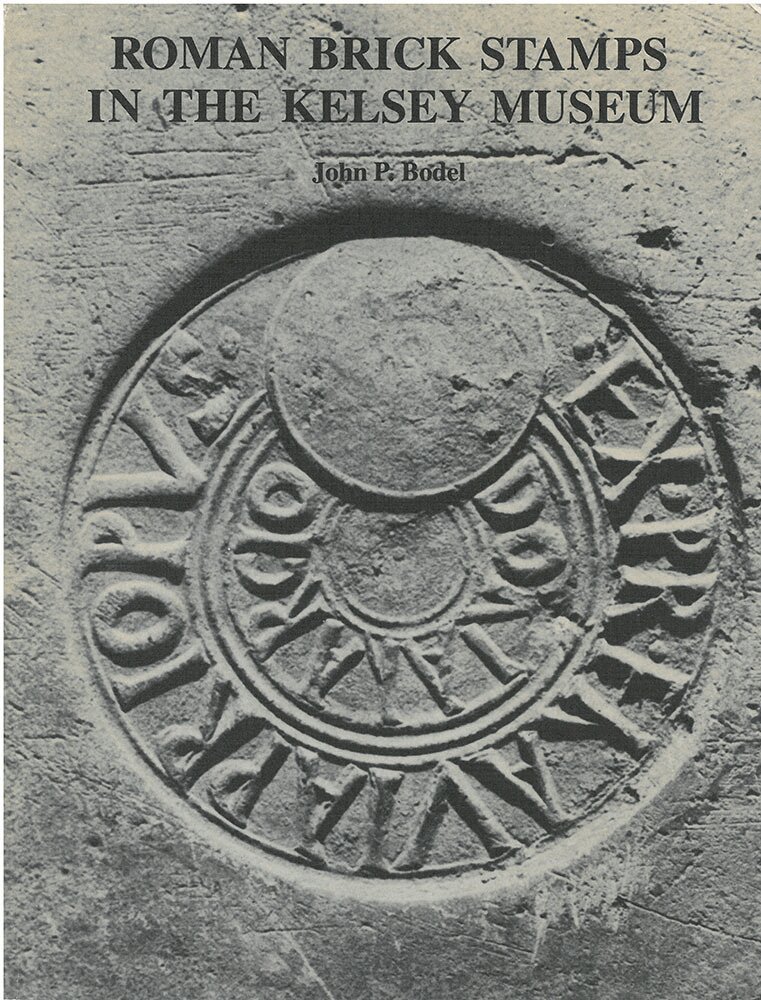
Roman Brick Stamps in the Kelsey Museum
Av John Bodel
Häftad, 1983
625 kr
Lägg i varukorg
A catalogue of the largest known collection of brick stamps outside Italy
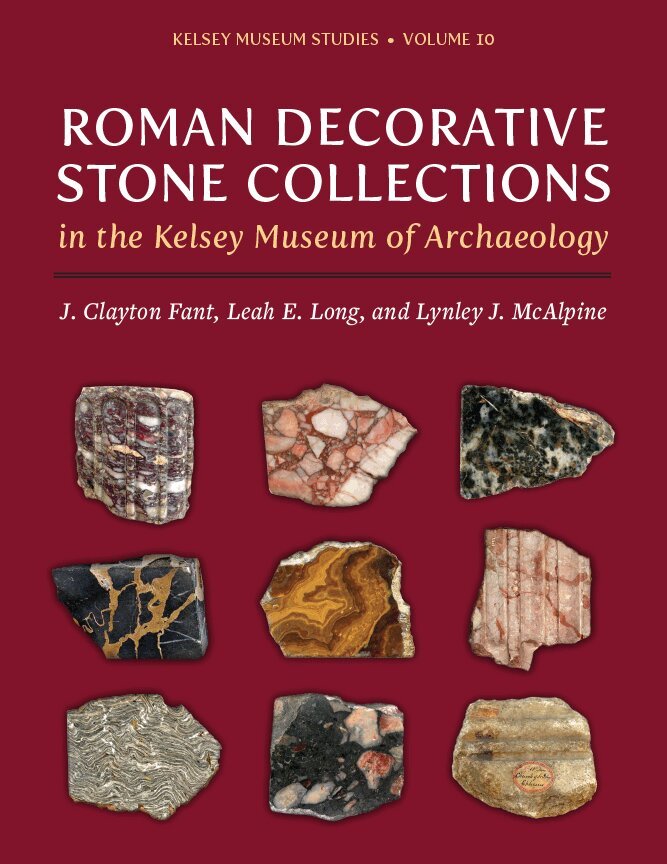
Roman Decorative Stone Collections in the Kelsey Museum of Archaeology
Av J. Clayton Fant, Leah E. Long m. fl.
Inbunden, 2024
1156 kr
Lägg i varukorg
At the turn of the twentieth century, Francis W. Kelsey began to amass a large collection of artifacts from ancient sites across the Mediterranean, with an emphasis on Imperial Rome, to broaden the teaching of antiquity at the University of Michigan. Among the objects now housed in the museum that …
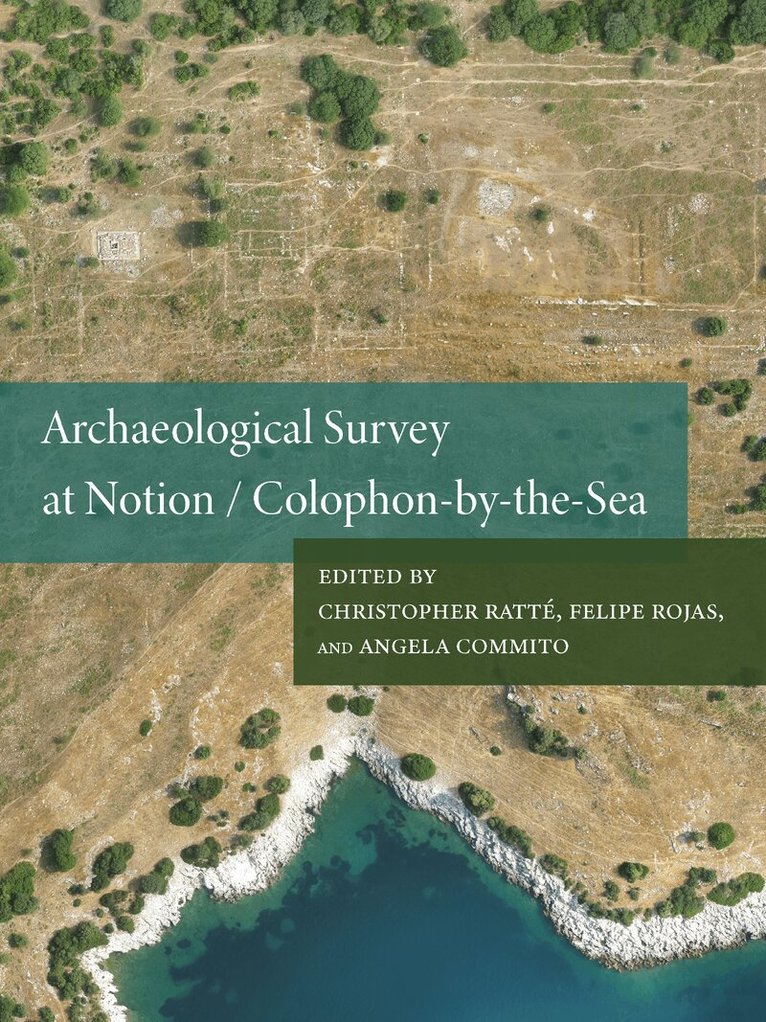
Archaeological Survey at Notion / Colophon-by-the-Sea
Av Christopher Ratté, Felipe Rojas m. fl.
Inbunden, 2027
1810 kr
Kommande
Notion, also known as Colophon-by-the-Sea, was an ancient Greek city on the western coast of Anatolia. A comprehensive archaeological survey carried out by the University of Michigan and Brown University (2014–21) yielded rich ceramic evidence for the chronology and commercial connections of the …
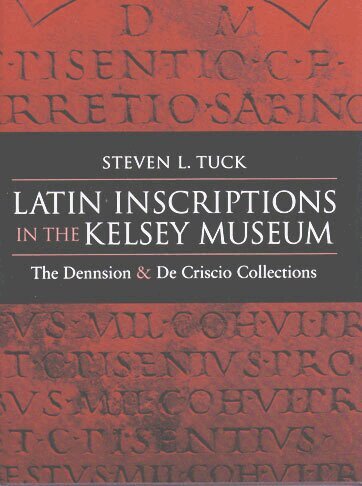
Latin Inscriptions in the Kelsey Museum
The Dennison and De Criscio Collections
Av Steven Tuck
Inbunden, 2006
1764 kr
Tillfälligt slut
The Latin inscriptions in the Kelsey Museum are among the best primary sources we have for documenting the lives of the lower classes in the Roman world. They provide unique evidence of the details of Roman daily life, including beliefs, occupations, families, and attitudes toward death.The 400 …