La Collection Louis J. Robichaud/the Louis J. Robichaud Series - Böcker
Visar alla böcker i serien La Collection Louis J. Robichaud/the Louis J. Robichaud Series. Handla med fri frakt och snabb leverans.
2 produkter
2 produkter
422 kr
Skickas inom 10-15 vardagar
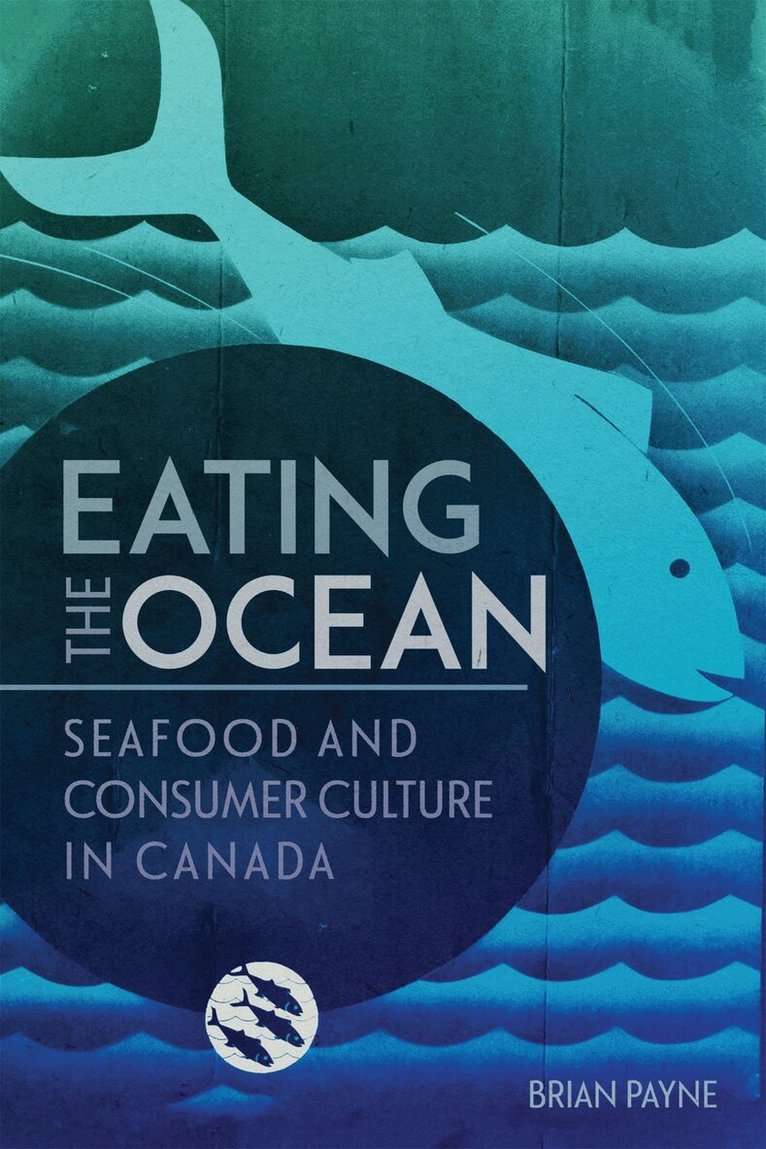
During the first half of the twentieth century, Canadian fisheries regularly produced more fish than markets could absorb, driving down profits and wages. To address this, both industry and government sought to stimulate domestic consumption via increased advertising. In Eating the Ocean Brian Payne explores how government-funded marketing called upon Canadian housewives to prepare more seafood meals to improve family health and aid an industry central to Canadian identity and heritage. The goal was first to make seafood a central element of a "wholesome" diet as a solution to a perceived nutritional crisis, and, second, to aid industry recovery and growth while decreasing Canadian fisheries' dependency on foreign markets. But fishery managers and policymakers fundamentally miscalculated consumer demand, wrongly assuming that Canadians could and would eat more seafood. Fisheries continued to extract more fish than the environment and the market could sustain, and the collapse of the nation's fisheries that we are now seeing has as much to do with failed assessments of market demand as it does with faulty extraction practices. Using internal communications between industry leaders and Ottawa bureaucrats, as well as advertising and promotional material published in the nation's leading magazines, national and local newspapers, and radio programming, Eating the Ocean traces the flawed understanding of not only supply but demand, a misguided gamble that caused fisheries to become the most mismanaged resource economy in early-twentieth-century Canada.
434 kr
Skickas inom 10-15 vardagar
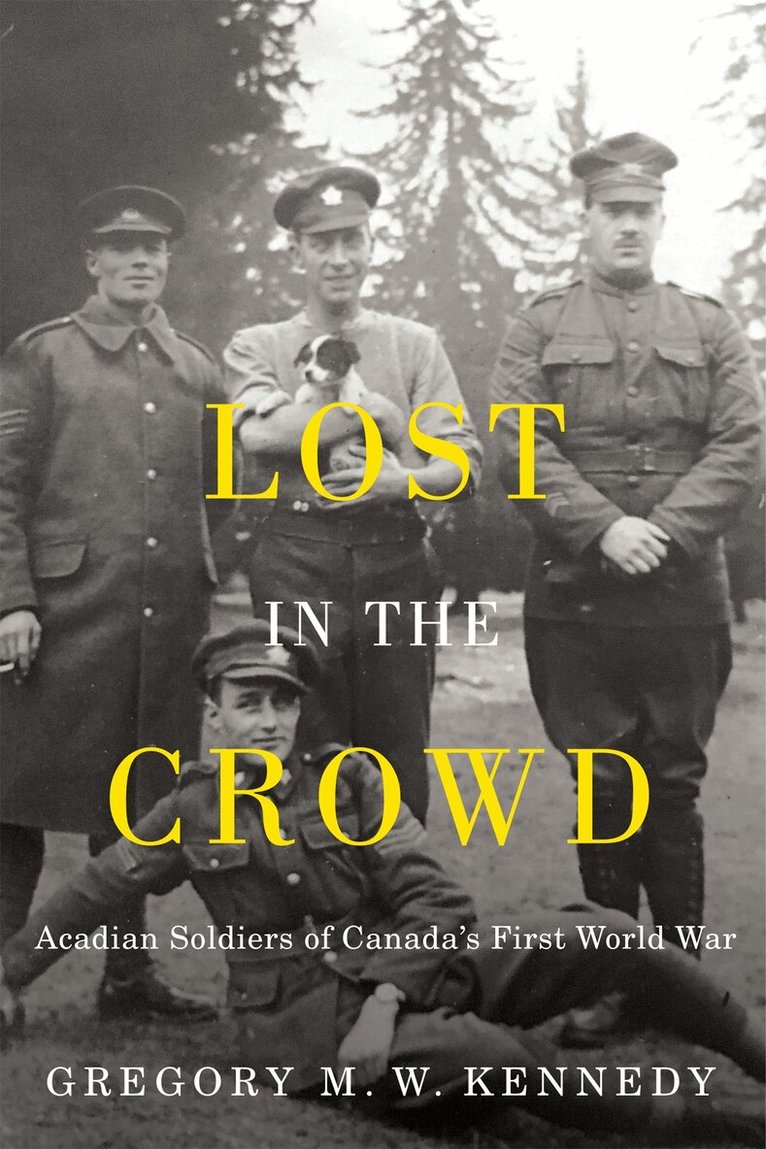
In December 1915, as the First World War wore on, Acadian leaders meeting in New Brunswick deplored how soldiers from their communities were "lost in the crowd" of the Canadian Expeditionary Force. They successfully lobbied the federal government for the creation of an Acadian national unit that would be French-speaking, Catholic, and led by their own. More than a thousand Acadians from across the Maritime provinces, Quebec, and the American northeast answered the call.In Lost in the Crowd Gregory Kennedy draws on military archives, census records, newspapers, and soldiers' letters to present a new kind of military history focusing on the experiences of Acadian soldiers and their families before, during, and after the war. He shows that Acadians were just as likely to enlist as their English-speaking counterparts across the Maritimes, though the backgrounds of the volunteers were quite different. Kennedy tackles controversial topics often missing from the previous historiography, such as underage recruits, desertion, and army discipline. With the help of the 1921 Canadian Census, he explores the factors that influenced post-war outcomes, both positive and negative, for soldiers, families, and communities.Lost in the Crowd offers a completely new and replicable approach to the traditional regimental history, reconstituting the lives of soldiers and their families. The focus on the Acadians, a francophone minority group in the Maritime provinces, significantly shifts our understanding of French Canada and the First World War.