Landscapes in Stone – serie
Visar alla böcker i serien Landscapes in Stone. Handla med fri frakt och snabb leverans.
7 produkter
7 produkter
95 kr
Skickas
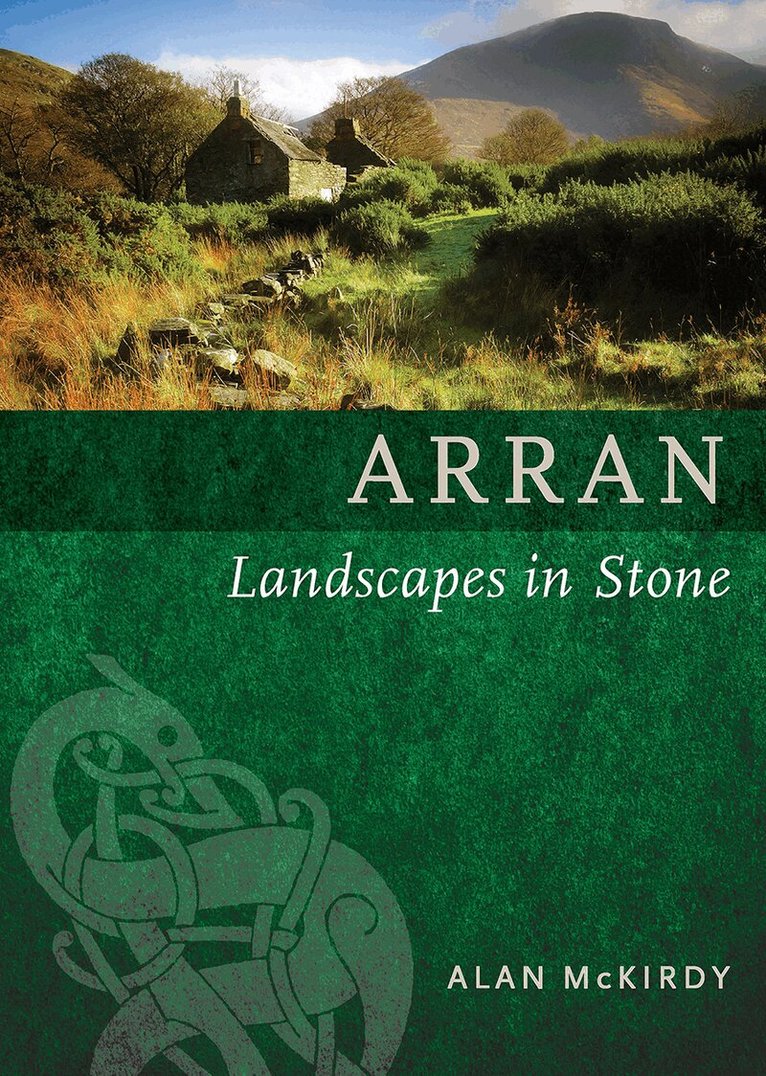
The Isle of Arran dominates the Firth of Clyde. A favourite haunt of holidaymakers, it is also a place of fascination for the geologist, offering a huge variety of rocks that represent a massive slice through geological time. From the ancient bent and buckled strata of Dalradian - a small fragment of the roots of the once mighty Scottish Highlands - the dramatic Northern mountains through which ice gouged its way during the Ice Age, to the relatively recent (some 60 million years ago!) rocks associated with the Arran volcano, the geological record tells an amazing tale. This book is a fascinating introduction to the landscape of Arran - one of the significant geological areas of the country.
84 kr
Skickas
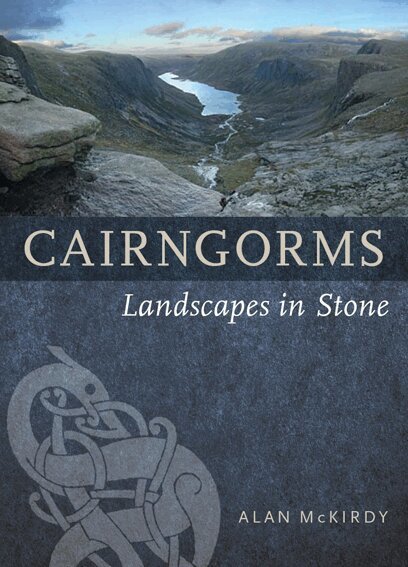
The geology of the Cairngorms was created on a timeline that stretches back hundreds of millions of years. Much of the land is underlain by granite that formed deep within the Earth's crust and 'surfaced' as the overlying layers of rock were stripped away by ice, wind and water.The bedrock is hard, and although the area has been heavily glaciated, still boasts 18 Munros, the highest of Scotland's peaks. The area attracts climbers, walkers and assorted adventurers who want to pit themselves against some of the most challenging conditions to be found anywhere in the UK. The plants and animals of the Cairngorms need to be hardy to survive the severe winter conditions. The higher reaches of the mountains are rich in montane vegetation such as lichen-rich heath and other habitats support many rare species.
84 kr
Skickas
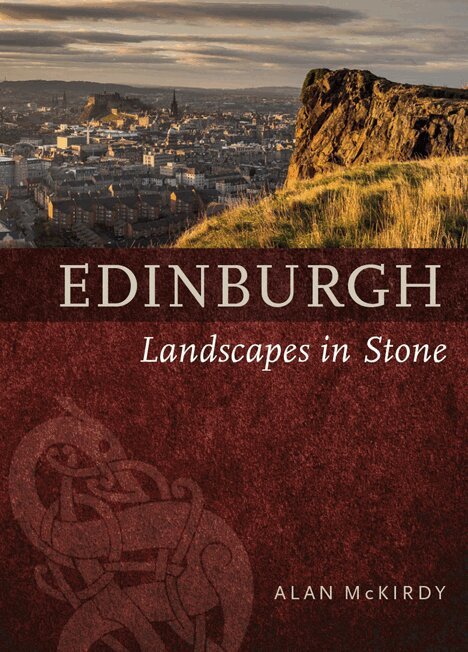
An ancient and long-extinct volcano lies at the heart of Scotland's capital. It roared into life some 350 million years ago and has been a source of fascination since it was first studied in earnest during the Enlightenment by James Hutton, one of the most significant geologists of all time. Many of Hutton's ground-breaking ideas of how the world works were predicated on the rocks and landscapes of his home city and surrounding area.This book is a fascinating exploration into Edinburgh's geological history over millions of years - including the passage of ice during a great freeze that has left an indelible stamp on Edinburgh's cityscape, the use rocks quarried locally from ancient, now long disappeared seas to create the stunning elegance of Edinburgh's New Town, and the coal deposits and oil shale which were exploited from the Industrial Revolution to the present day.
95 kr
Skickas
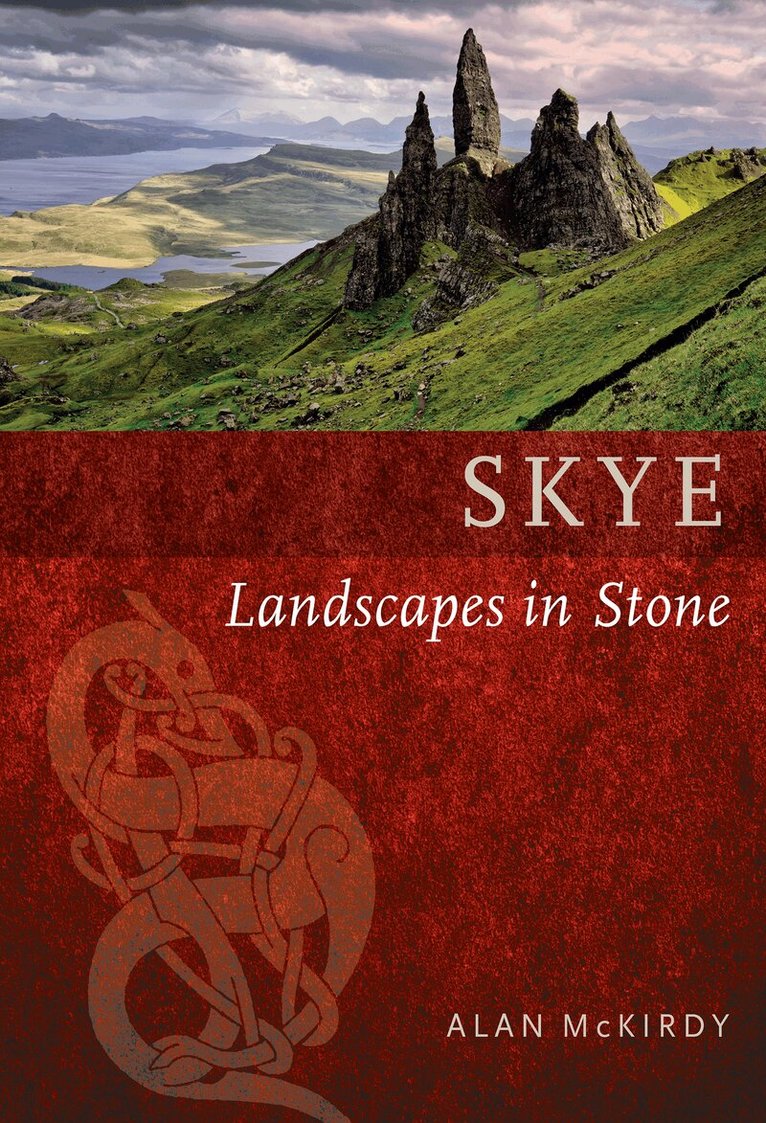
The Isle of Skye offers a magical combination of wild land and breath-taking natural beauty. Skye's geological history involves some of the most ancient rocks on the planet; a grandstand view as the Highlands of Scotland were formed over 400 million years ago and the development of one of the mightiest volcanoes ever to blow its top. Skye is also known as Scotland's 'dinosaur island', yielding the remains of many species of plant and meat-eating creatures that stalked land some 140 million years ago. Finally, the rocks forged in earlier times were shaped into the familiar hills and glens of today by the passage of ice as a great freeze gripped the land. This book provides key information about the formation of the island and the on-going processes of natural landscape evolution that continue to leave their mark on these spectacular vistas.
84 kr
Skickas
Longlisted for the Highland Book PrizeThe rocks of northern Scotland tell of turbulent events involving continental collisions that unleashed cataclysmic forces, creating a chain of mountains, the remnants of which we see today on both sides of the Atlantic. Geologists from Victorian times onwards have studied the area, and some of the most important geological phenomena have been established and described from the rocks that built these stunning landscapes.In this book, Alan McKirdy makes sense of the many and varied episodes that shaped the familiar landscape we see today. He highlights a number of fascinating geological features, including the Old Red Sandstones of Cromarty and the Black Isle, which carry the secrets of life during ‘the Age of Fishes’, and the thin sliver of fossil-bearing strata which hugs the coast from Golspie to beyond Helmsdale that dates back to Jurassic times and which records the time when dinosaurs roamed the Earth.
92 kr
Skickas
The written history and archaeological records of Central Scotland takes us back to Pictish times some 5,000 years ago. The geology of the area stretches back a further 400 million years.The oldest rocks are found near Lesmahagow and in the Pentland Hills. Known geologically as ‘inliers’– small areas of rocks from an older age, surrounded by younger strata – these strata have yielded some of the oldest fish on earth and are highly prized for what they tell us about early life on the planet. Rocks of the Old Red Sandstone and the succeeding Carboniferous era underlie the rest of Central Scotland in almost equal measure. Explosive volcanic rocks, thick layers of lava, desert sandstones, limestones and productive coal measures make up this bedrock patchwork. Then, sometime later, a covering of ice, some two kilometres thick, blanketed the landscape. It sandpapered and burnished the bedrock into the familiar scenes we see today – our matchless Scottish landscape.The coal and iron ore which lay beneath the ground between Edinburgh and Glasgow provided the raw materials that drove the Industrial Revolution in Scotland, and the early focus on understanding the rocks beneath our feet was unsurprisingly initially concentrated on the most useful minerals resources.
95 kr
Skickas
Today the Northeast of Scotland is the picture of peace and tranquillity. Some of the highest quality agricultural land is to be found here. But it was not always like this. Although the area lacks the scenic grandeur and dramatic mountains found elsewhere in Scotland, the record of the rocks here bear witness to countless apocalyptic geological events that helped to shape the landscape we see today.The area is bounded to the south by The Highland Line, which played a key role in the assembly of Scotland from a collection of previously unrelated continental fragments 420 million years ago. In more recent times, the land that became Northeast Scotland was covered by desert sands. Primitive lizard-like reptiles roamed the parched plains, leaving their footprints in the sand and impressions of their bones as trace fossils embedded in the rock. The landscape was shaped into its current distinctive form in more recent geological times by the passage of ice.Written for the non-expert and including stunning photographs and diagrams, this is the essential introduction to the geology and landforms of this fascinating part of Scotland.