Languages and Folklore of the Upper Midwest - Böcker
Visar alla böcker i serien Languages and Folklore of the Upper Midwest. Handla med fri frakt och snabb leverans.
5 produkter
5 produkter
379 kr
Skickas inom 10-15 vardagar
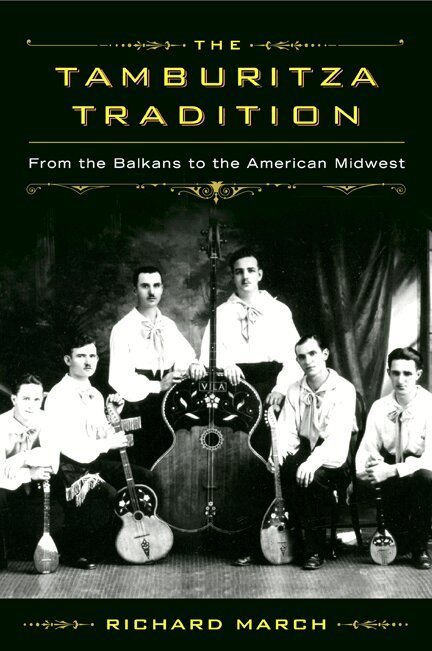
The Tamburitza Tradition is a lively and well-illustrated comprehensive introduction to a Balkan folk music that now also thrives in communities throughout Europe, the Americas, and Australia. Tamburitza features acoustic stringed instruments, ranging in size from tamburas as small as a ukulele to ones as large as a bass viol.Folklorist Richard March documents the centuries-old origins and development of the tradition, including its intertwining with nationalist and ethnic symbolism. The music survived the complex politics of nineteenth-century Europe but remains a point of contention today. In Croatia, tamburitza is strongly associated with national identity and supported by an artistic and educational infrastructure. Serbia is proud of its outstanding performers and composers who have influenced tamburitza bands on four continents. In the United States, tamburitza was brought by Balkan immigrants in the nineteenth century and has become a flourishing American ethnic music with its own set of representational politics.Combining historical research with in-depth interviews and extensive participant-observer description, The Tamburitza Tradition reveals a dynamic and expressive music tradition on both sides of the Atlantic and beyond, illuminating the cultures and societies from which it has emerged.
283 kr
Skickas inom 10-15 vardagar
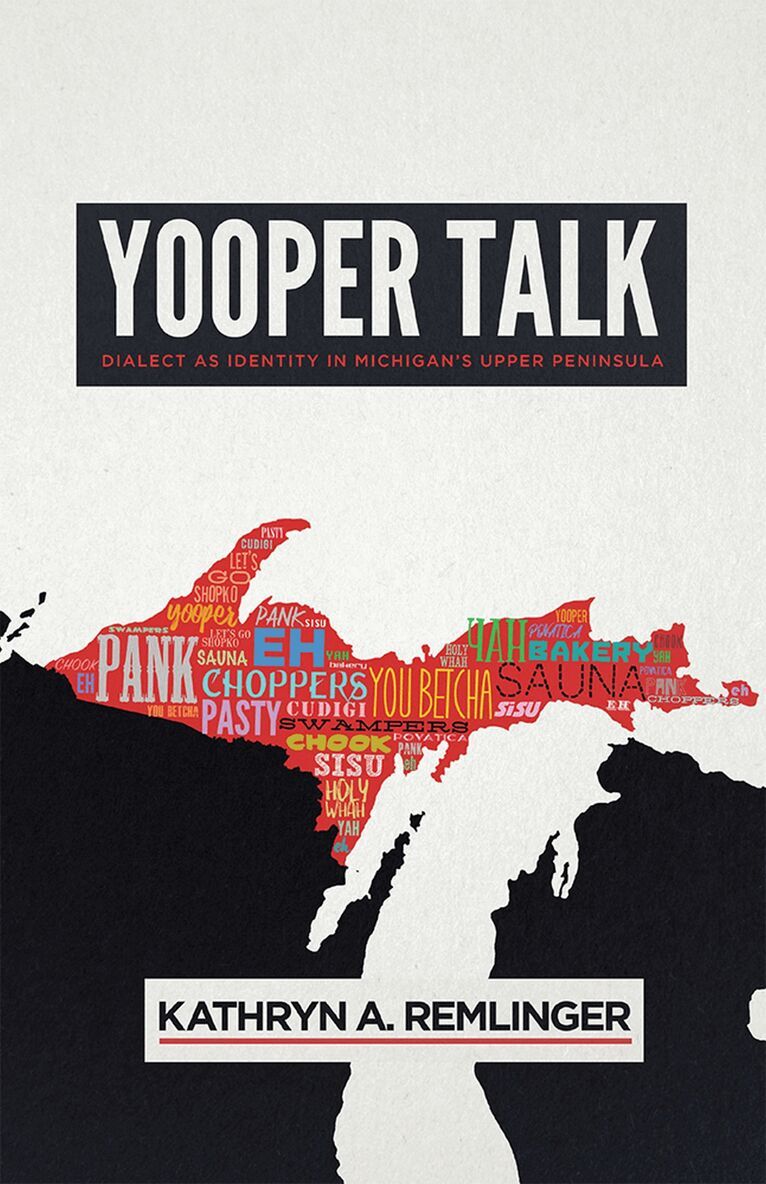
Yooper Talk is a fresh and significant contribution to understanding regional language and culture in North America. The Upper Peninsula of Michigan—known as “the UP”—is historically, geographically, and culturally distinct. Struggles over land, labor, and language during the last 150 years have shaped the variety of English spoken by resident Yoopers, as well as how they are viewed by outsiders.Drawing on sixteen years of fieldwork, including interviews with seventy-five lifelong residents of the UP, Kathryn Remlinger examines how the idea of a unique Yooper dialect emerged. Considering UP English in relation to other regional dialects and their speakers, she looks at local identity, literacy practices, media representations, language attitudes, notions of authenticity, economic factors, tourism, and contact with immigrant and Native American languages. The book also explores how a dialect becomes a recognizable and valuable commodity: Yooper talk (or “Yoopanese”) is emblazoned on t-shirts, flags, postcards, coffee mugs, and bumper stickers.Yooper Talk explains linguistic concepts with entertaining examples for general readers and also contributes to interdisciplinary discussions of dialect and identity in sociolinguistics, anthropology, dialectology, and folklore.
189 kr
Skickas
The Upper Peninsula of Michigan—known as “the U P”—is historically, geographically, and culturally distinct. Struggles over land, labor, and language during the last 150 years have shaped the variety of English spoken by resident Yoopers, as well as how they are viewed by outsiders—and themselves. Drawing on sixteen years of fieldwork, including interviews with seventy-five lifelong residents of the UP, Kathryn Remlinger examines how the idea of a unique Yooper dialect emerged. Considering UP English in relation to other regional dialects and their speakers, she looks at local identity, literacy practices, media representations, language attitudes, notions of authenticity, economic factors, tourism, and contact with non-English immigrant and Native American languages. The book also explores how a dialect becomes a recognizable and valuable commodity: Yooper talk (or “Yoopanese”) is emblazoned on t-shirts, flags, postcards, coffee mugs, and bumper stickers.
283 kr
Skickas inom 10-15 vardagar
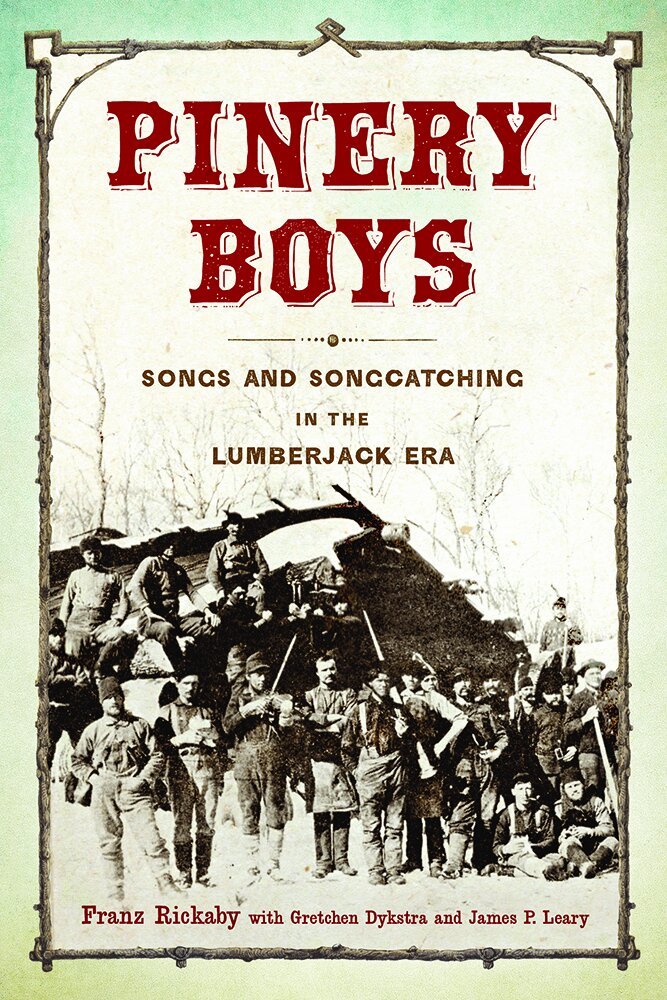
As the heyday of the lumber camps faded, a young scholar named Franz Rickaby set out to find songs from shanty boys, river drivers, and sawmill hands in the Upper Midwest. Traveling mostly on foot with a fiddle slung over his shoulder, Rickaby fell into easy conversation with the men, collecting not just the words of songs, but the tunes, making careful notes about his informants and their performances. Shortly before his groundbreaking and much-praised Ballads and Songs of the Shanty Boy was published in 1926, Rickaby died, leaving later folklorists, cultural historians, and folksong enthusiasts with little knowledge of his life and other unpublished research.Pinery Boys now incorporates, commemorates, contextualizes, and complements Rickaby's early work. It includes an introduction and annotations throughout by eminent folklore scholar James P. Leary and an engaging, impressively researched biography by Rickaby's granddaughter Gretchen Dykstra. Central to this edition are Rickaby's own introduction and the original fifty-one songs that he published—including ""Jack Haggerty's Flat River Girl,"" ""The Little Brown Bulls,"" ""Ole from Norway,"" ""The Red Iron Ore,"" and ""Morrissey and the Russian Sailor""—plus fourteen additional songs selected to represent the varied collecting Rickaby did beyond the lumber camps.Supplemented by historical photographs, Pinery Boys fully reveals Franz Rickaby as a visionary artist and scholar and provides glimpses into the past lives of woods poets and singers.
319 kr
Skickas inom 7-10 vardagar
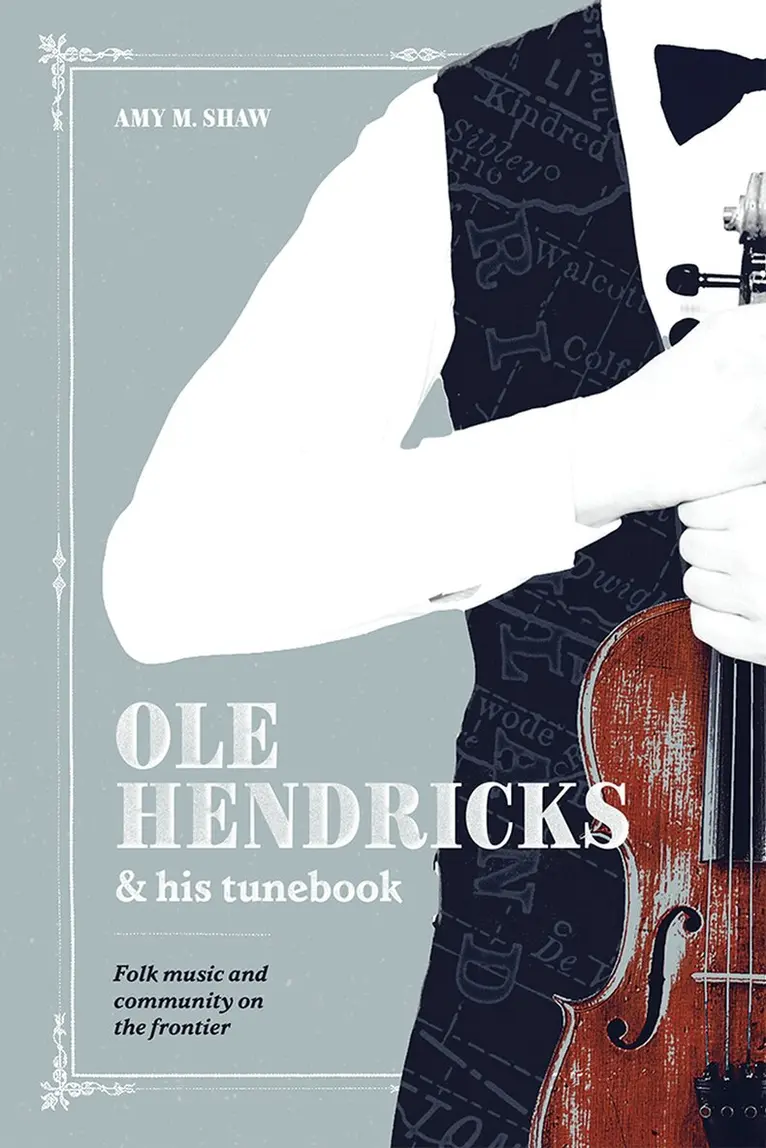
Ole Hendricks was an immigrant both representative and exceptional - a true artistic talent who nevertheless lived a familiar immigrant experience. By day, he was a farmer. But at night, his fiddle lit up dance halls, bringing together all manner of neighbors in rural Minnesota. Each tune in his repertoire of waltzes, reels, polkas, quadrilles, and more were copied neatly into his commonplace book.Such tunebooks, popular during the nineteenth century, rarely survive and are often overlooked by folk scholars in favor of commercially produced recordings, published sheet music, or oral tradition. Based on extensive historical and genealogical research, Amy Shaw presents a grounded picture of a musician, his family, and his community in the Upper Midwest, revealing much about music and dance in the area. This notable contribution to regional music and folklore includes more than one hundred of Ole's dance tunes, transcribed into modern musical notation for the first time. Ole Hendricks and His Tunebook will be valuable to readers and scholars interested in ethnomusicology and the Norwegian American immigrant experience.