Latino Perspectives - Böcker
Visar alla böcker i serien Latino Perspectives. Handla med fri frakt och snabb leverans.
16 produkter
16 produkter
474 kr
Skickas inom 10-15 vardagar
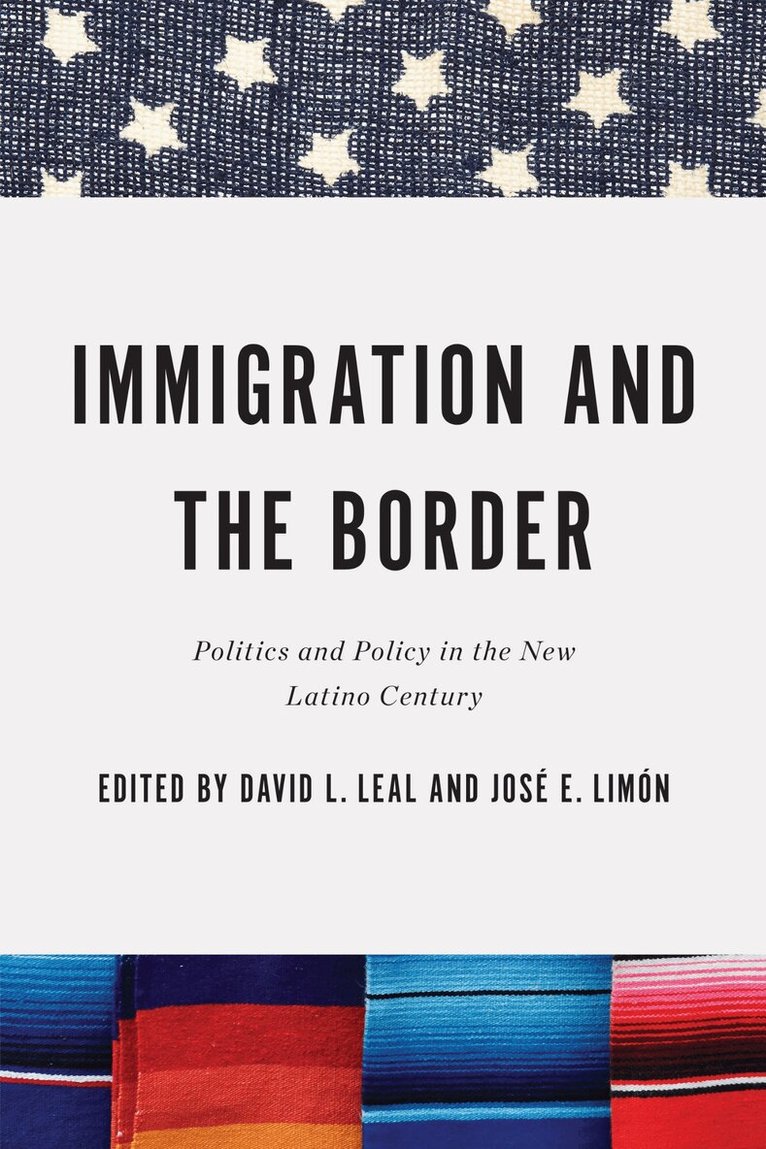
The advent of the twenty-first century marks a significant moment in the history of Latinos in the United States. The "fourth wave" of immigration to America is primarily Latino, and the last decades of the twentieth century saw a significant increase in the number of Latino migrants, a diversification of the nations contributing to this migration, and an increase in the size of the native-born Latino population. A backlash against unauthorized immigration, which may indict all Latinos, is also underway. Understanding the growing Latino population, especially its immigrant dimensions, is therefore a key task for researchers in the social sciences and humanities. The contributors to Immigration and the Border address immigration and border politics and policies, focusing on the U.S. side of the border. The volume editors have arranged the essays into five sections. The two chapters in the first section set the stage and discuss the binational lives of Mexican migrants; chapters in the subsequent sections highlight specific political and policy themes: civic engagement, public policies, political reactions against immigrants, and immigrant leadership. Because the immigration experience encompasses many facets of political life and public policy, the varied perspectives of the contributors offer a mosaic that contextualizes the impact of and contributions by contemporary Latino immigrants. Their research will appeal not only to scholars but to policymakers and the public and will inform contentious debates about migration and migrants.
314 kr
Skickas inom 10-15 vardagar
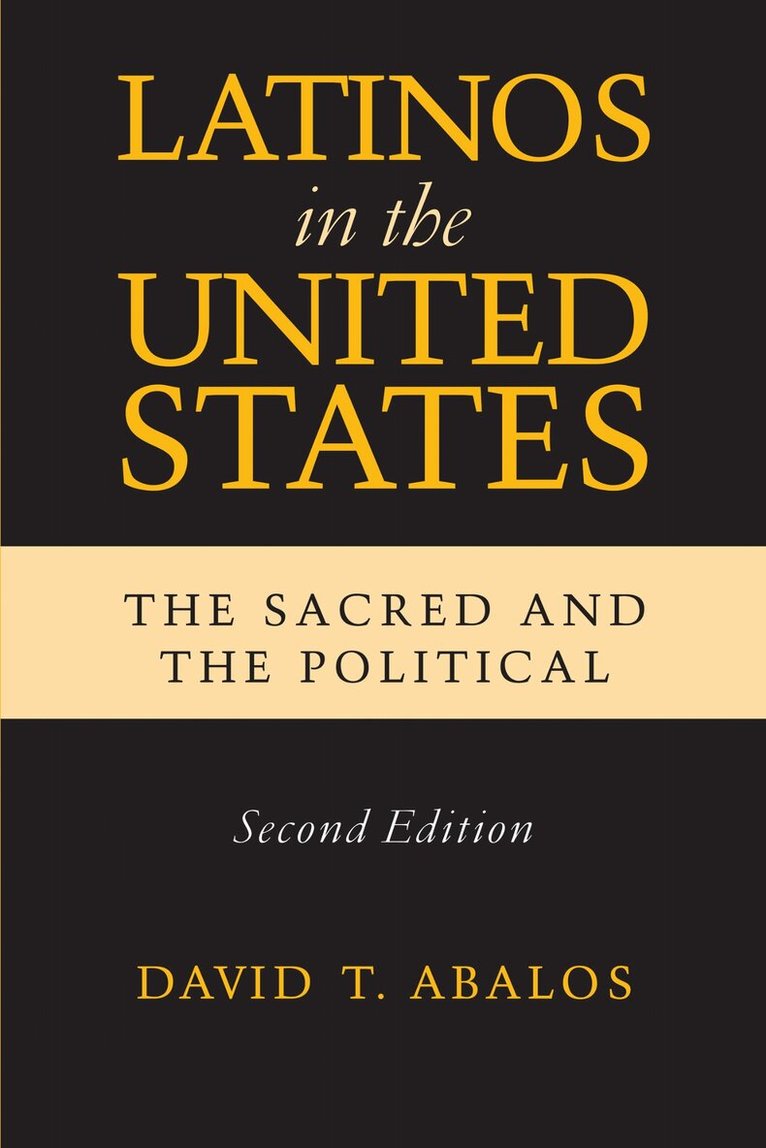
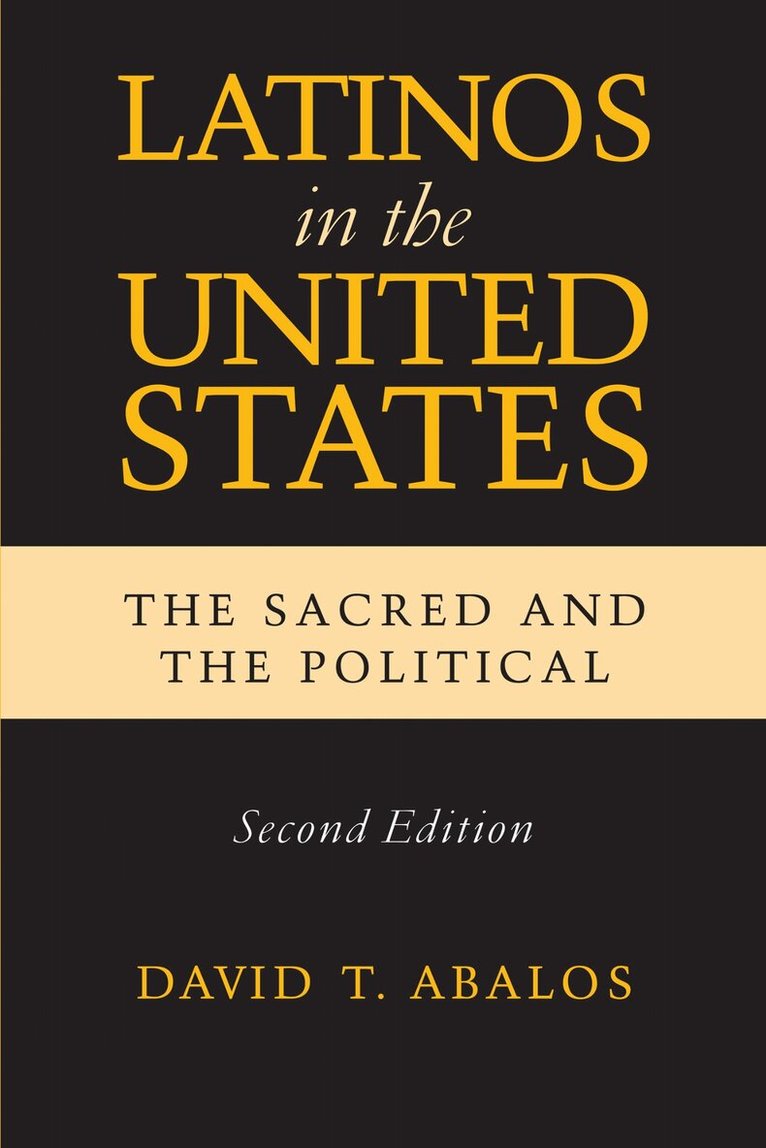
When Latinos in the United States was first published in 1986, it was hailed as a "triumph" by the National Catholic Reporter, "inspiring" by the journal American Studies, and was named an Outstanding Academic Book of the Year by Choice. The book was widely adopted in Latino and ethnic studies classes at colleges and universities throughout the country. Now, in the second edition, David Abalos updates his pioneering application of the transformation theory to key aspects of Latino politics, history, and culture. He draws on examples from everyday human encounters to address specific concerns of both Latino individuals and groups. Among the issues addressed are: the need to maintain Latino family heritage while allowing each member to develop the autonomy necessary to interact both within the family and within American society; the importance of avoiding assimilation; the necessity for Latinos to develop the skills and competence that allow them to enter into America's business world without losing their commitment to the community; rediscovery of Latino religious symbols of transformation that renew the life of the sacred; and the need to preserve Latino heritage through a strategy of being both American and Latino.The second edition contains extensive new material. Abalos includes a new section on archetypal analysis. He has added discussions of the relationship between the sacred and the political in American politics, and of assimilation and its effects on the immigrant. He addresses the new wave of migration and what it means to the future of the United States and la comunidad Latina. Abalos has also added a new chapter on the politics of education, which is, he argues, the most important civil rights issue facing the Latino community. The notes and bibliography reflect recent scholarship, especially that of Latina writers and Chicana feminists.
367 kr
Skickas inom 10-15 vardagar
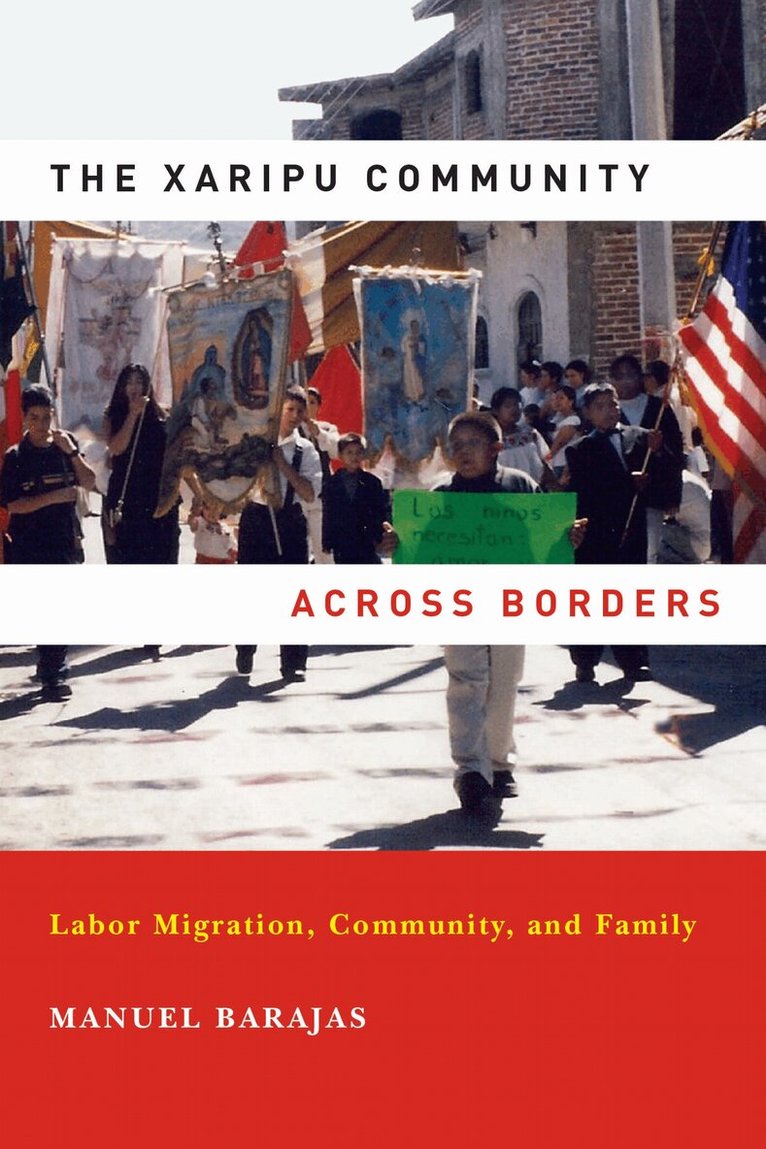
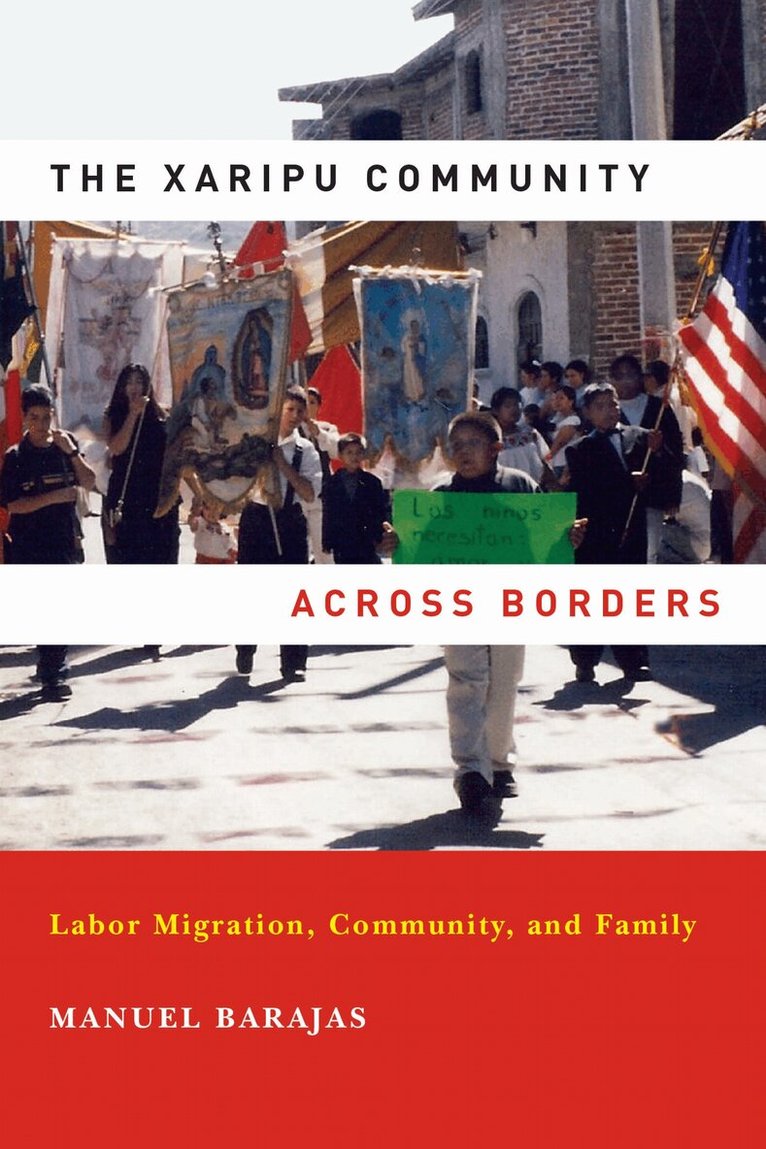
During the past three decades there have been many studies of transnational migration. Most of the scholarship has focused on one side of the border, one area of labor incorporation, one generation of migrants, and one gender. In this path-breaking book, Manuel Barajas presents the first cross-national, comparative study to examine a Mexican-origin community's experience with international migration and transnationalism. He presents an extended case study of the Xaripu community, with home bases in both Xaripu, Michoacán, and Stockton, California, and elaborates how various forms of colonialism, institutional biases, and emergent forms of domination have shaped Xaripu labor migration, community formation, and family experiences across the Mexican/U.S. border for over a century.Of special interest are Barajas's formal and informal interviews within the community, his examination of oral histories, and his participant observation in several locations. Barajas asks, What historical events have shaped the Xaripus' migration experiences? How have Xaripus been incorporated into the U.S. labor market? How have national inequalities affected their ability to form a community across borders? And how have migration, settlement, and employment experiences affected the family, especially gender relationships, on both sides of the border?
394 kr
Skickas inom 10-15 vardagar
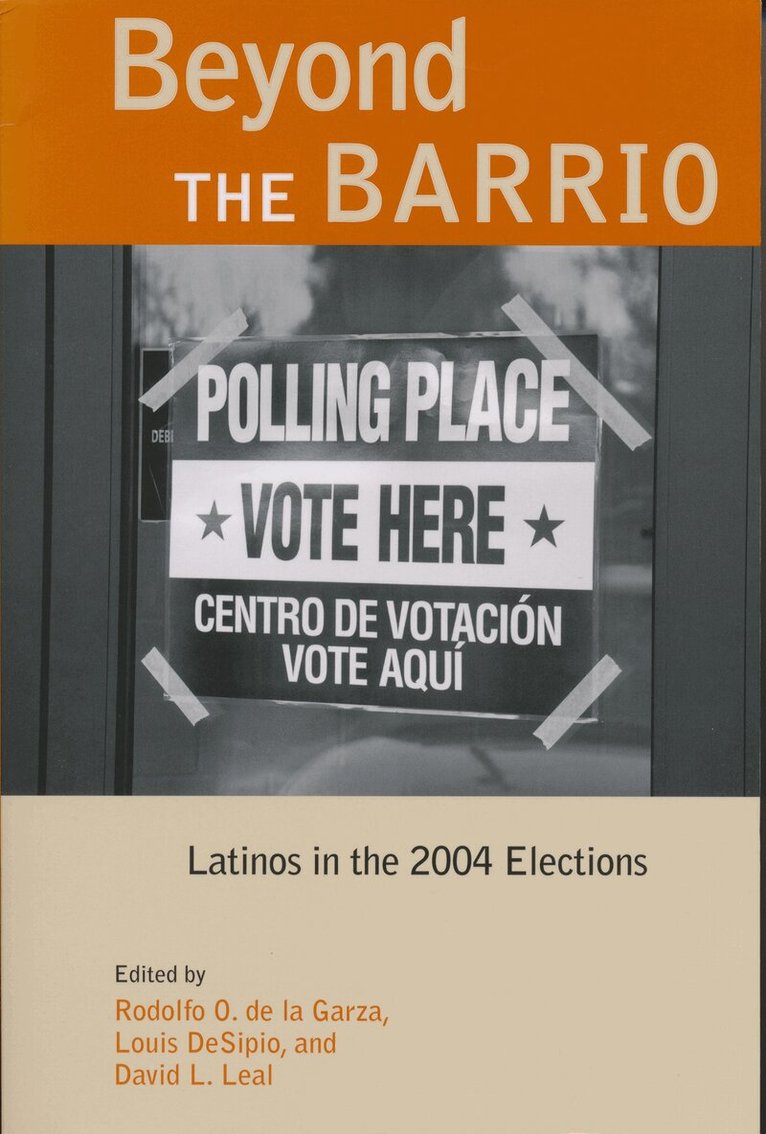
Beyond the Barrio: Latinos in the 2004 Elections analyzes the mobilization of Latino voters at the state and national levels during the 2004 campaign and the efforts of Latino communities to influence electoral outcomes. The volume is the most recent installment in the quadrennial analyses of Latinos and national elections begun in 1988 by Rodolfo de la Garza and Louis DeSipio. This ongoing project is the only scholarly effort to track the emergence of Latino influence in U.S. politics over the last two decades. The volume examines how and when Latinos were the focus of candidate/campaign mobilization, how Latinos themselves organized to influence electoral outcomes, and where and under what circumstances they succeeded. In addition to state-level analyses, Beyond the Barrio presents an analytical overview of the national presidential campaign that includes measures of Latino influence and a review of state and local contests that led to the election of Latino officials. It also extends the analysis to states with small Latino populations that are just beginning to organize. The editors consider 2004 as a "signpost" election, in which both major parties began a transition from symbolic gestures toward Latino voters to more serious, issue-related efforts to court the Latino vote.The expertise of the contributors ensures that Beyond the Barrio avoids simple generalizations about the "Latino vote" and illustrates its complexity, as well as the opportunities and challenges faced by Latino voters and Latino leaders.
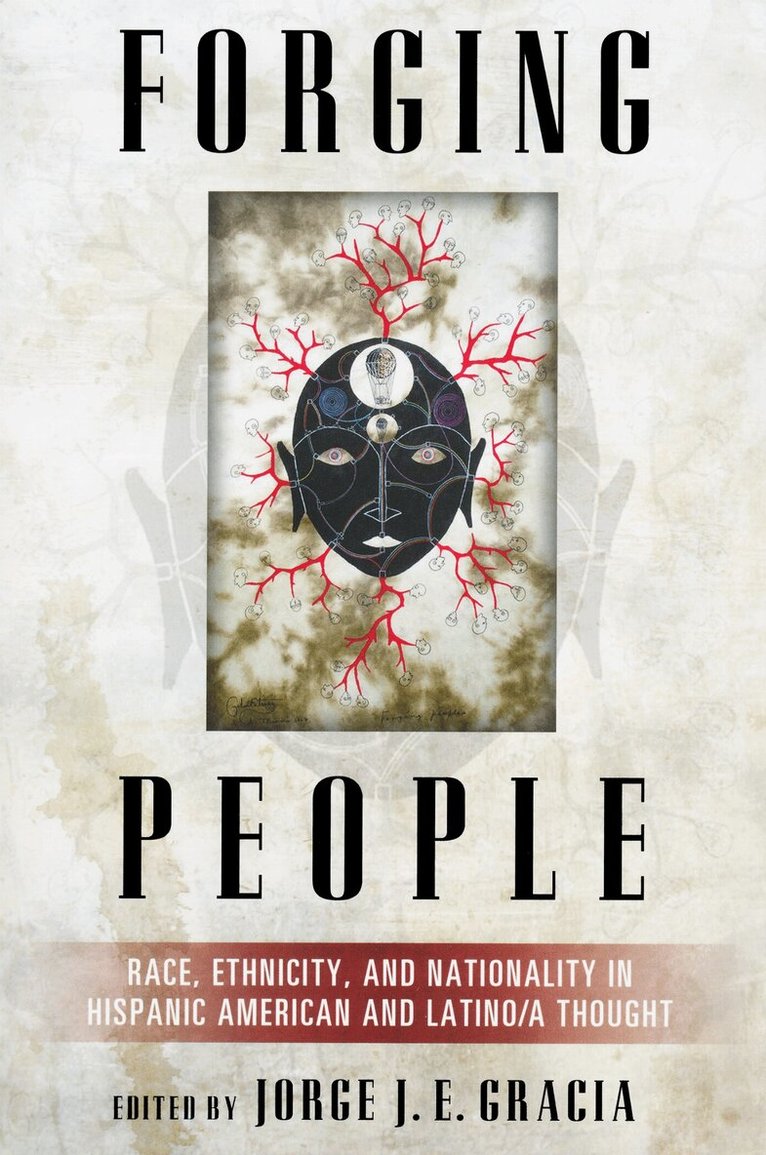
Forging People
Race, Ethnicity, and Nationality in Hispanic American and Latino/a Thought
Häftad, Engelska, 2011
314 kr
Skickas inom 10-15 vardagar
Forging People explores the way in which Hispanic American thinkers in Latin America and Latino/a philosophers in the United States have posed and thought about questions of race, ethnicity, and nationality, and how they have interpreted the most significant racial and ethnic labels used in Hispanic America in connection with issues of rights, nationalism, power, and identity. Following the first introductory chapter, each of the essays addresses one or more influential thinkers, ranging from Bartolomé de Las Casas on race and the rights of Amerindians; to Simón Bolívar's struggle with questions of how to forge a nation from disparate populations; to modern and contemporary thinkers on issues of race, unity, assimilation, and diversity. Each essay carefully and clearly presents the views of key authors in their historical and philosophical context and provides brief biographical sketches and reading lists, as aids to students and other readers.Forging People is an indispensable resource for anyone who works, teaches, or is interested in the thought, history, and social situation of Latin America and the views of Latinos residing in the United States.
287 kr
Skickas inom 10-15 vardagar
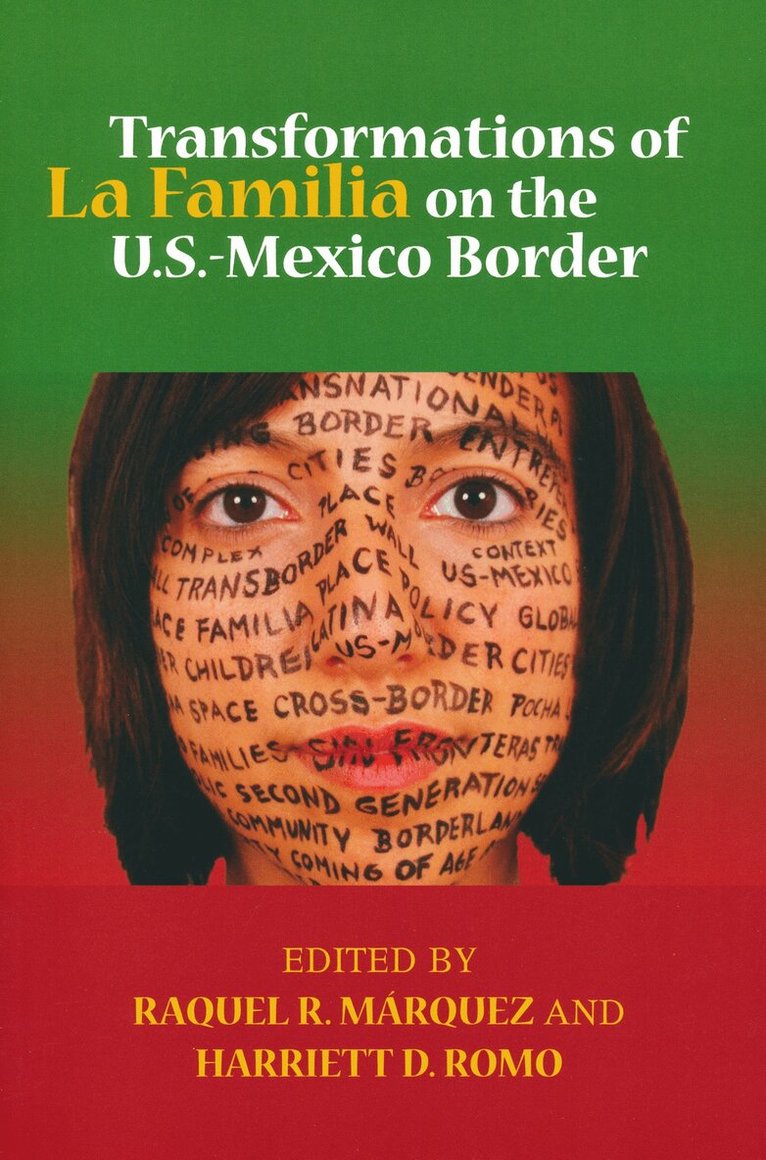
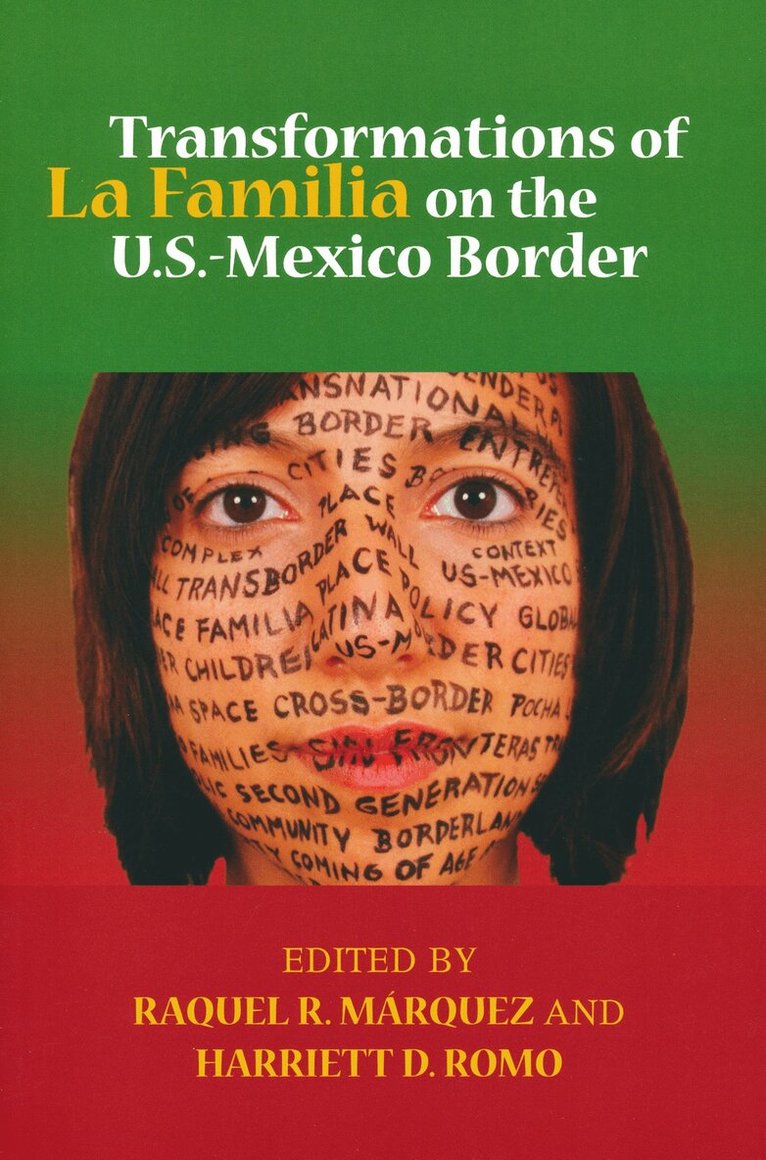
No international relationship of the United States is as encumbered by history, geography, culture, language, and economics as the one with Mexico. Given the scale and importance of the flow of commerce and culture across the border, however, surprisingly few studies have examined the micro-level impact of border immigration patterns, economic systems, and policies on families in the region. Recognizing this void, the women scholars represented here—all of whom have studied and lived near la frontera—explore the complexity of border dynamics. They offer a well-rounded portrayal of Latino families and their response to changes at the border.The authors focus primarily on women and changes within families on the border—in response to women's economic strategies, labor market participation, and interactions with relatives and others. Quantitative chapters provide demographic analyses of population changes in new immigrant areas, the conditions of children and families along the border, and the work patterns of border families and women entrepreneurs. Qualitative chapters provide insights into the rites of passage celebrated across borders and the transnational lives of women and their families. The volume concludes with recommendations for collaborative U.S.-Mexico border policies that support families.
1 341 kr
Skickas inom 10-15 vardagar
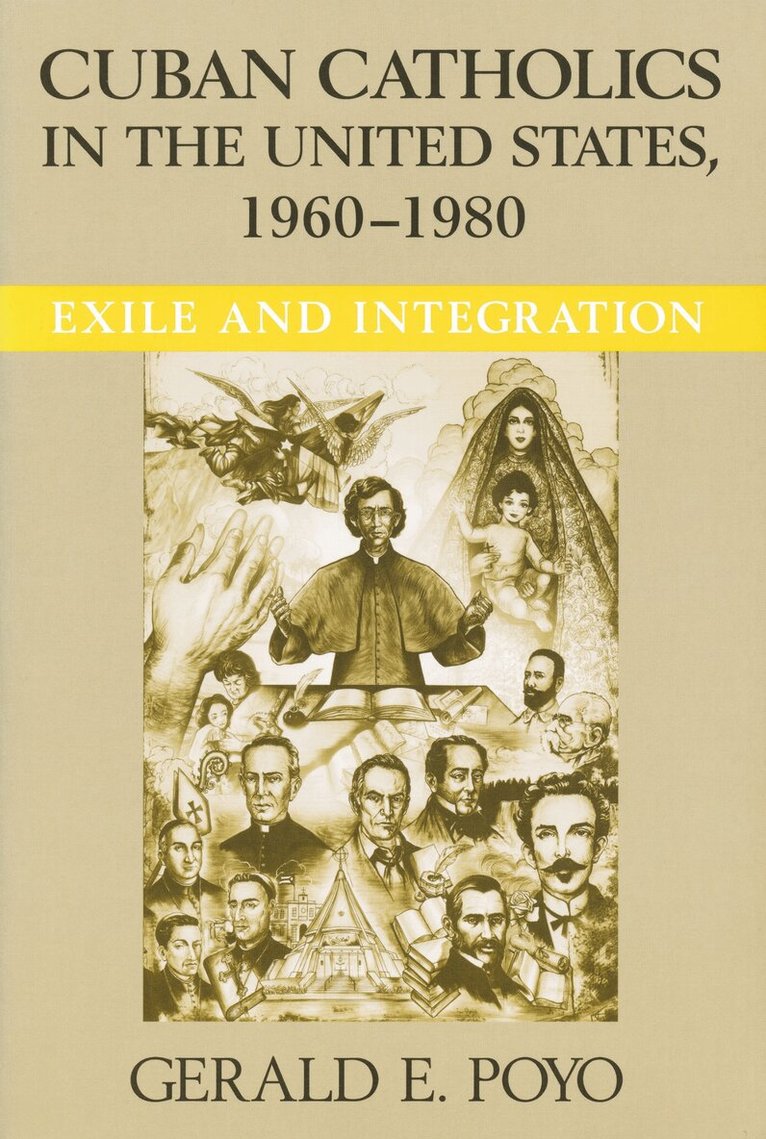
Everyday life for Cubans in the United States during the 1960s and 1970s involved an intimate interaction between commitment to an exile identity and reluctant integration into a new society. For Catholic Cuban exiles, their faith provided a filter through which they analyzed and understood both their exile and their ethnic identities. Catholicism offered the exiles continuity: a community of faith, a place to gather, a sense of legitimacy as a people. Religion exerted a major influence on the beliefs and actions of Cuban exiles as they integrated into U.S. culture and tried at the same time to make sense of events in their homeland.Cuban Catholics in the United States, 1960-1980 examines all these facets of the exile and integration process among Catholics, primarily in south Florida, but the voices of others across the United States, Latin America, and Europe also enter the story. The personal papers of exiles, their books and pamphlets, newspaper articles, government archives, and personal interviews provide the historical data for this book. In his thorough examination Gerald E. Poyo provides insights not only for this community but for other faith-based exile communities.
367 kr
Skickas inom 10-15 vardagar
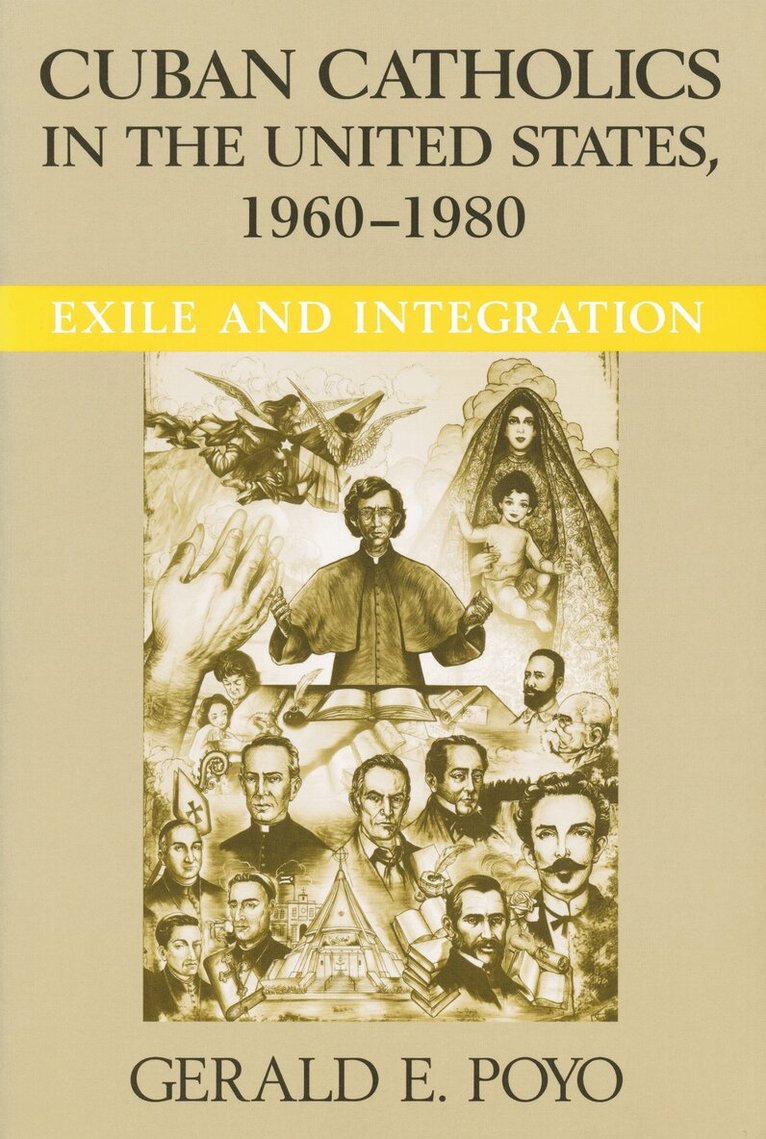
Everyday life for Cubans in the United States during the 1960s and 1970s involved an intimate interaction between commitment to an exile identity and reluctant integration into a new society. For Catholic Cuban exiles, their faith provided a filter through which they analyzed and understood both their exile and their ethnic identities. Catholicism offered the exiles continuity: a community of faith, a place to gather, a sense of legitimacy as a people. Religion exerted a major influence on the beliefs and actions of Cuban exiles as they integrated into U.S. culture and tried at the same time to make sense of events in their homeland.Cuban Catholics in the United States, 1960-1980 examines all these facets of the exile and integration process among Catholics, primarily in south Florida, but the voices of others across the United States, Latin America, and Europe also enter the story. The personal papers of exiles, their books and pamphlets, newspaper articles, government archives, and personal interviews provide the historical data for this book. In his thorough examination Gerald E. Poyo provides insights not only for this community but for other faith-based exile communities.
300 kr
Skickas inom 10-15 vardagar
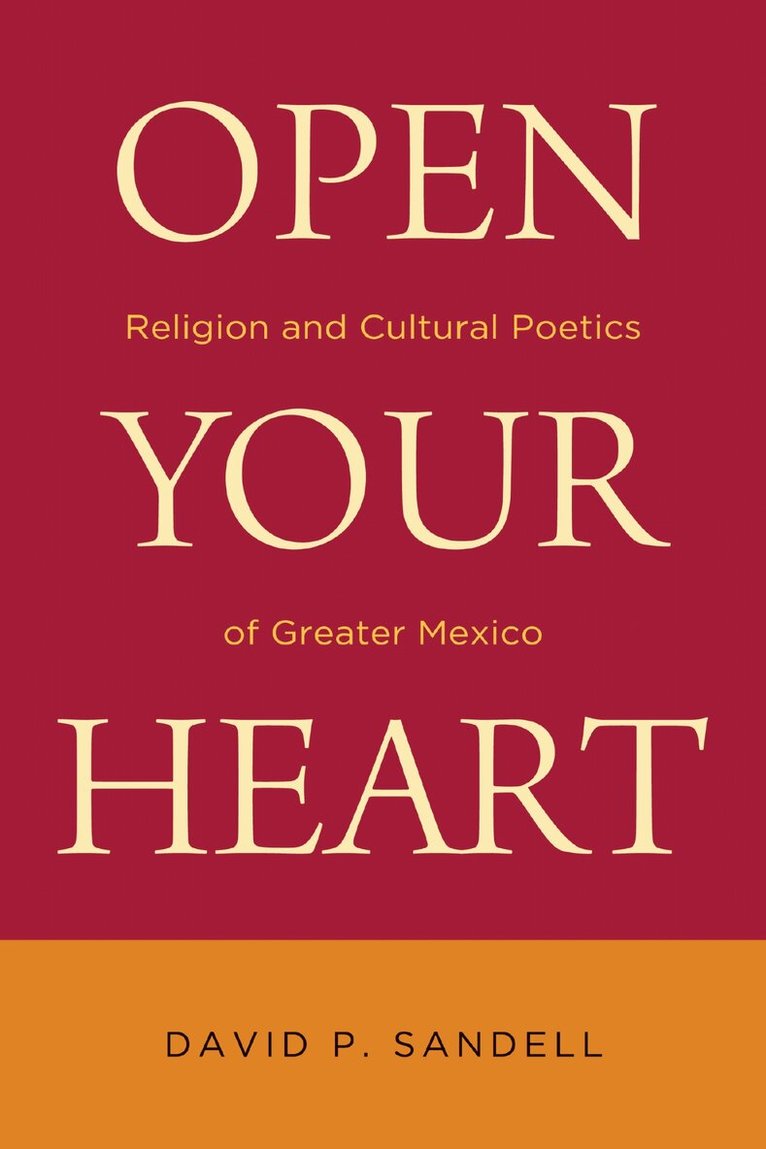
In this ethnography of Catholic religious practice in Fresno, California, David P. Sandell unveils ritualized storytelling that Mexican and Mexican American people of faith use to cope with racism and poverty associated with colonial, capitalist, and modern social conditions. Based on in-depth interviews and extensive field research conducted in 2000 and 2001, Sandell's work shows how people use story and religious ritual (including the Matachines dance, the Mass, the rosary, pilgrimage, and processions) to create a space in their lives free from oppression. These people give meaning to the expression "open your heart," the book argues, through ritual and stories, enabling them to engage the mind and body in a movement toward, as one participant said, "the sacred center" of their lives.Sandell argues that the storytelling represents a tradition of poetics that provides an alternative, emancipatory epistemology. Américo Paredes, for example, defined this tradition in his scholarship of border balladry. According to Paredes, storytelling with ritual elements raises a feature of performance characterized as a convivial disposition and shared sense of identity among people who call themselves Mexican not for national identification but for a cultural one, understood as "Greater Mexico." Sandell contributes to this tradition and achieves an understanding of Greater Mexico characterized by people whose stories and rituals help them find common ground, unity, and wholeness through an open heart.
1 381 kr
Skickas inom 10-15 vardagar
When Latinos in the United States was first published in 1986, it was hailed as a "triumph" by the National Catholic Reporter, "inspiring" by the journal American Studies, and was named an Outstanding Academic Book of the Year by Choice. The book was widely adopted in Latino and ethnic studies classes at colleges and universities throughout the country. Now, in the second edition, David Abalos updates his pioneering application of the transformation theory to key aspects of Latino politics, history, and culture. He draws on examples from everyday human encounters to address specific concerns of both Latino individuals and groups. Among the issues addressed are: the need to maintain Latino family heritage while allowing each member to develop the autonomy necessary to interact both within the family and within American society; the importance of avoiding assimilation; the necessity for Latinos to develop the skills and competence that allow them to enter into America's business world without losing their commitment to the community; rediscovery of Latino religious symbols of transformation that renew the life of the sacred; and the need to preserve Latino heritage through a strategy of being both American and Latino.The second edition contains extensive new material. Abalos includes a new section on archetypal analysis. He has added discussions of the relationship between the sacred and the political in American politics, and of assimilation and its effects on the immigrant. He addresses the new wave of migration and what it means to the future of the United States and la comunidad Latina. Abalos has also added a new chapter on the politics of education, which is, he argues, the most important civil rights issue facing the Latino community. The notes and bibliography reflect recent scholarship, especially that of Latina writers and Chicana feminists.
1 341 kr
Skickas inom 10-15 vardagar
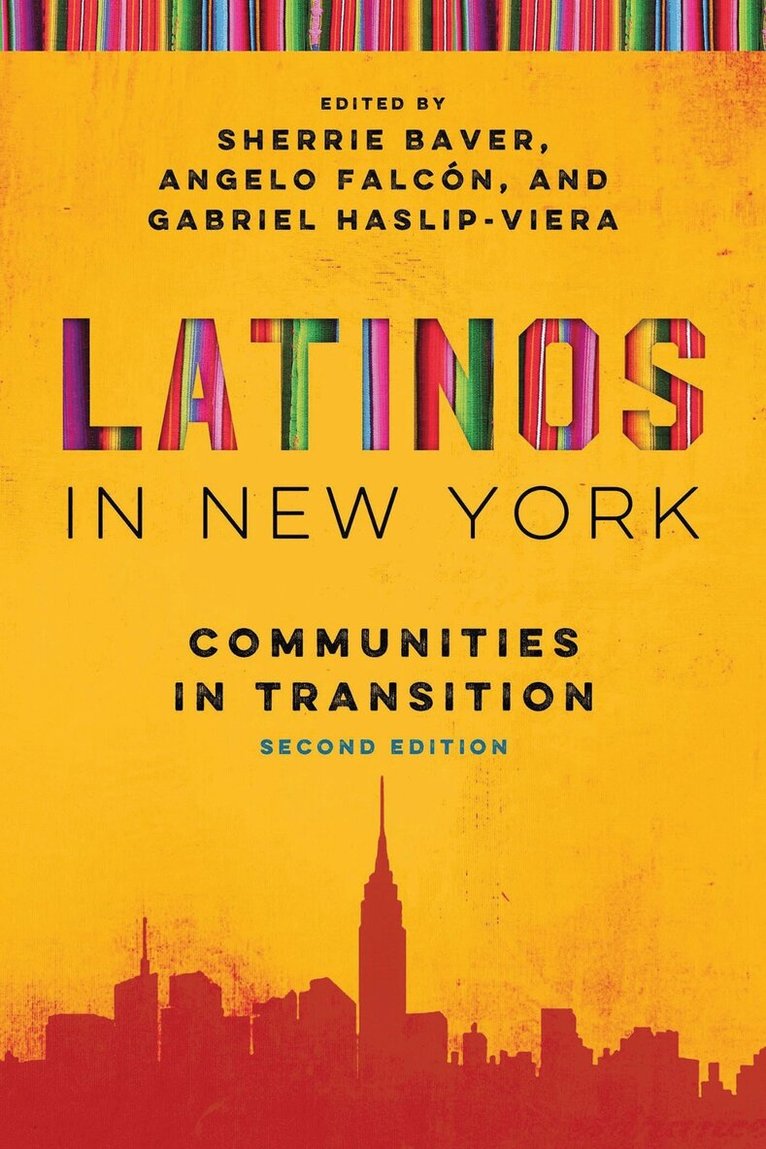
Significant changes in New York City's Latino community have occurred since the first edition of Latinos in New York: Communities in Transition was published in 1996. The Latino population in metropolitan New York has increased from 1.7 million in the 1990s to over 2.4 million, constituting a third of the population spread over five boroughs. Puerto Ricans remain the largest subgroup, followed by Dominicans and Mexicans; however, Puerto Ricans are no longer the majority of New York's Latinos as they were throughout most of the twentieth century.Latinos in New York: Communities in Transition, second edition, is the most comprehensive reader available on the experience of New York City's diverse Latino population. The essays in Part I examine the historical and sociocultural context of Latinos in New York. Part II looks at the diversity comprising Latino New York. Contributors focus on specific national origin groups, including Ecuadorians, Colombians, and Central Americans, and examine the factors that prompted emigration from the country of origin, the socioeconomic status of the emigrants, the extent of transnational ties with the home country, and the immigrants' interaction with other Latino groups in New York. Essays in Part III focus on politics and policy issues affecting New York's Latinos. The book brings together leading social analysts and community advocates on the Latino experience to address issues that have been largely neglected in the literature on New York City. These include the role of race, culture and identity, health, the criminal justice system, the media, and higher education, subjects that require greater attention both from academic as well as policy perspectives.Contributors: Sherrie Baver, Juan Cartagena, Javier Castaño, Ana María Díaz-Stevens, Angelo Falcón, Juan Flores, Gabriel Haslip-Viera, Ramona Hernández, Luz Yadira Herrera, Gilbert Marzán, Ed Morales, Pedro A. Noguera, Rosalía Reyes, Clara E. Rodríguez, José Ramón Sánchez, Walker Simon, Robert Courtney Smith, Andrés Torres, and Silvio Torres-Saillant.
367 kr
Skickas inom 10-15 vardagar
Significant changes in New York City's Latino community have occurred since the first edition of Latinos in New York: Communities in Transition was published in 1996. The Latino population in metropolitan New York has increased from 1.7 million in the 1990s to over 2.4 million, constituting a third of the population spread over five boroughs. Puerto Ricans remain the largest subgroup, followed by Dominicans and Mexicans; however, Puerto Ricans are no longer the majority of New York's Latinos as they were throughout most of the twentieth century.Latinos in New York: Communities in Transition, second edition, is the most comprehensive reader available on the experience of New York City's diverse Latino population. The essays in Part I examine the historical and sociocultural context of Latinos in New York. Part II looks at the diversity comprising Latino New York. Contributors focus on specific national origin groups, including Ecuadorians, Colombians, and Central Americans, and examine the factors that prompted emigration from the country of origin, the socioeconomic status of the emigrants, the extent of transnational ties with the home country, and the immigrants' interaction with other Latino groups in New York. Essays in Part III focus on politics and policy issues affecting New York's Latinos. The book brings together leading social analysts and community advocates on the Latino experience to address issues that have been largely neglected in the literature on New York City. These include the role of race, culture and identity, health, the criminal justice system, the media, and higher education, subjects that require greater attention both from academic as well as policy perspectives.Contributors: Sherrie Baver, Juan Cartagena, Javier Castaño, Ana María Díaz-Stevens, Angelo Falcón, Juan Flores, Gabriel Haslip-Viera, Ramona Hernández, Luz Yadira Herrera, Gilbert Marzán, Ed Morales, Pedro A. Noguera, Rosalía Reyes, Clara E. Rodríguez, José Ramón Sánchez, Walker Simon, Robert Courtney Smith, Andrés Torres, and Silvio Torres-Saillant.
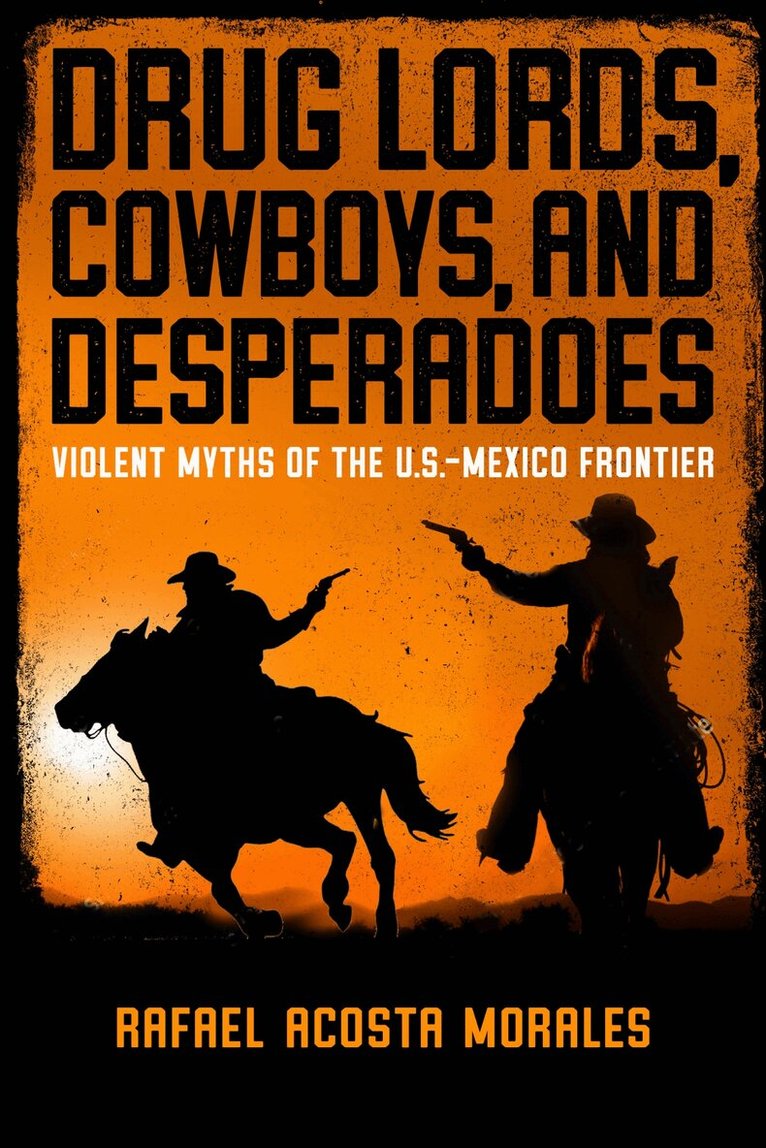
Drug Lords, Cowboys, and Desperadoes
Violent Myths of the U.S.-Mexico Frontier
Inbunden, Engelska, 2021
683 kr
Skickas inom 10-15 vardagar
Drug Lords, Cowboys, and Desperadoes examines how historical archetypes in violent narratives on the Mexican American frontier have resulted in political discourse that feeds back into real violence.The drug battles, outlaw culture, and violence that permeate the U.S.-Mexican frontier serve as scenery and motivation for a wide swath of North American culture. In this innovative study, Rafael Acosta Morales ties the pride that many communities felt for heroic tales of banditry and rebels to the darker repercussions of the violence inflicted by the representatives of the law or the state. Narratives on bandits, cowboys, and desperadoes promise redistribution, regeneration, and community, but they often bring about the very opposite of those goals. This paradox is at the heart of Acosta Morales's book.Drug Lords, Cowboys, and Desperadoes examines the relationship between affect, narrative, and violence surrounding three historical archetypes—social bandits (often associated with the drug trade), cowboys, and desperadoes—and how these narratives create affective loops that recreate violent structures in the Mexican American frontier. Acosta Morales analyzes narrative in literary, cinematic, and musical form, examining works by Américo Paredes, Luis G. Inclán, Clint Eastwood, Rolando Hinojosa, Yuri Herrera, and Cormac McCarthy. The book focuses on how narratives of Mexican social banditry become incorporated into the social order that bandits rose against and how representations of violence in the U.S. weaponize narratives of trauma in order to justify and expand the violence that cowboys commit. Finally, it explains the usage of universality under the law as a means of criminalizing minorities by reading the stories of Mexican American men who were turned into desperadoes by the criminal law system.Drug Lords, Cowboys, and Desperadoes demonstrates how these stories led to recreated violence and criminalization of minorities, a conversation especially important during this time of recognizing social inequality and social injustices. The book is part of a growing body of scholarship that applies theoretical approaches to borderlands studies, and it will be of interest to students and scholars in American and Mexican history and literature, border studies, literary criticism, cultural criticism, and related fields.
1 341 kr
Skickas inom 10-15 vardagar
During the past three decades there have been many studies of transnational migration. Most of the scholarship has focused on one side of the border, one area of labor incorporation, one generation of migrants, and one gender. In this path-breaking book, Manuel Barajas presents the first cross-national, comparative study to examine a Mexican-origin community's experience with international migration and transnationalism. He presents an extended case study of the Xaripu community, with home bases in both Xaripu, Michoacán, and Stockton, California, and elaborates how various forms of colonialism, institutional biases, and emergent forms of domination have shaped Xaripu labor migration, community formation, and family experiences across the Mexican/U.S. border for over a century.Of special interest are Barajas's formal and informal interviews within the community, his examination of oral histories, and his participant observation in several locations. Barajas asks, What historical events have shaped the Xaripus' migration experiences? How have Xaripus been incorporated into the U.S. labor market? How have national inequalities affected their ability to form a community across borders? And how have migration, settlement, and employment experiences affected the family, especially gender relationships, on both sides of the border?
1 570 kr
Skickas inom 10-15 vardagar
The advent of the twenty-first century marks a significant moment in the history of Latinos in the United States. The "fourth wave" of immigration to America is primarily Latino, and the last decades of the twentieth century saw a significant increase in the number of Latino migrants, a diversification of the nations contributing to this migration, and an increase in the size of the native-born Latino population. A backlash against unauthorized immigration, which may indict all Latinos, is also underway. Understanding the growing Latino population, especially its immigrant dimensions, is therefore a key task for researchers in the social sciences and humanities. The contributors to Immigration and the Border address immigration and border politics and policies, focusing on the U.S. side of the border. The volume editors have arranged the essays into five sections. The two chapters in the first section set the stage and discuss the binational lives of Mexican migrants; chapters in the subsequent sections highlight specific political and policy themes: civic engagement, public policies, political reactions against immigrants, and immigrant leadership. Because the immigration experience encompasses many facets of political life and public policy, the varied perspectives of the contributors offer a mosaic that contextualizes the impact of and contributions by contemporary Latino immigrants. Their research will appeal not only to scholars but to policymakers and the public and will inform contentious debates about migration and migrants.
1 341 kr
Skickas inom 10-15 vardagar
No international relationship of the United States is as encumbered by history, geography, culture, language, and economics as the one with Mexico. Given the scale and importance of the flow of commerce and culture across the border, however, surprisingly few studies have examined the micro-level impact of border immigration patterns, economic systems, and policies on families in the region. Recognizing this void, the women scholars represented here—all of whom have studied and lived near la frontera—explore the complexity of border dynamics. They offer a well-rounded portrayal of Latino families and their response to changes at the border.The authors focus primarily on women and changes within families on the border—in response to women's economic strategies, labor market participation, and interactions with relatives and others. Quantitative chapters provide demographic analyses of population changes in new immigrant areas, the conditions of children and families along the border, and the work patterns of border families and women entrepreneurs. Qualitative chapters provide insights into the rites of passage celebrated across borders and the transnational lives of women and their families. The volume concludes with recommendations for collaborative U.S.-Mexico border policies that support families.