Law in the American West - Böcker
Visar alla böcker i serien Law in the American West. Handla med fri frakt och snabb leverans.
11 produkter
11 produkter
613 kr
Skickas inom 10-15 vardagar
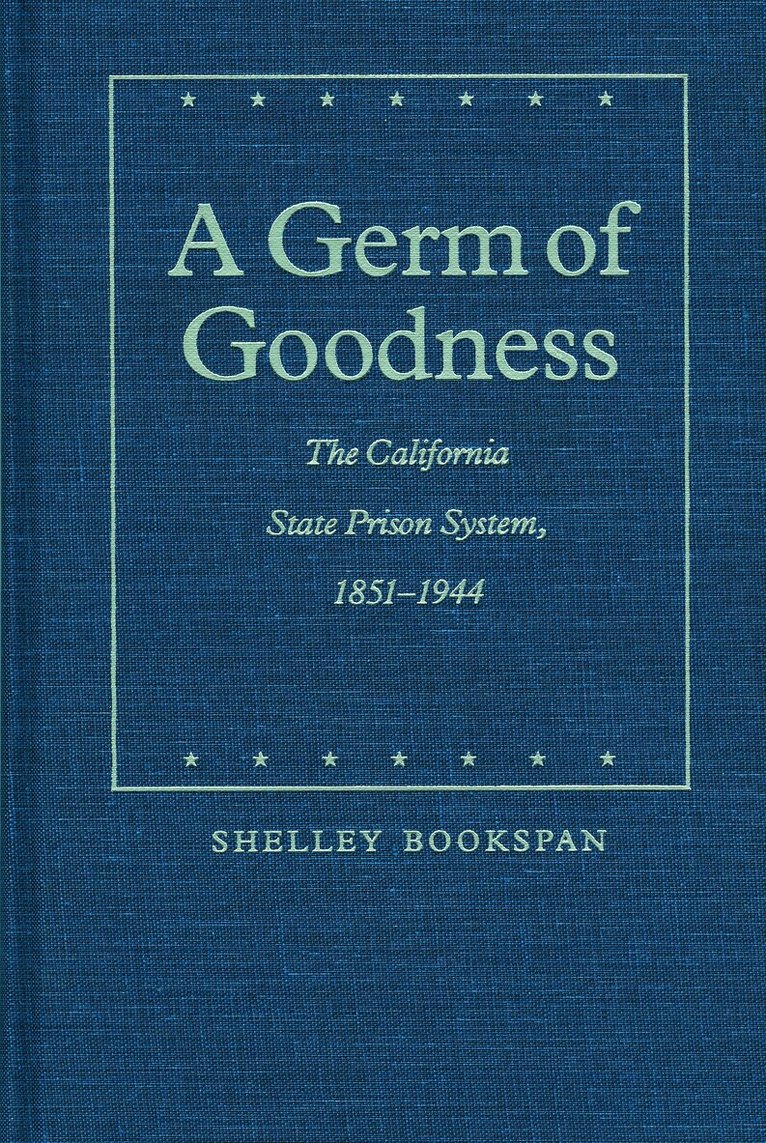
For most of the ninety-three years between 1851, when the California State Legislature faced the problem of what to do with criminals, until 1944, when it finally organized the state's four prisons into one adult penal system, the prisons at San Quentin and Folsom were the only places of incarceration for the state's felons. Bookspan traces the development of a system emphasizing deterrence and retribution to one receptive to reform and rehabilitation. "This is the story," writes Bookspan, "of the penury and personality struggle through which California developed a prison system to assess, and to address, individual needs while retaining its custodial institutions. It is a story of the West, even though eastern penology, with all of its overtones of moral duty, provided the language for prison reform. In a state where chaos preceded the assertion of normative rule, fear, not hope, formed the governing principle of penology. It is a story of America because true reform on an expanded sense of individual potential."
214 kr
Skickas inom 10-15 vardagar
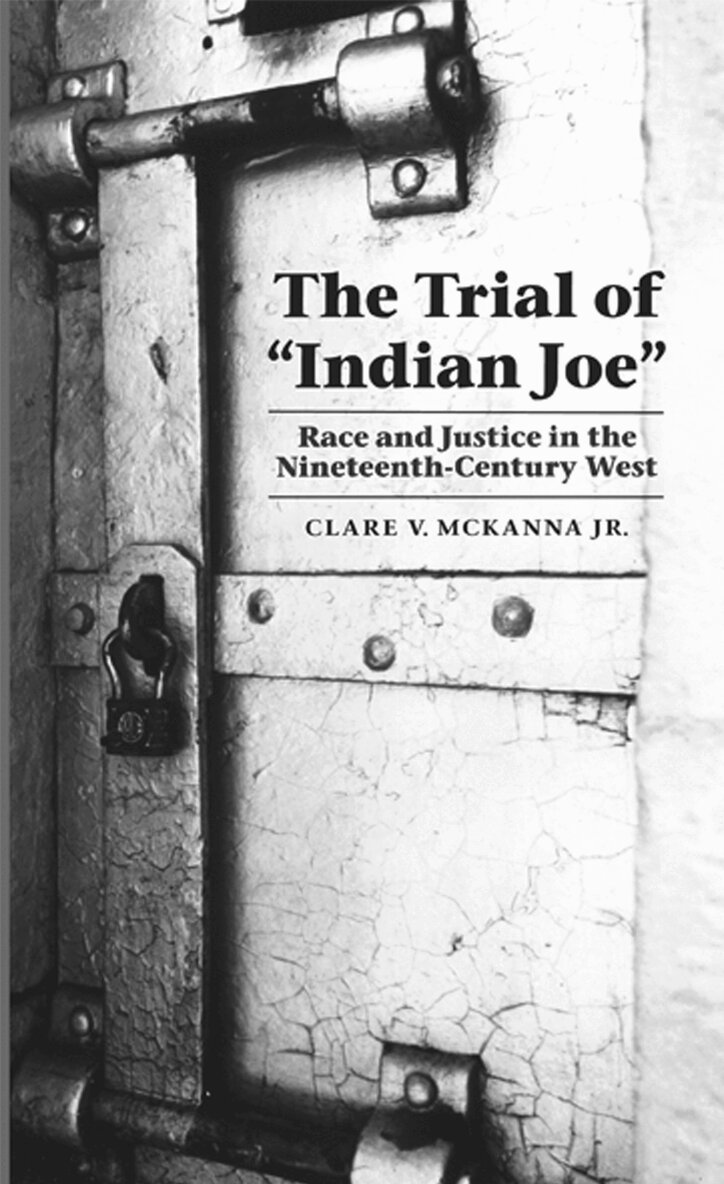
On the night of 16 October 1892, a double homicide occurred on Otay Mesa in San Diego County near the Mexican border. The two victims were an elderly couple, John and Wilhelmina Geyser, who lived on a farm on the edge of the mesa. Within minutes of discovering the crime, neighbors subdued and tied up the alleged killer, José Gabriel, a sixty-year-old itinerant Native American handyman from El Rosario, California, who worked for the couple. Since Gabriel was apprehended at the scene, most presumed his guilt. The local press, prosecutors, witnesses, and jurors called him by the epithet "Indian Joe." The sensational murder trial of Gabriel highlights the legal injustices committed against Native Americans in the nineteenth century. During this time, California Native Americans could not vote or serve on juries, so from the outset Gabriel was unlikely to receive a fair trial. No motive for murder was established, and the evidence against Gabriel was inconclusive. Nonetheless, the case went forward. Drawing on court testimony and newspaper accounts, Clare V. McKanna Jr. traces the murder trial: the handling of the case by the prosecution, the defense, the jury, and the judge; an examination of the crime scene; and the imaging of "Indian Joe." Through his considerable research, McKanna sheds light on a dark time in the American legal system.
279 kr
Skickas inom 7-10 vardagar
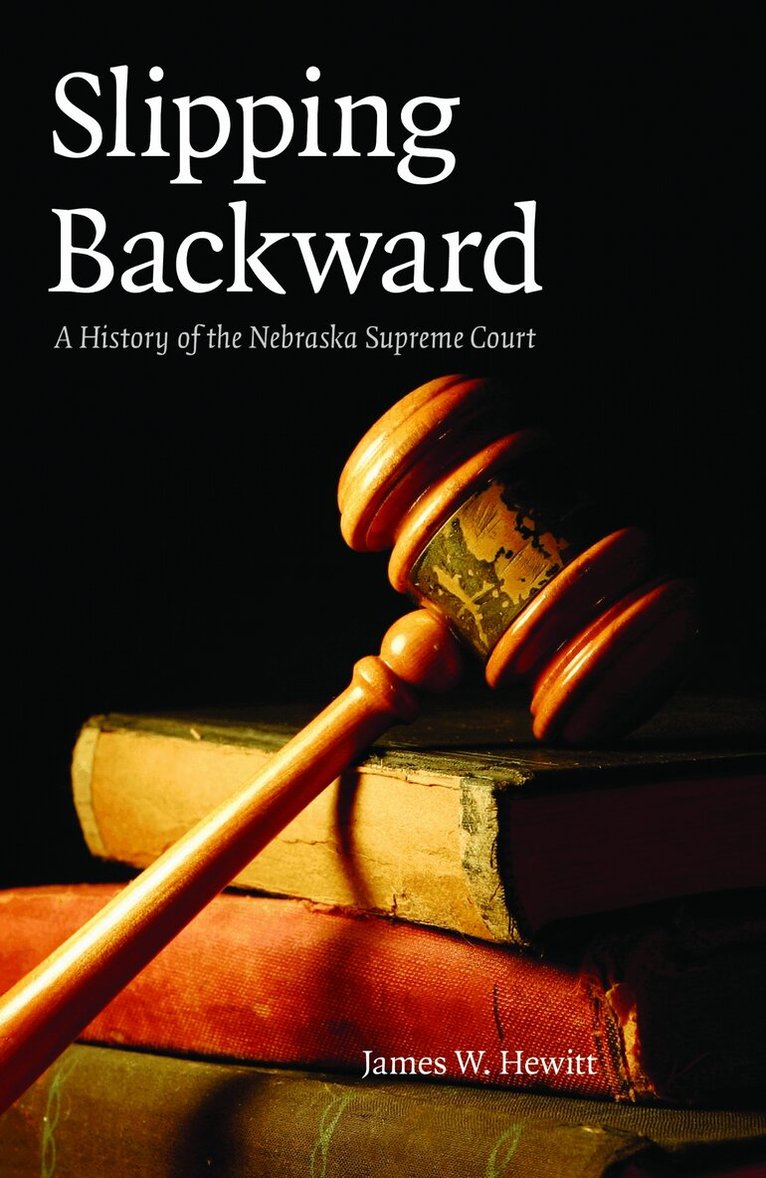
Slipping Backward: A History of the Nebraska Supreme Court, written by one of the state's leading legal minds, is the first history of the Nebraska Supreme Court and the first book-length study of a Great Plains supreme court. James W. Hewitt draws on his intimate knowledge of the subject matter gleaned from years as a lawyer in Nebraska and applies a historian's objectivity to the analysis. Hewitt explores the court through the work of the four men who greatly influenced and led it: Robert G. Simmons (1938–63, the first modern chief justice), Paul W. White (1963–78), Norman Krivosha (1978–87), and William C. Hastings (1987–95). During these four eras, respect for the court declined in the eyes of the bar and the public. Hewitt examines every case decided by the court from 1938 through 1995, analyzes many of the leading decisions, and assesses the abilities and performances of the judges who served. He shows why the court fell far behind in its workload during the 1960s, 1970s, and 1980s, and delineates the steps it took to alleviate the backlog. He also reviews the changes in the nature of cases coming before the court and the exponential growth of criminal appeals necessitated by decisions of the U.S. Supreme Court. While Slipping Backward is critical of the court's shortcomings, it finds the court to be composed of decent men trying to do a decent job. Hewitt has crafted a model study of the modern legal system and its judiciary and has documented the evolution of a diverse Nebraska.
214 kr
Skickas inom 10-15 vardagar
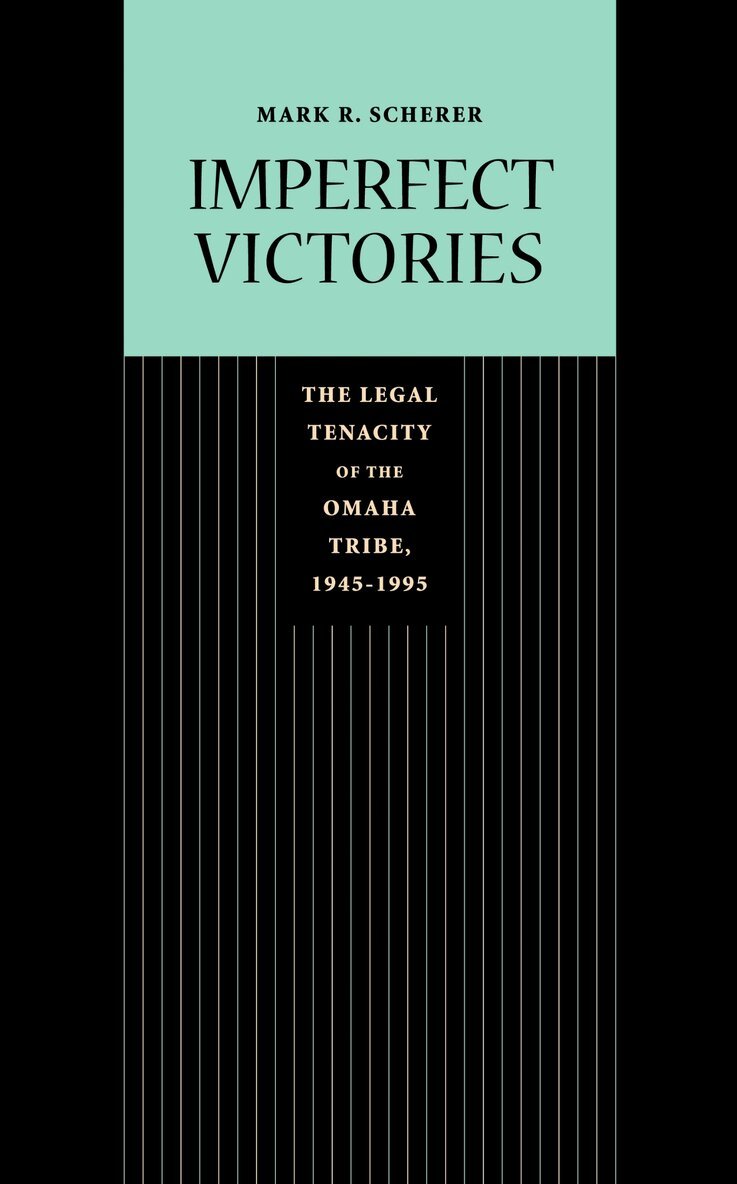
The Omaha Tribe of Nebraska has borne more than its fair share of the burden created by the federal government's wildly vacillating Indian policy. Mark R. Scherer's Imperfect Victories provides a detailed examination of the Omahas' tenacious efforts to overcome the damaging effects of shifting directions in federal policy during the last fifty years. The Omahas' struggles are particularly significant because the tribe often bore the initial impact of experimental legislation that would later be implemented nationally. Scherer details the disastrous consequences of postwar federal legislation that transferred control over Indian affairs to state authorities as a precursor to the wholesale termination of Indian tribalism. The legislation brought jurisdictional turmoil to the Omaha reservation and placed the Omahas in chronic conflict with local law enforcement agencies. As the tribe fought to become the first Indian group in the nation to escape the effects of that law through retrocession, they waged equally notable struggles for the redress of past wrongs with the Indian Claims Commission and in the federal courts. Scherer demonstrates that the Omahas' successes in those campaigns have been at best imperfect victories, coming only after years of hardship and failing to eliminate many underlying tensions and problems.
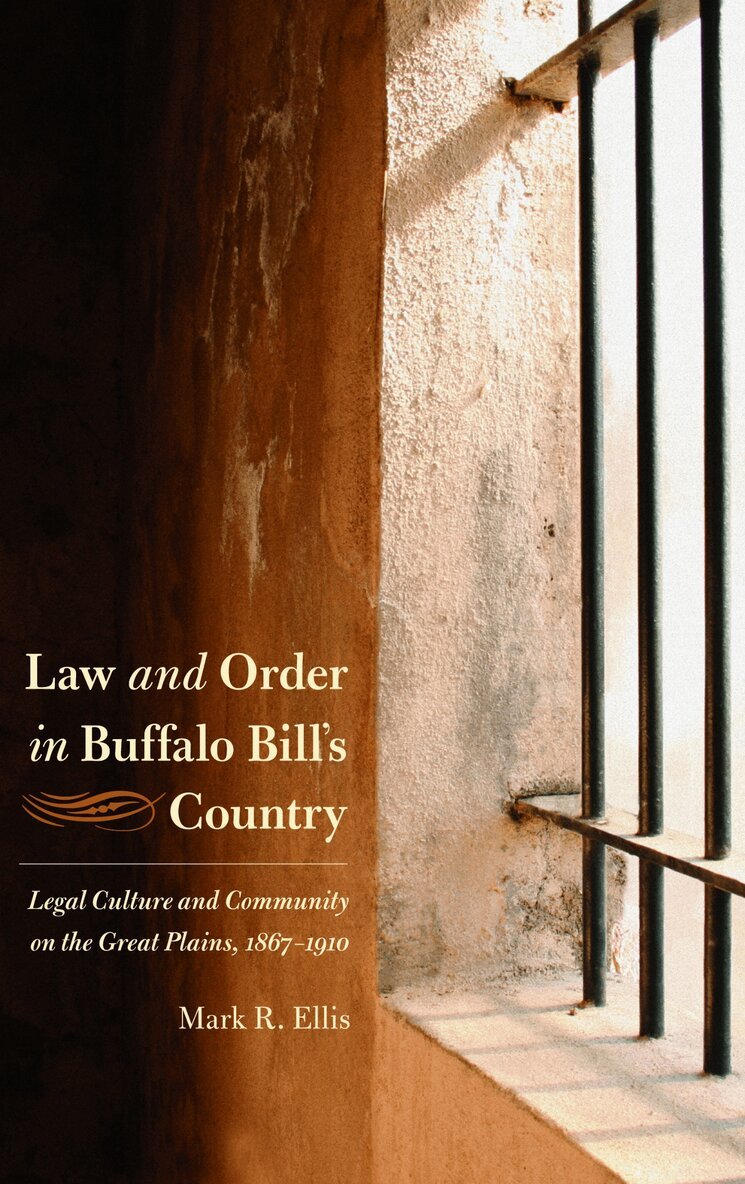
Law and Order in Buffalo Bill's Country
Legal Culture and Community on the Great Plains, 1867-1910
Häftad, Engelska, 2009
269 kr
Skickas inom 10-15 vardagar
Celebrated accounts of lawless towns that relied on the extra-legal justice of armed citizens and hired gunmen are part of the enduring cultural legacy of the American West. This image of the frontier has been fueled for more than a century by historians—both amateur and academic—and by various popular images. In the twenty-first century, Great Plains communities continue to perpetuate this image with tourist attractions and events that pay homage to their "lawless" past. But these romanticized depictions of the violent frontier do not accurately portray the legal culture of most early Great Plains communities. Law and Order in Buffalo Bill's Country is a case study of law and legal culture in Lincoln County, Nebraska, during the nineteenth century. Mark R. Ellis argues that nascent nineteenth-century Great Plains communities shared an understanding of the law that allowed for the immediate implementation of legal institutions such as courts, jails, and law enforcement. A common legal culture, imported from New England and the Midwest, influenced frontier communities to uphold traditions of law and order even in the "wild and wooly" frontier community of North Platte, Nebraska. This study is one of the first to examine legal institutions on the Great Plains. By setting aside the issue of a violent frontier West and focusing instead on community building and legal institutions, this study presents a very different image of the frontier-era Great Plains.
269 kr
Skickas inom 10-15 vardagar
Slipping Backward: A History of the Nebraska Supreme Court, written by one of the state's leading legal minds, is the first history of the Nebraska Supreme Court and the first book-length study of a Great Plains supreme court. James W. Hewitt draws on his intimate knowledge of the subject matter gleaned from years as a lawyer in Nebraska and applies a historian's objectivity to the analysis. Hewitt explores the court through the work of the four men who greatly influenced and led it: Robert G. Simmons (1938–63, the first modern chief justice), Paul W. White (1963–78), Norman Krivosha (1978–87), and William C. Hastings (1987–95). During these four eras, respect for the court declined in the eyes of the bar and the public. Hewitt examines every case decided by the court from 1938 through 1995, analyzes many of the leading decisions, and assesses the abilities and performances of the judges who served. He shows why the court fell far behind in its workload during the 1960s, 1970s, and 1980s, and delineates the steps it took to alleviate the backlog. He also reviews the changes in the nature of cases coming before the court and the exponential growth of criminal appeals necessitated by decisions of the U.S. Supreme Court. While Slipping Backward is critical of the court's shortcomings, it finds the court to be composed of decent men trying to do a decent job. Hewitt has crafted a model study of the modern legal system and its judiciary and has documented the evolution of a diverse Nebraska.
339 kr
Skickas inom 10-15 vardagar
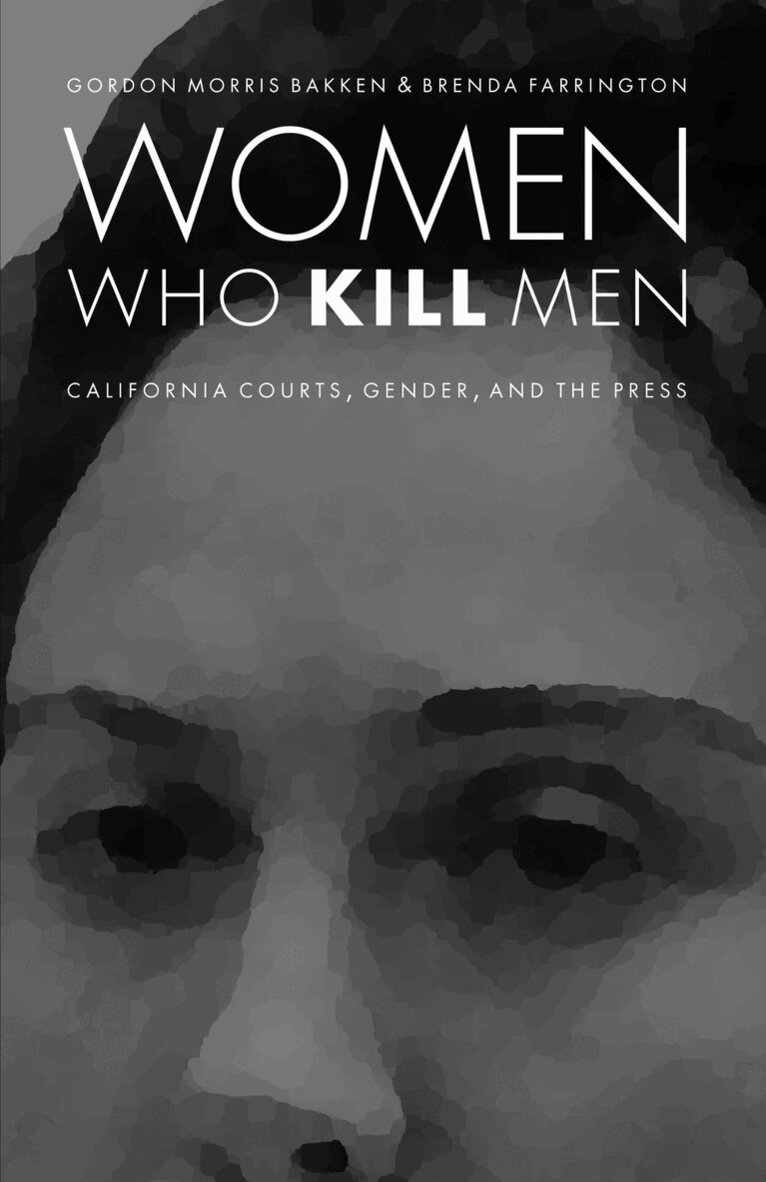
The late nineteenth and early twentieth centuries were a revolutionary period in the lives of women, and the shifting perceptions of women and their role in society were equally apparent in the courtroom. Women Who Kill Men examines eighteen sensational cases of women on trial for murder from 1870 to 1958. The fascinating details of these murder trials, documented in court records and embellished newspaper coverage, mirrored the changing public image of women. Although murder was clearly outside the norm for standard female behavior, most women and their attorneys relied on gendered stereotypes and language to create their defense and sometimes to leverage their status in a patriarchal system. Those who could successfully dress and act the part of the victim were most often able to win the sympathies of the jury. Gender mattered. And though the norms shifted over time, the press, attorneys, and juries were all informed by contemporary gender stereotypes.
324 kr
Skickas inom 10-15 vardagar
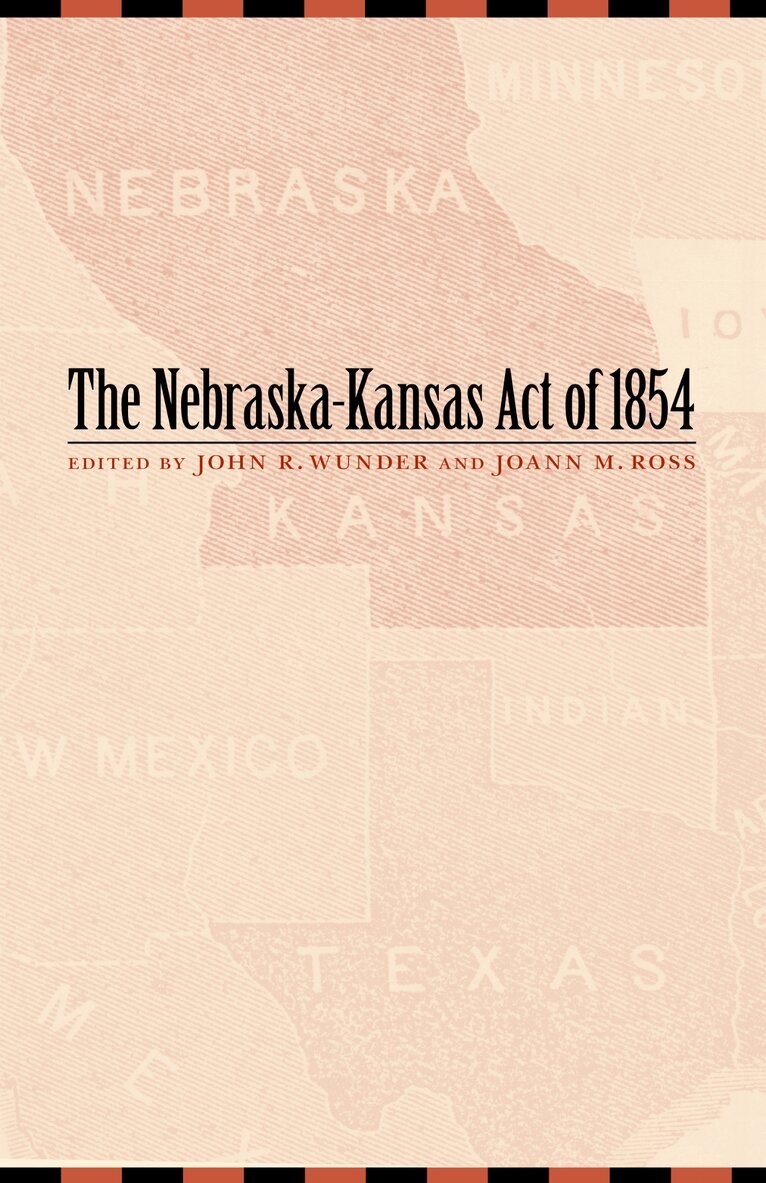
The Nebraska-Kansas Act of 1854 turns upside down the traditional way of thinking about one of the most important laws ever passed in American history. The act that created Nebraska and Kansas also, in effect, abolished the Missouri Compromise, which had prohibited slavery in the region since 1820. This bow to local control outraged the nation and led to vicious confrontations, including Kansas's subsequent mini-civil war. The essays in this volume shift the focus from the violent and influential reaction of "Bleeding Kansas" to the role that Nebraska played in this decisive moment. Essays from both established and new scholars examine the historical context and significance of this statute. They treat American political culture of the 1850s; American territorial history; the roles of Abraham Lincoln, Stephen Douglas, and Frederick Douglass in the creation and implementation of the law; the reactions of African Americans to the act; and the comparative impact on Nebraskans and Kansans. At the 150th anniversary of the Kansas-Nebraska Act, as it came to be known, these scholars reexamine the political, social, and personal contexts of this act and its effect on the course of American history.
192 kr
Skickas inom 10-15 vardagar
2016 Nebraska Book Award In Cold Storage is an excellent history of one of the more sensational crimes in Nebraska history.- Steven Guenzel, Nebraska HistoryIn 1973 the small southwest Nebraska railroad town of McCook became the unlikely scene of a grisly murder. More than forty years later, author James W. Hewitt returns to the scene and unearths new details about what happened. After pieces of Edwin and Wilma Hoyt’s dismembered bodies were found floating on the surface of a nearby lake, authorities charged McCook resident Harold Nokes and his wife, Ena, with murder. Harold pleaded guilty to murder and Ena pleaded guilty to two counts of wrongful disposal of a dead body, but the full story of why and how he murdered the Hoyts has never been told.Hewitt interviews law enforcement officers, members of the victims’ family, weapons experts, and forensic psychiatrists, and delves into newspaper reports and court documents from the time. Most significant, Harold granted Hewitt his first and only interview, in which the convicted murderer changed several parts of his 1974 confession. In Cold Storage takes readers through the evidence, including salacious details of sex and intrigue between the Hoyts and the Nokeses, and draws new conclusions about what really happened between the two families on that fateful September night.
289 kr
Skickas inom 10-15 vardagar
In Practicing Law in Frontier California Gordon Morris Bakken combines collective biography with an analysis of the function of the bar in a rapidly changing socioeconomic setting. Drawing on manuscript collections, Bakken considers hundreds of men and women who came to California to practice law during the gold rush and later, their reasons for coming, their training, and their usefulness to clients during a period of rapid population growth and social turmoil. He shows how law practice changed over the decades with the establishment of large firms and bar associations, how the state's boom-and-bust economy made debt collection the lawyer's bread and butter, and how personal injury and criminal cases and questions of property rights were handled. In Bakken's book frontier lawyers become complex human beings, contributing to and protecting the social and economic fabric of society, expanding their public roles even as their professional expertise becomes more narrowly specialized.
Lone Wolf V. Hitchcock
Treaty Rights and Indian Law at the End of the Nineteenth Century
Häftad, Engelska, 1999
214 kr
Skickas inom 10-15 vardagar
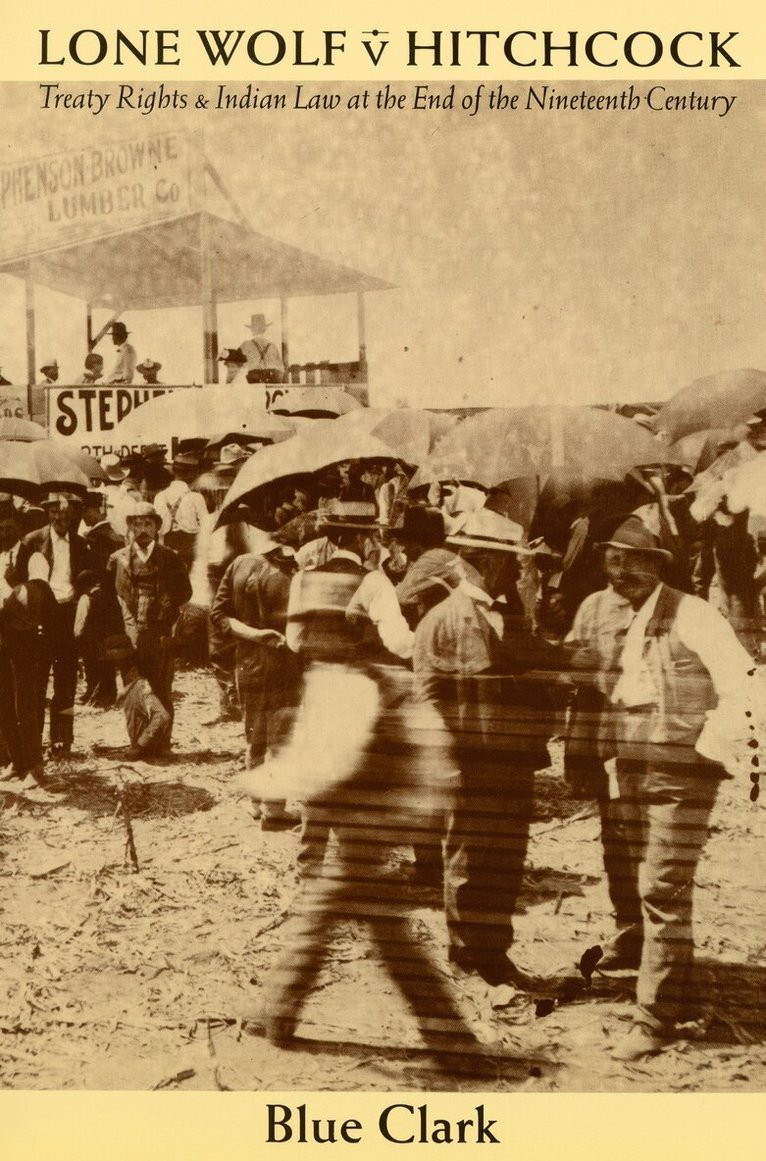
Landmark court cases in the history of formal U.S. relations with Indian tribes are Corn Tassel, Standing Bear, Crow Dog, and Lone Wolf. Each exemplifies a problem or a process as the United States defined and codified its politics toward Indians. The importance of the Lone Wolf case of 1903 resides in its enunciation of the "plenary power" doctrine—that the United States could unilaterally act in violation of its own treaties and that Congress could dispose of land recognized by treaty as belonging to individual tribes. In 1892 the Kiowas and related Comanche and Plains Apache groups were pressured into agreeing to divide their land into allotments under the terms of the Dawes Act of 1887. Lone Wolf, a Kiowa band leader, sued to halt the land division, citing the treaties signed with the United States immediately after the Civil War. In 1902 the case reached the Supreme Court, which found that Congress could overturn the treaties through the doctrine of plenary power.As he recounts the Lone Wolf case, Clark reaches beyond the legal decision to describe the Kiowa tribe itself and its struggles to cope with Euro-American pressure on its society, attitudes, culture, economic system, and land base. The story of the case therefore also becomes the history of the tribe in the late nineteenth century.The Lone Wolf case also necessarily becomes a study of the Dawes Allotment Act of 1887 in operation; under the terms of the Dawes Act and successor legislation, almost two-thirds of Indian lands passed out of their hands within a generation. Understanding how this happened in the case of the Kiowa permits a nuanced view of the well-intentioned but ultimately disastrous allotment effort.