Legacies of War - Böcker
Visar alla böcker i serien Legacies of War. Handla med fri frakt och snabb leverans.
14 produkter
14 produkter
674 kr
Skickas inom 7-10 vardagar
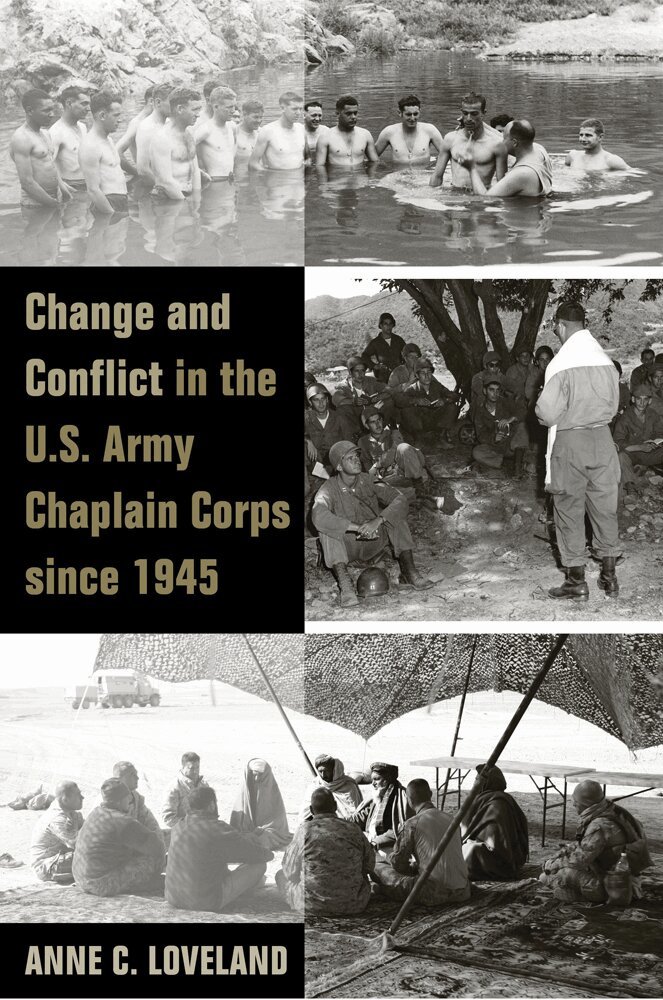
Army chaplains have long played an integral part in America’s armed forces. In addition to conducting chapel activities on military installations and providing moral and spiritual support on the battlefield, they conduct memorial services for fallen soldiers, minister to survivors, offer counsel on everything from troubled marriages to military bureaucracy, and serve as families’ points of contact for wounded or deceased soldiers—all while risking the dangers of combat alongside their troops. In this thoughtful study, Anne C. Loveland examines the role of the army chaplain since World War II, revealing how the corps has evolved in the wake of cultural and religious upheaval in American society and momentous changes in U.S. strategic relations, warfare, and weaponry.From 1945 to the present, Loveland shows, army chaplains faced several crises that reshaped their roles over time. She chronicles the chaplains’ initiation of the Character Guidance program as a remedy for the soaring rate of venereal disease among soldiers in occupied Europe and Japan after World War II, as well as chaplains’ response to the challenge of increasing secularism and religious pluralism during the “culture wars” of the Vietnam Era.“Religious accommodation,” evangelism and proselytizing, public prayer, and “spiritual fitness”provoked heated controversy among chaplains as well as civilians in the ensuing decades. Then, early in the twenty-first century, chaplains themselves experienced two crisis situations: one the result of the Vietnam-era antichaplain critique, the other a consequence of increasing religious pluralism, secularization, and sectarianism within the Chaplain Corps, as well as in the army and the civilian religious community.By focusing on army chaplains’ evolving, sometimes conflict-ridden relations with military leaders and soldiers on the one hand and the civilian religious community on the other, Loveland reveals how religious trends over the past six decades have impacted the corps and, in turn, helped shape American military culture.
398 kr
Skickas inom 11-20 vardagar
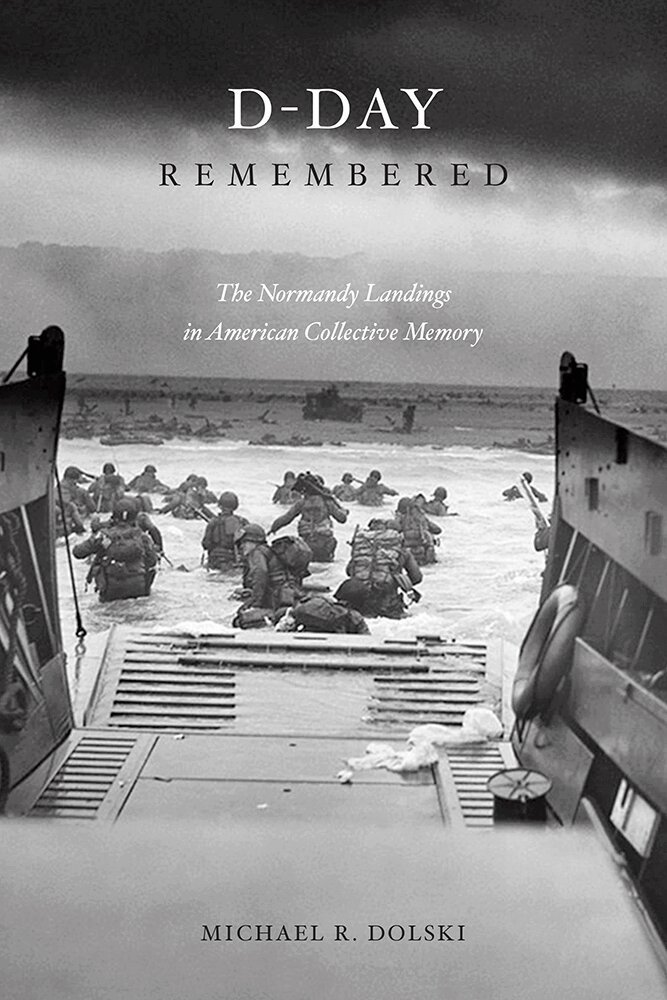
D-Day, the Allied invasion of northwestern France in June 1944, has remained in the forefront of American memories of the Second World War to this day. Depictions in books, news stories, documentaries, museums, monuments, memorial celebrations, speeches, games, and Hollywood spectaculars have overwhelmingly romanticized the assault as an event in which citizen-soldiers—the everyday heroes of democracy—engaged evil foes in a decisive clash fought for liberty, national redemption, and world salvation.In D-Day Remembered, Michael R. Dolski explores the evolution of American D-Day tales over the course of the past seven decades. He shows the ways in which that particular episode came to overshadow so many others in portraying the twentieth century’s most devastating cataclysm as “the Good War.” With depth and insight, he analyzes how depictions in various media, such as the popular histories of Stephen Ambrose and films like The Longest Day and Saving Private Ryan, have time and again reaffirmed cherished American notions of democracy, fair play, moral order, and the militant, yet non-militaristic, use of power for divinely sanctioned purposes. Only during the Vietnam era, when Americans had to confront an especially stark challenge to their pietistic sense of nationhood, did memories of D-Day momentarily fade. They soon reemerged, however, as the country sought to move beyond the lamentable conflict in Southeast Asia.Even as portrayals of D-Day have gone from sanitized early versions to more realistic acknowledgments of tactical mistakes and the horrific costs of the battle, the overarching story continues to be, for many, a powerful reminder of moral rectitude, military skill, and world mission. While the time to historicize this morality tale more fully and honestly has long since come, Dolski observes, the lingering positive connotations of D-Day indicate that the story is not yet finished.
280 kr
Skickas inom 10-15 vardagar
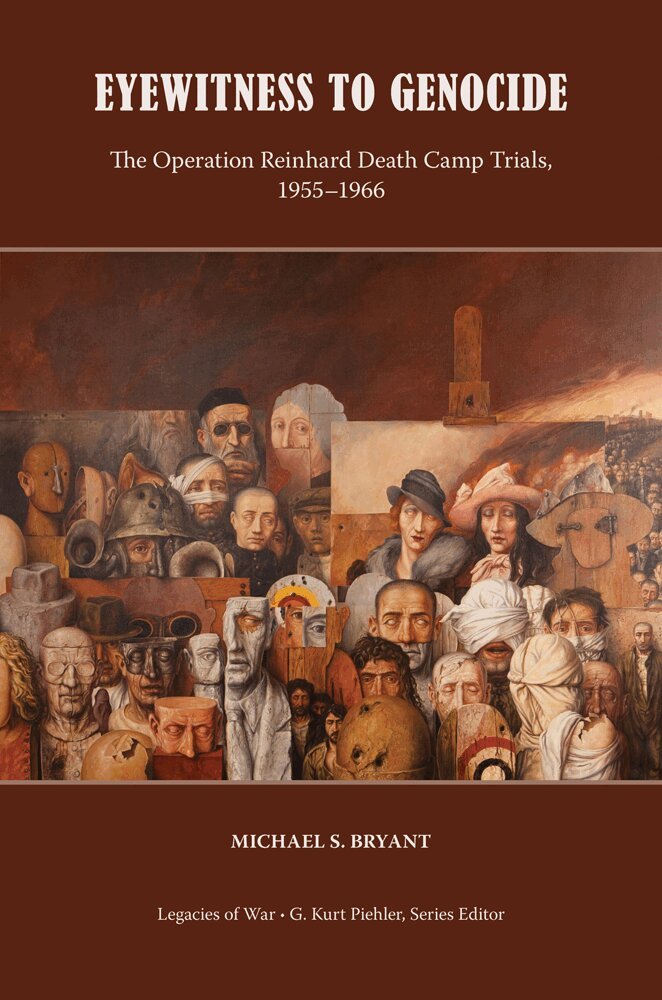
One of the deadliest phases of the Holocaust, the Nazi regime’s “Operation Reinhard” produced three major death camps–Belzec, Treblinka, and Sobibor–which claimed the lives of 1.8 million Jews. In the 1960s, a small measure of justice came for those victims when a score of defendants who had been officers and guards at the camps were convicted of war crimes in West German courts. The conviction rates varied, however. While all but one of fourteen Treblinka defendants were convicted, half of the twelve Sobibor defendants escaped punishment, and only one of eight Belzec defendants was convicted. Also, despite the enormity of the crimes, the sentences were light in many cases, amounting to only a few years in prison.In this meticulous history of the Operation Reinhard trials, Michael S. Bryant examines a disturbing question: Did compromised jurists engineer acquittals or lenient punishments for proven killers? Drawing on rarely studied archival sources, Bryant concludes that the trial judges acted in good faith within the bounds of West German law. The key to successful prosecutions was eyewitness testimony. At Belzec, the near-total efficiency of the Nazi death machine meant that only one survivor could be found to testify. At Treblinka and Sobibor, however, prisoner revolts had resulted in a number of survivors who could give firsthand accounts of specific atrocities and identify participants. The courts, Bryant finds, treated these witnesses with respect and even made allowances for conflicting testimony. And when handing down sentences, the judges acted in accordance with strict legal definitions of perpetration, complicity, and action under duress.Yet, despite these findings, Bryant also shows that West German legal culture was hardly blameless during the postwar era. Though ready to convict the mostly working class personnel of the death camps, the Federal Republic followed policies that insulated the judicial elite from accountability for its own role in the Final Solution. While trial records show that the “bias” of West German jurists was neither direct nor personal, the structure of the system ensured that lawyers and judges themselves avoided judgment.
389 kr
Skickas inom 3-6 vardagar
After more than four decades, the Viet Nam War continues to haunt our national memory, culture, politics, and military actions. In this probing interdisciplinary study, Susan Lyn Eastman examines a range of cultural productions—from memorials and poetry to cinematic and fictional narratives—that have tried to grapple with the psychic afterlife of traumatic violence resulting from the ill-fated conflict in Southeast Asia.Underpinning the book is the notion of “prosthetic memory,” which involves memories acquired by those with no direct experience of the war, such as readers and filmgoers. Prosthetic memories, Eastman argues, refuse to relegate the war to the forgotten past and challenge the authenticity of experience, thus ensuring its continued relevance to debates over America’s self-conception, specifically her coinage of the “New Vietnam Syndrome,” and the country’s role in world affairs when it comes to contemporary military interventions.With the notable exception of the Veterans’ Memorial in Washington, Eastman’s focus is on works produced from the Persian Gulf War (1990–91) through the post-9/11 “War on Terror.” She looks not only at American representations of the war—from movies like Randall Wallace’s We Were Soldiers to poems by W. D. Ehrhart, Yusef Komunyakaa, and others—but also at novels by Vietnamese authors Bao Ninh and Huong Thu Duong. The experiences of women figure prominently in the book: Eastman devotes a chapter to the Vietnam Women’s Memorial and another to Sandie Frazier’s novel I Married Vietnam and Oliver Stone’s film Heaven and Earth, based on memoirs by Le Ly Hayslip. And by examining Jessica Hagedorn’s Dream Jungle, a novel inspired by the filming of Apocalypse Now, she considers how the war’s repercussions were felt in other countries, in this case the Philippines. Her investigation of Vietnamese American authors Lan Cao, Andrew Lam, and GB Tran adds a transnational dimension to the study.With its up-to-date perspective on recent works that have heretofore received scant critical notice, this book offers new ways of thinking about one of the most polemic chapters in U.S. history.SUSAN LYN EASTMAN teaches in the Department of English at the University of Tennessee at Chattanooga.
219 kr
Skickas inom 10-15 vardagar
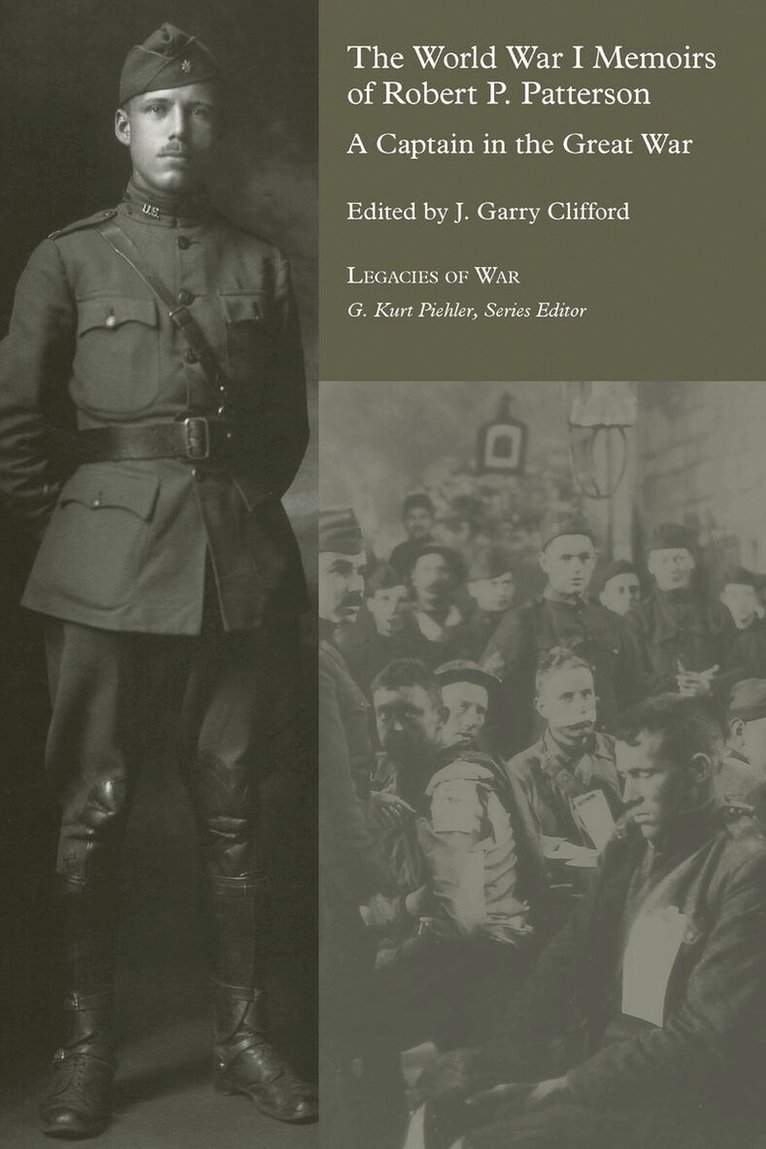
A journalist once called Under Secretary of War Robert P. Patterson “the toughest man in Washington” for his fervid efforts in managing U.S. mobilization in World War II. The World War I Memoirs of Robert P. Patterson: A Captain in the Great War recounts Patterson’s own formative military experiences in the First World War.Written in the years following the conflict, this is a remarkable rendering of what it was like to be an infantry line officer during the so-called Great War. Patterson started his military career as a twenty-seven-year-old, barely-trained captain in the American Expeditionary Forces (A.E.F.). He was part of the 306th Infantry Regiment of New York’s famous 77th “Statue of Liberty” Division from July to November 1918. In this detailed account, Patterson describes in understated yet vivid prose just how raw and unprepared American soldiers were for the titanic battles on the Western Front. Patterson downplays his near-death experience in a fierce firefight that earned him and several of his men from Company F the Distinguished Service Cross. His depiction of the brutal Meuse-Argonne battle is haunting—the drenching cold rains, the omnipresent barbed wire, deep fog-filled ravines, the sweet stench of mustard gas, chattering German machine-guns, crashing artillery shells, and even a rare hot meal to be savored.Dealing with more than just combat, Patterson writes of the friendships and camaraderie among the officers and soldiers of different ethnic and class backgrounds who made up the “melting pot division” of the 77th. He betrays little of the postwar disillusionment that afflicted some members of the “Lost Generation.”Editor J. Garry Clifford’s introduction places Patterson and his actions in historical context and illuminates how Patterson applied lessons learned from the GreatWar to his later service as assistant secretary, under secretary, and secretary of war from 1940 to 1947.
772 kr
Skickas inom 10-15 vardagar
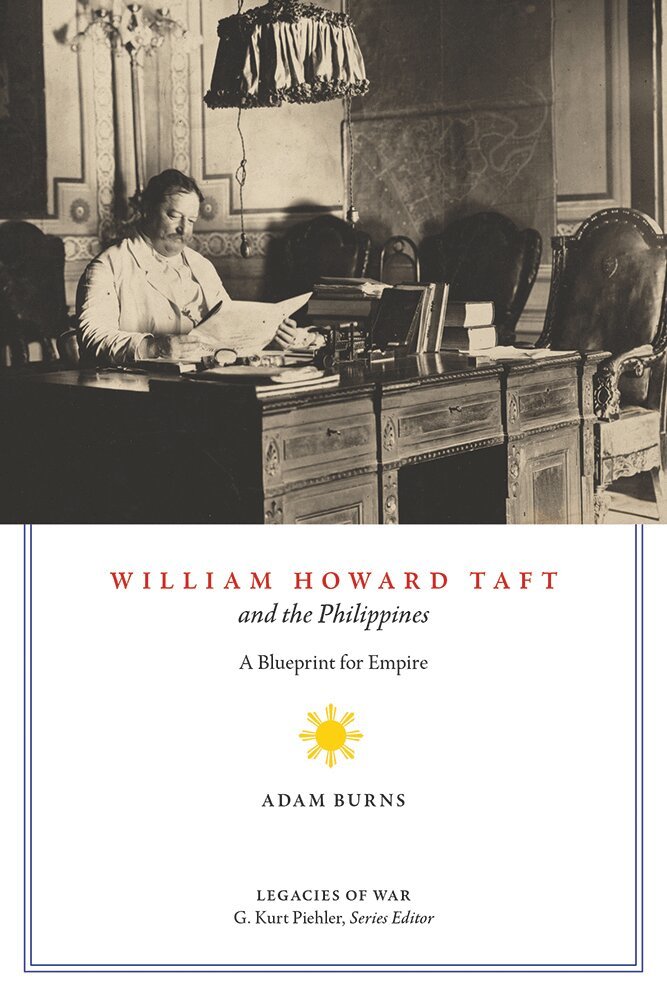
Born in Civil War–era Cincinnati in 1857, William Howard Taft rose rapidly through legal, judicial, and political ranks, graduating from Yale and becoming a judge while still in his twenties. In 1900, President William McKinley appointed Taft to head a commission charged with preparing the Philippines for US-led civil government, setting the stage for Taft’s involvement in US-Philippine relations and the development of his imperial vision across two decades. While biographies of Taft and histories of US-Philippine relations are easy to find, few works focus on Taft’s vision for the Philippines that, despite a twenty-year crusade, would eventually fail. William Howard Taft and the Philippines fills this void in the scholarship, taking up Taft’s vantage point on America’s imperialist venture in the Philippine Islands between 1900 and 1921.Adam D. Burns traces Taft’s course through six chapters, beginning with his years in the islands and then following it through his tenure as President Roosevelt’s secretary of war, his term as president of the United States, and his life after departing the White House. Across these years Taft continued his efforts to forge a lasting imperial bond and prevent Philippine independence.Grounded in extensive primary source research, William Howard Taft and the Philippines is an engaging work that will interest scholars of Philippine history, American foreign policy, imperialism, the American presidency, the Progressive Era, and more.
554 kr
Skickas inom 10-15 vardagar
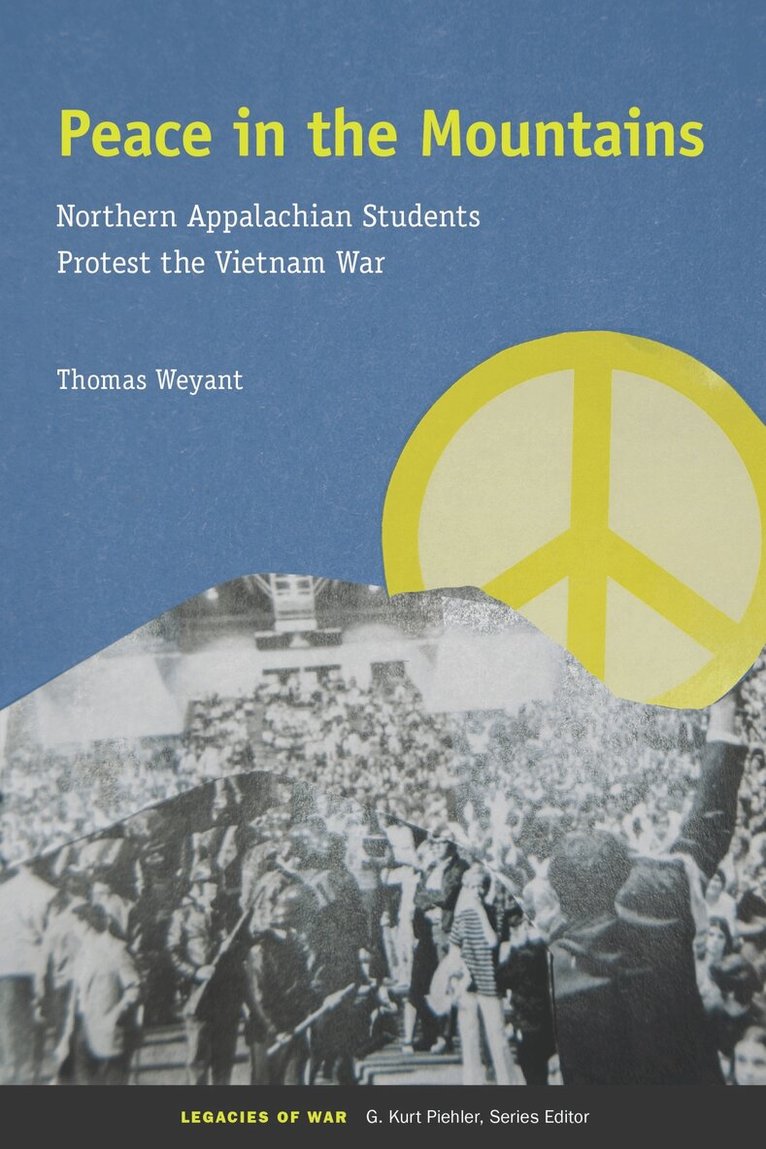
Peace in the Mountains analyzes student activism at the University of Pittsburgh, Ohio University, and West Virginia University during the Vietnam War era. Drawing from a wide variety of sources including memoirs, periodicals, archival manuscript collections, and college newspapers such as The Pitt News, author Thomas Weyant tracks the dynamics of a student-led campus response to the war in real time and outside the purview of the national media. Along the way, he musters evidence for an emerging social and political conscience among the student bodies of northern Appalachia, citing politics on campus, visions of patriotism and dissent, campus citizenship, antiwar activism and draft resistance, campus issues, and civil rights as major sites of contention and exploration.Through this regional chronicle of student activism during the Vietnam War era, Weyant holds to one reoccurring and unifying theme: citizenship. His account shows that political activism and civic engagement were by no means reserved to students at elite colleges; on the contrary, Appalachian youth were giving voice to the most vexing questions of local and national responsibility, student and citizen identity, and the role of the university in civil society. Rich in primary source material from student op-eds to administrative documents, Peace in the Mountains draws a new map of student activism in the 1960s and early 1970s. Weyant’s study is a thoughtful and engaging addition to both Appalachian studies and the historiography of the Vietnam War era and is sure to appeal not only to specialists—Appalachian scholars, political historians, political scientists, and sociologists—but to college students and general readers as well.
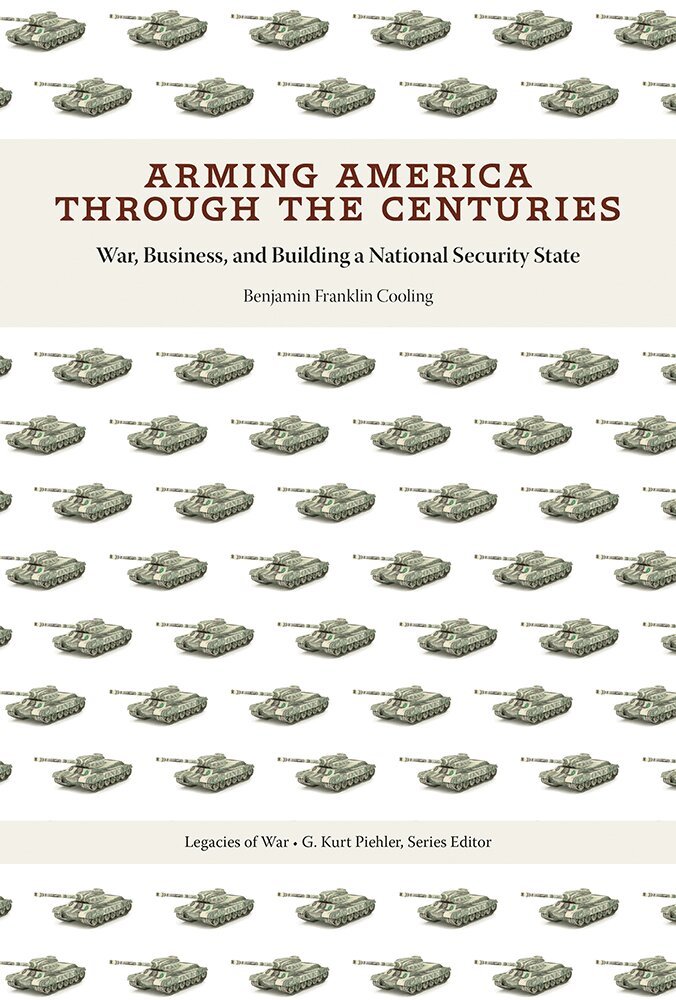
Arming America Through the Centuries
War, Business, and Building a National Security State
Inbunden, Engelska, 2022
608 kr
Skickas inom 10-15 vardagar
While many associate the concept commonly referred to as the 'military-industrial complex' with President Dwight D. Eisenhower's 1961 farewell address, the roots of it existed two hundred years earlier. This concept, as Benjamin Franklin Cooling writes, was 'part of historical lore' as a burgeoning American nation discovered the inextricable relationship between arms and the State. In Arming America through the Centuries, Cooling examines the origins and development of the military-industrial complex (MIC) over the course of American history. He argues that the evolution of America's military-industrial-business-political experience is the basis for a contemporary American Sparta. Cooling explores the influence of industry on security, the increasing prevalence of outsourcing, ever-present economic and political influence, and the evolving nature of modern warfare. He connects the budding military-industrial relations of the colonial era and Industrial Revolution to their formal interdependence during the Cold War down to the present-day resurrection of Great Power competition. Across eight chronological chapters, Cooling weaves together threads of industry, finance, privatization, appropriations, and technology to create a rich historical tapestry of US national defense in one comprehensive volume.Integrating information from both recent works as well as canonical, older sources, Cooling's ambitious single-volume synthesis is a uniquely accessible and illuminating survey not only for scholars and policymakers but for students and general readers as well.
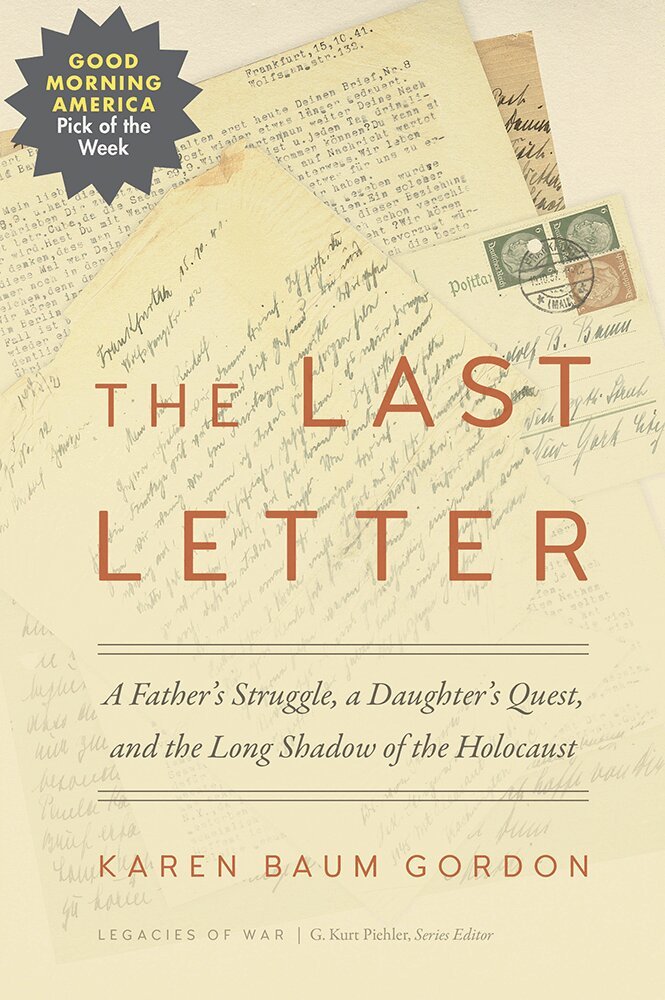
Last Letter
A Father's Struggle, a Daughter's Quest, and the Long Shadow of the Holocaust
Häftad, Engelska, 2021
275 kr
Skickas inom 10-15 vardagar
Born a German Jew in 1915, Rudy Baum was eighty-six years old when he sealed the garage door of his Dallas home, turned on the car ignition, and tried to end his life. After confronting her father's attempted suicide, Karen Baum Gordon, Rudy's daughter, began a sincere effort to understand the sequence of events that led her father to that dreadful day in 2002. What she found were hidden scars of generational struggles reaching back to the camps and ghettos of the Third Reich.In The Last Letter: A Father's Struggle, a Daughter's Quest, and the Long Shadow of the Holocaust, Gordon explores not only her father's life story, but also the stories and events that shaped the lives of her grandparents—two Holocaust victims that Rudy tried in vain to save in the late 1930s and early years of World War II. This investigation of her family's history is grounded in eighty-eight letters written mostly by Julie Baum, Rudy's mother and Karen's grandmother, to Rudy between November 1936 and October 1941. In five parts, Gordon examines pieces of these well-worn, handwritten letters and other archival documents in order to discover what her family experienced during the Nazi period and the psychological impact that reverberated from it in the generations that followed.Part of the Legacies of War series, The Last Letter is a captivating family memoir that spans events from the 1930s and Hitler's rise to power, through World War II and the Holocaust, to the present-day United States. In recreating the fatal journeys of her grandparents and tracing her father's efforts to save them an ocean away in America, Gordon discovers the forgotten fragments of her family's history and a vivid sense of her own Jewish identity. By inviting readers along on this journey, Gordon manages to honor victim and survivor alike and shows subsequent generations—now many years after the tragic events of World War II—what it means to remember.
315 kr
Skickas inom 11-20 vardagar
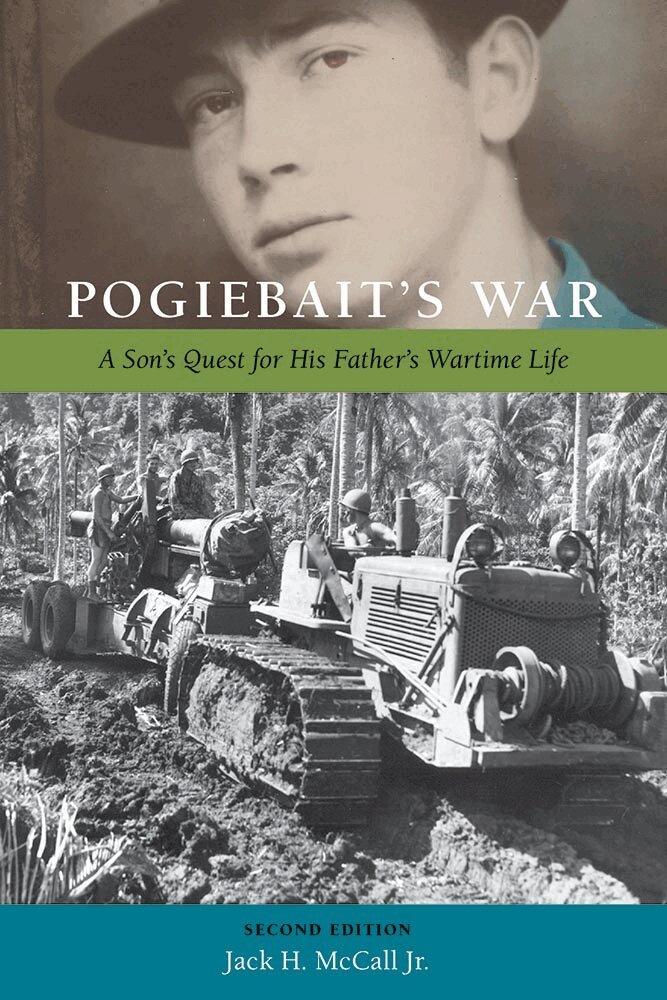
Jack H. McCall Sr. was a born storyteller, an inveterate practical joker, and a proud Tennessean whose flaws included a considerable taste for candy, or “pogiebait” in Marine parlance. Like so many other able-bodied young people in on the eve of World War II, he decided to enlist in the wake of the Japanese attack on Pearl Harbor. Much more than a family memoir or nostalgic wartime reminiscence, this painstakingly researched biography presents a rich, engaging study of the U.S. Marine Corps, particularly McCall’s understudied unit, the Ninth Defense Battalion—the “Fighting Ninth.” The author provides a window into the day-to-day service of a Marine during World War II, with important coverage of fighting in the Pacific Theater. McCall also depicts life in wartime Franklin, Tennessee, and offers a poignant and personal tribute to his father.McCall dramatizes some of the classic themes of the war memoir genre (war is hell, but memories fade!), but he sets riveting descriptions of decisive action against rarely seen views of mundane work and daily life, supported with maps, photographs, and fresh interpretations. Another distinction of this work is its attention to the action on Guam, a very unpleasant late-war “mopping up” that has received relatively little scholarly attention. In his portrait of the bitter island-hopping war in the Pacific, the author shows how both U.S. and Japanese soldiers were often eager innocents drawn to the cauldron of conflict and indoctrinated and trained by their respective governments. Reflecting on the action late in life, Jack (as well as several other Ninth veterans) came to a begrudging respect for the enemy.
Training for Atomic Warfare
US Army Doctrine and Education in the Early Cold War, 1945-1963
Inbunden, Engelska, 2025
827 kr
Skickas inom 10-15 vardagar
In the early days of the Cold War, the United States Army underwent a fundamental shift in its strategic thinking. While World War II was won on a doctrinal paradigm of combined arms, the US Army of the 1950s believed that atomic weapons would change how international conflicts were won and lost. Training officers in atomic warfare was a challenge, since there was little real-world experience on which to draw. Initially resistant to atomic weapons, the Army evolved through school debates among traditionalists, tech-driven "Buck Rogers" visionaries, and integrators who unified old and new methods.Facing classified data gaps, Army schools sparked cognitive shifts while the maneuver-fires inversion redefined warfare. By the early 1960s, with the Vietnam War centered in the minds of US military leadership and the public, doctrine and professional military education for atomic warfighting faded as the stark realities of fighting in Vietnam settled in.In Training for Atomic Warfare, Lieutenant Colonel Brad Hardy presents a unique view into the history of the US Army's strategic shift toward—and then away from—atomic warfare. Moving chronologically, each of the book's five chapters catalogs a segment of years between 1945 and 1960, showcasing how changes in US defense policy and technology reflected the Army's doctrine and education. Training for Atomic Warfare draws compelling parallels between the army of the 1950s and the current decade, demonstrating how shifts in military methodologies reflect the character of changing global conflicts and international policy.
740 kr
Skickas inom 10-15 vardagar
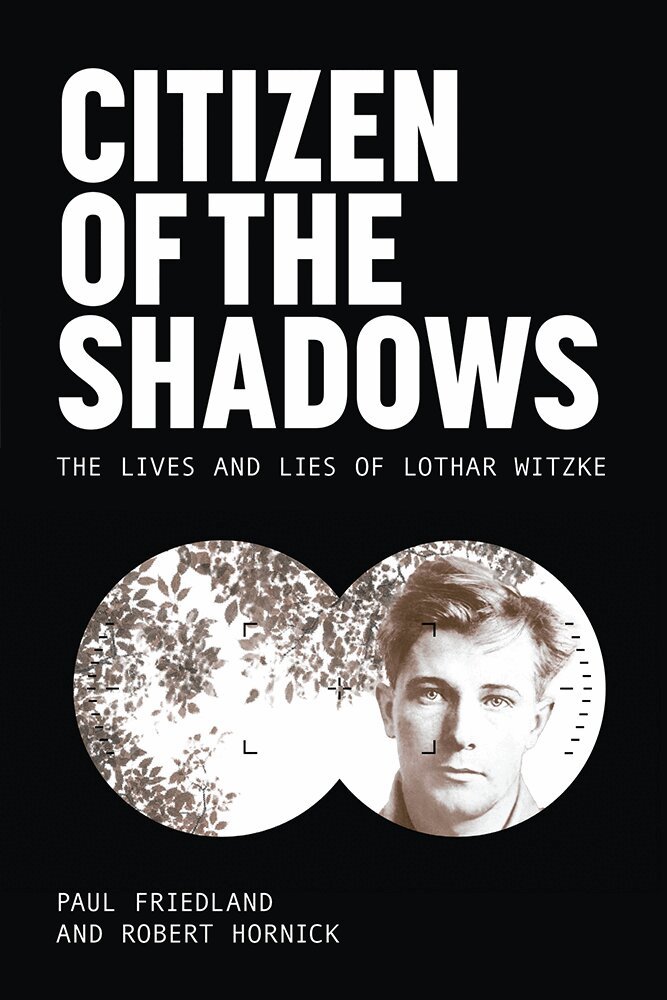
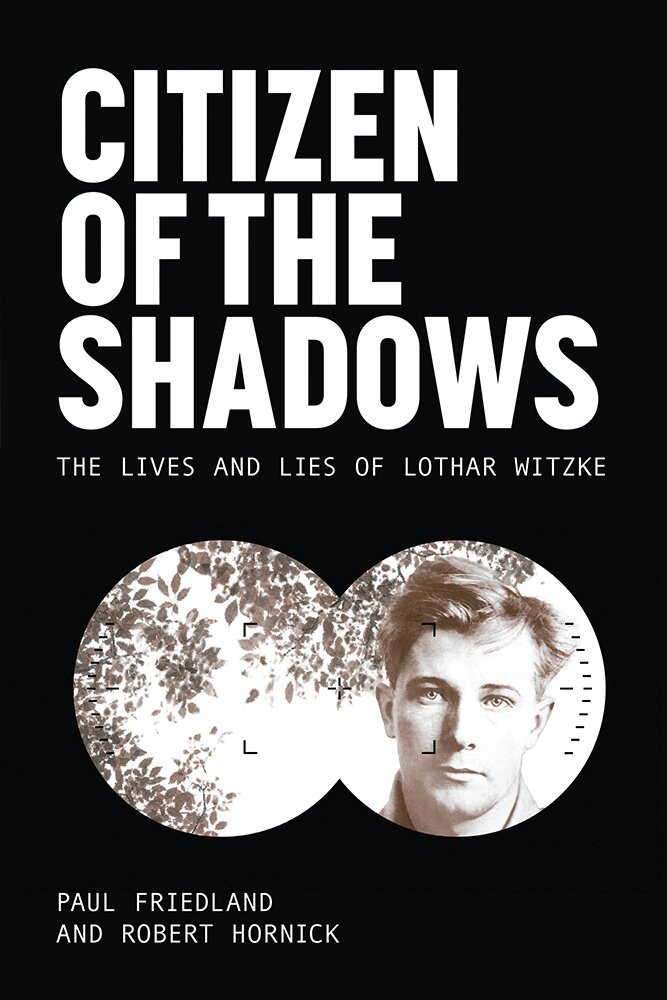
One of the most notorious German spies of the twentieth century, Lothar Witzke lived a life that reads like a thriller. Convicted of espionage in 1918, he was the only German spy sentenced to death by the United States during World War I. After the war, he was pardoned by President Calvin Coolidge, only to be later accused of responsibility for one of the most spectacular acts of sabotage in US history: the Black Tom munitions depot explosion.After being repatriated to Germany, Witzke lived in Latin America and China as a German expat and later joined the Nazi party. He ran espionage squads in Great Britain during World War II and became a prominent businessman in Hamburg after the war. He was killed in Hamburg in 1962, possibly by an East German agent as payback for suspected double agent work on behalf of the British.With Citizen of the Shadows, the first full biography of Witzke, Paul Friedland and Robert Hornick trace Witzke's morally complicated life and show readers how an infamous spy thrived in the interwar years and after. They probe his trial, conviction, and pardon, and analyze whether Witzke was really involved in the Black Tom explosion. In doing so, the authors uncover that many of the details of Witzke's life—long assumed to be true—were lies.
331 kr
Skickas inom 10-15 vardagar
One of the most notorious German spies of the twentieth century, Lothar Witzke lived a life that reads like a thriller. Convicted of espionage in 1918, he was the only German spy sentenced to death by the United States during World War I. After the war, he was pardoned by President Calvin Coolidge, only to be later accused of responsibility for one of the most spectacular acts of sabotage in US history: the Black Tom munitions depot explosion. After being repatriated to Germany, Witzke lived in Latin America and China as a German expat and later joined the Nazi party. He ran espionage squads in Great Britain during World War II and became a prominent businessman in Hamburg after the war. He was killed in Hamburg in 1962, possibly by an East German agent as payback for suspected double agent work on behalf of the British.With Citizen of the Shadows, the first full biography of Witzke, Paul Friedland and Robert Hornick trace Witzke's morally complicated life and show readers how an infamous spy thrived in the interwar years and after. They probe his trial, conviction, and pardon, and analyze whether Witzke was really involved in the Black Tom explosion. In doing so, the authors uncover that many of the details of Witzke's life—long assumed to be true—were lies.
208 kr
Kommande
Fifty years on from the Vietnam War, it can be easy to overlook the civilian lives that were forever changed by this endlessly debated global conflict. In Land of Dreams: An Immigrant's Journey from War-Torn Vietnam to America, author C. L. Hoang recalls memories of how the war dramatically affected his own life and the lives of his family.Spanning two continents and over ten years, Hoang's journey begins with his childhood in Saigon, South Vietnam, in the 1960s before crossing the Pacific Ocean to study in the US in 1974. When Saigon fell to the Communists of North Vietnam just six months later, he found himself cut off from his family in a new and vastly different country. Struggling to adapt and survive while hanging on to his college dreams, Hoang embarked on a quest to reunite with his family as they risked life and limb to escape from the communist regime.Having lived through the Vietnam War and come to America young enough to absorb its culture as his own, Hoang offers a unique, human-scale perspective on the aftermath of one of the most significant conflicts in living memory. Land of Dreams is a meditation on what it means to lose one's home and find another, and how the echoes of war continue to shape the lives of those who survive it. By sharing his own story, Hoang also bears witness to the struggle and resilience of his fellow Vietnamese immigrants as well as countless other immigrants and refugees.