Library of African American Biography – serie
Visar alla böcker i serien Library of African American Biography. Handla med fri frakt och snabb leverans.
18 produkter
18 produkter
589 kr
Skickas inom 10-15 vardagar
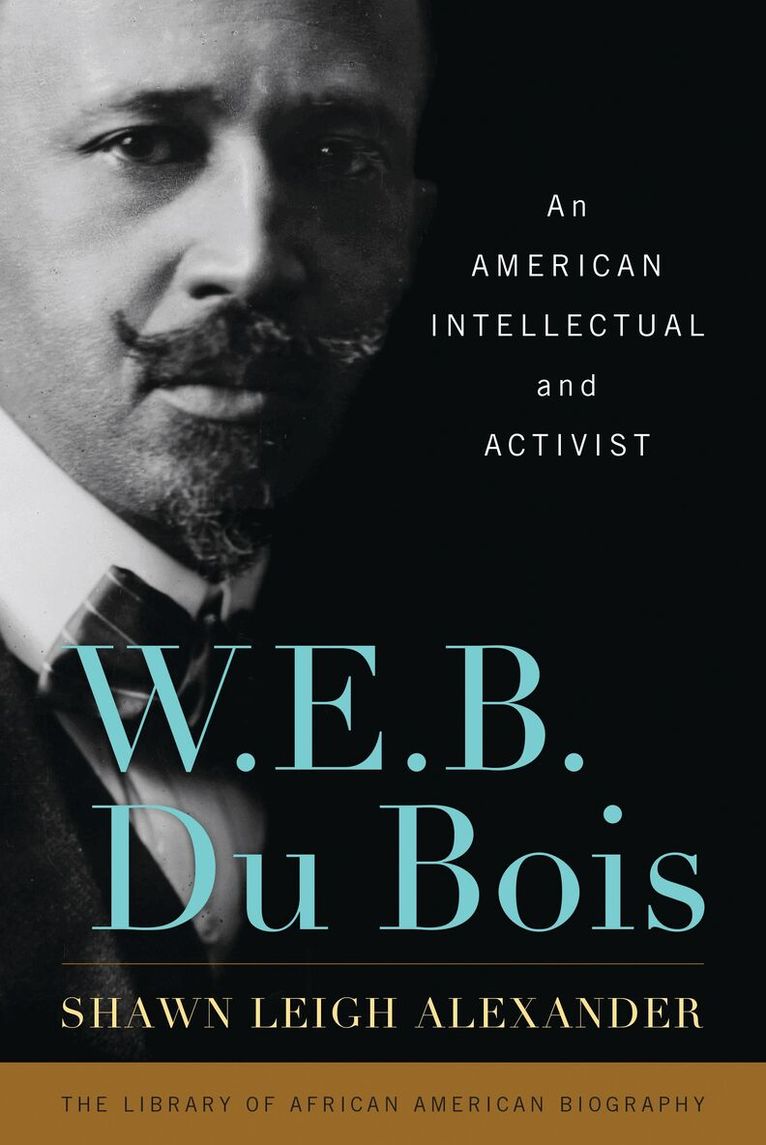
W. E. B. Du Bois was one of the most prolific African American authors, scholars, and leaders of the twentieth century, but none of his previous biographies have so practically and comprehensively introduced the man and his impact on American history as noted historian Shawn Alexander's W. E. B. Du Bois: An American Intellectual and Activist. Alexander tells Du Bois’ story in a clear and concise manner, exploring his racial strategy, civil rights activity, journalistic career, and his role as an international spokesman. The book also captures Du Bois’s life as a historian, sociologist, artist, propagandist, and peace activist, while providing space for the voices of his chief critics: Booker T. Washington, Marcus Garvey, Walter White, the Young Turks of the NAACP—not to mention the federal government’s characterization of his ever-radicalizing beliefs, particularly after World War II. Alexander’s analysis traces the development of Du Bois' thought over time, beginning with his formative years in New England and ending with his death in Ghana. Paying significantly more attention to the many pivotal and previously unexamined intellectual moments in his life, this biography illustrates the experiences that helped bend and mold the indispensable thinker that W.E.B. Du Bois became: the kind whose crowning achievement is his continued relevance in contemporary culture, from classrooms to curbsides.
365 kr
Skickas inom 10-15 vardagar
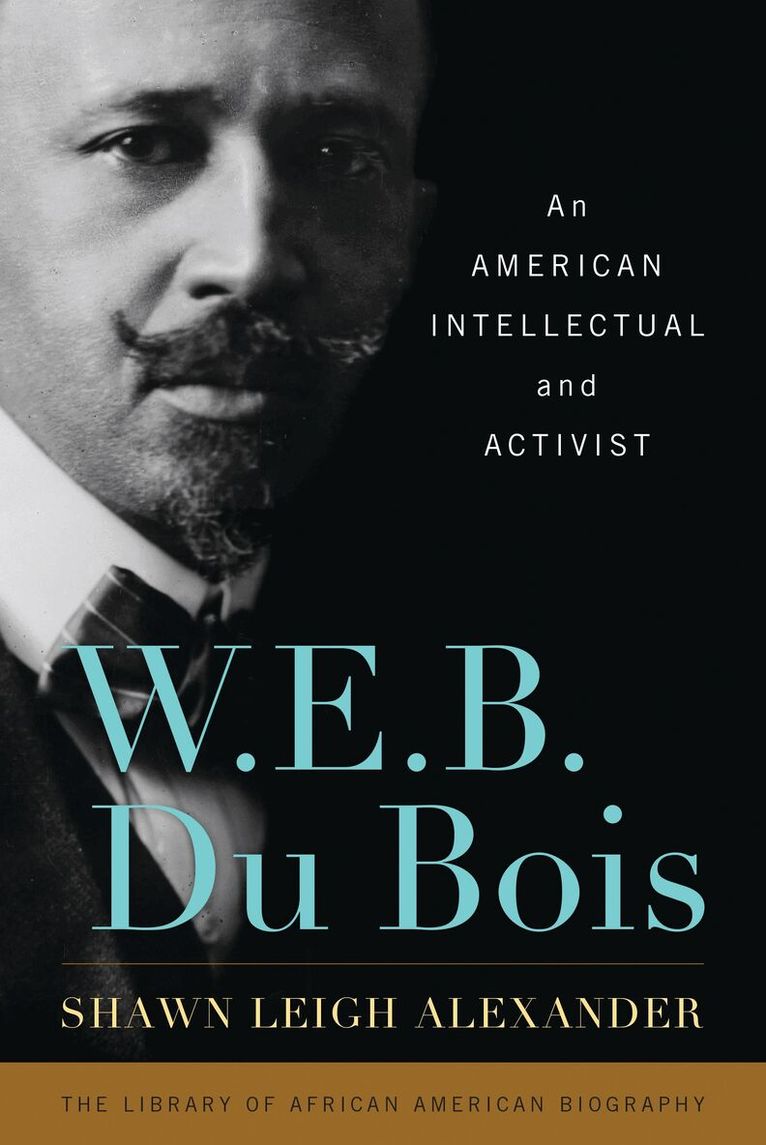
W. E. B. Du Bois was one of the most prolific African American authors, scholars, and leaders of the twentieth century, but none of his previous biographies have so practically and comprehensively introduced the man and his impact on American history as noted historian Shawn Alexander's W. E. B. Du Bois: An American Intellectual and Activist. Alexander tells Du Bois’ story in a clear and concise manner, exploring his racial strategy, civil rights activity, journalistic career, and his role as an international spokesman. The book also captures Du Bois’s life as a historian, sociologist, artist, propagandist, and peace activist, while providing space for the voices of his chief critics: Booker T. Washington, Marcus Garvey, Walter White, the Young Turks of the NAACP—not to mention the federal government’s characterization of his ever-radicalizing beliefs, particularly after World War II. Alexander’s analysis traces the development of Du Bois' thought over time, beginning with his formative years in New England and ending with his death in Ghana. Paying significantly more attention to the many pivotal and previously unexamined intellectual moments in his life, this biography illustrates the experiences that helped bend and mold the indispensable thinker that W.E.B. Du Bois became: the kind whose crowning achievement is his continued relevance in contemporary culture, from classrooms to curbsides.
858 kr
Skickas inom 10-15 vardagar
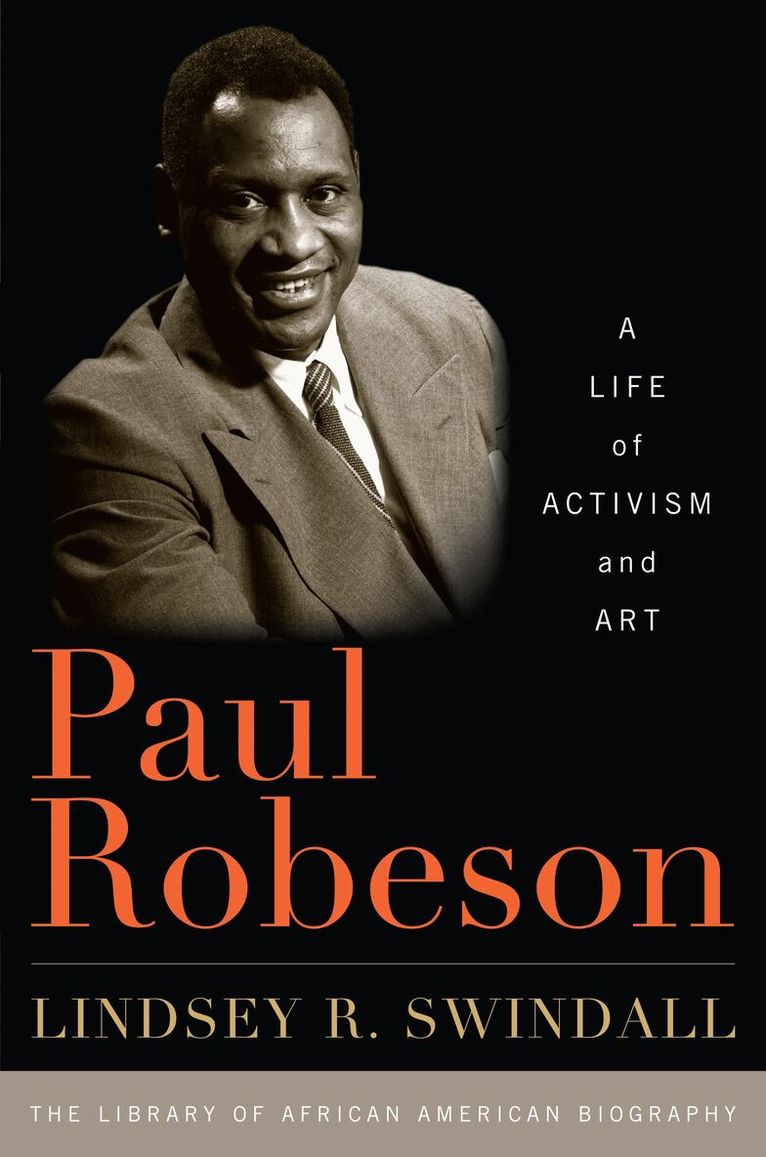
Paul Robeson: A Life of Activism and Art is the biography of an African American icon and a demonstration of historian Lindsey R. Swindall's knack for thorough, detailed research and reflection. Paul Robeson was, at points in his life, an actor, singer, football player, political activist and writer, one of the most diversely talented members of the Harlem Renaissance. Swindall centers Robeson's story around the argument that while Robeson leaned toward Socialism, a Pan-African perspective is fundamental to understanding his life as an artist and political advocate. Many previous works on Robeson have focused primarily on his involvement with the US Communist Party, paying little attention to the broader African influences on his politics and art. With each chapter focused on a decade of his life, this book affords us a fresh look at his story, and the ways in which the struggles, successes and studies of his formative years came to shape him as an artist, activist and man later on. Robeson’s story is one not simply of politics and protest, but of a man’s lifelong evolution from an athlete to an entertainer to an indispensible man of letters and African American thought. Swindall neatly outlines the events of Robeson's life in a way that freshly presents him as a man whose work was influenced by more than just his circumstances, but by a spirit rooted in dedication to the African's place in American art and politics.
220 kr
Skickas inom 10-15 vardagar
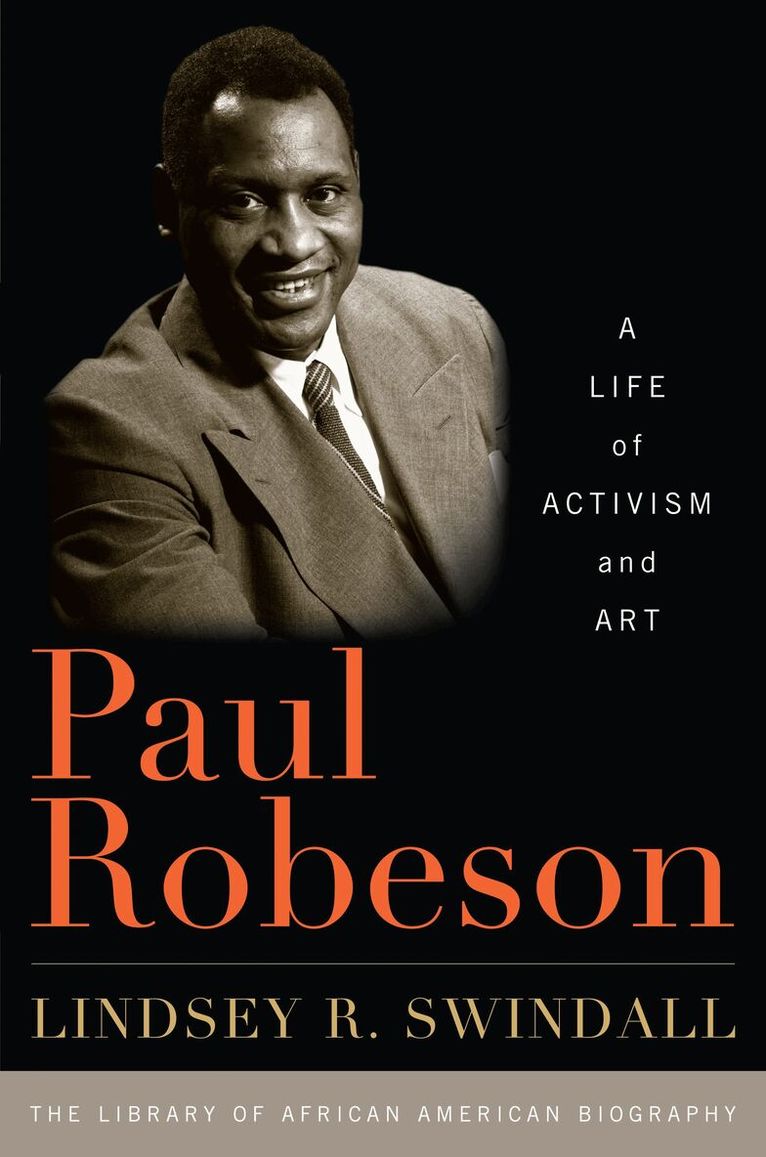
Paul Robeson: A Life of Activism and Art is the biography of an African American icon and a demonstration of historian Lindsey R. Swindall's knack for thorough, detailed research and reflection. Paul Robeson was, at points in his life, an actor, singer, football player, political activist and writer, one of the most diversely talented members of the Harlem Renaissance. Swindall centers Robeson's story around the argument that while Robeson leaned toward Socialism, a Pan-African perspective is fundamental to understanding his life as an artist and political advocate. Many previous works on Robeson have focused primarily on his involvement with the US Communist Party, paying little attention to the broader African influences on his politics and art. With each chapter focused on a decade of his life, this book affords us a fresh look at his story, and the ways in which the struggles, successes and studies of his formative years came to shape him as an artist, activist and man later on. Robeson’s story is one not simply of politics and protest, but of a man’s lifelong evolution from an athlete to an entertainer to an indispensible man of letters and African American thought. Swindall neatly outlines the events of Robeson's life in a way that freshly presents him as a man whose work was influenced by more than just his circumstances, but by a spirit rooted in dedication to the African's place in American art and politics.
646 kr
Skickas inom 10-15 vardagar
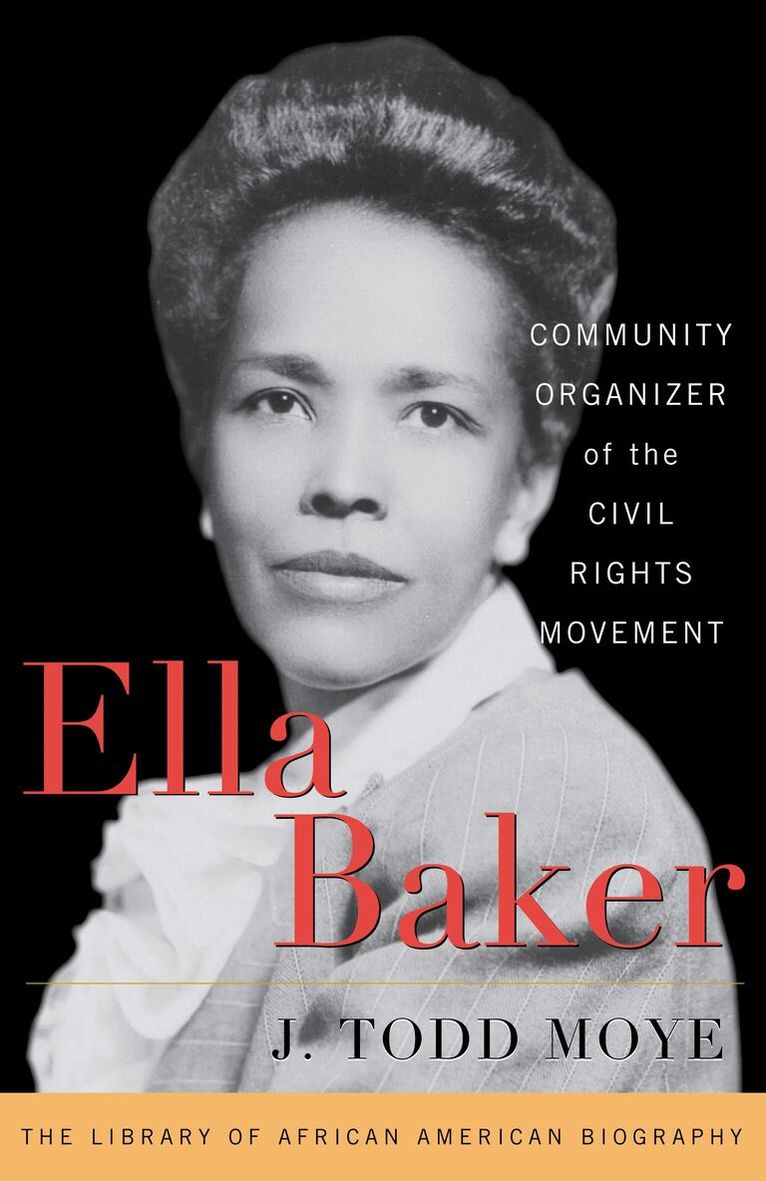
Ella Josephine Baker (1903-1986) was among the most influential strategists of the most important social movement in modern US history, the Civil Rights Movement, yet most Americans have never heard of her. Behind the scenes, she organized on behalf of the major civil rights organizations of her day—the National Association for the Advancement of Colored People (NAACP), the Southern Christian Leadership Council (SCLC), and the Student Nonviolent Coordinating Committee (SNCC)—among many other activist groups. As she once told an interviewer, “[Y]ou didn’t see me on television, you didn’t see news stories about me. The kind of role that I tried to play was to pick up pieces or put pieces together out of which I hoped organization might come. My theory is, strong people don’t need strong leaders.”Rejecting charismatic leadership as a means of social change, Baker invented a form of grassroots community organizing for social justice that had a profound impact on the struggle for civil rights and continues to inspire agents of change on behalf of a wide variety of social issues. In this book, historian J. Todd Moye masterfully reconstructs Baker’s life and contribution for a new generation of readers. Those who despair that the civil rights story is told too often from the top down and at the dearth of accessible works on women who helped shape the movement will welcome this new addition to the Library of African American Biography series, designed to provide concise, readable, and up-to-date lives of leading black figures in American history.
461 kr
Skickas inom 10-15 vardagar
Ella Josephine Baker (1903-1986) was among the most influential strategists of the most important social movement in modern US history, the Civil Rights Movement, yet most Americans have never heard of her. Behind the scenes, she organized on behalf of the major civil rights organizations of her day—the National Association for the Advancement of Colored People (NAACP), the Southern Christian Leadership Council (SCLC), and the Student Nonviolent Coordinating Committee (SNCC)—among many other activist groups. As she once told an interviewer, “[Y]ou didn’t see me on television, you didn’t see news stories about me. The kind of role that I tried to play was to pick up pieces or put pieces together out of which I hoped organization might come. My theory is, strong people don’t need strong leaders.”Rejecting charismatic leadership as a means of social change, Baker invented a form of grassroots community organizing for social justice that had a profound impact on the struggle for civil rights and continues to inspire agents of change on behalf of a wide variety of social issues. In this book, historian J. Todd Moye masterfully reconstructs Baker’s life and contribution for a new generation of readers. Those who despair that the civil rights story is told too often from the top down and at the dearth of accessible works on women who helped shape the movement will welcome this new addition to the Library of African American Biography series, designed to provide concise, readable, and up-to-date lives of leading black figures in American history.
376 kr
Skickas inom 10-15 vardagar
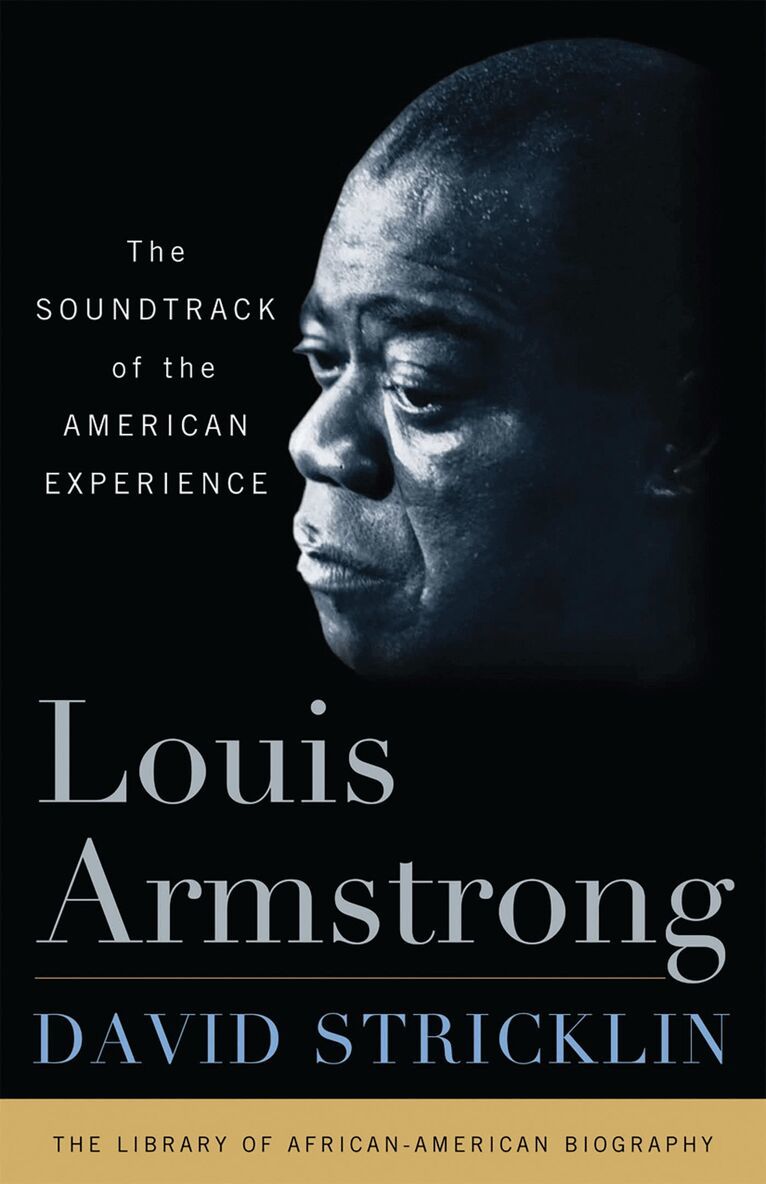
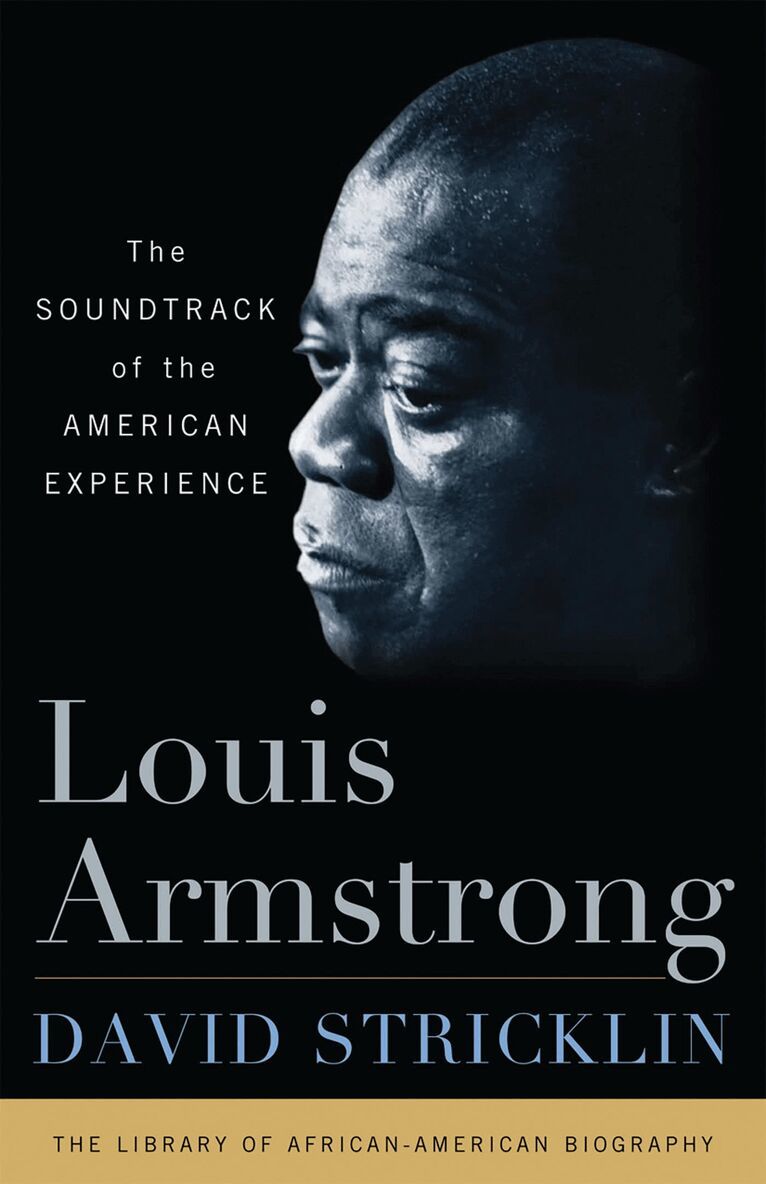
In the twentieth century, African Americans not only helped make popular music the soundtrack of the American experience, they advanced American music as one of the preeminent shapers of the world's popular culture. Vast numbers of black American musicians deserve credit for this remarkable turn of events, but a few stand out as true giants. David Stricklin's superb new biography explores the life of one of them, Louis Armstrong.The life story of this great instrumentalist, bandleader, and entertainer illustrates much of the black entertainer's impact on American culture and illuminates how popular culture often intersects with politics and economics. Armstrong emerged from a precarious background and triumphed over almost impossible odds, becoming a transcendent public figure and an international icon. Mr. Stricklin concentrates on Armstrong's musical talent, something many observers called a thing of genius. But he also pays special attention to Armstrong's identity a black man in America and the ways in which he triumphed over the mistreatment and disrespect dealt countless people like him. The creativity and exuberance he shared with the world came from his unique vantage as an artist and as an African American with a striking and lively spirit of freedom. He might have been able to demonstrate that determination in any line of work, but his story has special urgency because he expressed his creative power through music. With 16 black-and-white photographs.
433 kr
Skickas inom 10-15 vardagar
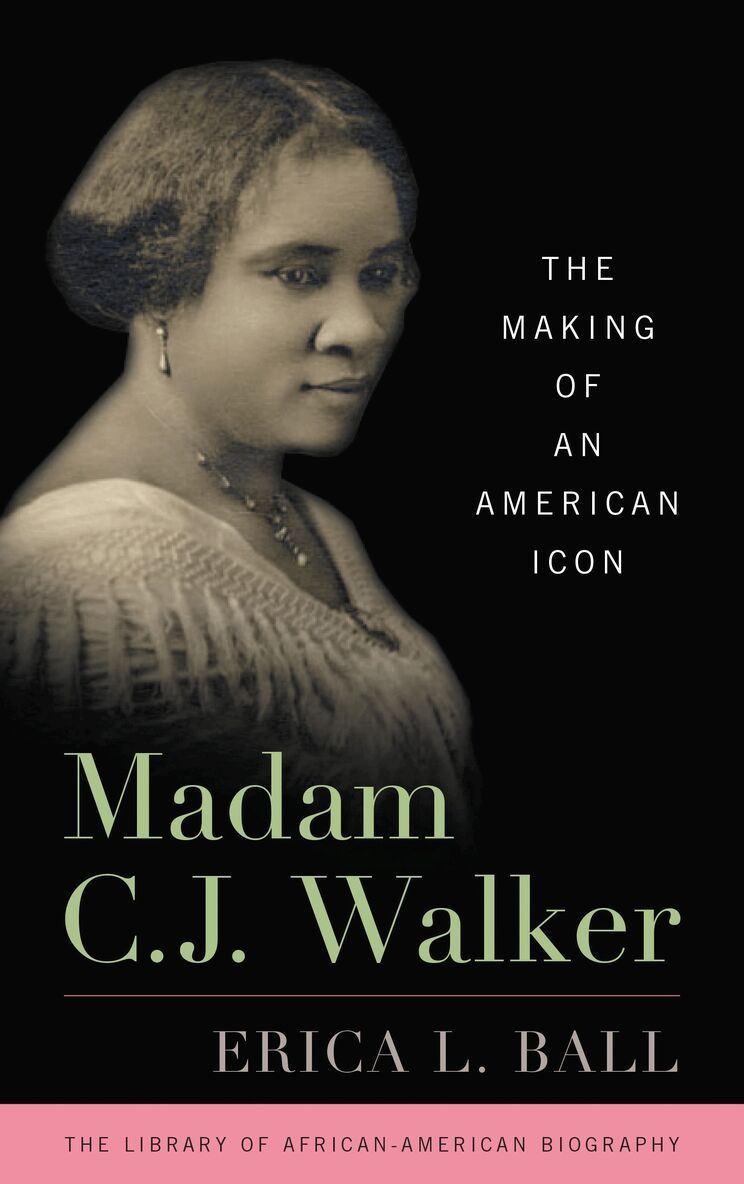
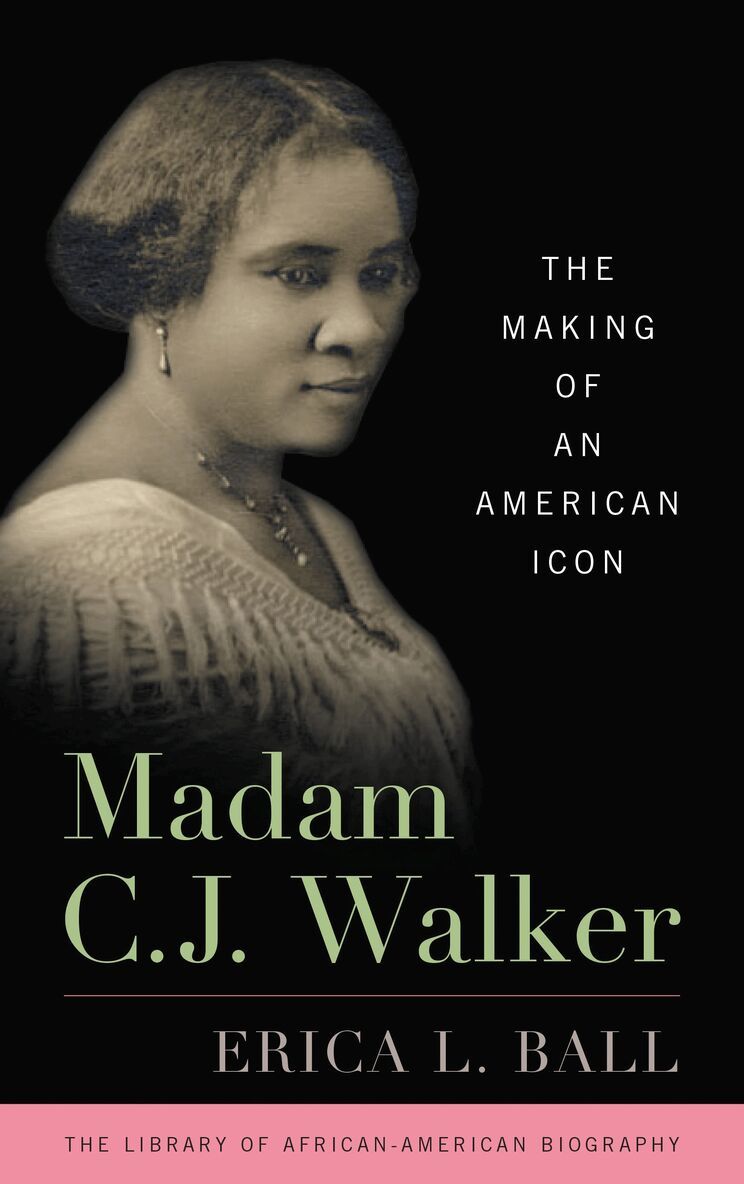
"[An] exhaustively detailed account of the life of Madam C.J. Walker." Booklist, Starred Review Madam C. J. Walker—reputed to be America’s first self-made woman millionaire—has long been celebrated for her rags-to-riches story. Born to former slaves in the Louisiana Delta in the aftermath of the Civil War, married at fourteen, and widowed at twenty, Walker spent the first decades of her life as a laundress, laboring in conditions that paralleled the lives of countless poor and working-class African American women. By the time of her death in 1919, however, Walker had refashioned herself into one of the most famous African American figures in the nation: the owner and president of a hair-care empire and a philanthropist wealthy enough to own a country estate near the Rockefellers in the prestigious New York town of Irvington-on-Hudson. In this biography, Erica Ball places this remarkable and largely forgotten life story in the context of Walker’s times. Ball analyzes Walker’s remarkable acts of self-fashioning, and explores the ways that Walker (and the Walker brand) enabled a new generation of African Americans to bridge the gap between a nineteenth-century agrarian past and a twentieth-century future as urban-dwelling consumers.
221 kr
Skickas inom 10-15 vardagar
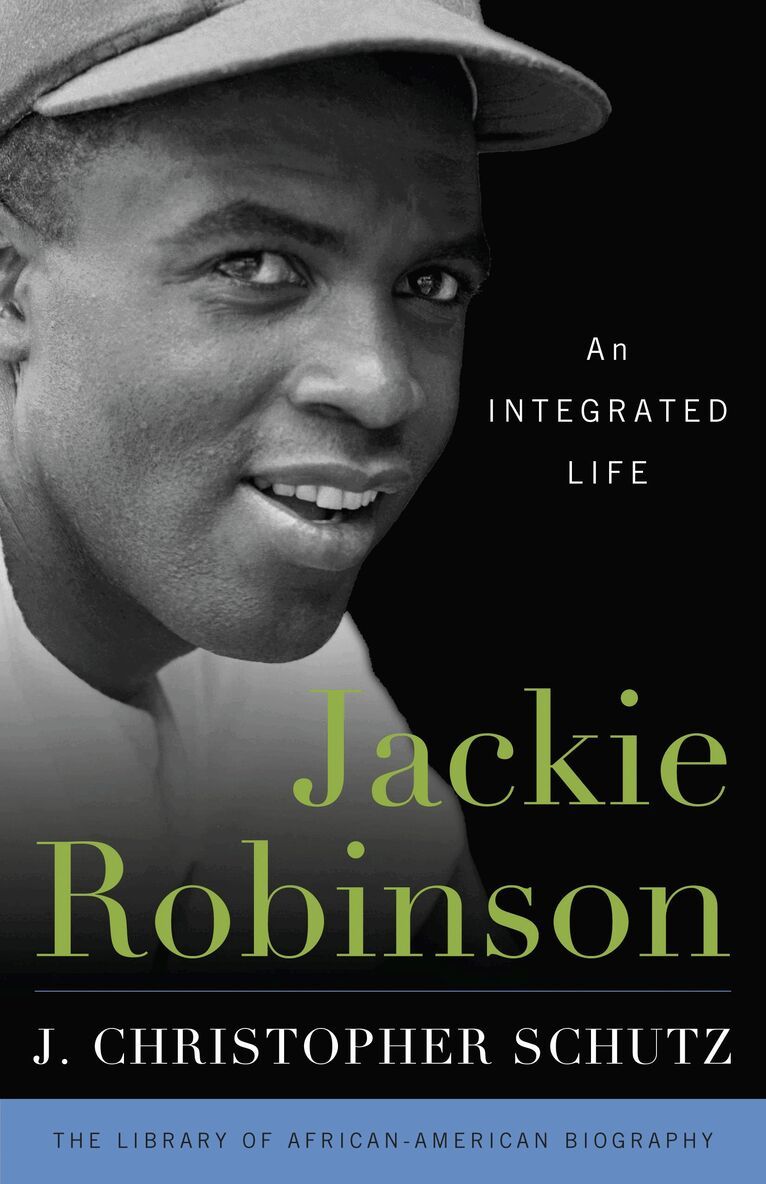
Jackie Robinson’s story is not only a compelling drama of heroism, but also as a template of the African American freedom struggle. A towering athletic talent, Robinson’s greater impact was on preparing the way for the civil rights reform wave following WWII. But Robinson’s story has always been far more complex than the public perception has allowed. Brooklyn Dodgers executive Branch Rickey famously told the young Robinson that he was “looking for a ballplayer with guts enough not to fight back.” J. Christopher Schutz reveals the real Robinson, as a more defiant, combative spirit than simply the “turn the other cheek” compliant “credit to his race.” The triumph of Robinson’s inclusion in the white Major Leagues (which presaged blacks’ later inclusion in the broader society) also included the slow demise of black-owned commercial enterprise in the Negro Leagues (which likewise presaged the unrecoverable loss of other important black institutions after civil rights gains). Examining this key figure at the crossroads of baseball and civil rights histories, Schutz provides a cohesive exploration of the man and the times that made him great.
435 kr
Skickas inom 10-15 vardagar
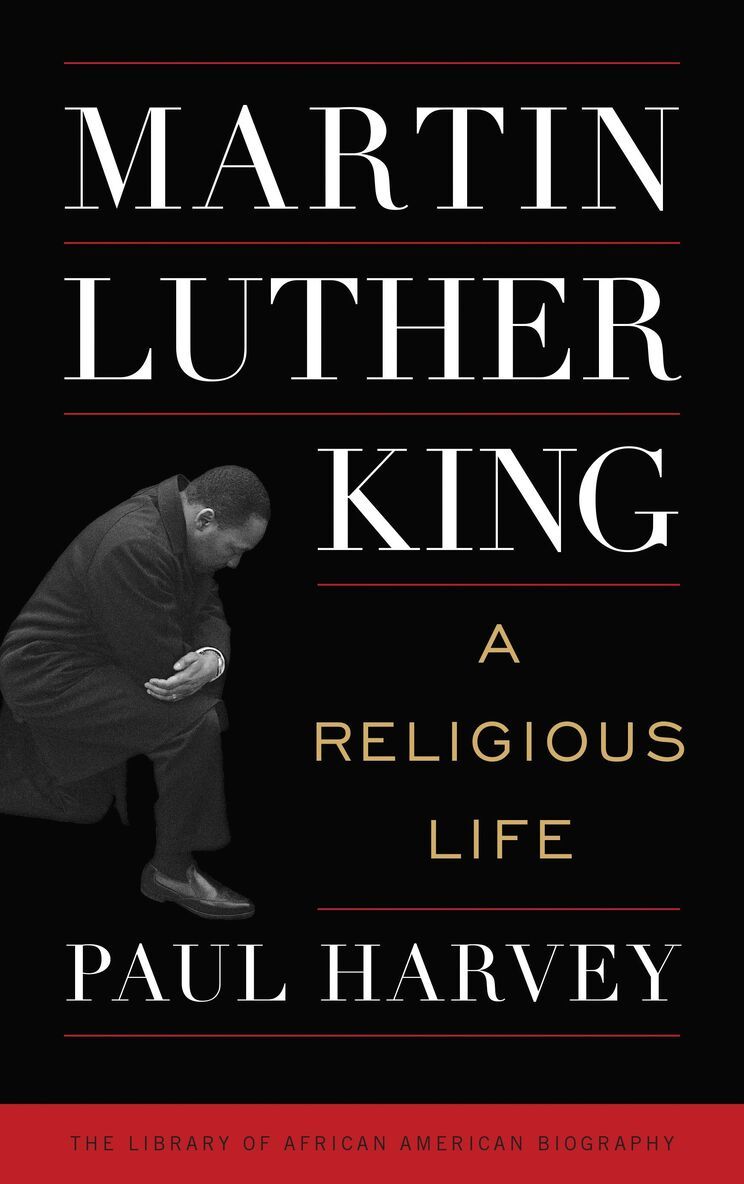
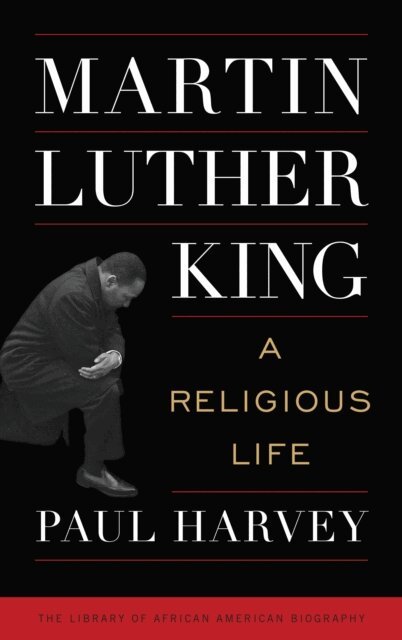
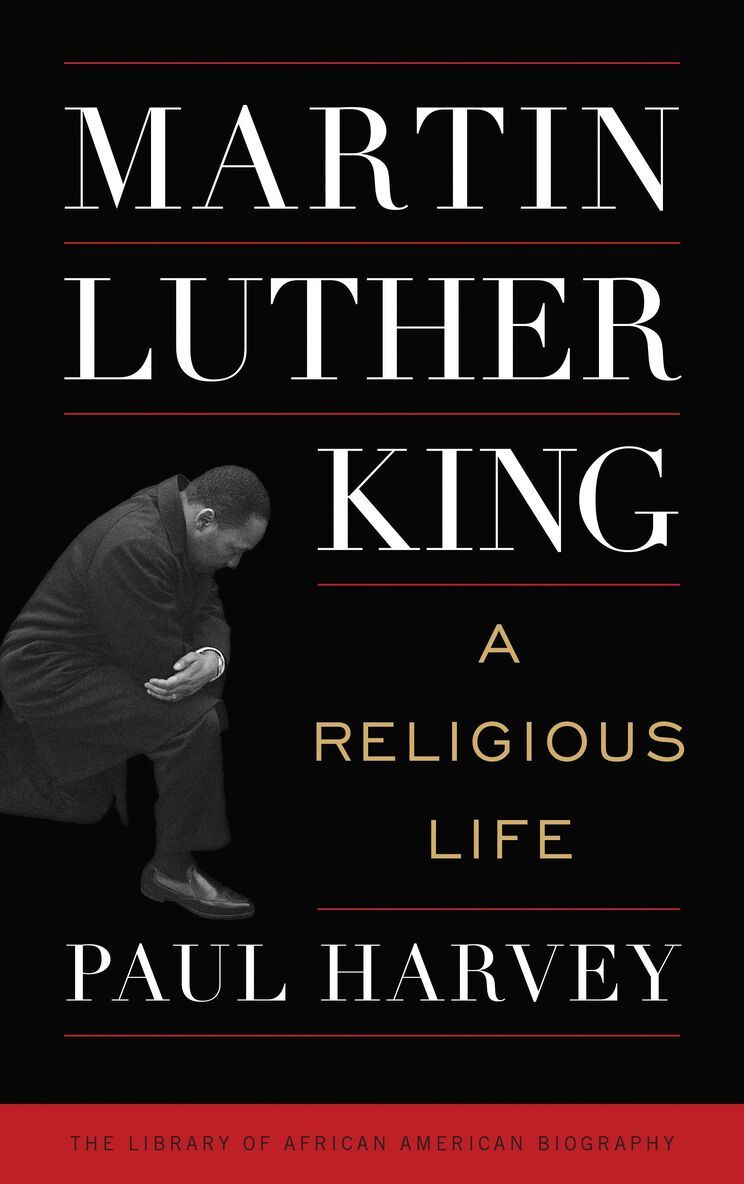
"[Sh]ould take a prominent place on the shelf of literature about the man who changed 20th century America." Publishers Weekly, Starred ReviewIn this new biography, distinguished historian Paul Harvey examines Martin Luther King’s life through his complex, emerging religious lives. Harvey introduces many readers, perhaps for the first or only time, to the King of diverse religious and intellectual influences, of an increasingly radical cast of thought, and of a mélange of intellectual influences that he aligned in becoming the spokesperson for the most important social movement of twentieth-century American history. Not only does Harvey chronicle King’s metamorphosis and its impact on American and African American life, but he seeks to explain his “afterlives”—how in American culture King became transformed into a mainstream civil saint, shorn of his radical religious critique of how power functioned in America. Harvey’s concise biography will allow readers to see King anew in the context of his time and today.
463 kr
Skickas inom 10-15 vardagar
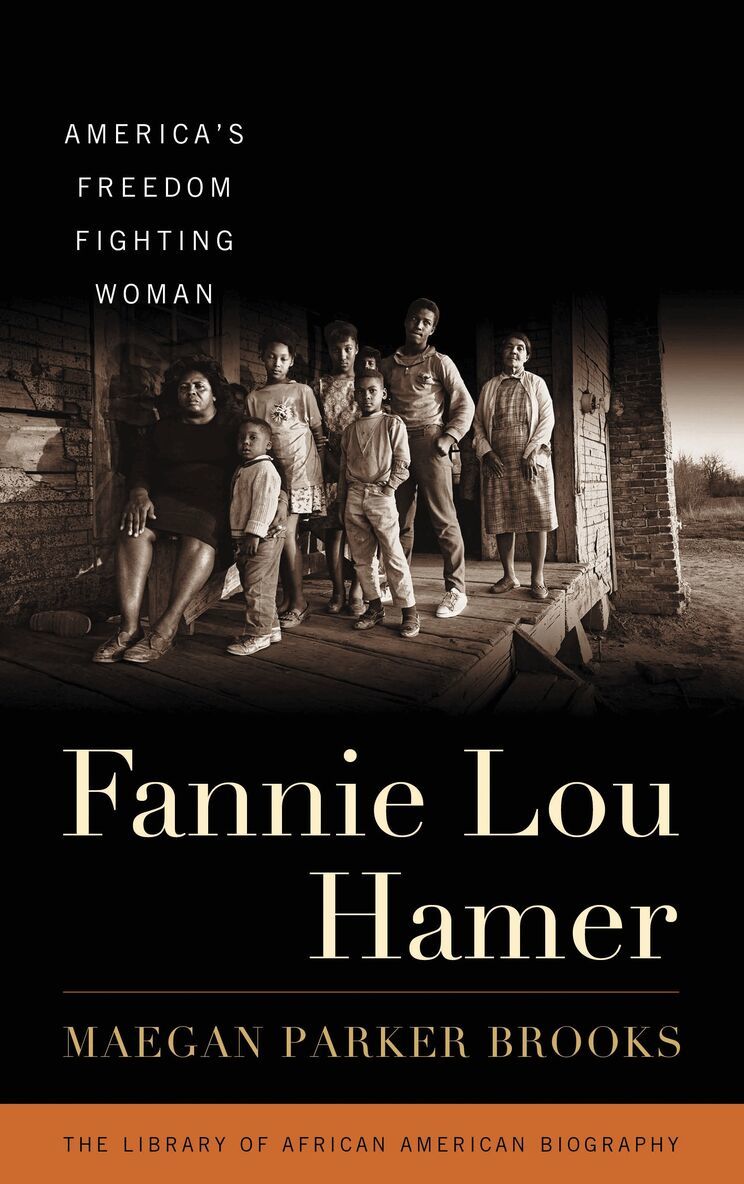
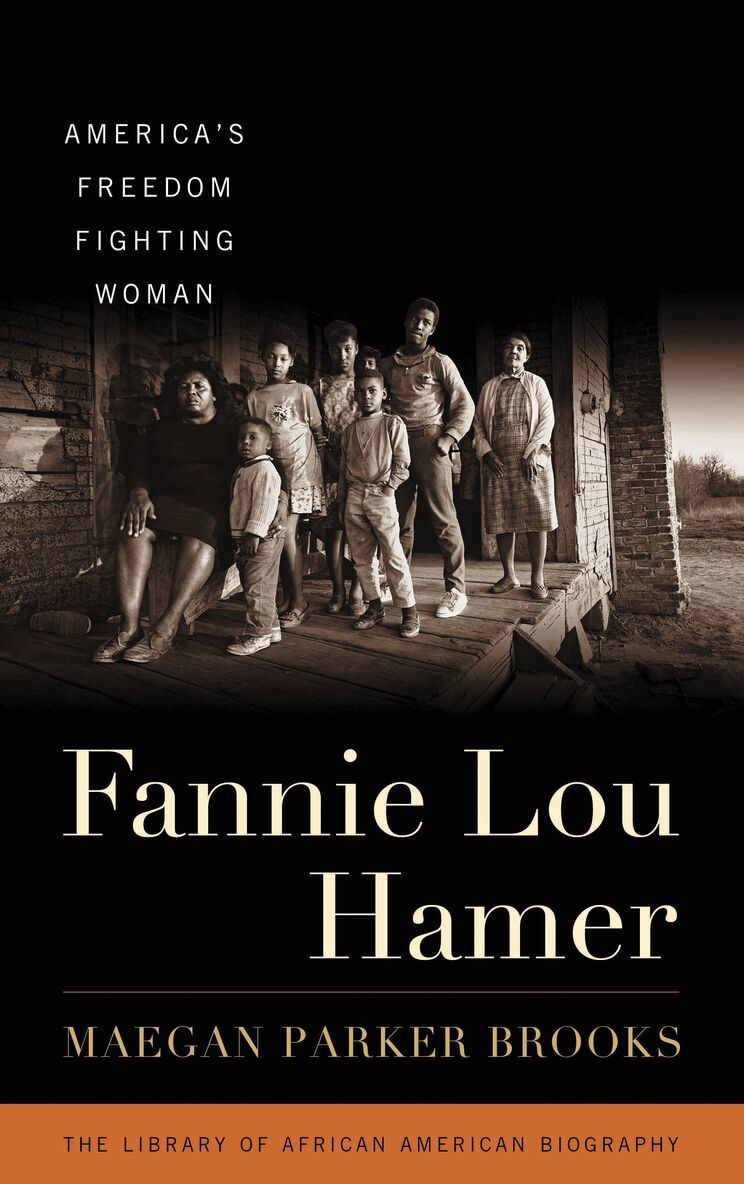
"[T]his is a testimonial to a courageous woman and her deep commitment to human rights." Booklist, Starred Review • An accessible biography of Fannie Lou Hamer that reveals pivotal moments within a remarkable life that spanned 59 tumultuous years in the history of American race relations. In 1964, Fannie Lou Hamer delivered a heart-wrenching testimony before the Democratic National Convention’s (DNC) Credentials Committee. In this speech, Hamer represented both the concerns of the Mississippi Freedom Democratic Party (MFDP) and the limits of American democracy when she proclaimed: “I question America. Is this the land of the free and the home of the brave where we have to sleep with our telephones off the hooks because our lives be threatened daily? Because we want to live as decent human beings, in America?”This is the speech that sent President Lyndon B. Johnson into a state of outright panic, as he diverted the media’s attention away from Hamer’s stinging indictment of the nation he led. This is the speech that left most Credentials Committee members in tears, forced Johnson to negotiate with the MFDP, and compelled the Democratic Party to vow they would never again seat a segregated delegation. And this is the speech that television networks, made wise to Johnson’s diversionary tactics, replayed during their evening programs, thereby bringing Fannie Lou Hamer into the living rooms of Americans across the nation.As significant as the 1964 DNC speech is, this book will underscore that Hamer’s testimony was but one moment within a remarkable life that spanned fifty-nine tumultuous years in the history of American race relations. For the first forty-four years of her life, Hamer lived on sharecropping plantations, all the while learning life lessons from her family, the Black Baptist religious tradition, and from the oppressive white supremacist mores surrounding her. Once Hamer’s life path intersected with the mid-century Civil Rights Movement, she spent fifteen years (1962-1977) traveling from the South to the North—and even to the West Coast of Africa—advocating civil rights, economic justice, and interracial cooperation. Hamer shared the platform with Martin Luther King, Jr. and Malcolm X, who introduced her to an audience in Harlem as “the country’s number one freedom fighting woman.” This accessible biography will enrich public memory about Hamer by telling not only the significant story of her riveting testimony, but also by recounting a life filled with triumphs, tragedies, and accompanying lessons for contemporary audiences.
367 kr
Kommande
Charles Waddell Chesnutt was an African American educator, businessman, lawyer, author, social reformer, and activist. He was one of the first African American writers to cross the color line into the Anglo American publishing world. A pioneering author of African American fiction, Chesnutt is perhaps best known for his exploration of sensitive issues of race, including slavery, prejudice, racism, and racial violence, in his short stories and novels. This book explores Chesnutt’s remarkable life and legacy, including his contributions as an author, activist, and social commentator. The author examines the ways he chronicled, challenged, and crossed the color line, beginning in his early life. She illuminates the people, places, events, and ideas that shaped his complex view of race and society and shows how themes such as education, opportunity, and fairness informed his efforts.To tell his remarkable story, Eckard draws on Chesnutt’s journals, letters, essays, speeches, as well as his short fiction and novels. Lastly, Charles Chesnutt: Crossing the Color Line strives to interpret his work in light of today’s events and the continued struggle for racial and social justice.
291 kr
Skickas inom 10-15 vardagar
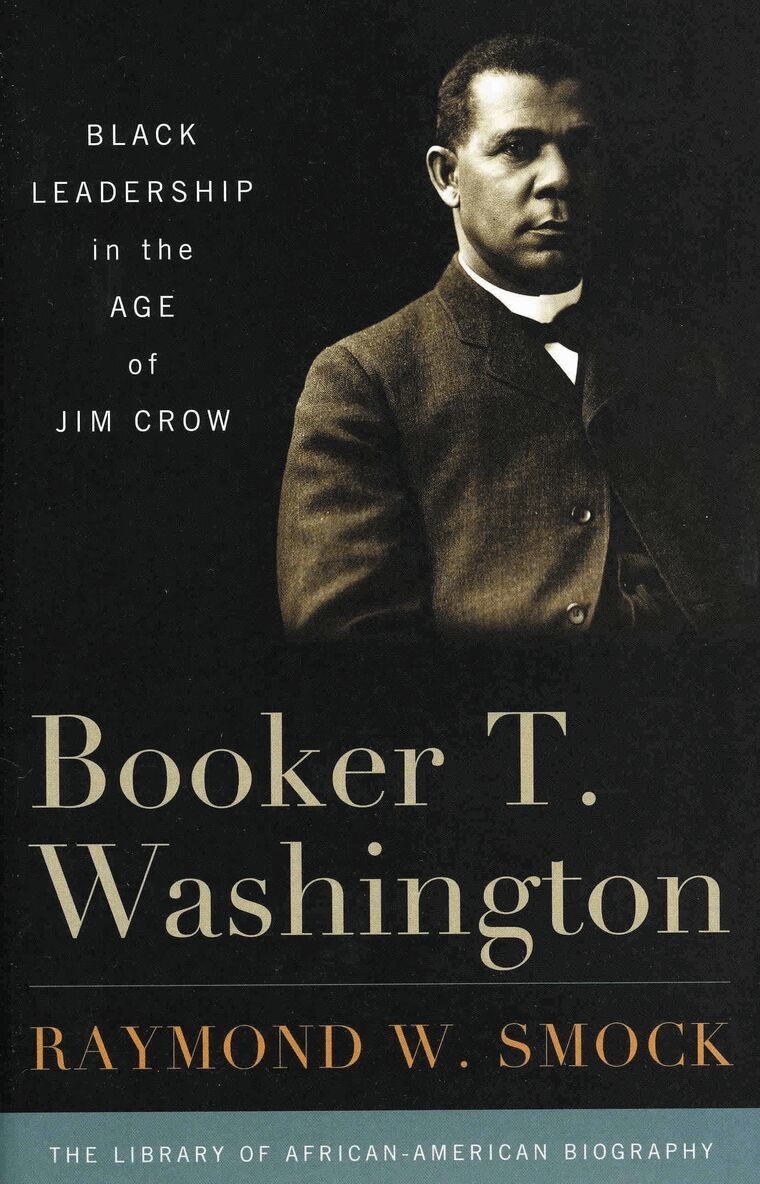
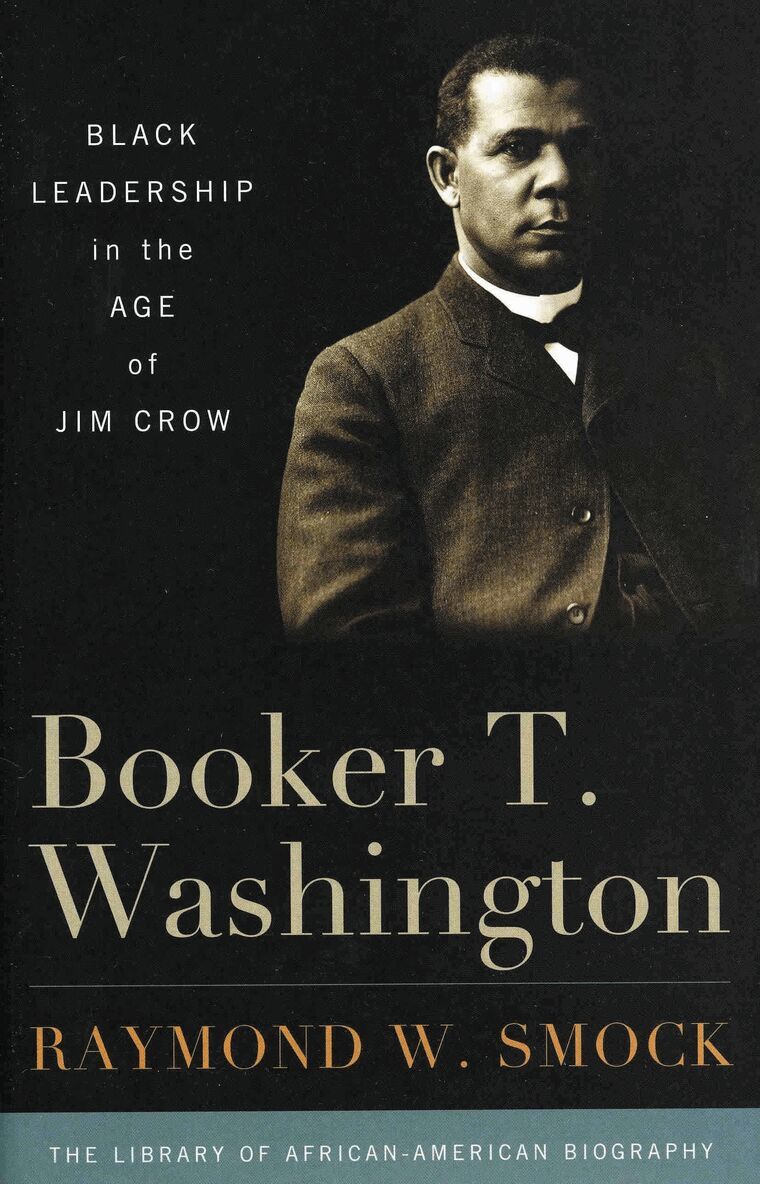
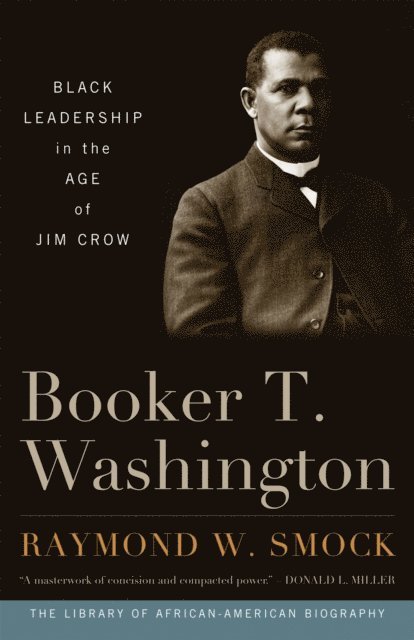
From the time of his famous Atlanta address in 1895 until his death in 1915, Booker T. Washington was the preeminent African-American educator and race leader. But to historians and biographers of the last hundred years, Washington has often been described as an enigma, a man who rose to prominence because he offered a compromise with the white South: he was willing to trade civil rights for economic and educational advancement. Thus one historian called Washington's time the "nadir of Negro life in America." Raymond W. Smock's interpretive biography explores Washington's rise from slavery to a position of power and influence that no black leader had ever before achieved in American history. He took his own personal quest for freedom and acceptance within a harsh, racist climate and turned it into a strategy that he believed would work for millions. Was he, as later critics would charge, an Uncle Tom and a lackey of powerful white politicians and industrialists? Sifting the evidence, Mr. Smock sees Washington as a field general in a war of racial survival, his compromise a practical attempt to solve an immense problem. He lived and worked in the midst of an undeclared race war, and his plan was to find a way to survive and to flourish despite the odds against him.
178 kr
Skickas inom 10-15 vardagar
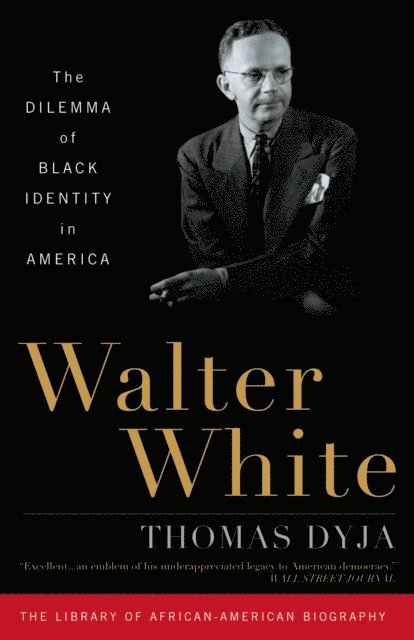
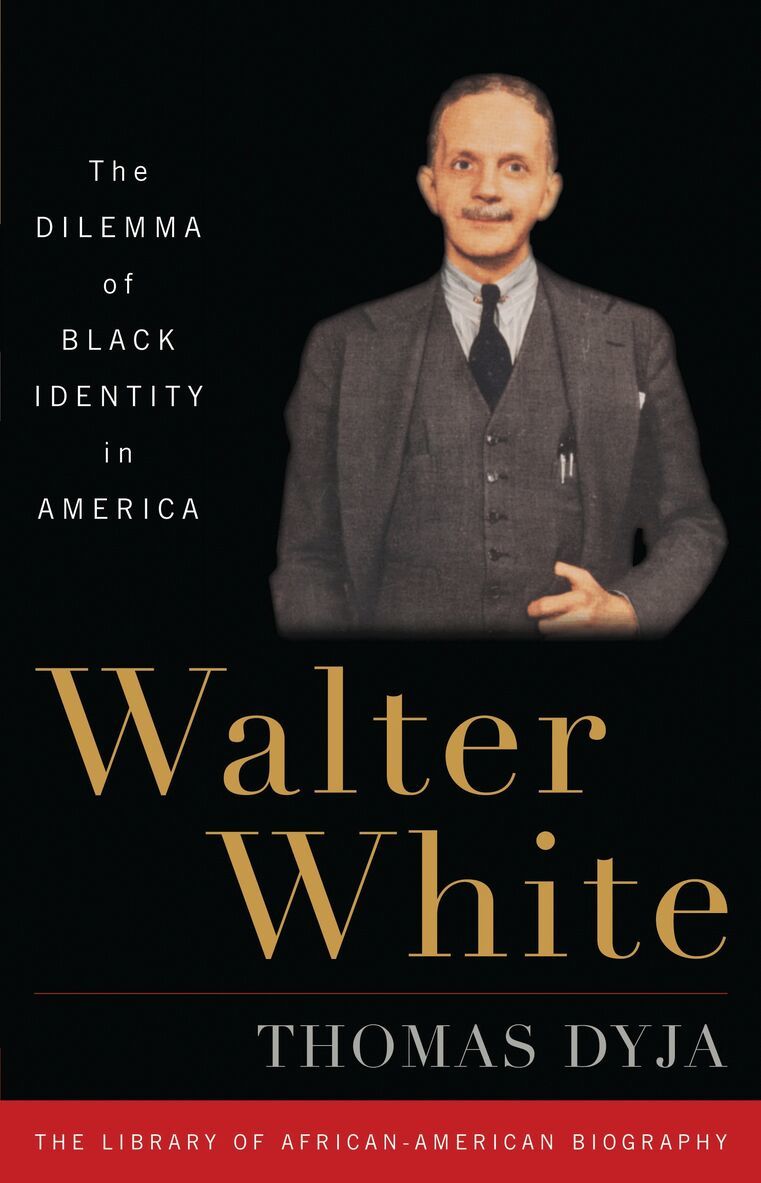
The day Walter White was buried in 1955 the New York Times called him "the nearest approach to a national leader of American Negroes since Booker T. Washington." For more than two decades, White, as secretary of the NAACP, was perhaps the nation's most visible and most powerful African-American leader. He won passage of a federal anti-lynching law, hosted one of the premier salons of the Harlem Renaissance, created the legal strategy that led to Brown v. Board of Education, and initiated the campaign demanding that Hollywood give better roles to black actors. Driven by ambitions for himself and his people, he offered his entire life to the advancement of civil rights in America.
178 kr
Skickas inom 10-15 vardagar
From the time of his famous Atlanta address in 1895 until his death in 1915, Booker T. Washington was the preeminent African-American educator and race leader. But to historians and biographers of the last hundred years, Washington has often been described as an enigma, a man who rose to prominence because he offered a compromise with the white South: he was willing to trade civil rights for economic and educational advancement. Thus one historian called Washington's time the "nadir of Negro life in America." Raymond W. Smock's interpretive biography explores Washington's rise from slavery to a position of power and influence that no black leader had ever before achieved in American history. He took his own personal quest for freedom and acceptance within a harsh, racist climate and turned it into a strategy that he believed would work for millions. Was he, as later critics would charge, an Uncle Tom and a lackey of powerful white politicians and industrialists? Sifting the evidence, Mr. Smock sees Washington as a field general in a war of racial survival, his compromise a practical attempt to solve an immense problem. He lived and worked in the midst of an undeclared race war, and his plan was to find a way to survive and to flourish despite the odds against him.
282 kr
Skickas inom 10-15 vardagar
"[An] exhaustively detailed account of the life of Madam C.J. Walker." Booklist, Starred Review Madam C. J. Walker—reputed to be America’s first self-made woman millionaire—has long been celebrated for her rags-to-riches story. Born to former slaves in the Louisiana Delta in the aftermath of the Civil War, married at fourteen, and widowed at twenty, Walker spent the first decades of her life as a laundress, laboring in conditions that paralleled the lives of countless poor and working-class African American women. By the time of her death in 1919, however, Walker had refashioned herself into one of the most famous African American figures in the nation: the owner and president of a hair-care empire and a philanthropist wealthy enough to own a country estate near the Rockefellers in the prestigious New York town of Irvington-on-Hudson. In this biography, Erica Ball places this remarkable and largely forgotten life story in the context of Walker’s times. Ball analyzes Walker’s remarkable acts of self-fashioning, and explores the ways that Walker (and the Walker brand) enabled a new generation of African Americans to bridge the gap between a nineteenth-century agrarian past and a twentieth-century future as urban-dwelling consumers.
291 kr
Skickas inom 10-15 vardagar
"[Sh]ould take a prominent place on the shelf of literature about the man who changed 20th century America." Publishers Weekly, Starred ReviewIn this new biography, distinguished historian Paul Harvey examines Martin Luther King’s life through his complex, emerging religious lives. Harvey introduces many readers, perhaps for the first or only time, to the King of diverse religious and intellectual influences, of an increasingly radical cast of thought, and of a mélange of intellectual influences that he aligned in becoming the spokesperson for the most important social movement of twentieth-century American history. Not only does Harvey chronicle King’s metamorphosis and its impact on American and African American life, but he seeks to explain his “afterlives”—how in American culture King became transformed into a mainstream civil saint, shorn of his radical religious critique of how power functioned in America. Harvey’s concise biography will allow readers to see King anew in the context of his time and today.
291 kr
Skickas inom 10-15 vardagar
"[T]his is a testimonial to a courageous woman and her deep commitment to human rights." Booklist, Starred Review • An accessible biography of Fannie Lou Hamer that reveals pivotal moments within a remarkable life that spanned 59 tumultuous years in the history of American race relations. In 1964, Fannie Lou Hamer delivered a heart-wrenching testimony before the Democratic National Convention’s (DNC) Credentials Committee. In this speech, Hamer represented both the concerns of the Mississippi Freedom Democratic Party (MFDP) and the limits of American democracy when she proclaimed: “I question America. Is this the land of the free and the home of the brave where we have to sleep with our telephones off the hooks because our lives be threatened daily? Because we want to live as decent human beings, in America?”This is the speech that sent President Lyndon B. Johnson into a state of outright panic, as he diverted the media’s attention away from Hamer’s stinging indictment of the nation he led. This is the speech that left most Credentials Committee members in tears, forced Johnson to negotiate with the MFDP, and compelled the Democratic Party to vow they would never again seat a segregated delegation. And this is the speech that television networks, made wise to Johnson’s diversionary tactics, replayed during their evening programs, thereby bringing Fannie Lou Hamer into the living rooms of Americans across the nation.As significant as the 1964 DNC speech is, this book will underscore that Hamer’s testimony was but one moment within a remarkable life that spanned fifty-nine tumultuous years in the history of American race relations. For the first forty-four years of her life, Hamer lived on sharecropping plantations, all the while learning life lessons from her family, the Black Baptist religious tradition, and from the oppressive white supremacist mores surrounding her. Once Hamer’s life path intersected with the mid-century Civil Rights Movement, she spent fifteen years (1962-1977) traveling from the South to the North—and even to the West Coast of Africa—advocating civil rights, economic justice, and interracial cooperation. Hamer shared the platform with Martin Luther King, Jr. and Malcolm X, who introduced her to an audience in Harlem as “the country’s number one freedom fighting woman.” This accessible biography will enrich public memory about Hamer by telling not only the significant story of her riveting testimony, but also by recounting a life filled with triumphs, tragedies, and accompanying lessons for contemporary audiences.