Library of Medieval Literature – serie
Visar alla böcker i serien Library of Medieval Literature. Handla med fri frakt och snabb leverans.
6 produkter
Francesco Petrarch Rime Disperse
Inbunden, 1991
2887 kr
Lägg i varukorg
First published in 1991. It was the lyric poetry of Petrarch that popularized the sonnet in European literature, that set the standard for love poetry for centuries to follow. Compared to the large volume of prose, poetry and notes in Latin, the corpus of Petrarch’s Italian writings is small: the …
Brunetto Latini
The Book of the Treasure - Li Livres dou Treasure
Inbunden, 1992
2100 kr
Lägg i varukorg
First published in 1993. Part of a library on Medieval Literature this volume is a translated version of 'The Book of the Treasure' by Brunetto Latini, who was a teacher of Dante and is remembered in Dante's Inferno in Canto 15. The Book of the Treasure is a compendium of primarily classical …
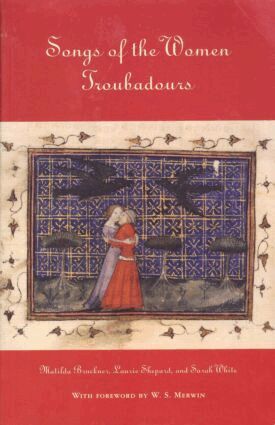
Songs of the Women Troubadours
Av Laurie Shepard, Sarah White m. fl.
Häftad, 2000
744 kr
Lägg i varukorg
This work offers an edition and translation of some 30 poems by the trobairitz, a remarkable group of women poets from the twelfth and thirteenth centuries, who composed in the style and language of the troubadours. Introductory essays and notes by specialists in the field place the poems in …
Romance of Flamenca
Inbunden, 1995
3523 kr
Lägg i varukorg
Variously described as a comedy of manners, a psychological romance, and a type of fabliau, the 13th-century narrative Flamenca is the best medieval romance written in Occitan. Its uniqueness springs from qualities that anticipate the preoccupations of modern-day narrative. Not content with being a …
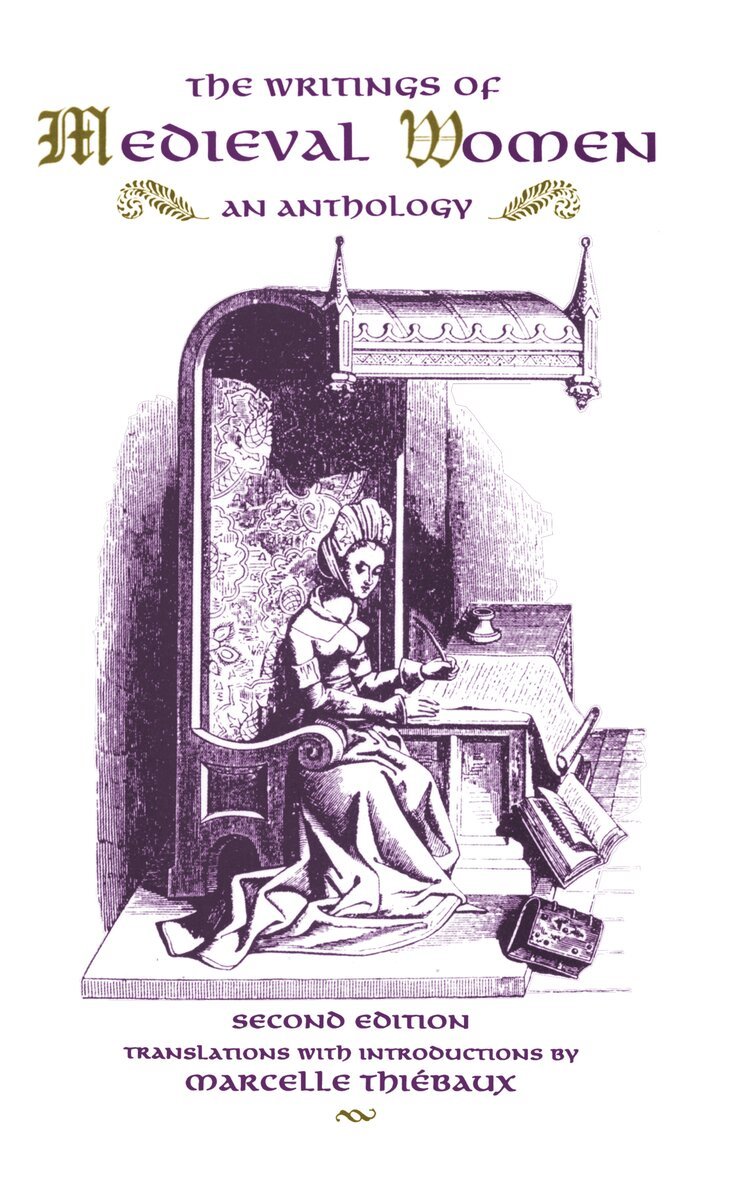
Writings of Medieval Women
An Anthology
Inbunden, 1994
3805 kr
Tillfälligt slut
"Royal and saintly women are well-represented here, with the welcome addition of women from the Mediterranean arc...Garland has done a solid job of presenting this book." -- Arthuriana"The Anthology gives a fine sense of the great range of women's writing in the Middle Ages." -- Medium Aevum
Writings of Medieval Women
An Anthology
Häftad, 1994
1663 kr
Tillfälligt slut
"Royal and saintly women are well-represented here, with the welcome addition of women from the Mediterranean arc...Garland has done a solid job of presenting this book." -- Arthuriana"The Anthology gives a fine sense of the great range of women's writing in the Middle Ages." -- Medium Aevum