Literary Heritage - Böcker
Visar alla böcker i serien Literary Heritage. Handla med fri frakt och snabb leverans.
4 produkter
4 produkter
193 kr
Skickas
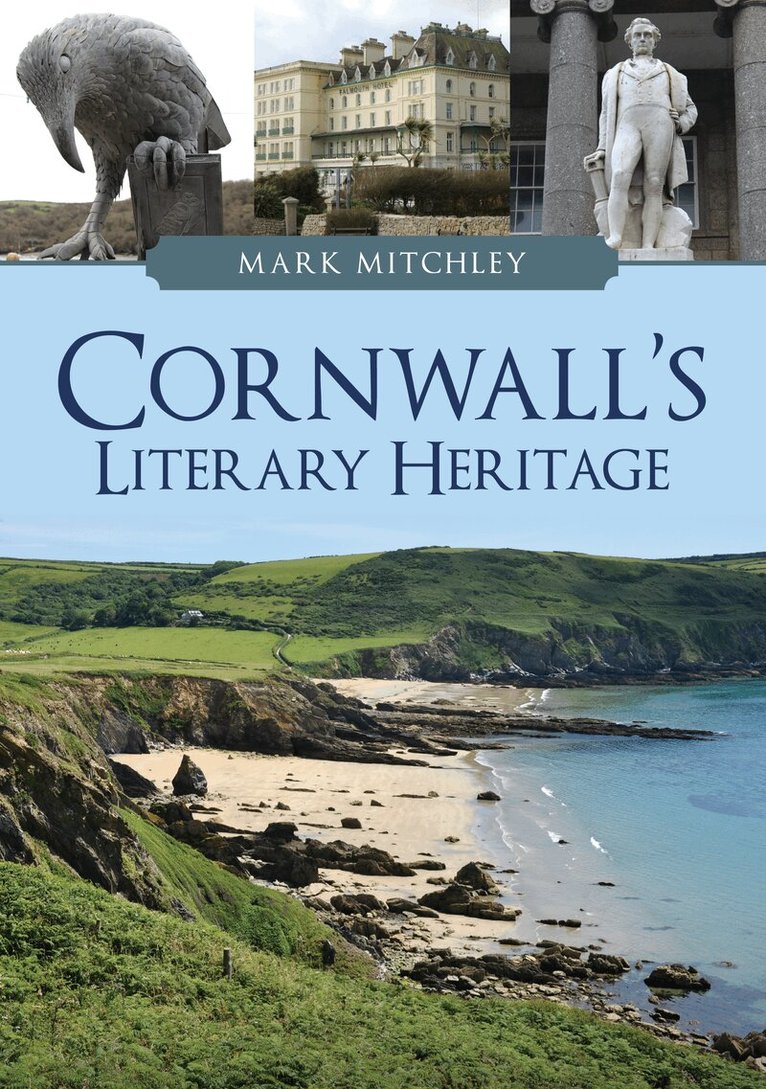
Cornwall has a special literary heritage. Its writers and poets seem to come from its rich, deep and ancient rock formations, unique geology and proximity to the sea. Cornwall’s writers have been shaped by landscape, from its bardic tradition and ancient language of Kernewek to the present day. In the north, the literary giant Thomas Hardy lived and worked in St Juliot where he met and courted his first wife. This part of the county is also the setting for Winston Graham’s extraordinarily popular ‘Poldark’ series of novels. Fowey in the south has been home to Daphne du Maurier, ‘Q’ (Sir Arthur Quiller-Couch), Kenneth Grahame and Mabel Lucie Attwell. John le Carré lived in Cornwall and his books often involve Cornish interludes. Visiting writers also drew inspiration from Cornwall, including Charles Dickens, Virginia Woolf and Arthur Conan Doyle. Cornwall’s forgotten authors also have a place, from Derek Tangye’s popular 1970s accounts of escaping the rat race and Crosbie Garstin’s lost classic ‘Ortho Penhale’ trilogy.Cornwall’s rich poetic tradition is represented by John Betjeman, Charles Causley and the Revd Robert Stephen Hawker. More recently Harry Potter and the Deathly Hallows has a Cornish interlude, and today Cornwall has a busy and popular literary world with writers such Liz Fenwick, Fern Britton, Charlie Carroll, Wyl Menmuir and Patrick Gale.This book explores the fascinating history of Cornwall’s remarkable literary heritage as well as being a guide to the locations where that heritage can still be found.
193 kr
Skickas
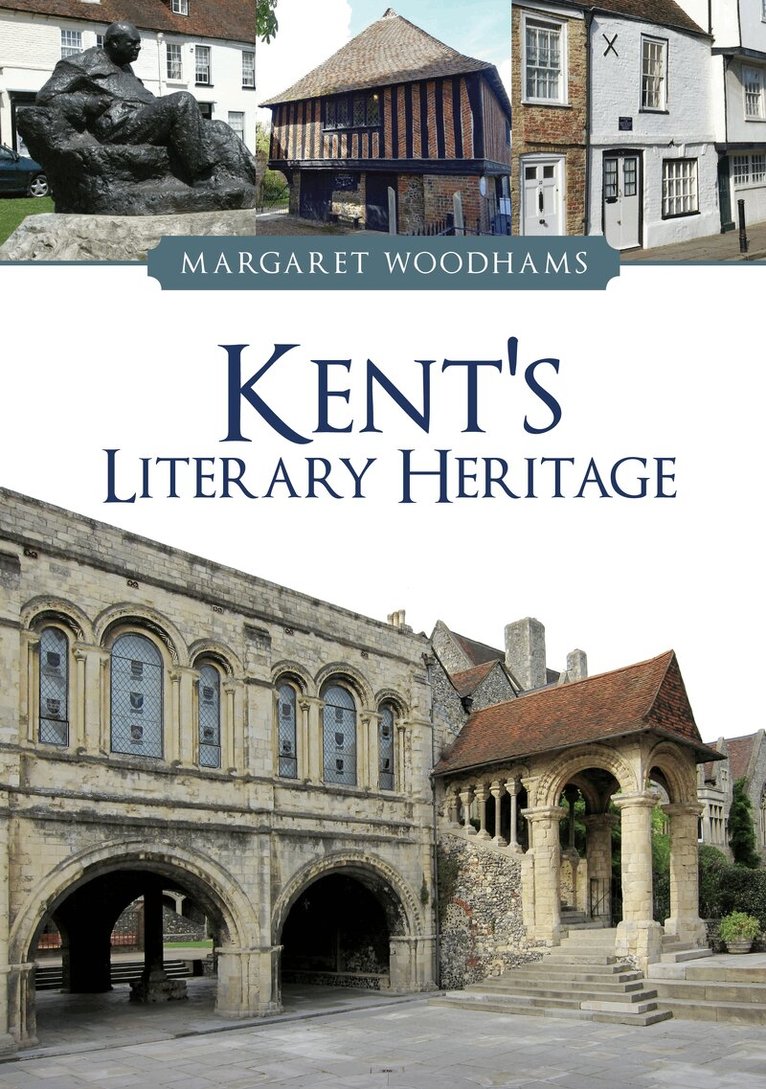
The landscape, buildings and people of Kent have provided inspiration for writers for centuries. Whether the writers were natives of the county itself or came as visitors, its coastline, orchards, towns and villages have helped shape the imaginations of some of the most influential of English authors. Among the many writers associated with Kent is Geoffrey Chaucer, who set his famous Canterbury Tales on the pilgrims’ route to Thomas Becket’s shrine in Canterbury Cathedral. Charles Dickens spent his formative years in Kent and later returned to the county when he bought his mansion Gads Hill Place and his holiday home at Broadstairs. Kent provided the setting for many of his novels. Charles Darwin worked on his groundbreaking theory of evolution at his Kentish home, Down House; Winston Churchill produced much of his finest writing whilst living at Chartwell; Ian Fleming visited the county regularly and it features often in the Bond novels; H. E. Bates’ popular Darling Buds of May stories are set in the heart of rural Kent where he himself lived for many years. This book explores the fascinating history of Kent’s remarkable literary heritage as well as being a guide to the locations where that heritage can still be found.
187 kr
Skickas
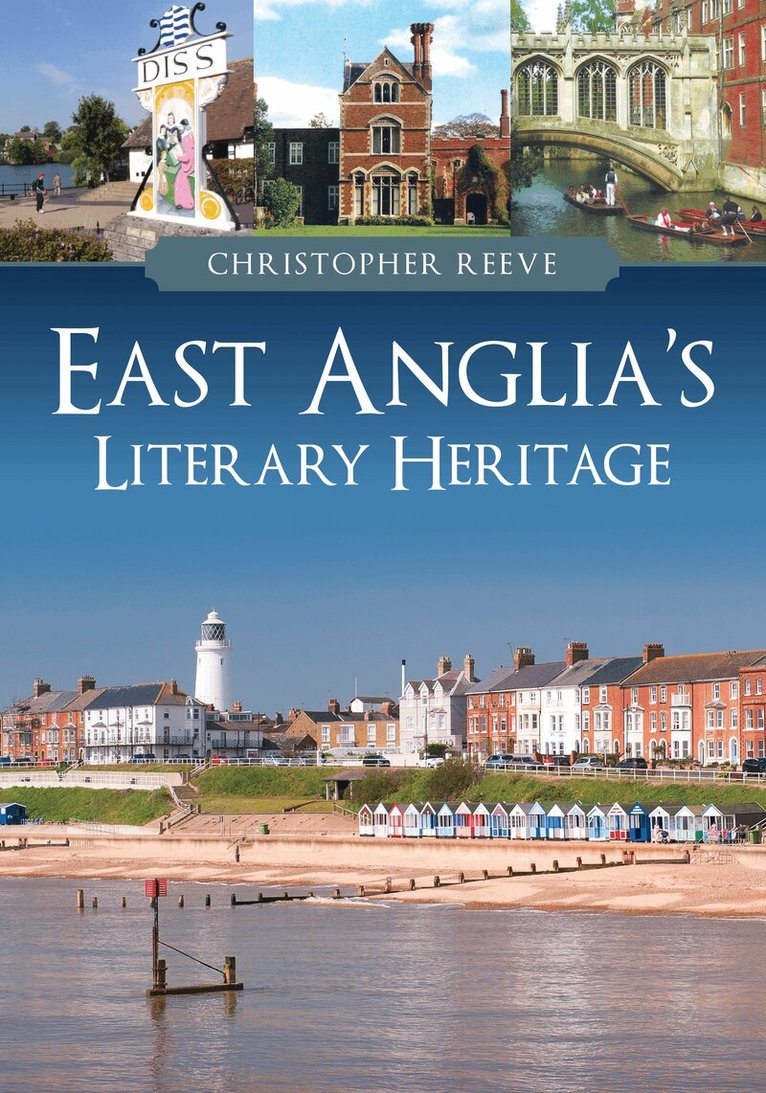
East Anglia has provided inspiration for writers for centuries. Whether the writers were natives of the region itself or came as visitors, the landscape, towns, cities and villages and people of East Anglia have helped to shape the imaginations of some of the most influential of authors.Medieval East Anglia provides fertile ground for mystic writers and those wanting to document everyday life such as Margery Kempe and Lady Julian. Some of Britain’s best-loved books were written in East Anglia, including Anna Sewell’s Black Beauty, and Norfolk and Suffolk feature in Charles Dickens’s novels. The radical writer George Orwell lived in Suffolk and poets W. H. Auden and Rupert Brooke spent their formative years in East Anglia. Cambridge University and the University of East Anglia have fostered many writers, the latter being influential in Norwich becoming a UNESCO City of Literature in 2012. The recent legacy of writers with links to East Anglia includes such names as Malcolm Bradbury, Rose Tremain, Ian McEwan and many others.This book explores the fascinating history of East Anglia’s remarkable literary heritage as well as being a guide to the locations where that heritage can still be found.
193 kr
Skickas
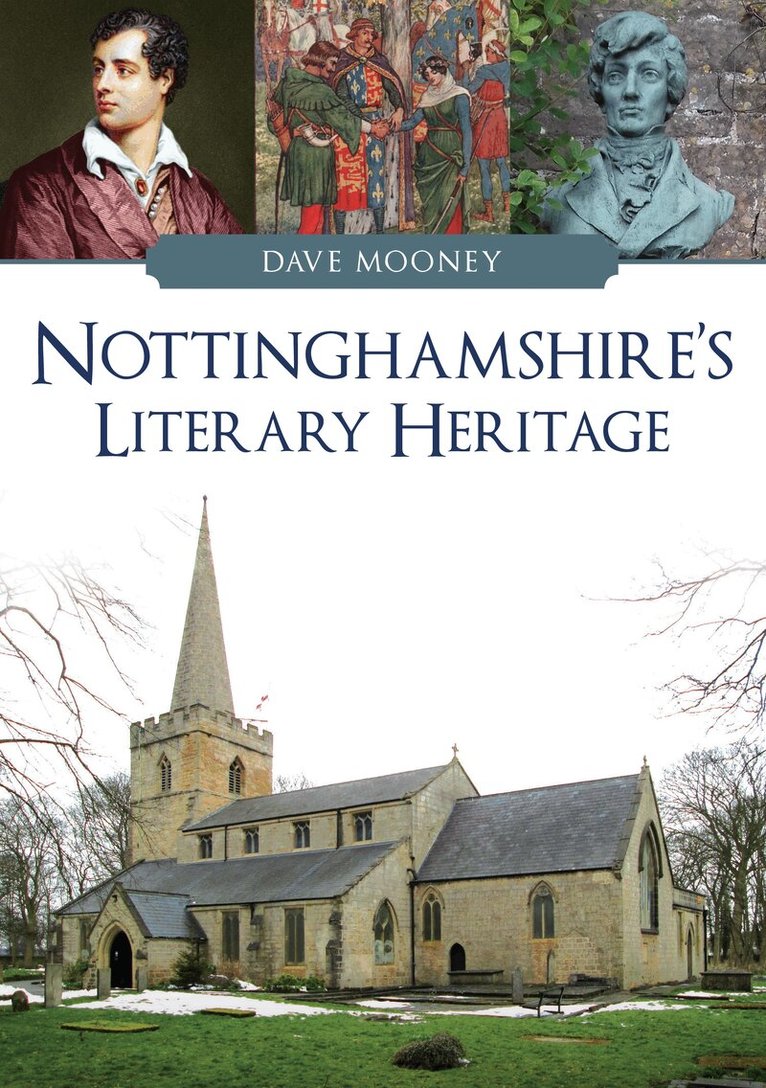
In 2015 it was announced that Nottingham would be designated a UNESCO City of Literature. Nottinghamshire is closely associated with world-famous literary figures and has been the home to many recognised authors, poets and journalists. This book explores the connections between these figures, their works and places within the county. Perhaps the most famous Nottinghamshire writers are D. H. Lawrence, associated with the mining community of Eastwood, and Lord Byron, whose ancestral home was at Newstead Abbey. However, a host of other literary figures are also associated with the county, from J. M. Barrie, who created Peter Pan, and Alan Sillitoe, who chronicled post-war working-class life in Nottingham, Booker-prize-winner Stanley Middleton, nineteenth-century husband-and-wife team Mary and William Howitt to modern-day author Susanna Clarke, the Victorian mesmerist and writer Spencer T. Hall and many others.Nottinghamshire’s Literary Heritage explores the fascinating history of the county’s remarkable literary legacy, as well as being a guide to the locations where that heritage can still be found.