Liverpool Historical Casebooks - Böcker
Visar alla böcker i serien Liverpool Historical Casebooks. Handla med fri frakt och snabb leverans.
5 produkter
5 produkter
479 kr
Skickas inom 7-10 vardagar
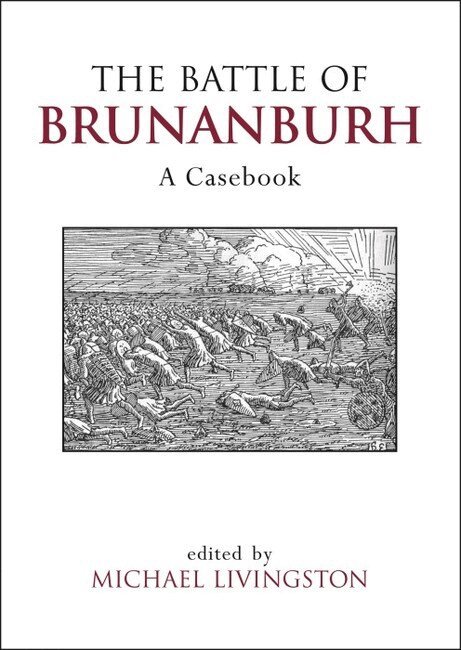
This casebook fills a major gap in our cultural knowledge of the Middle Ages. It gathers together for the first time the key historical and literary primary sources for the study of the Battle of Brunanburh (AD 937); a key moment in the history of the British Isles. Produced by an international team of experts, the volume offers the sources in their language of origin - Old English, Old Norse, Welsh, Irish, Latin, Anglo-Norman, Middle English, Early Modern English - with facing-page translations and explanatory notes. Many of the sources are translated here for the first time. In addition, the volume includes a substantial introduction from Michael Livingston and ten wide-ranging essays that provide cultural contexts and lay to rest many of the most controversial questions about the conflict - including the key matter of where the battle likely took place, identified here . The essays show the lasting significance of this nation-defining battle - both in terms of history and in terms of its impact across more than a thousand years of literature.
534 kr
Skickas inom 7-10 vardagar
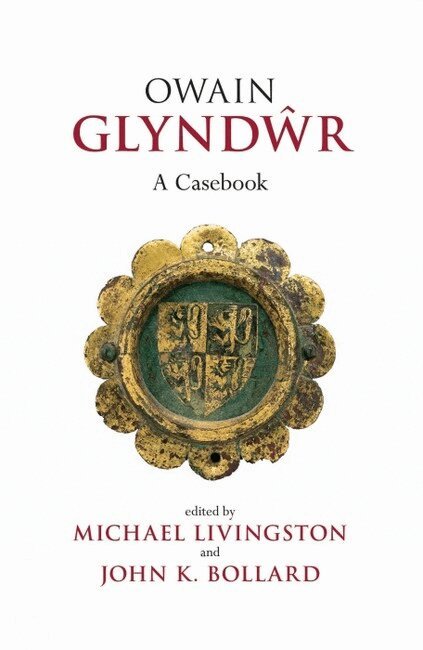
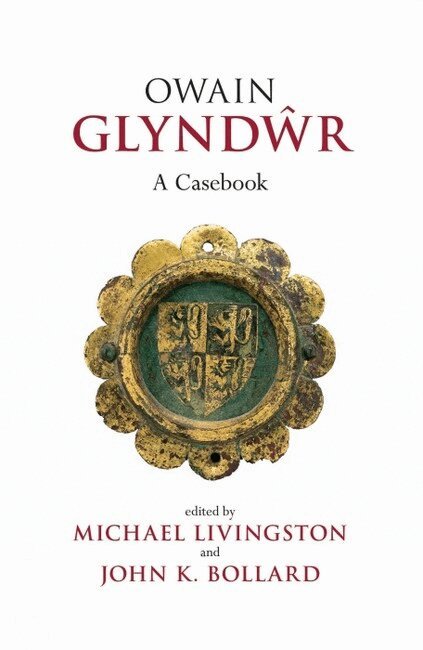
This book presents the original text and English translations of the medieval and post-medieval records, documents, poems and chronicles relating to Owain Glyndŵr (1357?-1415, revolutionary and the last native Welshman to hold the title Prince of Wales), his career and his legacy. In addition, textual notes and essays on the historical, social and literary context of these documents will provide up-to-date perspectives and commentary on the man and his times. For the first time, historians, literary scholars, students and the general reader will be able to view a wide range of materials collected in a single volume and will be able to assess for themselves the significance of Glyndŵr in Welsh, English and European history from the late Middle Ages into the Renaissance – and to redress the imbalance of historical accounts past and present.The high profile international contributors include:John K. Bollard, Independent Scholar of WelshKelly DeVries, Loyola University, MarylandHelen Fulton, University of YorkRhidian Griffiths, Independent ScholarElissa R. Henken, University of GeorgiaMichael Livingston, The CitadelAlicia Marchant, University of Western AustraliaScott Lucas, The CitadelWilliam Oram, Smith CollegeGruffydd Aled Williams, Aberystwyth University
2 370 kr
Skickas inom 3-6 vardagar
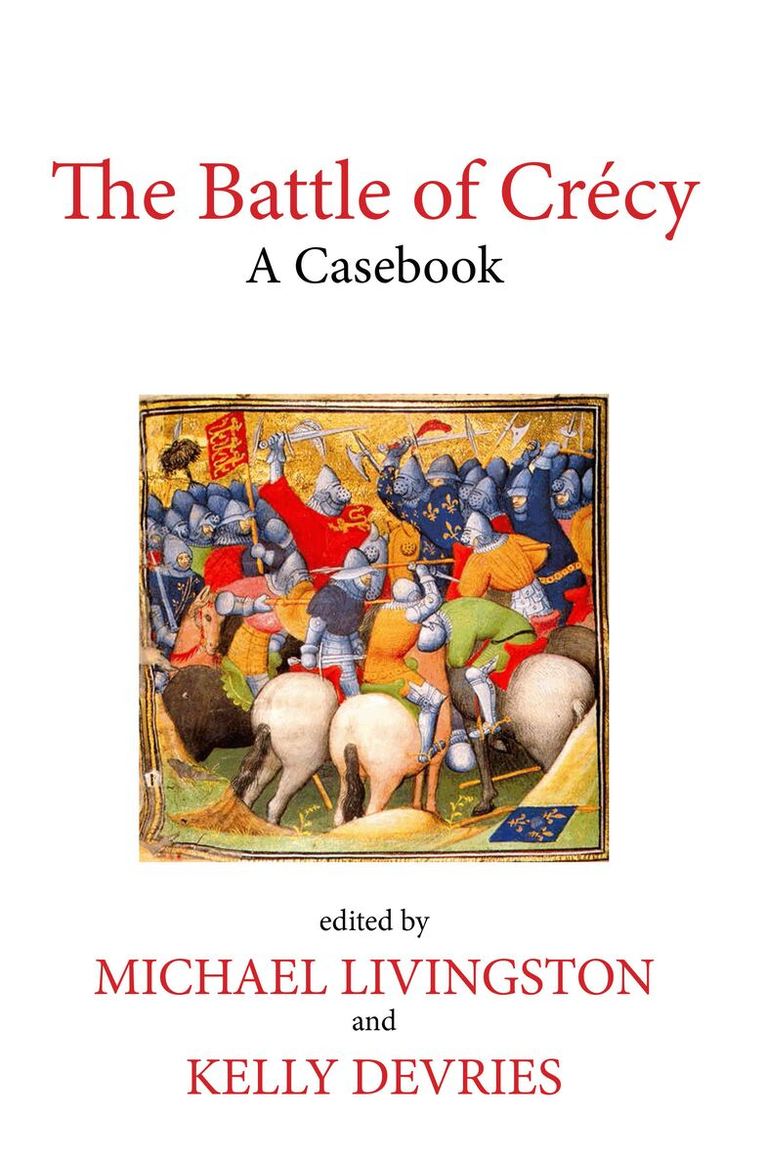
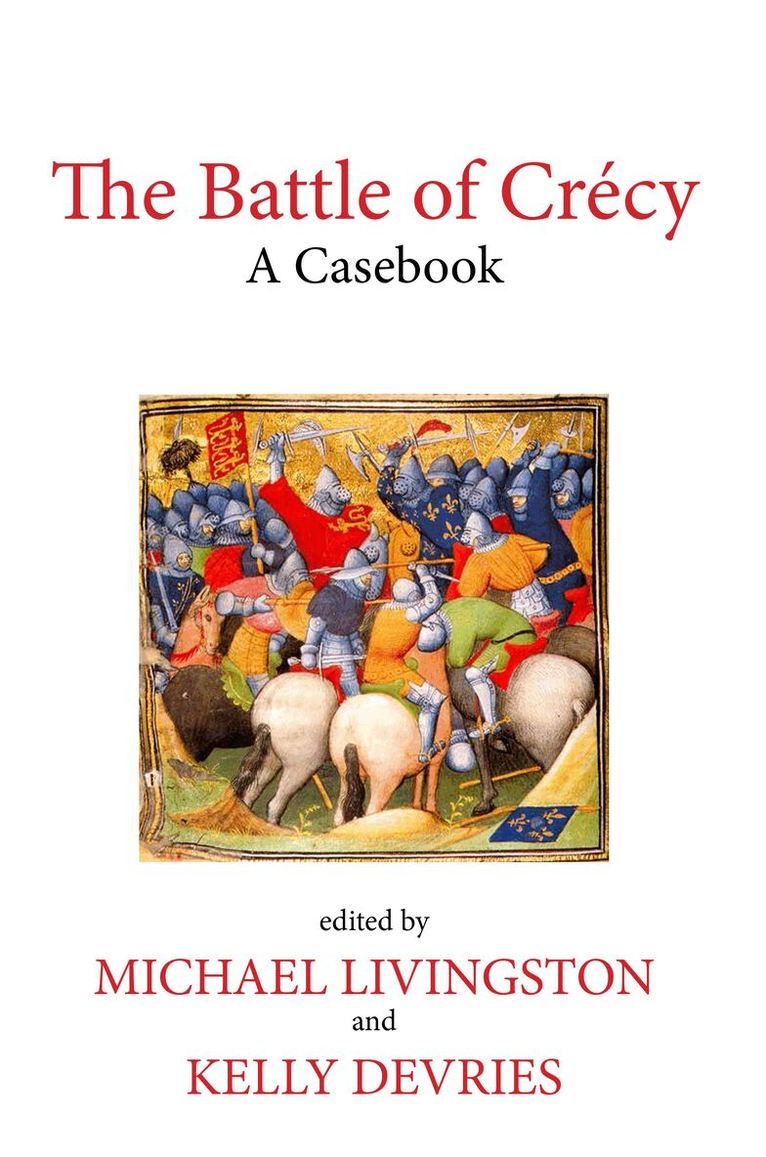
Winner of the Society for Military History Distinguished Book Award 2017This casebook is the most extensive collection of documents ever assembled for the study of one of the famous battles in history. Here we see the Battle of Crécy across the cultural landscape of Europe — through chronicles and letters, through poems and prophecies, through sermons and laments — enabling us to understand the events of 26 August 1346 like never before. Together with other experts, the editors have gathered, edited, and translated over 80 fourteenth-century sources concerning this fascinating and important conflict — sources from Bohemia to France, from Italy to Wales — many here printed or translated for the first time. Original essays provide historical context and literary background to help interpret the battle in light of this new material. Among the discoveries: despite its fame, the location of the battle has been misidentified for centuries, and the actions of the men on both sides of the bloodied field have been completely misunderstood. This unparalleled accumulation of material means that the Battle of Crécy will never be seen in the same way again.
986 kr
Skickas inom 3-6 vardagar
Winner of the Society for Military History Distinguished Book Award 2017This casebook is the most extensive collection of documents ever assembled for the study of one of the famous battles in history. Here we see the Battle of Crécy across the cultural landscape of Europe — through chronicles and letters, through poems and prophecies, through sermons and laments — enabling us to understand the events of 26 August 1346 like never before. Together with other experts, the editors have gathered, edited, and translated over 80 fourteenth-century sources concerning this fascinating and important conflict — sources from Bohemia to France, from Italy to Wales — many here printed or translated for the first time. Original essays provide historical context and literary background to help interpret the battle in light of this new material. Among the discoveries: despite its fame, the location of the battle has been misidentified for centuries, and the actions of the men on both sides of the bloodied field have been completely misunderstood. This unparalleled accumulation of material means that the Battle of Crécy will never be seen in the same way again.
587 kr
Skickas inom 7-10 vardagar
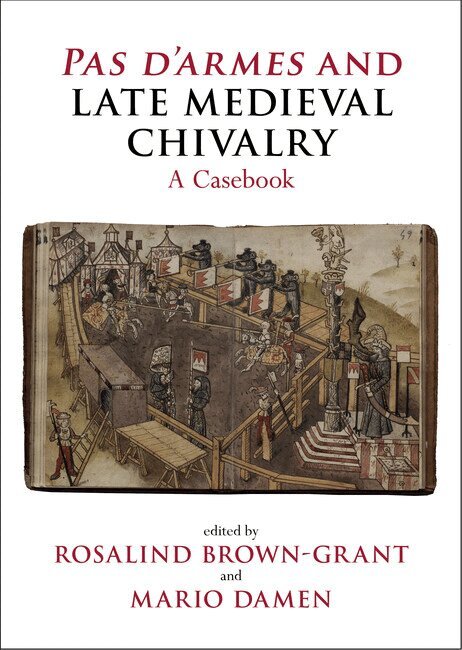
An Open Access edition will be available on publication thanks to generous funding from the Arts and Humanities Research Council; the University of Leeds; Drury University; Northwestern University; the University of Neuchâtel; and the Fondation pour la Protection du Patrimoine Culturel, Historique et Artisanal (Switzerland).This Casebook features the work of an international, interdisciplinary research group entitled ‘The Joust as Performance: Pas d’armes and Late Medieval Chivalry’ and funded by the UK’s Arts and Humanities Research Council. Its focus is on the pas d’armes (English: ‘passage of arms’), a highly ritualised form of tournament and elite entertainment that was popular principally in Anjou, the Burgundian lands, France and Iberia in the fifteenth and early sixteenth centuries. Part I of the volume provides a representative selection of sixteen translated and contextualised sources on the pas d’armes that includes narrative texts, administrative accounts and illuminated images. Part II, which comprises seven new scholarly essays on the pas d’armes, addresses the issue of how this type of tournament evolved through cultural transfer from court to court, offers in-depth analyses of a chronological and geographical range of pas d’armes from the perspective of text-image relations, heraldry, urban-court relations and manuscript commissioning, and focuses on broader themes such as the construction of masculinity and the representation of chivalric and non-chivalric bodies at these events. The Casebook also provides a map and table of all such tournaments known to have taken place between c. 1420 and c. 1520, some of which have been identified for the first time as pas d’armes, as well as a glossary of arms and armour, clothing and textiles typically featured at this type of event. It will be of interest to both specialist scholars and students of late medieval chivalric and tournament culture.