Liverpool Studies in the Politics of Popular Culture – serie
Visar alla böcker i serien Liverpool Studies in the Politics of Popular Culture. Handla med fri frakt och snabb leverans.
6 produkter
6 produkter
1 929 kr
Skickas inom 7-10 vardagar
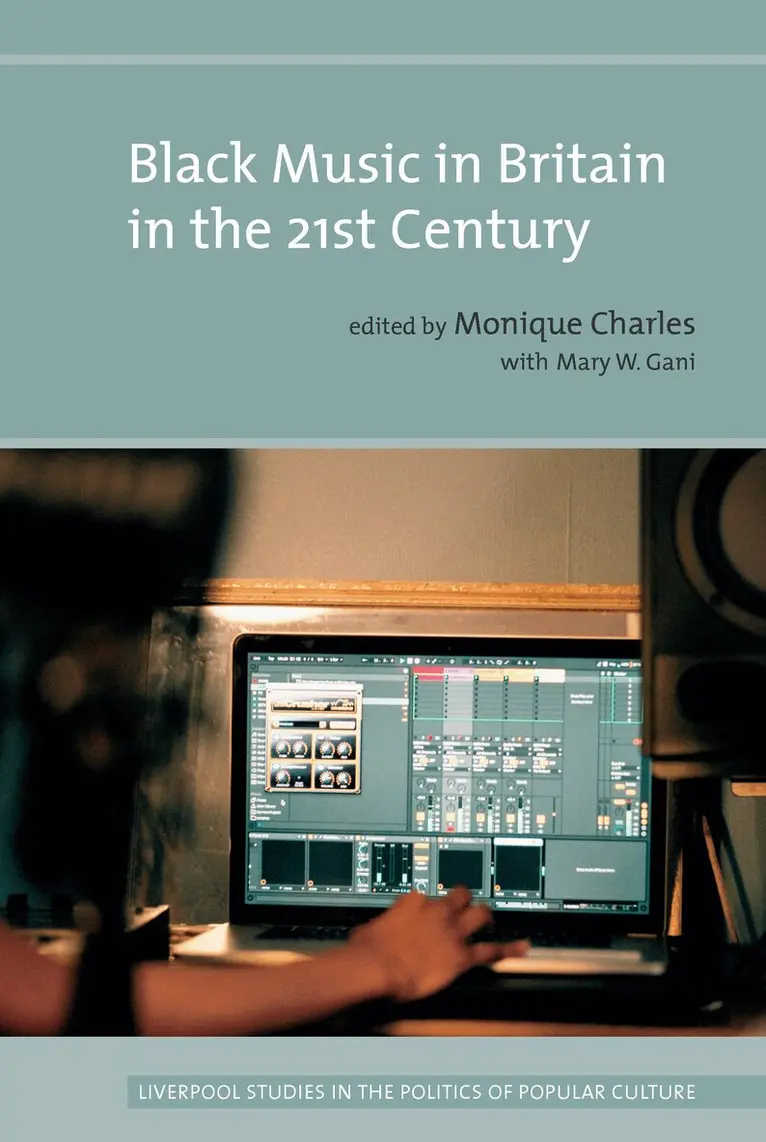
Since the turn of the 21st century, there have been several genres birthed from or nurtured in Black Britain: funky & tribal House, Afrobeats, Grime, Afro Swing, UK Drill, Road Rap, Trap etc. This pioneering book brings together diverse diasporan sounds in conversation. A valuable resource for those interested in the study of 21st century Black music and related cultures in Britain, this book goes incorporates the significant Black Atlantean, global interactions within Black music across time and space. It examines and proposes theoretical approaches, contributing to building a holistic appreciation of 21st century Black British music and its multidimensional nature. This book proffers an academically curated, rigorous, holistic view of Black British music in the 21st century. Drawing from pioneering academics in the emerging field and industry professionals, the book will serve academic theory, as well as the views, debates and experiences of industry professionals in a complementary style that shows the synergies between diasporas and interdisciplinary conversations. The book is interdisciplinary. It draws from sociology, musicology and the emerging digital humanities fields, to make its arguments and develop a multi-disciplinary perspective about Black British music in the 21st century.
866 kr
Skickas inom 3-6 vardagar
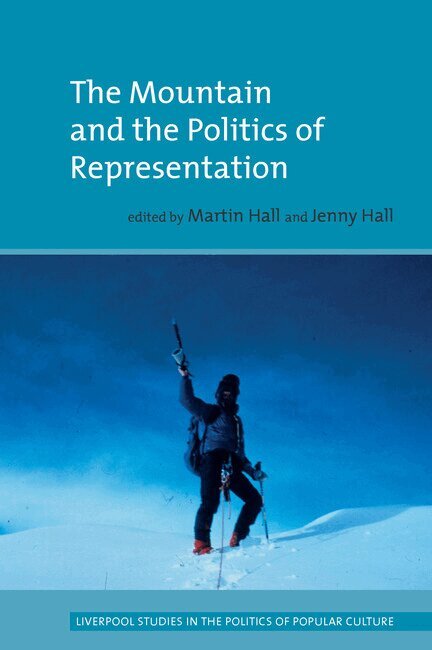
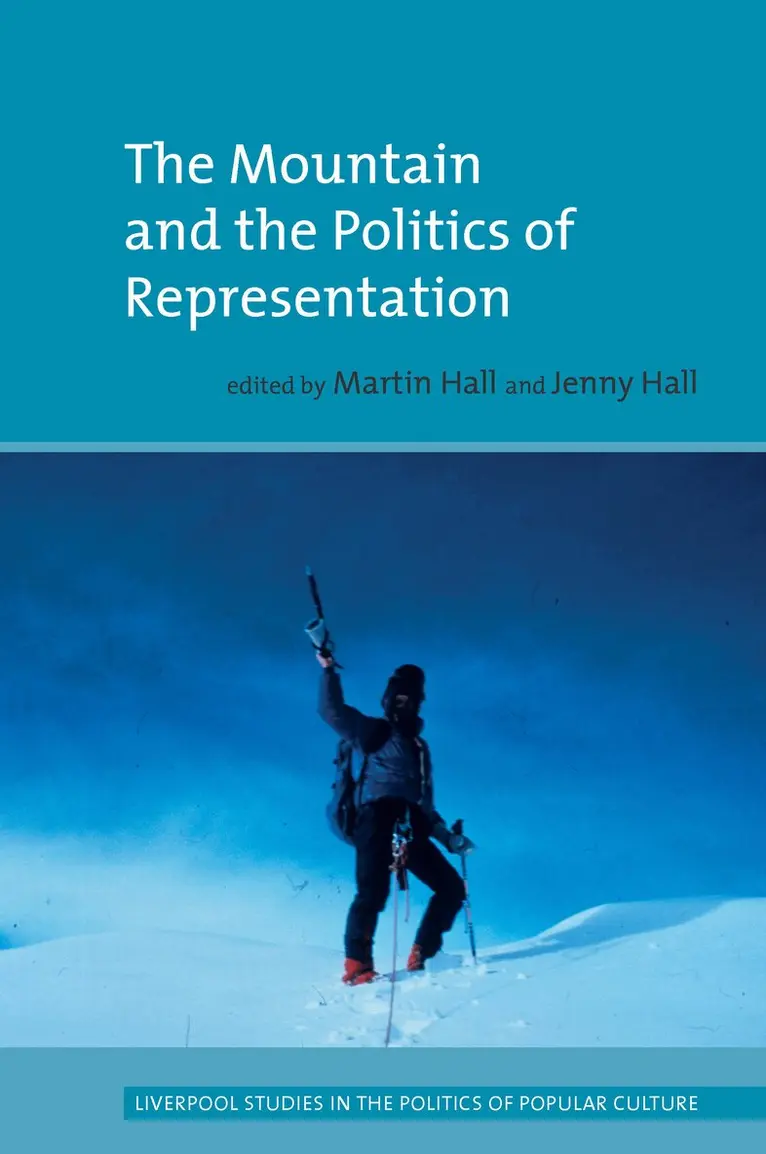
The stories we tell, published or otherwise, condition our mountain experiences in practice and reinforce cultural memory and representation. Yet, as this book and the authors within it set out to demonstrate, if we look beyond the boundaries of this ‘singular white history’ there is a rich diversity of stories to tell. This volume contributes to a growing body of scholarship that calls for a heterogeneity of voices in mountain memoir genres. For the first time, this diverse scholarship interrogates how mountaineering literary and media culture impact bodies, spaces, and places, in order to nuance how commodification intersects across social categories and is embodied in multi-dimensional ways. In this volume, we explore a burgeoning tradition of mountaineering literature, of cinema and of memoir to appreciate difference, beyond the habitual heroic, white male, adventurer that dominates screens and bookshelves. Through exploring multidimensional axes of social differentiation from gender, race, class, and age to dis/ability and sexuality, the book will demonstrate how commodification is embodied through representation in mountaineering literature, media, film and memoir in mountaineering spaces. Amongst our aims, this book intends to understand how multiple social dimensions overlap and work to produce independent systems of exclusion and inclusion that focus on untraditional ways to be a mountaineer.
805 kr
Skickas inom 3-6 vardagar
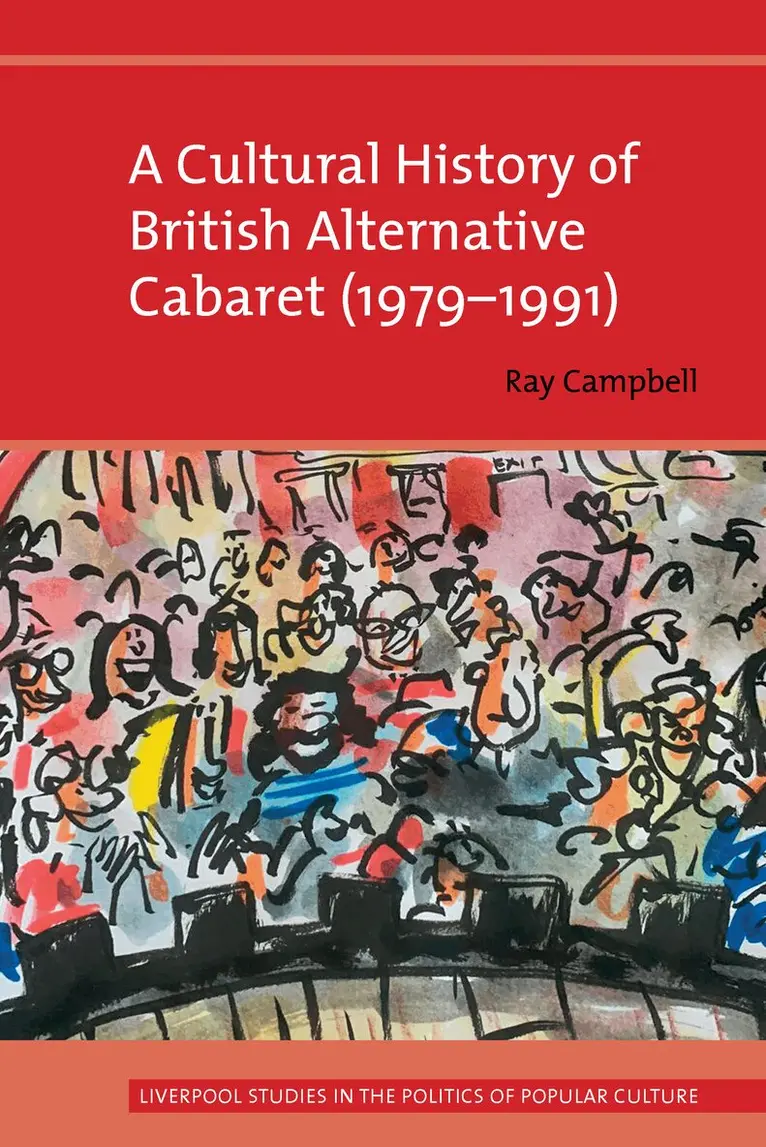
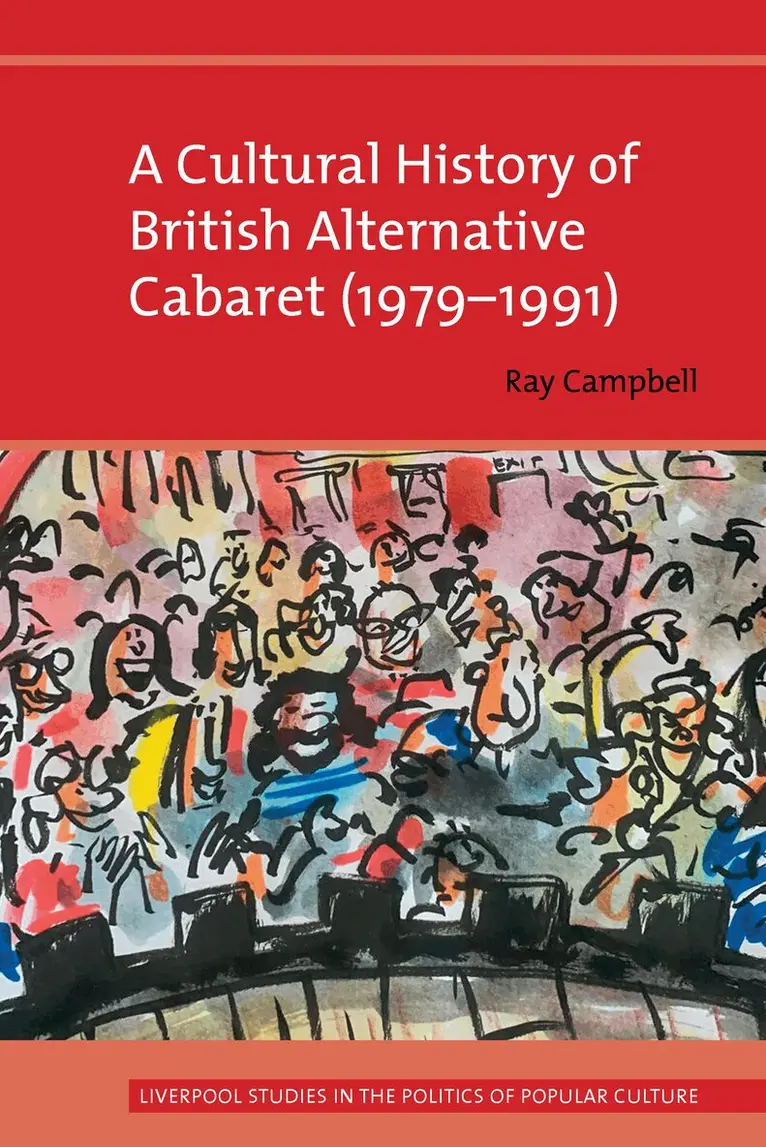
An Open Access edition of this book is available on the Liverpool University Press website and the OAPEN library.Many people will be familiar with the term ‘alternative comedy’ and what it was or what it wasn’t. They will remember its anarchic and confrontational nature. and its rejection of the traditional comedy aesthetic. Yet, few will remember that the scene and the physical spaces, the clubs, were collectively referred to as ‘alternative cabaret’. Ray Campbell’s book represents the first cultural studies investigation of the alternative cabaret scene of the 1980s and early 1990s. Campbell unearths the events before alternative cabaret and charts its rise throughout the 1980s and eventual transformation into the stand-up comedy industry we recognize today. To do this, Campbell makes use of autoethnography, ethnography and archive study to uncover alternative cabaret’s past and interrogate its many claims.The book departs from the position of other works on the period because it firmly situates alternative cabaret within the post-punk countercultural milieu of the late 1970s and early 1980s. Campbell also discusses how political theatre groups like CAST and movements like Rock Against Racism helped to shape the aesthetic and the discourses of the movement.
805 kr
Skickas inom 3-6 vardagar
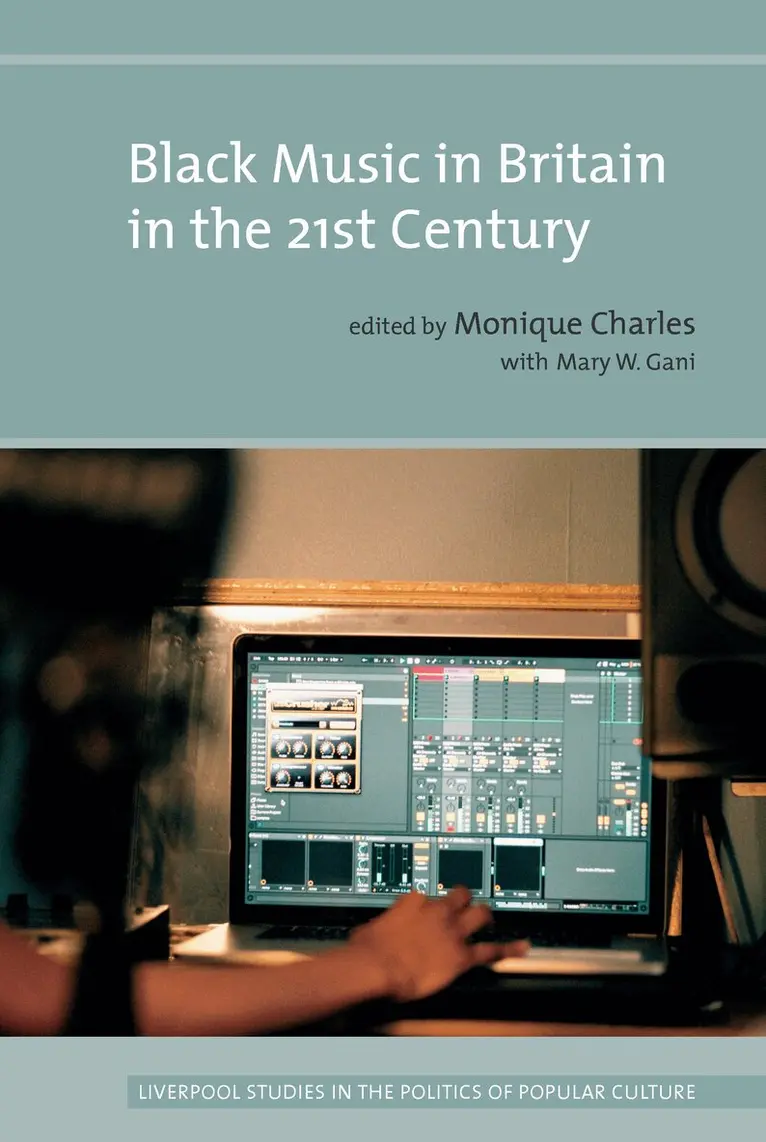
Since the turn of the 21st century, there have been several genres birthed from or nurtured in Black Britain: funky & tribal House, Afrobeats, Grime, Afro Swing, UK Drill, Road Rap, Trap etc. This pioneering book brings together diverse diasporan sounds in conversation. A valuable resource for those interested in the study of 21st century Black music and related cultures in Britain, this book goes incorporates the significant Black Atlantean, global interactions within Black music across time and space. It examines and proposes theoretical approaches, contributing to building a holistic appreciation of 21st century Black British music and its multidimensional nature. This book proffers an academically curated, rigorous, holistic view of Black British music in the 21st century. Drawing from pioneering academics in the emerging field and industry professionals, the book will serve academic theory, as well as the views, debates and experiences of industry professionals in a complementary style that shows the synergies between diasporas and interdisciplinary conversations. The book is interdisciplinary. It draws from sociology, musicology and the emerging digital humanities fields, to make its arguments and develop a multi-disciplinary perspective about Black British music in the 21st century.
1 929 kr
Skickas inom 7-10 vardagar
The stories we tell, published or otherwise, condition our mountain experiences in practice and reinforce cultural memory and representation. Yet, as this book and the authors within it set out to demonstrate, if we look beyond the boundaries of this ‘singular white history’ there is a rich diversity of stories to tell. This volume contributes to a growing body of scholarship that calls for a heterogeneity of voices in mountain memoir genres. For the first time, this diverse scholarship interrogates how mountaineering literary and media culture impact bodies, spaces, and places, in order to nuance how commodification intersects across social categories and is embodied in multi-dimensional ways. In this volume, we explore a burgeoning tradition of mountaineering literature, of cinema and of memoir to appreciate difference, beyond the habitual heroic, white male, adventurer that dominates screens and bookshelves. Through exploring multidimensional axes of social differentiation from gender, race, class, and age to dis/ability and sexuality, the book will demonstrate how commodification is embodied through representation in mountaineering literature, media, film and memoir in mountaineering spaces. Amongst our aims, this book intends to understand how multiple social dimensions overlap and work to produce independent systems of exclusion and inclusion that focus on untraditional ways to be a mountaineer.
1 929 kr
Skickas inom 7-10 vardagar
An Open Access edition of this book is available on the Liverpool University Press website and the OAPEN library.Many people will be familiar with the term ‘alternative comedy’ and what it was or what it wasn’t. They will remember its anarchic and confrontational nature. and its rejection of the traditional comedy aesthetic. Yet, few will remember that the scene and the physical spaces, the clubs, were collectively referred to as ‘alternative cabaret’. Ray Campbell’s book represents the first cultural studies investigation of the alternative cabaret scene of the 1980s and early 1990s. Campbell unearths the events before alternative cabaret and charts its rise throughout the 1980s and eventual transformation into the stand-up comedy industry we recognize today. To do this, Campbell makes use of autoethnography, ethnography and archive study to uncover alternative cabaret’s past and interrogate its many claims.The book departs from the position of other works on the period because it firmly situates alternative cabaret within the post-punk countercultural milieu of the late 1970s and early 1980s. Campbell also discusses how political theatre groups like CAST and movements like Rock Against Racism helped to shape the aesthetic and the discourses of the movement.