Locations - Böcker
Visar alla böcker i serien Locations. Handla med fri frakt och snabb leverans.
4 produkter
4 produkter
235 kr
Skickas inom 7-10 vardagar
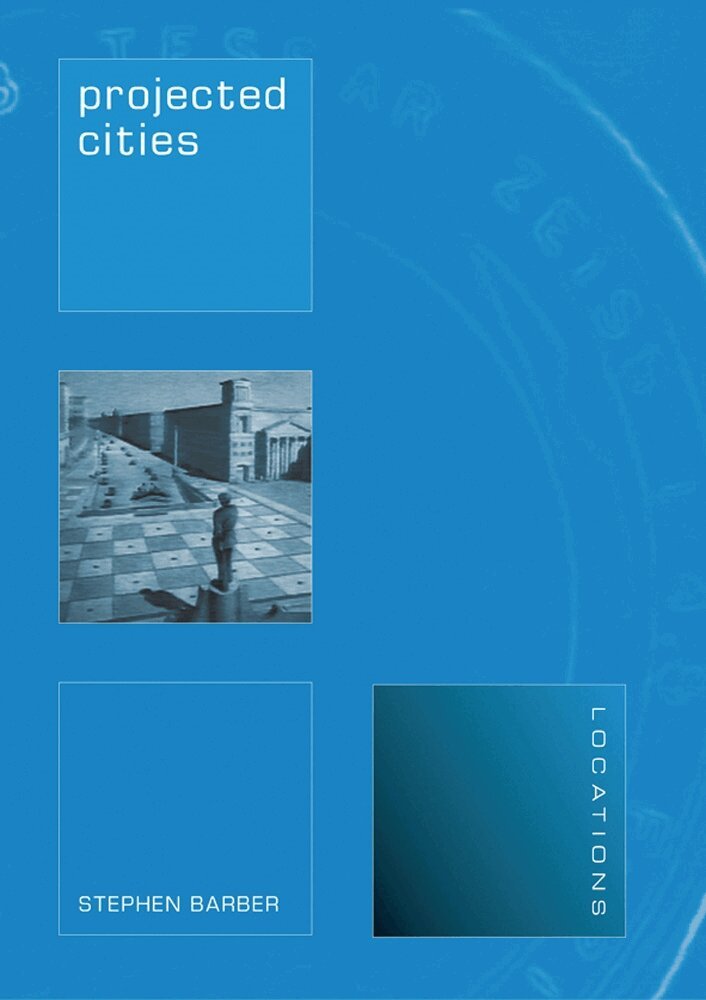
In this illuminating and provocative survey, Stephen Barber examines the historical relationship between film and the urban landscape. Projected Cities looks with particular focus at the cinema of Europe and Japan, two closely linked cinematic cultures which have been foremost in the use of urban imagery, to reveal elements of culture, architecture and history. By examining this imagery, especially at moments of turmoil and experimentation, the author reveals how cinema has used images of cities to influence our perception of everything from history to the human body, and how cinematic images of cities have been fundamental to the ways in which the city has been imagined, formulated and remembered. The book goes on to assess the impact of media culture on the status of film and cinema spaces, and concludes by considering digital renderings of the modern city. Projected Cities will appeal to all readers engaged with the city, film and contemporary culture.
222 kr
Skickas inom 7-10 vardagar
From Salvador Dalí to Walt Disney, animals have been a constant yet little-considered presence in film. Indeed, it may come as a surprise to learn that animals were a central inspiration to the development of moving pictures themselves.In Animals in Film, Jonathan Burt points out that the mobility of animals presented technical and conceptual challenges to early film-makers, the solutions of which were an important factor in advancing photographic technology, accelerating the speed of both film and camera. The early filming of animals also marked one of the most significant and far-reaching changes in the history of animal representation, and has largely determined the way animals have been visualized in the twentieth century.Burt looks at the extraordinary relation-ship between animals, cinema and photography (including the pioneering work of Eadweard Muybridge and Jules-Etienne Marey) and the technological developments and challenges posed by the animal as a specific kind of moving object. Animals in Film is a shrewd account of the politics of animals in cinema, of how movies and video have developed as weapons for animal rights activists, and of the roles that animals have played in film, from the avant-garde to Hollywood.
251 kr
Skickas inom 7-10 vardagar
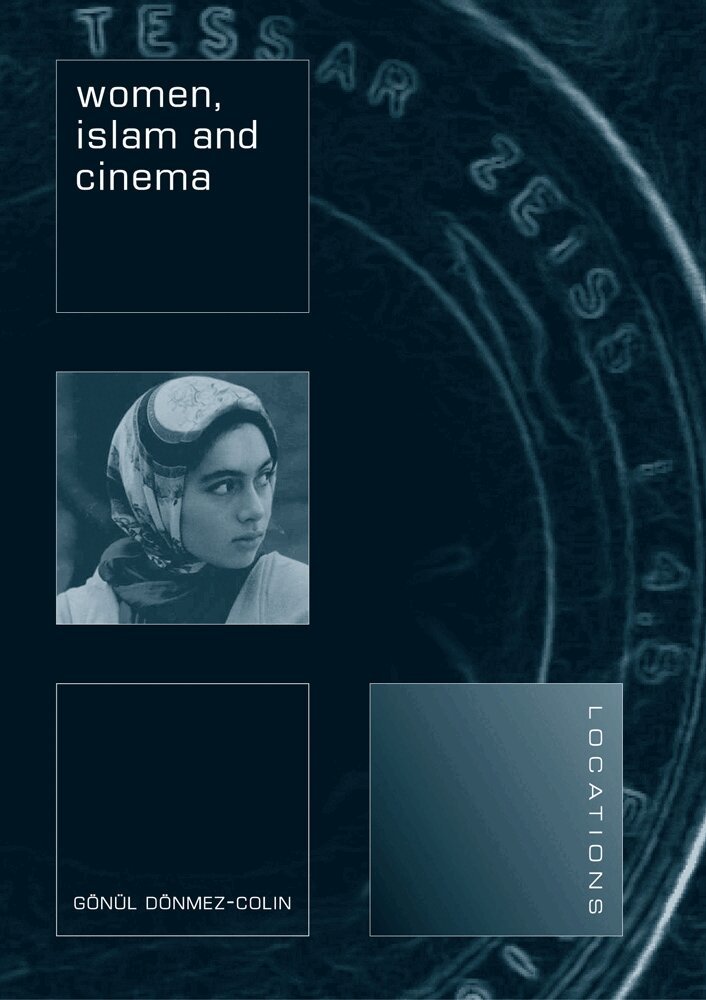
This is the first book to examine the troubled relationships between women, Islam and cinema. Film critic and author Gönül Dönmez-Colin explores the role of women as spectators, images and image constructors in the cinemas of the countries where Islam is the predominant religion, focusing on Iran and Turkey from the Middle East, drawing parallels from Kazakhstan and Uzbekistan, the two Central Asian Republics of the former Soviet Union, and Pakistan, Bangladesh, Malaysia and Indonesia, the prominently Muslim Asian countries with a challenging film industry. Some of the relevant films made in India by and for Muslim Indians are also explored.Dönmez-Colin examines prevalent cinematic archetypes, including the naïve country girl who is deceived and dishonoured, or the devious seductress who destroys the sanctity of marriage, and looks well at controversial elements such as screen rape, which, feminist film critics claim, caters to male voyeurism. She also discusses recurring themes, such as the myths of femininity, the endorsement of polygamy and the obsession with male children, as well as the most common stereotypes, depicting women as mothers, wives and daughters.Given the diversity of cultures, rather than viewing national cinemas as aspects of a single development, the author focuses on individual histories, traditions and social and economic circumstances as points ofreference, which are examined in the context of social and political evolution and the status of women within Islam. Women, Islam and Cinema is a much-needed and timely work that will appeal to the curious reader as well as to the student of film.
178 kr
Skickas
Horror films revel in taking viewers into shadowy places where evil resides, whether it is a house, a graveyard or a dark forest. With Dark Places, Barry Curtis leads us deep inside these haunted spaces to explore them – and the monstrous antagonists who dwell there.In this wide-ranging and compelling study, Curtis demonstrates how the claustrophobic interiors of haunted spaces in films connect to the ‘dark places’ of the human psyche. He examines diverse topics such as the special effects – ranging from crude to state-of-the-art – used in movies to evoke supernatural creatures; the structures, projections and architecture of horror movie sets; and ghosts as symbols of loss, amnesia, injustice and vengeance. Dark Places also examines the reconfiguration of the haunted house in film as a motel, an apartment, a road or a spaceship, and how these re-imagined spaces thematically connect to Gothic fictions.Curtis draws his examples from numerous iconic films – including Nosferatu, Psycho, The Texas Chain Saw Massacre and The Shining – as well as lesser-known international works. Japanese horror films and their Hollywood remakes – such as Ringu and The Ring, or Juon and The Grudge – come under particular scrutiny, as he explores Japanese cinema’s preoccupation with malevolent forces from the past.Whether you love the splatter of blood or prefer to hide under the couch, Dark Places cuts to the heart of why we are drawn to carnage.