Lost History - Böcker
Visar alla böcker i serien Lost History. Handla med fri frakt och snabb leverans.
14 produkter
14 produkter
202 kr
Skickas
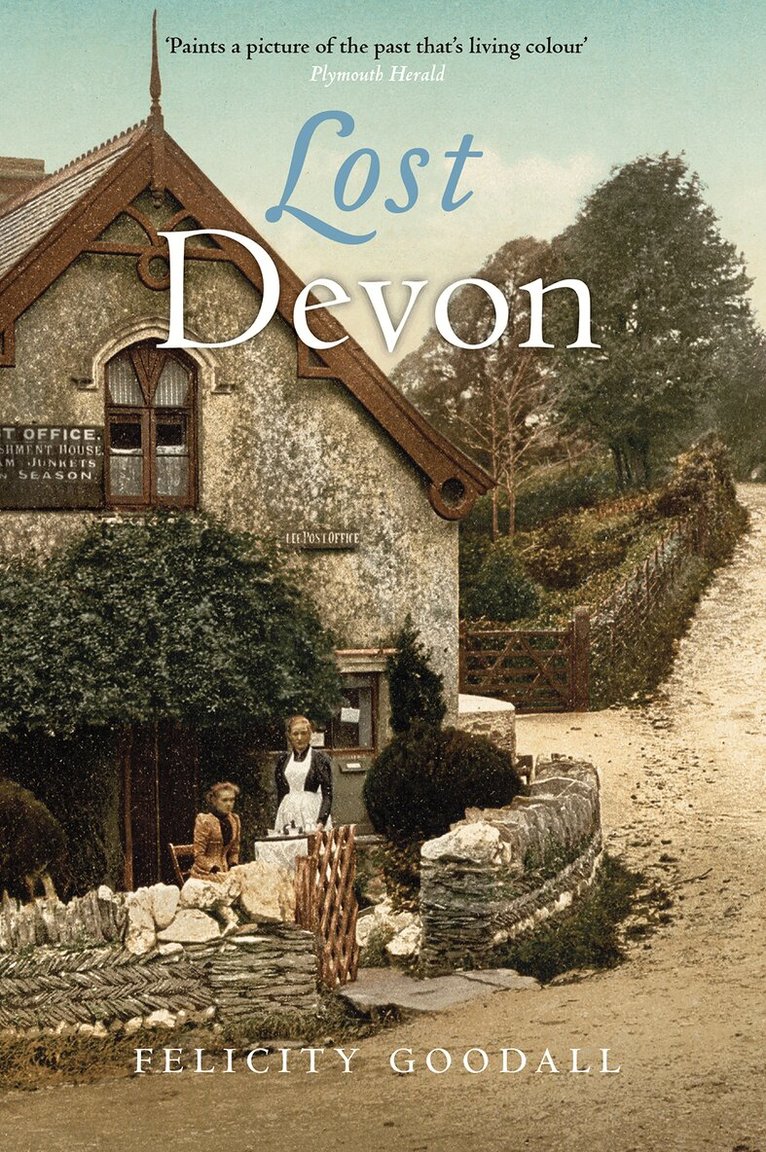
Devon’s colourful past may still be visible in its street names and pub signs, but in fact much of the region’s history has been obliterated – through necessity, social change and the demands of the outside world. The traditional occupations of farming, fishing, pottery, copper and tin mining, wool production and quarrying have all seen change over the past several hundred years. Many of these industries are now lost, replaced instead by ever-expanding tourism.Although many historic buildings have been preserved and are now protected properties, a large number of houses, ecclesiastical ruins and settlements such as Hope Cove, a coastal village once renowned for its tough fisherwomen, have tragically vanished. The county’s coast is also peppered with ruined pillboxes once manned by the Home Guard to watch for invaders; Devon has played a significant military role in the past, from acting as a mooring place for prison hulks in the Napoleonic wars to being the location of a training camp for spies in the Second World War.Superbly illustrated with photographs, paintings, maps and etchings from the county’s museums and art collections, Lost Devon provides a fascinating insight into Devon’s history, as Felicity Goodall explores what little remains of the past and discusses the events which have formed the county as it is today.
202 kr
Skickas
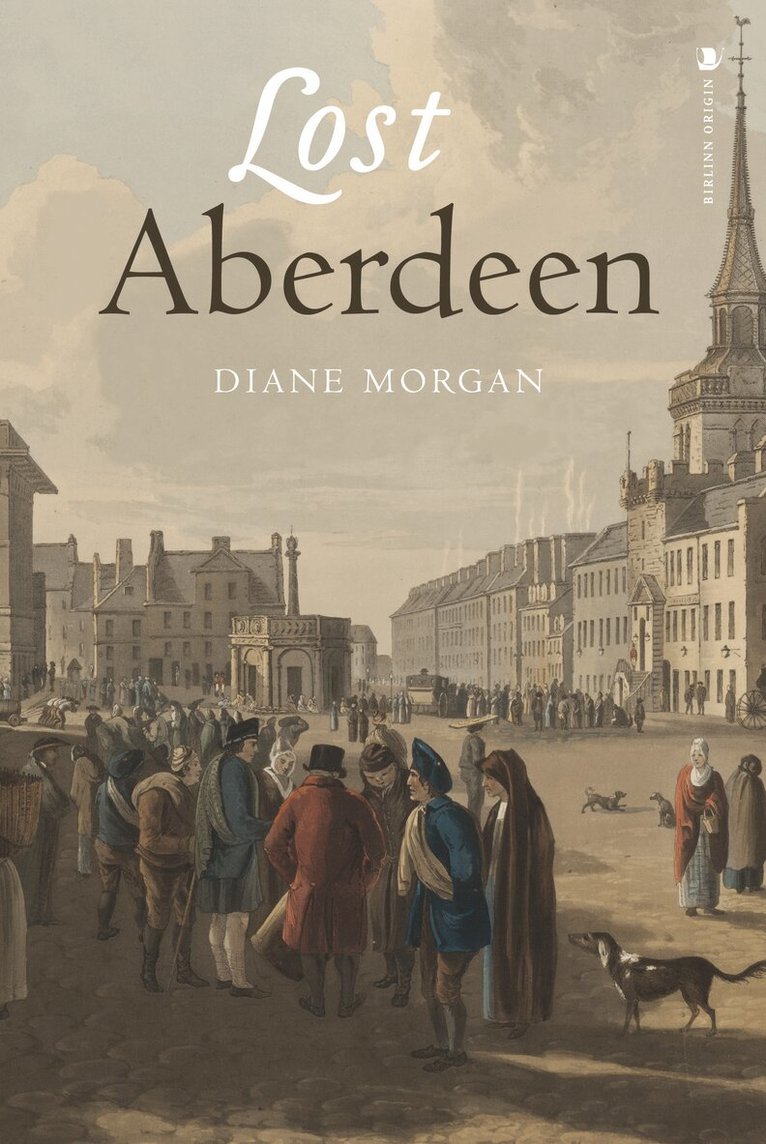
In Lost Aberdeen, beautifully illustrated and rich in fact and lore, Diane Morgan introduces the history and fate of numerous city buildings which had enormous historic and architectural value, but which now, regrettably, are gone forever.Starting with an odyssey through the early town, from the Green to the Gallowgate, she charts the disappearance of the irreplaceable medieval townscape before moving on to more modern times, tracing the evolution and gradual erosion of the Granite City, whose stylish yet restrained architecture once brought visitors from all over the world. She introduces George Street, originally planned as ‘an elegant entrance to the city’ and Union Street, a marvel of early nineteenth-century engineering with stunning symmetry, elegant terracing and memorable shops.Featuring a large number of archive photographs, many of which are published for the first time, Lost Aberdeen paints a fascinating portrait of the changing face of one of Scotland’s greatest cities.
202 kr
Skickas
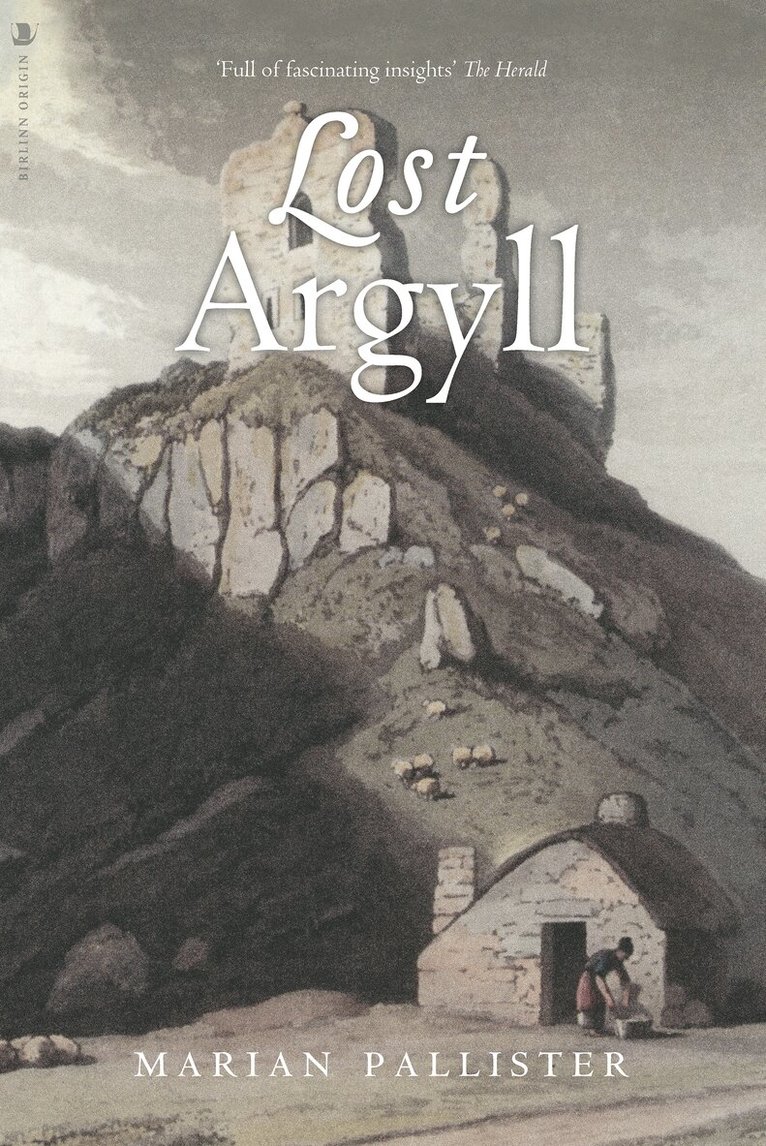
In Lost Argyll, Marian Pallister looks not only at the lost architectural heritage of Argyll but also at its lost industries, ferries, roads, bridges and archaeological monuments. Poltalloch House, for example, built in the 1840s as a monument to commerce and investment, lies ruinous, its owners having stripped it of its roof to avoid paying crippling rates; Campbeltown once bristled with distilleries until a cocktail of economic factors left it with only two whilst others have been subsumed into the modern townscape; little remains of even the jetties at Loch Awe and West Loch Tarbert, two of the busiest waterways in times past.This largely rural county has seen its fair share of forts, castles and mansions rise and fall. Some were destroyed in battle; others simply lost the financial battle to remain standing in the face of increasing taxation. Vernacular architecture has also disappeared: the houses of the fishermen and those in agricultural settlements crumbled in the wake of depredations, clearances, afforestation and government demands on landlords to house tenants in fitting conditions.In this fascinating yet poignant study, Marian Pallister introduces the many varied aspects of lost Argyll, showing how ancient and even relatively modern landscapes have changed inexorably, often with little thought for conservation or preservation.
202 kr
Skickas
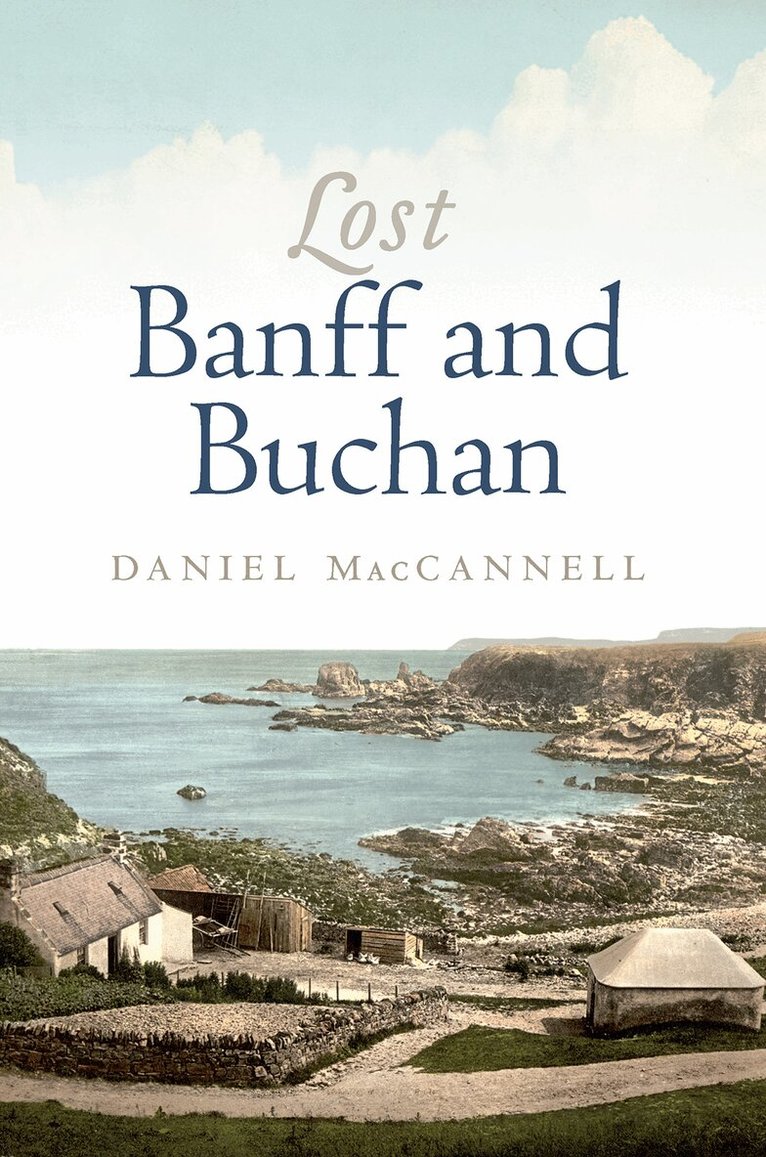
The region north of Aberdeen and east of Moray is difficult to define. Neither highland or lowland, depopulated or populous, it is a land of surprising contrasts.In this book Daniel MacCannell uncovers many aspects of lost Banff and Buchan. In addition to buildings, transport networks, industries, and ways of life which now no longer exist, from whaling to open-air market trading, he also considers other elements which have been forgotten over time. There are lost people - those whose lives have been of enormous significance but are now forgotten - such as the member of the Barclay family who became a Russian field marshal and architect of the 'scorched earth' strategy used against Napoleon in 1812, and the pilots of the Banff Strike Wing who fought valiantly against the German Navy during World War II. There is also the lost University of Fraserburgh, founded in 1595 but defunct by 1605; the village of Burnhaven, destroyed to make room for Peterhead Prison; and a lost literary master - the Turriff man who wrote Argenis, arguably the first novel ever written by a British person.The book also offers a new take on the history of smuggling in the area - of whisky from Cabrach down North Donside to Aberdeen, as well as of brandy and a surprisingly wide range of other commodities. The result is a compelling and imaginative journey into the past, packed with anecdote, fact and fascinating characters.
202 kr
Skickas
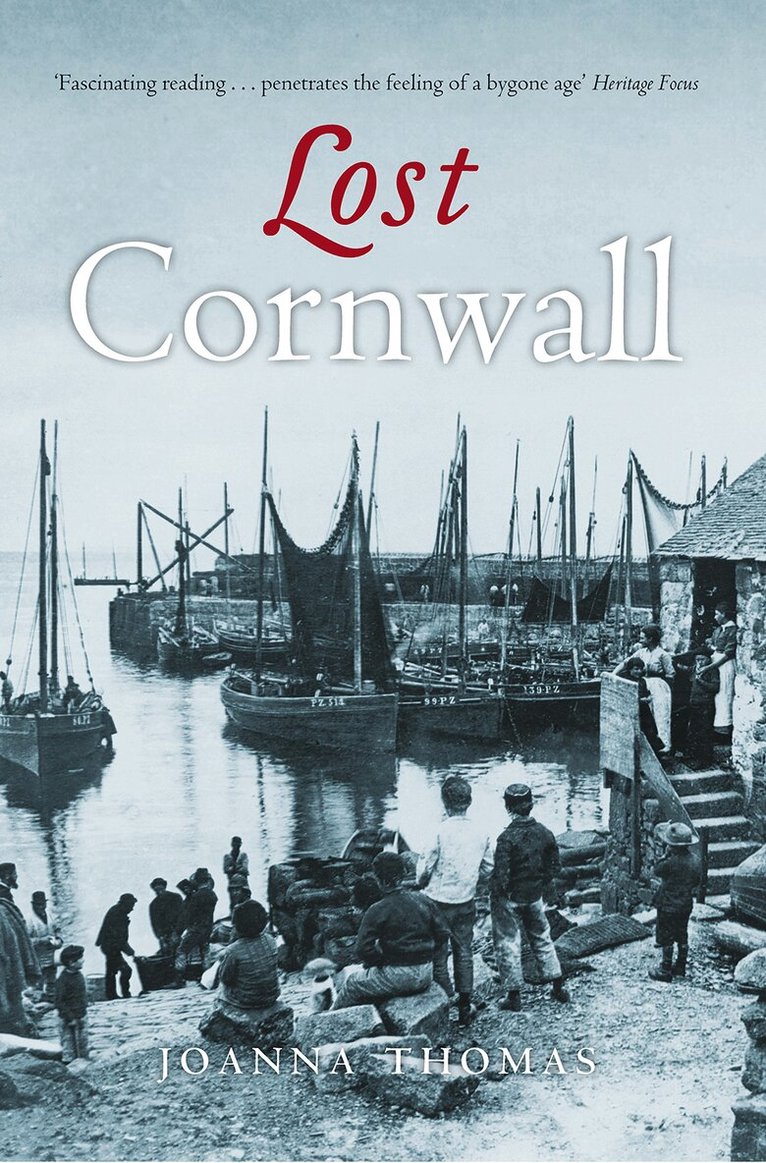
Cornwall's spectacular shoreline, with its brutal cliffs, desolate moors and pre-historic coastal settlements, has long held a source of fascination for those who cross the Duchy's boundary line. Yet despite the endurance of seascapes and ancient landscapes, which remain hidden from mainstream tourist routes, there are, throughout Cornwall, stories of change. Patterns of life have adapted to a shifting world, and whole communities have been affected as traditions are gradually subsumed in the struggle for 'progress'. However, remnants of recent history are still evident in Cornwall's architecture, its redundant transport systems and its cultural relics.This book is an exploration of some of the region's hidden facets and lesser known places which are testament to a way of life experienced just a couple of generations ago.
202 kr
Skickas
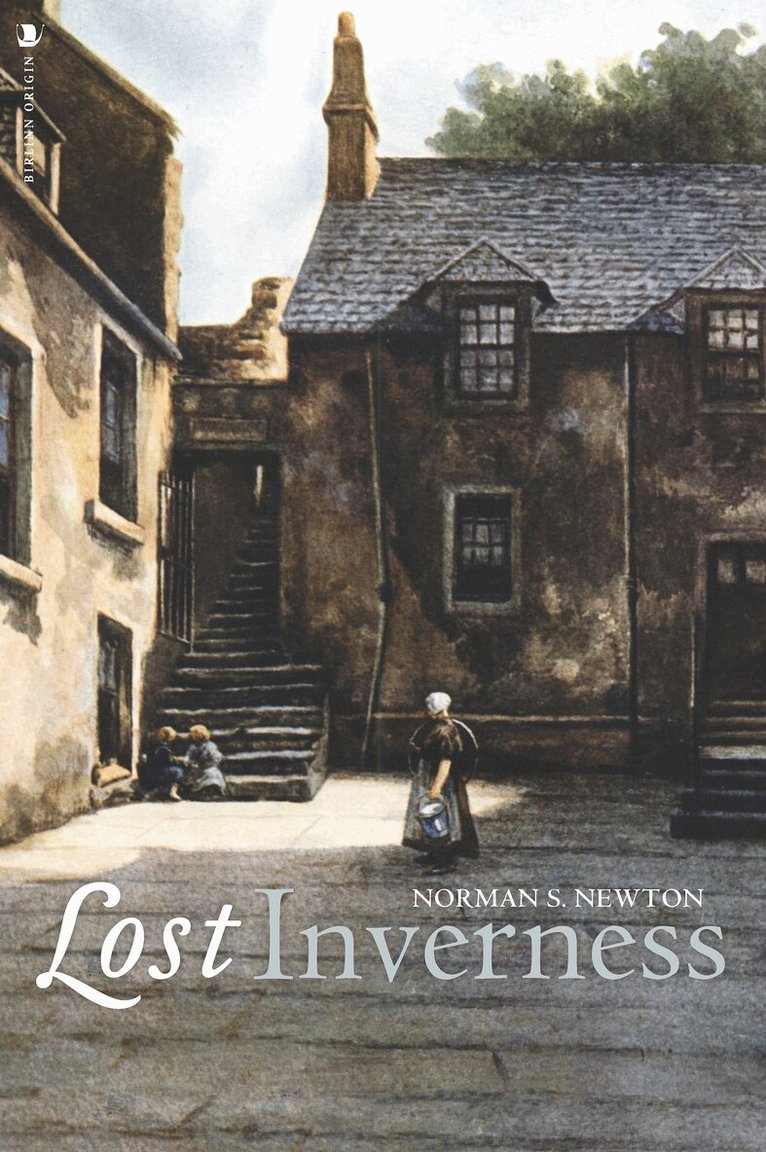
Featuring many images which have never before been published, this book explores the lost architectural heritage of the capital of the Highlands. The list of vanished buildings and streets is a long one. The medieval town was gutted by our mid-Victorian ancestors in a frenzy of redevelopment, but in the process many fine public buildings were created.Sadly, the post-war ‘improvements’ in the town centre, especially in the 1960s, have left an unfortunate legacy of architectural blight. However many fascinating old photographs and drawings survive, allowing us to celebrate much of what has been lost. This book draws on the resources of Highland archives, libraries and museums to create a memorable record of a missing urban landscape, from the speculative sites of Pictish forts and Macbeth’s castle, to Queen Mary’s House and the old suspension bridge below Inverness Castle, itself blown up by the Jacobites in 1746 and replaced by the 1830s prison and courthouse.
202 kr
Skickas
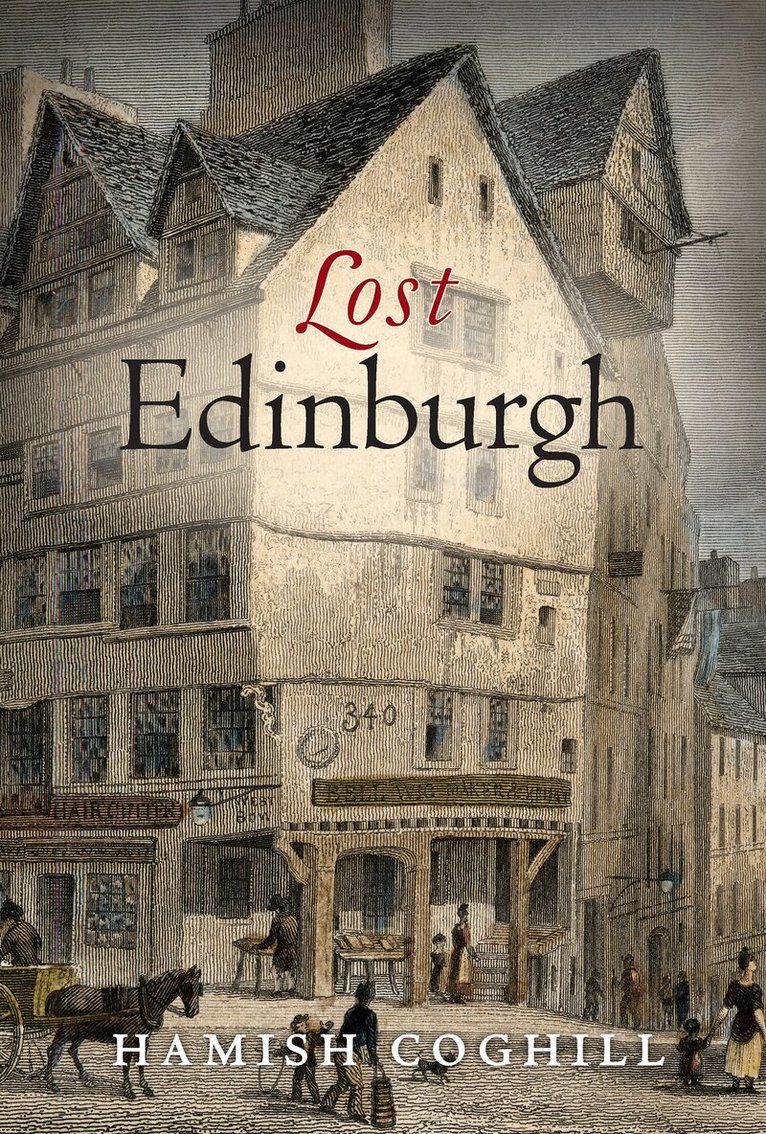
From mean beginnings – ‘wretched accommodation, no comfortable houses, no soft beds’, visiting French knights complained in 1341 – the city of Edinburgh went on to become one of the architectural wonders of the world. But over the centuries many of its fine buildings have gone. Although invasion and civil strife played their part, some buildings simply collapsed of old age and neglect. Others were swept away in the ‘improvements’ of the nineteenth century; yet more fell in the developers’ swathe of destruction in the twentieth century as shifting patterns of social habits, industry, housing and road systems demanded change on a massive scale. Few buildings were immune as much of the Old Town’s medieval heritage was destroyed, Georgian squares attacked, Princes Street ruined, old tenements razed in huge slum clearances, and once familiar and much-loved landmarks disappeared.In this informative and stimulating book, Hamish Coghill sets out to trace many of Edinburgh’s lost buildings – from imposing city centre edifices to domestic dwellings – and to find out why they were doomed. Lavishly illustrated, Lost Edinburgh is a fascinating insight into a cityscape that has been constantly reinvented over the years, and which continues to develop in the most unexpected and dramatic ways in the twenty-first century.
202 kr
Skickas
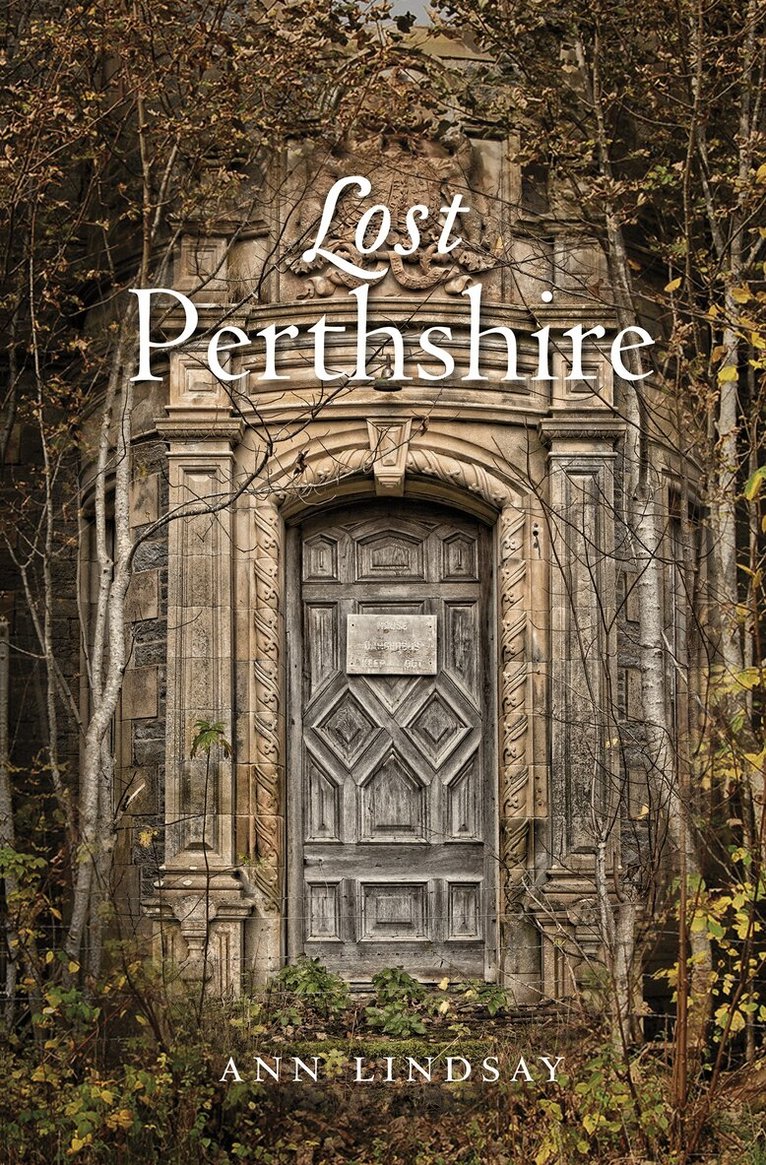
In Lost Perthshire, Ann Lindsay takes us on a fascinating journey through the lost architectural, geographical, industrial, and archaeological heritage of Perthshire.Perthshire has been the centre to a wide range of industries that flourished and then disappeared, including printing, book binding, boat building, salmon curing, textiles, many small whisky distilleries, and newspapers. All of these were fed by a network of mountain passes, drove roads, military roads and bridges, ferries, a flourishing harbour, massive rail junction and a wartime aerodrome which have also vanished. Beyond this, Ann Lindsay examines how Perthshire’s boundaries have moved over the last two centuries, with much of the original Perthshire now ‘lost’ due to its incorporation into different counties. Boglands have been drained, glens have been flooded for Hydro electric dams, forests have been planted, rivers diverted, and many upland villages, farms and settlements have vanished while other previously sparsely populated areas now densely covered with buildings.In this fascinating yet poignant study, Ann Lindsay introduces the many varied aspects of lost Perthshire, showing how ancient and even relatively modern Perthshire landscapes – from stone circles, Roman ditches, and Pictish remains to the Bridge of Earn hospital – have changed so dramatically, often with little thought for conservation or preservation.
202 kr
Skickas
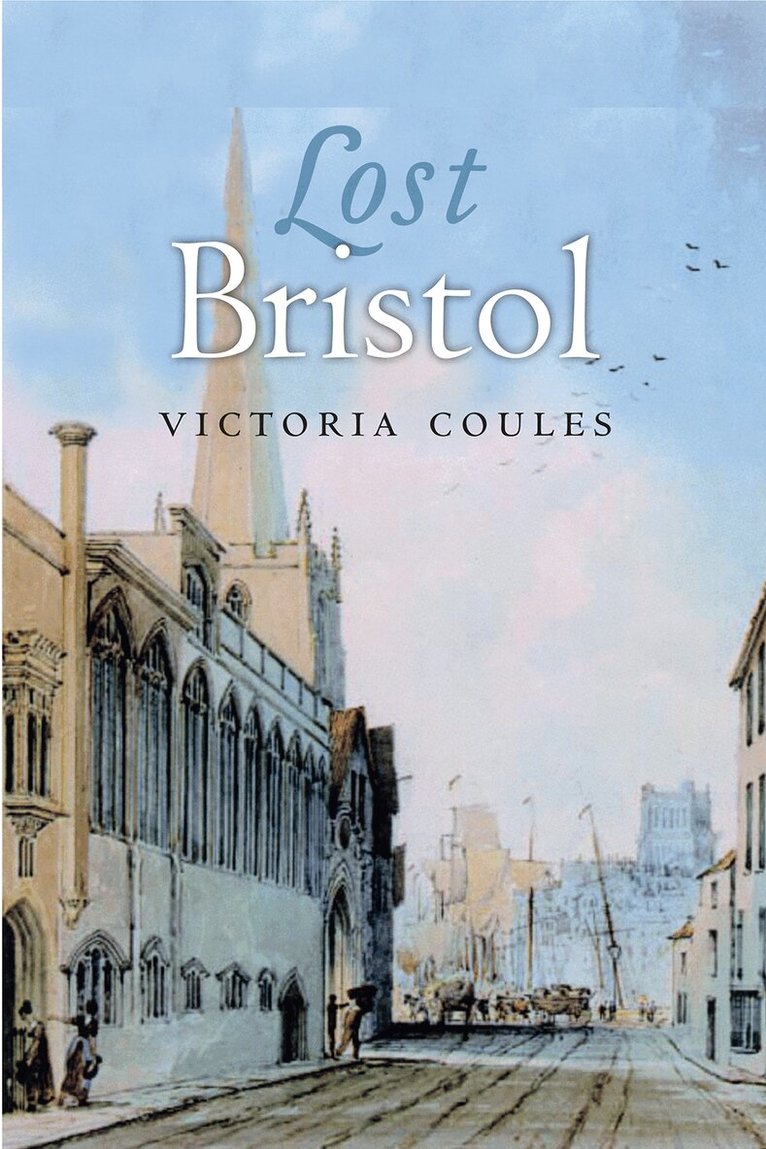
Bristol has a rich historical heritage dating back to the city's beginnings in Anglo-Saxon times. For centuries, it was England's second city and, as a thriving port, its past is steeped in its involvement in trade, whether of cloth, wine, pottery, glass - or slaves. As there is no commercial shipping now, much of Bristol's past is hidden within the modern city, just out of sight, but waiting to be discovered. Lost Bristol is an exploration of Bristol's hidden past, its ways of life, legends, relationship with the sea and its role in English history.The book includes some of the more famous aspects of the city's past, as well as stories and information unknown even to most locals. In an informed and entertaining style, Victoria Coules uncovers events and episodes such as the 1793 bridge toll riots, the jurisdiction of the Knights Templar over certain areas in Bristol and the creation of the Floating Harbour. Lost Bristol also reveals how a 13th century quay became a traffic roundabout, what happened to Bristol's own hot water spa and why Bristol cod merchants were also intrepid explorers.Many more surprising and remarkable stories about Bristol's past, accompanied by maps, engravings and photographs, make this book essential reading for all those curious about the city's hidden history.
202 kr
Skickas
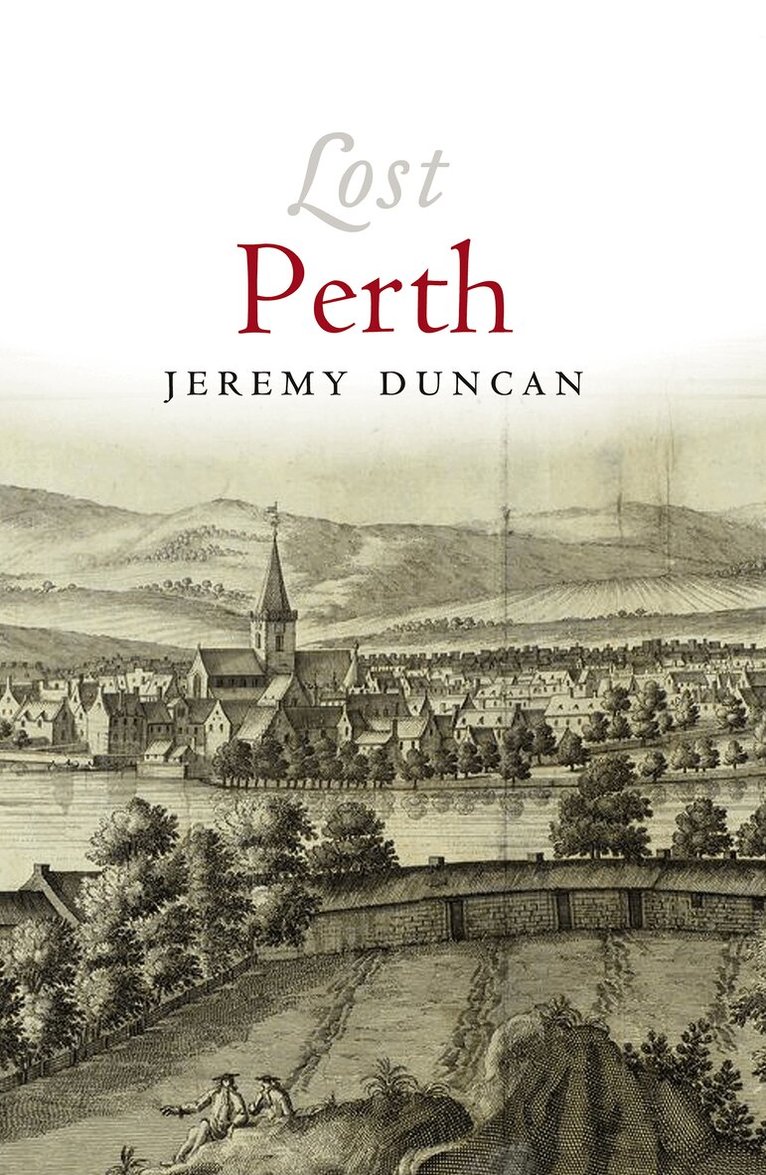
As one of Scotland's most historically significant cities, Perth has played an important role in the nation's story. Not surprisingly for a place that has seen continuous human settlement for thousands of years, much has come and gone over the centuries. The followers of Knox and Cromwell, and later the slum clearers, planners and developers, each had their own reasons for taking a pickaxe to Perth, but the cumulative effect of their actions has been to convert most of the ancient city to rubble and road infill.This is the first book to consider just how much of Perth has been lost over the centuries and why. As well as looking at the ancient monasteries and chapels, and other great buildings such as Gowrie House, Cromwell's hated citadel and the first City Hall, Jeremy Duncan uncovers the vanished streets, waterways and open spaces, the once-cherished industries, beloved sporting venues and many other topics, ranging from schools and shops to post offices and prisons.Superbly illustrated with over 100 old photos and engravings, this book, written by a son of Perth and a keen student of its history, makes lost Perth visible again to new generations.
202 kr
Skickas
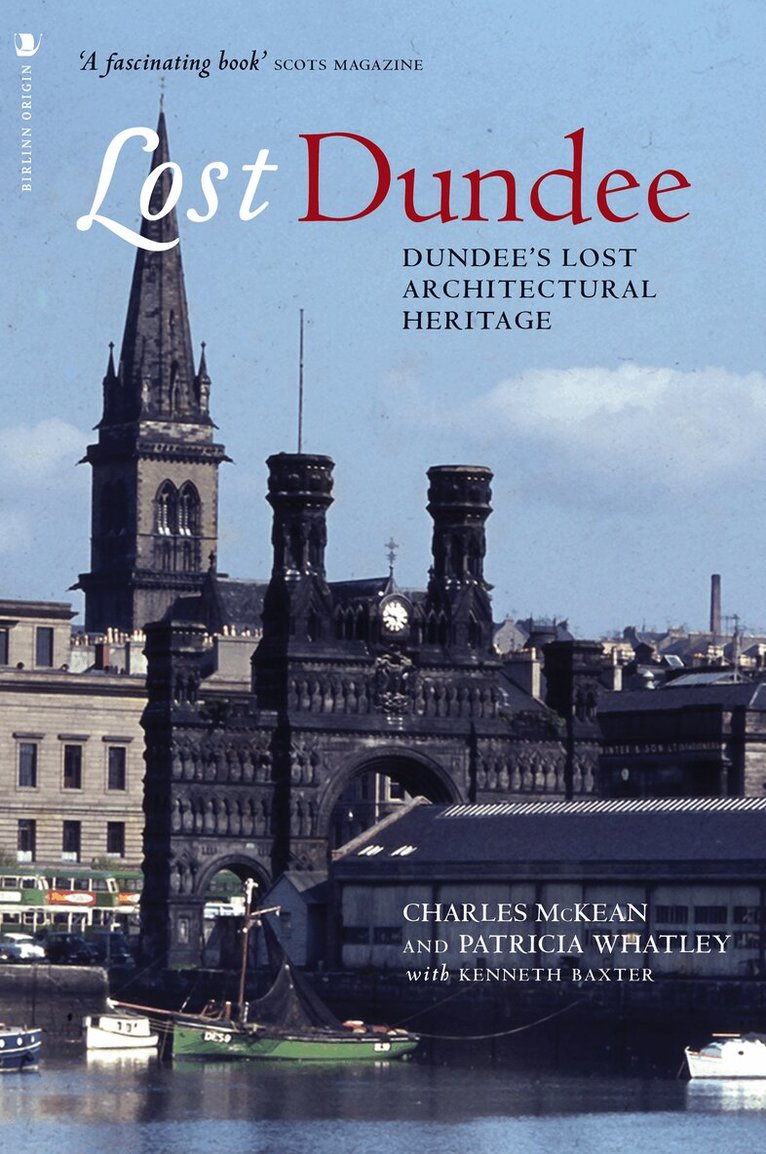
Lost Dundee brings the second city of renaissance Scotland back to life showing, through previously undiscovered photographs and drawings, the life and the maritime quarter of this great port. It illustrates Dundee's transformation into a major Georgian town at the centre of the flax trade between St Petersburg and the USA, with the development of major public buildings a result of the influx of wealth into the region. This book goes on to examine Dundee's next transformation into the jute capital of the world. Its identity was transformed by the arrival of railways, which separated the town from the sea, and by the great mills and factories which engulfed it on both sides. The pressures upon medieval Dundee proved so great that in 1871 the process of replacing it with grandiose Victorian boulevards began.The final section illustrates the changes wrought in the twentieth century with the death of jute and its replacement as the city's major employer by tertiary education.This book draws particularly upon the rich visual history sources of Charles Lawson's drawings of old Dundee in the Central Library, the DC Thomson photographic collection, and the University of Dundee Archives. Essential to the understanding of this constantly re-generating city, this book contains 150 drawings, photographs and plans of Dundee.
202 kr
Skickas
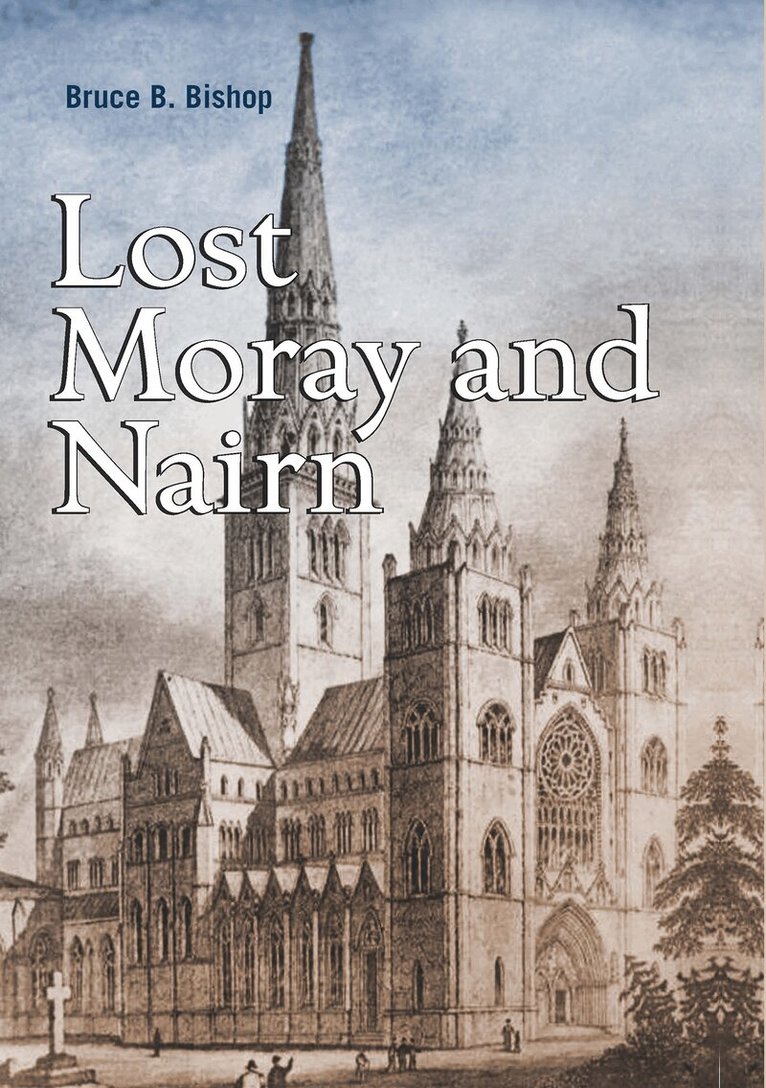
In Lost Moray and Nairn, Bruce Bishop traces what has been 'lost' from the old counties of Moray and Nairn, both architecturally and socially. Packed with illustrations of places, buildings and of aspects of life which are now vanished, and containing a history of various elements of life in the area, Bishop illustrates changes in the way of life of the people of the Burghs of Nairn, Forres and Elgin, and in the smaller towns and villages. The effect of these lost elements on the coastal towns is also discussed, with particular focus placed on the demise of the ports of Findhorn, Nairn and Garmouth, and the more recent decline in the fishing industry.His journey trough the region takes him from prehistory to the present day, and examines everything from geology, architecture, agriculture, industry, to communications. Lost Moray and Nairn is an important, illuminating and compelling account and a worthy addition to the Birlinn series.
202 kr
Skickas
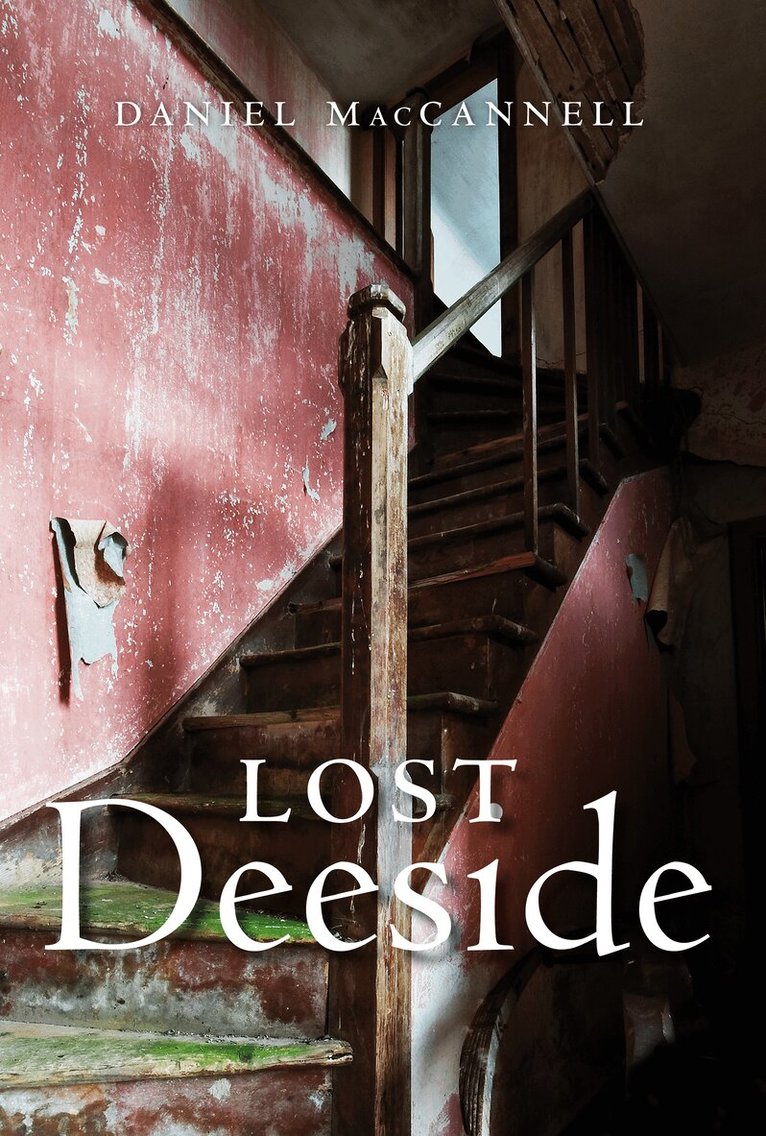
Deeside, the southern border of the Northeast shires of Aberdeen and Banff, is very much frontier country – its lonely passes through a barely penetrable mountain range were of massive strategic importance for centuries. The legions of Emperor Septimus Severus came in by Elsick Mounth in the early third century ad, and the B974 Fettercairn–Banchory road marks the way taken by Edward I’s army as it withdrew from the North-east in 1296, as well as the route Macbeth took to his doom two and a half centuries before.In this book, Daniel MacCannell looks at the rich and varied lost legacy of this haunting part of Scotland, from castles, houses, and whole villages to hospitals, illicit stills and even a number of lochs. In addition to tangible things, he also considers much else that has been ‘lost’ from the history, landscape and collective memory of the area – such as forgotten astronomers, inventors, roisterers and rebels; the local Gaelic of the area which has now died out; the wolf, which lived freely there until the 1680s; and the ways of life of past generations of Deeside people. The result is a vivid and stimulating insight into the way Deeside has changed over many hundreds of years.
202 kr
Skickas
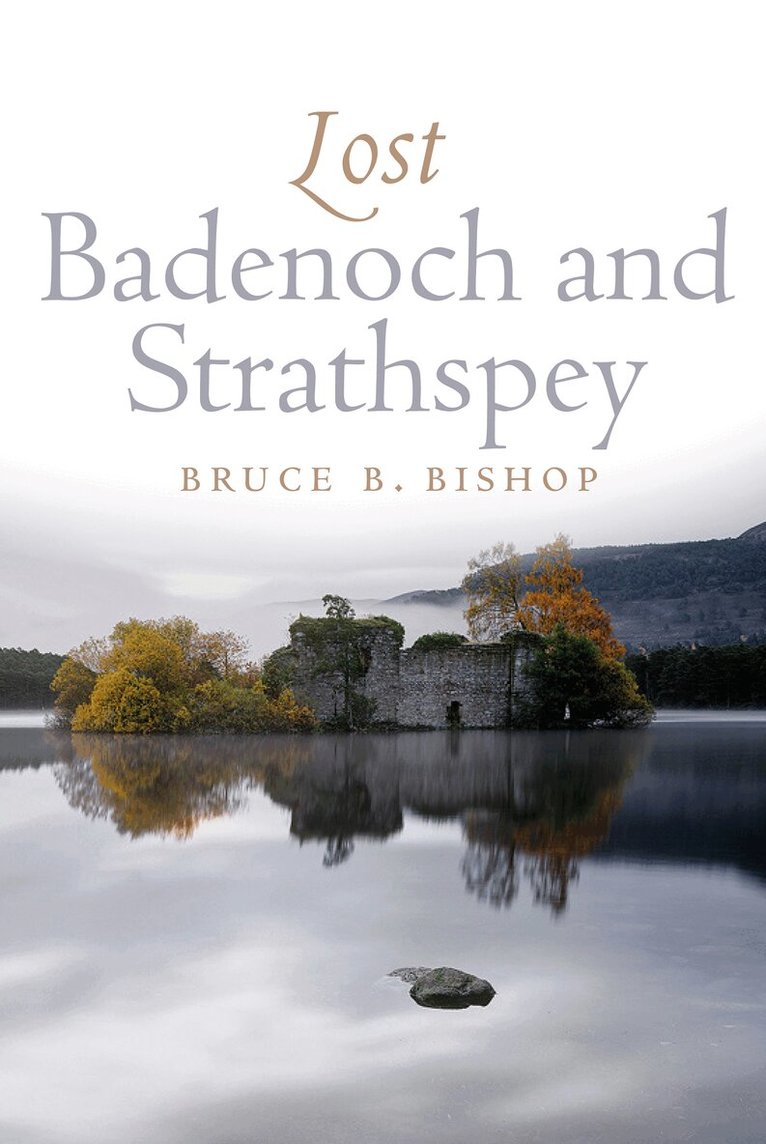
Badenoch and Strathspey is a land of many contrasts, and in modern times a land of many uses. Not always has it been the playground of winter sports enthusiasts and a mecca for tourists - for centuries the mountains which protected the province of Moray to the north and the Highland glens to the west were an obstacle to travel and a haven for cattle thieves and reivers.In this fascinating book, illustrated with over 100 period photographs, Bruce B. Bishop explores the changing face of the area over millennia, from the Ice Age, Pictish and Celtic times through the coming of Christianity, the Jacobite rebellions, the more leisured Victorian age, and the twentieth century. Being a rural part of the country, Lost Badenoch and Strathspey covers not only lost buildings - churches, castles and other structures in the main settlements of Badenoch and Strathspey, Aberlour, Tomintoul, Grantown-on-Spey, Aviemore, Kingussie, Newtonmore and Dallwhinnie - but also lost ways of life and industry, from droving and fishing to milling, transportation.