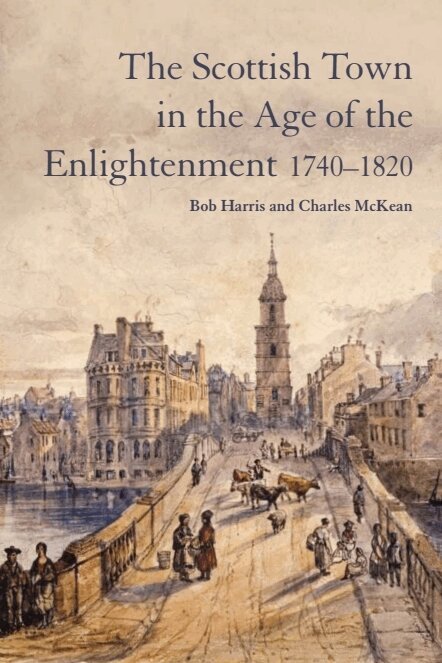
This heavily illustrated and innovative study is founded upon personal documents, town council minutes, legal cases, inventories, travellers’ tales, plans and drawings relating to some 30 Scots burghs of the Georgian period. It establishes a distinctive history for the development of Scots burghs, their living patterns and legislative controls, and shows that the Scottish urban experience was quite different from other parts of Britain. With population expansion, and economic and social improvement, Scots of the time experienced immense change both in terms of urban behaviour and the decay of ancient privileges and restrictions. This volume shows how the Scots Georgian burgh developed to become a powerfully controlled urban community, with disturbance deliberately designed out. This is a collaborative history, melding together political, social, economic, urban and architectural histories, to achieve a comprehensive perspective on the nature of the Scottish Georgian town. Not so much a history by growth and numbers, this pioneering study of Scottish urbanization explores the type of change and the quality of result. Key FeaturesA pioneering study of how Scottish urban life changed during the 18th century, to be matched against the well-covered English town.Combines social, economic, architectural and urban history in a systematic, comparative manner.The product of an extensive 3-year AHRC-funded research project into extensive, yet untapped primary sources.This research significantly revises current historiography about the Scots urban evolution and the nature of ‘British’ towns.Heavily illustrated, the pictures being as much of the message as the text.
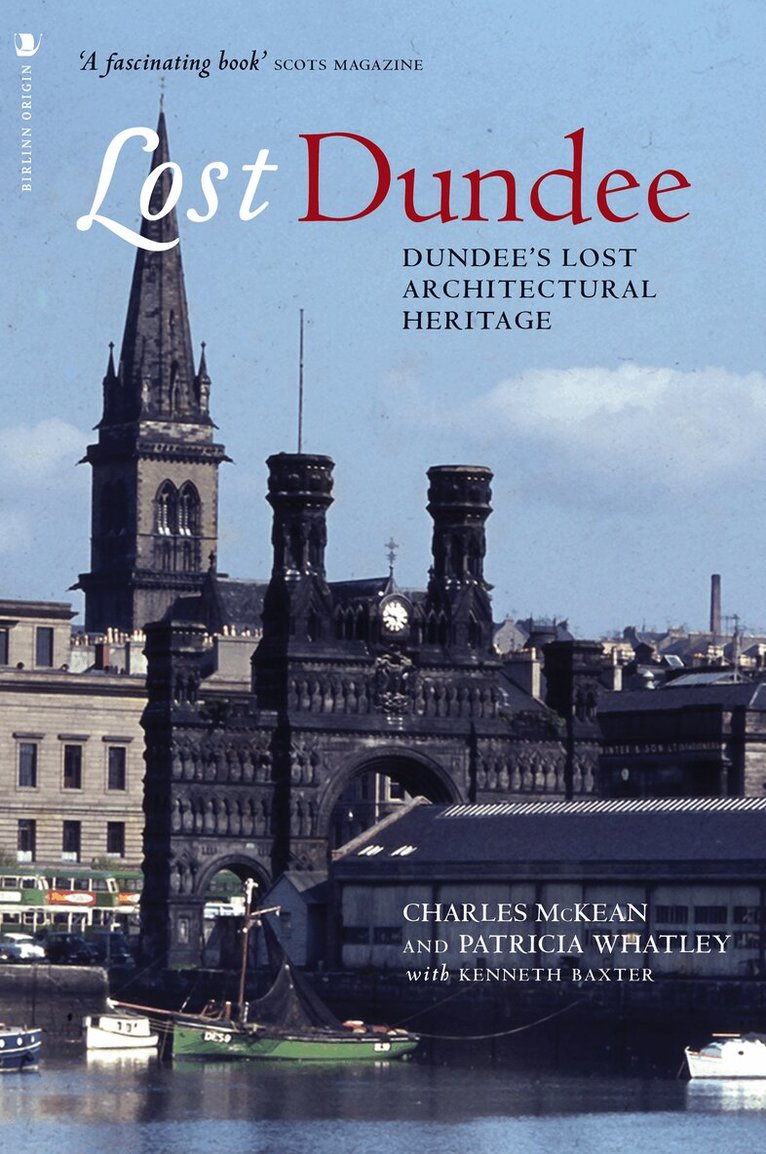
Lost Dundee brings the second city of renaissance Scotland back to life showing, through previously undiscovered photographs and drawings, the life and the maritime quarter of this great port. It illustrates Dundee's transformation into a major Georgian town at the centre of the flax trade between St Petersburg and the USA, with the development of major public buildings a result of the influx of wealth into the region. This book goes on to examine Dundee's next transformation into the jute capital of the world. Its identity was transformed by the arrival of railways, which separated the town from the sea, and by the great mills and factories which engulfed it on both sides. The pressures upon medieval Dundee proved so great that in 1871 the process of replacing it with grandiose Victorian boulevards began.The final section illustrates the changes wrought in the twentieth century with the death of jute and its replacement as the city's major employer by tertiary education.This book draws particularly upon the rich visual history sources of Charles Lawson's drawings of old Dundee in the Central Library, the DC Thomson photographic collection, and the University of Dundee Archives. Essential to the understanding of this constantly re-generating city, this book contains 150 drawings, photographs and plans of Dundee.
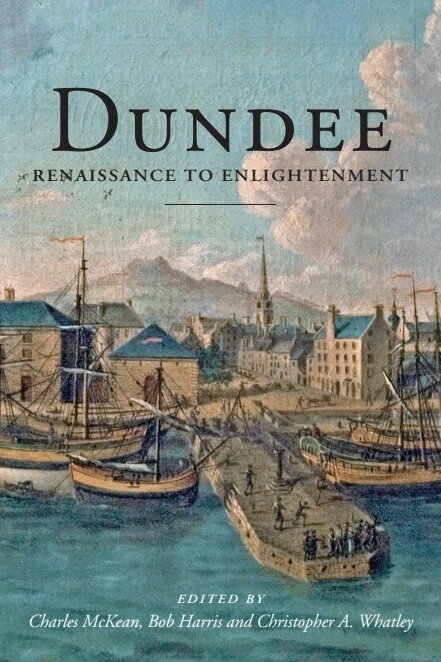
This fascinating title traces the evolution of Dundee from wealthy renaissance port --- and second city of Scotland --- to international textiles manufacturer and trader. Until now, despite being at the heart of key events in Scottish history, Dundee has remained invisible behind its later Victorian mask. Now Dundee: Renaissance to Enlightenment examines Dundee thoroughly in a rich mixture of urban, economic, political, social, medical, cultural, imperial, maritime and architectural histories.The book contains over 100 illustrations, specially selected for this volume, many of which have never been seen before. These are integral to the story and are used to explain or illuminate history. This book helps to recover Dundee's rightful place in European history, and offers Scots a different perspective on their national history.
This heavily illustrated and innovative study is founded upon personal documents, town council minutes, legal cases, inventories, travellers’ tales, plans and drawings relating to some 30 Scots burghs of the Georgian period. It establishes a distinctive history for the development of Scots burghs, their living patterns and legislative controls, and shows that the Scottish urban experience was quite different from other parts of Britain. With population expansion, and economic and social improvement, Scots of the time experienced immense change both in terms of urban behaviour and the decay of ancient privileges and restrictions. This volume shows how the Scots Georgian burgh developed to become a powerfully controlled urban community, with disturbance deliberately designed out. This is a collaborative history, melding together political, social, economic, urban and architectural histories, to achieve a comprehensive perspective on the nature of the Scottish Georgian town. Not so much a history by growth and numbers, this pioneering study of Scottish urbanization explores the type of change and the quality of result. Key FeaturesA pioneering study of how Scottish urban life changed during the 18th century, to be matched against the well-covered English town.Combines social, economic, architectural and urban history in a systematic, comparative manner.The product of an extensive 3-year AHRC-funded research project into extensive, yet untapped primary sources.This research significantly revises current historiography about the Scots urban evolution and the nature of ‘British’ towns.Heavily illustrated, the pictures being as much of the message as the text.
Lost Dundee brings the second city of renaissance Scotland back to life showing, through previously undiscovered photographs and drawings, the life and the maritime quarter of this great port. It illustrates Dundee's transformation into a major Georgian town at the centre of the flax trade between St Petersburg and the USA, with the development of major public buildings a result of the influx of wealth into the region. This book goes on to examine Dundee's next transformation into the jute capital of the world. Its identity was transformed by the arrival of railways, which separated the town from the sea, and by the great mills and factories which engulfed it on both sides. The pressures upon medieval Dundee proved so great that in 1871 the process of replacing it with grandiose Victorian boulevards began.The final section illustrates the changes wrought in the twentieth century with the death of jute and its replacement as the city's major employer by tertiary education.This book draws particularly upon the rich visual history sources of Charles Lawson's drawings of old Dundee in the Central Library, the DC Thomson photographic collection, and the University of Dundee Archives. Essential to the understanding of this constantly re-generating city, this book contains 150 drawings, photographs and plans of Dundee.
This fascinating title traces the evolution of Dundee from wealthy renaissance port --- and second city of Scotland --- to international textiles manufacturer and trader. Until now, despite being at the heart of key events in Scottish history, Dundee has remained invisible behind its later Victorian mask. Now Dundee: Renaissance to Enlightenment examines Dundee thoroughly in a rich mixture of urban, economic, political, social, medical, cultural, imperial, maritime and architectural histories.The book contains over 100 illustrations, specially selected for this volume, many of which have never been seen before. These are integral to the story and are used to explain or illuminate history. This book helps to recover Dundee's rightful place in European history, and offers Scots a different perspective on their national history.