Frank M. Covey, Jr., Loyola Lectures in Political Analysis – serie
Visar alla böcker i serien Frank M. Covey, Jr., Loyola Lectures in Political Analysis. Handla med fri frakt och snabb leverans.
9 produkter
9 produkter
1 217 kr
Skickas inom 5-8 vardagar
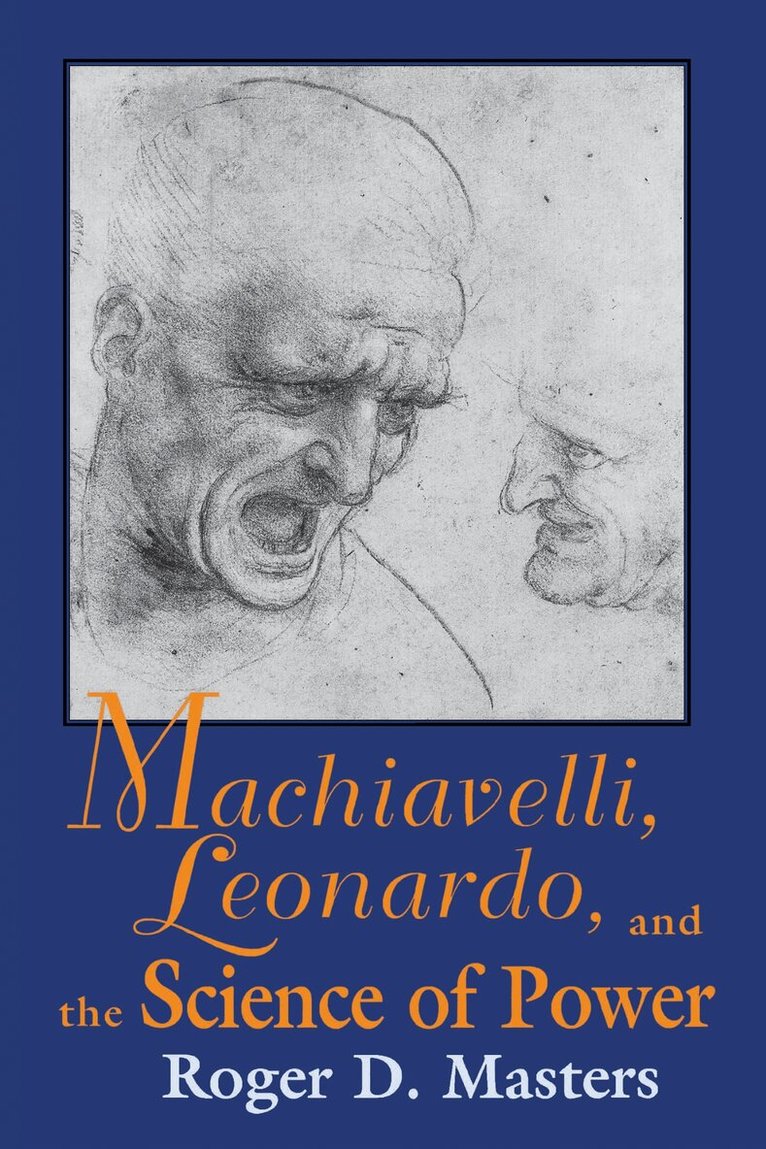
In recent years, Niccolò Machiavelli's works have been viewed primarily with historical interest as analysis of the tactics used by immoral political officials. Roger D. Masters, a leading expert in the relationship between modern natural sciences and politics, argues boldly in this book that Machiavelli should be reconsidered as a major philosopher whose thought makes the wisdom of antiquity accessible to the modern (and post-modern) condition, and whose understanding of human nature is superior to that of Hobbes, Locke, Rousseau, Marx, or Mill. Central to Masters's claim is his discovery, based on previously untranslated documents, that Machiavelli knew and worked with Leonardo da Vinci between 1502-1507. An interdisciplinary tour de force, Machiavelli, Leonardo, and the Science of Power will challenge, perplex, and ultimately delight readers with its evocative story of the relationship between Machiavelli and da Vinci, their crucial roles in the emergence of modernity, and the vast implications this holds for contemporary life and society.
422 kr
Skickas inom 10-15 vardagar
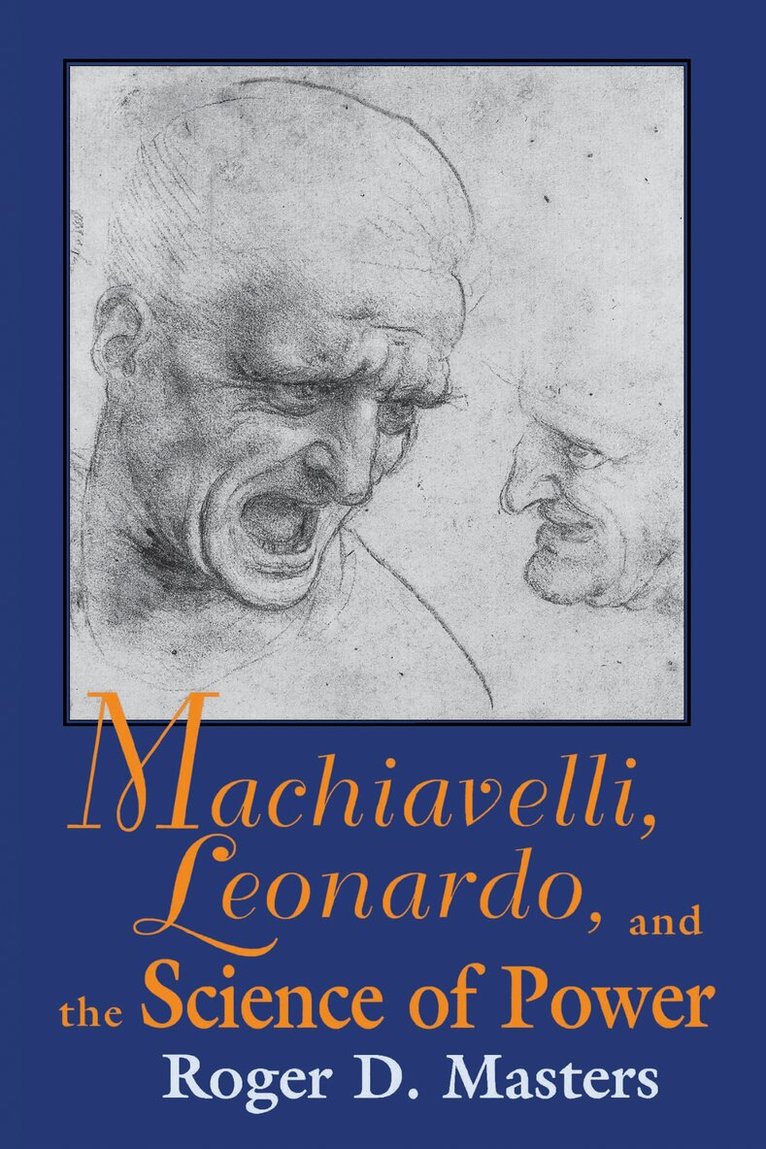
In recent years, Niccolò Machiavelli's works have been viewed primarily with historical interest as analysis of the tactics used by immoral political officials. Roger D. Masters, a leading expert in the relationship between modern natural sciences and politics, argues boldly in this book that Machiavelli should be reconsidered as a major philosopher whose thought makes the wisdom of antiquity accessible to the modern (and post-modern) condition, and whose understanding of human nature is superior to that of Hobbes, Locke, Rousseau, Marx, or Mill. Central to Masters's claim is his discovery, based on previously untranslated documents, that Machiavelli knew and worked with Leonardo da Vinci between 1502-1507. An interdisciplinary tour de force, Machiavelli, Leonardo, and the Science of Power will challenge, perplex, and ultimately delight readers with its evocative story of the relationship between Machiavelli and da Vinci, their crucial roles in the emergence of modernity, and the vast implications this holds for contemporary life and society.
Natural Rights Republic
Studies in the Foundation of the American Political Tradition
Inbunden, Engelska, 1997
1 077 kr
Skickas inom 10-15 vardagar
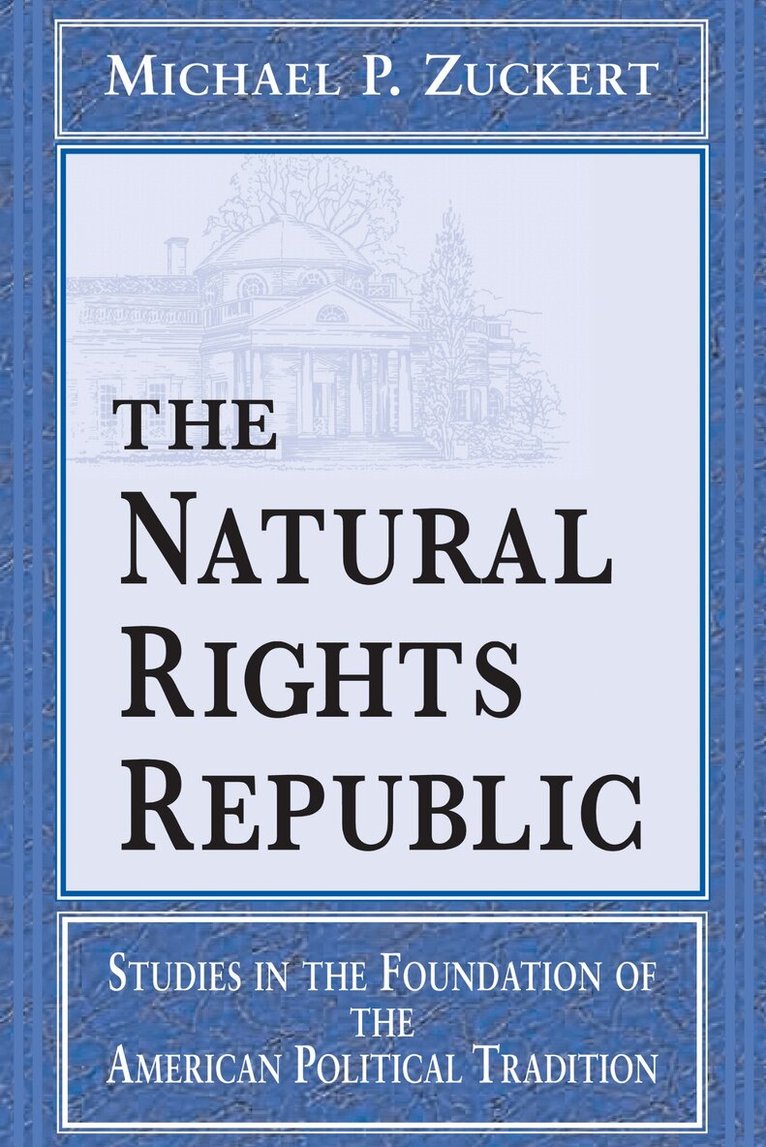
In The Natural Rights Republic, renowned political theorist Michael P. Zuckert examines the natural rights philosophy as expressed in sources like the Declaration of Independence and aims to counter contemporary confusion by offering an insightful study of the concept that dominated the mindset of the founding generation of the United States.
Natural Rights Republic
Studies in the Foundation of the American Political Tradition
Häftad, Engelska, 1997
379 kr
Skickas inom 10-15 vardagar
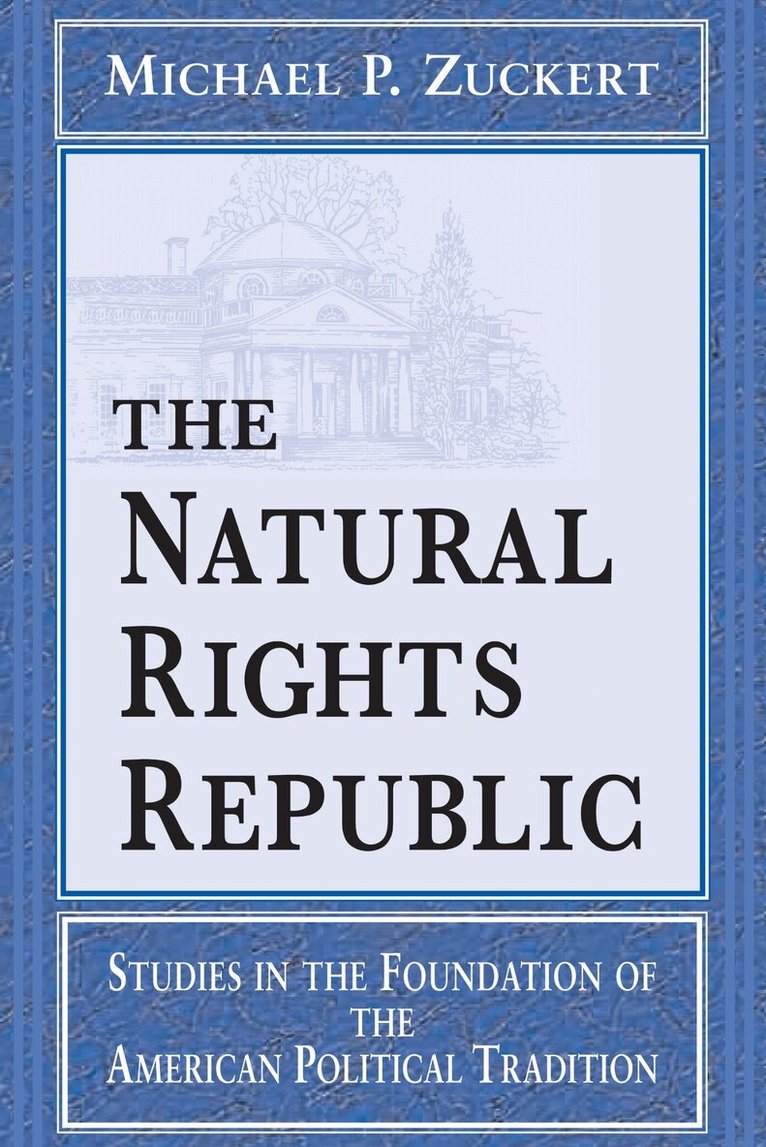
In The Natural Rights Republic, renowned political theorist Michael P. Zuckert examines the natural rights philosophy as expressed in sources like the Declaration of Independence and aims to counter contemporary confusion by offering an insightful study of the concept that dominated the mindset of the founding generation of the United States.
1 344 kr
Skickas inom 10-15 vardagar
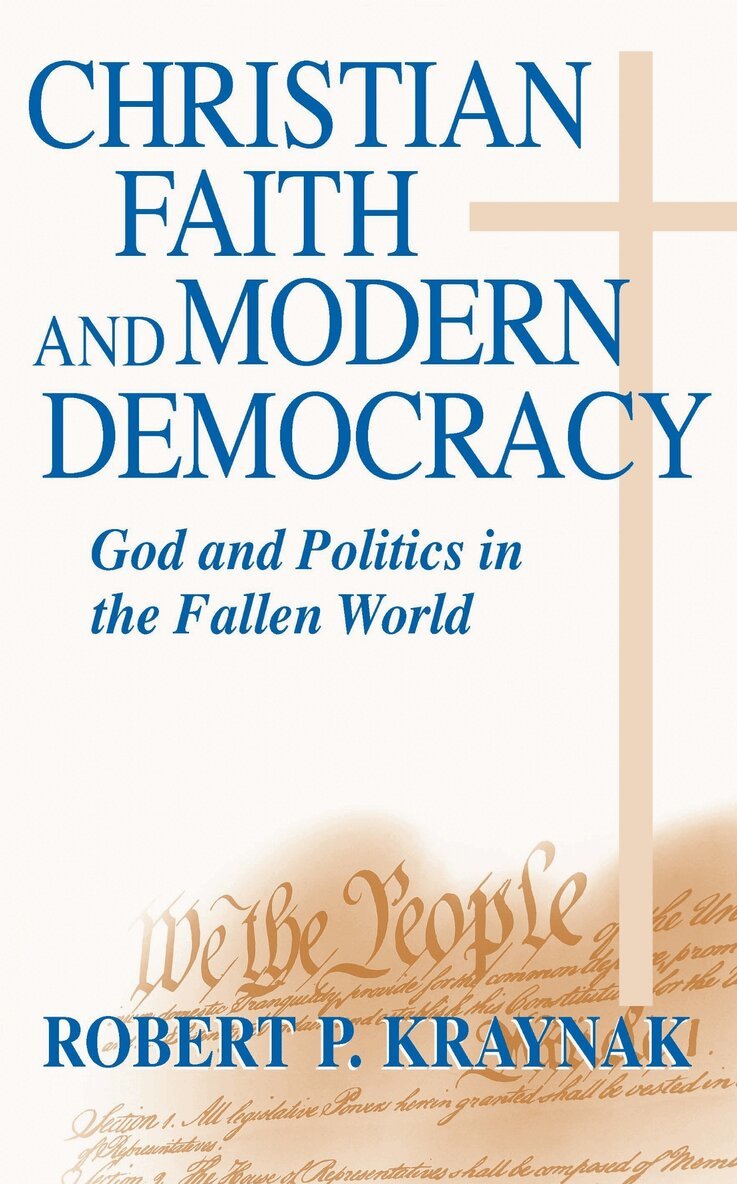
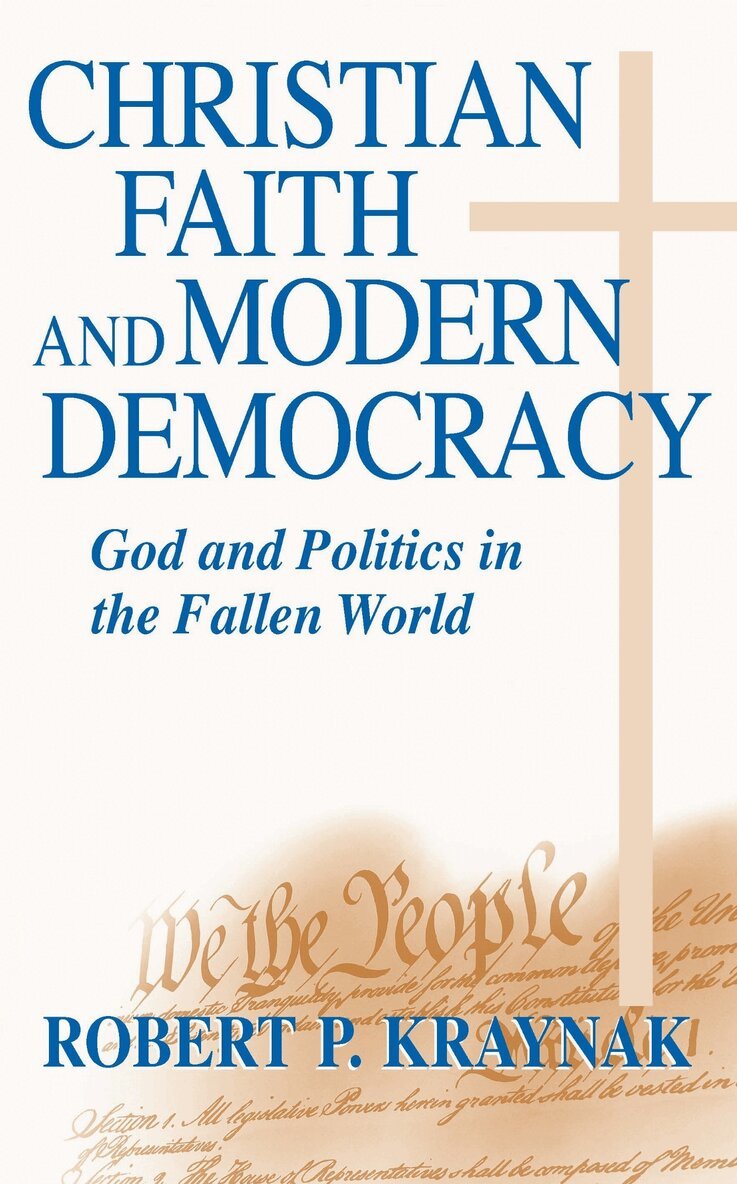
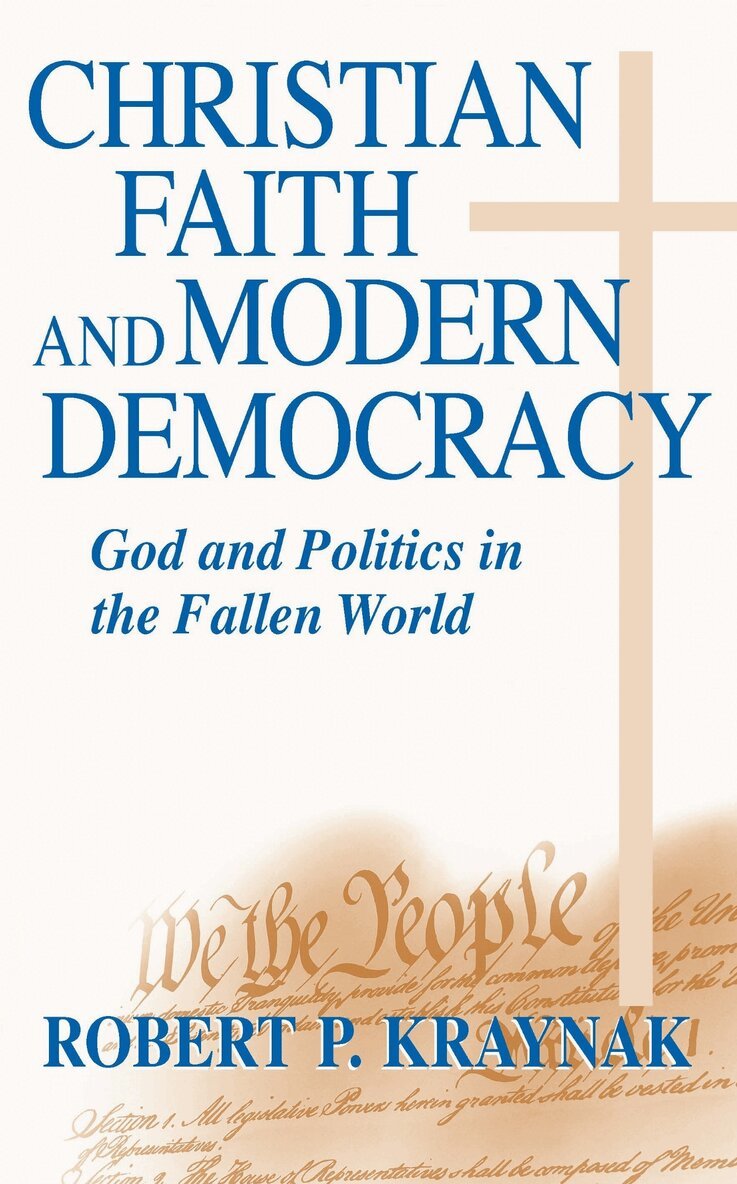
Do Christianity and modern liberal democracy share a common moral vision, or are they opposed and even hostile to each other? In Christian Faith and Modern Democracy, Robert Kraynak challenges the commonly accepted view that Christianity is inherently compatible with modern democratic society. Contrary to conventional wisdom, Kraynak argues that there is no necessary connection between Christianity and any form of government and that, in many important respects, Christianity is weakened by its close alliance with contemporary versions of democracy and human rights.Christian Faith and Modern Democracy was written, in part, to convince secular intellectuals that modern democracy needs God. But it was also written in response to the new consensus about politics that has emerged among Christian believers. Almost all churches and theologians now think that the form of government most compatible with Christianity is democracy and that the historic opposition of the Christian tradition to democracy and to various forms of liberalism was a mistake. What caused Christians to change their view of political authority and to embrace liberal democracy? Were they wise to change their view?This provocative book attempts to answer these questions by reexamining the relationship between democracy and Christianity through the lens of St. Augustine's distinction between the city of God and the earthly city, applied to the conditions of the modern age. Kraynak argues that St. Augustine's teaching provides the basis for a Christian theory of constitutional government and permits a variety of legitimate forms of government, including constitutional democracy. Yet, unlike contemporary Christian doctrines, it does so without embracing the subversive premises of liberalism that have threatened to turn the Christian faith into little more than a mirror image of the modern world.Sure to spark controversy among secular intellectuals and Christian believers alike, this insightful volume is an outstanding work of political philosophy with a firm foundation in theology.
368 kr
Skickas inom 10-15 vardagar
Do Christianity and modern liberal democracy share a common moral vision, or are they opposed and even hostile to each other? In Christian Faith and Modern Democracy, Robert Kraynak challenges the commonly accepted view that Christianity is inherently compatible with modern democratic society. Contrary to conventional wisdom, Kraynak argues that there is no necessary connection between Christianity and any form of government and that, in many important respects, Christianity is weakened by its close alliance with contemporary versions of democracy and human rights.Christian Faith and Modern Democracy was written, in part, to convince secular intellectuals that modern democracy needs God. But it was also written in response to the new consensus about politics that has emerged among Christian believers. Almost all churches and theologians now think that the form of government most compatible with Christianity is democracy and that the historic opposition of the Christian tradition to democracy and to various forms of liberalism was a mistake. What caused Christians to change their view of political authority and to embrace liberal democracy? Were they wise to change their view?This provocative book attempts to answer these questions by reexamining the relationship between democracy and Christianity through the lens of St. Augustine's distinction between the city of God and the earthly city, applied to the conditions of the modern age. Kraynak argues that St. Augustine's teaching provides the basis for a Christian theory of constitutional government and permits a variety of legitimate forms of government, including constitutional democracy. Yet, unlike contemporary Christian doctrines, it does so without embracing the subversive premises of liberalism that have threatened to turn the Christian faith into little more than a mirror image of the modern world.Sure to spark controversy among secular intellectuals and Christian believers alike, this insightful volume is an outstanding work of political philosophy with a firm foundation in theology.
234 kr
Skickas inom 10-15 vardagar
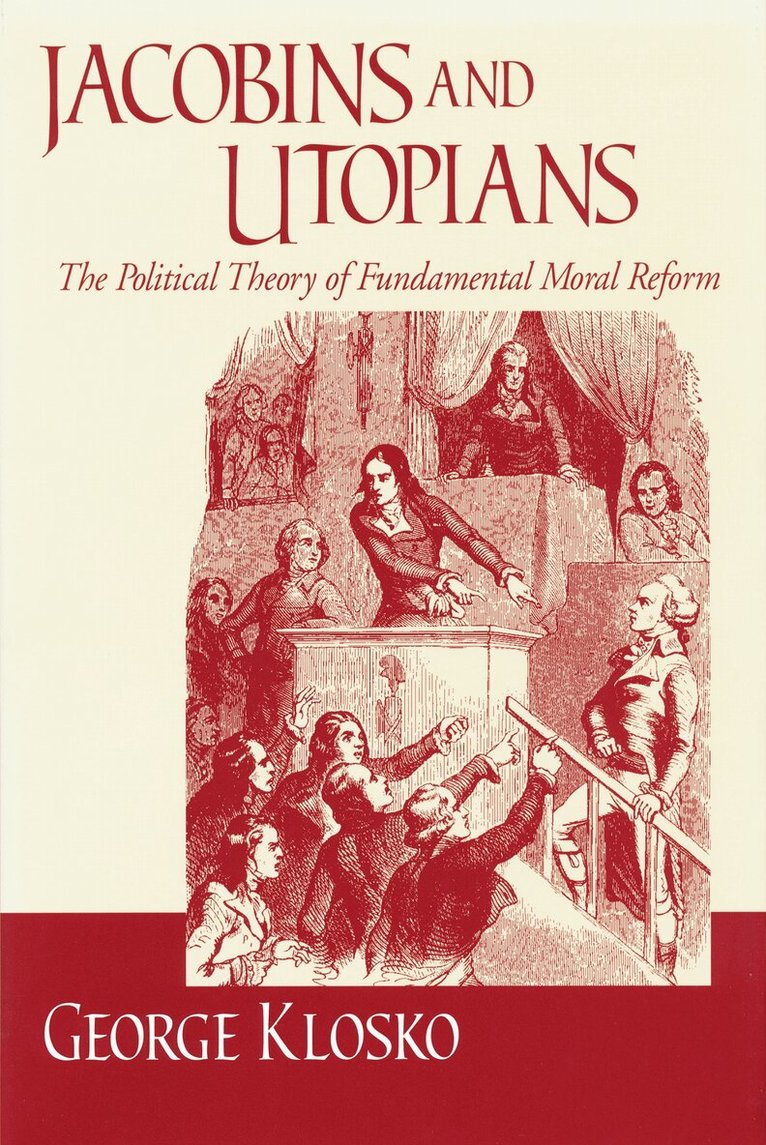
Jacobins and Utopians examines the politics of ideal societies and the means necessary to bring them into existence. George Klosko reveals how discussions of fundamental moral reform lead inexorably to questions of political power. Machiavelli classically articulated the claim that unarmed prophets go to the gallows. Themes of revolution play an integral role in Klosko's study—as the figures he explores frequently concerned themselves with the means of becoming armed. Klosko focuses particularly on what he calls "educational realism" as a means of channeling political power in pursuit of moral reform. If people are to become fit for an ideal society they must be subjected to intensive education, which in turn requires control of the educational environment and, consequently, of society as a whole. Klosko identifies Plato as an educational realist and contends that Plato, contrary to his reputation as a pure utopian, actually provides a searching analysis of the role of political power in fundamental moral reform. In addition to Plato, Jacobins and Utopians canvasses strategies of moral reform proposed by Plutarch's Lycurgus, Socrates, Thomas More, Machiavelli, Robespierre, Saint-Just, Bakunin, Charles Fourier, Marx, and Lenin. Klosko analyzes both the advantages of Jacobinism as a political strategy and its inherent flaws.
423 kr
Skickas inom 10-15 vardagar
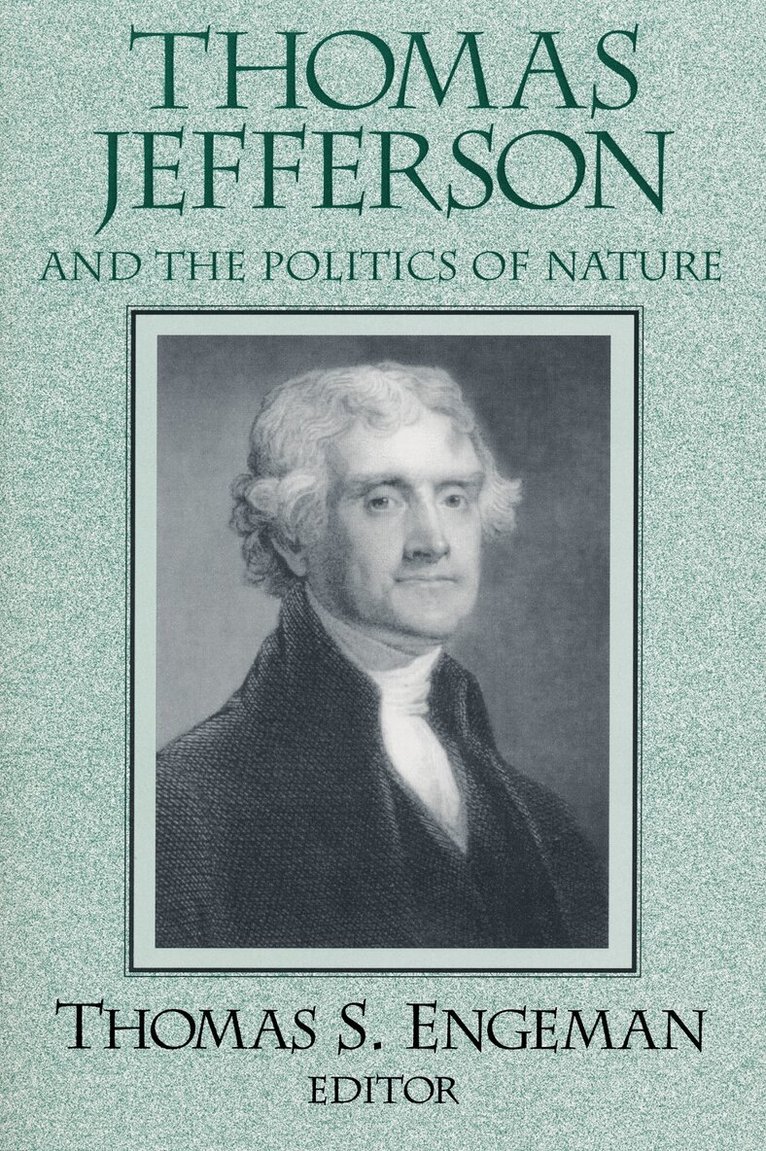
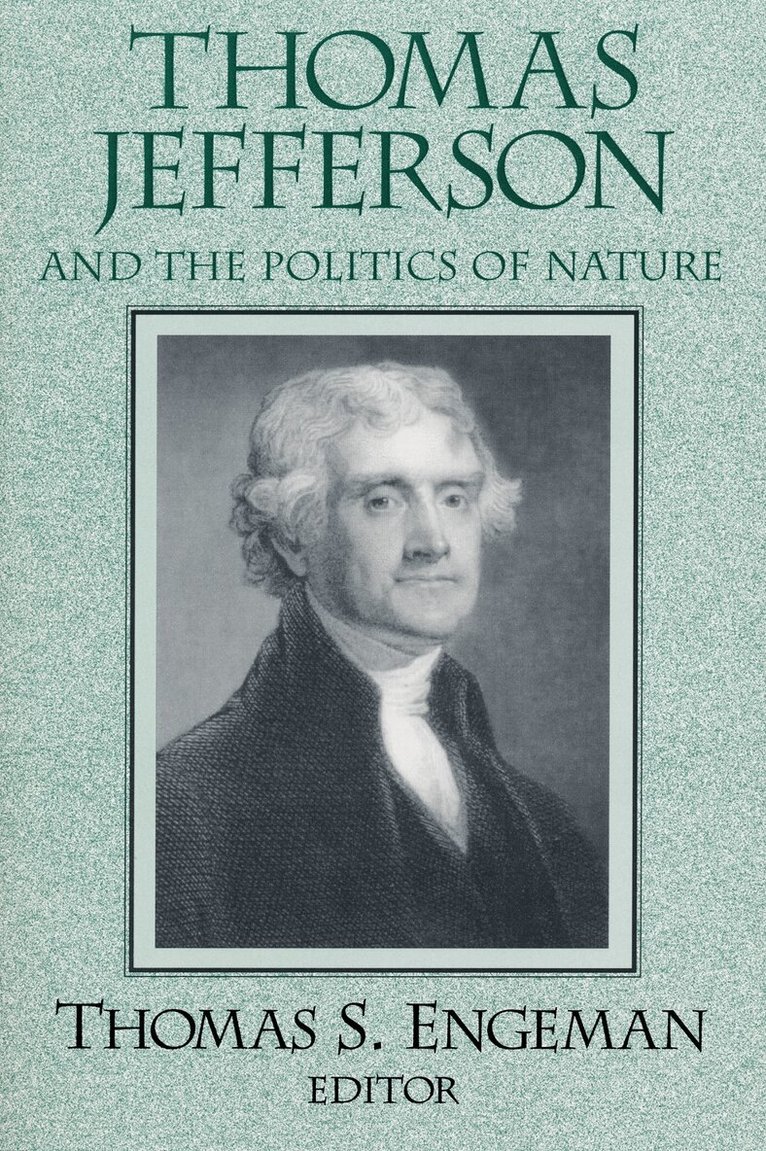
With the equality and liberty of the Declaration of Independence as his fighting words, Thomas Jefferson created American democracy. For the two hundred years since then, he has been studied and debated worldwide, but never more intensely than in recent years. His extensive and influential understanding of democracy's foundation in reason and nature continue to make him one of the most examined American founders. Thomas Jefferson and the Politics of Nature is a collection of the very best current scholarship devoted to Thomas Jefferson as politician, writer, philosopher, Christian, and economist.Lead essayist Michael Zuckert presents his comprehensive interpretation of Jefferson's political thought, which Zuckert considers the best theoretical approach to democracy. While Zuckert moderates Jefferson's natural rights philosophy with a Kantian perspective, Jean Yarbrough responds with the argument that Jefferson incorporates the authors of the Scottish Enlightenment and principles from the Republican tradition to achieve the same moderating effect.Garrett Ward Sheldon looks at the broader cultural influences shaping Jefferson's thought and traces his republicanism to his support of Christian ethics and Aristotle. R. Booth Fowler examines why Jefferson, the leading liberal theorist of the nineteenth century, became the hero of the very different liberalism of the twentieth. Robert Dawidoff considers Jefferson as writer and literary figure instead of political thinker and actor, while Joyce Appleby renews an appreciation of Jefferson's statecraft by a famous reexamination of his commercial agrarian policy. Finally, James Ceaser traces Jefferson's belief in racial inferiority to a speculative new natural science prominent among contemporary European thinkers and argues that Jefferson committed a significant error in reducing politics to such conjectural "facts."This compact text is ideal for professors wishing to offer a one-volume collection of current Jeffersonian scholarship to undergraduate students. Professors and students alike will find that the essays contain prompt, focused, substantive discussions on the key issues facing Jeffersonian scholars. This handy collection will be an invaluable classroom tool for those studying not only Jefferson but also history, political philosophy, and science, as well as the history of ideas.
1 077 kr
Skickas inom 10-15 vardagar
With the equality and liberty of the Declaration of Independence as his fighting words, Thomas Jefferson created American democracy. For the two hundred years since then, he has been studied and debated worldwide, but never more intensely than in recent years. His extensive and influential understanding of democracy's foundation in reason and nature continue to make him one of the most examined American founders. Thomas Jefferson and the Politics of Nature is a collection of the very best current scholarship devoted to Thomas Jefferson as politician, writer, philosopher, Christian, and economist.Lead essayist Michael Zuckert presents his comprehensive interpretation of Jefferson's political thought, which Zuckert considers the best theoretical approach to democracy. While Zuckert moderates Jefferson's natural rights philosophy with a Kantian perspective, Jean Yarbrough responds with the argument that Jefferson incorporates the authors of the Scottish Enlightenment and principles from the Republican tradition to achieve the same moderating effect.Garrett Ward Sheldon looks at the broader cultural influences shaping Jefferson's thought and traces his republicanism to his support of Christian ethics and Aristotle. R. Booth Fowler examines why Jefferson, the leading liberal theorist of the nineteenth century, became the hero of the very different liberalism of the twentieth. Robert Dawidoff considers Jefferson as writer and literary figure instead of political thinker and actor, while Joyce Appleby renews an appreciation of Jefferson's statecraft by a famous reexamination of his commercial agrarian policy. Finally, James Ceaser traces Jefferson's belief in racial inferiority to a speculative new natural science prominent among contemporary European thinkers and argues that Jefferson committed a significant error in reducing politics to such conjectural "facts."This compact text is ideal for professors wishing to offer a one-volume collection of current Jeffersonian scholarship to undergraduate students. Professors and students alike will find that the essays contain prompt, focused, substantive discussions on the key issues facing Jeffersonian scholars. This handy collection will be an invaluable classroom tool for those studying not only Jefferson but also history, political philosophy, and science, as well as the history of ideas.