Magic in History Sourcebooks - Böcker
Visar alla böcker i serien Magic in History Sourcebooks. Handla med fri frakt och snabb leverans.
7 produkter
7 produkter
Del 1 - Magic in History Sourcebooks
Arras Witch Treatises
Johannes Tinctor's Invectives contre la secte de vauderie and the Recollectio casus, status et condicionis Valdensium ydolatrarum by the Anonymous of Arras (1460)
Häftad, Engelska, 2016
298 kr
Skickas inom 7-10 vardagar
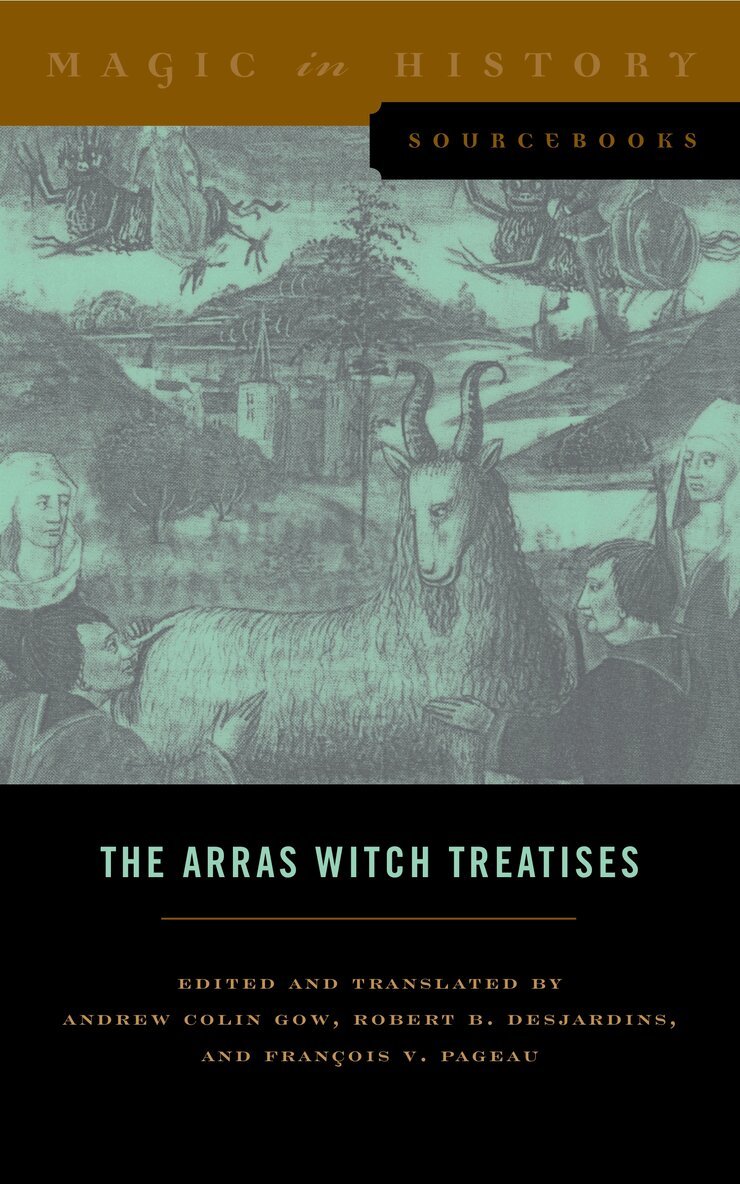
This is the first complete and accessible English translation of two major source texts—Tinctor’s Invectives and the anonymous Recollectio—that arose from the notorious Arras witch hunts and trials in the mid-fifteenth century in France. These writings, by the “Anonymous of Arras” (believed to be the trial judge Jacques du Bois) and the intellectual Johannes Tinctor, offer valuable eyewitness perspectives on one of the very first mass trials and persecutions of alleged witches in European history. More importantly, they provide a window onto the early development of witchcraft theory and demonology in western Europe during the late medieval period—an entire generation before the infamous Witches’ Hammer appeared. Perfect for the classroom, The Arras Witch Treatises includes a reader-friendly introduction situating the treatises and trials in their historical and intellectual contexts. Scholars, students, and others interested in the occult will find these translations invaluable.
Del 2 - Magic in History Sourcebooks
Hazards of the Dark Arts
Advice for Medieval Princes on Witchcraft and Magic
Häftad, Engelska, 2022
276 kr
Skickas inom 7-10 vardagar
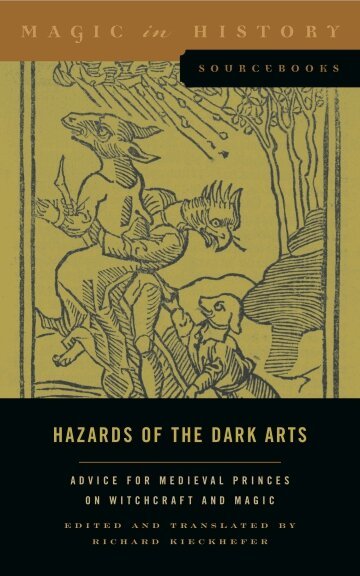
This volume comprises English translations of two fundamentally important texts on magic and witchcraft in the fifteenth century: Johannes Hartlieb’s Book of All Forbidden Arts and Ulrich Molitoris’s On Witches and Pythonesses. Written by laymen and aimed at secular authorities, these works advocated that town leaders and royalty alike should vigorously uproot and prosecute practitioners of witchcraft and magic.Though inquisitors and theologians promulgated the witch trials of late medieval times, lay rulers saw the prosecutions through. But local officials, princes, and kings could be unreliable; some were skeptical about the reality and danger of witchcraft, while others dabbled in the occult themselves. Borrowing from theological and secular sources, Hartlieb and Molitoris agitated against this order in favor of zealously persecuting occultists. Organized as a survey of the seven occult arts, Hartlieb’s text is a systematic treatise on the dangers of superstition and magic. Molitoris’s text presents a dialogue on the activities of witches, including vengeful sorcery, the transformation of humans into animals, and fornication with the devil. Taken together, these tracts show that laymen exerted significant influence on ridding society of their imagined threat.Precisely translated by Richard Kieckhefer, Hazards of the Dark Arts includes an insightful introduction that discusses the authors, their sources and historical environments, the writings themselves, and the influence they had in the development of ideas about witchcraft.
244 kr
Skickas inom 7-10 vardagar
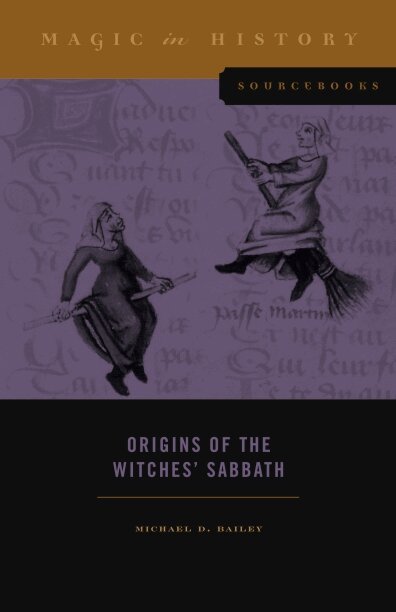
While the perception of magic as harmful is age-old, the notion of witches gathering together in large numbers, overtly worshiping demons, and receiving instruction in how to work harmful magic as part of a conspiratorial plot against Christian society was an innovation of the early fifteenth century. The sources collected in this book reveal this concept in its formative stages.The idea that witches were members of organized heretical sects or part of a vast diabolical conspiracy crystalized most clearly in a handful of texts written in the 1430s and clustered geographically around the arc of the western Alps. Michael D. Bailey presents accessible English translations of the five oldest surviving texts describing the witches’ sabbath and of two witch trials from the period. These sources, some of which were previously unavailable in English or available only in incomplete or out-of-date translations, show how perceptions of witchcraft shifted from a general belief in harmful magic practiced by individuals to a conspiratorial and organized threat that led to the witch hunts that shook northern Europe and went on to influence conceptions of diabolical witchcraft for centuries to come.Origins of the Witches’ Sabbath makes freshly available a profoundly important group of texts that are key to understanding the cultural context of this dark chapter in Europe’s history. It will be especially valuable to those studying the history of witchcraft, medieval and early modern legal history, religion and theology, magic, and esotericism.
Del 4 - Magic in History Sourcebooks
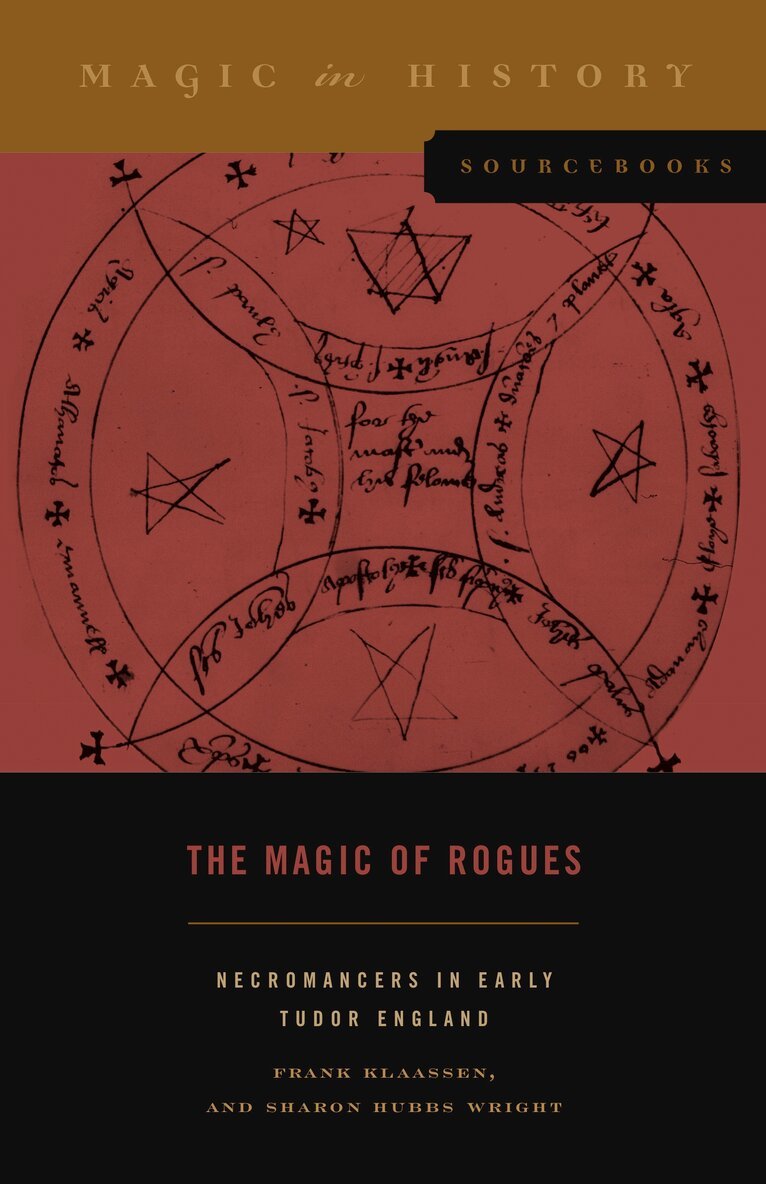
Magic of Rogues
Necromancers in Early Tudor England
Häftad, Engelska, 2021
247 kr
Skickas inom 7-10 vardagar
In 1510, nine men were tried in the Archbishop’s Court in York for attempting to find and extract a treasure on the moor near Mixindale through necromantic magic. Two decades later, William Neville and his magician were arrested by Thomas Cromwell for having engaged in a treasonous combination of magic practices and prophecy surrounding the death of William’s older brother, Lord Latimer, and the king. In The Magic of Rogues, Frank Klaassen and Sharon Hubbs Wright present the legal documents about and open a window onto these fascinating investigations of magic practitioners in early Tudor England. Set side by side with sixteenth- and seventeenth-century texts that describe the sorts of magic those practitioners performed, these documents are translated, contextualized, and presented in language accessible to nonspecialist readers. Their analysis reveals how magicians and cunning folk operated in extended networks in which they exchanged knowledge, manuscripts, equipment, and even clients; foregrounds magicians’ encounters with authority in ways that separate them from traditional narratives about witchcraft and witch trials; and suggests that the regulation and punishment of magic in the Tudor period were comparatively and perhaps surprisingly gentle. Incorporating the study of both intellectual and legal sources, The Magic of Rogues presents a well-rounded picture of illicit learned magic in early Tudor England.Engaging and accessible, this book will appeal to anyone seeking to understand the intersection of medieval legal history, religion, magic, esotericism, and Tudor history.
Del 5 - Magic in History Sourcebooks
Everyday Magicians
Legal Records and Magic Manuscripts from Tudor England
Häftad, Engelska, 2022
251 kr
Skickas inom 11-20 vardagar
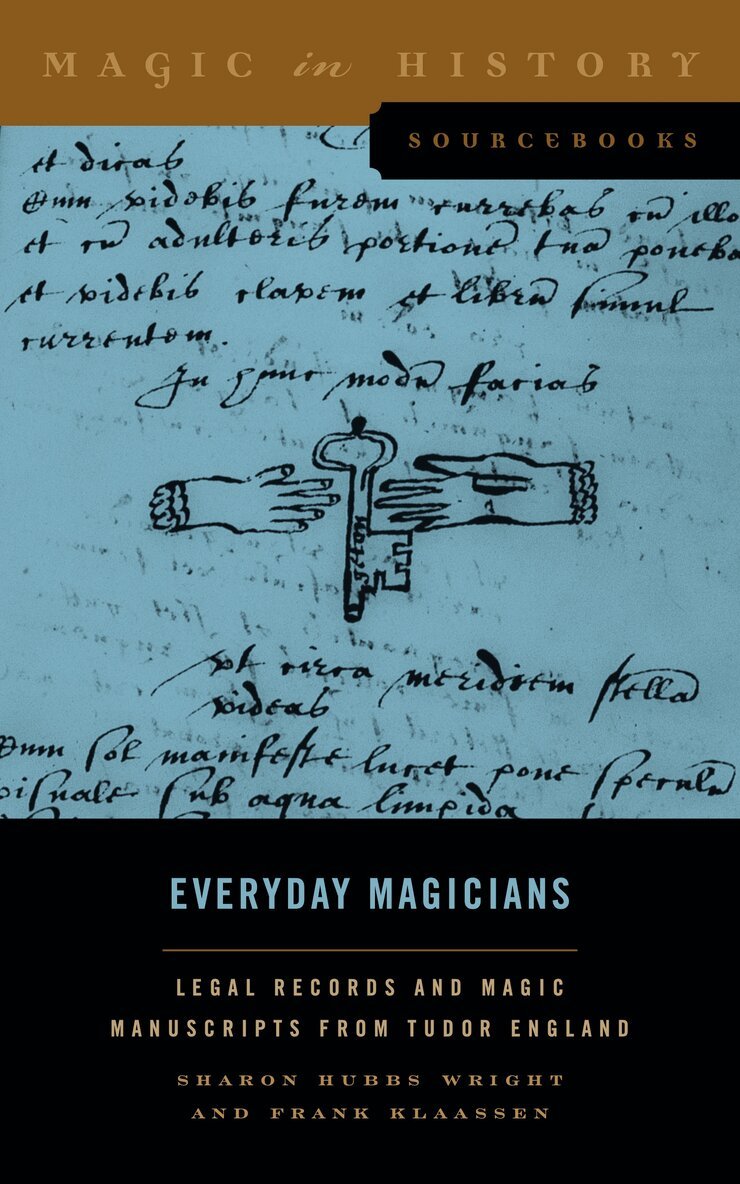
Most of the women and men who practiced magic in Tudor England were not hanged or burned as witches, despite being active members of their communities. These everyday magicians responded to common human problems such as the vagaries of money, love, property, and influence, and they were essential to the smooth functioning of English society. This illuminating book tells their stories through the legal texts in which they are named and the magic books that record their practices.In legal terms, their magic fell into the category of sin or petty crime, the sort that appeared in the lower courts and most often in church courts. Despite their relatively lowly status, scripts for the sorts of magic they practiced were recorded in contemporary manuscripts. Juxtaposing and contextualizing the legal and magic manuscript records creates an unusually rich field to explore the social aspects of magic practice. Expertly constructed for both classroom use and independent study, this book presents in modern English the legal documents and magic texts relevant to ordinary forms of magic practiced in Tudor England. These are accompanied by scholarly introductions with original perspectives on the subjects. Topics covered include: the London cunning man Robert Allen; magic to identify thieves; love magic; magic for hunting, fishing and gambling, and magic for healing and protection.
237 kr
Skickas inom 7-10 vardagar
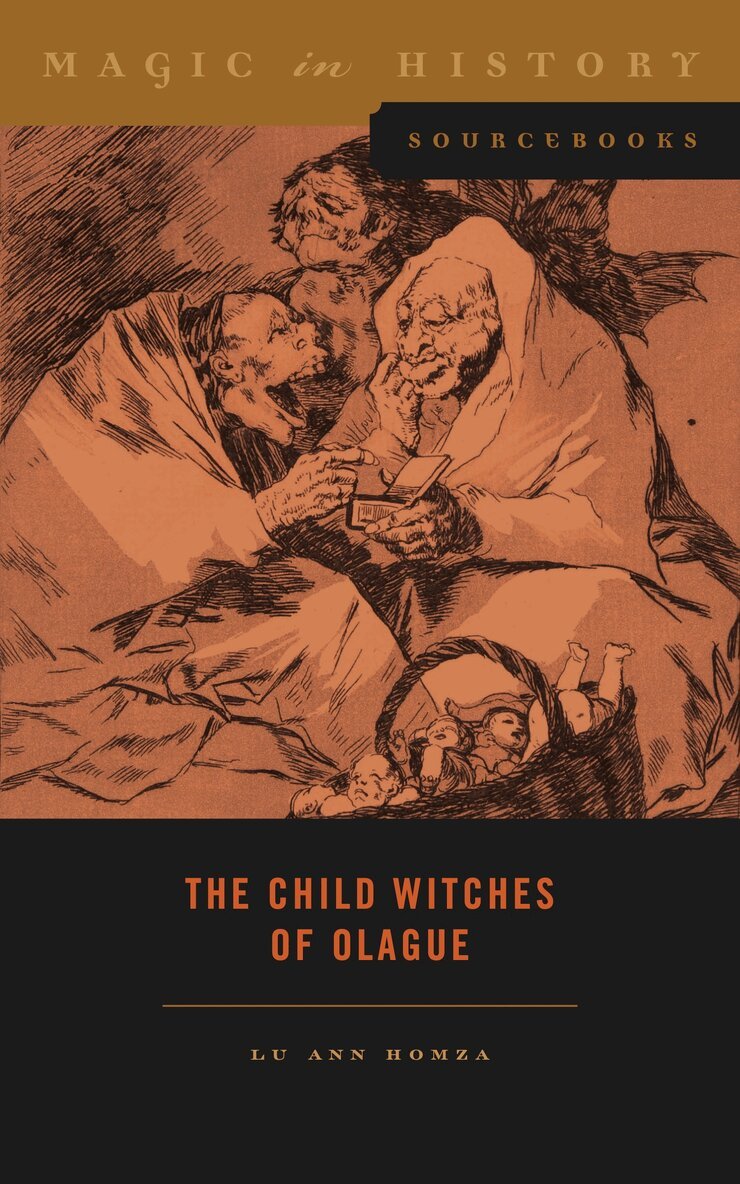
In the early seventeenth century, thousands of children in Spain’s Navarre region claimed to have been bewitched. The Child Witches of Olague features the legal depositions of self-described child witches as well as their parents and victims. The volume sheds new light on Navarre’s massive witch persecution (1608–14), illuminating the tragic cost of witch hunts and opening a new window onto our understanding of early modern Iberian life. Drawing from Spanish-language sources only recently discovered, Homza translates and annotates three court cases from Olague in 1611 and 1612. Two were defamation trials involving the slur “witch,” and the third was a petition for divorce filed by an accused witch and wife. These cases give readers rare access to the voices of illiterate children in the early modern period. They also speak to the emotions of witch-hunting, with testimony about enraged, terrified parents turning to vigilante justice against neighbors. Together the cases highlight gender norms of the time, the profound honor code of early modern Navarre, and the power of children to alter adult lives. With translations of Inquisition correspondence and printed pamphlets added for context, The Child Witches of Olague offers a portrait of witch-hunting as a horrific, contagious process that fractured communities. This riveting, one-of-a-kind book will appeal to anyone interested in the history of witch hunts, life in early modern Spain, and history as revealed through court testimony.
740 kr
Skickas inom 7-10 vardagar
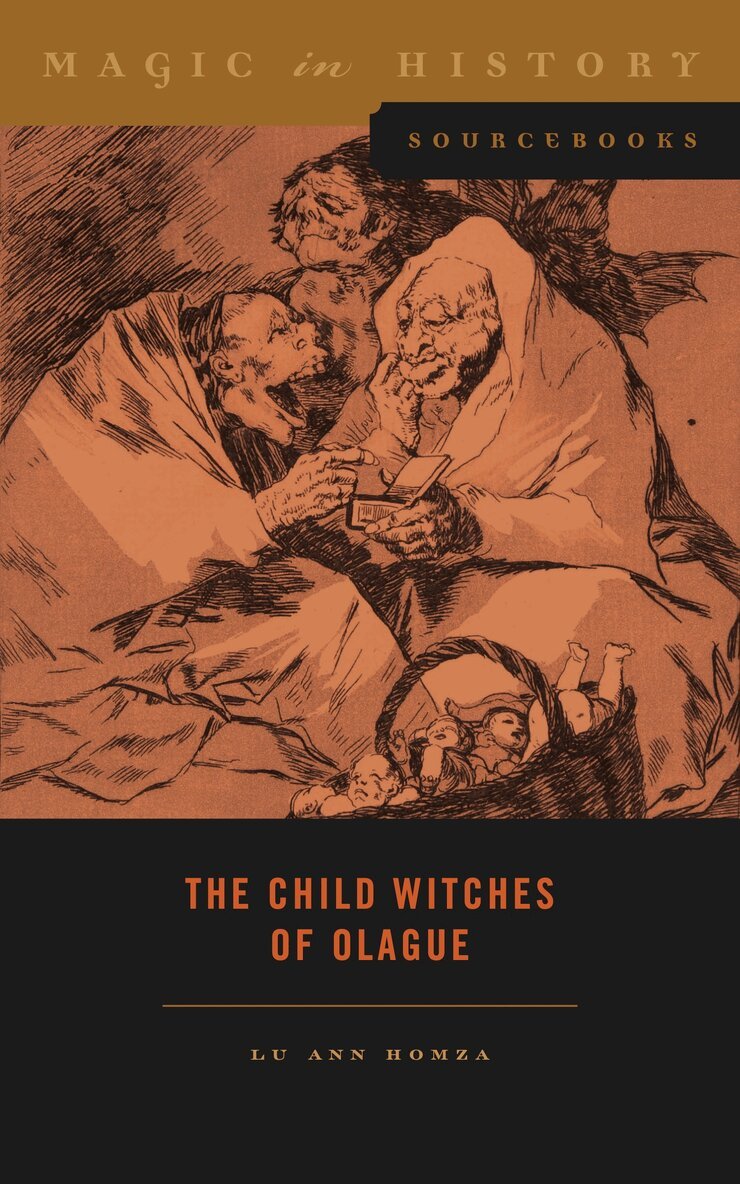
In the early seventeenth century, thousands of children in Spain’s Navarre region claimed to have been bewitched. The Child Witches of Olague features the legal depositions of self-described child witches as well as their parents and victims. The volume sheds new light on Navarre’s massive witch persecution (1608–14), illuminating the tragic cost of witch hunts and opening a new window onto our understanding of early modern Iberian life. Drawing from Spanish-language sources only recently discovered, Homza translates and annotates three court cases from Olague in 1611 and 1612. Two were defamation trials involving the slur “witch,” and the third was a petition for divorce filed by an accused witch and wife. These cases give readers rare access to the voices of illiterate children in the early modern period. They also speak to the emotions of witch-hunting, with testimony about enraged, terrified parents turning to vigilante justice against neighbors. Together the cases highlight gender norms of the time, the profound honor code of early modern Navarre, and the power of children to alter adult lives. With translations of Inquisition correspondence and printed pamphlets added for context, The Child Witches of Olague offers a portrait of witch-hunting as a horrific, contagious process that fractured communities. This riveting, one-of-a-kind book will appeal to anyone interested in the history of witch hunts, life in early modern Spain, and history as revealed through court testimony.