Makwa Enewed – serie
Visar alla böcker i serien Makwa Enewed. Handla med fri frakt och snabb leverans.
6 produkter
6 produkter
284 kr
Skickas inom 7-10 vardagar
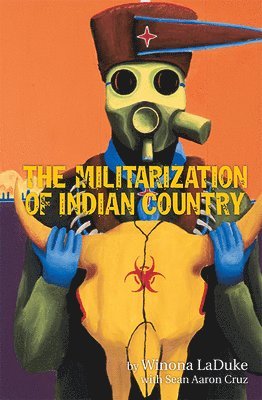
When it became public that Osama bin Laden’s death was announced with the phrase “Geronimo, EKIA!” many Native people, including Geronimo’s descendants, were insulted to discover that the name of a Native patriot was used as a code name for a world-class terrorist. Geronimo descendant Harlyn Geronimo explained, “Obviously to equate Geronimo with Osama bin Laden is an unpardonable slander of Native America and its most famous leader.” The Militarization of Indian Country illuminates the historical context of these negative stereotypes, the long political and economic relationship between the military and Native America, and the environmental and social consequences. This book addresses the impact that the U.S. military has had on Native peoples, lands, and cultures. From the use of Native names to the outright poisoning of Native peoples for testing, the U.S. military’s exploitation of Indian country is unparalleled and ongoing.
404 kr
Skickas inom 7-10 vardagar
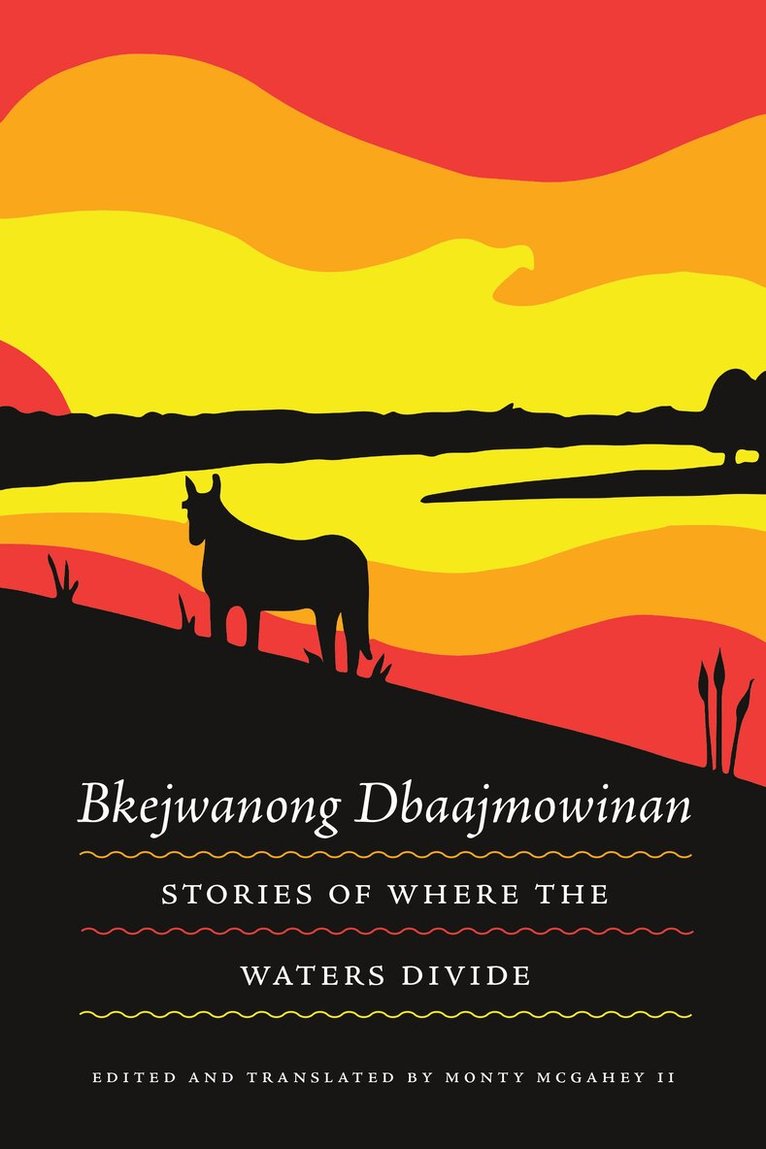
Bkejwanong means “where the waters part,” but the waters of St. Clair River are not a point of separation. The same waters that sustain life on and around Bkejwanong—formerly known as Walpole Island, Ontario—flow down into Chippewas of the Thames, the community to which author Monty McGahey II belongs. While there are no living fluent speakers of Anishinaabemowin in this community, McGahey has fostered relationships with fluent speakers from nearby Bkejwanong. Bkejwanong Dbaajmowinan is a collection of stories from these elders, who understand the vital importance of passing on the language to future generations in order to preserve the beloved language and legacy of the community. Like the waters of St. Clair River, the relationships between language speakers and learners have continued to nourish Anishinaabe communities in Bkejwanong and Chippewas of the Thames, particularly in language revitalization. With English translations, this resource is essential for Anishinaabemowin learners, teachers, linguists, and historians.
581 kr
Skickas inom 7-10 vardagar
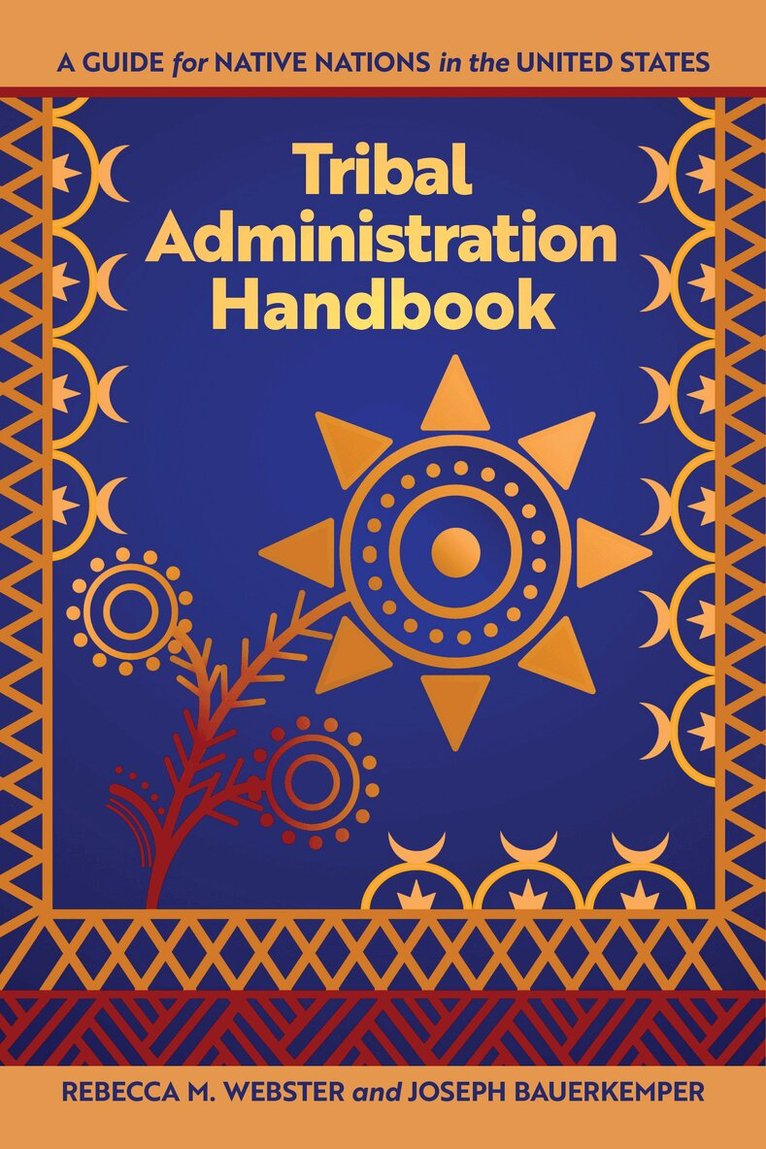
A direct response to the needs and ambitions articulated by tribal administrators and leaders, this handbook seeks to serve practitioners, students, researchers, and community members alike. It grew out of an ongoing collaboration among scholars and practitioners from tribal nations, universities, tribal colleges, and nonprofit organizations who are developing practical and teaching resources in the field of tribal administration and governance. Designed as a readable, accessible volume, it focuses on three key areas: tribal management, funding and delivering core services, and sovereign tribes engaging settler governments. While the chapters complement one another by presenting a coherent and unified constellation of voices that illuminates a shared terrain of practical Indigenous governance, each chapter ultimately stands alone to accommodate a variety of needs and interests with specific best practices, quick-reference executive summaries, and practitioner notes to aid lesson applications. This humble collection of remarkable voices initiates a conversation about tribal administration that will hopefully continue to grow in service to Native nations.
528 kr
Skickas inom 7-10 vardagar
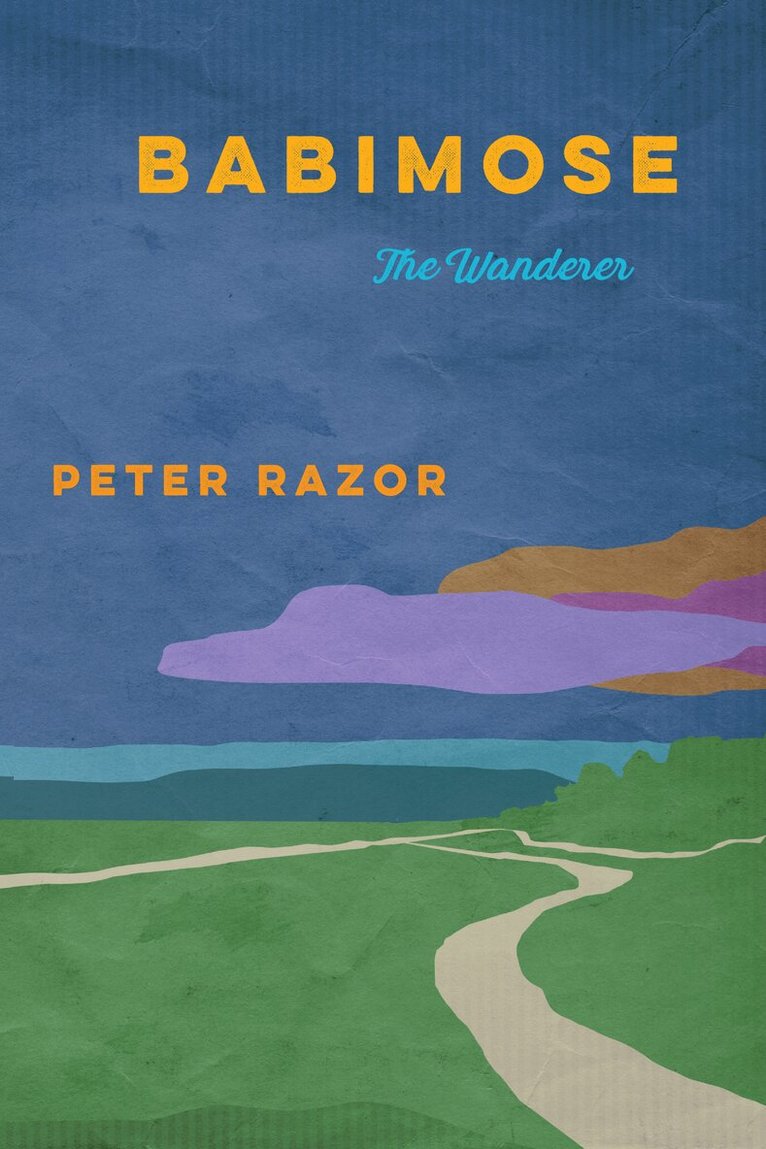
Set against the backdrop of the French and Indian War in the 1750s, this book expands on the legend of Babimose. The legend was passed down as an oral history among Indigenous peoples until it was recorded by a traveling historian who was among the northern Wisconsin Ojibwe in the 1850s. The story recalls a gifted Anishinaabe boy who lived south of Gichigami, now known as Lake Superior, who independently traveled among Indigenous nations. The original story was recorded as a one-page description of Babimose; this book expands on this to explore the language barriers and cultural differences that Babimose would have encountered on his journey. The lessons he learned about people and their resilience in the region still offer lessons for readers today.
528 kr
Skickas inom 7-10 vardagar
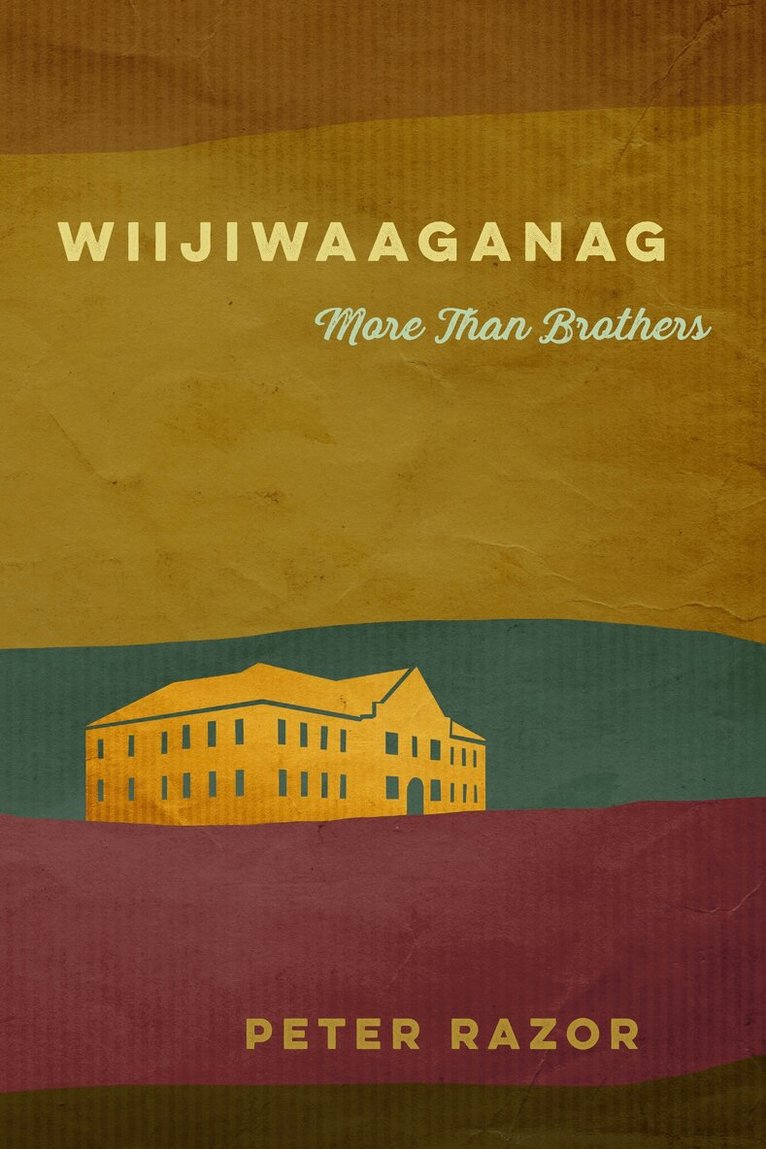
Niizh Eshkanag is a member of the first generation of Anishinaabe children required to attend a U.S. government boarding school—schools infamously intended to “kill the Indian and save the man,” or forcibly assimilate Native students into white culture. At the Yardley Indian Boarding School in northern Minnesota, far from his family, Niizh Eshkanag endures abuse from the school staff and is punished for speaking his native language. After his family moves him to a school that is marginally better, he meets Roger Poznanski, the principal’s white nephew, who arrives to live with his uncle’s family and attend the school. Though Roger is frightened of his Indian classmates at first, Niizh Eshkanag befriends him, and they come to appreciate and respect one another’s differences. When a younger Anishinaabe student runs away into a winter storm after being beaten by a school employee, Niizh Eshkanag and Roger join forces to rescue him, beginning an adventure that change their lives and the way settlers, immigrants and the Anishinaabe people of the Great Lakes think about each other and their shared future.
577 kr
Skickas inom 7-10 vardagar
For the Oneida people, yukwanénste has two meanings: our corn and our precious. Corn has walked alongside the Oneida and other Haudenosaunee people since creation, playing an integral role in their daily and ceremonial lives throughout their often turbulent history. The relationship between corn and the Oneida has changed over time, but the spirit of this important resource has remained by their side, helping them heal along the way. In Our Precious Corn: Yukwanénste, author Rebecca M. Webster (Kanyʌʔtake·lu), an Oneida woman and Indigenous corn grower, weaves together the words of explorers, military officers, and anthropologists, as well as historic and other contemporary Haudenosaunee people, to tell a story about their relationships with corn. Interviews with over fifty Oneida community members describe how the corn has made positive impacts on their lives, as well as hopeful visions for its future. As an added bonus, the book includes an appendix of different cooking and preparation methods for corn, including traditional and modern recipes.