Many Wests - Böcker
Visar alla böcker i serien Many Wests. Handla med fri frakt och snabb leverans.
5 produkter
5 produkter
720 kr
Skickas inom 10-15 vardagar
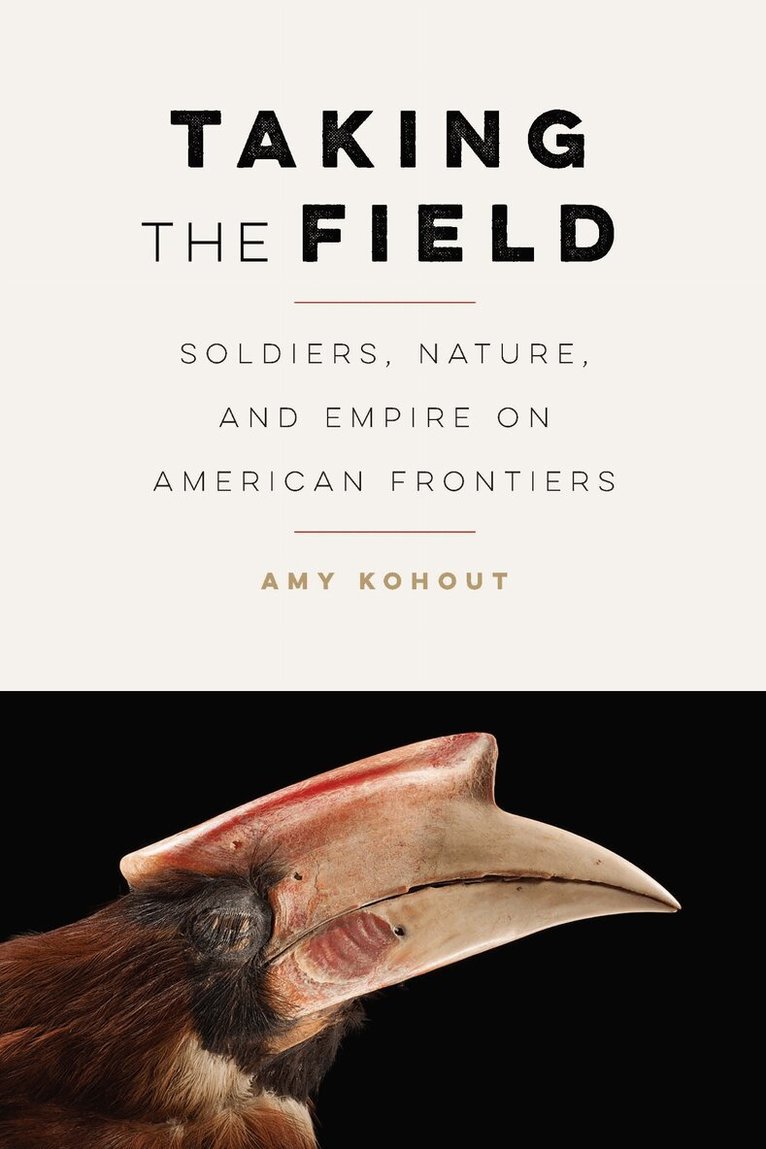
Winner of the 2024 Robert M. Utley PrizeWinner of the 2024 Hal K. Rothman PrizePublished in Cooperation with the William P. Clements Center for Southwest Studies, Southern Methodist University.In the late nineteenth century, at a time when Americans were becoming more removed from nature than ever before, U.S. soldiers were uniquely positioned to understand and construct nature’s ongoing significance for their work and for the nation as a whole. American ideas and debates about nature evolved alongside discussions about the meaning of frontiers, about what kind of empire the United States should have, and about what it meant to be modern or to make “progress.” Soldiers stationed in the field were at the center of these debates, and military action in the expanding empire brought new environments into play.In Taking the Field Amy Kohout draws on the experiences of U.S. soldiers in both the Indian Wars and the Philippine-American War to explore the interconnected ideas about nature and empire circulating at the time. By tracking the variety of ways American soldiers interacted with the natural world, Kohout argues that soldiers, through their words and their work, shaped Progressive Era ideas about both American and Philippine environments. Studying soldiers on multiple frontiers allows Kohout to inject a transnational perspective into the environmental history of the Progressive Era, and an environmental perspective into the period’s transnational history. Kohout shows us how soldiers-through their writing, their labor, and all that they collected-played a critical role in shaping American ideas about both nature and empire, ideas that persist to the present.
665 kr
Skickas inom 10-15 vardagar
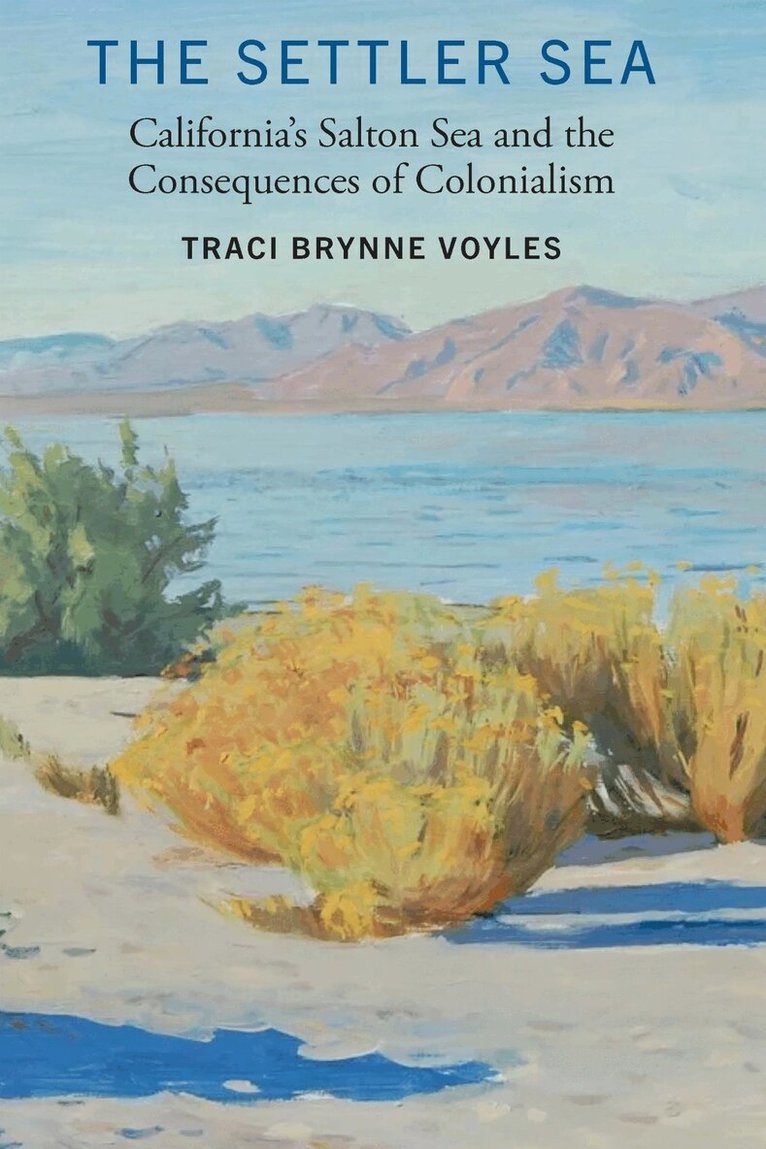
2022 Choice Outstanding Academic Title 2022 Caughey Western History Prize, Western History AssociationCan a sea be a settler? What if it is a sea that exists only in the form of incongruous, head-scratching contradictions: a wetland in a desert, a wildlife refuge that poisons birds, a body of water in which fish suffocate? Traci Brynne Voyles’s history of the Salton Sea examines how settler colonialism restructures physical environments in ways that further Indigenous dispossession, racial capitalism, and degradation of the natural world. In other words, The Settler Sea asks how settler colonialism entraps nature to do settlers’ work for them.The Salton Sea, Southern California’s largest inland body of water, occupies the space between the lush agricultural farmland of the Imperial Valley and the austere desert called “America’s Sahara.” The sea sits near the boundary between the United States and Mexico and lies at the often-contested intersections of the sovereign lands of the Torres Martinez Desert Cahuillas and the state of California. Created in 1905, when overflow from the Colorado River combined with a poorly constructed irrigation system to cause the whole river to flow into the desert, this human-maintained body of water is considered a looming environmental disaster.The Salton Sea’s very precariousness-existing always in the interstices of human and natural influences, between desert and wetland, between the skyward pull of the sun and the constant inflow of polluted water-is both a symptom and symbol of the larger precariousness of settler relationships to the environment, in the West and beyond. Voyles provides an innovative exploration of the Salton Sea, looking to the ways the sea, its origins, and its role in human life have been vital to the people who call this region home.
322 kr
Skickas inom 10-15 vardagar
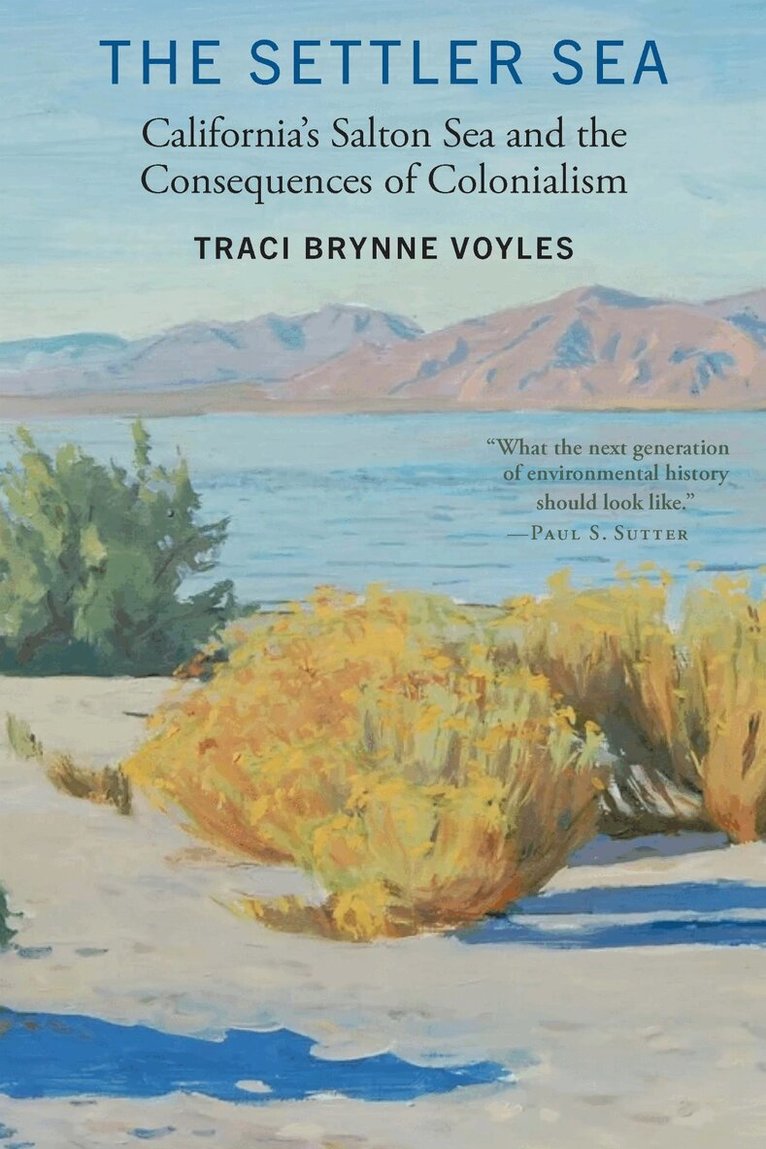
2022 Choice Outstanding Academic Title 2022 Caughey Western History Prize, Western History AssociationCan a sea be a settler? What if it is a sea that exists only in the form of incongruous, head-scratching contradictions: a wetland in a desert, a wildlife refuge that poisons birds, a body of water in which fish suffocate? Traci Brynne Voyles’s history of the Salton Sea examines how settler colonialism restructures physical environments in ways that further Indigenous dispossession, racial capitalism, and degradation of the natural world. In other words, The Settler Sea asks how settler colonialism entraps nature to do settlers’ work for them.The Salton Sea, Southern California’s largest inland body of water, occupies the space between the lush agricultural farmland of the Imperial Valley and the austere desert called “America’s Sahara.” The sea sits near the boundary between the United States and Mexico and lies at the often-contested intersections of the sovereign lands of the Torres Martinez Desert Cahuillas and the state of California. Created in 1905, when overflow from the Colorado River combined with a poorly constructed irrigation system to cause the whole river to flow into the desert, this human-maintained body of water is considered a looming environmental disaster.The Salton Sea’s very precariousness-existing always in the interstices of human and natural influences, between desert and wetland, between the skyward pull of the sun and the constant inflow of polluted water-is both a symptom and symbol of the larger precariousness of settler relationships to the environment, in the West and beyond. Voyles provides an innovative exploration of the Salton Sea, looking to the ways the sea, its origins, and its role in human life have been vital to the people who call this region home.
322 kr
Skickas inom 10-15 vardagar
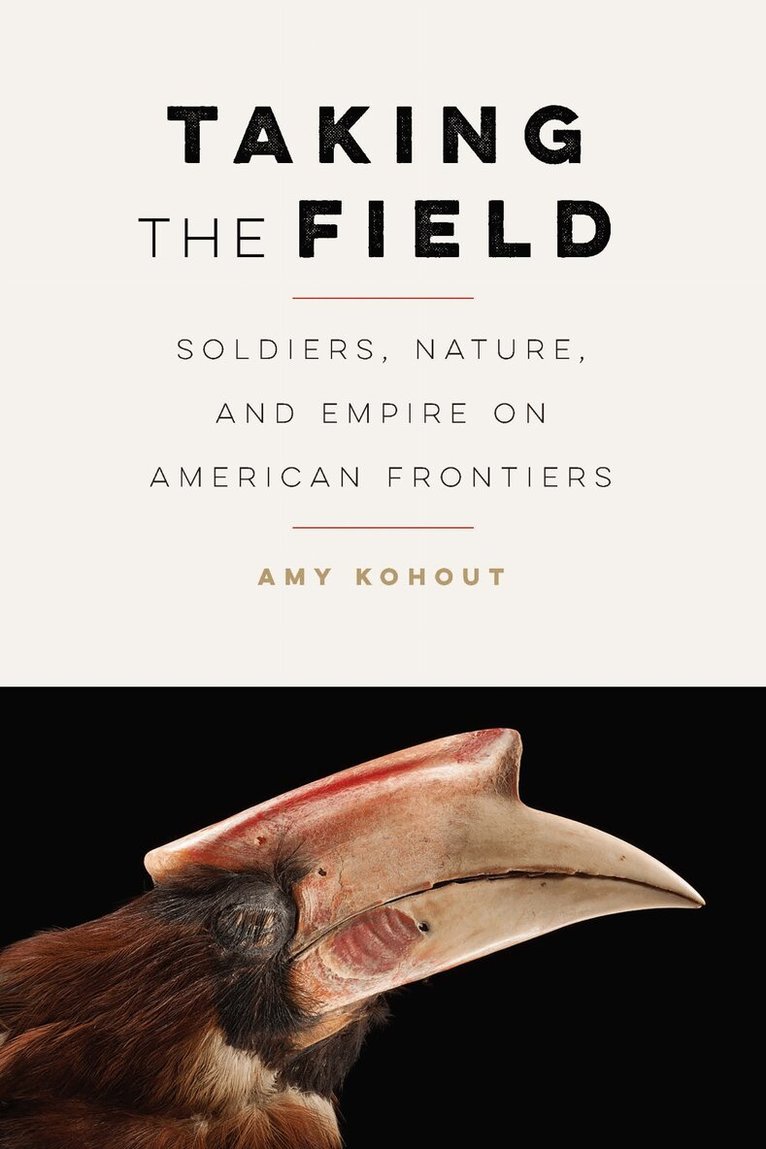
Winner of the 2024 Robert M. Utley PrizeWinner of the 2024 Hal K. Rothman PrizePublished in Cooperation with the William P. Clements Center for Southwest Studies, Southern Methodist University.In the late nineteenth century, at a time when Americans were becoming more removed from nature than ever before, U.S. soldiers were uniquely positioned to understand and construct nature’s ongoing significance for their work and for the nation as a whole. American ideas and debates about nature evolved alongside discussions about the meaning of frontiers, about what kind of empire the United States should have, and about what it meant to be modern or to make “progress.” Soldiers stationed in the field were at the center of these debates, and military action in the expanding empire brought new environments into play.In Taking the Field Amy Kohout draws on the experiences of U.S. soldiers in both the Indian Wars and the Philippine-American War to explore the interconnected ideas about nature and empire circulating at the time. By tracking the variety of ways American soldiers interacted with the natural world, Kohout argues that soldiers, through their words and their work, shaped Progressive Era ideas about both American and Philippine environments. Studying soldiers on multiple frontiers allows Kohout to inject a transnational perspective into the environmental history of the Progressive Era, and an environmental perspective into the period’s transnational history. Kohout shows us how soldiers-through their writing, their labor, and all that they collected-played a critical role in shaping American ideas about both nature and empire, ideas that persist to the present.
665 kr
Skickas inom 10-15 vardagar
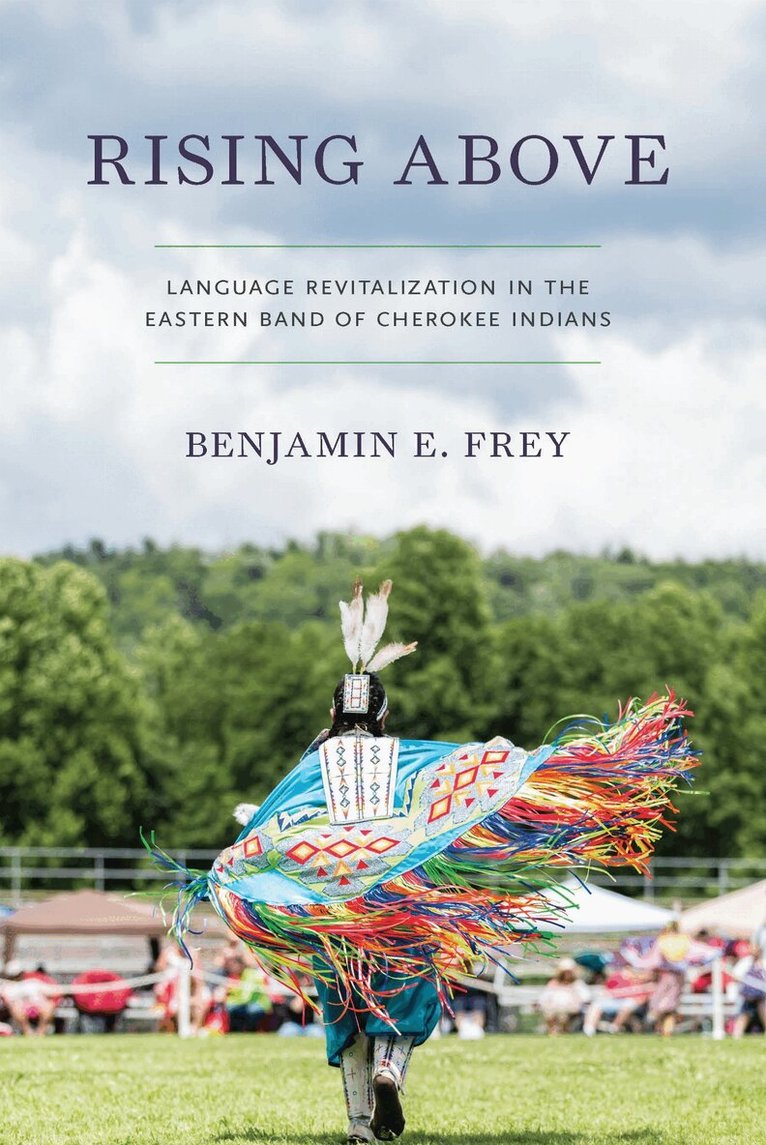
Today there are roughly two hundred first-language Cherokee speakers among the seventeen thousand citizens of the Eastern Band of Cherokee Indians in North Carolina. In 2019 the United Keetoowah Band, the Cherokee Nation, and the Eastern Band of Cherokee Indians declared a state of emergency for the Cherokee language.In Rising Above Eastern Band Cherokee citizen Benjamin E. Frey chronicles his odyssey of being introduced to the Cherokee language with trepidation as a young adult and his eventual work revitalizing the Cherokee language in a Cherokee way. In the first book to examine the process of language shift and revitalization among this band, Frey explores the institutional, economic, and social factors that drove the language shift from Cherokee to English, interpreted through the lens of a member of the Eastern Band Cherokee community in conversation with other community members. Rising Above navigates Frey’s upbringing, the intricacies of language and relationships, the impact of trauma, and the quest for joy and healing within the community.In addition to language documentation and preservation, Rising Above explores how to breathe new life into the language and community, using storytelling to discuss the Cherokee language, its grammatical components, and its embedded cultural ideologies alongside its interactions with broader American society.