Material Culture Perspectives – serie
Visar alla böcker i serien Material Culture Perspectives. Handla med fri frakt och snabb leverans.
8 produkter
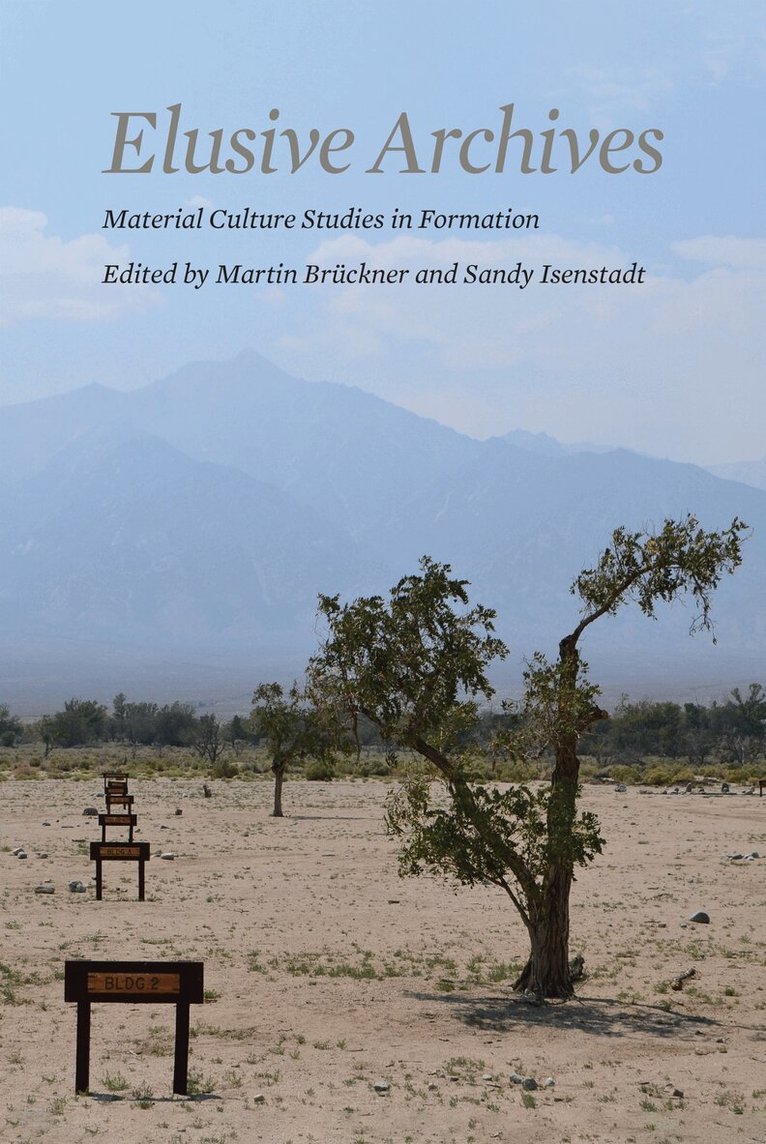
Elusive Archives
Material Culture in Formation
Av Martin Brückner, Sandy Isenstadt
Inbunden, 2021
1243 kr
Lägg i varukorg
The essays that comprise Elusive Archives raise a common question: how do we study material culture when the objects of study are transient, evanescent, dispersed or subjective? Such things resist the taxonomic protocols that institutions, such as museums and archives, rely on to channel their …
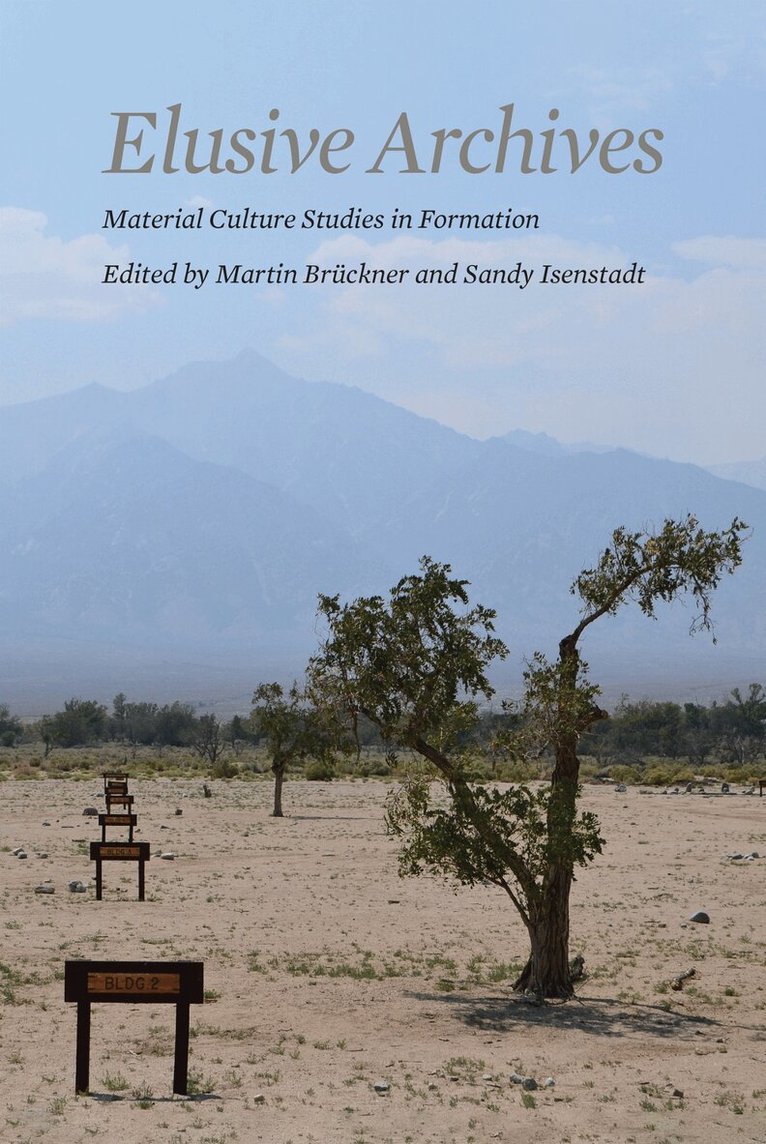
Elusive Archives
Material Culture in Formation
Av Martin Brückner, Sandy Isenstadt
Häftad, 2021
539 kr
Lägg i varukorg
The essays that comprise Elusive Archives raise a common question: how do we study material culture when the objects of study are transient, evanescent, dispersed or subjective? Such things resist the taxonomic protocols that institutions, such as museums and archives, rely on to channel their …
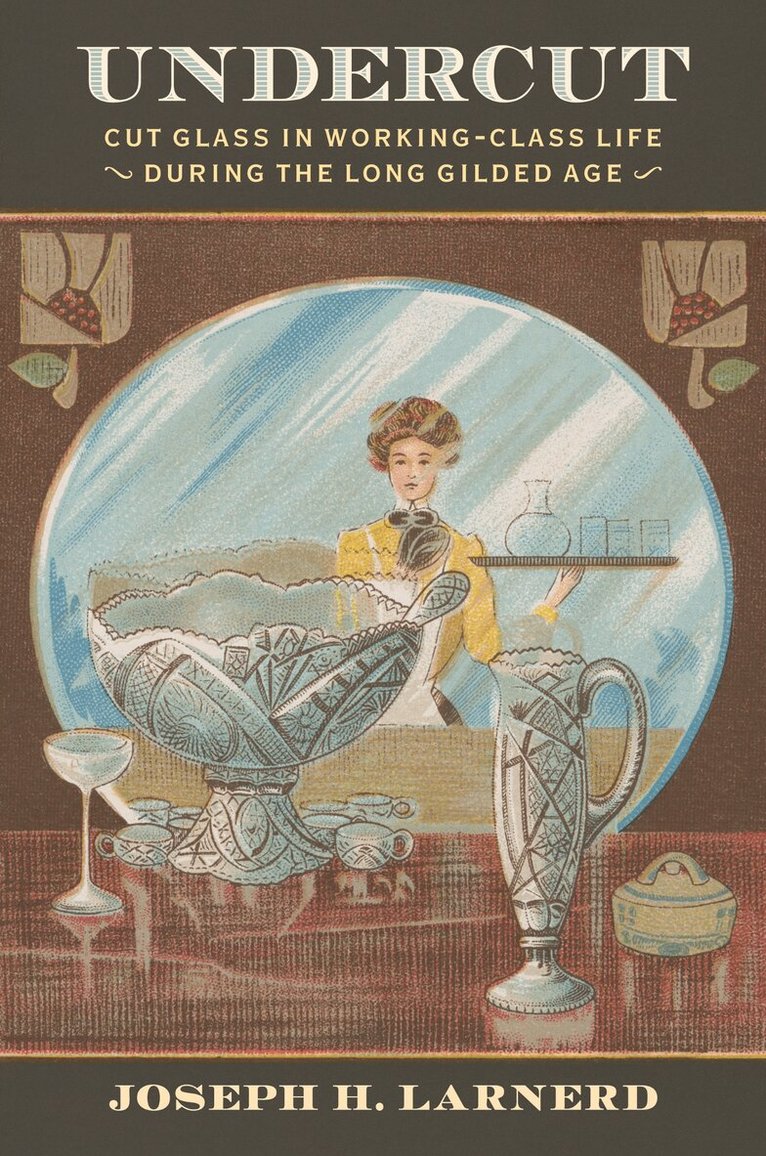
Undercut
Cut Glass in Working-Class Life During the Long Gilded Age
Häftad, 2026
553 kr
Lägg i varukorg
How did workers experience cut glass during its cultural heyday? Rather than privilege the stories of factory owners or wealthy consumers, Undercut: Cut Glass in Working-Class Life During the Long Gilded Age refracts the medium's history through the labors required to make and maintain these …
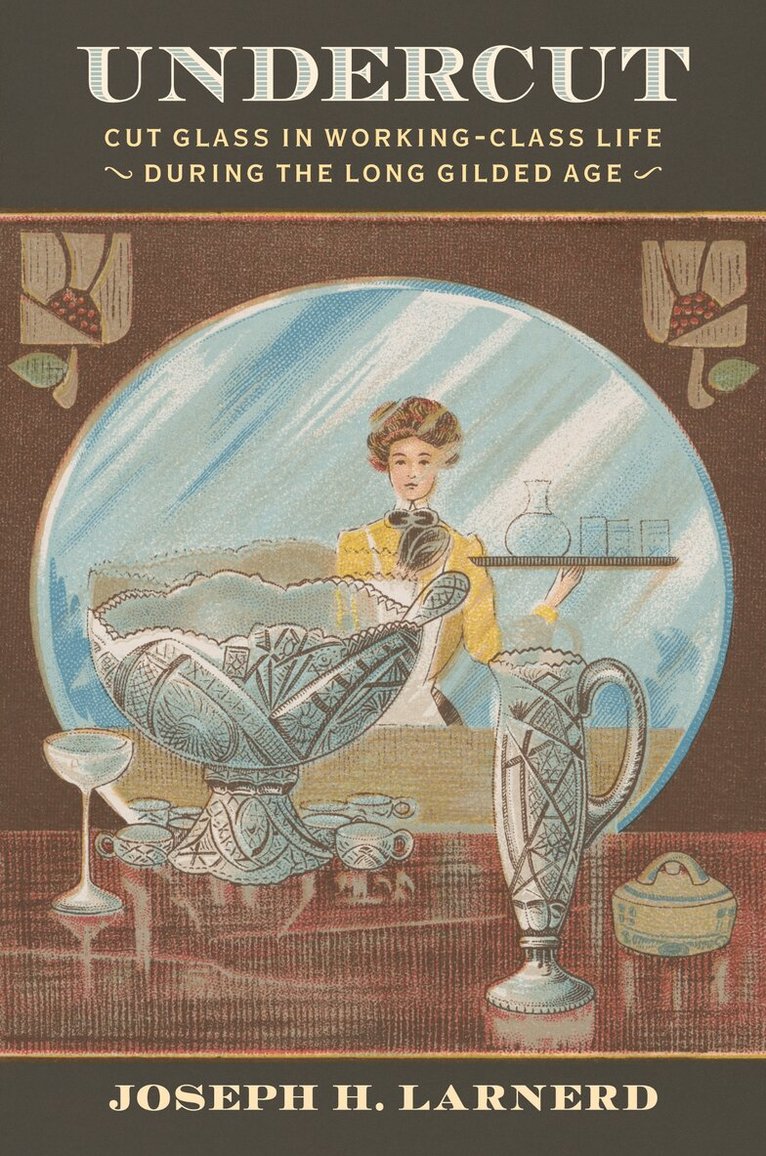
Undercut
Cut Glass in Working-Class Life During the Long Gilded Age
Inbunden, 2026
1501 kr
Lägg i varukorg
How did workers experience cut glass during its cultural heyday? Rather than privilege the stories of factory owners or wealthy consumers, Undercut: Cut Glass in Working-Class Life During the Long Gilded Age refracts the medium's history through the labors required to make and maintain these …
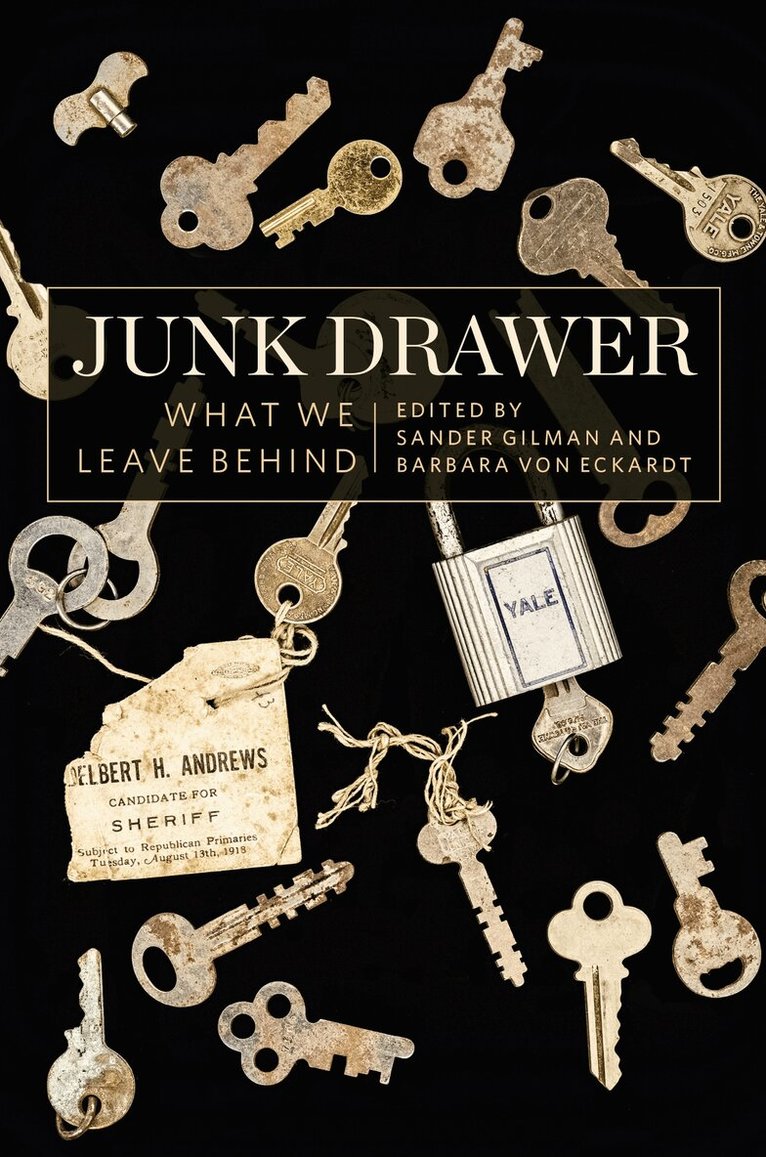
Junk Drawer
What We Leave Behind
Av Sander Gilman, Barbara Von Eckardt
Häftad, 2026
314 kr
Lägg i varukorg
Junk Drawer: What We Leave Behind explores the personal objects that were once treasured by their owners yet were ultimately consigned to online "junk drawer" sales. Photographer and coeditor Barbara Von Eckardt acquired these random assortments from estate remnants on eBay and has documented their …
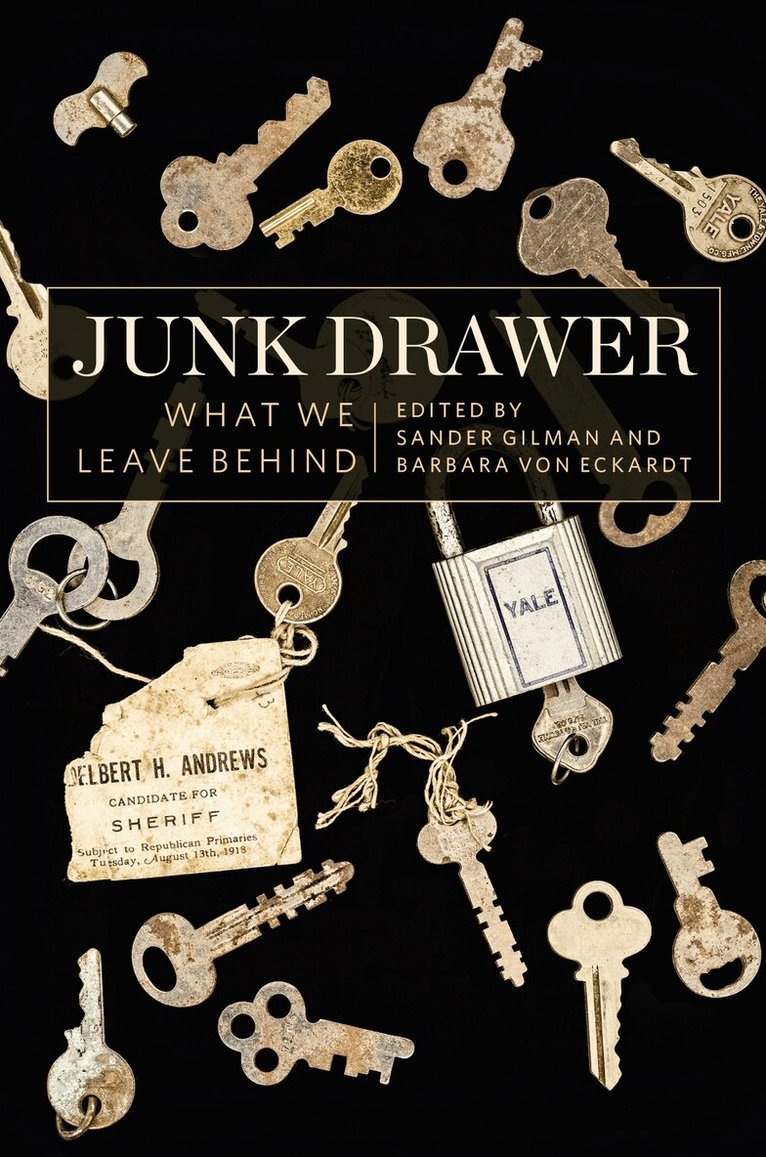
Junk Drawer
What We Leave Behind
Av Sander Gilman, Barbara Von Eckardt
Inbunden, 2026
1501 kr
Lägg i varukorg
Junk Drawer: What We Leave Behind explores the personal objects that were once treasured by their owners yet were ultimately consigned to online "junk drawer" sales. Photographer and coeditor Barbara Von Eckardt acquired these random assortments from estate remnants on eBay and has documented their …
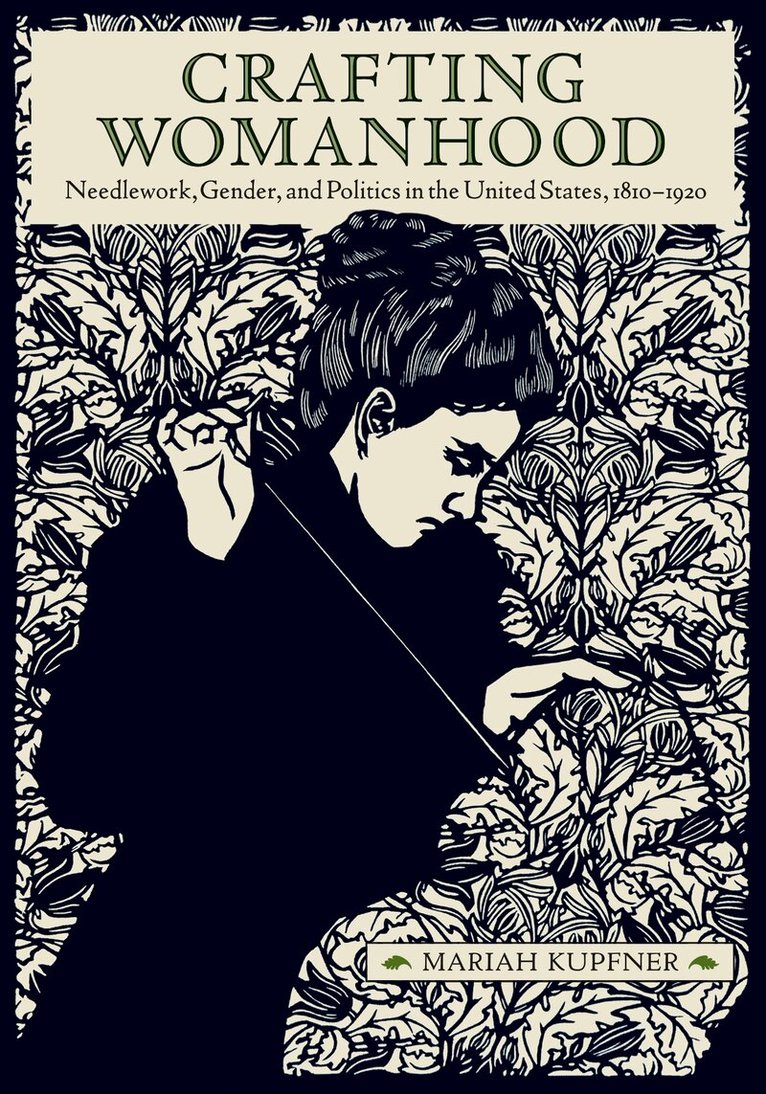
Crafting Womanhood
Needlework, Gender, and Politics in the United States, 1810-1920
Häftad, 2026
635 kr
Kommande
Decorative needlework was a key medium through which American women constructed femininity and its relationship to public and political concerns in the nineteenth and early twentieth centuries. Through samplers, needlecases, lace coats, silk sofas, cotton scraps, banners, and other textile things, …
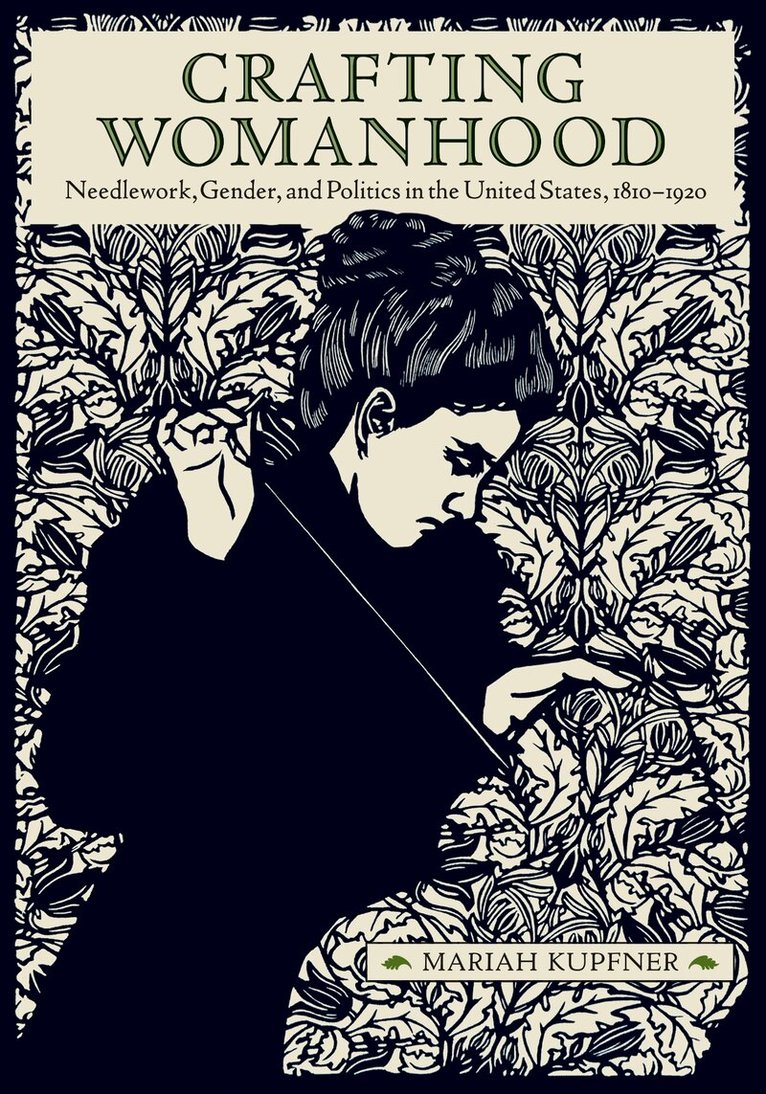
Crafting Womanhood
Needlework, Gender, and Politics in the United States, 1810-1920
Inbunden, 2026
1731 kr
Kommande
Decorative needlework was a key medium through which American women constructed femininity and its relationship to public and political concerns in the nineteenth and early twentieth centuries. Through samplers, needlecases, lace coats, silk sofas, cotton scraps, banners, and other textile things, …