Medieval European Studies Series - Böcker
Visar alla böcker i serien Medieval European Studies Series. Handla med fri frakt och snabb leverans.
14 produkter
14 produkter
544 kr
Skickas inom 10-15 vardagar
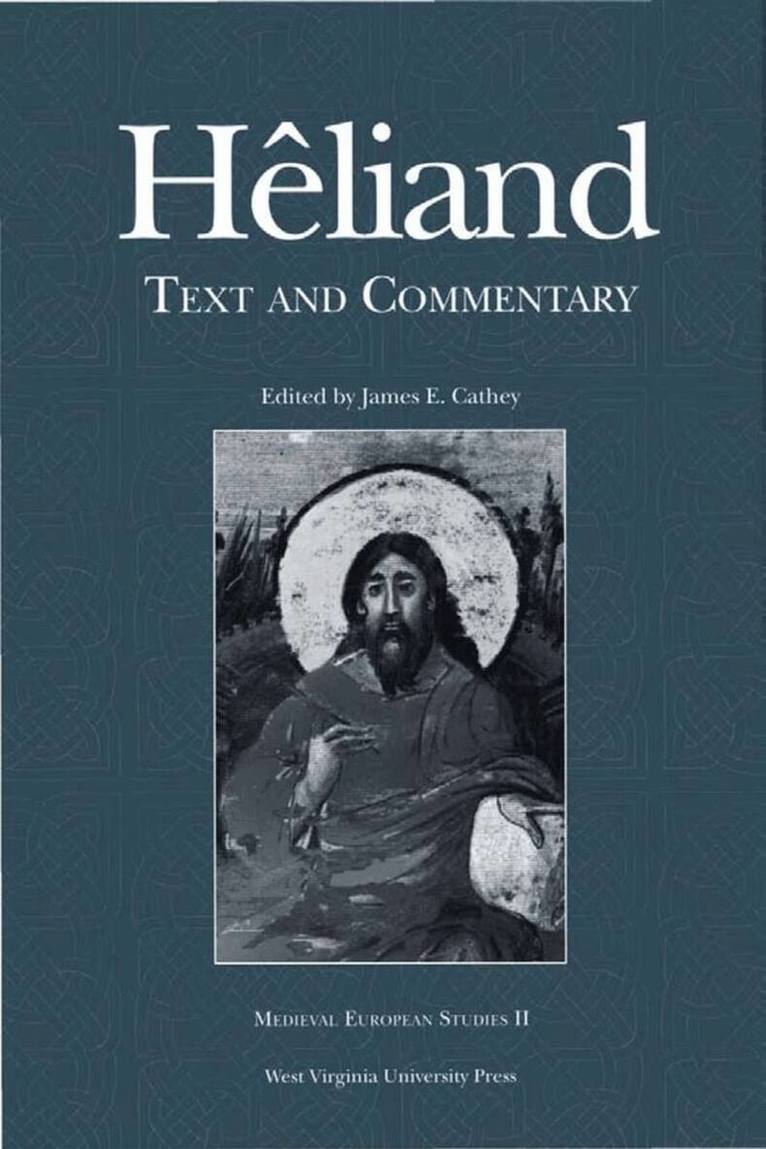
James E. Cathey's Heliand: Text and Commentary is a simply unique, wonderfully encompassing, and helpful text, and nothing quite like it exists anywhere in the world. The commentary portion of the book consists of an interweaving of interpretation and philological consideration. This work presents the reader with explanatory commentary that encompasses both the scientific and the poetic and treats them both with equal felicity. The volume also contains something that is exceptionally valuable and cannot be found in English: a compact and serviceable grammar of Old Saxon and an appended glossary that defines all of the vocabulary found in this edited version of the Heliand.
544 kr
Skickas inom 10-15 vardagar
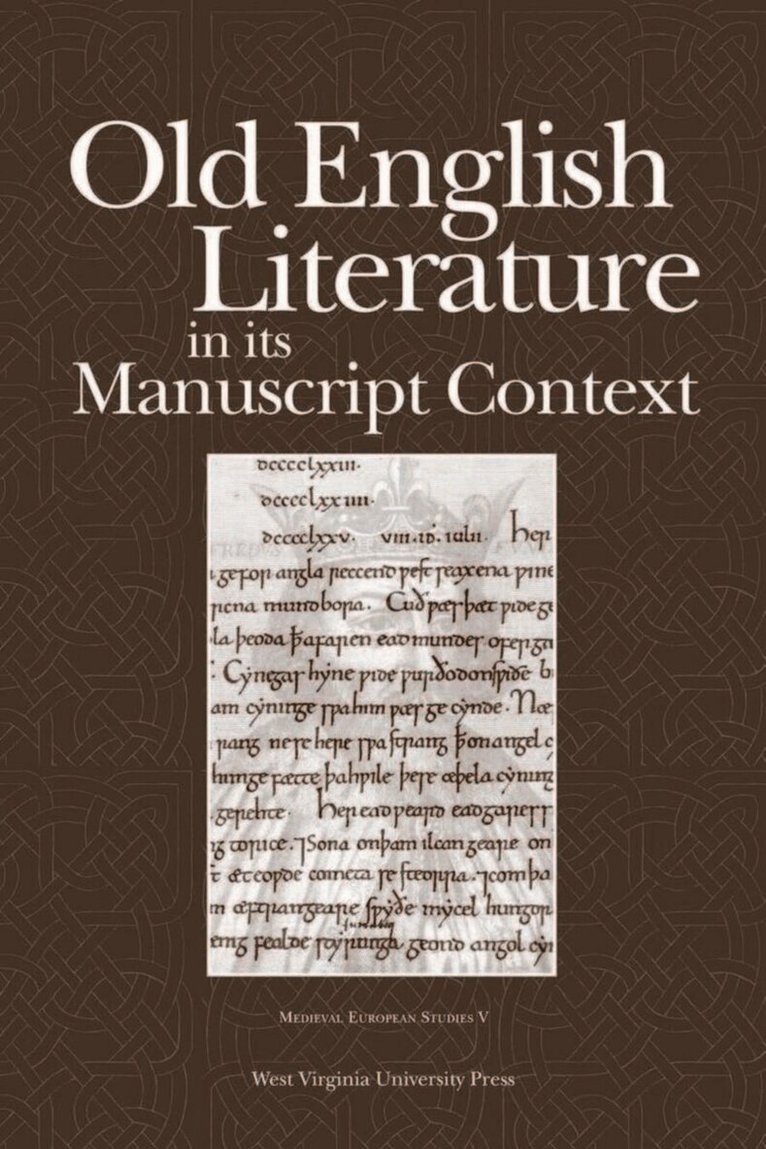
In Old English Literature in its Manuscript Context, editor Joyce Tally Lionarons has developed a multifaceted collection examining the issues facing the textual transmission of Anglo-Saxon writings. Eight established scholars consider the ideas of textual identity, authorship and translation, and editorial standards and obligations. This work also features a scholarly exchange of ideas and photographs of the original Anglo-Saxon manuscripts, making this essential reading for anyone interested in the history of Old English literature. The essays published in this text were originally composed at an NEH summer seminar conducted by Paul Szarmach and Timothy Graham at the Parker Library of Corpus Christi College, Cambridge in 1997.
544 kr
Skickas inom 10-15 vardagar
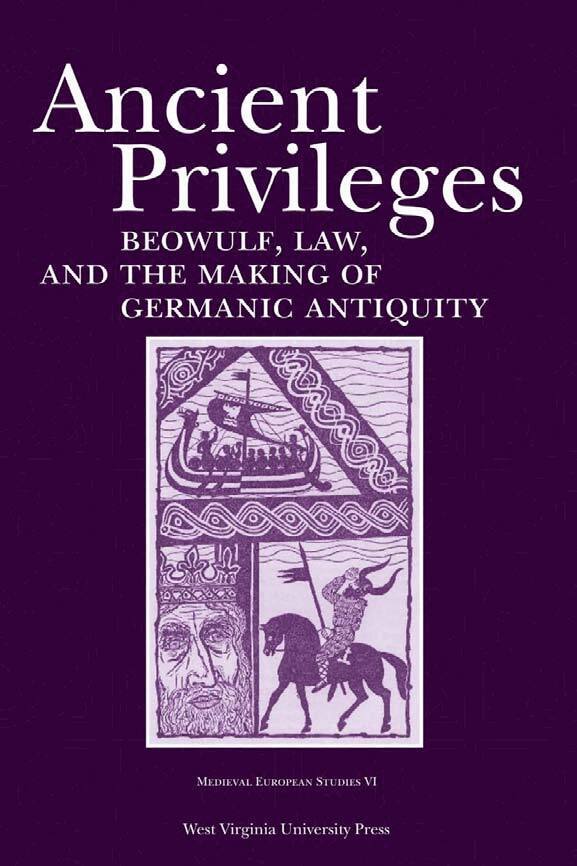
One of the great triumphs of nineteenth-century philology was the development of the wide array of comparative data that underpins the grammars of the Old Germanic dialects, such as Old English, Old Icelandic, Old Saxon, and Gothic. These led to the reconstruction of Common Germanic and Proto-Germanic languages. Many individuals have forgotten that scholars of the same period were interested in reconstructing the body of ancient law that was supposedly shared by all speakers of Germanic. Stefan Jurasinski's Ancient Privileges: Beowulf, Law, and the Making of the Germanic Antiquity recounts how the work of nineteenth-century legal historians actually influenced the editing of Old English texts, most notably Beowulf, in ways that are still preserved in our editions. This situation has been a major contributor to the archaizing of Beowulf. In turn, Jurasinski's careful analysis of its assumptions in light of contemporary research offers a model for scholars to apply to a number of other textual artifacts that have been affected by what was known as the historische Rechtsschule. At the very least, it will change the way you think about Beowulf.
544 kr
Skickas inom 10-15 vardagar
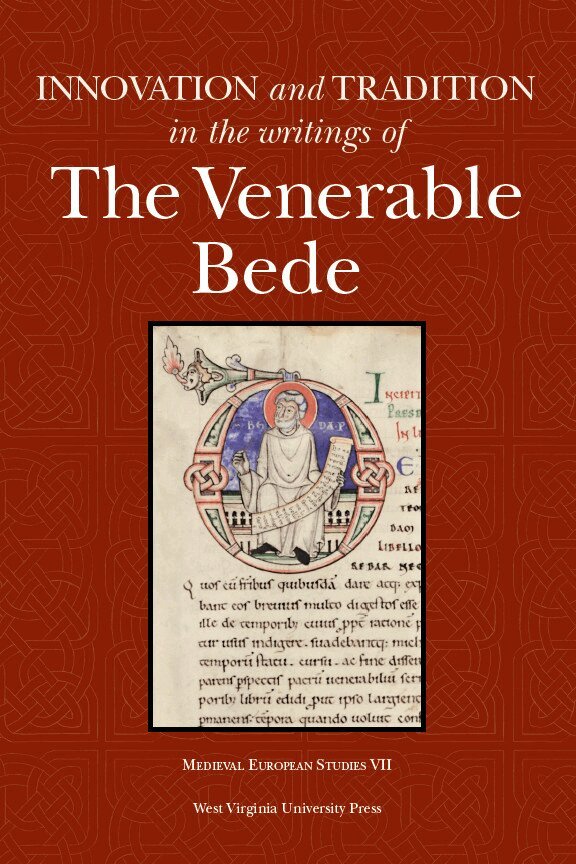
Works prior to this book focused on Bede as not only a European, but also as an English scholar, historian, scientist, or a biographer of saints, and have used a traditional approach towards his explanation of the Bible. Bede's interpretation of his work, its continuous progress, and the reasons behind his hurried appointment to an authority almost as high as the Church Fathers are all topics examined within the text. Essays are by Roger Ray, Faith Wallis, Calvin B. Kendall, George Hardin Brown, Scott DeGregorio, Arthur G. Holder, Lawrence T. Martin, Walter Goffart, and Joyce Hill.
544 kr
Skickas inom 10-15 vardagar
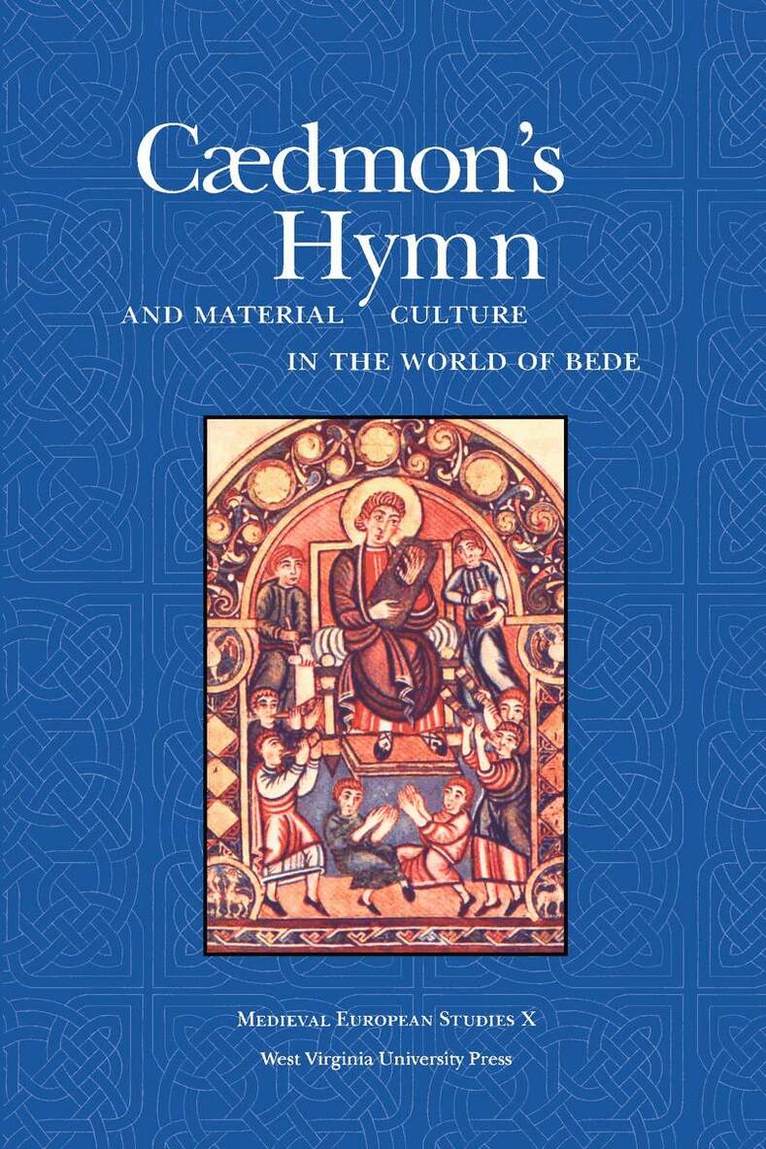
The essays in this book use the nine-line poem known as ""Cædmon's Hymn"" as a lens on the world of Bede's Ecclesiastical History. A cowherd who is given a divine gift, Cædmon retells the great narratives of Christian history in the traditional form of Anglo-Saxon verse. An immense amount has been written about this episode, much of it concentrating on the hymn's significance in the history of English literature. Relatively little attention has been paid to what the story of Cædmon and his hymn might tell us about the material as well as the textual culture of Bede's world. The essays in this collection seek to connect ""Cædmon's Hymn"" to Bede s material world in various ways. Each chapter begins with the hymn and moves from the text to the worlds of scientific thought, settlements and social hierarchy, monastic reform, ordinary things, and others. The connections explored here are a sampling of the material concerns this one text, ""Cædmon's Hymn,"" raises.
Cross and Culture in Anglo-Saxon England
Studies in Honor of George Hardin Brown
Häftad, Engelska, 2008
515 kr
Skickas inom 11-20 vardagar
As Volume One in the Sancta Crux/Halig Rod series, this collection of new research offers fascinating glimpses into how the way the cross, the central image of Christianity in the Anglo-Saxon period, was textualized, reified, visualized, and performed. The cross in early medieval England was so ubiquitous it became invisible to the modern eye, and yet it played an innovative role in Anglo-Saxon culture, medicine, and popular practice. It represented one of the most powerful relics, emblems, and images in medieval culture because it could be duplicated in many forms and was accessible to every layer of society. The volume speaks to critical issues of cultural interpretation for Anglo-Saxonists, medievalists of all disciplines, and those interested in cultural studies in general.
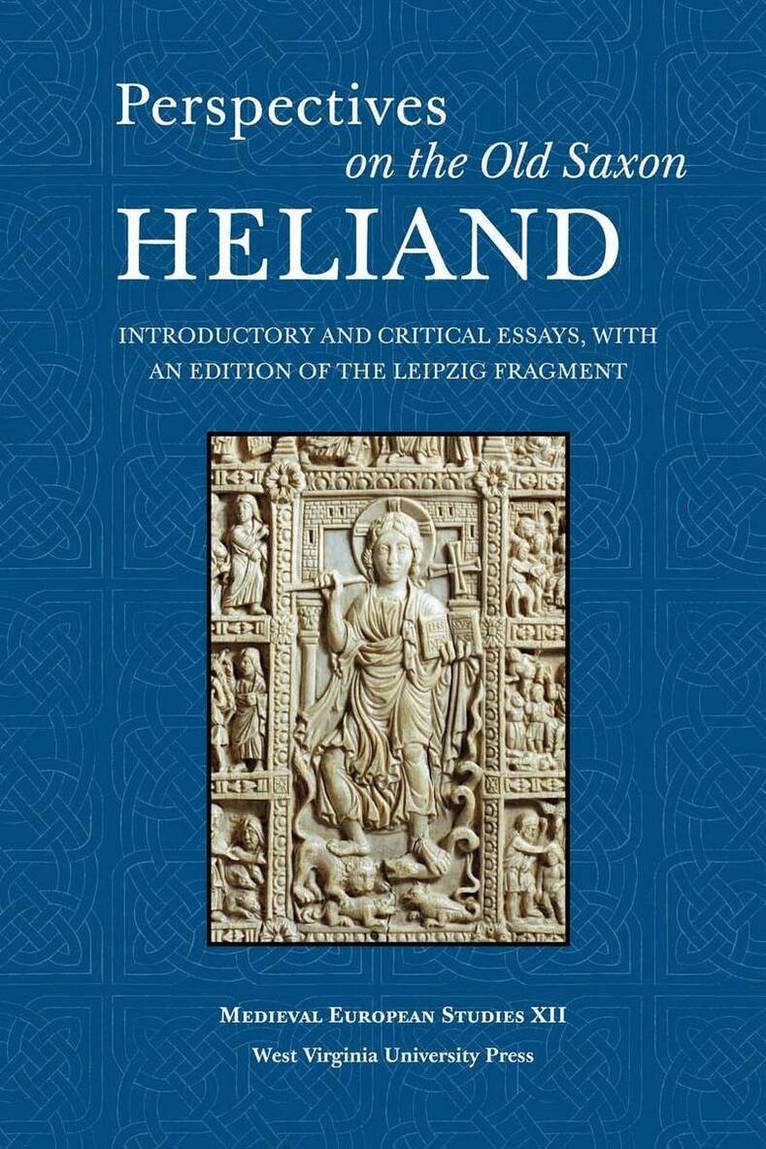
Perspectives on the Old Saxon Heliand
Introductory and Critical Essays, with an Edition of the Leipzig Fragment
Häftad, Engelska, 2010
544 kr
Skickas inom 10-15 vardagar
Heliand, the Old Saxon poem based on the life of Christ in the Gospels, has become more available to students of Anglo-Saxon culture as its influence has reached into a wider range of fields from history to linguistics, literature, and religion. In Perspectives on the Old Saxon Heliand, Valentine Pakis brings together recent scholarship that both addresses new turns in the field and engages with the relevant arguments of the past three decades. Furthering the ongoing critical discussion of both text and culture, this volume also reflects on the current state of the field and demonstrates how it has evolved since the 1970s.
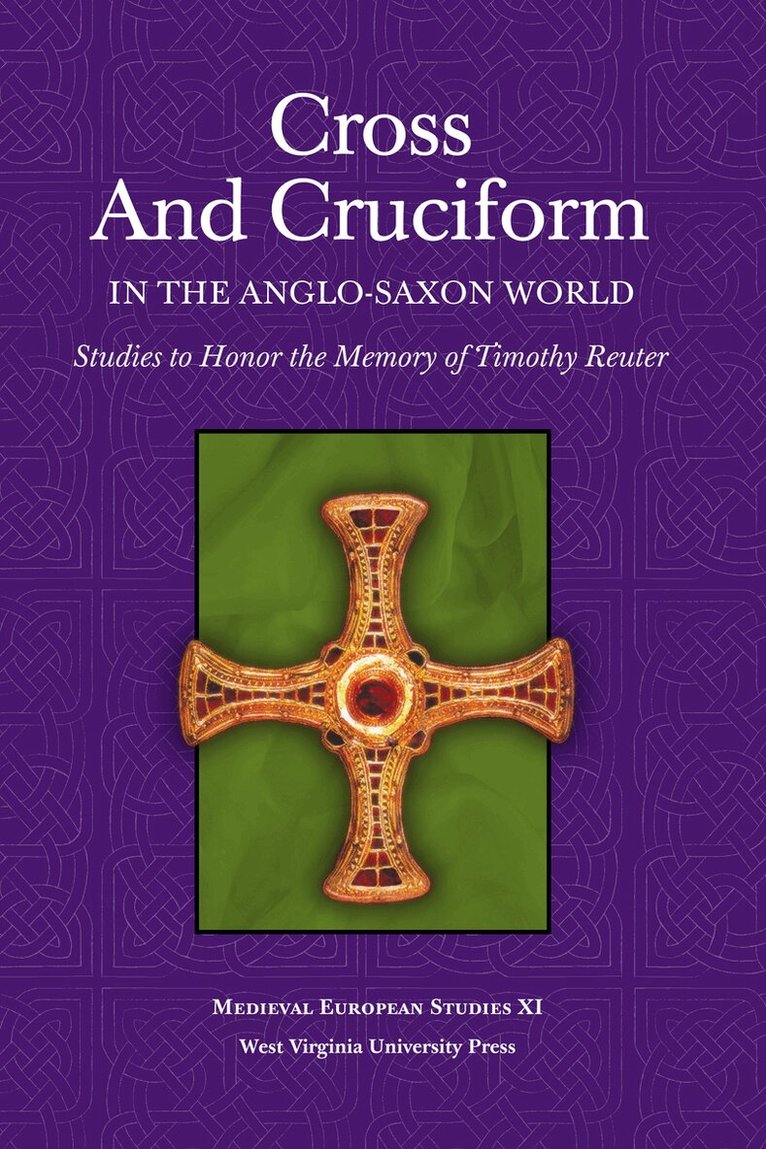
Cross and Cruciform in the Anglo-Saxon World
Studies to Honor the Memory of Timothy Reuter
Häftad, Engelska, 2010
544 kr
Skickas inom 10-15 vardagar
Cross and Cruciform in the Anglo-Saxon World: Studies to Honor the Memory of Timothy Reuter is edited by Sarah Larratt Keefer, Karen Louise Jolly, and Catherine E. Karkov and is the third and final volume of an ambitious research initiative begun in 1999 concerned with the image of the cross, showing how its very material form cuts across both the culture of a society and the boundaries of academic disciplines - history, archaeology, art history, literature, philosophy, and religion - providing vital insights into how symbols function within society. The flexibility, portability, and adaptability of the Anglo-Saxon understanding of the cross suggest that, in pre-Conquest England, at least, the linking of word, image, and performance joined the physical and spiritual, the temporal and eternal, and the earthly and heavenly in the Anglo-Saxon imaginative landscape.This volume is divided into three sections. The first section of the collection focuses on representations of ""The Cross: Image and Emblem,"" with contributions by Michelle P. Brown, David A. E. Pelteret, and Catherine E. Karkov. The second section, ""The Cross: Meaning and Word,"" deals in semantics and semeology with essays by Helen Damico, Rolf Bremmer, and Ursula Lenker. The third section of the book, ""The Cross: Gesture and Structure,"" employs methodologies drawn from archaeology, new media, and theories of rulership to develop new insights into subjects as varied as cereal production, the little-known Nunburnholme Cross, and early medieval concepts of political power.Cross and Cruciform in the Anglo-Saxon World: Studies to Honor the Memory of Timothy Reuter is a major collection of new research, completing the publication series of the Sancta Crux/Halig Rod project. Cross and Culture in Anglo-Saxon England: Studies in Honor of George Hardin Brown.
161 kr
Skickas inom 10-15 vardagar
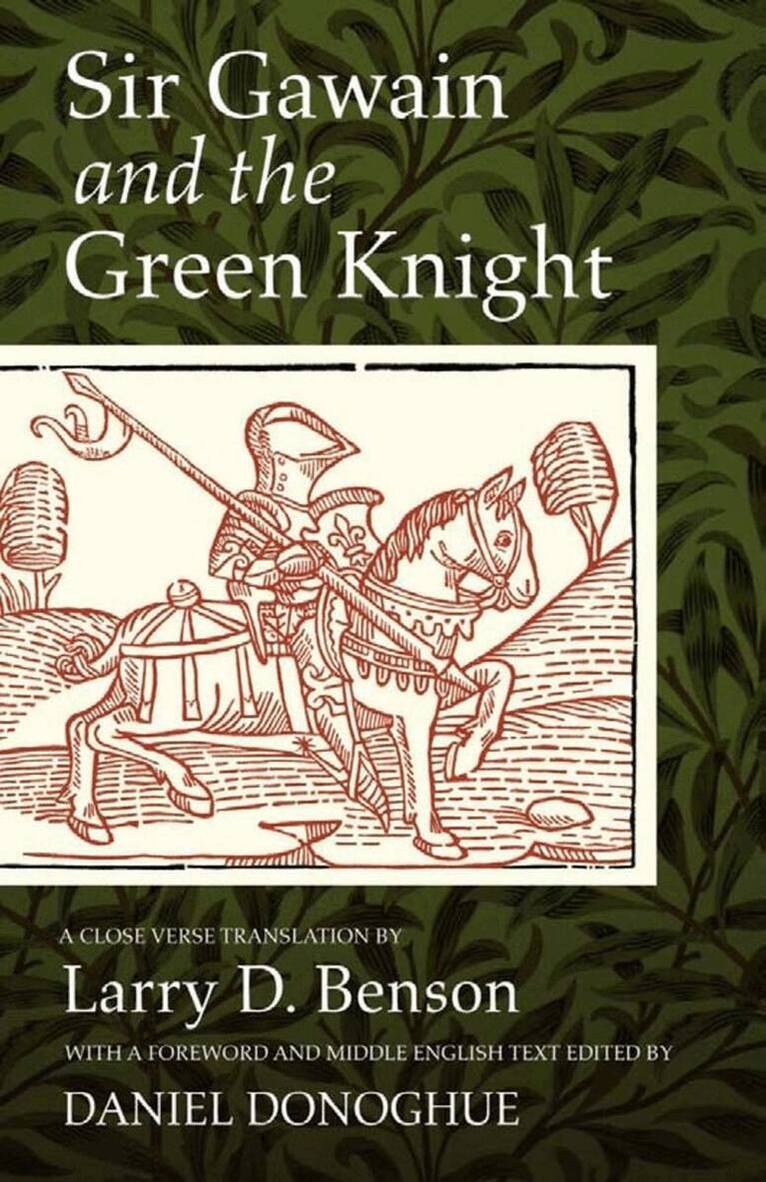
Sir Gawain and the Green Knight is a late fourteenth-century Middle English alliterative romance outlining an adventure of Sir Gawain, a knight of King Arthur's Round Table. In this poem, Sir Gawain accepts a challenge from a mysterious green warrior. In a struggle to uphold his oath along this quest, Gawain demonstrates chivalry, loyalty, and honor. This new verse translation of the most popular and enduring fourteenth century romance to survive to the present offers students an accessible way of approaching the literature of medieval England without losing the flavor of the original writing. The language of Sir Gawain presents considerable problems to present-day readers as it is written in the West Midlands dialect before English became standardized. With a foreword by David Donoghue, the close verse translation includes facing pages of the original fourteenth-century text and its modern translation.
Isidorean Perceptions of Order
The Exeter Book Riddles and Medieval Latin Enigmata
Häftad, Engelska, 2015
544 kr
Skickas inom 10-15 vardagar
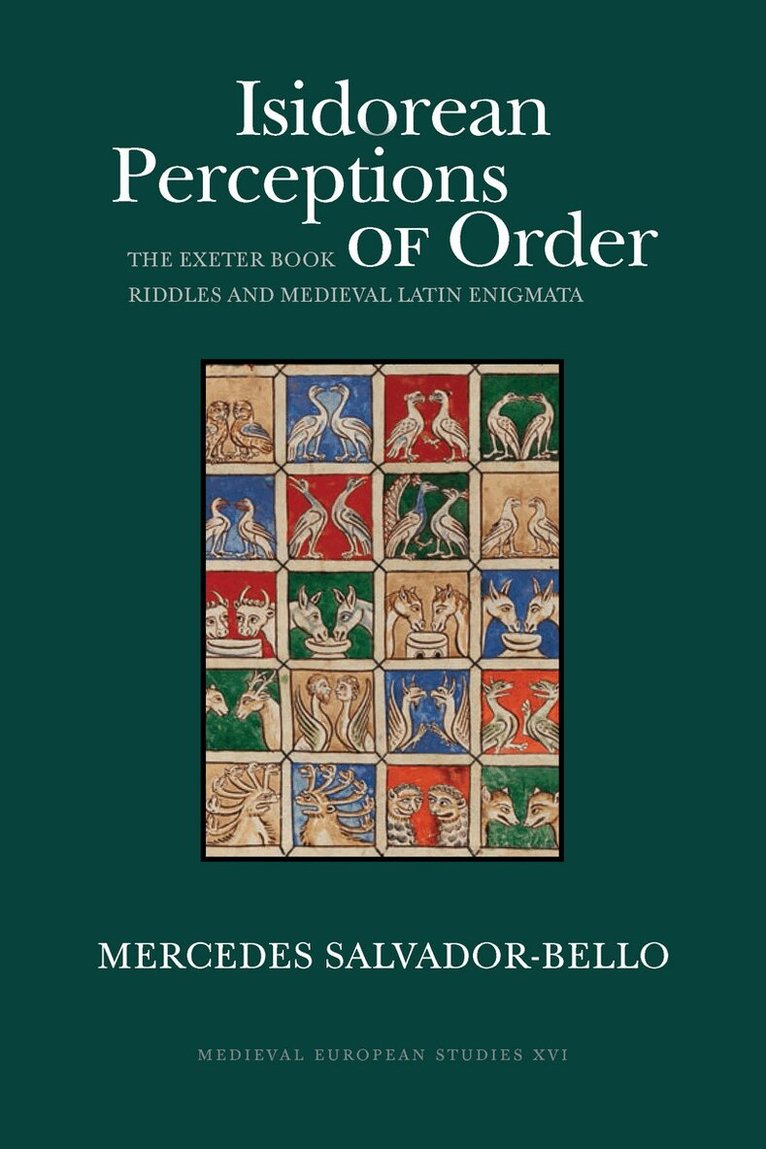
This book discusses the considerable influence exerted by Isidore's Etymologiae on the compilation of early medieval enigmata. Either in the form of thematic clusters or pairs, Isidorean encyclopedic patterns are observed not only in major Latin riddle collections in verse but can also be detected in the two vernacular assemblages contained in the Exeter Book. As with encyclopedias, the topic-centered arrangement of riddles was pursued by compilers as a strategy intended to optimize the didactic and instructional possibilities inherent in these texts and favor the readers' assimilation of their contents. This book thus provides a thoroughgoing investigation of medieval riddling, with special attention to the Exeter Book Riddles, demonstrating that this genre constituted an important part of the school curriculum of the early Middle Ages.
544 kr
Skickas inom 10-15 vardagar
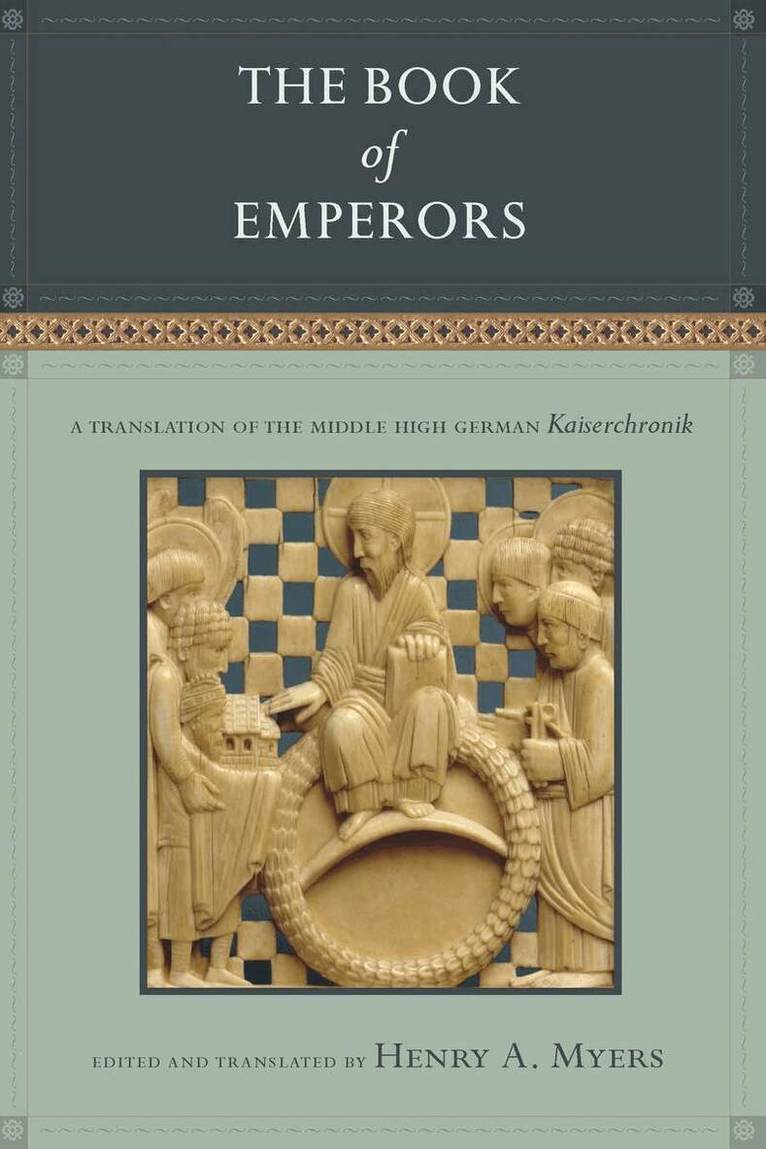
The Kaiserchronik (c.1152-1165) is the first verse chronicle to have been written in a language other than Latin. This story recounts the exploits of the Roman, Byzantine, Carolingian, and Holy Roman kings and rulers, from the establishment of Rome to the start of the Second Crusade. As an early example of popular history, it was written for a non-monastic audience who would have preferred to read, or may only have been able to read, in German. As a rhymed chronicle, its combined use of the styles of language found within a vernacular epic and a factual treaty was a German innovation. The Book of Emperors is the first complete translation of the Kaiserchronik from Middle High German to English. It is a rich resource not only for medieval German scholars and students, but also for those working in early cultural studies. It brings together an understanding of the conception of kingship in the German Middle Ages, from the relationship between emperor and king, to the moral, theological, and legal foundations of claims and legitimacy and the medieval epistemological approaches to historiography. This translation includes a substantial introduction that discusses the historical and philological context of the work, as well as the themes of power and kingship. Each chapter begins with a brief introduction that distinguishes historical truths from the epic fiction found within the original text.
544 kr
Skickas inom 10-15 vardagar
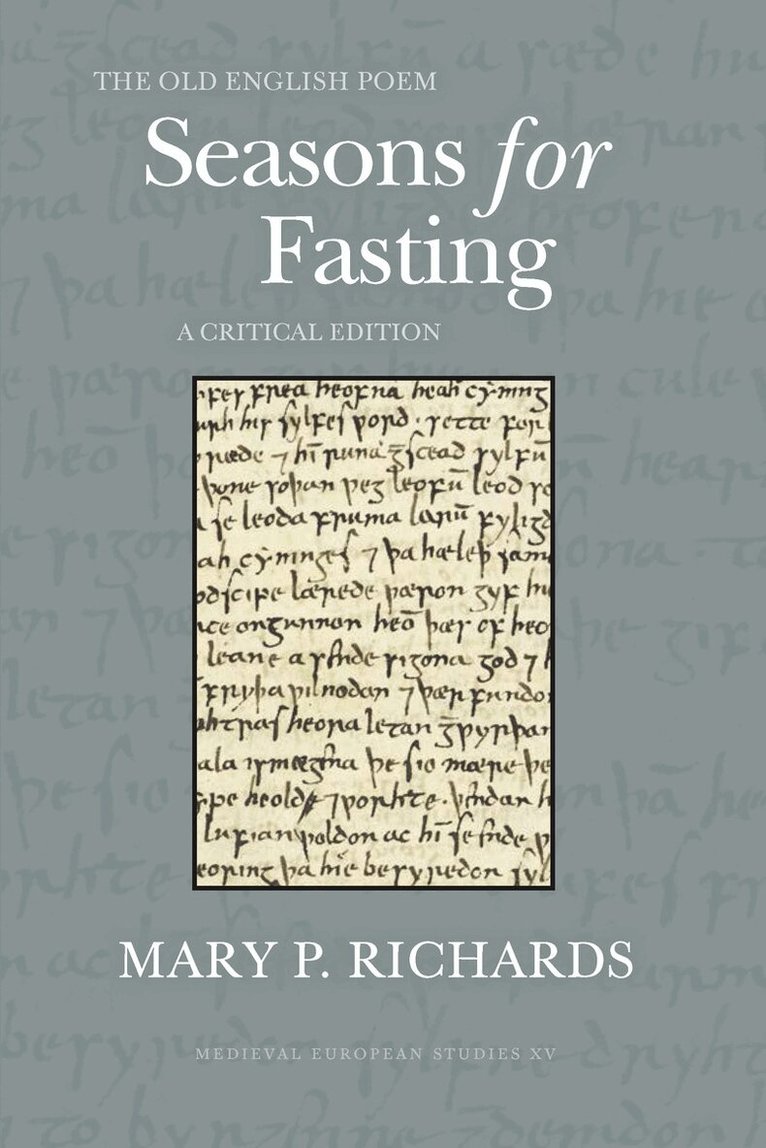
Seasons for Fasting, a late Old English poem probably composed in the early eleventh century, focuses on proper fasting observances in England. This poem, composed in eight-line stanzas, survives only in a sixteenth-century transcript made by the antiquary Laurence Nowell. With its topics, vocabulary, sources, and style derived from those of contemporary ecclesiastical prose, it belongs to a school of late tenth/early eleventh century poetry that only now is coming to be recognized and defined.The Old English Poem Seasons for Fasting: A Critical Edition provides a new text and translation of the poem, accompanied by an extensive introduction, commentary, and glossary. The introduction includes analyses of the poem's manuscript origins, sources, language, meter, style, and structure. The text is collated with all previous editions. The commentary elucidates points of grammar and style, and justifies all editorial decisions. The glossary covers every instance of each word in the poem.Since its discovery among the papers of Laurence Nowell in 1934, the poem has had only four editions, two of the text with basic notes, and two in doctoral theses with more commentary and analysis. This new edition brings the latest resources on manuscript study, lexicon (through the Concordance and Dictionary of Old English A-G), poetics, and cultural milieu to bear on this fascinating poem. The apparatus, including the glossary, will allow fellow scholars to extend these findings through links to their own work.
544 kr
Skickas inom 10-15 vardagar
544 kr
Skickas inom 10-15 vardagar
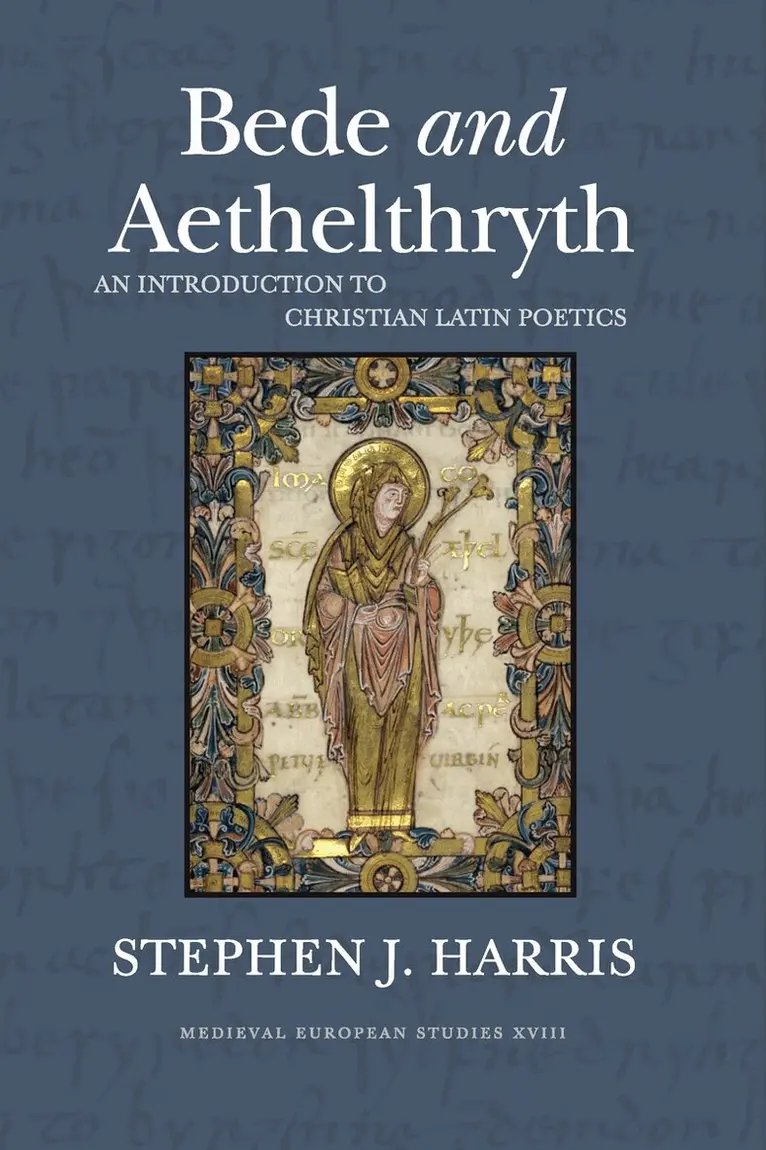
Bede and Aethelthryth asks why Christians in Britain around the year 700 enjoyed Latin poetry. What did they see in it? What did they get from it? This book attempts to reconstruct the horizon of expectation of a highly learned, Latin-speaking nun as she encounters a fifty-line poem by the Venerable Bede, the Hymn to Aethelthryth.The reconstruction is hypothetical and derived from grammatical manuals, learned commentaries from the early medieval period (especially Servius’s commentary on Virgil), and a wide variety of aesthetic observations by classical and medieval readers. The first four chapters describe basic expectations of a reader of Christian Latin poetry. The fifth chapter places the Hymn in its context within Bede’s Ecclesiastical History. A few pages after Bede records his hymn, Caedmon will recite his own hymn under the watchful eye of Whitby’s Abbess Hild, who was a friend of Aethelthryth.Both hymns are attempts to reform the lyric traditions of pagan Rome and pagan Anglo-Saxon England in the light of Christian teaching. The last three chapters contain a line-by-line commentary on Bede’s alphabetic, epanaleptic elegy.